










Getting started with workouts for beginners doesn't have to be complicated. Here are the main things to keep in mind as you begin your fitness journey.
Key Takeaways
- Focus on mastering basic movements with good form to avoid injuries and build a strong foundation.
- Consistency is more important than intensity when you're starting out; aim to show up regularly.
- Proper nutrition and adequate sleep are just as vital as your workouts for muscle repair and overall progress.
- Setting small, achievable goals helps maintain motivation and prevents feeling overwhelmed.
- Technology, like fitness apps, can offer personalized plans and help track your progress effectively.
Getting Started With Your Beginner Workouts
Starting a new workout routine can feel like standing at the bottom of a big hill. You know you want to get to the top, but figuring out the best way to start is half the battle. Let's break down how to get going without feeling overwhelmed.
Understanding The Core Principles Of Home Workouts
When you're just beginning, the idea of working out at home can be really appealing. It cuts out travel time and the potential awkwardness of a busy gym. The main idea behind home workouts is simplicity and accessibility. You don't need fancy equipment to get a good sweat going. Think about using your own body weight for exercises like squats, lunges, and push-ups. These are great for building a solid base. The key is to focus on movements that work multiple muscle groups at once, giving you a full-body effect even with limited time or space. It's about making fitness fit into your life, not the other way around.
Finding Your Personal Motivation
Motivation is a tricky thing, isn't it? Some days you're ready to conquer the world, and other days, just getting off the couch feels like a win. For beginners, finding what truly drives you is super important. Is it feeling more energetic? Wanting to keep up with your kids? Or maybe just feeling a bit stronger day-to-day? Whatever it is, try to connect with that reason. Write it down somewhere you'll see it often. Sometimes, just remembering why you started can be enough to get you moving when you don't feel like it. It's not about being perfect, it's about showing up for yourself.
The most effective beginner workout plan isn't the hardest one—it's the one you can stick to. Prioritize showing up for your scheduled days, even if you have to reduce the intensity.
Setting Achievable Goals
Big goals are great, but for beginners, they can sometimes feel too far away. Instead, let's focus on smaller, more manageable steps. Think about what you want to accomplish in the next week or two. Maybe it's completing three workouts this week, or perhaps it's mastering the form on a specific exercise like a squat. Setting these short-term goals makes the overall journey feel less daunting. As you hit these smaller targets, you build confidence and momentum, which naturally leads to bigger achievements down the line. It’s a step-by-step process, and each step counts.
Here’s a simple way to think about your first few weeks:
- Week 1-2: Focus on consistency. Aim for 2 workouts per week, prioritizing good form over speed or weight. The goal is just to get moving and learn the basic movements.
- Week 3-4: Gradually increase the challenge. Try to do 3 workouts per week. You can also slightly increase the number of repetitions or sets, or shorten rest times between exercises.
- Ongoing: Listen to your body. If you need an extra rest day, take it. The aim is to build a sustainable habit, not to burn yourself out. You can find some great full-body workout routines that are perfect for this stage.
Structuring Your First Workouts For Beginners
So, you're ready to get moving, but where do you even start? It’s easy to get overwhelmed with all the information out there. The key for beginners isn't about doing the hardest workouts possible; it's about building a routine you can actually stick with. Consistency truly trumps intensity when you're just starting out. Forget the idea of pushing yourself to the absolute limit every single time. Your main goal for the first month is simply to show up, do your best on any given day, and let your body adapt. This is how you build lasting strength and confidence.
Choosing Between Home Or Gym Workouts
There are two main paths you can take for your initial training: working out at home or heading to the gym. Both have their perks, and the best choice really depends on what fits your life and preferences.
- At-Home Workouts: These are fantastic if you prefer privacy, have limited time, or want to avoid gym fees. You can get a solid workout using just your body weight, making it super accessible. It’s a great way to build a strong base without needing any special equipment.
- Gym Workouts: If you have a gym membership, using the machines and weights can offer a different kind of challenge and variety. It’s a good option if you like having a dedicated space for exercise and want to learn how to use common gym equipment. You can get a good feel for basic gym machines and how they work.
Both approaches are built on the same idea: gradually increase the demands on your body over time and give it enough rest to recover and get stronger.
Your Four-Week Progressive Schedule
To give you a clear roadmap, here’s a general idea of how your first month might look. This schedule is a guide, not a rigid rulebook. Always listen to your body and make adjustments as needed.
| Week | Focus | Workout Days (Home or Gym) | Notes |
|---|---|---|---|
| Weeks 1-2 | Building a foundation, mastering form | 2 days per week | Focus on quality of movement. Rest 60-90 seconds between sets. |
| Weeks 3-4 | Increasing volume, challenging muscles | 3 days per week | Aim for 3 sets. Shorten rest periods to 45-60 seconds if comfortable. |
This structure helps you build momentum without feeling overwhelmed. The goal is to finish the month feeling noticeably stronger and more capable.
Consistency Over Intensity
It sounds simple, but it's the most important rule for beginners. Don't try to be a superhero on day one. The fitness world used to see a lot of people quit early on, but things are changing. With tools like fitness apps, beginners are sticking with their plans much longer. For example, a quick quiz can help generate a personalized workout plan that grows with you.
The real secret to making exercise a habit isn't about punishing yourself. It's about creating small, achievable wins that build your confidence. Start with a goal so easy you can't say no, like taking a short walk a few times a week. Then, you build from there. This step-by-step method keeps things from feeling too big or scary.
Remember, your workouts are just one piece of the puzzle. Recovery, sleep, and good nutrition play a massive role in how your body adapts and gets stronger. Don't neglect these parts – they're where the actual progress happens.
Mastering Foundational Movements
Alright, let's talk about the actual movements that make up your workouts. You've got your motivation, you've picked a place to train, and now it's time to learn how to move your body effectively. Think of these as the building blocks for everything else you'll do.
The Importance Of A Dynamic Warm-Up
Before you even think about lifting a weight or doing a push-up, you need to get your body ready. Skipping the warm-up is like trying to drive a car without letting the engine warm up on a cold day – it's just not smart and can lead to problems. A dynamic warm-up is all about active movements that get your blood flowing and your joints ready for action. It's not just about stretching; it's about preparing your muscles and nervous system.
Here’s a quick routine you can do in about five minutes:
- Arm Circles: Start with small circles forward, then make them bigger. Do the same going backward. This gets your shoulders loose.
- Leg Swings: Hold onto a wall for balance. Swing one leg forward and backward, then side to side. Switch legs. This wakes up your hips and hamstrings.
- Torso Twists: Stand with your feet about shoulder-width apart and gently twist your upper body from side to side. This loosens up your spine.
- High Knees & Butt Kicks: March in place, bringing your knees up high, then switch to kicking your heels back towards your glutes. This gets your heart rate up a bit.
Getting your body moving before a workout isn't just a suggestion; it's a necessary step to prevent injuries and make your actual workout more effective. It primes your muscles and joints for the work ahead.
Essential Bodyweight Exercises
These are the exercises that form the backbone of most beginner programs. You don't need fancy equipment for these, just your own body and a bit of space. Mastering these five movements will give you a solid foundation for almost any fitness goal.
- Bodyweight Squat: This is your go-to for lower body strength. Stand with your feet shoulder-width apart, chest up. Lower your hips as if sitting into a chair, aiming to get your thighs parallel to the floor. Push through your heels to stand back up. It might feel a bit strange at first, but it's worth practicing. You can find detailed instructions on how to do squats correctly.
- Push-Up: A total-body move that works your chest, shoulders, and core. If a full push-up on the floor is too much right now, don't worry. Start with your hands on an elevated surface like a sturdy table or counter, or do them from your knees. The key is to keep your body in a straight line from head to heels (or knees).
- Plank: This is fantastic for your core. Get into a push-up position, either on your hands or forearms, and hold that straight line. Squeeze your glutes and abs. Start with 15-20 second holds and gradually increase the time.
- Glute Bridge: Great for waking up your glutes, especially if you sit a lot. Lie on your back with knees bent, feet flat. Lift your hips towards the ceiling, squeezing your glutes at the top.
- Row (Bodyweight or with weight): To build a strong back, rows are key. At home, you can use a jug of water or a backpack. Hinge forward at your hips (keeping your back straight!) and pull the weight towards your chest, squeezing your shoulder blades together. If you're looking for a more dynamic movement, the overhead slam can also be a great addition to your routine, working your core and upper body.
Proper Form For Injury Prevention
This is probably the most important part of starting out. Doing an exercise incorrectly doesn't just mean you won't get the full benefit; it's a fast track to getting hurt. It's better to do fewer reps with perfect form than to do a bunch of reps poorly.
- Focus on Control: Don't just let gravity do the work. Control the movement both on the way down and on the way up.
- Listen to Your Body: If something feels sharp or painful, stop. There's a difference between muscle fatigue and actual pain.
- Start Light (or with no weight): Master the movement pattern first. You can always add weight or difficulty later once your form is solid.
Using technology, like fitness apps with form-tracking features, can be a game-changer here. They can give you real-time feedback, almost like having a coach watching you, which is incredibly helpful when you're just starting out and trying to build good habits.
Fueling Your Fitness Journey
Alright, so you're getting into working out, which is awesome. But let's talk about what happens outside of your workout. What you eat and how you rest plays a massive role in how you feel and how quickly you see results. It’s not just about hitting the gym or doing your home routine; it’s about supporting your body through all of it.
The Role Of Nutrition In Progress
Think of your body like a car. You can’t expect it to run well on cheap, low-grade fuel, right? The same goes for your fitness. Eating well doesn't mean you have to eat boring food or go on some crazy diet. It’s more about giving your body the right building blocks it needs to recover and get stronger. For beginners, focusing on whole foods – think fruits, veggies, lean proteins, and healthy fats – is a great starting point. These give you sustained energy and the nutrients your muscles need after a tough session. Trying to figure out what to eat can feel overwhelming, but starting with simple meal planning can make a big difference in achieving your goals.
Here’s a quick look at what to focus on:
- Protein: Helps repair and build muscle. Aim for sources like chicken, fish, beans, or tofu.
- Carbohydrates: Your body’s main energy source. Choose complex carbs like whole grains, sweet potatoes, and oats for lasting fuel.
- Healthy Fats: Important for hormone production and overall health. Avocados, nuts, seeds, and olive oil are good choices.
- Hydration: Don't forget water! It’s key for everything your body does.
Eating balanced meals supports your workouts and helps you feel more energetic throughout the day. It's about fueling your body, not restricting it.
Prioritizing Sleep For Recovery
Seriously, don't underestimate sleep. When you sleep, your body is busy repairing itself. This is when muscles grow and your nervous system recovers. If you're not getting enough quality sleep, you're basically sabotaging your workouts. You'll feel more tired, your performance will suffer, and you might even get injured more easily. Aim for 7-9 hours of good sleep each night. Try to stick to a regular sleep schedule, even on weekends, and make your bedroom a dark, quiet place.
Active Recovery Strategies
Recovery days aren't about doing nothing; they're about active recovery. This means doing light activities that help your body bounce back without adding more stress. Think of it as giving your muscles a gentle massage. It can help reduce soreness and improve blood flow.
Here are a few ideas:
- Light Walking: A gentle stroll can do wonders.
- Stretching or Foam Rolling: Helps release muscle tension.
- Yoga or Pilates: Focuses on flexibility and core strength.
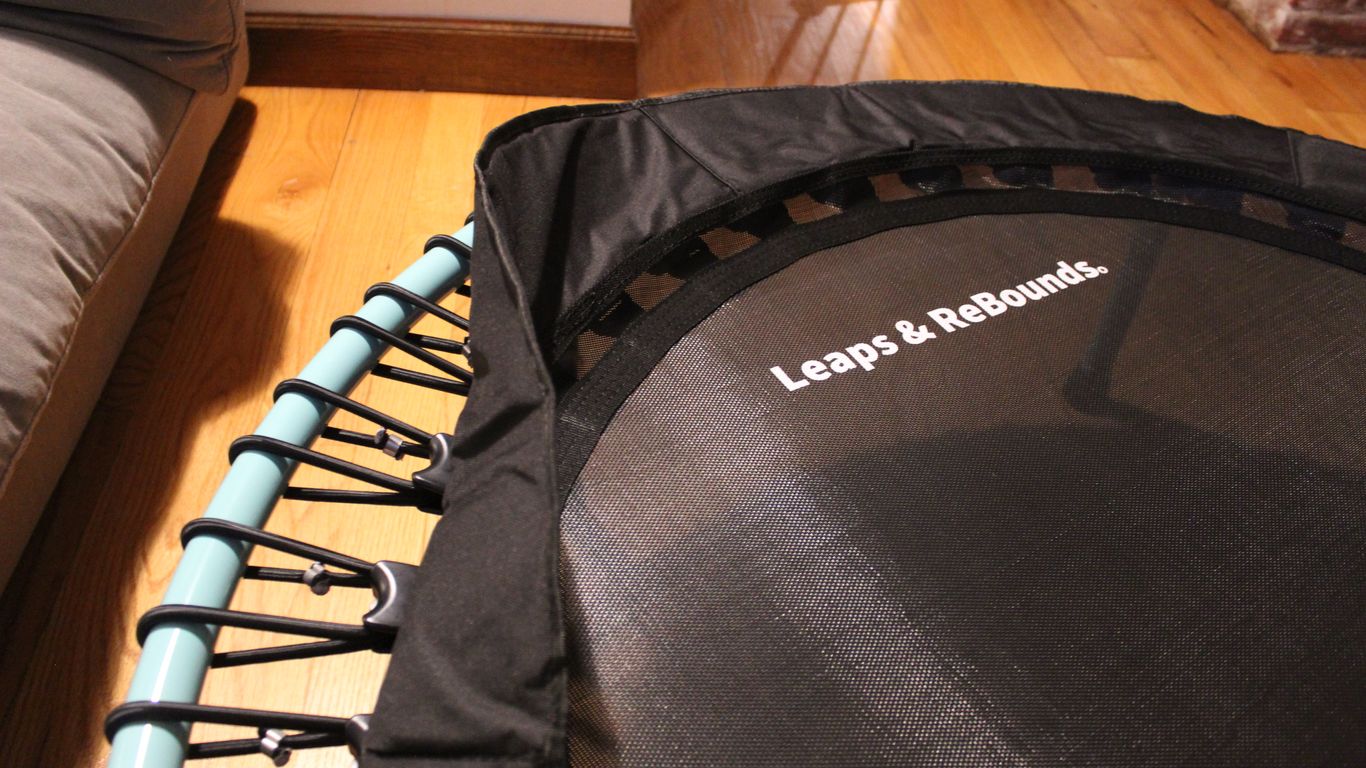
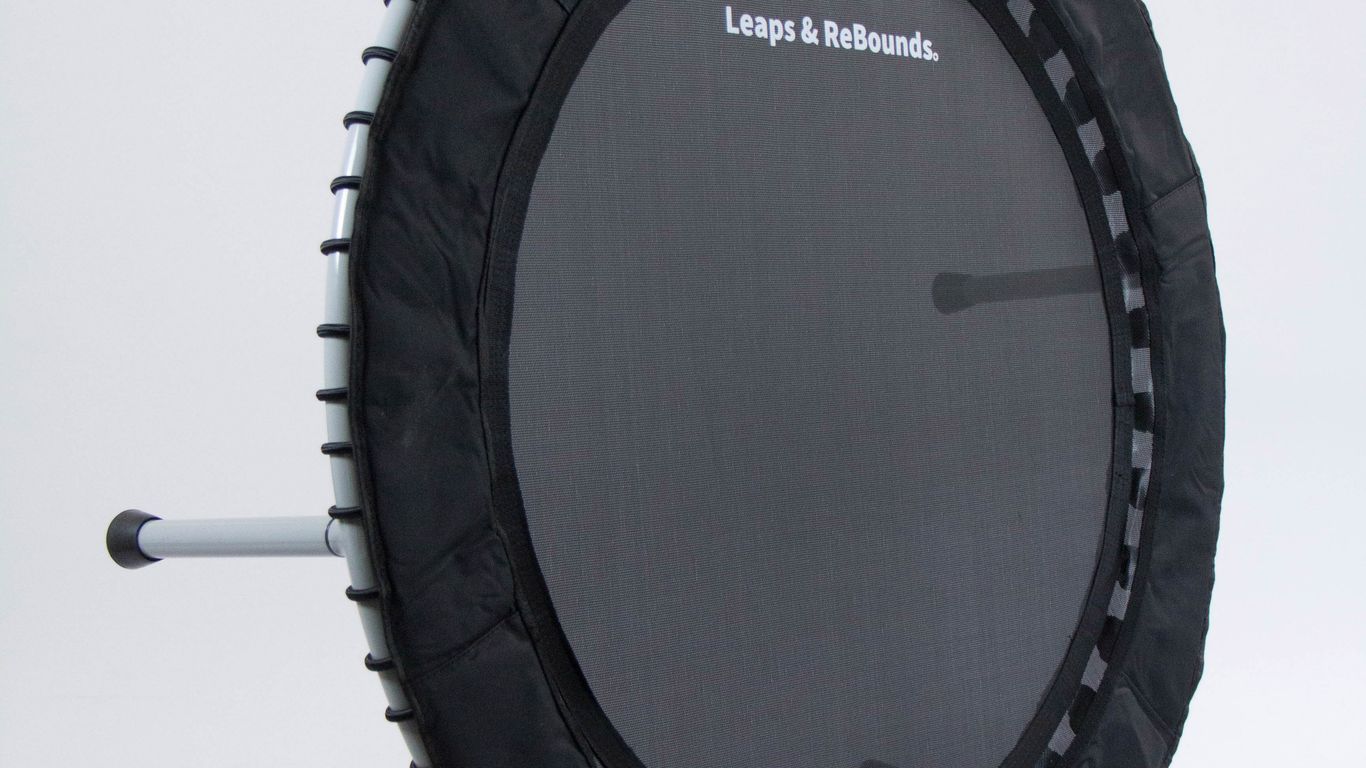
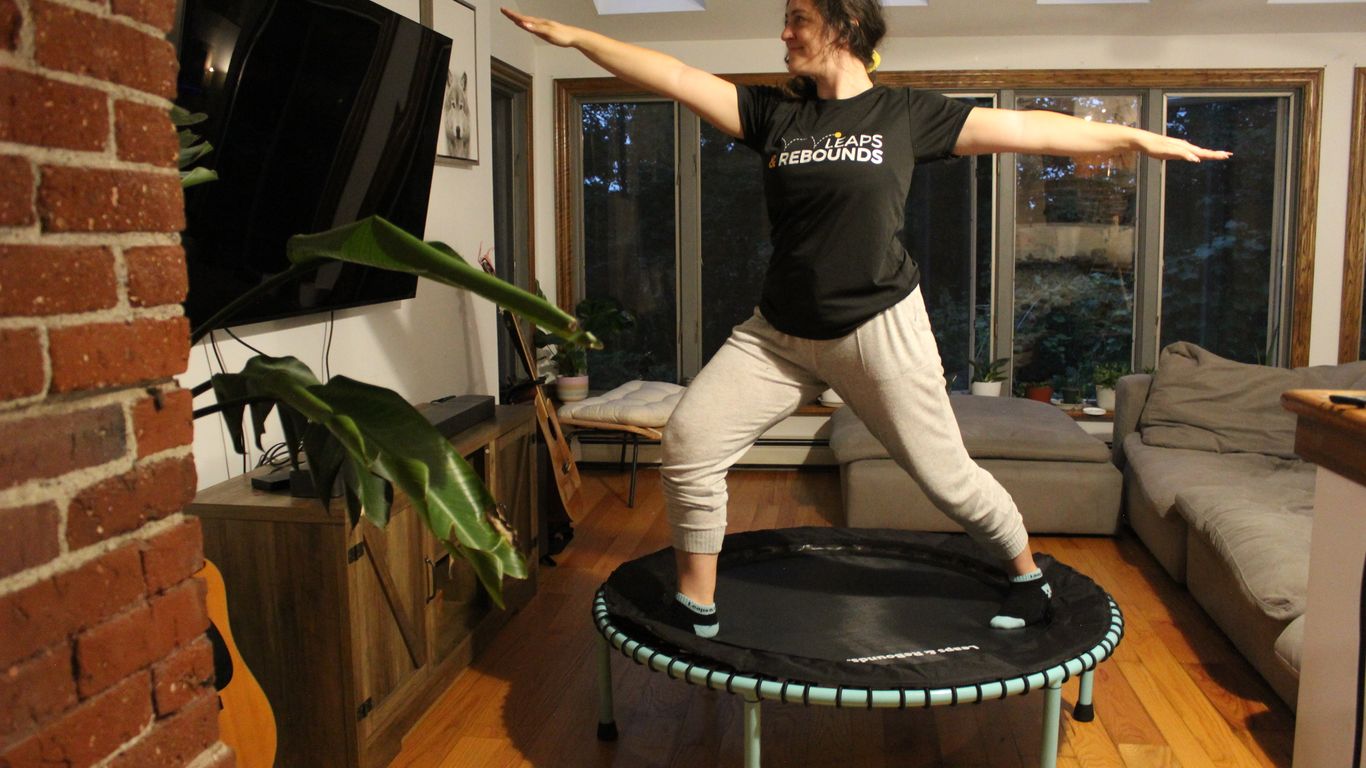
- Using a Rebounder: Low-impact bouncing can aid lymphatic drainage and boost mood. A firm bungee pack rebounder is a great option for this.
These activities help you recover faster so you can get back to your next workout feeling refreshed and ready to go. It’s all part of the process to keep you moving forward consistently.
Leveraging Technology For Beginner Success
Getting started with fitness can feel a bit overwhelming, right? There's a lot of information out there, and figuring out where to begin can be tough. Luckily, technology has stepped in to make things a whole lot simpler for beginners. Think of it as having a personal guide in your pocket.
How Fitness Apps Personalize Your Plan
One of the biggest hurdles for new exercisers is creating a plan that's actually right for them. You don't want something too easy that you don't see results, but you definitely don't want something so hard you get injured or just quit. This is where fitness apps really shine. Many apps start by asking you a few questions or even guiding you through a quick assessment. This helps them understand your current fitness level, any limitations you might have, and what you're hoping to achieve. Based on this, they can build a workout program tailored just for you. It takes the guesswork out of the equation, making sure your plan is safe, effective, and actually enjoyable.
- Personalized Workout Routines: Apps create exercises and schedules based on your input.
- Adaptive Difficulty: Plans adjust as you get fitter, keeping you challenged but not overwhelmed.
- Goal Setting Support: Many apps help you define and track progress towards specific fitness objectives.
The initial assessment is key. It's not just about convenience; it's about getting a precise starting point. This data helps the app build a program that's challenging enough for results but not so intense that it leads to injury. It creates a unique path from where you are right now.
Tracking Progress With Digital Tools
Seeing your progress is a huge motivator. It's easy to feel like you're not getting anywhere if you can't see the changes. Digital tools, especially fitness apps, are fantastic for this. They can track everything from the number of workouts you complete to how many reps you did, how long you rested, and even your heart rate if you have a compatible device. Some apps even let you log your mood or how you felt after a workout. This data gives you a clear picture of how far you've come. It's incredibly satisfying to look back and see all the hard work you've put in. For example, a simple log can show you how you've increased your strength over a few weeks, which is a great confidence booster. You can find some great workout apps that experts have tested to help you achieve your fitness goals here.
AI-Driven Workout Adaptation
Artificial intelligence (AI) is changing the game for fitness. Instead of just following a static plan, AI can actually learn from your performance. If you find an exercise too easy, the AI might suggest increasing the weight or reps next time. If something feels too hard, it can scale it back. This constant adaptation means your workouts are always optimized for your current abilities. It's like having a coach who's always watching and adjusting your training. This intelligent approach helps prevent plateaus and keeps your body responding. It's a smart way to train, making sure you're always moving forward. Many beginners find that using an app with AI personalization helps them stick with their plans much longer than they would otherwise, sometimes three times longer. This can be especially helpful if you're looking for effective routines you can do at home without any equipment [7972].
| Feature | Beginner Benefit |
|---|---|
| Personalized Plan | Starts you at the right level, reduces injury risk |
| Progress Tracking | Visualizes gains, boosts motivation |
| AI Adaptation | Keeps workouts challenging and effective over time |
| Accessibility | Workout anytime, anywhere, often with minimal gear |
Building Sustainable Workout Habits
So, you've gotten through the initial weeks of your beginner workouts. That's awesome! But now comes the real challenge: making this fitness thing stick. It's easy to start strong, but keeping it going when life gets busy or motivation dips is where many people stumble. The good news is, building habits isn't some mystical art; it's a skill you can learn.
Overcoming Common Obstacles
Let's be real, things will pop up. Maybe you're tired after a long day, or a friend invites you out when you planned to hit the gym. Instead of seeing these as reasons to quit, think of them as opportunities to get creative. The key is to have a plan for when the plan goes awry.
Here are a few common roadblocks and how to tackle them:
- Lack of Time: Even 15-20 minutes counts. Can you wake up a bit earlier, or use your lunch break? Sometimes, a quick home workout without equipment is all you need.
- Low Motivation: Connect with your 'why'. Remind yourself why you started. Maybe it's for more energy, better sleep, or just to feel stronger. Visualizing your progress can also help.
- Feeling Sore or Tired: This is where active recovery comes in. A gentle walk or some stretching can actually help you feel better and prepare you for your next session.
- Boredom: Mix things up! Try a new bodyweight exercise, change your workout location, or listen to a new playlist. Variety keeps things interesting.
Don't aim for perfection; aim for consistency. Missing one workout isn't a failure; it's just a blip. The important thing is to get back on track with your next planned session.
Integrating Workouts Into Daily Life
Making fitness a natural part of your routine is more about small, consistent actions than grand gestures. Think about how you brush your teeth or make your morning coffee – it just happens. We want your workouts to feel that way.
Consider these strategies:
- Schedule It: Treat your workout like any other important appointment. Put it in your calendar and stick to it.
- Pair It: Link your workout to an existing habit. For example, do 10 squats while your coffee brews, or go for a walk right after dinner.
- Make It Accessible: Have your workout clothes ready the night before. If you work out at home, set up a small space so you can jump right in.
- Find a Buddy: Accountability can be a huge motivator. Find a friend or family member to exercise with, or join an online community.
Long-Term Health And Mobility
Building sustainable habits isn't just about looking good; it's about feeling good and staying capable for years to come. The goal is to create a lifestyle where movement is a source of joy and strength, not a chore.
Think about your fitness journey as a marathon, not a sprint. The habits you build now will pay dividends in your future health and mobility. This approach helps you start an exercise routine that you'll actually enjoy and can maintain long-term. It's about creating a foundation for a healthier, more active life, one consistent step at a time.
Making exercise a regular part of your life doesn't have to be a chore. Discover simple ways to build lasting workout habits that fit your routine. Ready to jumpstart your fitness journey? Visit our website for tips and tools to help you stay motivated!
Conclusion
Starting a fitness journey can feel like a big step, but remember that consistency and smart choices are your best friends. You don't need fancy equipment or hours in the gym to see results. By focusing on good form, listening to your body, and fueling yourself properly, you're setting yourself up for success. Keep showing up, celebrate your small wins, and enjoy the process of becoming a healthier, stronger you. This guide is just the beginning, and with dedication, you'll build habits that last a lifetime.
Frequently Asked Questions
How many days a week should I work out as a beginner?
When you're just starting, aiming for two to three days a week is usually best. It gives your body enough time to rest and get stronger between sessions. Think of it like this: Monday and Thursday, or maybe Tuesday, Thursday, and Saturday. This way, you won't get too tired and you'll be more likely to stick with it.
What's more important for losing weight: diet or exercise?
Honestly, both are super important, but for losing weight, what you eat often has a bigger impact at first. It's easier to cut calories by changing your food than it is to burn them off with exercise alone. But, exercise helps build muscle, which speeds up your metabolism over time, so you really need both for long-term success.
Do I need special equipment to start working out at home?
Nope, not at all! You can get a great workout using just your own body weight. Think squats, push-ups (you can do them on your knees or against a wall if regular ones are too hard), lunges, and planks. There are tons of effective exercises you can do without buying anything.
What's a good way to warm up before exercising?
A good warm-up gets your blood flowing and your muscles ready. Spend about five minutes doing some light movement. You could march in place, do some arm circles, leg swings, and gentle torso twists. It helps prevent injuries and makes your workout feel better.
How long should my beginner workouts be?
When you're new to exercise, shorter, focused workouts are better. Aim for around 20 to 30 minutes. It's better to do a shorter workout consistently than to try a long one and feel exhausted or skip it altogether. As you get fitter, you can gradually increase the time.
What if I miss a workout session?
Don't beat yourself up! Life happens. If you miss a day, just get back on track with your next scheduled workout. It's not about being perfect; it's about being consistent over time. One missed session won't ruin your progress. Just pick up where you left off!


0 comments