













Key Takeaways
Choosing the right protective accessories can significantly extend the lifespan of your rebounder while ensuring a safer environment. Keeping your equipment clean and properly fitted is crucial for consistent performance.
- Regular covers protect elastic components from sunlight and dust buildup.
- Measure frame diameter accurately to avoid ordering the wrong size.
- High-density foam padding provides essential impact absorption during workouts.
- Maintenance routines prevent premature material degradation in humid environments.
- Proper installation ensures a wrinkle-free surface that promotes better safety.
Why mini trampoline covers are essential
Protecting the bungee cords and springs
External environmental factors like ultraviolet light and accumulated dust can cause significant damage to your rebounder's tension system. A high-quality cover acts as a shield for these delicate parts. Ensuring your components are shielded from direct sunlight is a key factor in equipment longevity.
Enhancing user safety during workouts
Loose or absent covers expose users to the hard steel frame or tensioning cords, both of which pose tripping dangers. By securing a protective guard, you keep the perimeter of your bouncing zone fully protected. This is particularly vital for home gyms where safety standards are maintained by the owner.
Maintaining the hygiene of the jumping surface
Keeping a clean mat is fundamental when you spend significant time training on your rebounder. A cover prevents sweat, skin cells, and indoor contaminants from settling onto the fabric between sessions. You might want to consider the Furry Mat Mini Trampoline Cover if you are looking for a unique, machine-washable option that doubles as room decor.
Determining the right size for your trampoline
Measuring the frame diameter accurately
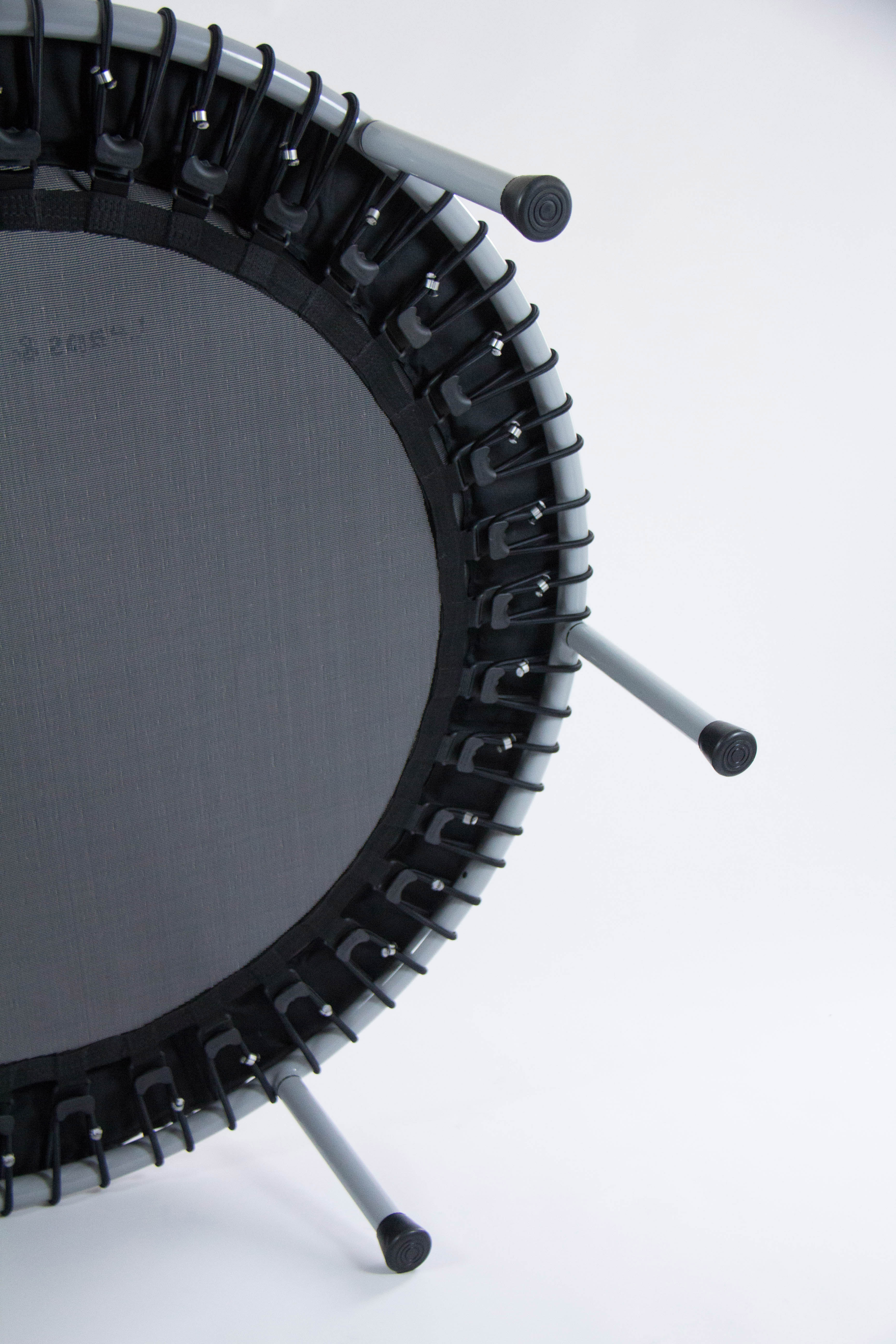
Precise measurement is the only way to ensure your cover fits snugly without overstretching the material or leaving gaps. Always measure across the widest point of the metal frame, rather than just the jumping surface, to capture the full structural footprint. This step serves as the foundation for selecting the correct mini trampoline replacement parts from our inventory.
Understanding the difference between frame and mat size
It is common to confuse the trampoline mat size with the overall frame diameter. The frame size is usually a few inches larger to accommodate the spring or bungee attachment points. If you are specifically looking for a 40-inch mini trampoline cover, check the specifications to confirm if it fits the specific frame diameter or the mat width.
Compatibility with existing leg attachments
Most modern bounce equipment includes various leg height and attachment configurations that can obstruct standard circular covers. Before purchasing, verify if your model features a stability bar or specific leg bracket patterns. A table comparing common dimensions helps narrow down your choices:
| Trampoline Size | Compatibility | Best Use Case |
|---|---|---|
| 36-inch | Standard 6-leg | Indoor home studio |
| 40-inch | Universal fit | General fitness training |
| 48-inch | Wide frame | High-intensity workouts |
Key materials and durability factors
Benefits of PVC versus weather-resistant fabric
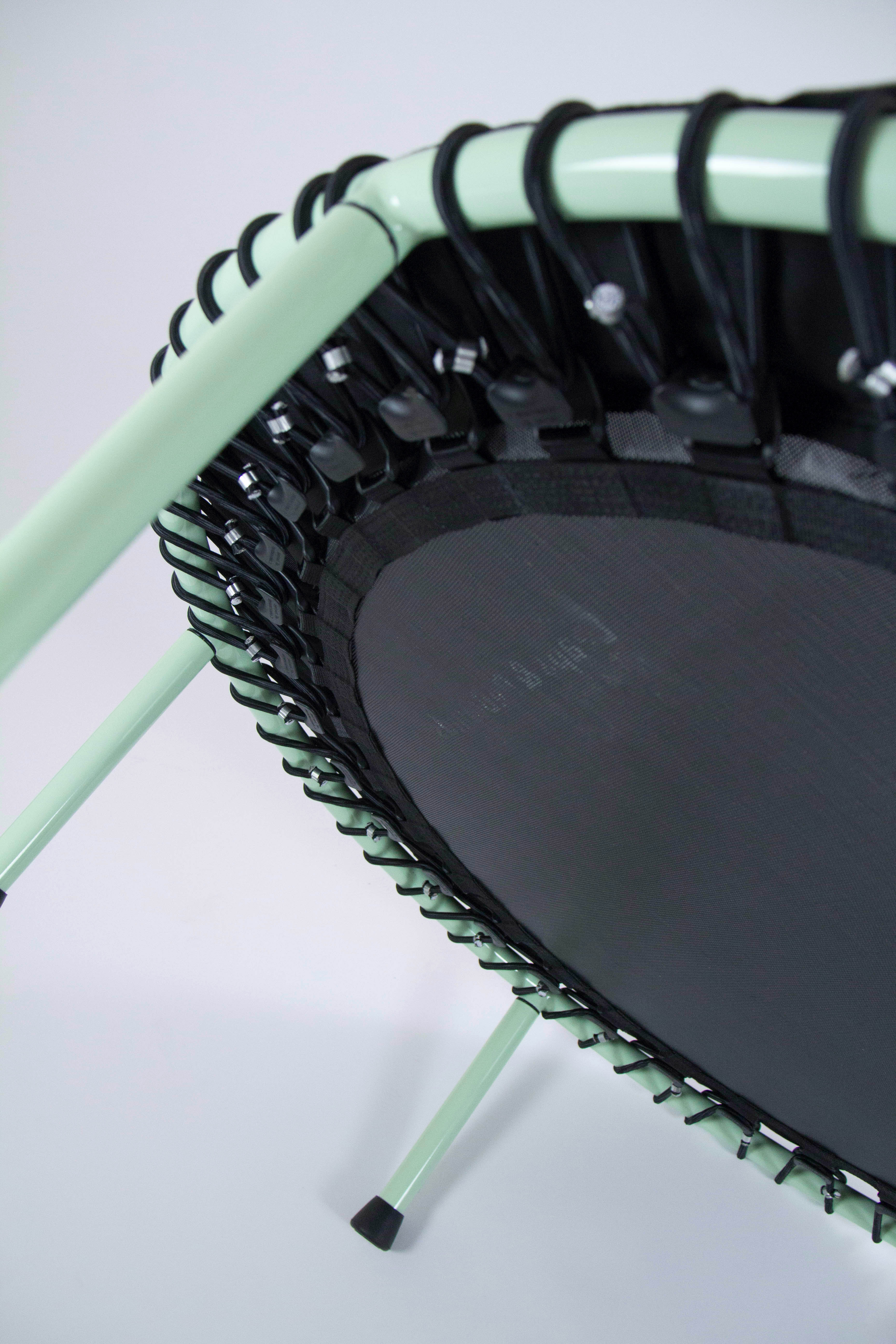
Choosing the right material depends on where you plan to store your unit. PVC offers a sleek, non-porous finish that resists moisture, whereas weather-resistant fabrics provide more breathability to prevent mildew. High-end materials ensure that you do not need official replacement parts as frequently because the outer layer resists common environmental stressors.
Assessing foam padding thickness for impact absorption
The internal padding is the primary line of defense against accidental contact with the frame. Look for high-density, closed-cell foam that does not easily lose its shape under pressure. If you are browsing for a robust upgrade, consider the Machrus Upper Bounce replacement pad for its superior durability and UV-resistant properties.
Evaluating tear resistance for long-term home use
Long-term reliability is determined by the stitching strength and the denier count of the fabric. Reinforce your setup at home by choosing options that prevent snags during assembly. Investing in a fitness trampoline setup that uses high-quality raw materials remains the most cost-effective approach over time.
Installation techniques for a secure fit
Preparing the frame before replacement
Remove all existing debris, dust, or residual tension from the previous cover before starting the installation process. A clean frame ensures better friction, which helps the new cover remain in place during high-intensity training. Take a few minutes to inspect the frame for any sharp edges that might cut through the new material.
Anchoring the cover to the elastic cords
Most covers utilize bungee hooks or side ties to secure themselves firmly to the trampolines frame. Ensure each tie is looped through the inner circle of the frame to provide maximum surface tension. Avoid leaving any slack, as loose hanging material can cause a tripping risk during active rebounding.
Adjusting for a taut and wrinkle-free surface
Once anchored, rotate the cover slightly to ensure the grommets or ties align perfectly with the leg supports and edge points. To achieve that professional, smooth look, pull the fabric gently from opposite sides until the surface is uniform. Maintaining a taut surface not only looks tidy but also provides the most consistent jumping experience.
Maintenance and cleaning tips
Wiping down surfaces after high-intensity training
Make it a habit to wipe down the cover after every session to prevent the buildup of sweat and grime. Use a damp cloth with mild soap, avoiding harsh chemicals that might break down the protective coating of the material. This quick step is essential for minimizing long-term wear and tear.
Preventing material degradation in humid conditions
If you store your trampoline in a humid basement or near high-moisture areas, ensure the cover is completely dry before long-term storage periods. Moisture trapped between the cover and the mat is a common cause of premature material degradation. Consider keeping the area properly ventilated to discourage mold growth on your fitness equipment.
Storing covers properly during extended periods of disuse
If you take your rebounder apart for storage, fold the cover carefully along its original seams to avoid creasing the material. Keeping your cover in a cool, dark environment will preserve the color and flexibility of the fabric. Follow these safety points when putting your equipment away:
- Completely detach the cover from the elastic cords.
- Clean the surface thoroughly before packing it away.
- Store in a breathable, protective carrying bag.
- Avoid stacking heavy items on top of folded covers.
Troubleshooting common replacement issues
Fixing sagging or bunching covers
If your cover starts to bunch up, check that the anchoring ties are taut and have not slipped off their designated spots. Often, a redistribution of the cover's tension by pulling the edges uniformly will fix the issue. If it persists, confirm that the size is not too large for your specific frame.
Addressing mismatched grommet alignment
When a cover does not seem to fit your leg configuration, ensure that you haven't rotated it 90 degrees out of place. Sometimes, an extra half-inch of shift can disrupt the entire alignment of the grommets. A small adjustment is usually enough to resolve the tension conflict.
Deciding between official replacement parts and universal covers
When you need a replacement, decide whether the convenience of an official part or the wider availability of a universal cover is your priority. Official covers are guaranteed to fit the specific model frame perfectly, while universal options often offer more variety in fabric and weight. Your choice should balance cost with the desired lifespan and aesthetic performance of the finished setup.
Conclusion
Selecting the right cover for your mini trampoline is a simple but essential task that directly impacts the safety and durability of your home fitness setup. By focusing on correct sizing, material quality, and consistent hygiene routines, you can keep your equipment in peak condition for years to come. Remember that a properly fitted cover is not just an aesthetic choice; it acts as a reliable barrier that ensures every jump remains safe, clean, and enjoyable throughout your fitness journey.
Frequently Asked Questions
How often should I replace my trampoline cover?
Typically, a cover lasts between one and three years depending on the intensity of your usage and storage conditions. If you notice signs of tearing, fraying, or the material becoming noticeably thin, it is time for a replacement.
Can I wash my trampoline cover in a washing machine?
Many synthetic fabric covers are machine washable, but you must check the care label or manufacturer guidelines. Use a gentle cycle with cold water and avoid using high-heat settings that could damage the water-resistant coating or cause the material to shrink.
Will a universal cover fit every brand of mini trampoline?
Universal covers are designed for standard sizing, but internal dimensions and leg patterns vary greatly between brands. Always verify the frame diameter and the positioning of the attachments before concluding that a universal option will work for your specific model.
Why is my cover bunching up after only a few jumps?
Bunching usually occurs when the cover is not pulled tight enough or when the anchor points are not perfectly aligned with the frame. Ensure all elastic clips are secure and that the material is centered correctly to keep it flat throughout your workout.
Should the cover feel completely tight against the jumping mat?
A cover should fit snugly over the springs or bungee cords while avoiding excessive stretching that could cause the seams to pop. It needs to be tight enough to prevent tripping but have enough give to allow the tension system to work normally during movement.
Can a dirty cover damage my jumping mat?
Yes, grit, dust, and dried sweat trapped beneath a dirty cover can work like sandpaper against the mat material when you begin to jump. Keeping the cover and the underlying area clean is essential to preventing premature abrasion on the mat.
Does weather-resistant material mean I can store it outside?
Even with weather-resistant properties, outdoor environments expose equipment to extreme heat and heavy precipitation which shorten the life of the material. It is always best to store your trampoline inside a garage or storage space when it is not being actively used.


0 comments