











Key Takeaways
Starting a home fitness routine with a portable piece of equipment can simplify your journey toward better health and mobility. These summary points capture the essence of what you need to know about navigating the world of rebounders.
- Finding the right model involves balancing physical space constraints with your primary fitness goals.
- Regular maintenance of springs and mats is essential to ensuring a safe and durable bouncers experience.
- Low-impact cardiovascular exercise on a rebounder can effectively target core strength and balance development.
- Understanding the structural differences between folding and stationary frames helps in selecting the most reliable equipment.
- Consistent application of safety protocols, such as proper footwear, is non-negotiable for injury prevention during home workouts.
Understanding the anatomy of a folding mini trampoline
Selecting a fitness tool requires more than looking at aesthetics; understanding the core parts ensures you choose something durable. A high-quality device functions as a cohesive system, where the frame, mat, and tension components work in unison to provide a safe experience. By focusing on these fundamental parts, users can identify which models are budget-friendly and which are built for long-term intensity.
The folding mechanism explained
The primary appeal of a folding model is its ability to tuck away when not in use. Most rebounders use a hinge system that allows the circular frame to bend in half, often held in place by locking pins for security while you jump. This clever engineering doesn't compromise structural integrity when locked, provided the components are manufactured from high-grade steel.
Mat material and tension systems
The mat is the centerpiece of your workout surface, and its construction dictates how energy is returned to your joints. Many premium options utilize a tightly woven polypropylene material known for its resistance to stretching and long-term degradation. Beneath this surface, the tension system—either traditional metal springs or advanced bungee cords—determines the bounce feel, with bungees often providing an exceptionally quiet and smooth landing.
Frame stability and leg construction
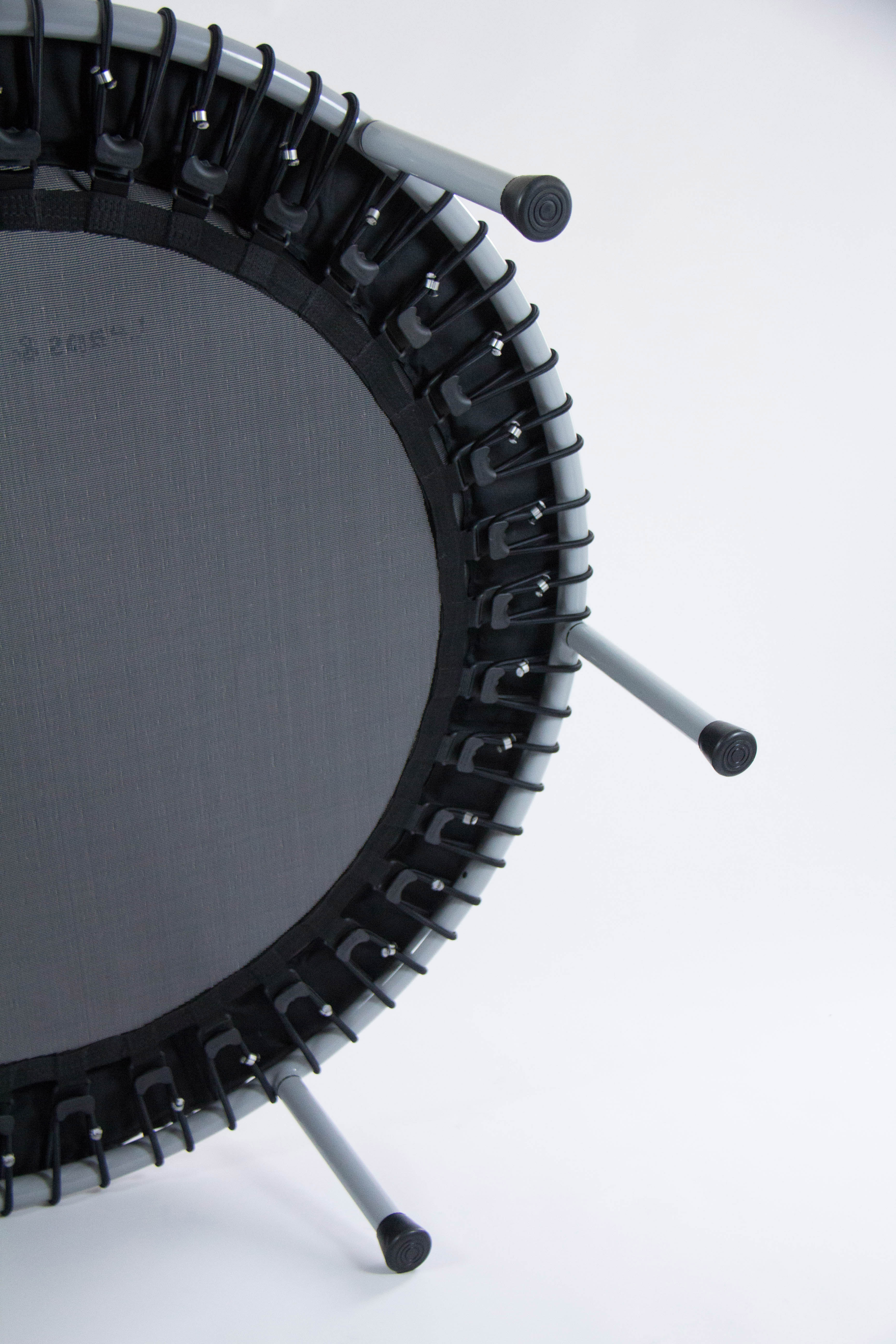
A stable foundation starts with the legs, which usually screw directly into the frame or utilize a quick-release locking mechanism. Stability is defined by the number and spread of these points of contact, as a wider tripod or quad-pod setup significantly reduces the risk of tipping. Proper construction ensures that weight is distributed evenly across the floor surface.
Weight capacity and safety ratings
Before finalizing your decision, checking the manufacturer's maximum user weight rating is a vital step in ensuring structural safety. While many standard units are rated for average weights, heavy-duty options are designed to withstand significantly more, confirming the product's overall build quality. Always lean toward units engineered for durability, and remember that Leaps and Rebounds offers models supporting up to 330lbs, ensuring most users can enjoy a safe, stable platform.
Benefits of integrating mini trampoline workouts
Daily movement is a vital piece of the wellness puzzle, and adding a vertical component to your routine changes the entire experience. Unlike high-impact running on asphalt, a rebounder allows for controlled, rhythmic motion that is gentle on your knees and hips. This consistent, low-impact approach is a favorite for those managing recovery or simply seeking a sustainable way to stay active throughout the week.
Low-impact cardiovascular training
Rebounding serves as an efficient tool for spiking your heart rate while simultaneously minimizing the jarring impact often felt in traditional floor cardio. The nature of the mat surface absorbs the vast majority of force at the bottom of each bounce, which protects your joints. Incorporating this training allows you to work longer and more consistently without the soreness associated with high-impact exercise.
Improvement in lymphatic flow and circulation
The rhythmic up-and-down motion associated with rebounding helps stimulate the body's natural drainage system. By periodically compressing and decompressing, the lymphatic vessels function more efficiently, which many users find aids in reducing stagnation. This natural stimulation is often cited by fitness enthusiasts as a key benefit of daily, short-duration sessions.
Core engagement and balance development
Staying upright on an unsteady, shifting surface necessitates constant, micro-adjustments from your stabilizing muscles. This requirement forces the core to remain engaged throughout the duration of your movement, strengthening the abdominal and back muscles without the need for traditional crunches. You will find that regular use naturally sharpens your proprioception and physical stability.
Convenience for home-based exercise routines
Having the ability to exercise without leaving your own house is a major factor in building lasting, healthy habits. The compact nature of these units allows for an immediate transition from storage to activity, eliminating the time-consuming aspects of gym commutes or studio classes. The following list outlines the common equipment accessories often paired with home rebounders:
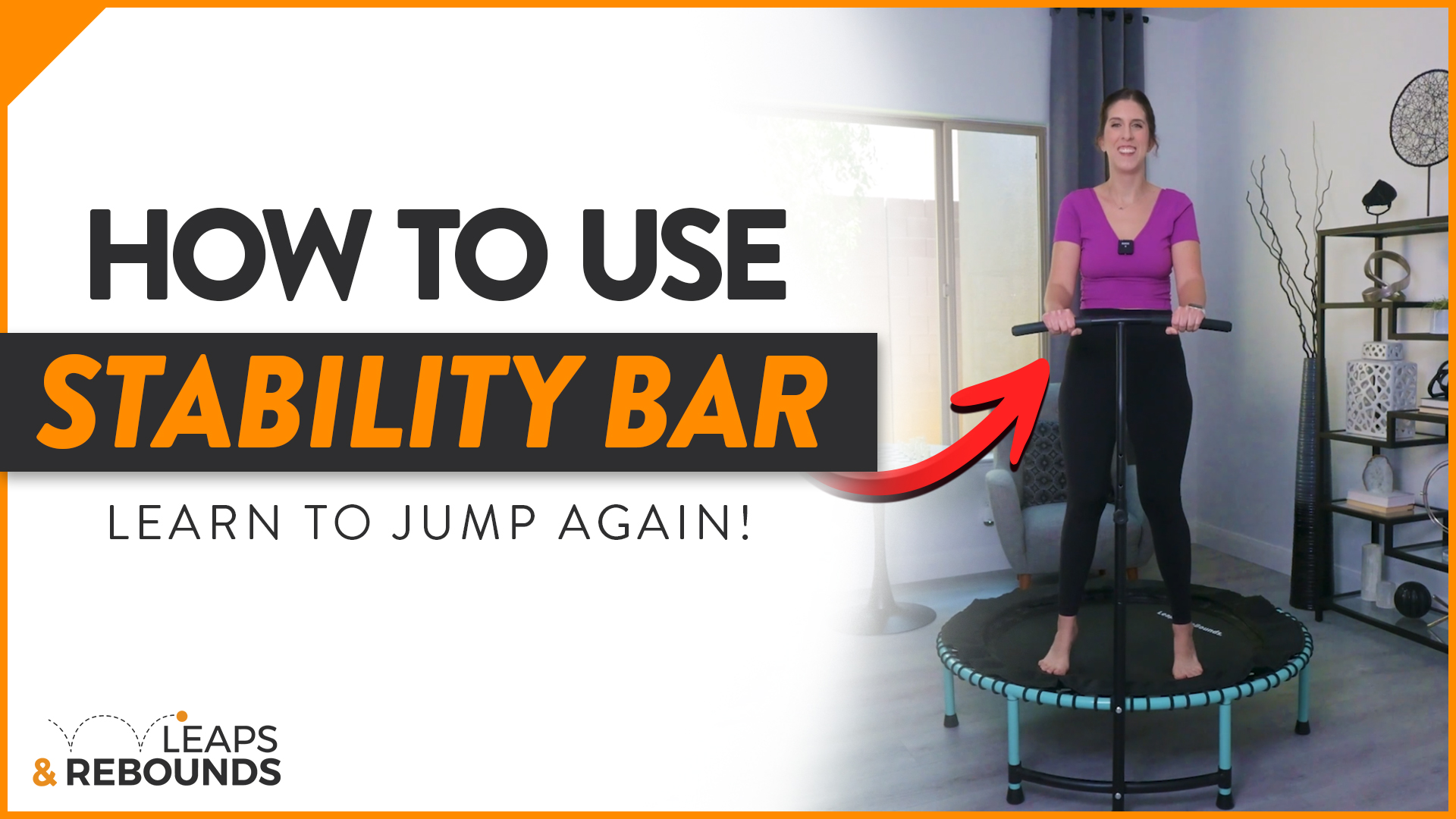
- Adjustable stability bars for added security
- High-traction rubberized grip socks
- Targeted resistance bands for full-body toning
- Educational video guides or mobile apps
These helpful additions transform simple bouncing into a versatile, structured workout environment accessible at any time of day.
Factors to consider before making a purchase
Navigating the market requires a clear understanding of your personal space and intensity requirements. Identifying the right model is less about finding the most expensive piece of equipment and more about matching the technical specifications to your specific needs. Balancing these requirements early on helps avoid the common mistake of choosing a model that either underperforms or sits unused due to poor portability.
Available workout space and storage footprint
Before you buy, measure the physical area where you intend to bounce and account for the ceiling height. While 40 inches is a standard diameter, the inclusion of handles or safety rails can expand the overall footprint. You should look for models that promise a clean fold, as this will maximize your floor area when the unit is stored away in a closet or under furniture.
Price point versus build quality
Investing in a quality Maximus Pro Rebounder provides a baseline for what a well-engineered piece of equipment should feel like during the jump. Cheaper alternatives might utilize thinner steel or lower-tensile springs that lose their bounce-back capability quite quickly. For the most cost-effective and durable choice, compare the warranty length and the materials used in the frame construction rather than just the initial price tag.
Maximum user weight compatibility
Your chosen rebounder must be structurally equipped to handle your specific weight while enduring the forces applied during high-intensity movement. It is often wise to seek a model with a weight ceiling well above your own to ensure the hardware is never stressed to its absolute limit. This margin of safety not only protects the equipment but also provides a more consistent, responsive bounce feel.
Noise levels during operation
Sound output can be a major factor for those living in apartments or shared spaces. Bungee-based systems are generally quieter than metal spring configurations, which can sometimes produce a rhythmic squeak over time. Consider checking reviews for mentions of operation sound, as some brands prioritize silent, fluid motion to keep your home environment peaceful.
Safety protocols for bouncing at home
Safety remains the foundational element for any successful routine involving active motion. Without the proper precautions, even the most expensive gear can lead to unnecessary fatigue or physical strain. Establishing a clear, predictable environment is the simplest way to keep your focus on your health rather than your immediate surroundings.
Importance of a level, clear workout area
A stable floor is non-negotiable for anyone using a fitness trampoline. Ensure the machine is placed on a flat, non-slip surface, like a gym mat or hardwood, to prevent the legs from shifting during intense sessions. Keep the surrounding space free of furniture or objects that could pose a trip hazard should you step off the edge of the mat.
Proper footwear for grip and stability
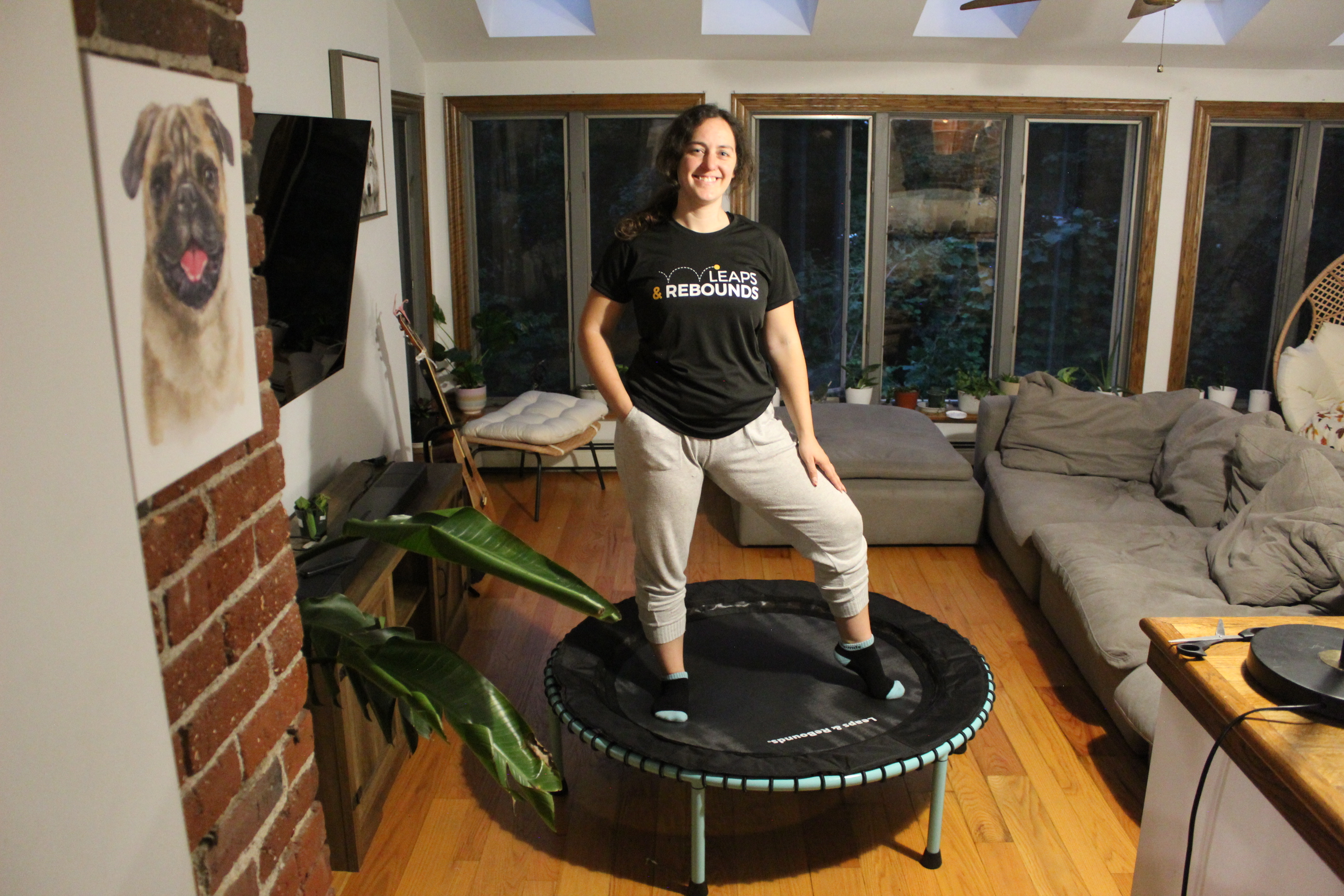
Going barefoot is often suggested for maximal surface contact, but socks specifically designed with non-slip grips are a smart alternative for those wanting extra security. These provide the traction necessary to stick your landing without the risk of bunching or sliding that occurs with standard loose socks. Sturdy athletic shoes, while possible, are often unnecessary if the mat provides a high-friction surface.
Warming up and cooling down techniques
Treating your sessions with care involves preparing your joints and muscles before the intensity spikes. Begin with several minutes of gentle bouncing or light jogging in place, followed by dynamic stretching of the legs and hips. Afterward, allow your heart rate to return to normal with slow, rhythmic breathing and light stretching, which helps avoid stiff post-workout muscles.
Avoiding common form mistakes
Poor form is the quickest way to end up with sore joints, so keep your posture upright and your gaze fixed forward. Many beginners tend to focus too much on height rather than tension, which results in jerky landing patterns that place unnecessary pressure on the ankles. Instead, keep your weight centered and focus on driving energy down into the mat to maintain a smooth, controlled flow.
Maintenance and storage tips
Maintaining the structural integrity of your rebounder ensures a consistent performance over many years of heavy use. A simple maintenance schedule is often all it takes to prevent the accumulation of wear, especially in the areas most prone to tension. By regularly checking the spring integrity or the tension on the cords, you keep the bounce feeling fresh and stable.
Inspecting springs and elastics for wear
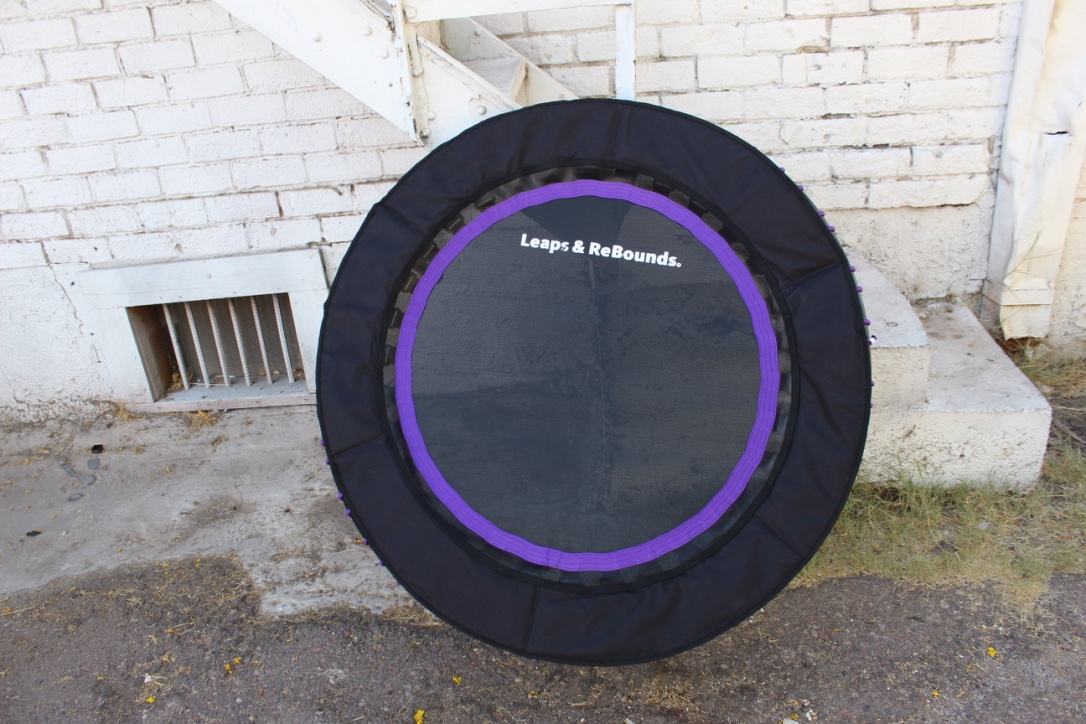
Whether using bungee or metal springs, these are the components most likely to experience material failure after thousands of bounces. You should carry out a visual check every few months, looking for frayed cords or stretched-out metal hooks. A malfunctioning spring not only ruins the feel of the bounce but also shifts the weight distribution, potentially causing uneven tension across the frame.
Proper folding techniques to avoid injury
Folding the frame to compact dimensions requires careful hand positioning and a steady surface. Avoid forcing a hinge that feels resistant, as this often indicates it has not been fully cleared of obstruction. If your rebounder features a locking pin, ensure it clicks into position securely every single time you setup to prevent the legs or frame from collapsing mid-session.
Cleaning the mat and frame surfaces
Regularly wiping down the mat with a damp, gentle cloth removes the accumulation of perspiration and dust that can affect material grip. Harsh chemical cleaners can degrade the polypropylene weave, so sticking to water or very mild soaps is best. Keeping the frame clean also helps in easily spotting any early signs of cracking or surface rust that might require future attention.
Long-term storage recommendations
If you plan on putting your gear away for extended periods, it is best to store it in a dry, room-temperature environment away from direct sunlight. Sunlight can eventually cause polymers to brittle, and extreme temperature shifts can cause the frame joints to contract or expand slightly. If using a storage bag, ensure the rebounder is completely dry beforehand to prevent internal moisture accumulation.
Comparing folding versus non-folding rebounders
Choosing between a fold-capable unit and a permanent, stationary model is entirely dependent on your available floor real estate. While folding versions offer incredible versatility for the modern home, stationary rebounders often represent the pinnacle of build quality and bounce refinement because they lack hinges, which are potential weak points. Assessing the following technical data can clarify which path is correct for your lifestyle.
| Feature | Folding Rebounder | Stationary Rebounder | Construction Notes |
|---|---|---|---|
| Portability | Excellent | None | Folding hinges add weight but offer travel ease |
| Stability | Good to High | Maximum | Lack of hinges increases structural rigidity |
| Storage footprint | Extremely Small | Large | Fixed models require permanent floor space |
For those who prioritize a permanent gym setup, the extra footprint is typically a secondary concern compared to the sheer rigid stability of a non-flexible frame. The following list identifies several key considerations for users looking to optimize their personal exercise area:
- The frequency at which you realistically need to store the unit.
- Whether you perform advanced tricks requiring a stiff frame.
- The total amount of floor space available in your house.
- Ease of assembly for individuals working without a partner.
For many, the Stamina® 36 inch Folding Trampoline captures the perfect middle ground, offering solid everyday performance with the ability to tuck it away when the workout ends. Choosing the right rebounder ultimately depends on whether you have a dedicated space or a multifunctional living room that changes based on your daily needs.
Portability and travel considerations
Travel-friendly rebounders are designed to fit comfortably in trunks or carrying cases, providing an athletic advantage for those constantly on the go. If your lifestyle keeps you away from home for long stretches, the ease of breakdown becomes the single most important feature. These units feature lightweight alloys that don't sacrifice strength for the sake of portability, ensuring you never skip a session due to travel.
Structural rigidity and bounce performance
Non-folding models have no moving parts at the frame level, resulting in a bounce that feels exceptionally solid and predictable. Because there are no hinges, there is zero risk of wobbling or play in the frame over the long run, even with the intense pounding of daily athletic conditioning. This rigidity is highly valued by serious athletes who need a consistent surface for targeted, technical movements.
Ease of assembly and installation
There is a notable difference in the setup process between these two categories. Folding units are generally engineered for tool-less, snap-together convenience that takes mere minutes to complete during the first unpack. Conversely, a stationary unit often requires more substantial bolting and a more time-intensive initial assembly, though you will never need to worry about the setup process again after the first completion.
Expected lifespan differences
Stationary models tend to have an edge in longevity simply due to the lack of mechanical stress on hinges. While a high-quality folding unit is built to last through years of frequent use, the hinge points remain the most likely area for future mechanical failure. For long-term use in a permanent home gym space, skipping the hinge allows for a structure that stays rock-solid for the duration of its lifespan.
Conclusion
Investing in a quality folding mini trampoline provides a sustainable, low-impact exercise solution that is easy to manage within any home environment. By prioritizing equipment quality, maintaining your routine with consistency, and ensuring a safe, stable surface, you gain a versatile tool that supports your health, balance, and core strength while taking up minimal space in your home.
Frequently Asked Questions
Is it safe to use a rebounder for daily exercise?
Yes, using a rebounder daily is considered safe and effective for cardiovascular conditioning, provided you maintain correct form and start with a duration appropriate for your current fitness level to allow your body to adapt.
How much space do I need for a standard mini trampoline?
A standard 40-inch diameter model requires a clear square of about 4 to 5 feet on each side to ensure you have room to move safely and allow for potential equipment sway during higher intensity jumps.
Can rebounding help with back or joint pain?
Rebounding is often praised for being significantly easier on the joints than road running, as the elastic nature of the mat absorbs excess impact; however, individuals with existing back or joint issues should always consult with a medical professional before starting.
Do I need to wear specific shoes for rebounding?
While jumping barefoot is a common choice for better ground connection and stability, wearing non-slip grip socks is often ideal for preventing sliding and keeping feet cool and secure during more vigorous activity.
How often should I check the equipment for wear?
It is good practice to perform a quick visual inspection of your rebounder's springs, bungee cords, and mat surface every month to ensure no part has begun to fray or show signs of stress that could impact safety.
Is assembly difficult for a folding rebounder?
Most modern folding models are designed for intuitive, quick assembly without the need for complex tools, often simply requiring you to unfold the frame and attach the legs using a standard twist or snap-lock system.
What is the advantage of bungee cords over metal springs?
Bungee systems generally offer a much quieter, smoother bounce that feels softer on the joints, whereas metal springs provide a more immediate, firmer return of energy that is often favored for high-intensity, technical performance training.


0 comments