











Key Takeaways
Rebounding is a gentle exercise method that supports circulatory health by utilizing simple vertical movement. These key points summarize the most effective ways to incorporate this practice into a routine.
- Regular bouncing helps stimulate lymph flow by leveraging gravitational changes.
- Consistency builds cardiovascular stamina without placing heavy stress on joints.
- Proper equipment setup ensures both safety and long-term durability of the unit.
- Hydration remains essential for maintaining the fluidity of internal waste-removal systems.
- Consult a healthcare professional before beginning any new vigorous exercise program.
The science behind lymphatic drainage through rebounding
Understanding the vital functions of the lymphatic system
The lymphatic system serves as the body’s internal cleaning network, cycling fluid that surrounds our cells. Unlike the blood which has a pump in the heart, this network relies on muscular contraction to keep moving effectively. When we are sedentary, this fluid can stagnate, making it harder for the body to circulate nutrients properly. Engaging in regular, low-impact activity helps ensure that this vital network maintains its optimal state throughout our various daily tasks.
How vertical movement impacts internal lymph flow
The unique up-and-down motion inherent in trampoline jumping creates pressure changes that help move fluid through the body. Studies, such as the mini-trampoline rebounding exercise program research, suggest that movement is key to keeping our systems circulating freely. By rhythmically changing altitude through bounces, you allow your lymph vessels to contract and relax, which significantly helps the clearing process. This creates a natural, rhythmic pumping effect that is quite different from static types of movement or basic walking.
Debunking common myths about rebounding and whole-body detoxification
While some claims suggest that specific bounce patterns provide intense detoxification, these ideas are often exaggerated. Our bodies run their own efficient waste-removal processes, and the primary benefit of exercise is supporting natural health rather than achieving an overnight cleanse. Focusing on consistent motion is much more impactful than searching for a quick fix or a medical miracle. Viewing the practice as a positive fitness habit instead of a miracle treatment often produces better long-term wellness outcomes.
Essential gear and safety for mini trampoline sessions
Selecting the right rebounder size and bungee tension
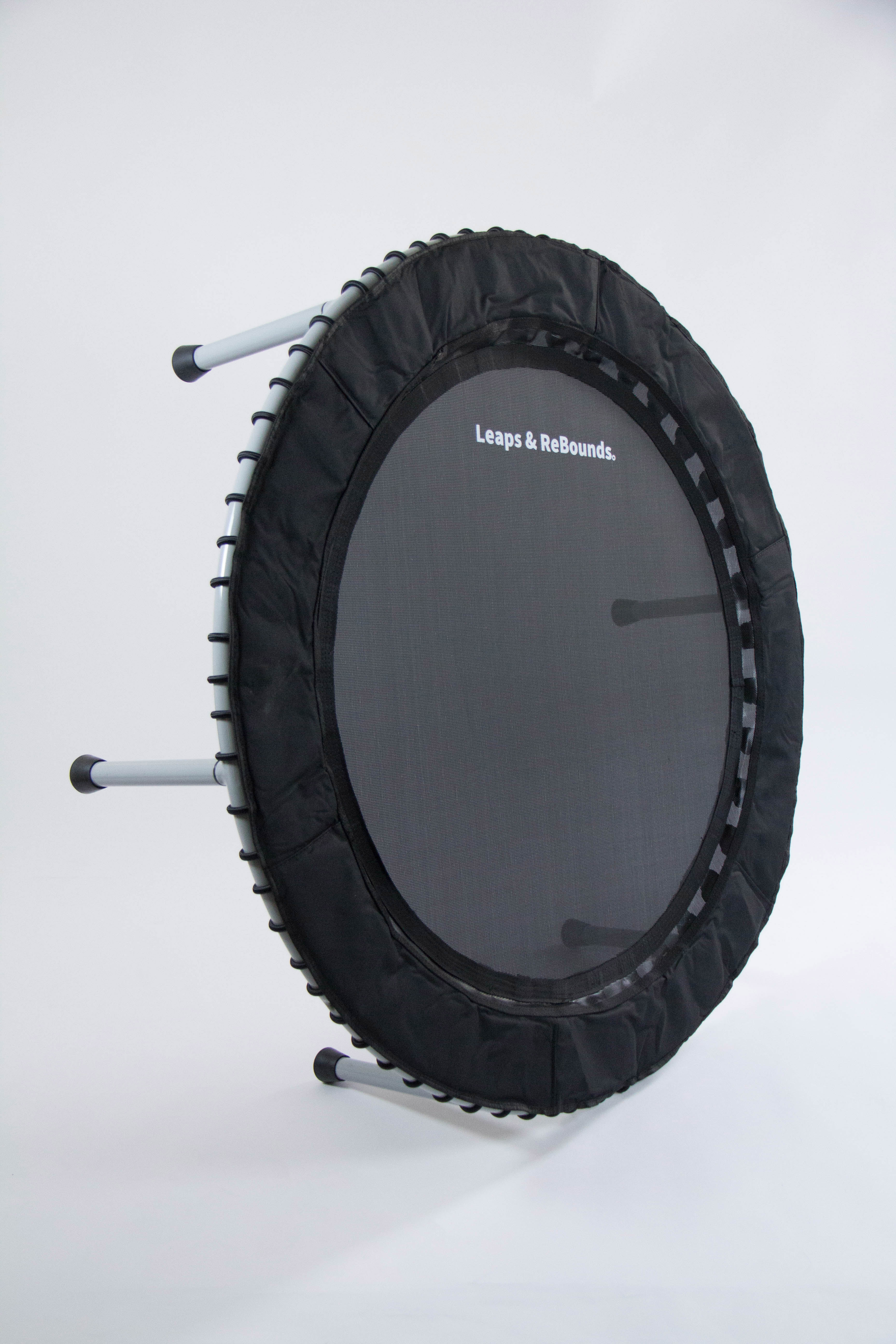
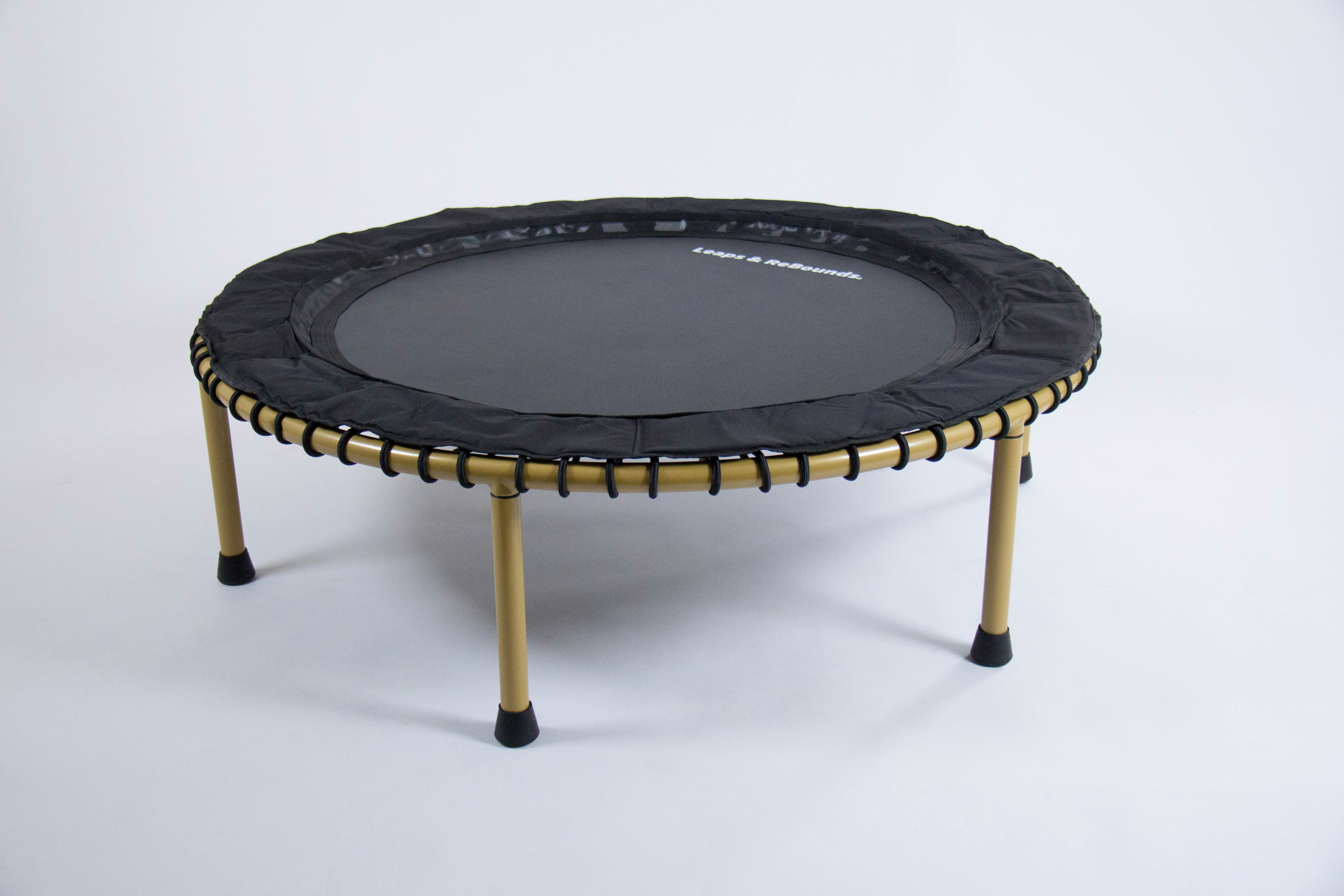
Choosing the right equipment is vital for a secure experience during your sessions. Reliable, high-quality models offer consistent bounce quality that protects your joints and maintains stability. When looking at your options, Leaps and Rebounds provides equipment that is built for durability and ease of use in most home environments. Selecting the correct tension ensures that every jump returns with enough energy to be effective without feeling jerky or unstable.
Establishing a safe home environment for your workout
Before you start jumping, create a dedicated space where you have enough room to move freely. A clear area with at least a few feet of ceiling clearance will help you feel more confident as you practice your movements. Consider placing your mat on a stable surface where it won't slip during higher-intensity segments of your routine.
Maintenance and cleaning tips for long-term equipment care
Keeping your equipment in top shape helps avoid wear and tear that can impact your safety. Establishing a simple maintenance routine will ensure your gear stays functional for years to come. Here are the most effective ways to care for your unit:
- Wipe down the mat surface regularly with a mild, damp cloth to remove dust.
- Check the connections and bungee cords every few sessions for any signs of fraying.
- Ensure all legs or stabilization bars are tightened and locked before each use.
- Store the unit out of direct sunlight whenever possible to keep the materials supple.
By following these maintenance practices, you extend the utility of your investment.
Getting started with a beginner-friendly rebounder routine
Warm-up techniques to prep the muscles and joints
Begin your routine with light, low-intensity bounces that keep your feet on the mat at all times. This ensures your joints are prepared for the coming activity and helps you get a feel for the deck's rebound without overextending. Even when using premium rebounders, starting slowly allows you to engage your core and stabilize your body effectively.
Targeted bounce patterns for optimal lymph movement
Your session can be tailored to various exercise goals using specific bounce techniques on the mat. Refer to the table below to see how different intensities impact your body and provide variety to your daily workout habits.
| Bounce Type | Primary Focus | Recommended Duration |
|---|---|---|
| Health Bounce | Joint Lubrication | 5-10 Minutes |
| Steady Cardio | Heart Health | 15-20 Minutes |
| Skill Building | Agility & Balance | 10-15 Minutes |
These different approaches allow you to maintain rebounder workouts that feel interesting and fresh, preventing boredom while you support your physiological goals.
Monitoring session duration and intensity for best results
Start your journey with shorter sessions to see how your body responds to the vertical motion. There is no need for high-speed intensity when you are just beginning to build that critical core stability. Consistency is far more important than intensity, and you will see better results by jumping three times a week than by exhausting yourself in one single session.
Integrating rebounding into a holistic wellness approach
Complementary lifestyle habits for supporting lymph flow
Combining physical activity with other healthy habits creates a solid foundation for long-term vitality. Deep, controlled breathing exercises often act as a secondary pump for internal fluid, making them an excellent pair for your bounce sessions. A well-rounded approach looks at how movement, rest, and atmosphere work together to create an environment where you feel stronger and more balanced overall.
Hydration practices and their connection to lymphatic efficiency
Water is the essential medium for almost every process in the body, including the health of your fluid-transport systems. Staying adequately hydrated allows your tissues to move waste effectively, which is particularly important immediately before and after your physical routines. Think of hydration as the lubricant for everything your body does, rather than just something you do to quench thirst.
Establishing a consistent weekly schedule for lasting benefits
Consistency is the secret to seeing changes in your endurance and agility. Pick times when you feel naturally energetic to avoid forcing your workouts, ensuring they remain a treat rather than a chore. Whether you prefer morning sessions to wake up or evening sessions for stress relief, keeping a steady, manageable schedule ensures that the practice becomes a permanent feature in your life.
Identifying potential risks and safe implementation
Consulting with healthcare providers prior to starting
Before you begin, have a conversation with a doctor to discuss whether this type of movement works for your unique physical needs. They can offer guidance based on your history, especially if you have joint or balance concerns. Safety should always remain the first priority when using equipment from Leaps and Rebounds to ensure that your fitness habits remain sustainable and injury-free.
Recognizing the physical signs of overexertion or strain
Pay attention to how your body communicates feedback during every bounce. Sharp pain, dizziness, or lingering aches are clear indicators that it is time to stop, recover, and evaluate your technique. True lymphatic drainage is best supported by sustainable, comfortable movement, not by forcing yourself through discomfort or excessive fatigue.
Adjusting bounce techniques for joint comfort and mobility
If you find certain movements uncomfortable, focus on keeping your feet flatter against the surface of the deck. This minimizes the impact on your knees and hips while still providing the vertical stimulus needed for effective fluid circulation. Small adjustments to your posture can lead to a much more comfortable experience, allowing you to focus on the rhythm instead of potential strain.
Conclusion
Rebounding offers a unique, accessible way to support your overall wellness through low-impact movement that helps your internal systems function smoothly. By investing in quality gear, practicing safely, and maintaining a consistent schedule, you can create a simple habit that enhances your daily energy. Embrace the process, listen to your body, and enjoy the lasting benefits of a more active life.
Frequently Asked Questions
Can anyone use a rebounder for fitness?
Most people can participate in rebounding unless recommended otherwise by a doctor, due to the low-impact nature of the exercise.
How long should a typical session last for beginners?
Starting with 5 to 10 minutes of gentle bouncing is usually sufficient to begin reaping the benefits without overstraining yourself.
Do I need special shoes for rebounding?
While running shoes provide support, many practitioners prefer grippy socks or bare feet to ensure better balance and connection to the mat surface.
Can rebounding help with swelling in my legs?
Many users find that the gentle bounce helps reduce fluid accumulation by encouraging blood and lymph circulation throughout the body.
How often should I clean my trampoline mat?
A quick wipe-down every few weeks will suffice to keep the material free of dust and debris, ensuring stability during use.
What happens if I move too fast on the mat?
High-intensity movement without building foundational core strength can lead to joint discomfort, so always start at a slow, controlled pace.
Does rebounding replace traditional cardiovascular training?
It can serve as a very effective supplemental part of your cardio routine, offering a unique type of impact that complements walking or swimming.


0 comments