











Key Takeaways
Rebounding offers a unique, low-impact way to improve your physical fitness from the comfort of a home setting. This simple equipment helps with lymphatic circulation, joint health, and overall cardiovascular performance.
- Rebounding is an efficient, low-impact exercise for all fitness levels.
- Bungee-based rebounders are generally quieter and kinder to your joints.
- Safety protocols are essential to prevent slips and ensure equipment integrity.
- Consistent, progressive routines yield the best results for cardiovascular health.
- Proper maintenance extends the life of your equipment significantly.
Understanding the physical benefits of rebounding
Integrating a rebounder into your weekly schedule can change how you perceive home-based movement. By focusing on vertical acceleration and deceleration, you create a physiological demand that is both gentle and effective for the entire body.
Enhancing lymphatic drainage and detoxification
The rhythmic up-and-down motion provided by a mini trampoline acts as a pump for the lymphatic system. Unlike the circulatory system, the lymphatics do not have a dedicated pump, making movement essential for healthy fluid flow and debris clearance in these tissues.
Improving cardiovascular endurance through low-impact movement
Rebounding serves as an excellent tool for increasing your heart rate without the heavy impact associated with running on concrete. By utilizing Rebound Fitness quality equipment, users can sustain longer aerobic sessions comfortably. This accessibility makes it easier to hit recommended activity guidelines while protecting the body from unnecessary trauma.
Increasing bone density and joint stability
Every landing on the mat provides a controlled gravitational load that signals to the bones to increase their density over time. This impact-resistant conditioning method provides enough force to influence bone remodeling without risking the strain often linked to traditional high-intensity interval training.
Promoting balance and core strength development
Maintaining your position on an unstable surface forces the stabilizer muscles in your legs and torso to activate constantly. This creates a reflexive engagement that builds midsection endurance much more effectively than stationary exercises performed on a rigid floor.
Selecting the best rebounder for your home gym
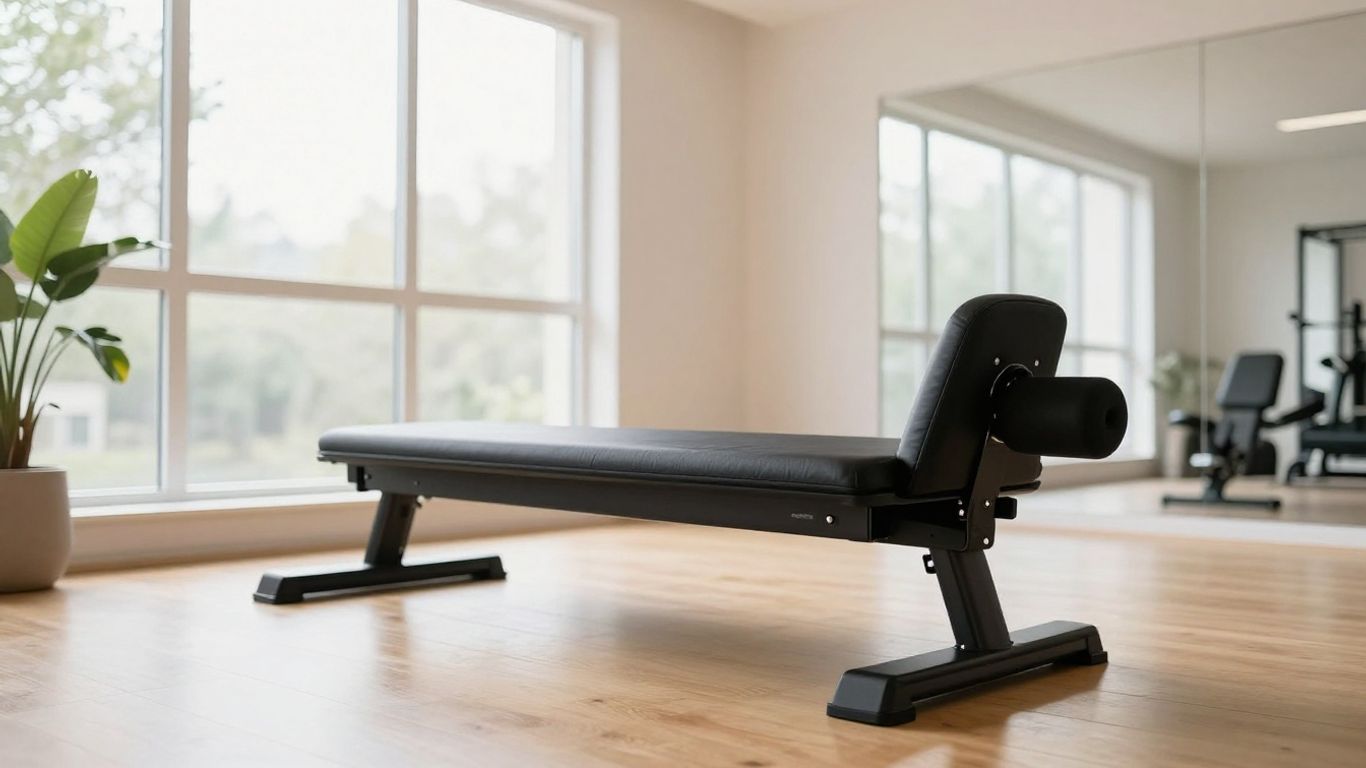
Finding the right equipment requires a balance between your specific fitness goals and available space. A thoughtful purchase allows you to focus on the movement itself rather than the limitations of the hardware beneath you.
Comparing bungee cord versus spring-based systems
Bungee systems provide a deeply quiet and smooth bounce that minimizes jarring feedback to the ankles. Spring-based systems, conversely, offer a slightly more firm and responsive surface which some athletes prefer for explosive movements.
| Feature | Bungee Systems | Spring Systems |
|---|---|---|
| Noise Level | Extremely Low | Moderate |
| Bounce Feel | Soft and Fluid | Stiff and Quick |
| Maintenance | Replace as Elastic Fades | Oil and Tighten Hardware |
Factors to consider for weight capacity and frame durability
Always verify the manufacturer's maximum weight limit to ensure stability during vigorous training. A durable frame, usually constructed from powder-coated steel, prevents the unit from wobbling and keeps you safe during higher intensity movements.
Assessing folding versus non-folding frame designs
While folding frames offer excellent storage convenience, non-folding units are often more robust and less susceptible to hardware fatigue over time. If your space allows, a solid frame will serve you for many years without requiring readjustment of leg attachments.
Determining the appropriate mat surface size for your space
A larger mat provides more room for lateral movement but increases the overall footprint of your gym setup. Measure your area carefully to ensure you have enough clearance for arm movements and accidental missteps.
Essential safety protocols for rebounder workouts
Safety starts long before you step onto the mat. Establishing a clear routine ensures that every session remains productive and free from avoidable injuries or equipment failure.
Setting up your space to prevent slips or collisions
Clear at least three feet of space on all sides of your equipment to avoid striking furniture or walls during high-energy bursts. This zone should be kept free of rugs or cords that could lead to a trip upon dismounting.
Evaluating surface tension and mat integrity before sessions
A quick visual inspection of the mat and stitching helps catch fraying or loose connections before they become a risk. Ensuring the mat remains taut prevents deep pockets that can strain your joints during landing.
Warming up properly to avoid ankle and knee strain
Perform several minutes of ankle rotations and light side-to-side steps before initiating full intensity. Proper preparation ensures that the synovial fluid in your joints has time to circulate, cushioning movement effectively.
Understanding the importance of proper footwear or barefoot gripping
Choosing between footwear and barefoot depends on your personal preference for sensory feedback and support. Many users find that thin-soled athletic shoes provide the lateral stability needed for intense routines while maintaining the benefits of the unstable surface.
Designing a beginner-friendly rebounding routine
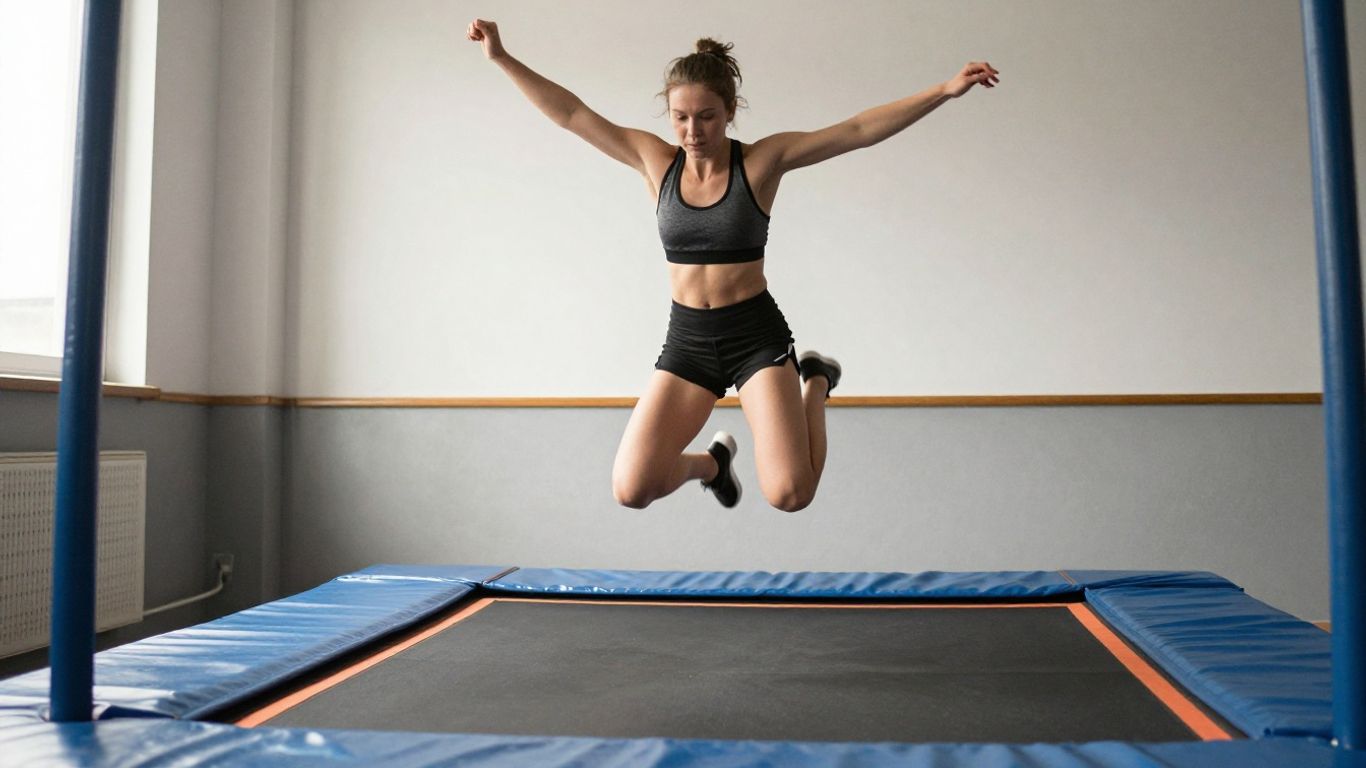
Starting your journey with simple, controlled motions will set the foundation for endurance and coordination. Gradually increasing the duration of your sessions ensures long-term commitment without muscle soreness overwhelming your motivation.
Mastering the basic health bounce technique
Begin by keeping your feet on the mat while shifting your weight gently up and down without breaking contact. This rhythmic gravity-based motion is the entry point for activating the lymphatic system and improving proprioception safely.
Incorporating interval training for metabolic conditioning
Once you feel confident in your balance, add short bursts of faster movement during your sessions to spark results. Interval protocols have been shown in rebounder trampoline accounts to effectively improve physical health over time.
Adding upper body movements with resistance bands
- Hold the ends of the bands while bouncing steadily.
- Perform overhead presses to engage shoulder stabilizer muscles.
- Pull the bands apart to activate mid-back and posture muscles.
- Alternate between arm movements to maintain core focus.
Planning the duration and frequency for consistent progress
Consistent effort for ten to fifteen minutes daily is often more sustainable for beginners than an hour of work twice per week. Gradually increase your session length only after your baseline cardiovascular fitness has demonstrably improved.
Advanced techniques to increase workout intensity
Moving into advanced territory requires a focus on explosive power and cognitive engagement. These techniques scale your effort significantly, turning a simple bounce station into a platform for high-level athletic growth.
Implementing high-knee marches and sprints for speed
By driving the knees toward your chest while jumping, you significantly increase the caloric demand of each move. This rapid footwork increases speed and requires rapid muscle activation to maintain a controlled pace.
Integrating weighted vests to boost caloric burn
Wearing a weighted vest makes every vertical shift more taxing on your primary muscles and heart. Use a light starting weight and ensure that the vest is cinched tightly against your torso to prevent shifting that could throw off your balance.
Transitioning into plyometric jumps and aerial twists
These more technical movements require a solid understanding of how the JumpSport 230 surface responds to weight and velocity. Focus on soft landings to minimize impact and maintain fluid energy through each jump cycle.
Coordinating complex patterns to improve cognitive focus
Combine side-to-side shuffling with front-to-back jumping patterns to keep the mind as active as the body. This dual-tasking approach enhances executive function while you work to improve your overall fitness capacity.
Proper maintenance and care for your equipment
Regular upkeep is the price of a long-lasting machine. Neglecting simple maintenance tasks can lead to squeaky hardware or an uneven bounce surface that quickly discourages your use.
Inspecting bungees or springs for signs of wear
Check for visible cracks in the coating or thinning of the bungee cords every month. Early detection of wear prevents snapping and maintains the even tension required for safe performance.
Cleaning the mat surface to ensure traction
Wipe the mat down with a mild cloth and water after each session to remove sweat and oils. A clean deck ensures that your feet maintain firm contact, reducing the chance of accidental slips during faster maneuvers.
Tightening frame connections to eliminate hardware noise
Periodical checks on all frame bolts ensure that the structure remains rigid and quiet. A quick tightening session once every few months keeps the unit stable and eliminates the distracting rattles of loose joints.
Protecting the rebounder from direct sunlight and humidity
Keep your equipment in a dry, shaded area to prevent UV radiation from damaging the mat material and weakening metal components. This simple environmental management preserves the elasticity of the bounce and the integrity of the frame for years.
Conclusion
Embracing rebounding as part of your active life provides an accessible way to maintain health and vitality. By focusing on consistency, safety, and proper equipment maintenance, you turn a simple piece of home gym gear into a powerhouse for longevity. Start slow, listen to your body, and enjoy the unique benefits this low-impact movement brings to your routine.
Frequently Asked Questions
Is rebounding safe for people with joint pain?
Because the mat absorbs a large portion of the landing impact, many users find it much easier on the knees and ankles than running. If you have specific concerns, it is always a good idea to chat with a professional before performing new exercises.
How often should I use my rebounder?
Daily use is excellent for some, but starting with three to four sessions per week is often enough to see initial improvements. Listen to your body and rest whenever you feel persistent strain or fatigue.
Can I lose weight using a rebounder?
Like any form of consistent physical activity, regular exercise helps burn calories and improves metabolic function. Pairing your bouncing routine with a balanced diet will yield the best results for your wellness goals.
Do I need to buy expensive equipment to start?
Quality matters for long-term comfort, but you can find various models to fit different budgets. Focus on models that offer solid frame construction and consistent tension, as these features best support safe and effective movement.
Are there specific shoes I need for this?
Many athletic shoes with good lateral support are fine for the job, while others prefer to be barefoot for better grip. Whatever you choose, ensure the surface provides the traction you need to feel secure.
How long does a typical rebounder session last?
Sessions usually last between ten to thirty minutes depending on your current fitness level and intensity. It is better to have shorter, consistent sessions than one infrequent, over-long session that causes burnout.
Can I do rebounding if I have limited space?
Small home gyms and even apartment living rooms are perfectly adequate for most units. Since the footprint is usually no bigger than a large yoga mat, clearance is really the only primary concern for most users.


0 comments