











Key Takeaways
Finding the right fitness equipment is essential for maintaining a consistent and enjoyable home workout routine. These main takeaways summarize the most important aspects for selecting and caring for your new rebounder:
- Rebounding provides a high-intensity, low-impact workout that improves cardiovascular health and stimulates lymphatic function.
- Bungee suspension systems are generally quieter and kinder to joints than traditional metal spring models.
- Quality construction, including frame durability and stable leg design, ensures safety during vigorous jumping sessions.
- Always account for your specific fitness goals, whether you are rehabilitating an injury or looking to increase your training intensity.
- Regular maintenance, such as checking frame connectivity and storing the unit away from harsh light, significantly extends its lifespan.
Benefits of rebounding for adult fitness
Cardiovascular health improvements
Jumping on a mini trampoline offers an effective cardiovascular workout that challenges the heart rate while remaining accessible for many fitness levels. By engaging in rhythmic aerobic movement, you naturally improve oxygen utilization and stamina over time.
Impact on lymphatic drainage
Rebounding acts as a mechanical pump that supports the lymphatic system, assisting in the efficient movement of fluids throughout the body. This rhythmic bouncing encourages circulation, which many users find helpful as part of their home cancer rehabilitation journey, though results vary by individual.
Core strength and stability benefits
Maintaining balance on an unstable surface forces the body to constantly adjust, which naturally activates the deep core muscles. You will find that consistent daily jumping sessions contribute significantly to better posture and overall stability during everyday movements.
Low-impact joint health preservation
For many, traditional high-impact activities like running can be taxing on the knees, hips, and back. A premium mini trampoline utilizes a bungee cord system to absorb much of the landing force, providing a much friendlier experience for your joints.
Critical features to look for in a mini trampoline
Weight capacity and frame durability standards
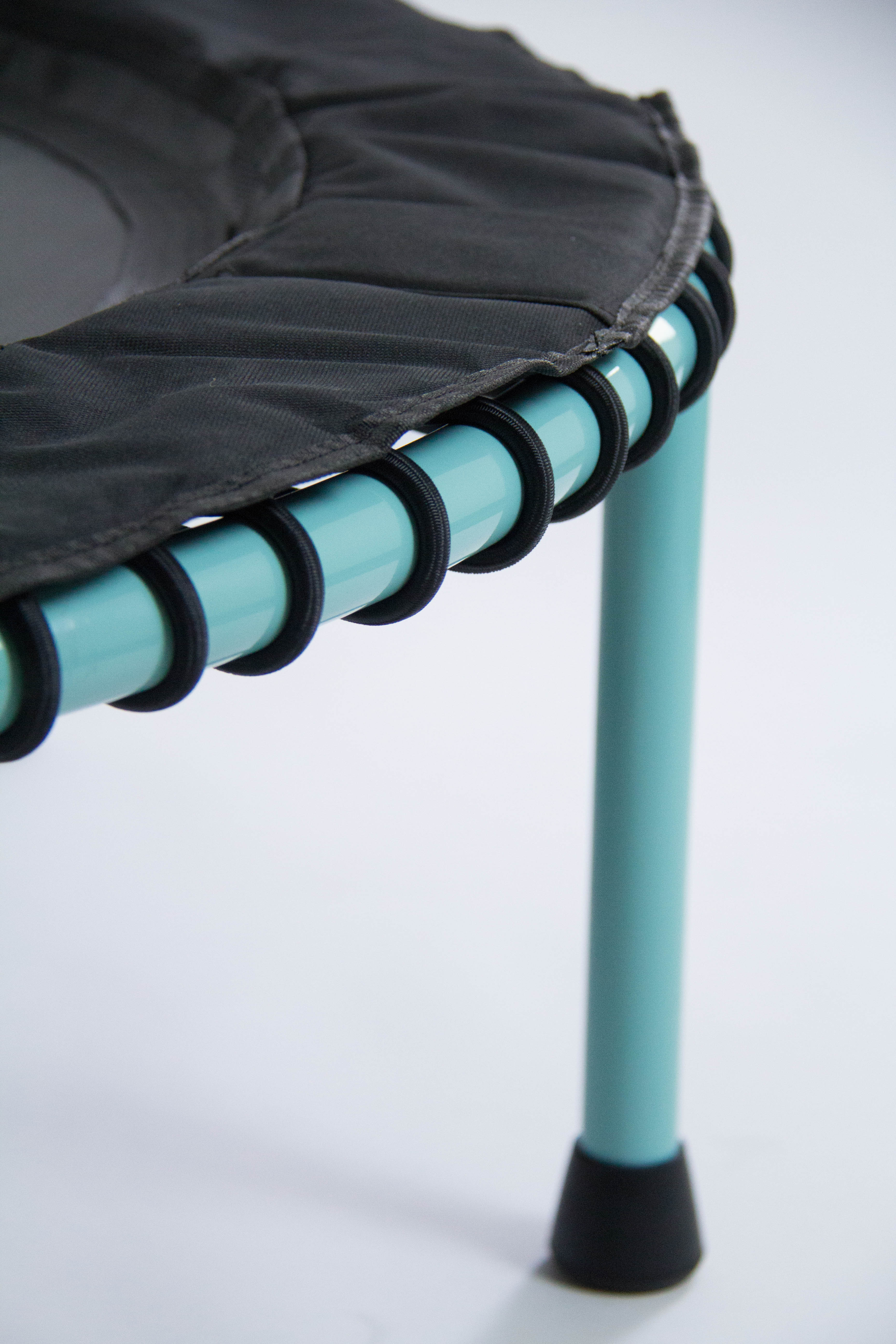
When shopping for the best mini trampoline adults can use, check the maximum weight rating to ensure stability under load. Many professional units support up to 330lbs, ensuring the frame remains rigid during intense training.
Spring versus bungee cord suspension systems
Choosing between metal springs and bungee cords is a significant decision that impacts the quality of your bounce. The following table compares these two technologies regarding performance and maintenance:
| Feature | Bungee Systems | Metal Spring Systems |
|---|---|---|
| Noise Level | Very Quiet | Can Squeak |
| Joint Comfort | Smooth, Soft | Firm, Direct |
| Maintenance | Occasional Tying | Periodic Oiling |
Bungee systems, found in models like those from Leaps and Rebounds, generally provide a more fluid, elastic recoil that is gentler on your body than standard metal springs.
Mat surface material and bounce quality
High-quality mats are made from tear-resistant, ultraviolet-light-stable polypropylene to prevent premature sagging and wear. A taut surface is vital for consistent bounce height and preventing fatigue.
Safety bar necessity for beginners and seniors
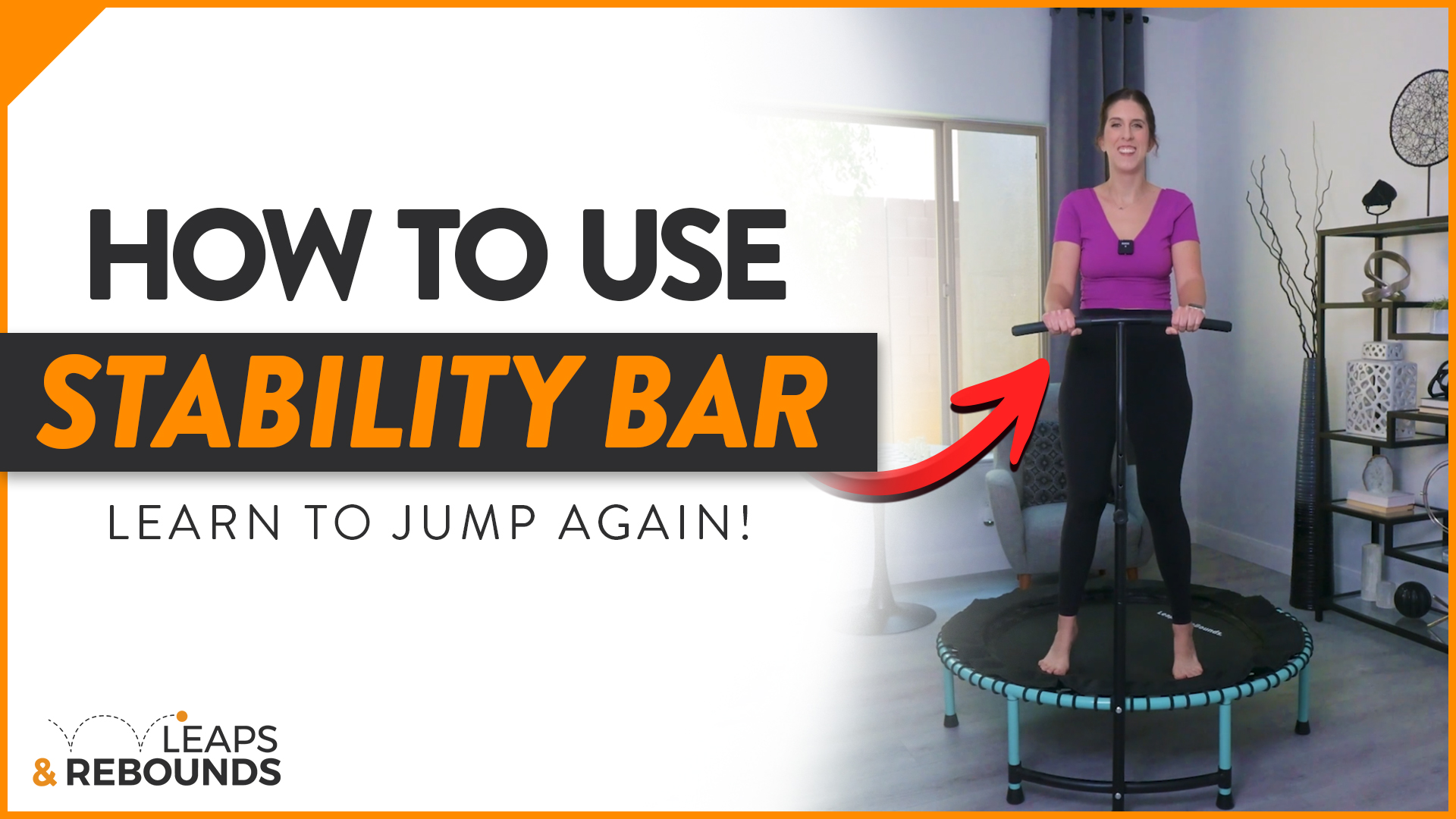
An adjustable stability bar provides crucial assistance for those just starting or individuals focused on balance rehabilitation. It builds confidence during your first few mini trampoline workouts and ensures you stay centered.
Assessing trampoline quality and construction
Frame material and base stability
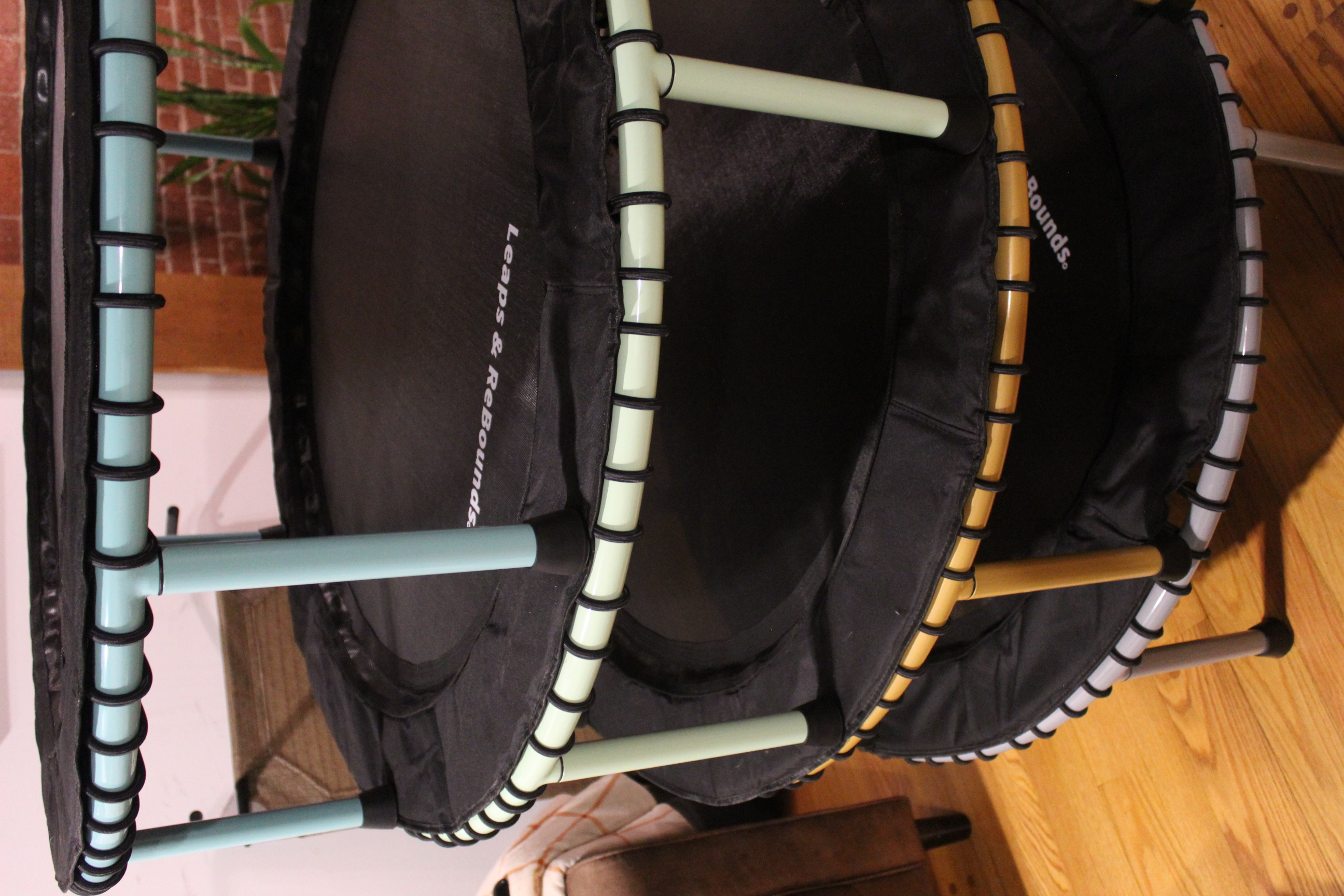
Look for powder-coated steel frames that resist rusting and maintain structural integrity under heavy use. A wide base with sturdy legs prevents the unit from tipping during sideways movements or lunges.
Safety padding requirements for edge coverage
Adequate edge padding is essential to protect feet and ankles from coming into contact with the frame or suspension elements. Look for models with thick, high-density foam coverings that stay firmly in place.
Leg designs and surface grip considerations
Legs should feature non-slip rubber caps to prevent the unit from sliding across hardwood or tiled floors. Some advanced designs also offer folding legs which are helpful if you need to quickly stow your equipment.
Noise level and residential usability
If you live in an apartment, quiet operation is often a primary concern for you and your neighbors. Well-engineered bungee connections virtually eliminate the rattling sounds associated with older metal-based trampoline designs.
Tailoring your choice based on fitness goals
High-intensity interval (HIIT) training requirements
For high-intensity routines, prioritize a model with high-tension cords to maximize your power output. Many athletes utilize top-quality rebounders to keep their heart rate elevated without the wear and tear associated with pavement running.
Physical therapy and injury rehabilitation focus
Users targeting specific physical therapy outcomes should look for a soft, responsive bounce surface that eases joint load. Consult your provider about proper posture and low-impact techniques before embarking on your regimen.
Space-saving design options for apartments
If you are tight on space, seek out foldable designs or units that fit neatly under a bed. Some models offer detachable legs, allowing you to slide the workout tool away when not in use.
Portability for travel and convenient storage
Portable units are a great way to maintain your fitness routine while away from home. Lightweight frames and carrying bags make it easier to pack your trampoline for trips, so you never miss a bounce.
Maintenance and safety protocols for long-term use
Routine inspections of hardware and connectivity
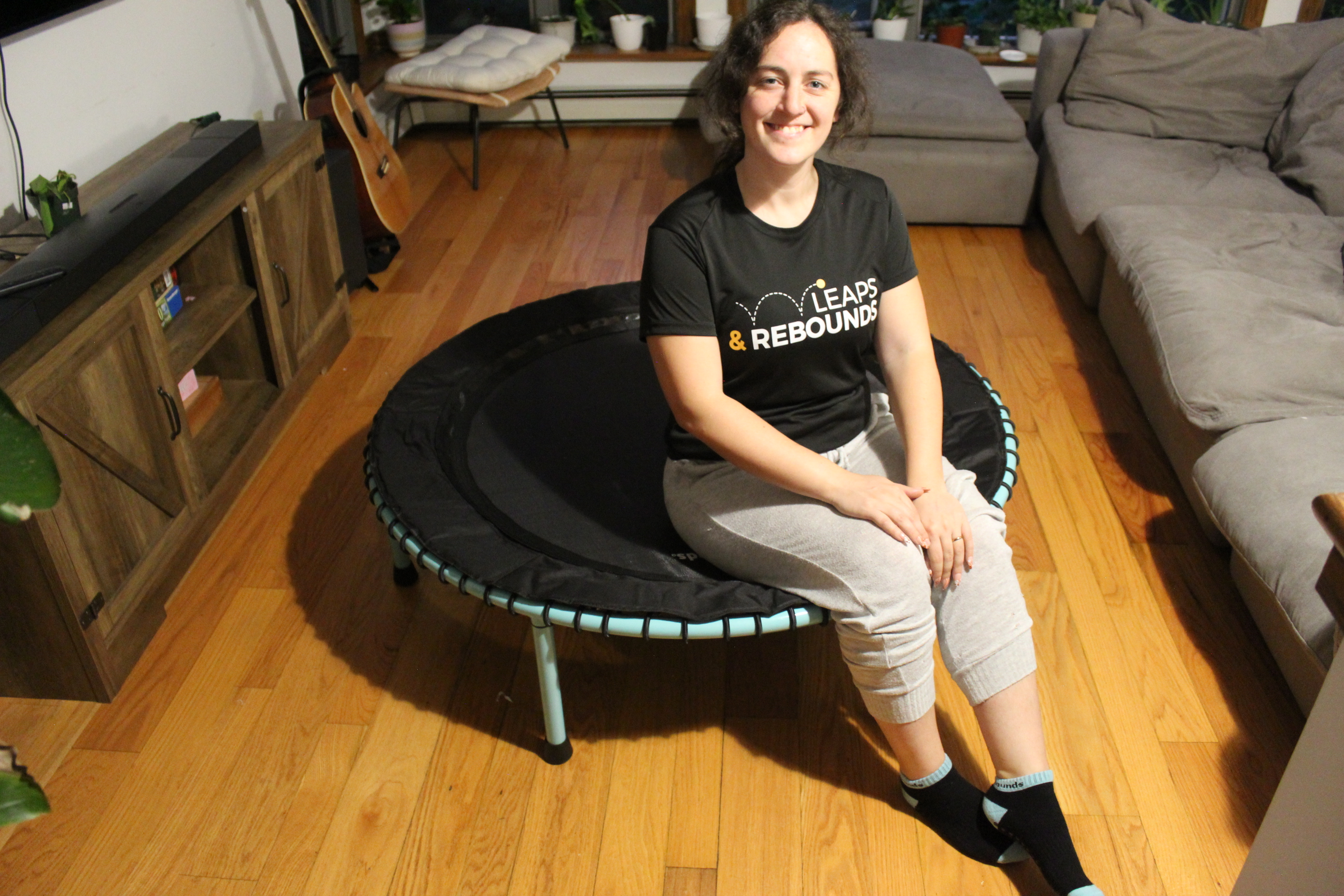
Check all screw connections and bungee anchor points before each session to ensure nothing has loosened over time. Keeping the equipment in good working order ensures that you can jump with confidence during every workout.
Proper storage techniques to prevent mat aging
Avoid leaving your trampoline in direct sunlight, as UV radiation can prematurely degrade the material and cause the mat to lose tension. Indoor storage, particularly in a cool and dry space, helps maintain the longevity of the bungee cords.
Fundamental jumping techniques for joint safety
Focus on landing with a slight bend in your knees while keeping your core tight and eyes forward. This simple form technique helps redirect force through your legs and prevents strain on your back.
Identifying when to replace secondary components
There are several indicators that your rebounder needs attention or minor repairs, including these common signs:
- The mat shows visible sagging or persistent indentation.
- Bungee cords show signs of fraying or thinning.
- The frame exhibits cracks or unstable connections.
- Rubber leg caps have worn down and no longer grip the floor.
Regular observation will help you determine exactly when these parts need replacement to keep your fitness trampoline workout safe.
Budgeting for your home rebounding equipment
Entry-level options versus professional-grade units
Entry-level models often feature basic steel springs and minimal frames, while professional-grade equipment offers refined bungee systems and lifetime component guarantees. Consider the long-term utility versus the lower upfront cost.
Long-term value and expected lifespan
Investing in a higher-tier unit often means you will not need to replace the entire trampoline in a few years. Higher weight capacities and replaceable parts mean the investment pays off in durability and consistent performance.
Hidden costs of recurring replacement accessories
Be mindful that some budget models require proprietary replacement mats or specialized tools, which can add up over time. Always check that the rebounder supports simple, standardized part replacements.
Conclusion
Choosing the best mini trampoline for your lifestyle is a rewarding path to improving cardiovascular health and supporting your body's lymphatic circulation in a low-impact way. With the right mix of durability, suspension quality, and personal fitness goals in mind, you can build a sustainable, enjoyable routine that keeps you active at home for years to come.
Frequently Asked Questions
Is rebounding safe for beginners?
Yes, rebounding is widely considered safe for beginners because it allows you to control the intensity of the bounce and provides a stable surface for low-impact movement.
How long should I jump each day for fitness?
Most routines recommend starting with 10 to 15 minutes of continuous, steady bouncing to build your stamina before increasing duration or intensity.
Can I use a mini trampoline on any floor surface?
Most trampolines feature rubber-tipped legs designed to grip standard floors, but a yoga mat or carpet underneath helps prevent sliding and protects the surface below.
Do I need to wear special shoes to jump?
While some people jump barefoot, many recommend wearing thin, non-slip socks or flat-soled athletic shoes to improve your grip on the mat's surface.
Can rebounding help with weight loss?
Regular rebounding increases the heart rate and contributes to calorie expenditure, making it a potentially effective component of a comprehensive weight management routine.
Are there specific weight limits for these trampolines?
Every model is different, so it is vital to verify the manufacturer's maximum weight capacity to ensure the frame and suspension elements are compatible with your needs.
How often should I check the hardware?
Performing a quick visual inspection before every use, such as checking for frayed bungee cords or loose leg screws, is a smart way to ensure safety and longevity.


0 comments