












Key Takeaways
Starting a core routine is an accessible way to improve your overall functional strength and stability. These points summarize how to get started safely and effectively.
- Prioritize learning the core's anatomical role to maximize training efficiency.
- Select a comfortable surface, like a premium rebounder, to protect your joints.
- Master stability-focused movements like the dead bug before advancing to dynamic exercises.
- Focus on quality of movement and controlled breathing to prevent common strain.
- Incorporate consistent recovery and nutritional habits to support your fitness goals.
Anatomy and the importance of core training
Building a solid foundation starts with understanding your body, particularly the muscle groups that stabilize your spine. While many beginners focus solely on visuals, a well-rounded ab workout for beginners addresses the interplay between deep and superficial abdominals. Consistently targeting these muscles ensures that you move with greater ease and confidence during your daily activities.
Understanding core muscle groups
The human core is far more than just the visible six-pack muscles. It includes the rectus abdominis, the internal and external obliques, and the crucial transverse abdominis that acts like a natural corset for your torso. Understanding these components helps you choose exercises that support true functional strength.
Benefits of core strength beyond aesthetics
Beyond achieving a toned midsection, regular core work provides significant health benefits. A stable core helps prevent back pain and improves your posture by keeping your spine properly aligned during movement. This stability transfers to almost every physical activity, making you feel more capable in everything from sports to picking up heavy bags.
Common misconceptions about spot reduction
One frequent mistake is believing that dedicated ab isolation burns fat only on the stomach. True core strength development requires a holistic approach that pairs movement with balanced nutrition rather than over-exercising a single area. Muscles do not discriminate where they burn energy from, so focus on general movement quality and consistency.
Essential gear and preparation
Setting up your training environment does not need to be expensive or overly complicated. Whether you are at home or traveling, having a small, dedicated space is often all you need to maintain momentum. Investing in high-quality gear like a mini trampoline can make the process much more enjoyable and sustainable over the long term.
Why you do not need a gym membership
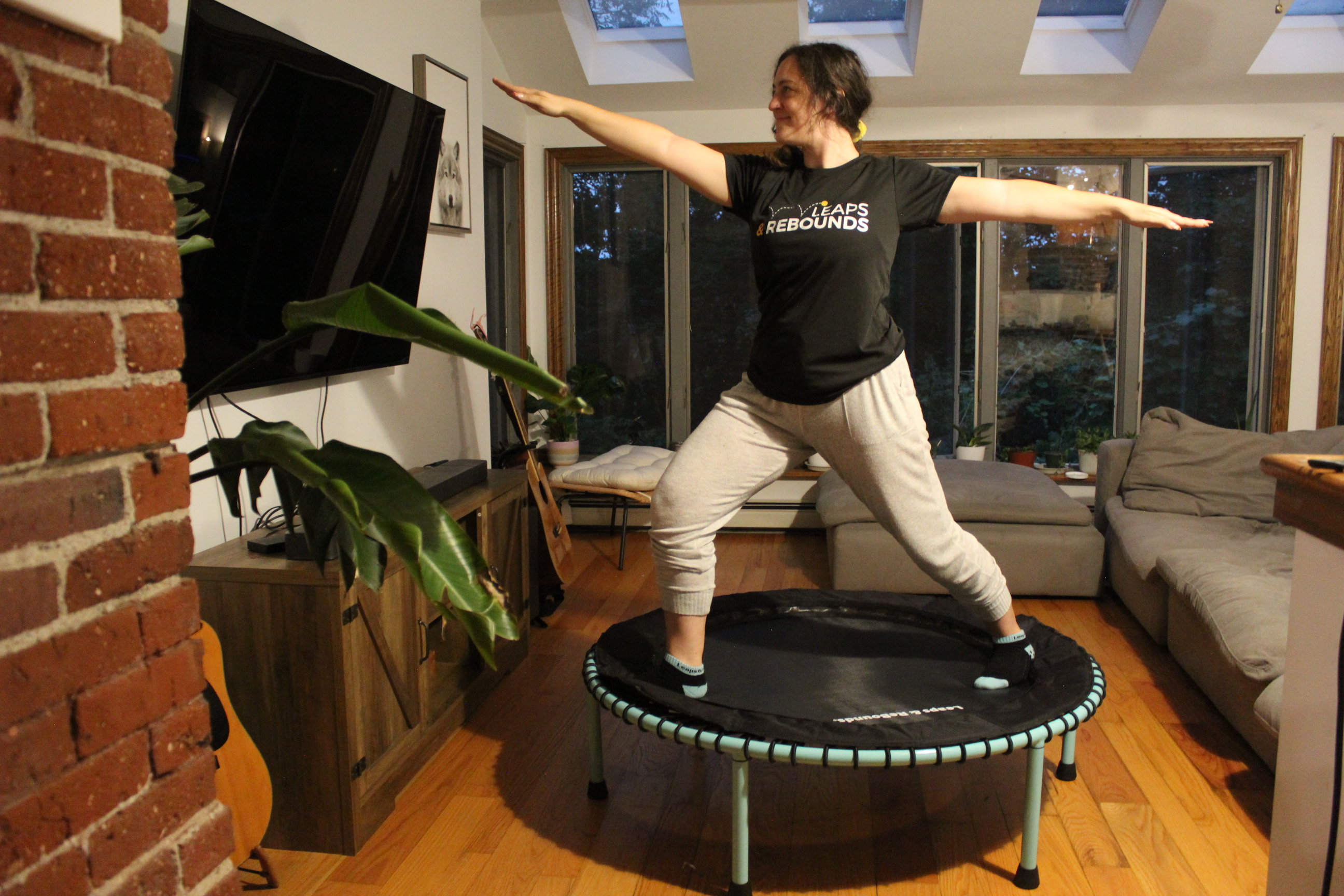
Many of the most effective movements use only your own body weight to challenge your balance and coordination. You can easily build a powerful routine in your living room without needing a full gym setup or fancy machines. Simplicity often leads to better attendance because you remove the barrier of travel and expensive fees.
Choosing the right training surface
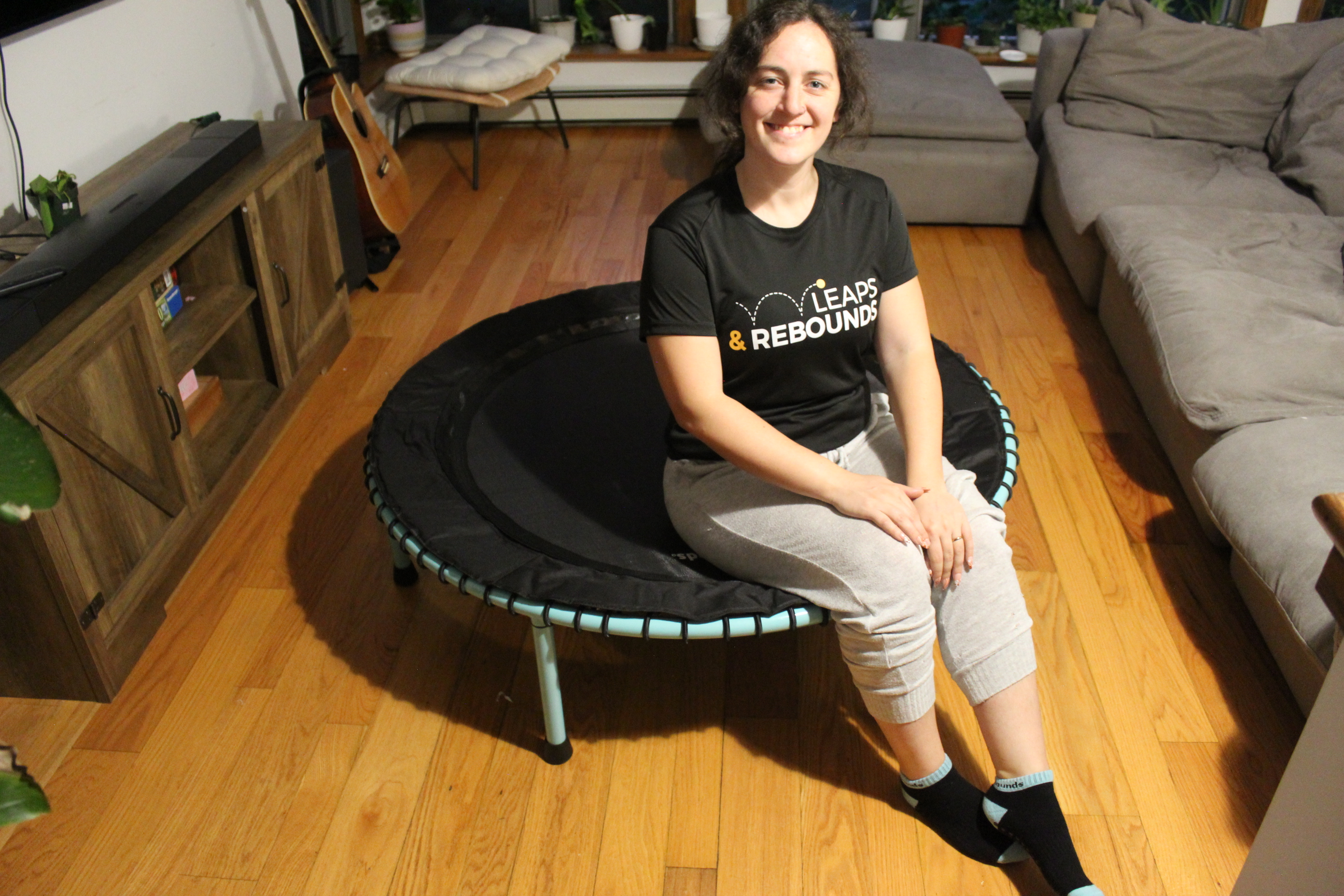
A stable surface is key, and if you want to elevate your efforts, you might consider the Leaps and Rebounds fitness trampolines. These tools offer a low-impact surface that is perfect for those who want to challenge their core while being kind to their knees and ankles. The right equipment can act as a foundational element of your training by keeping you safe while you learn proper technique.
Proper clothing for range of motion
Select clothing that allows you to move freely without bunching or restrictive seams. If you are training on a rebounder, simple grip socks can help you maintain stability while switching positions. Comfort allows you to concentrate on your form, which is the most important part of your workout.
Fundamental exercises for building a foundation
Learning the basics is vital to ensure you do not move too fast and risk injury. A well-designed circuit helps you build a strong stable core while keeping things simple enough to master. Take your time with each move to ensure you feel the activation exactly where it should be.
Mastering the dead bug for stability
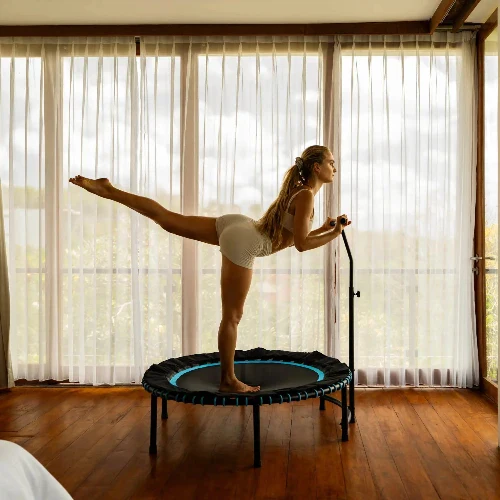
The dead bug is an excellent choice for beginners because it forces you to stabilize your spine against the floor. By extending opposite limbs while keeping the lower back pressed down, you learn how to engage the deep abdominals. It is safer for back health than traditional sit-ups and highly effective for teaching core control.
Proper form for the plank
Planks are deceptively simple but require total body tension to be truly effective. Keep your body in a straight line from your head to your heels, squeezing your glutes to maintain that position. Avoid letting your hips sag towards the ground as this shifts the load away from the core and onto your lower back.
Executing the bird dog for lower back safety
This movement is perfect for improving balance and coordination in a safe way. To perform the bird dog properly, start on your hands and knees and extend one arm and the opposite leg slowly. Focus on keeping your hips level and square to the ground to ensure your muscles are doing the work instead of your joints.
Common form mistakes and how to avoid them
Even experienced trainers notice that small adjustments make a huge difference in how effective an exercise feels. If you feel like your abs are not doing the work, it is likely due to a minor shift in your body position or tempo. Take a moment to check your alignment before starting your next set.
Avoiding neck strain during crunches
Neck pain is a common complaint, often caused by pulling on your head during crunching movements. Instead of yanking, try focusing on lifting your chest while keeping your gaze soft toward the ceiling. Let your chin follow the movement of your chest rather than trying to force your head forward.
Maintaining pelvic tilt to protect the spine
Keeping a neutral spine or a slight posterior pelvic tilt is vital to relieve pressure on your lower back. When you lay flat on your back, ensure your lower back is not excessively arched away from the floor. This simple adjustment ensures your core remains the primary mover during exercises like leg lifts or crunching variations.
Proper breathing techniques during reps
Many people accidentally hold their breath during intense core work, which actually decreases abdominal recruitment. Instead, try to exhale during the hardest part of the move—the contraction—and inhale deeply during the release. Consider how this rhythm impacts your performance:
| Phase | Goal | Breathing Action |
|---|---|---|
| Preparation | Alignment | Inhale deeply |
| Contraction | Engagement | Exhale sharply |
| Release | Stability | Controlled inhale |
Maintaining this cycle helps you sustain your strength through every repetition without feeling lightheaded or distracted.
Designing your first ab routine
Creating a plan helps you move from just exercising to actually achieving those fitness goals. It is important to structure your session to maximize results without overtaxing your muscles right away. Stick to the basics, follow these steps, and stay consistent with your efforts.
Organizing sets, reps, and rest intervals
Beginners should focus on manageable chunks rather than pushing to failure immediately. Start with shorter periods of motion, perhaps 30 to 45 seconds, with enough rest to catch your breath. Trying these training modes can help you build endurance:
- Complete 3 sets of 10-12 repetitions per move to establish a baseline.
- Maintain 60 seconds of recovery time between sets to allow muscle oxygenation.
- Rotate through three core movements to keep the stimulus balanced and interesting.
- Gradually increase your work intervals by five seconds each week.
- Ensure you perform movements slowly enough to control every phase of the lift.
Following these guidelines helps you maintain form as you increase your physical capacity.
When to perform ab training in your workout split
Depending on your preference, core work can be its own dedicated session or performed at the end of a longer training day. Many prefer doing exercises on a Leaps and Rebounds rebounder as a warm-up or as a low-impact cool-down. Integrating it at the end of a workout ensures your core is not fatigued before you move onto larger, compound exercises.
How to progress as you gain strength
Progression is about quality, not just adding more sets blindly. As you get stronger, try making your movements slower and more controlled to increase time under tension. You can also incorporate new angles or resistance accessories once the standard versions feel easy.
Incorporating nutrition and recovery
A complete approach to fitness includes your time outside the gym just as much as the time you spend working out. Your muscles need fuel to recover and adapt to the challenges you provide during your routine. Consistent habits regarding diet and rest are the best ways to keep your progress on track.
Role of protein in muscle definition
Protein provides the necessary building blocks for muscle repair after you stress your fibers during a workout. Including high-quality protein sources in your meals helps you maintain muscle density even as you pursue body composition changes. Remember that recovery is when your hard work actually translates into results.
Importance of hydration for workout performance
Water is essential for every metabolic process in your body, from temperature regulation to nutrient transport. When you are properly hydrated, you will find it easier to maintain focus and energy throughout your session. Even mild dehydration can lead to fatigue, making it harder to maintain the necessary form for abdominal work.
Signs of overtraining and when to rest
Recovery days are just as important as the days you train hard in your routine. If you notice persistent soreness, increased fatigue, or a decline in your usual strength levels, take an extra rest day. Listen to your body and recognize that resting is a tool for long-term growth rather than a sign of laziness.
Conclusion
Embarking on a journey to sharpen your core involves patience, consistency, and a focus on quality movement. By using these effective exercises and remembering to balance your work with nutrition and recovery, you build a sustainable foundation that serves your health for years to come.
Frequently Asked Questions
How often should I train my abs?
Training your core three to four times a week is generally enough for beginners to see progress while allowing for sufficient recovery between sessions.
Can I train my core every day?
While your core muscles are quite resilient, overworking them daily can prevent the recovery necessary for growth and improvement, so rest days are recommended.
Is back pain normal during core exercises?
Back pain is often a sign of poor form or weak deep core engagement; if you experience pain, stop the exercise and reassess your pelvic alignment immediately.
Do I need equipment for a good workout?
No equipment is strictly required to build core strength, as utilizing your own body weight is highly effective, though tools can add helpful variety to your routine.
What is the best time of day for ab work?
The best time to train is whenever you can consistently commit to the session, ensuring it fits into your lifestyle rather than feeling like a chore.
How long until I see results?
Steady progress depends on consistency, and most people notice a significant improvement in strength and posture within four to six weeks of regular training.
Can I do these exercises at home?
Absolutely, these exercises are specifically designed for convenience and require very minimal space, making them ideal for a home workout routine.
Start Your Fitness Journey Today
Ready to transform your routine with the comfort and support of premier equipment? Join thousands of others who have upgraded their home fitness by exploring our selection of high-quality rebounders and accessories to find the perfect setup for your needs. Visit Leaps and Rebounds to take your training to the next level today.


0 comments