











Key Takeaways
Rebounding exercise shoes provide a unique fitness experience by combining cardiovascular training with low-impact joint protection. Finding the perfect pair involves evaluating structural components, proper sizing, and specific safety measures to ensure a stable workout.
- Rebound shoes significantly reduce joint impact compared to traditional pavement running.
- Look for durable spring or tension band mechanisms that support your body weight.
- Proper fit requires attention to foot width and adequate room for natural movement.
- Beginner safety starts with using firm, level surfaces to establish balance.
- Regular maintenance of shells and springs is essential for safe, long-term equipment use.
Understanding the benefits of rebounding exercise shoes
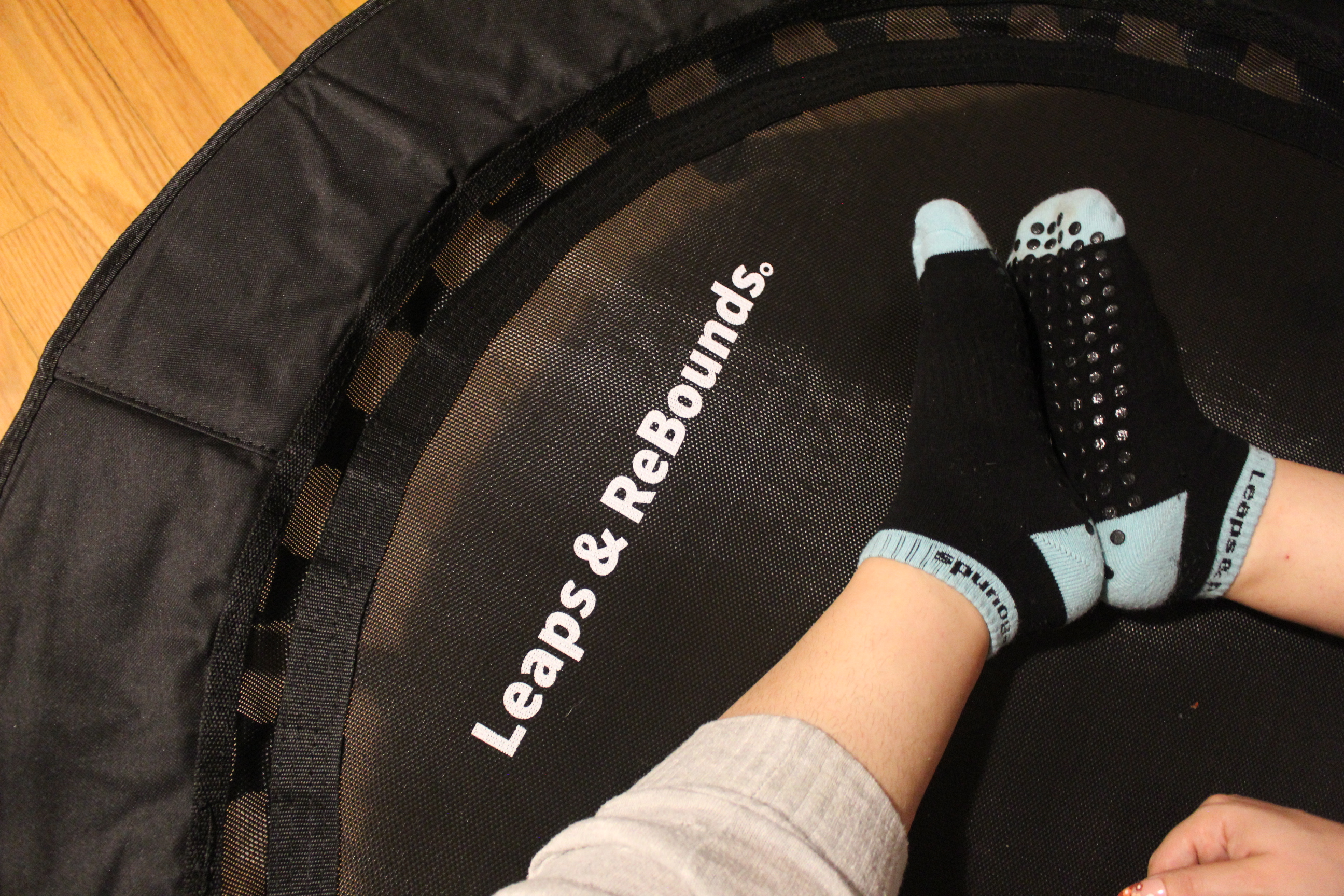
Rebounding shoes offer a modern approach to fitness by turning every movement into a high-efficiency jump. These specialized boots act as shock absorbers for the body, making them a popular choice for those looking to protect their long-term agility. By using rebounding exercise shoes, athletes can enjoy a high-intensity cardio workout while minimizing the strain typical of high-impact sports.
Impact reduction on joints
One of the most praised advantages of using rebound boots is their ability to act as a shock absorber. Users often find that these tools, such as the innovative low-impact shoes, dissipate energy effectively to safeguard sensitive areas like the knees and ankles. This feature is particularly helpful for individuals recovering from injury or those who want to prevent future joint fatigue while maintaining a vigorous aerobic routine.
Activation of core and stabilizer muscles
When you move in these bouncy boots, your body must constantly react to the unstable surface, which is ideal for engaging your core muscles throughout the session. Every landing requires the stabilizer muscles in your legs and ankles to activate to keep you upright. This rhythmic micro-adjustment strengthens your foundation and improves overall posture, turning a simple jump into a full-body conditioning exercise.
Cardiovascular endurance improvements
Getting your heart rate up becomes significantly more enjoyable when you add bounce to your step. Rebounding sessions act as a powerful form of cardiovascular training, challenging your lungs and heart while keeping boredom at bay. You can explore the high-quality products from Leaps and Rebounds to see how this approach enhances aerobic fitness and endurance capacity over time.
Enhanced lymphatic drainage benefits
Beyond basic fitness, the constant vertical motion provides a unique benefit by encouraging fluid movement throughout the lymphatic system. This system relies on physical vibration and muscular contraction to circulate properly, which is precisely what occurs during a rebounding workout. Consistent, gentle stimulation may help the body process waste and improve circulation, contributing to a sense of rejuvenation after your routine.
Key features to look for when buying rebound shoes
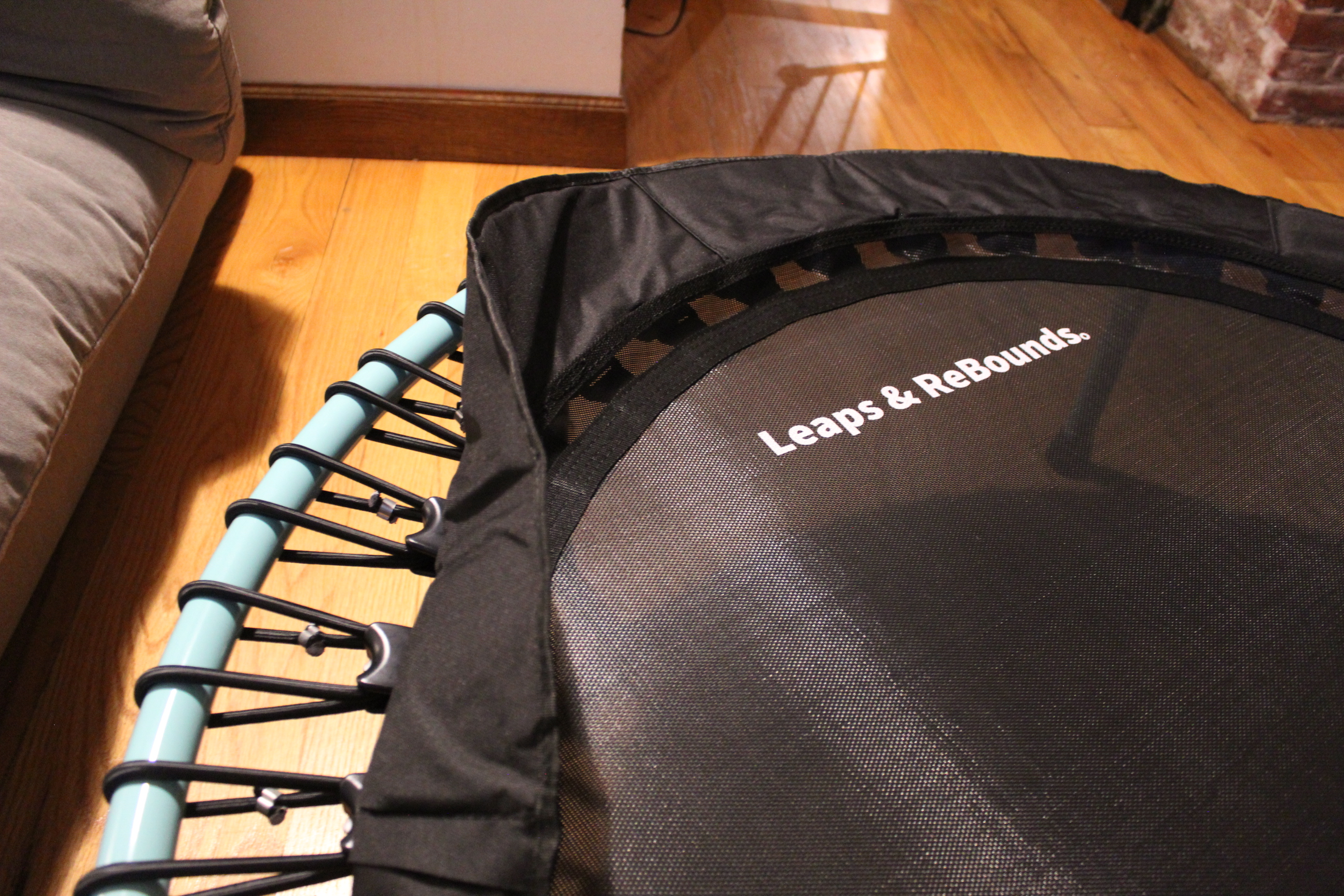
Selecting a high-quality pair of shoes requires evaluating materials and structural integrity. Since these tools endure constant impact, the components must be designed for longevity and specific weight demands. Understanding the technical side ensures your equipment remains safe and effective for each jump.
Spring mechanisms versus tension bands
Different designs utilize either metal spring systems or adjustable elastic bands to create the rebound effect. Choosing the right mechanism depends on your preferred feel and intensity level.
| Mechanism Type | Best For | Maintenance Needs |
|---|---|---|
| Metal Springs | High impact loads | Needs occasional oiling |
| Tension Bands | Lighter routines | Periodic visual inspection |
| Hybrid Systems | General fitness | Varies by design |
Selecting based on these specifications ensures that the tension matches your specific goals, providing a consistent bounce that neither bottoms out nor feels too sluggish.
Shell construction and ankle support levels
Robust shell materials contribute to security and longevity, serving as the main anchor point for your foot. You should look for shells that provide significant rigidity while maintaining enough flexibility to prevent discomfort during complex movements.
Importance of shell rigidity and weight capacity
Safety relies on matching the shell's structural integrity to your body mass. A shell that is too flexible for your weight may lose its structural shape over time. When reviewing technical specifications, ensure the model supports the following:
- The shell's rated maximum weight limit should be at least 20% over your current body weight.
- Material density should prevent bowing during high-tempo landings.
- The connection points between the shoe frame and the spring deck must be reinforced.
Confirming these specs helps avoid premature structural failure and keeps your exercise sessions stable.
Durability of the tread and rubber outsole
The bottom of your rebound shoes is the only point of contact with the floor, making tread quality non-negotiable. Look for high-grip rubber compounds that offer stability on both indoor gym floors and stable outdoor surfaces, as these outsoles will experience significant pressure during every landing.
How to select the right fit for your foot and body
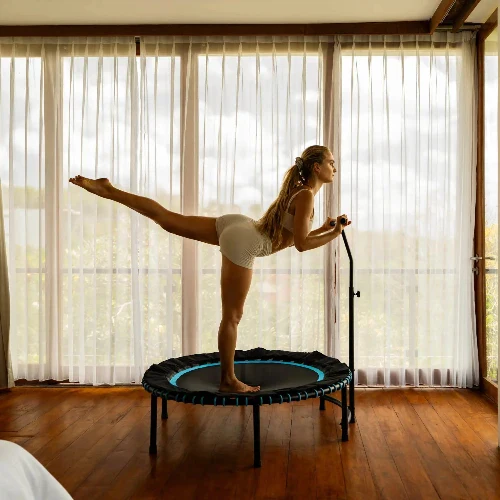
Finding the correct size involves more than just common shoe measurements as the boot structure significantly impacts your comfort. A proper fit ensures maximum kinetic energy transfer from the springs into your jumps, preventing wasted effort or unnecessary rubbing.
Matching body weight to spring tension ratings
Most high-end boots offer adjustable spring tensions that correspond to specific weight classes. You must prioritize this rating over personal preferences, as the correct tension is what prevents joint stress. If you are near the upper limit of a specific spring type, it is usually safer to move up a tension grade to maintain a safe rebound distance.
Adjusting strap systems for different foot widths
Different manufacturers use unique buckle and webbing arrangements to keep your foot secured. Ideally, the straps should distribute pressure evenly across the top of your foot without cutting off circulation or allowing lateral sliding inside the shell.
Evaluating shell sizing for comfort and control
Shell sizes are usually categorized by ranges, but you should treat them as distinct from regular sneakers. Your foot should feel firm and immovable, yet your toes should retain enough freedom to wiggle, ensuring that you can maneuver effectively. Always pair the shells with appropriate athletic socks that prevent friction at the calf, as consistent movement can lead to chafing if the boot rubs against exposed skin.
Considerations for different arch types and foot shapes
If you have specific arch requirements, remember that you can usually swap out factory insoles for custom orthotics, provided they fit comfortably in the shell. While the shell structure provides the primary support, a proper insole can alleviate mid-foot soreness, an issue that may arise during longer workouts or for those with high arches who need focused support.
Safety protocols for beginner users
Learning to navigate the rebounding world requires a bit of humble practice before attempting complex routines. Consistent safety habits translate directly into success and prevent common beginner mistakes that lead to unnecessary fatigue. Establishing foundational balance is the first step toward building your skills and confidence.
Finding your center of gravity on a firm surface
Before taking your first jump, spend a few minutes standing securely on a flat, non-slip floor while wearing the boots. Focus on your posture and determine where your natural balance point lies. Moving slowly allows you to engage your muscles intentionally and discover the proper stance that keeps your weight centered over the spring system.
Best practices for indoor versus outdoor terrain
While personal preference varies, indoor exercise is highly recommended for beginners. A smooth, flat wood or rubberized surface offers the most predictable bounce, whereas outdoor terrain often has hidden debris or uneven spots that can trip up inexperienced users. Save the outdoor sessions for when your stabilization muscles are fully conditioned and your balance becomes second nature.
Protective gear recommendations for beginners
Safety extends beyond the boots themselves, so layering up with protective gear is highly recommended. Beginners may find that knee and wrist guards provide extra confidence during their first few weeks of training. Additionally, choosing thick, mid-calf socks is vital to protect the skin from the friction of the boot's edges during repeated movement.
Warming up to engage balance muscles before jumping
Never skip a warm-up, even if you are excited to start bouncing immediately. Light dynamic stretching and stationary marches in your boots are effective ways to prepare the lower body and core. Warming up primes the neurological pathways needed for stabilization, making your jumps safer and more controlled from the very first minute.
Essential maintenance tips for longevity
Routine care ensures your gear stays in top condition much longer than expected. Treat your boots like you would any high-performance vehicle: consistent check-ups keep you safe. Neglecting simple maintenance can lead to hardware failure, which puts your joints at risk during high-intensity training.
Cleaning the shell after high-intensity use
Sweat and exercise grime can degrade the materials of the boot liner and shell over time. After every intense session, wipe down the exterior with a damp cloth to remove surface dust or residue. Keeping the interior liners clean and dry is equally vital, as moisture can lead to uncomfortable odors and potential material breakdown if left for too long.
Periodic inspection of springs or bands for fatigue
Every few weeks, look closely at the tension mechanism that powers your bounce. You want to spot small cracks or loss of elasticity before they escalate into full-scale breaks. If you notice the resistance feeling noticeably softer or if the springs produce irregular noises, it is time for a deeper inspection.
Storing boots properly to prevent structural degradation
Keep your boots in a cool, dry place away from direct sunlight, which can cause the polymers in the shell to weaken. Never store them in a way that keeps the shell compressed, as this can permanently alter the shape of the spring housings. Storing them upright or in a neutral, un-weighted position will help maintain their factory settings for a longer time.
Identifying signs that components require replacement
Knowing when to swap out parts is the difference between a great workout and a failed session. Watch for signs of wear that include visible cracks in the shell, permanent warping of the base, or metal springs losing their return tension entirely. Catching these early ensures you stay safe and continue enjoying your favorite rebound routine without interruptions.
Conclusion
Choosing the right rebound footwear is a meaningful step toward incorporating an engaging, low-impact exercise into your daily regimen. By focusing on quality components, proper fit, and diligent maintenance, you can maximize the benefits of your equipment while ensuring a safe jumping environment that sustains your long-term fitness goals.
Frequently Asked Questions
Can people of all fitness levels safely enjoy rebounding?
Yes, these exercise shoes are adaptable and can be scaled to support everyone from absolute beginners to professional athletes looking for a novel challenge.
How long does it take for a beginner to master the balance?
While everyone learns at their own pace, most users find that they gain enough stability to perform basic movements within just a few sessions of consistent practice.
Should I wear specific socks with my boots?
High-quality, thick, mid-calf socks are highly recommended to prevent friction and keep your legs comfortable throughout the entire jump session.
Can these shoes accommodate different arch shapes?
Yes, the shells can often accommodate custom orthotic insoles, which helps those with specific arch needs stay comfortable and supported for longer durations.
How often should I check the springs for wear?
Performing a visual inspection every few weeks is a good habit to prevent fatigue-related failures and to ensure the equipment remains consistent.
Is it okay to use these shoes on concrete?
Using them on concrete is possible, but smoother surfaces like wooden floors or professional gym mats are significantly more predictable for learning and stability.
What are the main signs that components need replacement?
Look for visible cracking in the shell material, a permanent loss of structural shape, or metal mechanisms that have lost their original tension or started making unusual grinding noises.


0 comments