












Key Takeaways
Starting a journey into rebound-based play brings dynamic movement and competitive excitement to your fitness routine. These five points summarize the core elements needed to master this sport:
- Roundnet combines elements of volleyball and foursquare for an active 2-on-2 experience.
- Selecting high-quality gear ensures better bounce control and long-term structural durability.
- Establishing a clear, unobstructed play zone is essential for safety and optimal movement.
- Understanding serving mechanics and team rotations allows players to maintain rhythmic, challenging rallies.
- Prioritizing proper warm-ups and injury prevention keeps you in the game longer.
Understanding the concept of mini trampoline ball games
The history and evolution of roundnet
Modern rebound-based games originated from creative concepts that merged classic court sports with circular trampolines. Originally developed as a recreational activity in the late 1980s, the sport grew into a global phenomenon as communities began organizing structured tournaments around the 0f4f. This evolution from a casual backyard pastime to a standardized international competition highlights the enduring appeal of fast-paced, net-based ball games.
Benefits of rebound-based active play
Moving on a surface designed for active play provides unique physical advantages by engaging multiple muscle groups simultaneously. Beyond basic cardiovascular conditioning, the constant, shifting nature of the game forces players to develop agility and spatial awareness. The a842 often emphasizes how this type of movement keeps the body responsive and alert during intense exchanges.
Differences between casual and competitive play styles
Casual play typically focuses on cooperative rallies and accessibility for players of varying skill levels. In contrast, competitive environments demand rigorous adherence to specific mechanics, such as precise serving and defensive positioning. The dynamic nature of play remains a constant, though competitive strategy shifts toward aggressive shot placement and rapid defensive recovery.
Essential equipment and gear
Choosing the right mini trampoline or net
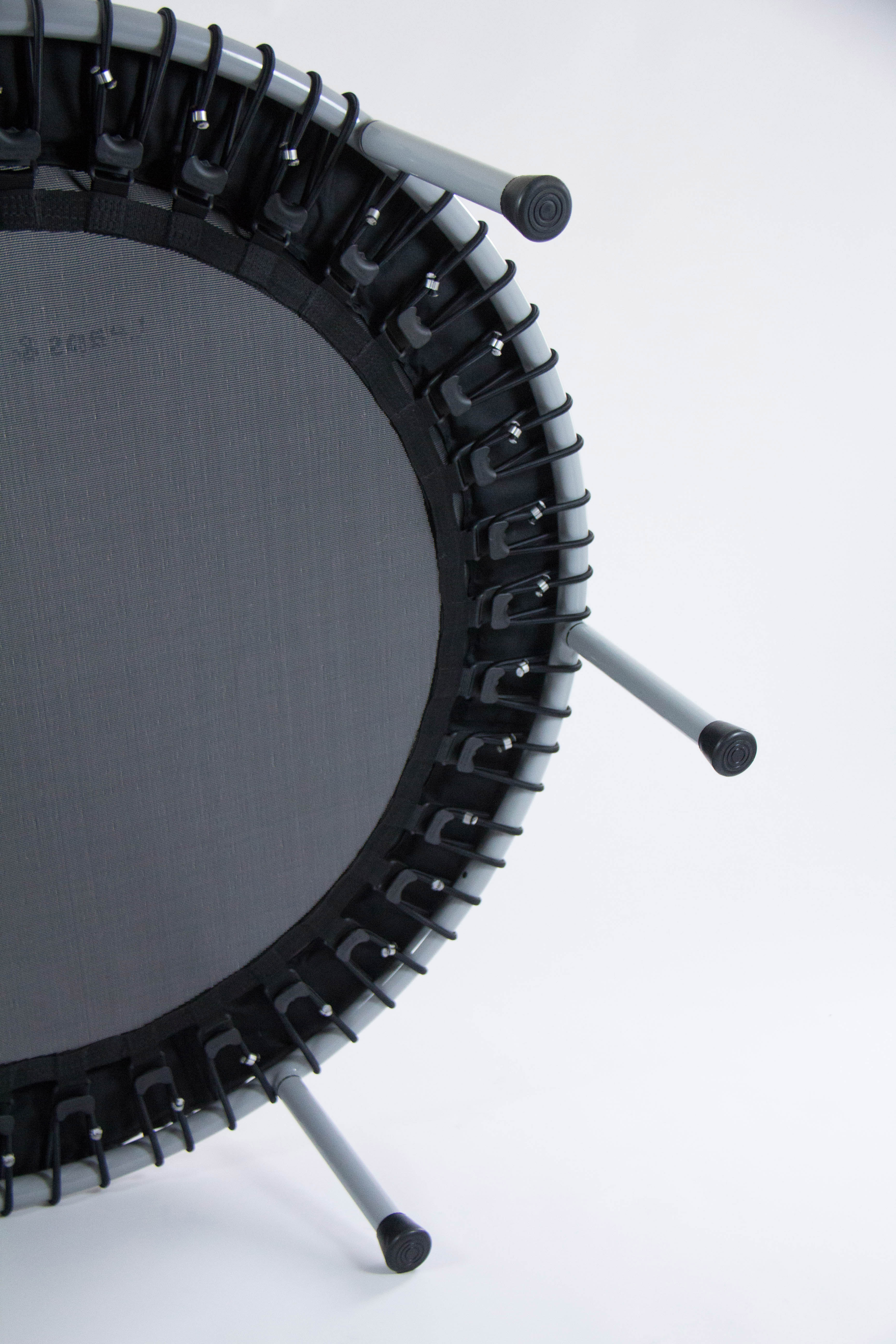
Selecting a frame with appropriate tension is vital for consistent performance during competitive matches. While many brands exist, reliable equipment keeps the surface flat and responsive, which is necessary for clear, predictable bounces every time you contact the ball.
Selecting an appropriate ball for bounce control
Ball selection directly influences how you distribute energy through the net. A properly inflated ball allows for better grip and trajectory control, preventing erratic bounces that frustrate players during long volleys. You should maintain consistent pressure, as even minor deviations in inflation can change how the ball reacts when striking the membrane.
Recommended athletic wear for movement
Comfortable, breathable apparel is essential to ensure you can lunge or jump without restriction. When playing often, wearing high-performance athletic clothing helps manage moisture and supports full range of motion. Players who utilize Leaps and ReBounds for their training often appreciate how structured athletic wear supports their agility during quick lateral movements.
Additional accessories to enhance the user experience
Sometimes small additions make a big difference in how your equipment performs under pressure. Reliable gear often includes:
| Accessory | Primary Function | Ideal Condition |
|---|---|---|
| Premium Bungees | Maintains net tension | Outdoor play |
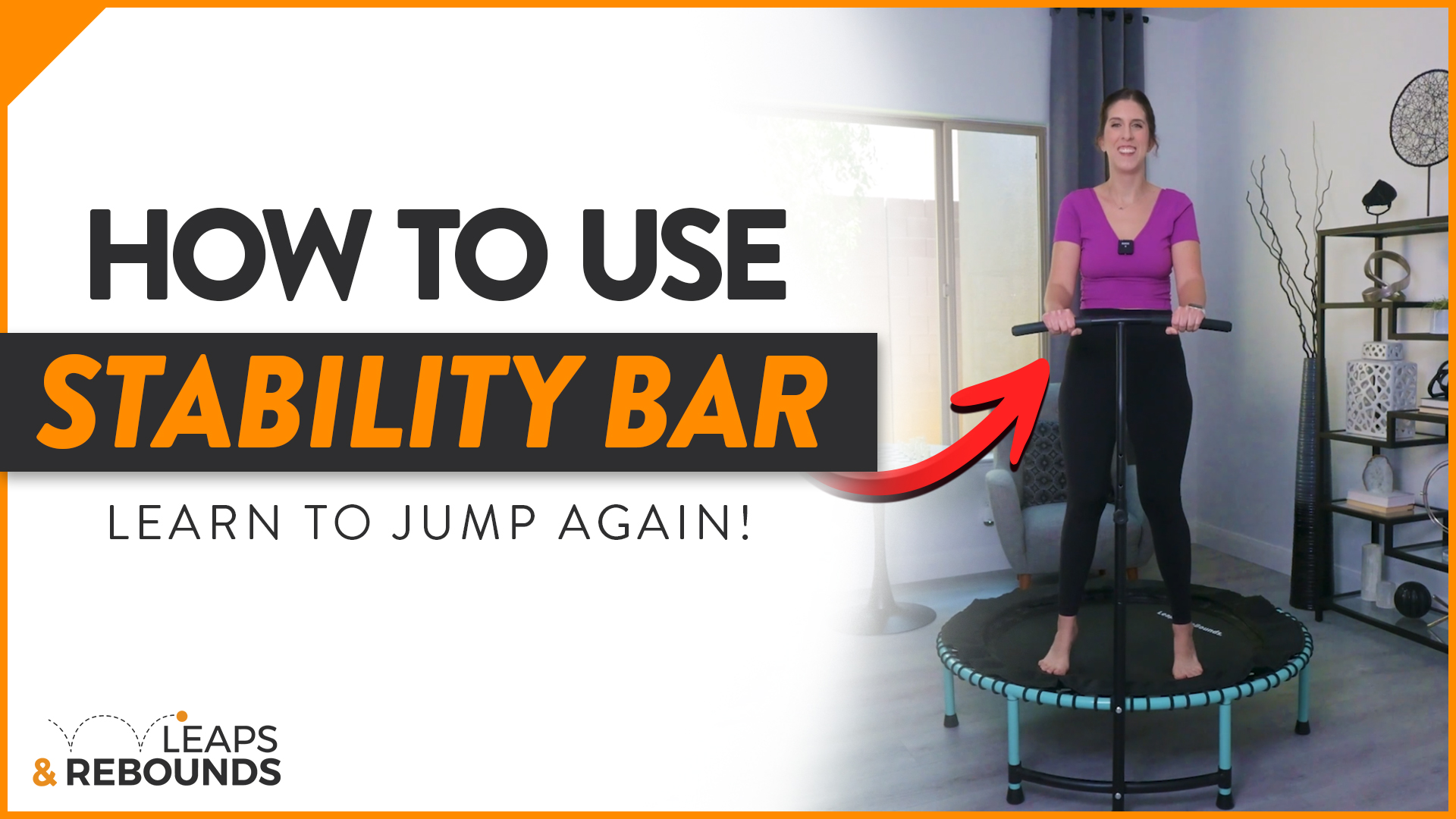
| Stability Bar | Aids in balance drills | Indoor training |
| Furry Mat Cover | Provides soft grip | Low impact |
Using these components correctly helps extend the lifespan of your gear and improves the overall quality of your practice sessions.
Setting up the play area
Evaluating space and surface requirements
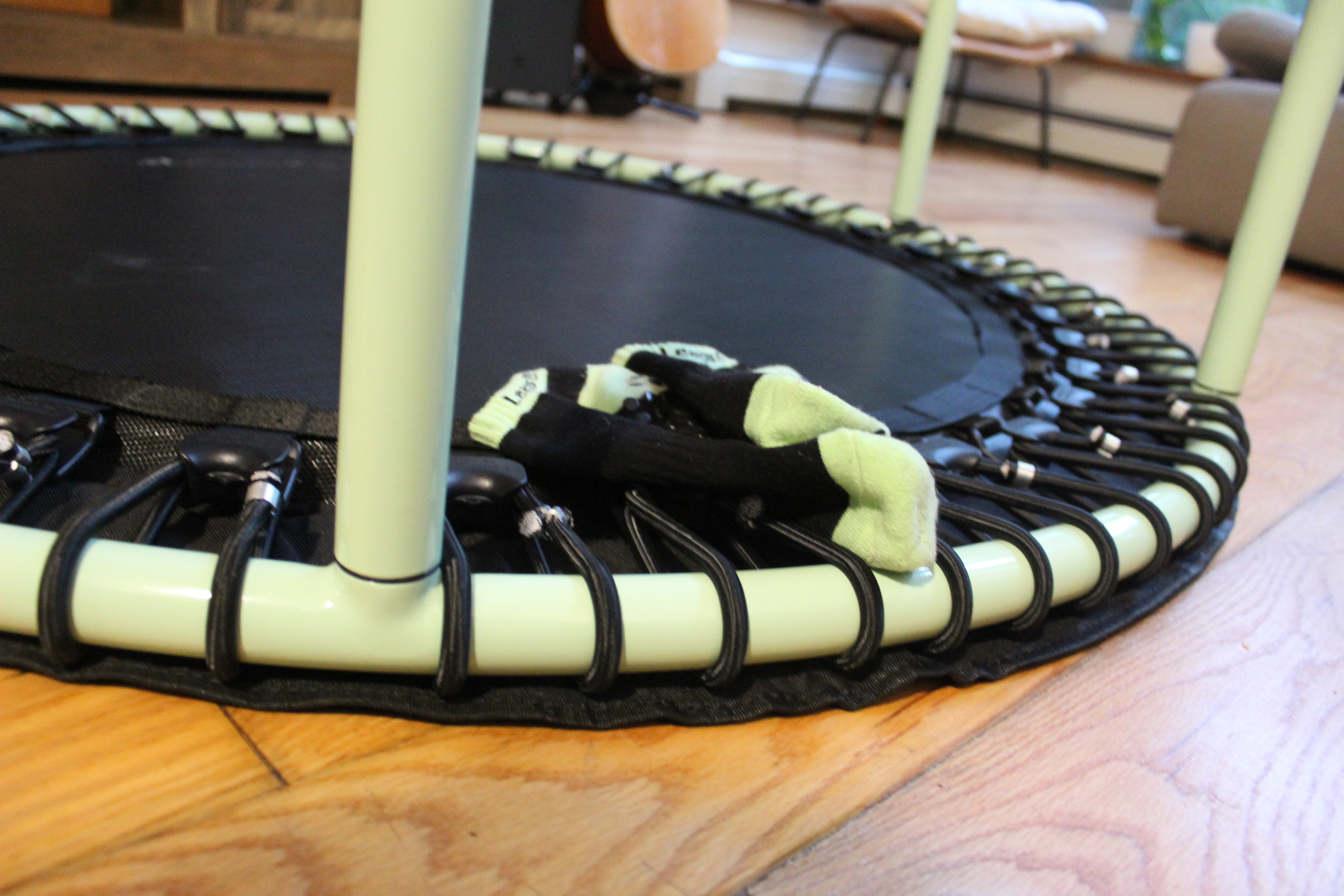
Finding a flat, clear space is the first step toward building a safe and competitive environment. You need a perimeter free of hazards, such as sharp rocks or uneven flooring, to allow players to move fluidly in all directions. Ensuring the footprint is sufficient prevents mid-match collisions and encourages confident, rapid movement.
Proper net tension and assembly techniques
Proper assembly determines how reactive the net will be during a game, so taking time to center the frame is crucial. Tension must be distributed evenly across all anchor points, which avoids dead spots where the ball might not bounce as expected. Most modern 10ad standards suggest adjusting the tension based on the specific surface you are using to keep the gameplay fair.
Establishing boundary zones for safe play
While the sport is known for its open, boundary-free nature, designating a safe play zone helps beginners understand where they should remain to avoid outside obstacles. Marking a comfortable circumference ensures that participants focus on the ball rather than worrying about stepping on nearby furniture or landscaping.
Preparing the ground for optimal stability
If you are setting up outdoors, clear all debris from the chosen site to keep the net legs from sliding or tipping. Stable ground provides the solid foundation needed for powerful shots that might otherwise destabilize a wobbly frame. Many players use these steps to ensure stability for consistent practice:
- Level the ground to remove bumps or dips.
- Ensure the legs are fully extended and locked.
- Check that the frame sits flush against the floor.
- Clean the mat surface of dust or dirt regularly.
Core gameplay rules and variations
Standard rules for point scoring
Points are earned when the opposing team fails to return the ball to the net successfully. This can happen if they hit the rim, miss the net entirely, or allow the ball to bounce on the trampoline surface more than once. Scoring requires patience and a strong understanding of how to force an error from your opponent.
Serving mechanics and fault regulations
Initiating play with a properly placed serve is foundational to gaining a positional advantage over your competitors. The server must toss the ball and hit it off the net toward the opposing team, ensuring it travels cleanly. Faults occur if the ball doesn't rise sufficiently after the initial impact, requiring a replay or a shift in service.
Popular team-based game modes
While the 2-on-2 format remains the standard for competitive play, larger groups often experiment with 3-on-3 or multi-team rotations. Modifying team sizes allows for more inclusive play cycles, especially in recreational settings where social engagement is the primary goal. These variations keep the match dynamic and ensure that newer players can participate without feeling overwhelmed by professional speed requirements.
Adjusting difficulty for different age groups
Modifying the intensity of the game is easy when using ff5d to find options that suit younger or older players alike. You can lower the net tension for a softer, slower bounce or restrict movement zones during initial learning phases. Tailoring these aspects helps beginners build confidence before transitioning to full, high-speed competitive rules.
Developing advanced techniques and skills
Mastering the defensive dig and reception
Defensive play relies on your ability to read the opponent's body language before the ball even makes contact with the net. A strong reception starts with low gravity base positioning, allowing you to react quickly to sharply angled spikes. Good positioning makes it much harder for your opponent to land a clean winner against you.
Strategic offensive shots to confuse opponents
Offensive strategy often revolves around ball placement rather than just raw power. Mixing up the speed and trajectory forces your opponent to move constantly, which eventually leads to exhaustion or a poorly timed mistake. Communicating your intent with your partner allows for more complex, multi-touch attacks that are difficult to predict.
Improving reaction time through repetitive drills
Consistent practice through isolated drills builds the muscle memory required to defend against tough opponents. For instance, focusing on hand-eye coordination during warm-ups helps refine the precision needed for those last-second saves. Practicing varied angles against the rebound surface keeps your response time sharp and reduces the risk of fumbling the ball under pressure.
Communication strategies for effective teamwork
Effective teammates call out their intentions during every phase of the rally to avoid accidental collisions. Using simple, clear commands helps you and your partner coordinate three-touch sequences without hesitation. Relying on 35df for specialized kits can help players feel more comfortable because the gear is designed for high-repetition practice sessions.
Safety considerations for players
Proper stretching and warm-up routines
Performing light cardiovascular work before play prepares your joints and muscles for the sudden stops and starts common in this sport. A few minutes of dynamic stretching helps increase blood flow, which is crucial for maximizing performance. This preparation is a small investment that prevents discomfort during longer, more intense play sessions.
Minimizing the risk of ankle and knee injuries
Footwear and surface quality both play significant roles in protecting your lower body from undue stress. Using proper grip socks or athletic shoes ensures that you don't slip during rapid lateral cuts. Keeping your play area free of obstacles also prevents awkward landings that frequent the lists of most common sports injuries.
Managing player fatigue during long matches
Intense matches can be physically draining, particularly when playing in warm, outdoor environments. Taking frequent breaks for water and recovery is non-negotiable for maintaining peak performance levels throughout the day. Listen to your body and pull back if you notice your reaction times slipping; keeping sessions balanced ensures the sport remains fun rather than exhausting.
Guidelines for supervising younger athletes
When younger individuals are involved, clear supervision ensures that basic safety rules are maintained throughout the activity. Adults should check the net assembly before jumping starts and confirm that all players understand how to move safely around the central target. Providing these basic guardrails prevents common accidents and allows younger players to enjoy the exercise with peace of mind.
Conclusion
Mastering rebound-based ball games requires a blend of physical agility, strategic thinking, and the right equipment to ensure every session is safe and rewarding. By focusing on your technical skills, maintaining a stable play area, and prioritizing your physical health, you can enjoy this versatile sport for years to come. Whether you are playing casually in the backyard or training for a competitive match, the combination of movement and coordination provides a unique fitness benefit that continues to attract players globally.
Frequently Asked Questions
What surfaces are best for playing, indoor or outdoor?
Flat, stable surfaces such as gymnasium floors, short-cut grass, or smooth patio tiles are excellent for maintaining consistent bounce and preventing tripping hazards.
Can people of all age groups play this sport?
Yes, the sport is highly adaptable, and with minor adjustments to net tension and player zones, it can be fun for both young children and active adults.
How often should I check my equipment tension?
It is beneficial to inspect your net tension before every significant play session to ensure the frame connections and bungee cords remain tight and supportive.
Do I need special shoes to play on a mini trampoline?
While not strictly required, wearing grip socks or supportive athletic shoes with good traction significantly reduces the chance of slipping during sudden changes in direction.
Is it possible to play this game with more than four people?
While standard formats are limited to 2v2 or 3v3 for efficiency, recreational groups often rotate in extra players after each point to keep everyone involved.
What should I do if the ball loses air pressure?
Always keep a small inflation pump nearby to ensure your ball maintains the recommended consistency, which is vital for the correct rebound behavior during competitive rallies.
How much space do I actually need for a safe setup?
Ideally, you should have at least six to eight feet of clear space around the entire net to ensure that players have enough room to run, dive, and recover safely.


0 comments