
Here are the main points to remember from our guide on core workouts for beginners. Focus on these to build a strong foundation safely and effectively.
Key Takeaways
- Your core includes muscles in your abs, back, and around your pelvis, all working together for stability.
- Prioritize safe form and muscle activation over speed or heavy lifting when starting.
- Begin with static exercises like planks before moving to dynamic movements.
- Train your core in all three planes of motion for balanced strength and injury prevention.
- Consistency is key: aim for 3-5 core workouts per week, allowing for rest and recovery.
Understanding Your Core Muscles
When people talk about 'core muscles,' they often picture those chiseled abs you see in magazines. But honestly, your core is so much more than just your stomach muscles. It's like the command center for your entire body, influencing everything from how you stand to how you lift a bag of groceries. Building a strong core isn't just about looking good; it's about making everyday movements easier and safer.
What Muscles Comprise Your Core?
Your core is a complex network of muscles that work together. Think of it as a sturdy cylinder around your midsection. It includes muscles in your abdomen, back, and around your pelvis. Here’s a quick rundown:
- Rectus Abdominis: This is the muscle group most people recognize – the 'six-pack' muscles. They help you bend forward and sit up.
- Obliques: Located on your sides, these muscles help you twist and turn your torso.
- Transverse Abdominis: This is your deepest abdominal muscle, acting like an internal corset to stabilize your spine and pelvis. It's super important for protecting your back.
- Erector Spinae: These muscles run along your spine and are key for keeping you upright and improving your posture.
- Multifidus: Small but mighty, these muscles help stabilize each vertebra in your spine.
- Pelvic Floor: These muscles are located at the base of your pelvis and play a role in supporting organs and controlling bodily functions. They're a vital part of your core's stability system. The pelvic floor muscles are often overlooked but are incredibly important.
The Importance of a Strong Core for Beginners
For beginners, a strong core is like building a solid foundation for a house. Without it, everything else is a bit wobbly. It helps with balance, makes your movements more efficient, and, importantly, protects your back from strains and injuries. A stable core means better control over your body, which is the first step to mastering any new exercise. Whether you're just starting to walk more or trying out some basic movements, your core is working hard behind the scenes.
Your core muscles are involved in almost every single movement you make. From picking up your keys to standing up from a chair, these muscles are engaged to keep you stable and balanced.
Recognizing Signs of a Weak Core
Sometimes, you might not even realize your core is weak until something goes wrong. Do you often find yourself slouching, especially after sitting for a while? Does your lower back ache after simple tasks like carrying shopping bags? Maybe you feel unsteady when you try to stand on one leg. These can all be signals that your core muscles need some attention. Ignoring these signs can lead to bigger issues down the line, like persistent back pain or even injuries when you start more challenging workouts.
Getting Started with Core Training Safely
So, you're ready to build a stronger core. That's awesome! But before you jump into a bunch of intense exercises, let's talk about how to do it right, especially if you're just starting out. It's not just about getting a six-pack; it's about building a solid foundation for your body that helps with everything you do.
Prioritizing Core Strength Over Aesthetics
It's easy to get caught up in how your abs look. We see it all the time in magazines and online. But for beginners, the real win is building functional strength. Think about it: a strong core helps you stand taller, move better, and can even help prevent those annoying aches and pains that pop up from everyday life. Focusing on how your body feels and performs is way more important than just how it looks when you're starting out. It's about making your body more resilient and capable.
The Benefits of a Strong Core for Beginners
Why bother with core training? Well, the advantages go way beyond just looking good. A well-trained core acts like a natural brace for your spine, which is super important for preventing injuries, especially in your lower back. It also improves your balance and stability, making everyday tasks easier and physical activities safer. Plus, a stronger core can help you transfer power more effectively between your upper and lower body, which is a big deal if you ever plan on doing anything more athletic. It's like giving your body a better operating system.
Here are some key benefits:
- Injury Prevention: A stable core reduces the strain on your back and other joints.
- Improved Posture: Standing and sitting taller becomes more natural.
- Better Balance: You'll feel more steady on your feet.
- Enhanced Movement: Everyday activities and workouts feel easier.
Essential Tips for Beginner Core Workouts
Starting core work doesn't have to be complicated. The key is to be smart about it. You want to build strength without causing yourself problems. Here are a few pointers to keep in mind:
- Start Slow and Steady: Don't try to do too much too soon. Begin with exercises that focus on holding a position, like planks, before moving to more dynamic movements. This helps you learn to engage the right muscles without overdoing it. You can find some great standing core exercises that are perfect for easing in.
- Focus on Form: It's better to do a few repetitions with perfect form than many with sloppy technique. Pay attention to how the exercise feels and make sure you're activating the correct muscles. A neutral spine is your friend here – it means keeping your back in a natural, un-strained position.
- Breathe: Seriously, don't forget to breathe! Holding your breath can make exercises harder and less effective. Try to exhale during the hardest part of the movement.
- Listen to Your Body: If something feels sharp or painful, stop. Pushing through pain is a fast track to injury. There's a difference between muscle fatigue and actual pain.
Building a strong core is a marathon, not a sprint. Be patient with yourself, celebrate small victories, and trust the process. Consistency is your best friend here.
Foundational Core Exercises for Beginners

Starting your core journey is all about building a solid base. Forget fancy moves for now; we're focusing on exercises that teach your body how to engage those deep stabilizing muscles correctly. This isn't about getting a six-pack overnight; it's about building a resilient core that supports everything you do. Think of it as laying the groundwork for all your future fitness endeavors.
Mastering Static Core Movements
Static exercises are your best friend when you're just beginning. These moves involve holding a position, which really helps you focus on feeling the right muscles working without the added challenge of movement. It’s all about control and building that mind-muscle connection.
- Plank: This is the classic. Get into a push-up position, but rest on your forearms instead of your hands. Keep your body in a straight line from head to heels. Don't let your hips sag or pike up. Engage your abs and glutes. Hold for 20-30 seconds, focusing on breathing.
- Side Plank: Lie on your side, propped up on one forearm. Stack your feet and lift your hips off the ground, creating a straight line from your head to your feet. Again, keep that core tight. Hold for 20-30 seconds on each side.
- Bird Dog: Start on your hands and knees, with your hands directly under your shoulders and your knees under your hips. Keep your back flat. Slowly extend your right arm straight forward and your left leg straight back. Keep your hips level and avoid twisting. Hold for a second, then return to the start. Alternate sides. This move is great for improving stability.
Remember, the goal here isn't to hold the longest plank or do the most reps. It's about quality over quantity. If you can only hold a plank for 10 seconds with good form, that's a win. Gradually increase the hold time as you get stronger.
Introducing Dynamic Core Exercises
Once you're comfortable holding static positions, you can start adding movement. Dynamic exercises challenge your core to stabilize your body while it's in motion. This is where you start to build functional strength that translates to everyday activities.
- Dead Bug: Lie on your back with your knees bent at 90 degrees and your arms extended towards the ceiling. Slowly lower your right arm back behind your head and extend your left leg straight out, hovering just above the floor. Keep your lower back pressed into the mat. Return to the start and switch sides. This is a fantastic way to work your deep core muscles.
- Glute Bridge: Lie on your back with your knees bent and feet flat on the floor, hip-width apart. Squeeze your glutes and lift your hips off the ground until your body forms a straight line from your shoulders to your knees. Hold for a moment, then slowly lower back down. This exercise targets your glutes and lower back, which are key parts of your core.
- Mountain Climbers: Start in a high plank position. Bring one knee towards your chest, then quickly switch legs, as if you're running in place. Keep your hips as still as possible and maintain a steady pace. Aim for 30-60 seconds.
The 'Big Three' Core Moves
While there are tons of exercises out there, a few stand out for their effectiveness in building a strong, balanced core. These are often considered the cornerstones of a good core routine and can be found in many core workout plans.
- The Plank: As mentioned, it’s a powerhouse for overall core stability. It works your rectus abdominis, transverse abdominis, obliques, and even your back muscles.
- The Bird Dog: This exercise is brilliant for teaching your core to resist rotation and maintain balance, which is super important for preventing back pain.
- The Dead Bug: Excellent for coordinating opposite limbs while keeping your core engaged and your spine stable. It’s a gentler way to introduce dynamic control.
Mastering these three will give you a fantastic foundation. You can modify them to make them easier or harder as you progress, ensuring your core training stays challenging and effective.
Effective Core Workout Strategies
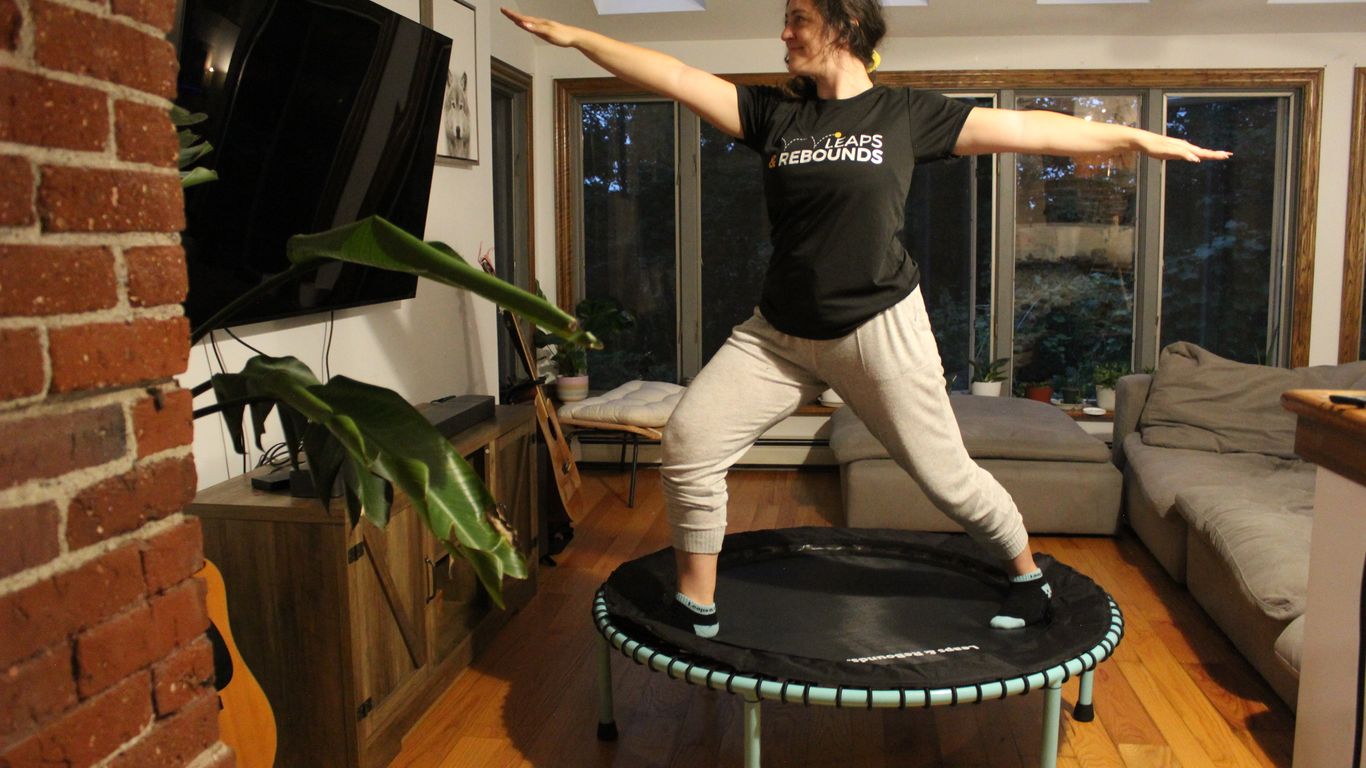
Alright, so you've got the basics down and you're ready to really start building that core strength. But how do you make sure you're working it right and not just spinning your wheels? It's all about how you approach your workouts. We're not just talking about doing a bunch of crunches and calling it a day. True core development means thinking about your body in motion, not just in static poses.
Training Your Core in All Planes of Motion
Think about it: your body doesn't just move forward and backward. You twist, you bend sideways, you rotate. Your core muscles are designed to handle all of that. So, your workouts should too. Focusing only on front-to-back movements, like basic crunches, leaves a lot of your core muscles underdeveloped. We need to work in three dimensions.
- Sagittal Plane: This is your front-to-back movement. Think of exercises like planks and crunches. They're important for stability.
- Frontal Plane: This involves side-to-side movements. Side planks and exercises that involve lateral flexion (bending to the side) fall here. These are key for stability when you're walking or standing.
- Transverse Plane: This is all about rotation and twisting. Russian twists and cable wood chops are good examples. These help with rotational power and stability.
By incorporating exercises that challenge your core in all these directions, you're building a more functional and resilient midsection. It's like training your body for real-life situations, not just for the gym floor. You'll find that everyday movements feel easier and you're less likely to get that nagging back twinge.
Focusing on Muscle Activation and Form
This is where the magic really happens, especially for beginners. It's not about how many reps you can churn out; it's about how you're doing them. Proper form is non-negotiable for safety and effectiveness. You want to feel the right muscles working, not just going through the motions.
- Mind-Muscle Connection: Really concentrate on the muscles you're supposed to be using. For a plank, feel your abs and glutes tightening. For a bird-dog, focus on keeping your core stable while your limbs move.
- Slow and Controlled: Don't rush. Move slowly and deliberately, especially during the lowering or eccentric phase of an exercise. This increases time under tension and allows for better muscle engagement.
- Breathing: Don't hold your breath! Exhale during the exertion part of the movement and inhale as you return to the start. This helps with core stability and power.
When you're starting out, it's way better to do fewer reps with perfect form than to do a ton of reps with sloppy technique. Sloppy form can lead to injuries and won't give you the results you're looking for. Focus on quality over quantity, always.
Balancing Intensity and Recovery
Pushing yourself is important, but so is giving your body a chance to bounce back. Overtraining your core can lead to fatigue, decreased performance, and even injury. It's a balancing act.
Here’s a quick look at how to manage it:
| Aspect | Beginner Recommendation |
|---|---|
| Frequency | 3-4 times per week, with rest days in between. |
| Intensity | Focus on controlled movements, not maximal effort. |
| Duration | 15-20 minutes per session is a great starting point. |
| Recovery | Prioritize sleep and proper nutrition. Listen to your body. |
Remember, your core muscles, like any others, need time to repair and grow stronger. Don't skip rest days. They are just as vital as the workout days themselves. You might find that incorporating some light activity on rest days, like a walk, can actually help with recovery. Building a strong core is a marathon, not a sprint, so be patient and consistent. You can find some great beginner core exercises to get you started.
Building a Consistent Core Routine
So, you've been doing your planks and bird dogs, and maybe even feeling a little stronger. That's awesome! But how do you keep this going without burning out or getting bored? Building a consistent routine is key, and it's not as complicated as it might seem. It's all about finding a rhythm that works for you and your body.
How Often Should Beginners Train Their Core?
Figuring out the right frequency is important. You want to challenge your muscles enough to see progress, but also give them time to recover. Pushing too hard, too soon, can lead to injury, and nobody wants that. Most experts suggest training your core about 3 to 5 times a week. This gives you a good balance. You're exercising regularly, but you also get rest days in between. This rest is when your muscles actually get stronger.
Here's a simple way to think about it:
- Day 1: Core Workout
- Day 2: Rest or Light Activity (like walking)
- Day 3: Core Workout
- Day 4: Rest or Light Activity
- Day 5: Core Workout
- Day 6 & 7: Rest or Active Recovery
This is just a template, of course. You might find that 3 days a week is perfect for you, or maybe you feel good doing 4. Listen to your body. If you're feeling super sore or fatigued, take an extra rest day. It's better to be consistent over the long haul than to go all-out for a week and then stop.
Remember, consistency beats intensity when you're starting out. It's about building a habit that sticks, not just a short-term burst of effort. Think of it like watering a plant; a little bit every day or every few days is much better than flooding it once a month.
The Role of Nutrition and Rest
Your core muscles, like all muscles, need the right fuel and recovery to grow. You can do all the exercises in the world, but if you're not eating well or sleeping enough, you won't see the results you're hoping for. Think of nutrition and rest as the support crew for your workout efforts. They're just as important as the exercises themselves. Eating a balanced diet with enough protein helps your muscles repair and rebuild. And getting quality sleep? That's when a lot of that magic happens. Aim for 7-9 hours of sleep per night. It makes a huge difference in how you feel and how your body recovers.
When to Expect Visible Results
This is the question everyone wants answered, right? "When will I see abs?" Well, it's not an overnight thing, and it really depends on a few factors. For most beginners, you'll start to feel a difference in your core strength and stability within about 2 to 4 weeks of consistent training. You might notice everyday tasks feel a bit easier, or that your posture improves. Visible changes, like seeing definition in your abs, usually take longer. This depends a lot on your body fat percentage. If you have more body fat, it will take longer for those muscles to show through. Don't get discouraged if you don't see a six-pack in a month. Focus on how you feel and the strength you're building. The visual results will come with continued effort and a healthy lifestyle. You can start with a realistic 10-minute routine and build from there.
Want to build a strong body from the inside out? A solid core routine is key! It helps with everything from better posture to feeling more stable in your daily activities. Don't just guess what works; find out how to create a routine that sticks. Visit our website today to discover simple, effective core exercises you can do right at home!
Conclusion
Building a strong core is a journey, not a race. By understanding your core muscles, starting with safe and foundational exercises, and staying consistent, you'll be well on your way to a stronger, more stable you. Remember to listen to your body, focus on good form, and celebrate your progress along the way. A consistent core workout for beginners is your first step to better movement and overall well-being.
Frequently Asked Questions
What muscles are part of my core?
Think of your core as your body's support crew. It includes muscles in your belly (like the rectus abdominis and obliques), your deep midsection (transverse abdominis), and your back (erector spinae and multifidus). They all work together to keep you upright and stable.
Why is a strong core important for beginners?
A strong core helps protect your lower back from pain and injury, improves your posture so you don't slouch, and makes everyday movements easier. It's like giving your body a better foundation for everything you do.
What are the best beginner core exercises?
Start with moves like the plank, bird dog, and dead bug. These are great for learning to control your muscles and build stability without putting too much strain on your body. They work your core in a safe way.
How often should I do a core workout as a beginner?
For beginners, aiming for 2 to 5 times a week is a good goal. Give your muscles time to rest and get stronger between workouts. Shorter, focused sessions are better than trying to do too much too soon.
How long until I see results from my core workout?
You might start to feel stronger and notice better stability in just a few weeks, maybe 2 to 4. To see visible changes in muscle definition, it usually takes longer, and this depends on things like your body fat percentage and how consistent you are.
Can I train my core every single day?
While it's good to be consistent, training your core every day might not be the best idea. Your muscles need time to repair and grow stronger. It's better to mix in rest days or focus on other parts of your body on some days.




0 comments