












So, I've been hearing a lot about those mini trampolines lately, you know, the ones you bounce on? Apparently, they're not just for kids' parties anymore. People are actually using them for serious workouts, and the buzz is all about how many calories burned rebounding can really be. I was a bit skeptical at first – could bouncing really be that effective? But after digging into it, and trying it myself, I'm starting to see why it's becoming so popular. It turns out this fun activity packs a surprising punch when it comes to fitness.
Key Takeaways
- Rebounding can burn more calories than jogging in the same amount of time, according to NASA studies, because it engages more muscles.
- The science shows that rebounding is more effective for improving aerobic fitness and burning fat compared to running.
- Rebounding is easy on the joints, absorbing most of the impact, which makes it great for people with injuries or those who want a gentler workout.
- Beyond just burning calories, rebounding helps build bone density, improves balance, and engages your core muscles for better stability.
- Even short rebounding sessions can provide significant fitness benefits and boost your mood, making it a fun and accessible way to stay active.
Understanding The Calorie Burn Rebounding Advantage
Comparing Rebounding Calories Burned to Jogging
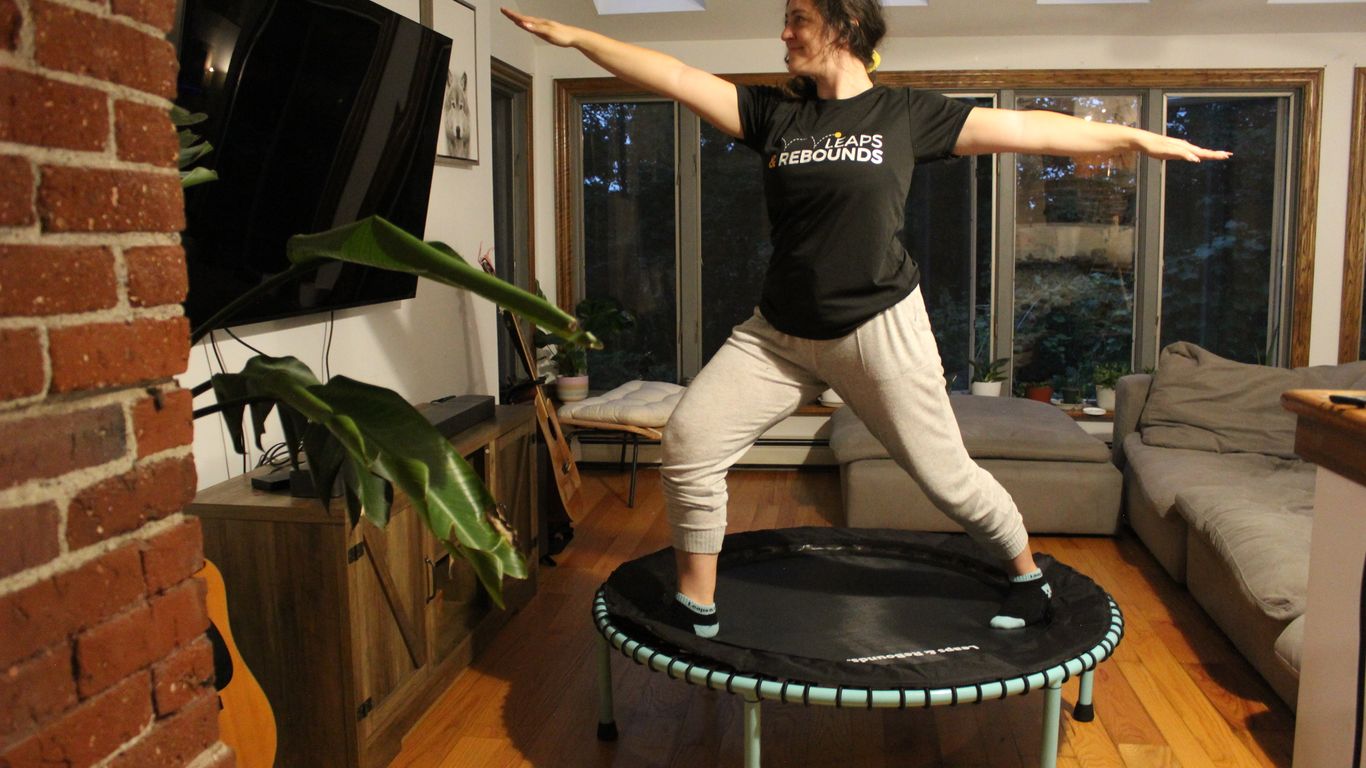
So, you're curious about how rebounding stacks up against a good old jog? It's a fair question. Many people think jogging is the king of calorie burning, but rebounding might just surprise you. While jogging definitely gets your heart rate up and burns calories, rebounding offers a unique way to get a similar, or even better, calorie burn with some distinct advantages. It's not just about how many calories you burn, but how efficiently and safely you do it.
Here’s a quick look at how they compare, keeping in mind these are estimates and can change based on how hard you push yourself:
| Activity | Calories Burned (per minute, approx.) |
|---|---|
| Jumping Rope | 10-15 |
| Rebounding | 8-12 |
| Jogging (6mph) | ~12 |
See? Rebounding falls right in there with jogging, and sometimes even higher depending on the intensity. The key difference is that rebounding often feels easier, even when you're burning a comparable number of calories. Pretty neat, right?
The Science Behind Higher Calorie Expenditure
Why does bouncing on a mini-trampoline burn so many calories, sometimes even more than you'd expect? It comes down to a few things. First, every single bounce requires your muscles to work. You're not just moving up and down; you're engaging your legs to push off, your core to stay stable, and even your arms to help with balance. This full-body engagement means more muscles are working, and more working muscles burn more calories.
Then there's the effect of gravity. When you push off the rebounder, you experience a brief moment of weightlessness, followed by a landing where your bodyweight can feel significantly heavier due to the forces involved. This constant push and pull, the acceleration and deceleration, really gets your body working hard on a cellular level. It's like a mini-workout for your cells, encouraging them to produce more energy, which in turn helps with overall calorie expenditure.
The unique way rebounding works against gravity, cycling through lift-off, weightlessness, and controlled landing, forces your muscles, bones, and connective tissues to adapt and work harder than you might realize. This constant, dynamic challenge is what makes it so effective for calorie burning.
NASA's Findings on Rebounding Efficiency
It might sound a bit wild, but NASA actually did some research on rebounding. They were looking for ways to keep astronauts fit in space, where gravity is different. What they found was pretty eye-opening. According to their studies, just 10 minutes of rebounding could be up to 68% more effective than 30 minutes of jogging.
This doesn't mean jogging is bad, not at all! But it highlights how efficient rebounding is. NASA noted that rebounding stimulated muscle activity and movement more than running, even when the cardiovascular demand felt similar. Basically, you get a big bang for your buck with rebounding. It's a smart way to get a great workout without needing to spend hours doing it, which is why it's gained so much attention as a fitness tool.
Maximizing Calories Burned Rebounding
So, you're bouncing away and feeling good, but how do you make sure you're getting the most calorie-burning bang for your buck? It's not just about hopping up and down aimlessly. You can actually ramp up the intensity and effectiveness of your rebounding sessions with a few smart strategies.
Interval Training for Increased Calorie Burn
Think of interval training like this: short bursts of high effort followed by brief recovery periods. This method really gets your metabolism fired up, and it works wonders on a rebounder. Instead of a steady, moderate bounce for 20 minutes, try switching it up. Go all out for 30 seconds – think fast, energetic bounces – then take 15-30 seconds to recover with a gentler bounce. Repeat this cycle. This approach not only burns more calories during your workout but also keeps your body burning calories at a higher rate even after you've finished, thanks to the 'afterburn effect'. It's a fantastic way to push your limits and see better results in less time.
Varying Bounce Intensity and Movements
Don't get stuck in a rut with the same old bounce. To really maximize calorie expenditure, you need to challenge your body in different ways. Try incorporating a variety of movements into your routine. Think high knees, jumping jacks, or even simple twists. You can also play with the intensity of your bounce. Sometimes, focus on a powerful, low bounce where you push down into the mat – this engages your muscles more. Other times, a higher, more dynamic bounce can get your heart rate soaring. Mixing these variations keeps your muscles guessing and prevents your body from adapting too easily, which means continuous calorie burn.
The Role of Consistency in Calorie Expenditure
Like any fitness goal, consistency is key when it comes to burning calories with rebounding. Squeezing in a quick 10-minute session every day will likely yield better results than one long, hour-long session once a week. Regular bouncing keeps your metabolism elevated and your body primed for fat burning. It's about building a habit that fits into your life, making it sustainable. Even short, consistent workouts add up significantly over time. Remember, you can't out-exercise a bad diet, so pairing consistent rebounding with healthy eating habits is the winning combination for calorie expenditure and overall fitness.
The beauty of rebounding is that you can tailor the intensity. By focusing on pushing down into the mat rather than just jumping high, you create more resistance. This simple technique, often called a "power bounce", significantly boosts muscle engagement and calorie burn without needing to jump any higher. It's all about working smarter, not just harder, and it's a great way to avoid common rebounding mistakes [db85].
Beyond Calorie Burn: Holistic Benefits of Rebounding
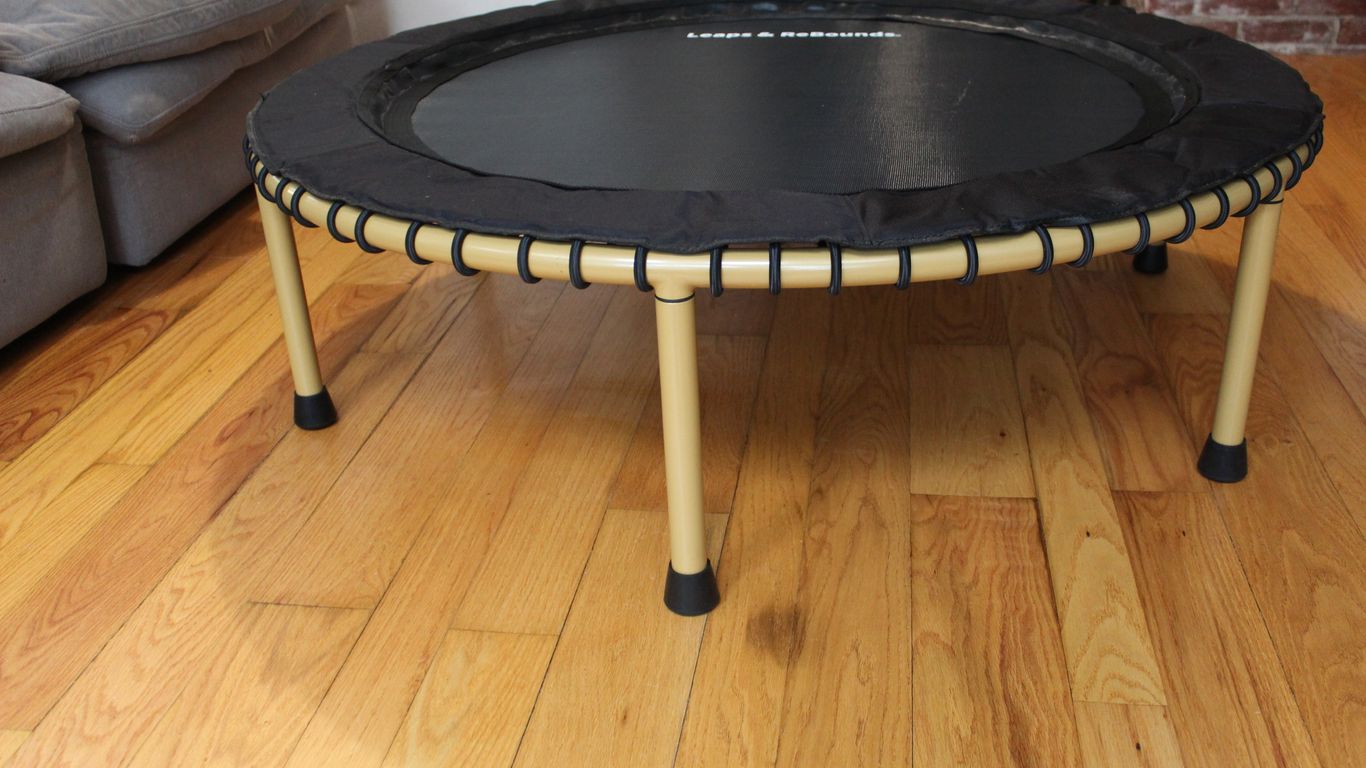
Sure, burning calories is a big draw for any workout, but rebounding offers so much more than just a number on a fitness tracker. It's a full-body experience that works your muscles, bones, and even your mind in ways you might not expect.
Engaging Deep Core Muscles for Stability
When you hop on a rebounder, it's not just your legs doing all the work. To stay upright and balanced on that wobbly surface, your deep core muscles – think your abs and lower back – have to kick in big time. This constant engagement helps build strength and stability in your midsection, which is super important for everything from good posture to preventing back pain. It’s like a mini workout for your core with every single bounce.
Promoting Bone Growth and Preventing Loss
This might sound counterintuitive, but the gentle stress of bouncing can actually be good for your bones. When you jump, your bones experience a bit of load, and this signals them to get stronger and denser. For folks concerned about bone density, especially as they get older, rebounding can be a really helpful tool. It's a low-impact way to give your bones that little bit of stress they need to stay healthy.
Here's a quick look at how rebounding supports bone health:
- Gentle Loading: Each bounce applies a small, safe amount of stress to your bones.
- Density Stimulation: This stress encourages bone cells to build more bone tissue.
- Improved Strength: Over time, this can lead to stronger, more resilient bones.
Enhancing Balance and Coordination
Ever tried to stand perfectly still on a trampoline? It's harder than it looks! Rebounding constantly challenges your sense of balance and your body's awareness of where it is in space (that's called proprioception). You're always making tiny adjustments to stay steady. This practice can really sharpen your coordination and balance over time. This improved balance can translate to better performance in other activities and even help reduce the risk of falls as you age. It’s a fun way to train your brain and body to work together more smoothly.
Rebounding is a surprisingly effective way to work your entire body. It engages muscles you might not even realize you're using, all while being gentle on your joints. Plus, the mental benefits, like stress reduction and mood improvement, make it a well-rounded addition to any fitness routine.
The Joint-Friendly Impact on Calorie Burn
When you think about burning calories, you might picture yourself pounding the pavement or doing high-impact aerobics. But what if there was a way to get a solid cardiovascular workout and torch calories without all the stress on your body? That's where rebounding really shines.
Absorbing Shock for Safer Workouts
The magic of rebounding lies in the bouncy surface of the mini-trampoline. Unlike hard surfaces that send shockwaves up your legs and spine, the trampoline mat and springs absorb a significant amount of that impact. This means your ankles, knees, and hips take a much gentler ride. This low-impact nature allows you to exercise for longer periods, potentially burning more calories overall without the usual wear and tear. It's a game-changer if you've ever had to cut a workout short due to joint pain or if you're just looking for a kinder way to stay active.
A Cardiovascular Boost Without Joint Stress
Getting your heart rate up is key for burning calories and improving your overall fitness. Rebounding does a fantastic job of this. The constant up-and-down motion gets your blood pumping, strengthening your heart and lungs. You can easily adjust the intensity by how high you bounce or the speed of your movements. This means you can tailor your cardio session to your fitness level, all while giving your joints a break. It's a win-win for your heart and your skeletal system.
Ideal for Injury Recovery and Prevention
Because it's so gentle on the joints, rebounding is often recommended for people who are recovering from injuries or those who have chronic joint issues. It allows you to rebuild strength and endurance in a controlled, low-impact environment. Plus, by strengthening the muscles around your joints, you can actually help prevent future injuries. It's a smart way to keep moving and burning calories, even when your body needs a little extra care.
Here's a quick look at how rebounding stacks up against higher-impact cardio:
| Activity | Impact Level | Typical Calorie Burn (per minute, approx.) |
|---|---|---|
| Vigorous Rebounding | Low | 8-12 |
| Jogging | Moderate | 10-15 |
| Jumping Rope | Moderate | 10-15 |
Remember, these numbers are just estimates. Your personal calorie burn depends on your effort, bounce height, and duration. The key benefit of rebounding is its ability to let you sustain that effort for longer without joint pain, potentially leading to a higher total calorie burn over time.
Rebounding's Effect on Mood and Energy
It's easy to think of rebounding as just a physical activity, but honestly, it does wonders for your head space too. That feeling of bouncing up and down, even for just a few minutes, can really shift your mood. It’s like a little reset button for your brain.
Boosting Mood and Releasing Endorphins
Seriously, jumping on a mini trampoline is a fantastic way to feel happier. The simple act of bouncing, especially with some upbeat music, can trigger the release of endorphins. These are your body's natural mood lifters. You know that feeling after a good workout? Rebounding gives you that, but often with less effort and more fun. It’s a playful way to get those feel-good chemicals flowing.
Reducing Stress and Cortisol Levels
Life throws a lot at us, and sometimes we just need a way to shake it off. Rebounding is great for that. The physical movement helps burn off nervous energy, and the focus needed to stay balanced can be almost like a moving meditation. Some research suggests this kind of exercise can help lower cortisol, which is the body's main stress hormone. So, it's not just about feeling good in the moment, but also about helping your body manage stress over time.
Here's a quick look at how rebounding helps with stress:
- Physical Release: Helps to get rid of pent-up tension.
- Mental Focus: Requires you to concentrate, taking your mind off worries.
- Hormonal Balance: Aids in lowering stress hormones like cortisol.
The Energizing Effect of Each Bounce
Don't underestimate the power of a short rebounding session to boost your energy. That moment of weightlessness followed by a gentle landing works your muscles and gets your blood flowing. This increased circulation can leave you feeling more alert and less sluggish. It's a great way to combat that mid-afternoon slump without needing another cup of coffee. The consistent up-and-down motion can actually encourage your body to produce more energy-generating cells over time, leading to better stamina.
Rebounding offers a unique combination of physical exertion and mental engagement that can lead to significant improvements in mood and energy levels. It's a simple yet effective tool for managing stress and feeling more vibrant throughout the day.
The Surprising Effectiveness of Short Rebounding Sessions
Think you need to block out an hour or more for a workout to see real results? Think again. Rebounding proves that you can get a fantastic workout and burn a good amount of calories in surprisingly short bursts. It’s all about making the most of the time you have, and this bouncy activity is perfect for that.
Achieving Significant Results in Minutes
It might seem too good to be true, but you can achieve a lot in just a few minutes on a rebounder. Studies have shown that even short sessions can be incredibly effective. For instance, a mere 10 minutes of rebounding can be significantly more efficient than a longer period of jogging. This means you're getting more bang for your buck, fitness-wise, without needing to dedicate a huge chunk of your day.
The key is the intensity and the unique way rebounding works your body. Each bounce engages multiple muscle groups, gets your heart pumping, and stimulates your lymphatic system. It’s a full-body experience that packs a punch, even when you’re only on the trampoline for a short while. This makes it a game-changer for anyone with a packed schedule.
The Power of Playful Exercise
One of the coolest things about rebounding is how fun it is. It doesn't feel like a chore; it feels like play. This playful aspect is actually a big part of why it's so effective. When you're enjoying yourself, you're more likely to push yourself a little harder and keep going. It’s easy to get lost in the rhythm and forget you’re even exercising.
Here’s a look at how calorie burn can stack up:
| Workout Type | Duration | Estimated Calories Burned (per minute) |
|---|---|---|
| Rebounding | 10 mins | 9.4 - 12.4 |
| Jogging (6mph) | 30 mins | ~8.0 |
This comparison highlights how efficient short rebounding sessions can be for calorie expenditure.
Fitting Fitness into Busy Schedules
Life gets hectic, right? Between work, family, and everything else, finding time for exercise can feel impossible. That’s where the magic of short rebounding sessions really shines. You don’t need a dedicated gym hour. A quick 10-15 minute bounce in the morning, during a lunch break, or even before bed can make a real difference. It’s about consistency over duration. Getting on your rebounder regularly, even for short periods, builds momentum and leads to lasting fitness gains. You can easily incorporate rebounding into your daily routine without feeling overwhelmed.
The beauty of short rebounding workouts is their adaptability. They fit into the nooks and crannies of your day, making consistent exercise achievable even when time is scarce. It’s about showing up for yourself, even if it’s just for a few minutes, and reaping the rewards of that effort.
Here are some ideas for fitting it in:
- Morning Boost: Start your day with 7-10 minutes to wake up your body and mind.
- Midday Break: Use a 15-minute lunch break to de-stress and get your blood flowing.
- Evening Wind-Down: A short session before dinner can help release tension from the day.
- Active Playtime: Bounce with your kids for a fun, shared activity that benefits everyone.
Even a few minutes of bouncing on a mini trampoline can make a big difference in how you feel. These short bursts of activity are surprisingly good for your body and mind. You don't need a lot of time to get a great workout. Ready to feel the benefits? Visit our website to find the perfect rebounder for you!
So, Should You Start Bouncing?
Look, if you're searching for a workout that's easy on the joints but still gets your heart rate up and burns calories, rebounding is definitely worth a shot. It’s not just about the numbers, though. The fact that it can make you feel good, boost your mood, and even help you relax is pretty amazing. While it might not replace your favorite long run or intense gym session entirely, it’s a fantastic addition to your fitness routine, especially for those days when you need something different or just want to have a little fun while getting a good workout in. Give it a try – you might be surprised at how much you enjoy it.
Frequently Asked Questions
Is rebounding really better than jogging for burning calories?
Yes, studies show that rebounding can be much more effective than jogging for burning calories in the same amount of time. NASA even found that 10 minutes of rebounding was 68% more effective than 30 minutes of jogging! This is because rebounding works your whole body and requires more muscle engagement to keep you stable.
How does rebounding burn more calories if it feels easier?
Even though rebounding might feel less intense, your body is working harder. You're constantly using your muscles to balance and push off the trampoline. This consistent muscle activity, along with the effect of gravity, makes your body burn more energy compared to the repetitive motion of jogging.
Is rebounding good for my bones?
Absolutely! When you bounce, your bones experience a gentle stress, which signals your body to build stronger bones. This can help increase bone density and is a great way to prevent bone loss as you get older, all without the high impact of other exercises.
Can rebounding help with stress and mood?
Definitely! The rhythmic bouncing can be very calming for your nervous system, helping you relax and reducing stress. Plus, like other exercises, it releases endorphins, those natural mood-boosters, leaving you feeling happier and more energized.
Is rebounding safe for my joints?
Yes, rebounding is very gentle on your joints. The trampoline surface absorbs most of the shock from landing, which is much kinder to your knees, ankles, and hips compared to running on hard surfaces. This makes it a great option if you have joint pain or are recovering from an injury.
How long do I need to rebound to see results?
You don't need to spend hours bouncing! Even short sessions, like 7 to 10 minutes, can be very effective for burning calories, boosting your mood, and improving fitness. Consistency is key, so fitting in short, regular sessions is more important than doing one long workout.


0 comments