












Here are the main points to remember about getting fit and burning calories with rebounding:
Key Takeaways
- Rebounding, or jumping on a mini-trampoline, is a fun, low-impact cardio workout.
- It burns a significant number of calories, comparable to other moderate cardio activities.
- Calorie burn depends on your weight, workout intensity, and how long you bounce.
- Rebounding is great for your joints because it absorbs shock, unlike running.
- Combining rebounding with healthy eating is key for weight loss and overall fitness.
Understanding Rebounding's Calorie Burn Potential
What Exactly Is Rebounding?
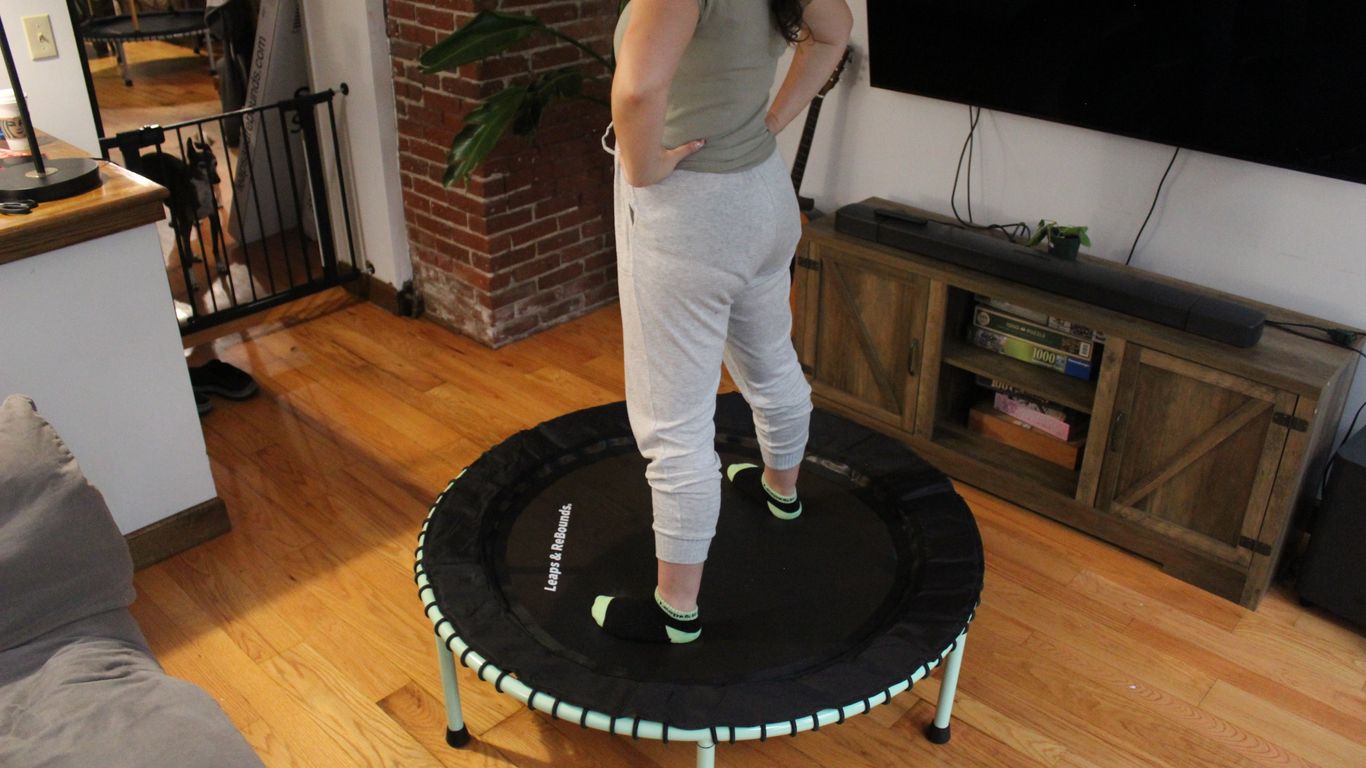
So, you've probably seen those mini-trampolines around, right? Maybe at the gym or a friend's house. That's what we're talking about when we say rebounding. Basically, it's just jumping on one of these small trampolines. It's a type of cardio workout that's pretty easy on your joints, unlike running on hard surfaces. These aren't the giant trampolines you see at parks; they're usually just for one person and are great for indoor use. The neat thing about rebounding is that almost anyone can do it, no matter their fitness level. It's not just about bouncing up and down; you can do all sorts of moves, from simple jumps to more complex aerobic routines. Because the landing is soft, it's much kinder to your knees and ankles. People are starting to notice it because it's a fun way to get your heart rate up, improve your fitness, and, yes, it can help with losing weight. It's a great way to get your body moving and your heart pumping.
The Science Behind Calorie Deficit
Before we get too far into rebounding, let's quickly cover how weight loss actually works. It's pretty simple: you lose weight when you burn more calories than you eat. This is called a calorie deficit. If you consistently eat fewer calories than your body uses for daily activities and exercise, your body will start using stored fat for energy, and that leads to weight loss. It’s not complicated; it’s basic energy balance. Think of it like a bank account – if you spend more than you deposit, your balance goes down.
The core principle of weight loss is energy balance. When your energy expenditure consistently exceeds your energy intake, your body taps into stored reserves, primarily fat, for fuel.
How Rebounding Aids Your Fitness Journey
Rebounding fits into this calorie deficit idea by increasing the number of calories you burn. When you jump on a rebounder, your muscles are working, your heart rate goes up, and your body uses energy. The number of calories you burn can change based on a few things:
- Your body weight: Heavier individuals generally burn more calories doing the same activity.
- The intensity of your bounces: Are you doing gentle up-and-down motions or vigorous jumps with added movements?
- The duration of your session: Longer workouts naturally burn more calories.
- Your fitness level: As you get fitter, your body becomes more efficient, which can slightly alter calorie burn over time.
Studies show varying results, but a moderate 30-minute session might burn anywhere from around 7 to 12 calories per minute, depending on these factors. This makes it a solid option for increasing your daily energy expenditure without the high impact of running. You can find more details on trampoline exercise calorie burn to get a clearer picture.
Quantifying Calories Burned in Rebounding
So, you're curious about how many calories you're actually torching when you bounce around on a mini-trampoline? It's a great question, and the answer isn't a single, fixed number. Think of it like this: your body is a unique engine, and how much fuel it burns depends on a few things. The more intense and longer you bounce, the more calories you'll burn. It's pretty straightforward, really.
Estimated Calorie Expenditure for Trampoline Exercise
While exact figures vary, we can look at some general estimates. For a person weighing around 155 pounds, a moderate 30-minute rebounding session might burn approximately 220-250 calories. If you really push yourself with vigorous intervals, that number can climb even higher. Some studies suggest that a minute of rebounding can burn around 12.4 calories, while others show an average closer to 6.9 calories per minute. This puts it in a good spot, often between brisk walking and running in terms of calorie expenditure, but without the same joint stress. You can find more details on specific testing and results here.
Factors Influencing Calorie Burn During Bouncing
Several elements play a role in how many calories you burn. Your body weight is a big one; heavier individuals naturally burn more calories because their bodies need more energy to move. The intensity of your workout is also key. Are you doing gentle, steady bounces, or are you incorporating high-energy jumps, kicks, and arm movements? The harder you work, the more calories you'll use up. The duration of your session matters too – a longer bounce means more calories burned. Even your current fitness level can affect things; as you get fitter, your body becomes more efficient, which might slightly alter the calorie burn over time.
Here are some key factors:
- Body Weight: Heavier individuals burn more calories.
- Intensity: Higher impact and more vigorous movements increase calorie burn.
- Duration: The longer you bounce, the more calories you expend.
- Fitness Level: As you improve, your body may become more efficient.
Understanding the Calorie-Burning Potential of Rebounding
It's helpful to see how rebounding stacks up. While running might burn more calories per minute at a similar perceived effort, rebounding offers a low-impact alternative that can still be very effective for calorie expenditure. For instance, a moderate rebounding session might burn around 223 calories in 30 minutes for a 155-pound person, which is a solid contribution to your daily energy output. It's a great way to increase your overall calorie burn without putting excessive strain on your joints, making it a sustainable choice for many. You can explore different rebounding workouts to see how intensity affects your burn.
The number of calories burned during any exercise, including rebounding, is an estimate. What truly matters for fitness and weight management is consistency and finding an activity you enjoy enough to stick with over the long term. Even if the exact calorie count differs slightly from other exercises, regular rebounding can significantly contribute to your health goals.
Rebounding's Calorie Burn Compared To Other Cardio
So, how does bouncing on a mini-trampoline stack up against your usual cardio routine? It's a fair question, and the answer is pretty encouraging. Rebounding is a surprisingly effective way to torch calories, often matching or even surpassing activities like jogging or cycling, but with a big perk: it's much gentler on your joints. Think about it – less pounding means less wear and tear on your knees and ankles.
Comparing Trampoline Workouts to Traditional Cardio
It's easy to think that high-impact means high calorie burn, but that's not always the whole story. Rebounding, even at a moderate pace, can burn a significant number of calories. For someone around 155 pounds, a 30-minute session might burn roughly 220-250 calories. That's a solid number, putting it right in the ballpark with brisk walking and even some moderate cycling. The real magic happens because the unstable surface of the rebounder forces your body to engage more muscles just to keep you balanced. This extra muscle work adds to your calorie expenditure.
Here's a general look at how things compare (estimates for a 155 lb person over 30 minutes):
| Activity | Estimated Calories Burned |
|---|---|
| Moderate Rebounding | 220-250 |
| Brisk Walking | 140-180 |
| Moderate Jogging | 250-330 |
| Cycling (Moderate) | 200-300 |
Rebounding's Calorie Burn Versus High-Impact Activities
When you ramp up the intensity on your rebounder, the calorie burn really starts to climb. Think high-energy jumps, knee lifts, and quick movements. A vigorous 15-minute session could potentially burn around 150-200 calories, and extending that to 30 minutes at a high intensity can easily push you past the 300-calorie mark, getting closer to what you might burn running at a similar effort level. The key difference, though, is that you're getting a similar calorie burn without the jarring impact. This makes rebounding a fantastic alternative if you're looking to reduce stress on your body or are recovering from an injury. You can get a great workout and still feel good afterward. Check out some of the benefits of trampoline exercise to see why it's gaining popularity.
The Fun Factor: Sticking With Your Workout
Let's be honest, sticking to a fitness routine is half the battle. If an exercise feels like a chore, you're less likely to do it consistently. This is where rebounding really shines. Many people find bouncing on a mini-trampoline to be genuinely fun. It’s playful, it’s energetic, and it doesn't feel like the same old grind. This enjoyment factor is huge for long-term adherence. When you actually look forward to your workout, you're far more likely to stick with it week after week, which is what truly leads to results. Consistency is king when it comes to burning calories and achieving your fitness goals.
The most effective cardio workout is the one you'll actually do. Rebounding offers a compelling blend of calorie-burning potential and enjoyment, making it a sustainable choice for many.
So, while the exact calorie numbers might fluctuate slightly compared to other activities, the overall picture is clear: rebounding is a powerful tool for your fitness journey. It's efficient, it's low-impact, and it's enjoyable. You can definitely boost your fitness with this dynamic exercise.
Maximizing Calories Burned in Rebounding Workouts
So, you've got your rebounder and you're ready to bounce your way to fitness. That's awesome! But how do you make sure you're getting the most out of every session? It's not just about jumping up and down; there are ways to really amp up the effectiveness of your rebounding workouts. The key is variety and intensity.
How Intensity Impacts Your Workout's Effectiveness
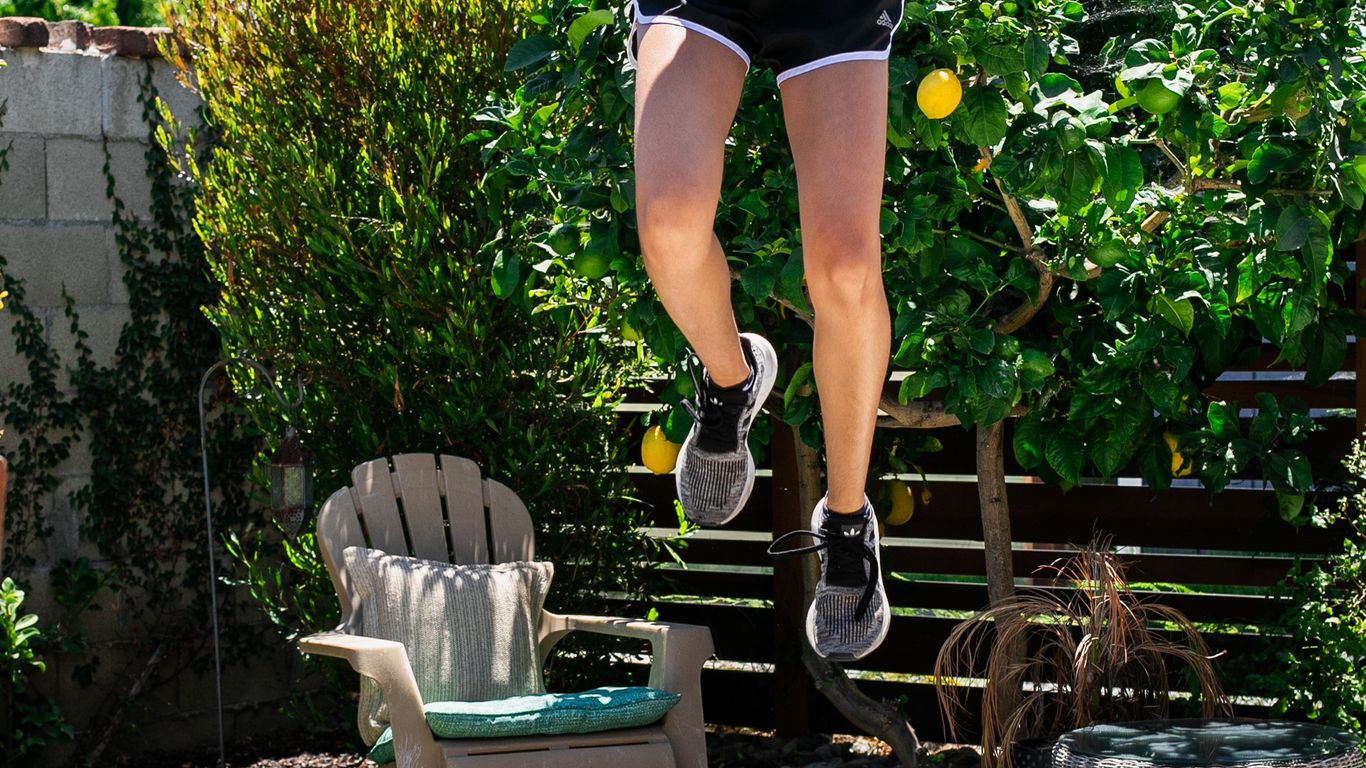
When it comes to maximizing calorie burn on your rebounder, intensity is key. You can adjust the difficulty of your workout in a few ways. Gentle, steady bouncing is great for a warm-up or a cool-down, but for serious calorie burning, you'll want to pick up the pace. Try incorporating movements like high knees, butt kicks, or jumping jacks while you bounce. Even adding arm movements can increase the effort your body needs to exert. Pushing yourself a little beyond your comfort zone during your rebounding sessions is what truly maximizes the calorie expenditure. The more effort you put in, the more calories you'll torch.
Incorporating High-Intensity Interval Training (HIIT)
High-intensity interval training (HIIT) can also be super effective. This involves short bursts of intense jumping followed by brief recovery periods. For example, you could sprint on the rebounder for 30 seconds, then do a gentle bounce for 30 seconds, and repeat. This method is great for boosting your metabolism, meaning you'll continue to burn calories even after your workout is done. It's a challenging but very effective way to improve your cardiovascular fitness and aid in fat loss. You can find some great tips for home-based cardio that can complement your rebounding routine.
The Role of Duration and Consistency
While intensity is important, don't forget about how long you're bouncing and how often. Consistency is more important than intensity when you're starting out. It's better to do a moderate rebounding workout several times a week than to do one super-intense session and be too sore to move for days. Listen to your body and gradually increase the challenge as you get stronger. Remember, you can't out-jump a bad diet, so pairing your bouncing with smart food choices is a big part of the puzzle. Rebounding for just 15 minutes daily can significantly contribute to weight loss by burning an extra 820 calories in 10 days, equating to approximately 0.23 pounds of body fat. This effective exercise method helps unlock fitness goals through consistent calorie expenditure.
Weight loss boils down to burning more calories than you eat. Rebounding helps with the burning part, but you've got to manage the eating part too. It's not about starving yourself, though. It's about making smarter food choices. Swapping out sugary drinks for water is a simple win. Loading up on veggies and high-fiber foods helps you feel full without packing in tons of calories. Sometimes, just changing what you eat, not necessarily how much, can make a big difference.
The Science Behind Rebounding's Efficiency
So, why is bouncing on a mini-trampoline so effective? It all comes down to a few key scientific principles that make it a surprisingly powerful workout.
NASA's Groundbreaking Findings on Rebounding Efficiency
Believe it or not, NASA did some serious research on rebounding back in the day. They were looking for a way for astronauts to stay fit in space, where gravity is different. What they found was pretty wild: rebounding is up to 68% more effective at improving cardiovascular fitness than running for the same amount of time. Think about that for a second. Ten minutes of bouncing could give you a better workout than thirty minutes of jogging. The study highlighted how the G-force experienced during bouncing works your body in a unique way, stimulating muscles and improving circulation without the harsh impact. It's a testament to how efficient this exercise can be.
The Low-Impact Advantage of Mini-Trampolines
One of the biggest wins for rebounding is how gentle it is on your body. Unlike running on pavement, which sends shockwaves up your legs, the surface of a mini-trampoline absorbs a lot of that impact. This means you're putting way less stress on your knees, ankles, and hips. This low-impact nature makes it a fantastic option for almost everyone, whether you're just starting out, recovering from an injury, or looking for a kinder way to stay active. You can get a great cardio workout without that usual post-exercise soreness. Many rebounders, like those with bungee packs, are designed specifically to minimize joint stress even further.
Why Rebounding Engages More Muscles
When you jump on a rebounder, it's not just your legs doing all the work. Because the surface is unstable, your body has to constantly make tiny adjustments to keep you balanced. This means your core muscles – your abs and back – are working overtime to stabilize you. Plus, every bounce engages muscles throughout your entire body, from your arms and shoulders to your glutes and hamstrings. It's a full-body workout disguised as fun. You're not just moving up and down; you're actively engaging muscles you might not even realize you have. This all-around muscle engagement contributes significantly to the overall calorie burn and fitness gains you can achieve with rebounding, making it a truly efficient exercise for overall fitness.
Achieving Fitness Goals Through Rebounding
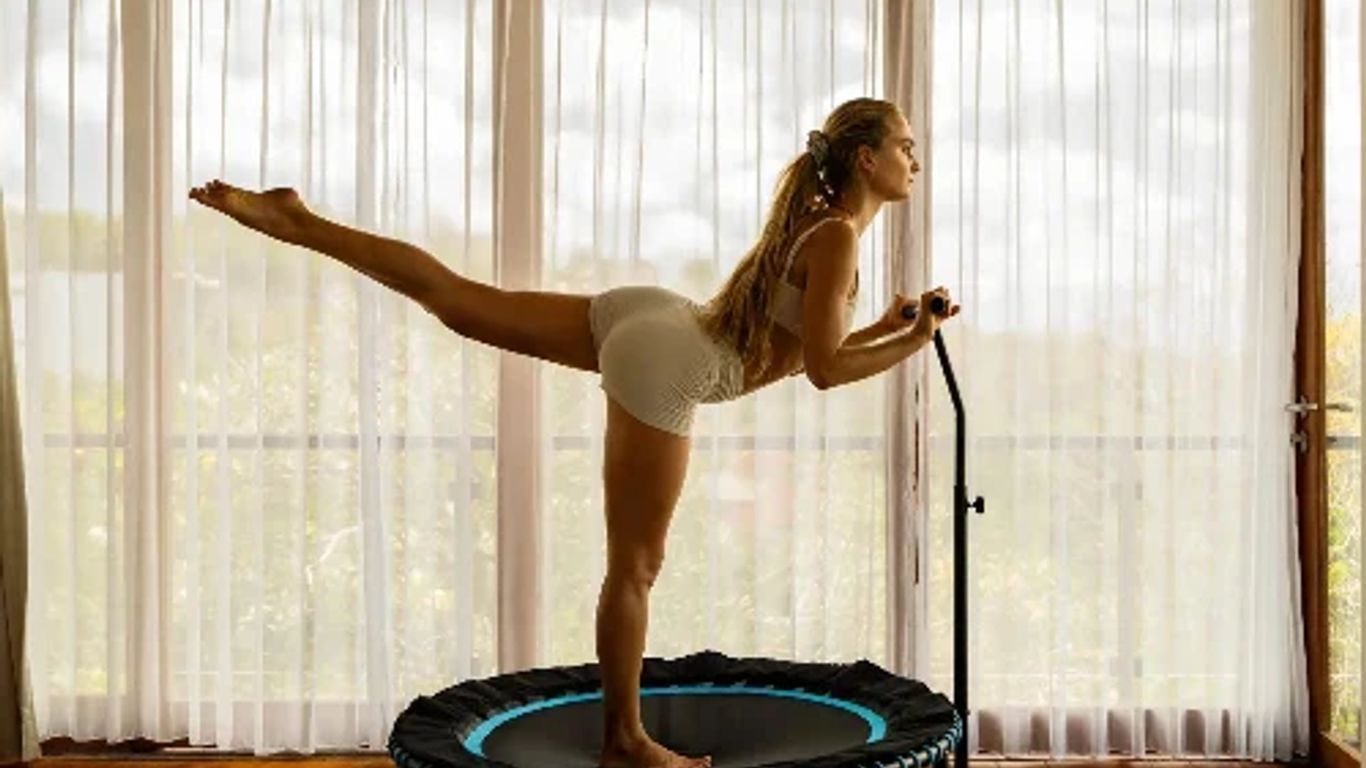
So, you've got your rebounder and you're ready to bounce your way to fitness. That's awesome! But how do you make sure you're getting the most out of every session? It's not just about jumping up and down; there are ways to really amp up the effectiveness of your rebounding workouts. The key is variety and intensity.
Building Endurance and Improving Overall Health
Rebounding is a fantastic way to get your heart pumping and build up your stamina over time. Unlike some exercises that can be tough on your joints, the gentle nature of bouncing means you can often go for longer without feeling worn out. This consistency is what really helps build endurance. Plus, it's a full-body workout. Your legs are doing the main work, sure, but your core is constantly engaged to keep you stable, and your arms can get a workout too if you move them. This all adds up to better cardiovascular health and a stronger, more capable body.
Maximizing Weight Loss with Trampoline Workouts
When it comes to shedding pounds, rebounding can be a real game-changer. The more you bounce, the more calories you burn, and that's the basic math of weight loss. But it's not just about the calories burned during the workout. Studies have shown that rebounding can lead to a significant calorie expenditure, with some participants burning up to 876 calories per session. This is a pretty impressive number! To really see the scale move, though, you need to pair your rebounding with smart eating habits. You can't out-jump a bad diet, as they say. Focusing on whole foods and managing your portion sizes will make a huge difference. Think of rebounding as a powerful tool in your weight loss arsenal, not the whole strategy itself. You can find some great tips for home-based cardio that can complement your rebounding routine here.
Creating a Calorie Deficit Through Rebounding
Making a calorie deficit is the name of the game for weight loss. Rebounding helps you burn calories, but how much you burn depends on a few things:
- Intensity: Jumping harder and faster burns more calories. Adding arm movements or trying high knees while bouncing really ups the effort.
- Duration: Longer sessions naturally burn more calories. Aim for consistency, even if it's just 15-20 minutes a day to start.
- Frequency: Bouncing regularly, several times a week, will lead to a greater calorie burn over time than sporadic workouts.
Here’s a quick look at how calorie burn can vary:
| Activity Level | Estimated Calories Burned Per 30 Minutes |
|---|---|
| Low (Gentle Bounce) | 100-150 |
| Medium (Steady Bounce) | 150-250 |
| High (Intense Bouncing) | 250-400+ |
Remember, these are just estimates. Your personal calorie burn will depend on your weight, fitness level, and the exact effort you put in. The key is to push yourself a little each time to keep seeing results.
Combining rebounding with strength training is also a smart move. Muscle burns more calories at rest than fat does, so building muscle can boost your metabolism. This means you'll be burning more calories throughout the day, even when you're not on the trampoline. It's all about creating a balanced approach to fitness and nutrition to reach your goals effectively [3055].
Ready to crush your fitness goals? Jumping on a mini trampoline, also known as rebounding, is a super fun way to get in shape. It's easy on your joints but gives you a great workout, helping you build strength and boost your mood. Want to learn more about how rebounding can transform your health journey? Visit our website today to discover the amazing benefits and find the perfect rebounder for you!
Conclusion
So, there you have it! Rebounding is more than just a fun way to bounce around; it's a seriously effective workout that can help you burn a good amount of calories. Whether you're looking to lose weight, improve your fitness, or just find a workout that doesn't punish your joints, this low-impact exercise has a lot to offer. Remember, consistency and intensity are your best friends here. Mix it up, push yourself a little, and most importantly, have fun with it. Your body will thank you!
Frequently Asked Questions
What exactly is rebounding?
Rebounding is basically jumping on a small, personal trampoline. It's a type of exercise that gets your heart rate up and your muscles working. Because the trampoline surface is soft, it's much easier on your knees and ankles than running on hard ground.
How many calories can I burn by rebounding?
The number of calories you burn can vary. A moderate 30-minute session might burn around 200 to 300 calories. If you jump harder and faster, you can burn even more. Your weight also plays a role; heavier people tend to burn more calories.
Can rebounding help me lose weight?
Yes, it definitely can! Losing weight happens when you burn more calories than you eat. Rebounding burns calories and can give your metabolism a boost. When you pair it with healthy food choices, it's a great way to help shed pounds over time.
How often should I rebound?
To see results, try to rebound most days of the week. Even 15-20 minutes regularly can make a difference. Consistency is more important than doing super long, intense workouts once in a while. Build it into your routine.
Is rebounding safe for my joints?
Rebounding is considered low-impact, meaning it's much gentler on your joints than high-impact exercises like running. The trampoline absorbs most of the shock. Just be sure to use good form and listen to your body.
How does rebounding compare to other cardio exercises?
Rebounding burns a good amount of calories, often similar to brisk walking or cycling. While running might burn more calories, rebounding offers a similar calorie burn with less stress on your body, plus it works more muscles for stability.


0 comments