












Key Takeaways
Rebounding, or jumping on a miniature trampoline, provides a unique fitness alternative that balances intensity with joint safety. Understanding the biomechanics and potential health benefits helps you integrate this exercise effectively into your long-term wellness strategy.
- Low-impact jumps protect joints while engaging muscles.
- Cardio benefits rival traditional running without the impact.
- Core stability improves through constant balance adjustments.
- Regular sessions support lymphatic drainage and circulation.
- Consistent routines yield better bone density and endurance.
The physiological impact of rebounding
How low-impact forces protect your joints
When you engage in health benefits of exercising on a rebounder, the surface absorbs a significant portion of the shock that would otherwise travel through your ankles, knees, and hips. This absorption allows individuals to perform repetitive repetitions without the typical wear and tear associated with hard-surface impact training. The core benefit relies on low-impact vertical movement that helps preserve cartilage over time.
| Joint Type | Impact Force (Rebounder) | Impact Force (Concrete) |
|---|---|---|
| Ankle | Low 30% reduction | High 100% |
| Knee | Moderate 40% reduction | High 100% |
| Hip | Moderate 35% reduction | High 100% |
By softening the landing, you shift the stress away from your skeletal structure and toward the soft tissue and muscular units designed to handle tension. This protective quality makes it a viable long-term strategy for maintaining physical activity without chronic joint distress.
Evaluating the impact on cardiovascular health
Integrating the science behind trampoline workouts into your weekly schedule encourages a sustained elevation in heart rate. As your body maintains stability, the circulatory system works harder to pump blood to active muscles, effectively strengthening the cardiac muscle over successive sessions. This heart-rate management serves as a foundation for endurance that remains effective even during shorter, higher-intensity intervals.
Muscular engagement during vertical oscillation
Maintaining your position on a moving surface requires constant firing of the stabilizer muscles throughout the legs, glutes, and abdominals. Each jump forces your body to realign its center of gravity, translating into a comprehensive activation that simple linear movements often fail to match. The intensity of this engagement grows as you increase the speed and height of your jumps.
Lymphatic system stimulation and detoxification
Vertical oscillation is often cited for its influence on the lymphatic system, which lacks a central pump comparable to the heart. The internal valve mechanisms respond to gravity and the rhythmic pressure of bouncing, which assists in the circulation of fluid throughout the body. This rhythmic circulation supports the body's natural filtering processes while you remain active.
Comparing trampoline exercise to traditional cardio
Caloric burn versus running or cycling
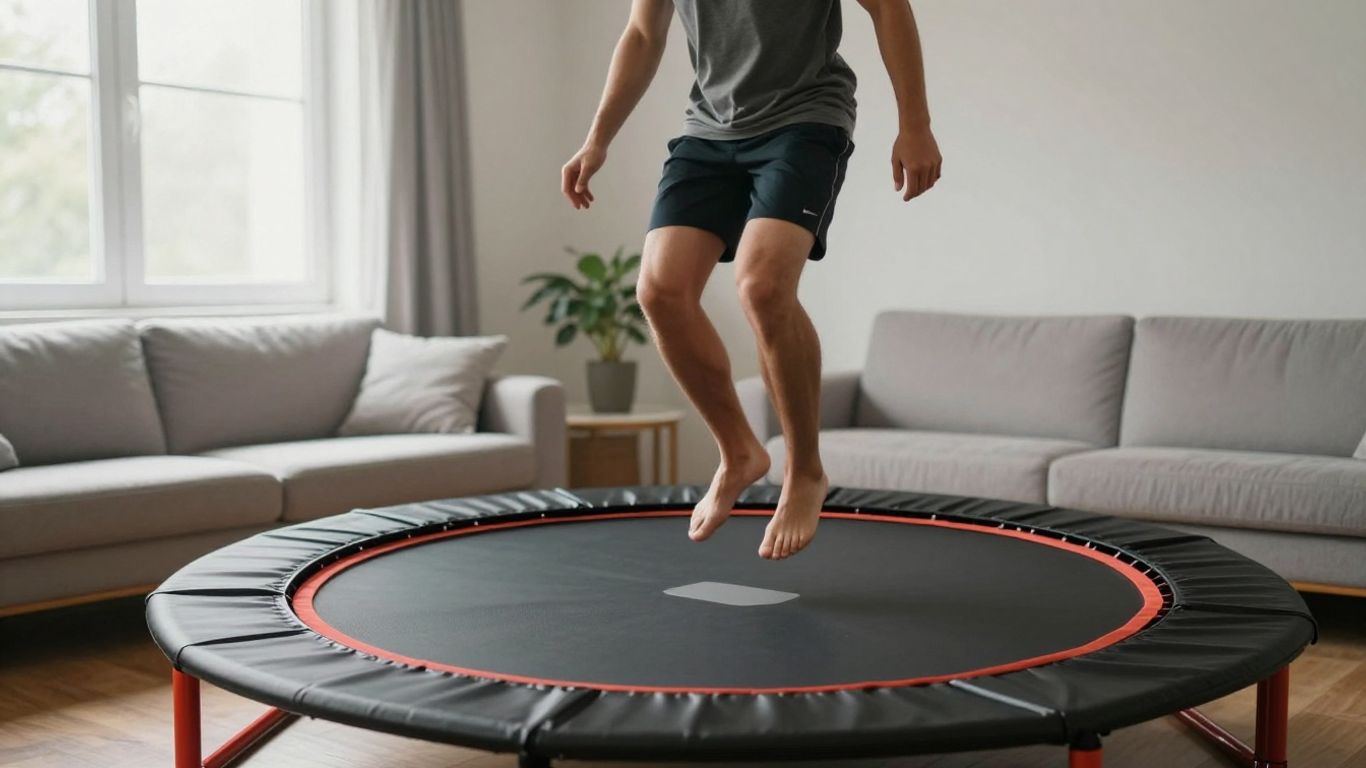
Understanding the pros and cons of various aerobic methods helps clarify where bouncing fits into your fitness hierarchy. While running on pavement might generate higher peak impact, jumping offers a more consistent caloric demand due to the constant recruitment of secondary muscle groups. For those seeking rebounding specifically, the caloric burn reflects an active recovery and metabolic challenge simultaneously.
Maintaining balance and core stability
Unlike static exercise, the unstable nature of the rebounder forces your core to engage continuously to keep you centered. Every jump represents a micro-challenge where the body must self-correct against the shifting surface beneath the feet. Over time, this reflex-based training translates into improved balance that benefits daily activities outside of the exercise room.
The role of gravity in muscle conditioning
Each jump brings a moment of minimal weightlessness at the apex of the movement, followed by a increased gravitational load upon landing. This cyclical variation in load mimics resistance training at a high repetition count. Because your muscles are perpetually loading and unloading, they adapt to the increased demand with higher muscular efficiency.
Performance duration and endurance levels
- Focus on steady-state intervals to build aerobic capacity.
- Rotate between high-energy jumping and rhythmic stepping.
- Incorporate short bursts of maximum effort into longer sessions.
- Keep your transition periods brief to maximize sustained intensity.
This structured approach to internal duration helps ensure you are pushing limits without reaching the point of burnout, creating a sustainable curve of fitness improvement.
Safety considerations and risk mitigation
Proper landing techniques to prevent injury
Landing safely involves keeping your weight centered and your knees slightly bent rather than locked. Aiming for the middle portion of the mat provides the most stable platform, significantly reducing the probability of slipping during dynamic movements. Focusing on this technical foundation creates the necessary discipline to handle more complex footwork patterns in the future.
Choosing the right surface and equipment
Equipment choice is directly linked to safety, especially regarding the spring suspension system or the quality of the bungee cords used. A taut, high-quality surface prevents the feet from bunching or catching, which remains the primary cause of minor balance failures. Ensure the frame provides enough clearance so your feet never make contact with non-elastic components during full extension.
Identifying red flags of overexertion
Listen closely to any sharp or radiating sensations in your ankles or lower back that persist beyond the standard fatigue of a difficult session. Dizziness or sudden instability often signals that your stabilizer muscles have reached their capacity and need an immediate break. Pushing past these warning signs frequently leads to preventable setbacks that could derail your momentum.
Essential warm-up and cool-down routines
Beginning with dynamic stretching helps prepare the joints for the repetitive nature of jumping by increasing synovial fluid production. Following a session with static holds ensures that tight muscles return to their resting lengths, which improves your flexibility and recovery window for your next workout. These transition phases are just as important as the jumping itself.
Benefits for specific demographic groups
Improving bone density in aging adults
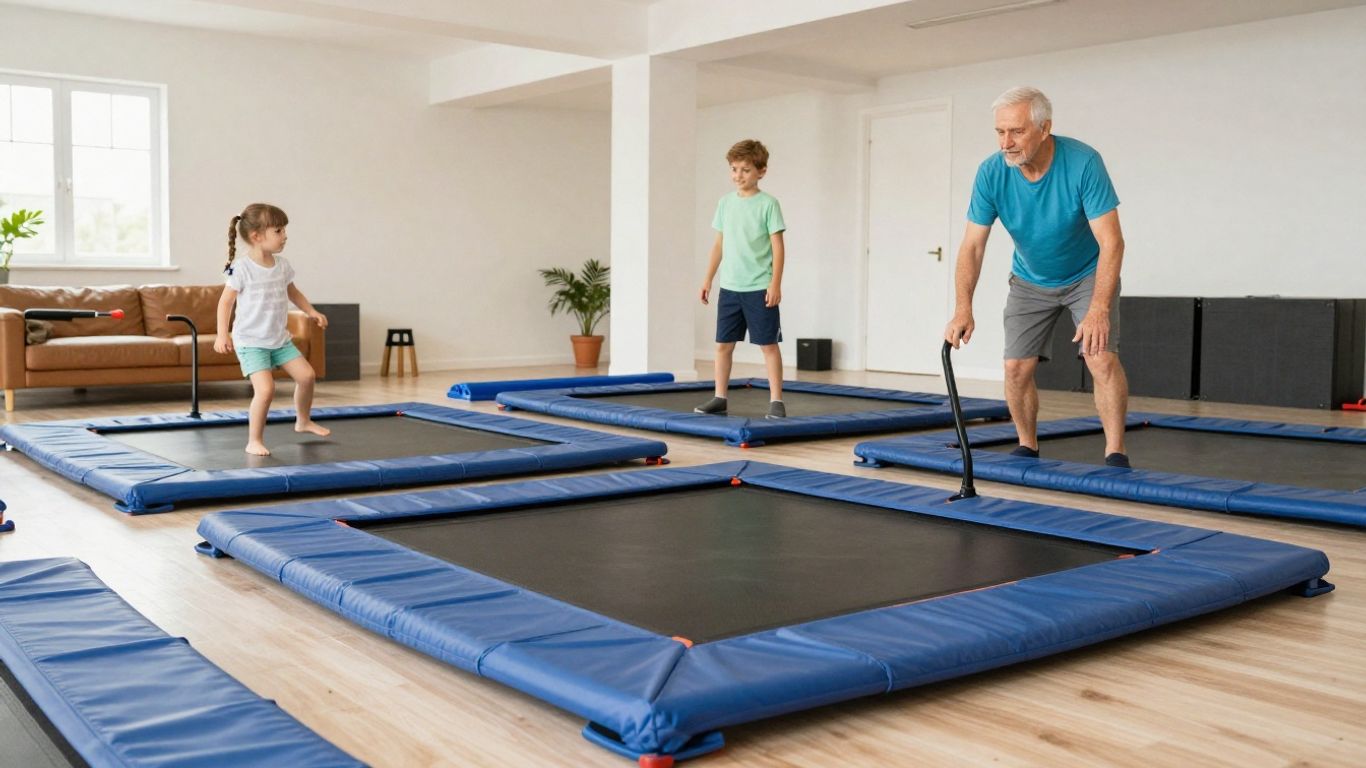
Weight-bearing exercise is critical as people age, helping to maintain bone health through consistent impact that isn't overwhelming. By providing controlled forces, rebounders stimulate the body to maintain mineral density in the hips and spine. This gentle yet effective weight maintenance makes it a popular tool for long-term health preservation.
Coordination and motor skills in children
Children naturally gravitate toward the play-based nature of bouncing, which develops kinesthetic awareness and motor skills in a low-risk environment. Improving these neural pathways early helps with sports participation and physical confidence later in life. It acts as an active form of play that keeps kids moving without feeling like a structured chore.
Low-impact training for rehabilitation patients
Patients recovering from specific injuries often find that the rebounder helps regain strength without the jarring forces of high-intensity activity. It provides a way to ease back into cardiovascular training while monitoring comfort levels closely. Many practitioners recommend this controlled movement to slowly re-introduce the body to normal physical rhythms.
Busy professionals seeking quick HIIT sessions
For anyone on a strict schedule, intense bursts of bouncing provide a high energy return on a very short time investment. You can easily complete a full-cycle, effective session in fifteen minutes if the intensity is maintained throughout. The compact, space-saving nature of the equipment means you can keep it in a home office or small studio for immediate use.
Psychological benefits of rebounding
Reducing stress through rhythmic motion
Many users report a meaningful reduction in mental strain after a few minutes of rhythmic movement. The act of focusing on the bounce, coupled with the music often used during these workouts, acts as a form of active meditation that clears the head. This shift in focus is often enough to break the cycle of routine daily stress.
Physical activity acts as a reset button for the nervous system, channeling excess energy into constructive movement while naturally moderating the physical response to lingering stress.
By engaging with the rhythm, you stop the internal chatter and focus on the immediate tactile feedback of the mat.
The endorphin effect and mood regulation
Increased heart rate and blood flow during a session release natural chemicals that improve mental state and mood stability. This neurochemical reward system reinforces the habit, making you more likely to return for a follow-up session. It provides a quick and accessible method for lifting your spirits regardless of the weather outside.
Increasing focus and cognitive performance
Regular physical engagement primes the brain by increasing blood oxygenation, which translates into sharper attention when you return to your desks. The vestibular stimulation of jumping also forces higher brain functions to coordinate movement, keeping the mind alert. Many people find their efficiency in work tasks improves significantly after a brief morning session.
Overcoming motivational barriers with dynamic workouts
Because the surface is inherently fun, you encounter less friction when starting your sessions compared to more traditional exercise forms. Changing up the rhythm, speed, and variety of movements keeps the experience novel, preventing the complacency that often kills a long-term routine. Keeping the process dynamic ensures you remain engaged and motivated long-term.
Tips for getting started with a home routine
Selecting the right rebounder size and tension
Choosing the right size depends on your available space and your specific physical goals, such as training agility versus steady-state endurance. Tension refers to the firmness of the mat; a firmer mat offers more resistance for high-intensity jumping, while a softer cord setup provides more comfort for longer, lower-impact sessions. Take the time to find your local preference.
Designing a beginner-friendly workout schedule
Start with short, five-minute introductory sessions to allow your stabilizers to adapt before increasing your total volume. Consistency is far more valuable in the first month than intensity; prioritize showing up for small increments every day over big, exhausting weekend workouts. Gradually add duration as you find your balance and comfort on the mat.
Incorporating resistance bands for full-body results
Adding resistance bands during your jumps transforms the experience into a resistance workout that targets the upper body while the lower body manages the bounce. This dual-focus approach creates a highly efficient circuit that saves time while yielding significant toning benefits. It also helps with balancing during the jumping motion.
Tracking progress through consistency and intensity
Log your active minutes to observe how quickly your capacity for endurance grows over the first few months. Tracking your perceived exertion levels each week will show how your conditioning is improving even if the raw numbers don't show rapid changes. These metrics confirm that the work is having a tangible, measurable effect on your health.
Conclusion
Exercising on a rebounder offers a unique combination of joint-friendly motion and challenging cardiovascular rigor that fits well into modern lifestyles. By starting slowly, focusing on consistent technique, and keeping the workout pace varied, you can realize long-term health improvements that benefit your bone density, mental clarity, and physical strength. This accessible form of movement serves as a reliable, versatile tool for maintaining vibrancy and health regardless of your current baseline.
Frequently Asked Questions
Is rebounding safe for everyone?
While generally low-impact, those with specific spinal injuries, vertigo, or severe joint instability should consult with a healthcare professional before starting. It is important to work within your own physical limits and prioritize stability during every session.
How often should I rebound for visible results?
Consistency is the strongest predictor of success, with many users seeing improvements in endurance and mood within three to four weeks of sessions lasting 15 to 20 minutes five days a week. Focus on building a routine that you can maintain long-term rather than high-intensity bursts that lead to burnout.
Can I use the rebounder on any floor surface?
It is best to place your rebounder on a flat, non-slip surface like a gym mat or a carpeted area to prevent the frame from shifting during use. Avoid using it on slick tiles or wood surfaces unless you have placed a heavy-duty mat underneath for grip and safety.
Does this exercise actually lead to weight loss?
Like any form of consistent aerobic exercise, rebounding increases your total caloric expenditure, which can support weight management when paired with healthy nutritional habits. It is not a magic solution on its own but works effectively as part of a comprehensive lifestyle strategy.
What should I wear while exercising?
Wear stable, supportive athletic shoes to assist with balance and provide cushion, although some people prefer rebounding barefoot if their equipment allows it safely. Comfortable, moisture-wicking clothing that allows for a full range of motion is ideal for keeping you focused on the movement.
Do I need to be a skilled athlete to participate?
Not at all, as the primary benefit for beginners is that the movement is simple, repetitive, and requires no complex skills to start. You can progress from walking on the mat to light bouncing as your coordination improves over time, making it suitable for all fitness levels.
How loud is a rebounder during use?
Most high-quality rebounders are relatively quiet, though the noise levels depend on the frame construction and the quality of the tension system. Regular maintenance, such as checking that all connections are secure, typically keeps the unit operating without significant noise.


0 comments