











Key Takeaways
Rebounding is a highly effective, low-impact way to improve cardiovascular health, strength, and balance, making it a perfect addition to any home workout plan. Starting properly and progressing steadily ensures you stay injury-free while maximizing your fitness results.
- Start with a high-quality rebounder designed for stability.
- Wear supportive footwear to protect your feet and ankles.
- Begin each session with gentle movements before increasing intensity.
- Integrate strength and interval training for a well-rounded routine.
- Listen to your body and prioritize recovery days to avoid overtraining.
Preparing for your rebounding session
Selecting the right mini trampoline
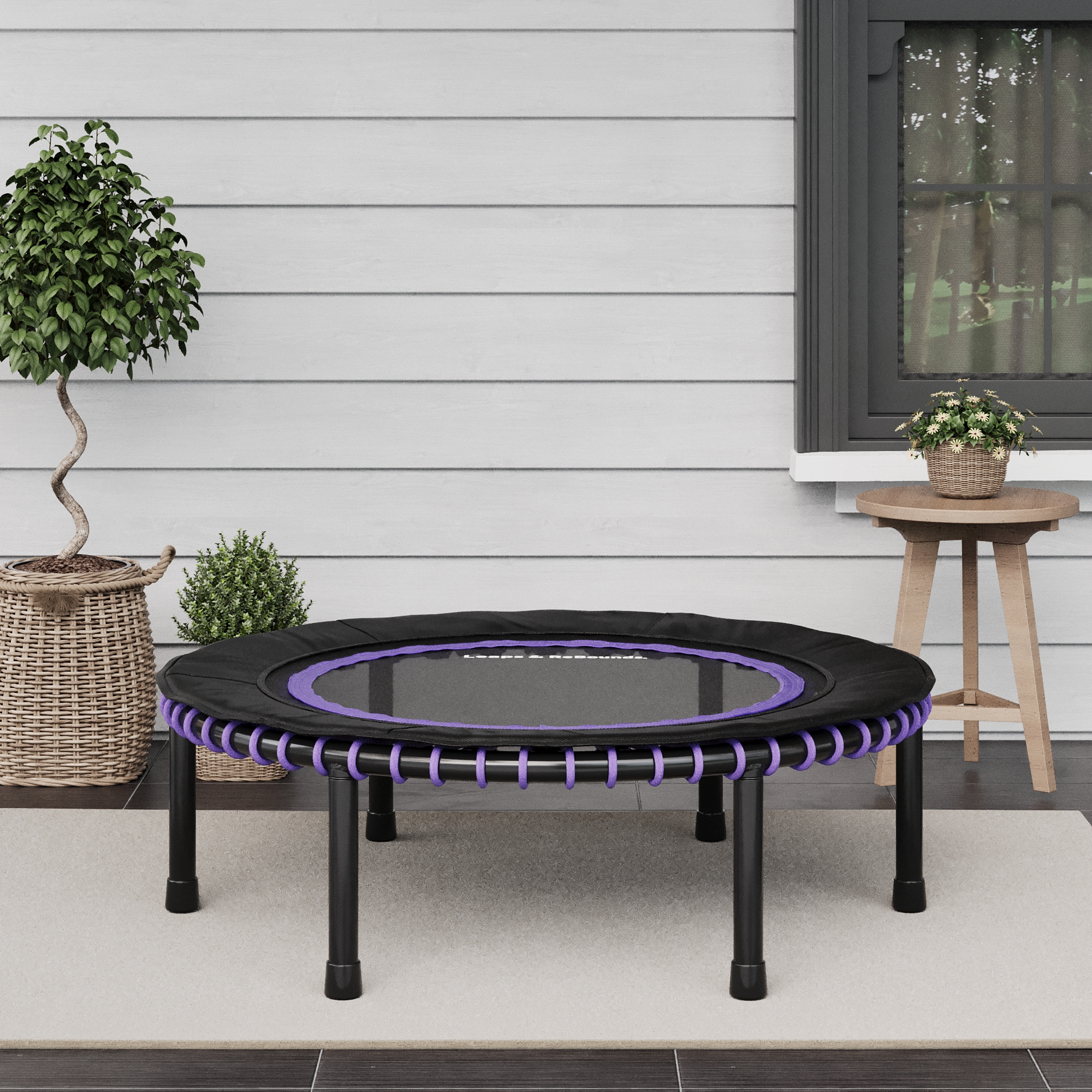
Choosing the correct equipment is the first step toward a successful fitness journey. Look for a surface with a durable bungee system rather than traditional metal springs to ensure a quieter, smoother bounce that minimizes joint strain. If you are ready to invest in your health, you may want to explore jump options that provide excellent tensile support and stability for long-term use.
Essential gear and footwear
While jumping barefoot is an option, wearing light, supportive athletic shoes can provide extra stability for beginners. Opt for breathable fabrics that keep you cool during movement, as internal body temperature can rise quickly when you begin your intense session. Using grip socks can also provide extra traction for beginners to ensure you feel secure and balanced during every jump.
Assessing your fitness level and goals
Before you start, take a moment to evaluate your current movement capacity to avoid overexertion. Beginners might benefit from a mini trampoline exercise routine to build confidence slowly while focusing on form. By tracking your progress, you can adjust your duration and intensity over time, moving from low-impact bounces to more complex sequences once your stamina increases.
Creating a safe jump space
It is essential to have a clear area around your rebounder, ideally at least three feet from walls or furniture. A dedicated rebounder exercise routine works best on a flat, non-slip surface to maximize the safety of your jumps. Consider the following layout tips for your home gym area:
| Item | Importance | Recommendation |
|---|---|---|
| Clearance | High | Keep 3 feet of open space around equipment |
| Surface | Medium | Place on stable, level flooring |
| Lighting | Low | Ensure adequate vision to avoid tripping |
Fundamental rebounding movements

Mastering the basic bounce
Start by finding your rhythm standing in the center of the mat. Keep your feet shoulder-width apart and focus on pressing your heels into the trampoline surface rather than just jumping high. Maintaining a gentle bounce helps you understand the tension of the mat and prepares your muscles for more intense cycles.
Incorporating health bounces for circulation
Health bouncing is a gentle movement where your feet stay in contact with the mat throughout the oscillation. This rhythmic pulsing promotes lymphatic flow without putting stress on your joints, acting as a perfect way to warm up or cool down. It is a fundamental technique for those who find rebounding workouts to be a relaxing yet impactful daily habit.
Adding variations with arm swings
Once you feel comfortable with your core rhythm, start incorporating arm swings to increase your heart rate. Swing your arms naturally in opposition to your step, or try lateral raises to engage your shoulders and upper back. The following list details movements to try:
- Simple forward and backward swings.
- Lateral arm raises for shoulder activation.
- Overhead reaches to engage your core.
- Pulse claps to maintain timing and rhythm.
Practicing weight shifts and balance
Transitioning light weight from one foot to the other allows you to practice stability while in motion. By shifting your center of gravity mindfully, you improve your coordination and prepare your body for more complex athletic moves. This practice builds the foundational control needed for all other aerobic exercises.
Structuring your weekly workout schedule
Balancing cardio and strength intervals
Building a diverse schedule helps prevent boredom while ensuring all muscle groups are engaged. You might intersperse short bursts of high-intensity jumping with floor-based strength exercises to challenge your stamina. Consistency is key, and varying your movements will keep your body guessing and growing stronger.
Determining optimal session duration for beginners
For those just starting out, keep your initial sessions brief, aiming for 10 to 15 minutes before lengthening them. This gradual approach allows your tendons and ligaments to adapt to the unique bounce of the trampoline. Over time, you can expand your capacity and intensity based on your specific comfort level.
Incorporating rest days for recovery
Rest days allow your muscles to repair and recover, which is critical for long-term health. Consider light stretching or yoga on your off-days to keep your muscles supple without over-stressing your system. Listen closely to your fatigue levels, as dedicated rest is just as important as the active time you spend on the mat.
Strategies for progressive overload
Progressive overload involves slowly increasing the challenge of your workout, whether through duration, speed, or resistance. Small incremental changes lead to significant improvements in your aerobic threshold and endurance over months of training. Always monitor how your body handles these increases to ensure you stay in a healthy performance zone.
Advanced techniques to level up
High-knee drills for core activation
Elevating your knees toward your chest while bouncing significantly boosts the core engagement required to keep your balance. This move acts as a powerful drill to tighten your midsection while elevating your heart rate. Ensure you keep your torso upright throughout the movement to prevent slouching.
Adding hand weights for resistance
Incorporating light, handheld weights can transform a simple cardio routine into a comprehensive strength-building session. When using weights, move with control to avoid causing joint discomfort or uneven landings on the mat. Start with one-pound weights and only increase when you can manage your bounce form perfectly.
Integrating plyometric jumping patterns
Once you have mastered basic moves, introduce controlled jumping patterns like jumping jacks or tuck jumps. These explosive movements improve your agility and power, making the most of the reactive force of the trampoline mat. Ensure your landings are soft and controlled to protect your structure during impact.
Combining sequences into HIIT flows
Putting multiple moves into a continuous, high-intensity flow creates a powerful, time-efficient workout package. You can perform 30 seconds of high-knees followed by 30 seconds of basic bounces, repeating in intervals. This keeps your heart rate elevated and maximizes the efficiency of your session, all while maintaining a fun, rhythmic energy.
Prioritizing safety and injury prevention
Maintaining proper posture and alignement
Alignment is the backbone of safe rebounding, as it ensures your weight distribution remains centered throughout every jump. Keep your spine neutral, your chin slightly tucked, and your gaze forward to maintain optimal balance. Proper form protects your lower back and knees from unnecessary strain during your workout.
Understanding joint impact versus floor exercises
One of the primary benefits of using a trampoline is its ability to absorb much of the impact that would otherwise travel through your joints. This makes it a gentler platform for your knees and ankles compared to jumping on hard floors or concrete tracks. Enjoying this protective cushioning allows you to move with less apprehension, knowing your joints are supported.
Recognizing signs of fatigue and when to stop
It is vital to recognize when your form begins to deteriorate, as this is a primary sign of physical exhaustion. If you feel shaky, notice heavy breathing that prevents you from speaking normally, or experience sharp pain, simply step off and walk around for a few minutes. Respecting your physical limits ensures you can continue your routine tomorrow without injury.
Avoiding common mistakes during movement sequences
One common error is locking out your knees during landing, which reduces the trampoline's shock-absorbing benefit. Instead, aim for a soft, bent-knee landing that cushions the impact naturally. Always focus on keeping your weight centered and your shoulders relaxed throughout your movement flow.
Conclusion
Starting a new fitness regime on a mini trampoline is an exciting way to boost your overall wellness while enjoying the act of moving your body. By focusing on consistency, form, and safety, you can build a sustainable routine that evolves alongside your fitness goals. Embrace the journey of progress and discover how much stronger and more energized you feel with each passing week of practice.
Frequently Asked Questions
Is rebounding safe for beginners with no prior fitness experience?
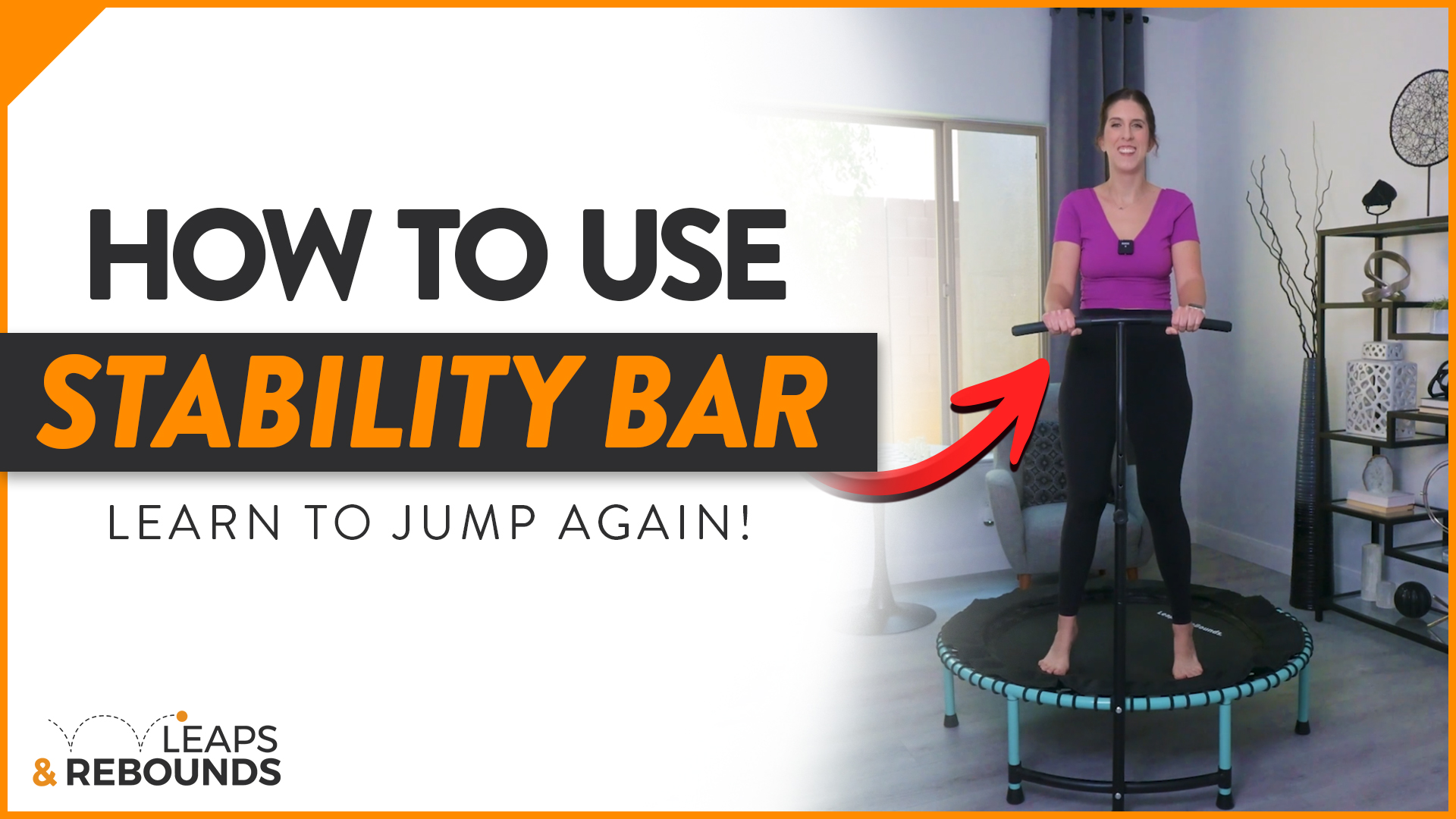
Yes, absolutely, as long as you start with basic health bounces and focus on maintaining your balance. It is advisable to begin close to a wall or with a stability bar until you feel entirely comfortable with the surface.
How many times a week should I perform a routine?
Most experts recommend starting with three sessions per week to allow your body to adapt. As you grow more comfortable and build endurance, you can increase the frequency based on your recovery capacity.
Do I need special shoes to jump on a rebounder?
While optional, light athletic shoes can provide arch support and traction. Many people prefer to use grip socks or go barefoot to feel more grounded and connected to the mat.
Can rebounding help with weight management goals?
Rebounding is a highly efficient form of aerobic exercise that increases your heart rate and burns calories effectively. When combined with a balanced diet, it becomes a versatile tool for supporting any weight loss journey.
What should I do if I feel dizzy while bouncing?
Stopping immediately is the most important step if you ever feel disoriented. Simply step off carefully, sit down if necessary, and wait for your equilibrium to return before attempting any further movement.
Can I use a rebounder if I have chronic joint pain?
Many users find the soft mat of a mini trampoline significantly gentler on joints than hard surfaces. However, please consult with a medical professional to ensure it is appropriate for your specific physical situation.
Is there a best time of day to jump?
There is no single "best" time, so it comes down to when you feel the most energetic and able to commit to your session. Morning sessions can be a great way to energize your metabolism, while evening jumps may help you unwind before sleep.


0 comments