












Trying to shed some pounds? You've probably heard that cardio is the way to go. And yeah, it's a big part of it. But not all cardio workouts are created equal when it comes to burning fat. Some will get you there faster, and mixing things up is super important so you don't get bored or hit a wall. We're going to look at some of the best cardio weight loss exercises out there, from quick, intense bursts to more steady, consistent efforts. We'll also touch on why building muscle matters and how your diet plays a role. Let's get moving!
Key Takeaways
- Cardio exercises are great for burning calories, but the type and intensity matter for effective weight loss.
- High-Intensity Interval Training (HIIT) burns more calories in less time and keeps your metabolism high afterward.
- Steady-state cardio, like running or cycling, is good for burning fat over longer periods and building endurance.
- Low-impact options like walking and swimming are good for beginners or those with joint issues.
- Combining cardio with strength training and focusing on nutrition is the best approach for sustainable fat loss.
Understanding Cardio Weight Loss Exercises
The Science of Caloric Deficit and Metabolism
So, you want to lose weight, right? The basic idea is pretty simple: you need to burn more calories than you eat. This is called a caloric deficit, and it's the main engine behind dropping pounds. Cardio exercises are fantastic for creating this deficit because they get your heart pumping and your body moving, torching calories in the process. But it's not just about the calories you burn during your workout. Your metabolism, which is basically how fast your body burns calories at rest, plays a huge role too. The good news is, regular cardio can actually give your metabolism a nice little boost, meaning you'll be burning more calories even when you're just sitting around.
Building Muscle for a Faster Metabolism
While cardio is great for burning calories, don't forget about building muscle. Muscle tissue is metabolically active, meaning it burns more calories at rest than fat tissue does. So, the more muscle you have, the higher your resting metabolic rate will be. This is why combining cardio with strength training is often recommended for weight loss. It's a two-pronged attack: cardio burns calories directly, and strength training builds muscle that keeps your metabolism humming long after your workout is done.
Here's a quick look at how muscle impacts your metabolism:
| Tissue Type | Calories Burned Per Pound (Approx.) |
|---|---|
| Muscle | 6-10 calories/day |
| Fat | 2-3 calories/day |
Debunking the "Fat-Burning Zone" Myth
You might have heard about the "fat-burning zone" – that specific heart rate range where you supposedly burn the most fat. Well, it's mostly a myth. While it's true that your body burns a higher percentage of fat for fuel at lower intensities, you burn a much higher total number of calories (including fat calories) at higher intensities. So, don't get too hung up on staying in a specific zone. The most effective way to burn fat is to focus on total calorie expenditure, which often means pushing yourself a bit harder with your cardio.
The key takeaway is that total calorie burn matters most for weight loss, not just the percentage of fat burned during a specific workout intensity.
Here are some points to remember:
- Focus on total calories burned: Aim for workouts that challenge you and burn a significant number of calories overall.
- Mix up intensities: Incorporate both moderate and higher-intensity cardio sessions for varied benefits.
- Listen to your body: While pushing yourself is good, always prioritize proper form and avoid overtraining.
High-Intensity Interval Training for Maximum Calorie Burn
If you're looking to really ramp up your calorie burn in a shorter amount of time, High-Intensity Interval Training, or HIIT, might be your new best friend. It’s all about pushing yourself hard for short bursts, then taking a quick breather before going all out again. This method is super effective because it doesn't just burn a ton of calories while you're working out; it also keeps your metabolism humming long after you've finished.
The Power of Short, Intense Bursts
HIIT workouts are designed to get your heart rate way up there. Think sprinting, burpees, jump squats, or anything that makes you feel like you're giving it your all. These intense efforts, usually lasting anywhere from 20 to 60 seconds, are followed by brief recovery periods, maybe 10 to 30 seconds, where you can catch your breath a bit. You repeat this cycle for a set amount of time, often 15 to 30 minutes total.
- Sprints: Go as fast as you can for 30 seconds, then walk or jog slowly for 30 seconds.
- Burpees: Perform as many burpees as possible in 45 seconds, rest for 15 seconds.
- Jump Squats: Do explosive jump squats for 40 seconds, followed by 20 seconds of rest.
The key is to work at a high intensity during the work intervals. You should feel challenged and breathless, making it hard to hold a conversation. This level of exertion is what triggers the significant calorie burn and metabolic boost.
Post-Workout Calorie Burning
One of the coolest things about HIIT is what happens after the workout is done. Because you've pushed your body so hard, it needs time to recover. This recovery process requires energy, meaning your body continues to burn calories at an elevated rate for hours, sometimes even up to 24 hours, after your session. This is often called the
Steady-State Cardio for Sustainable Fat Loss
If all-out intensity isn't your jam, don't sweat it. Steady-state cardio is another fantastic way to torch calories and get your heart in better shape. Think of it as keeping your heart rate up at a consistent level for a good chunk of time. Whether you're out for a run, cruising on your bike, hitting the pool, or even just power walking, these workouts are great for burning fat and building endurance.
The key is maintaining a moderate intensity where you can talk but not sing.
Here's a rough idea of what you might burn in an hour, depending on your weight and the exact pace:
| Activity | Calories Burned (Approx. per hour) |
|---|---|
| Running (6 mph) | ~600 |
| Swimming | ~500 |
| Cycling (Mod.) | ~400 |
| Power Walking | ~300 |
Running and Jogging for Endurance
Lacing up your sneakers for a run or jog is a classic for a reason. It's accessible, requires minimal equipment, and really gets your heart pumping. You can start with short jogs and gradually increase your distance or speed as you get fitter. It's a solid choice for improving your cardiovascular system and burning calories over time. Plus, there's something pretty satisfying about seeing how far you can go.
Cycling for Low-Impact Benefits
Cycling is a fantastic option if you're looking for something easier on your joints. Whether you're on a road bike, a mountain bike, or a stationary bike at the gym, it provides a great workout. You can adjust the resistance or incline to make it more challenging, and it's a great way to build leg strength while getting your cardio in. It's a good way to get a full-body workout without all the pounding.
Jumping Rope for Full-Body Engagement
Don't underestimate the humble jump rope! It's a surprisingly effective calorie burner that engages your whole body. It works your calves, quads, and glutes, while also giving your arms and shoulders a workout. It's also great for improving coordination and agility. Just a few minutes of jumping rope can feel like a serious workout.
Steady-state cardio offers a more relaxed approach to fitness, making it ideal for those who prefer a consistent, moderate effort over intense bursts. It's a sustainable way to improve your overall fitness and well-being and is often recommended for individuals looking to build a solid foundation of cardiovascular health.
Low-Impact Cardio Options for Beginners
Gentle Workouts for Joint Health
Starting a new fitness routine can feel a bit daunting, especially if you're worried about putting too much stress on your body. That's where low-impact cardio comes in. These types of exercises are designed to get your heart pumping and burn calories without all the jarring movements that can bother your joints. Think of it as giving your body a good workout while being kind to your knees and ankles. It’s a smart way to build a solid fitness foundation.
Gradually Building Cardiovascular Endurance
Low-impact cardio is perfect for easing into a more active lifestyle. You can start slow and gradually increase the duration and intensity of your workouts as you get fitter. This steady progression helps your cardiovascular system adapt and grow stronger over time. It’s all about building momentum without pushing yourself too hard too soon.
Here are some great low-impact options to consider:
- Walking: This is probably the most accessible cardio exercise. You can do it almost anywhere, anytime. Start with shorter walks and gradually aim for longer distances or a brisker pace.
- Cycling: Whether you have a stationary bike at home or enjoy riding outdoors, cycling is fantastic. It works your legs and core without putting weight on your joints. Adjusting the resistance can also help you control the intensity.
- Swimming: The water supports your body, making swimming incredibly gentle on your joints. It’s a full-body workout that really gets your heart rate up and builds endurance.
Incorporating Swimming and Walking
When you're just starting out, focusing on activities like walking and swimming can make a big difference. Walking is simple – just put on some comfortable shoes and head out the door. You can start with 20-30 minutes a few times a week and slowly add more time or speed. Swimming offers a similar benefit but with the added advantage of being almost completely joint-friendly. Even a few laps can be a great workout. The key is to find something you enjoy so you'll stick with it.
Building up your stamina doesn't have to be a struggle. By choosing exercises that are gentle on your body, you can focus on improving your fitness level consistently. This approach helps prevent burnout and makes exercise a sustainable part of your life, leading to long-term health benefits.
Maximizing Your Cardio Weight Loss Exercises
So, you've been hitting the cardio hard, which is awesome! But are you getting the most out of those sweat sessions? It's not just about showing up; it's about being smart with your workouts to really see those weight loss goals move. Think of it like this: you wouldn't just drive anywhere, right? You'd pick a destination and a route. Same goes for your exercise.
The Importance of Consistency
Look, no one's expecting you to be perfect every single day. Life happens. But the biggest game-changer for weight loss is showing up regularly. Even if you can only manage 20 minutes on a busy day, that's way better than skipping it entirely. Your body responds to consistent effort, not just occasional heroic workouts. Aim for a schedule that feels doable long-term. Maybe it's three solid sessions a week, or maybe it's five shorter ones. Find what sticks.
- Aim for at least 150 minutes of moderate-intensity cardio or 75 minutes of vigorous cardio per week.
- Spread your workouts throughout the week. Don't try to cram it all into one or two days.
- Listen to your body. Rest days are just as important as workout days for recovery and preventing burnout.
Combining Cardio with Strength Training
Cardio is great for burning calories during your workout, but what about after? That's where strength training comes in. Building muscle is like giving your metabolism a tune-up. More muscle means your body burns more calories even when you're just sitting around. So, don't shy away from lifting weights or doing bodyweight exercises. It's a powerful one-two punch for fat loss.
Here’s a simple way to think about it:
- Cardio: Burns calories in the moment, improves heart health, and builds endurance.
- Strength Training: Builds muscle, which boosts your resting metabolism, improves body composition, and makes everyday tasks easier.
Mixing these two types of training is a smart strategy. It helps you shed pounds while also shaping your body, making you feel stronger and more toned.
Nutrition's Role in Fat Loss
Let's be real: you can't out-exercise a bad diet. Exercise is a huge part of the equation, but what you eat plays an equally massive role. Creating a calorie deficit – burning more calories than you consume – is the core principle of weight loss. Cardio helps you burn those extra calories, but if you're constantly refueling with more calories than you're burning, you'll struggle to see results. Think of your diet as the foundation and your workouts as the structure built on top. Both need to be solid for the whole thing to work.
Advanced Cardio Techniques for Enhanced Results
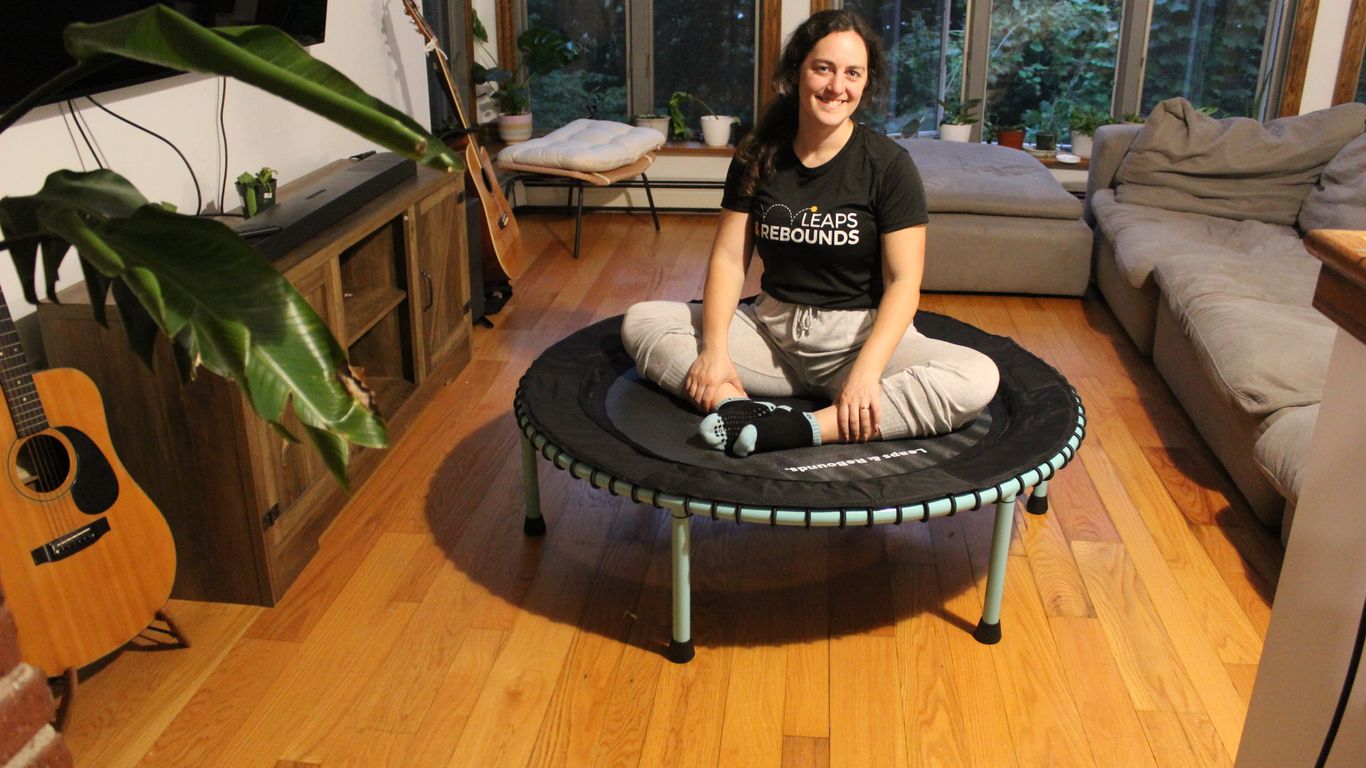
So, you've been doing the usual cardio, and you're ready to kick things up a notch? That's awesome! Sometimes, to really push past those weight loss plateaus, you need to try something a bit more intense. These advanced techniques aren't just about burning more calories in the moment; they can also get your body working harder even after you've finished your workout.
Plyometric Exercises for Explosive Power
Think jumping, bounding, and explosive movements. Plyometrics are all about using quick, powerful movements to build strength and speed. Exercises like box jumps, jump squats, and burpees really get your heart rate up and engage a lot of muscles at once. They're tough, but they can really help you burn a ton of calories and improve your overall athleticism. Just make sure you've got a good base level of fitness before diving into these, as they can be hard on your joints if you're not ready.
Here's a quick look at how some plyometric moves stack up:
| Exercise | Estimated Calories Burned (per 30 min) |
|---|---|
| Jump Squats | 300-400 |
| Burpees | 350-500 |
| Box Jumps | 250-350 |
Battling Ropes for Full-Body Conditioning
Battling ropes, or heavy ropes, are a fantastic way to get a full-body workout that's also high-intensity cardio. You're using your arms, shoulders, core, and even your legs to create waves and other movements with the ropes. It's a great way to build endurance and burn a serious amount of calories. You can do all sorts of variations, like alternating waves, slams, or circles, to keep things interesting and challenging.
This type of training is excellent for improving your work capacity, meaning your body gets better at handling intense physical stress over time. It's not just about burning fat; it's about building a more resilient and powerful physique.
Kickboxing and Martial Arts for Calorie Burn
Who knew that learning a few punches and kicks could be such a great workout? Kickboxing and martial arts classes are amazing for calorie burning. You're constantly moving, engaging your core, and using your whole body for power and speed. Plus, you're learning a new skill, which can be really motivating. It's a dynamic way to get your heart rate up, improve coordination, and burn a significant number of calories while having some fun.
Want to take your cardio workouts to the next level? Discover advanced techniques that can help you see better results faster. These methods are designed to push your limits and maximize your fitness gains. Ready to supercharge your routine? Visit our website to learn more and find the perfect tools to achieve your goals!
Keep Moving Forward
So, we've talked about how cardio is a big deal for losing weight. Remember, mixing things up is good, whether that's going hard with HIIT or keeping a steady pace. It's not just about the workout itself, though. Getting enough sleep and managing stress really helps too. Think of all these exercises as tools in your toolbox. Use them consistently, find what you enjoy, and don't be afraid to try new things. You've got this, and taking these steps will definitely get you closer to feeling your best.
Frequently Asked Questions
How often should I do cardio to lose weight?
To see good results, aim for about 150 minutes of medium-effort cardio or 75 minutes of hard-effort cardio each week. Spread this out over a few days. Doing it regularly is super important for losing weight and keeping it off.
Can I mix cardio and strength training for better results?
Definitely! Combining cardio with lifting weights is a smart way to burn fat and build strong muscles. This combo helps speed up your metabolism and makes your body look and feel better overall.
What's the deal with diet and losing weight when doing cardio?
What you eat is a huge part of losing weight, even with cardio. Eating healthy foods helps you create the calorie difference needed to lose fat. Think of it as fueling your body right to get the best results from your workouts.
Is it possible to lose weight really fast and keep it off?
You can lose weight quickly, but the real win is keeping it off. Super strict diets or crazy workouts might work for a bit, but lasting success comes from a balanced plan. This means doing exercises you enjoy, eating well, and making it a lifestyle change.
Are there exercises that specifically target belly fat?
Sadly, you can't just pick one spot to lose fat from. But, doing cardio that burns lots of calories and strength training that builds muscle all over your body can help reduce overall body fat, including around your belly.
What do I need to do to lose 10 pounds in a month?
Losing 10 pounds in a month means you need to exercise regularly and eat fewer calories than you burn. Focus on tough workouts like HIIT or lifting weights, and eat foods that are good for you, like protein and fiber. It's important to do this in a healthy way, not by starving yourself.


0 comments