


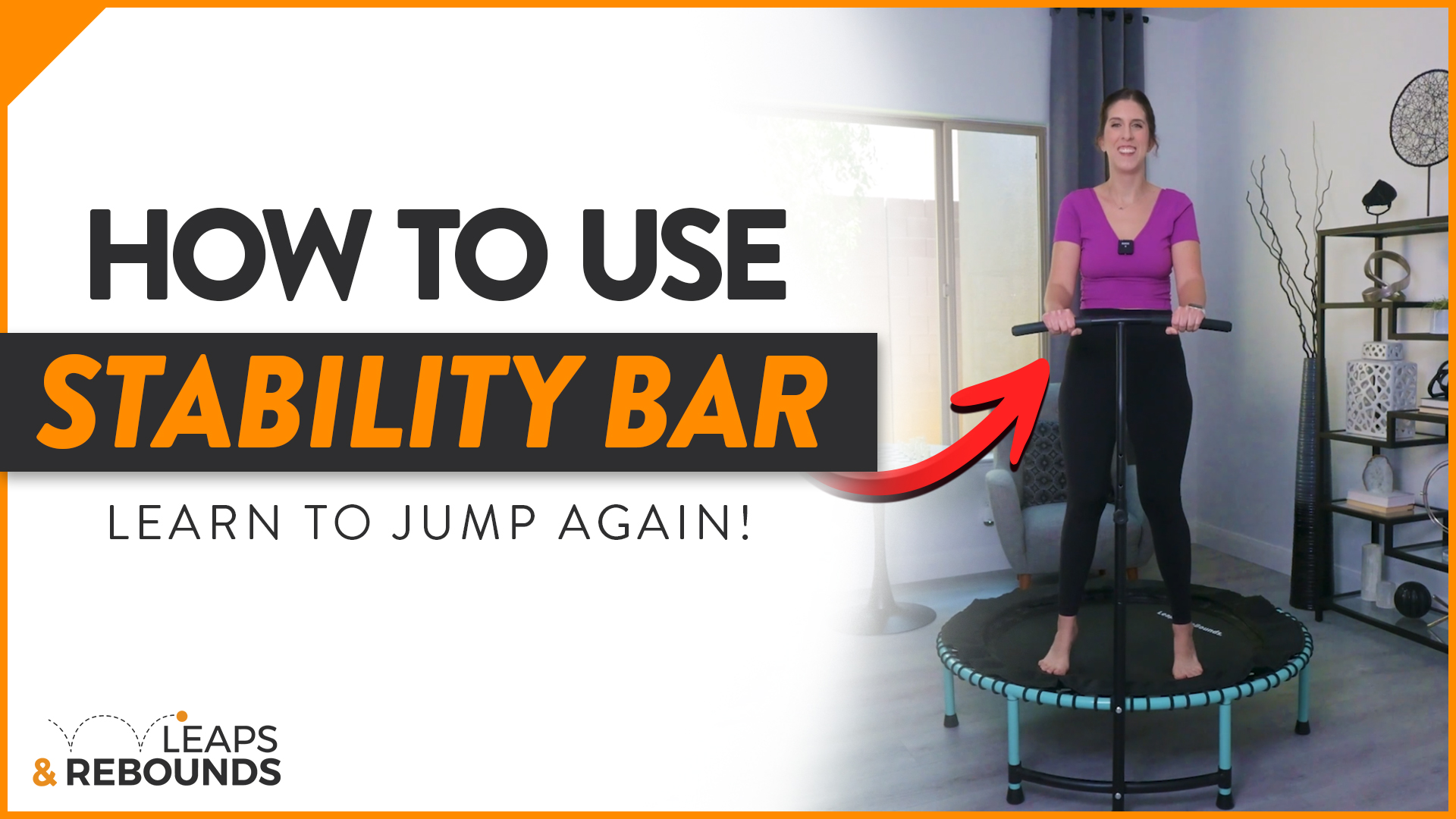
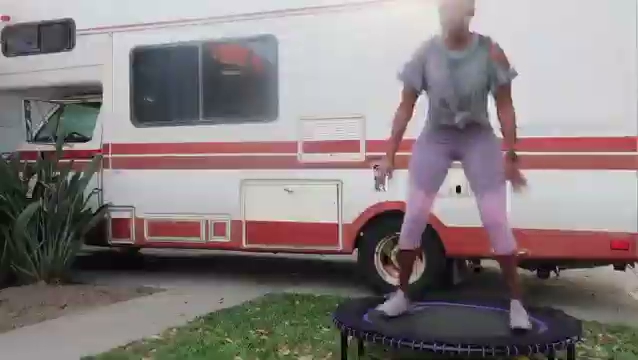




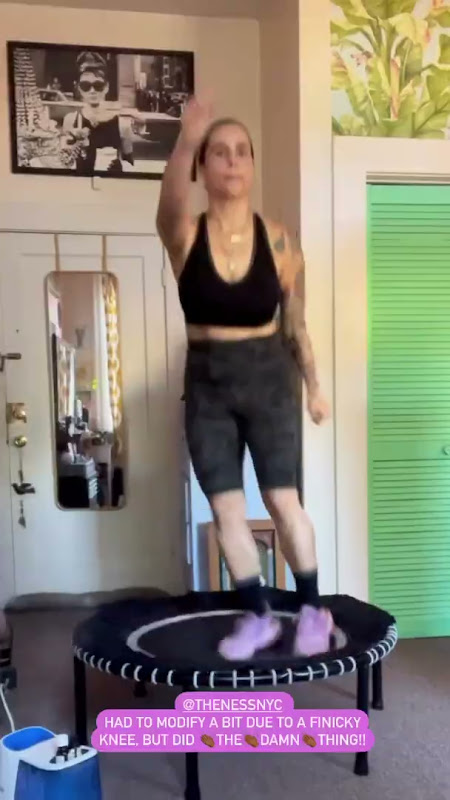




You might see those mini trampolines and think they're just for kids, or maybe a bit silly for grown-ups. But honestly, they’re way more than just a fun way to bounce around. This piece of equipment, often called a rebounder, is actually a seriously effective workout tool that's surprisingly kind to your body. It’s a fantastic way to get your heart rate up without putting a ton of stress on your joints, which is a big win for long-term health. Think of it as a gentle yet effective way to get your body moving. It’s a great way to mix cardio and strength training into one exercise, boosting both muscular endurance and cardiovascular fitness.
Key Takeaways
- The rebound trampoline benefits include a low-impact, full-body workout that uses the 'rebound effect' to return energy, making it easier to get your heart rate up.
- Regular, even short, bouncing sessions help improve stamina and mood.
- Rebounding significantly boosts health by improving circulation, strengthening the heart, and building stronger muscles and bones.
- Jumping on a rebounder helps your body in many ways, including moving fluids better to clear out waste.
- The accessibility of rebounding means you can get a full-body workout without needing fancy equipment or a lot of space.
Discover the Rebound Effect for a Gentle Workout
The Science Behind the Bounce
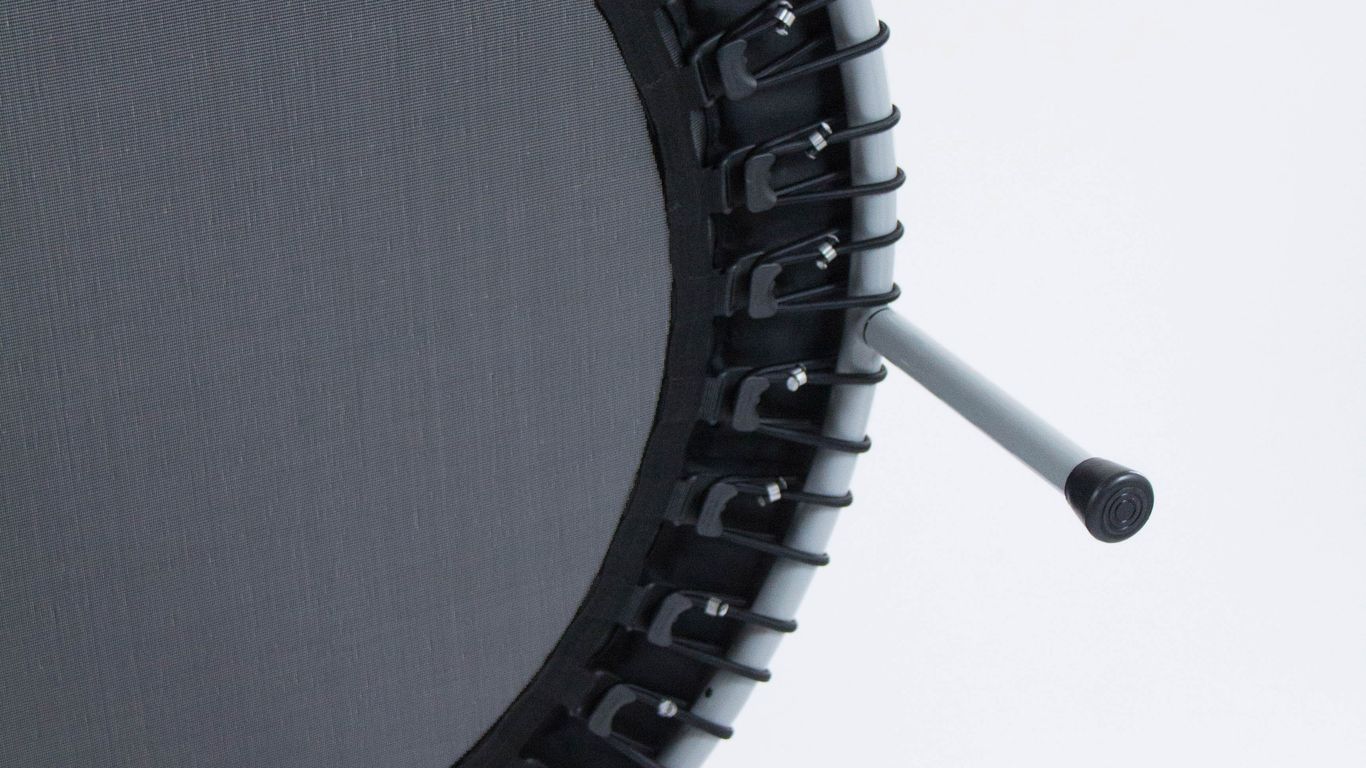
So, you're thinking about trying out a mini-trampoline, huh? It might seem like just a fun toy, but there's actually some cool science behind why bouncing on one feels so good and is actually good for you. The main idea is the 'rebound effect.' When you jump, gravity pulls you down, and then the trampoline mat pushes you back up. This up-and-down motion is surprisingly effective. It's like your body is getting a gentle massage from the inside out. This simple action helps wake up your body without being harsh. It's a bit like how astronauts use a rebounder to stay fit in space, which tells you something about its effectiveness [84b4].
Low-Impact Cardio for Joint Health
One of the biggest wins with rebounding is how easy it is on your joints. Think about running – that pounding can really take a toll on your knees and ankles. With a rebounder, the mat absorbs a lot of that shock. This means you get a great cardiovascular workout, getting your heart pumping and improving circulation, but without all the stress. It's a fantastic option if you have joint pain, are recovering from an injury, or just want a kinder way to move your body. It's a smart choice for people of all ages, including seniors looking to stay active [0059].
Here’s a quick look at why it’s so gentle:
- Shock Absorption: The flexible mat and springs soak up impact.
- Controlled Movement: You control the height and intensity of your bounce.
- Full Body Engagement: Even simple bouncing works many muscles.
The repetitive up-and-down motion is key. It helps move fluids throughout your body, including your lymphatic system, which doesn't have its own pump like your circulatory system does. This gentle stimulation is a big part of why rebounding feels so good and is beneficial.
Maximizing Energy Return with Every Jump
Every time you bounce, you're getting a little boost back from the trampoline. This 'energy return' means you don't have to work as hard to get the same effect as you might on a harder surface. It's efficient! You can start with just a few minutes a day, maybe 5 to 10, and gradually increase. The key is consistency. Even short, regular sessions add up to significant benefits over time. It’s about finding a rhythm that works for you and making it a habit you actually enjoy.
Unlock Full-Body Engagement and Strength
Jumping on a rebounder isn't just about getting your heart rate up; it's a surprisingly effective way to work your entire body. You might think it's just legs, but trust me, your core and even your upper body get a workout too. It's like a mini gym session that engages muscles you might not even realize you're using.
Engaging Core Muscles for Stability
Your core muscles – that's your abs, back, and sides – are working overtime just to keep you steady while you bounce. It's not just about staying upright; it's about constant micro-adjustments. You can really amp this up, though. Think about twisting your torso gently side to side while you bounce, keeping your hips mostly still. Or try bringing your knees up towards your chest, alternating legs. These simple moves really target those deep abdominal muscles.
Working Multiple Muscle Groups Simultaneously
When you're on the rebounder, you're not just doing one thing. Your legs are pushing off and absorbing impact, your glutes and thighs are working to stabilize you, and as mentioned, your core is constantly engaged. You can add arm movements too, like circles or punches, to get your shoulders and arms involved. It's a full-body effort without feeling like you're doing a million different exercises. You can easily turn a simple bounce into a dynamic session that works multiple muscle groups simultaneously. It's a surprisingly efficient way to get your heart pumping and your muscles working, all from the comfort of your home.
Building Musculoskeletal Resilience
Every time you land on the rebounder, your bones and muscles get a gentle load. This repeated stress, when done correctly, actually signals your body to get stronger. It helps build up your bones, making them less likely to break, and strengthens the muscles and connective tissues around your joints. This makes your whole body more robust and better able to handle everyday stresses. It’s a fantastic option if you’re recovering from an injury, dealing with joint pain, or just want a more comfortable way to stay fit. [This exercise] is a great way to support your lymphatic system and feel good from the inside out.
The constant need to adjust your balance while rebounding engages muscles you might not even know you have, leading to improved posture and a more resilient body overall.
Here's a quick look at how it stacks up:
- Legs & Glutes: Work during the push-off and landing phases.
- Core: Constantly engaged for stability and balance.
- Arms & Shoulders: Can be activated with added movements.
- Back: Supports posture and stability.
Enhance Your Physical Well-being
Boosting Cardiovascular Fitness
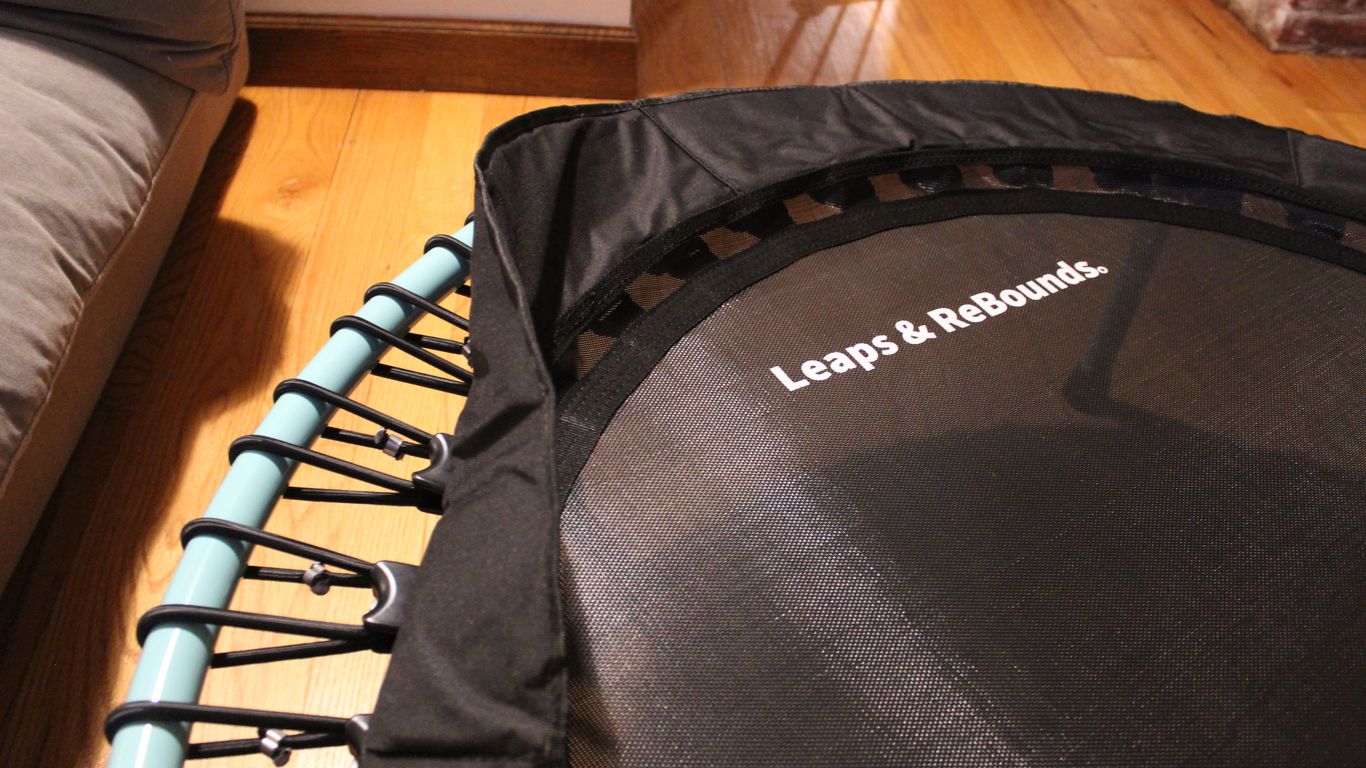
When you bounce on a mini-trampoline, your heart rate goes up. It's a simple way to get your blood pumping and give your heart a good workout. Think of it like this: every time you push off the mat and come back down, your heart is working a bit harder to keep up. This consistent effort over time builds up your heart's strength and endurance. It's a really effective way to improve your overall cardiovascular health, making everyday activities feel easier. You don't need to jump super high or do complicated moves to feel the benefits; even gentle, steady bouncing can make a big difference.
Stimulating Lymphatic Circulation
Your lymphatic system is like your body's drainage system, and rebounding is fantastic for helping it do its job. Unlike your blood circulation, which has the heart to pump it, the lymphatic system relies on movement. Bouncing up and down creates a pumping action that helps move lymph fluid throughout your body. This fluid carries waste products and toxins away from your cells. Getting this system moving helps your body clear out the gunk more efficiently. It's a gentle yet powerful way to support your immune system and keep things flowing smoothly.
Improving Metabolism and Digestion
That increased circulation you get from bouncing? It doesn't just help your heart and lymphatics; it also gives your metabolism a little nudge. When your body is moving, it burns more calories, and this can help with weight management. Plus, the gentle internal jostling from the bouncing can help get your digestive system moving too. Some people find that regular rebounding helps with issues like bloating or constipation. It's a full-body activity that wakes up your internal organs and gets everything working together a bit better.
Sharpen Your Mind and Mood
You know, it's not just your body that gets a workout on a rebounder; your brain gets a pretty good session too. That feeling of lightness and joy when you bounce? That's your brain releasing happy chemicals. It’s like a mini-vacation for your mind, away from all the daily grind.
Achieving Greater Stamina and Energy
Think about it: every jump sends more oxygenated blood up to your brain. This increased flow helps you feel more alert and focused. It's not just about having more energy for your workout; it's about having more mental energy for whatever the day throws at you. You might find yourself less foggy and more ready to tackle tasks. It’s a simple way to get a mental boost without needing a third cup of coffee.
- Increased alertness: Better blood flow means your brain wakes up.
- Sustained focus: Helps you concentrate on tasks for longer periods.
- Reduced mental fatigue: You feel less drained by the end of the day.
Elevating Mood and Reducing Stress
This is where rebounding really shines for mental well-being. The rhythmic bouncing is almost like a moving meditation. It helps clear your head and lets those worries just bounce away for a bit. The release of endorphins is a powerful mood lifter, and it also helps lower stress hormones like cortisol. It’s a fantastic way to decompress after a long day or to start your morning feeling more positive. It’s a simple, accessible tool for managing everyday stress and just feeling generally better about things. You can find more about the mental health benefits of trampolining here.
The consistent, predictable motion of rebounding can have a calming effect on the nervous system. It provides a sense of control and accomplishment, which can be very grounding when you're feeling overwhelmed.
Improving Sleep Quality
Ever notice how you sleep better after a good workout? Rebounding is no different. By expending physical energy and reducing stress, you're setting yourself up for a more restful night. The improved circulation and oxygenation also play a role. It helps regulate your body's natural rhythms, making it easier to fall asleep and stay asleep. Plus, that feeling of accomplishment from your bouncing session can lead to a more relaxed state of mind before bed, which is always a win.
- Physical exertion: Helps tire your body out in a healthy way.
- Stress reduction: Calms the mind, making it easier to switch off.
- Circulation boost: Supports overall bodily functions that contribute to good sleep.
Improve Balance and Coordination
You know, it's easy to think of bouncing on a mini-trampoline as just a fun activity, but it's actually doing some pretty neat things for your stability and how well your body works together. Every single time you jump, even just a little bit, your body has to make tiny adjustments to keep you from tipping over. This constant need to rebalance is like a workout for your brain and your muscles, all at once.
Challenging Proprioception with Each Bounce
Proprioception is basically your body's internal GPS – it tells you where your limbs are in space without you having to look. When you're on a rebounder, the unstable surface means your brain is getting a lot of signals about your body's position. You're constantly telling your muscles to engage just enough to keep you steady. This isn't something you get from standing on solid ground. It's a dynamic challenge that really wakes up those sensory pathways. This continuous feedback loop is key to building better balance.
Training Your Brain-Body Connection
Think of it like this: your brain is sending out commands, and your body is responding. With rebounding, those commands are happening super fast and require a lot of coordination. You're not just moving your legs; your core, your arms, and even your head are involved in maintaining equilibrium. This practice strengthens the communication lines between your brain and your muscles. It's a bit like learning a new dance step – the more you do it, the more automatic and fluid it becomes. This improved connection can make everyday movements feel more controlled and less effortful. It's a great way to get a gentle workout that benefits your mind too.
Preventing Falls with Enhanced Stability
Why does all this balance training matter? Well, as we get older, our balance can naturally decline, which increases the risk of falls. Rebounding offers a safe and low-impact way to actively work on this. By consistently challenging your stability on the rebounder, you're building up the muscle memory and physical responses needed to react to unexpected shifts. This means you're more likely to catch yourself if you stumble on the sidewalk or trip over something. It's about building resilience so you can stay active and independent for longer. It's a surprisingly effective tool for staying steady on your feet.
The constant need to adjust your balance while rebounding engages muscles you might not even know you have, leading to improved posture and a more resilient body overall. It's a simple yet effective way to train your body to be more stable in everyday life.
Integrating Rebounding Into Your Lifestyle
So, you've learned about all the cool things rebounding can do for your body and mind. Now, how do you actually make it a regular thing? It's simpler than you might think, and honestly, it can be pretty fun.
Short, Consistent Sessions for Maximum Impact
Don't feel like you need to block out an hour every day. The beauty of rebounding is that even short bursts of activity make a difference. Think about aiming for just 10 to 15 minutes daily. It's like giving your body a little tune-up. You can start with just gentle bouncing, feeling the rhythm. If you're up for it, add some simple arm movements or twists. The key here is regularity. Making this a habit, even a brief one, keeps things moving internally and helps your body function better.
Making Rebounding a Joyful Habit
Let's face it, sticking with exercise can be a drag sometimes. But rebounding? It taps into that playful, almost childlike feeling of just bouncing around. It doesn't have to feel like a chore. Put on some music you love, maybe even have a little dance party on your mat. The goal is to find ways to make it enjoyable so you actually look forward to it. When movement feels good and is fun, you're way more likely to keep it up. It's about finding a way to move that genuinely makes you happy, not just checking a box.
Fitting Fitness into Small Spaces
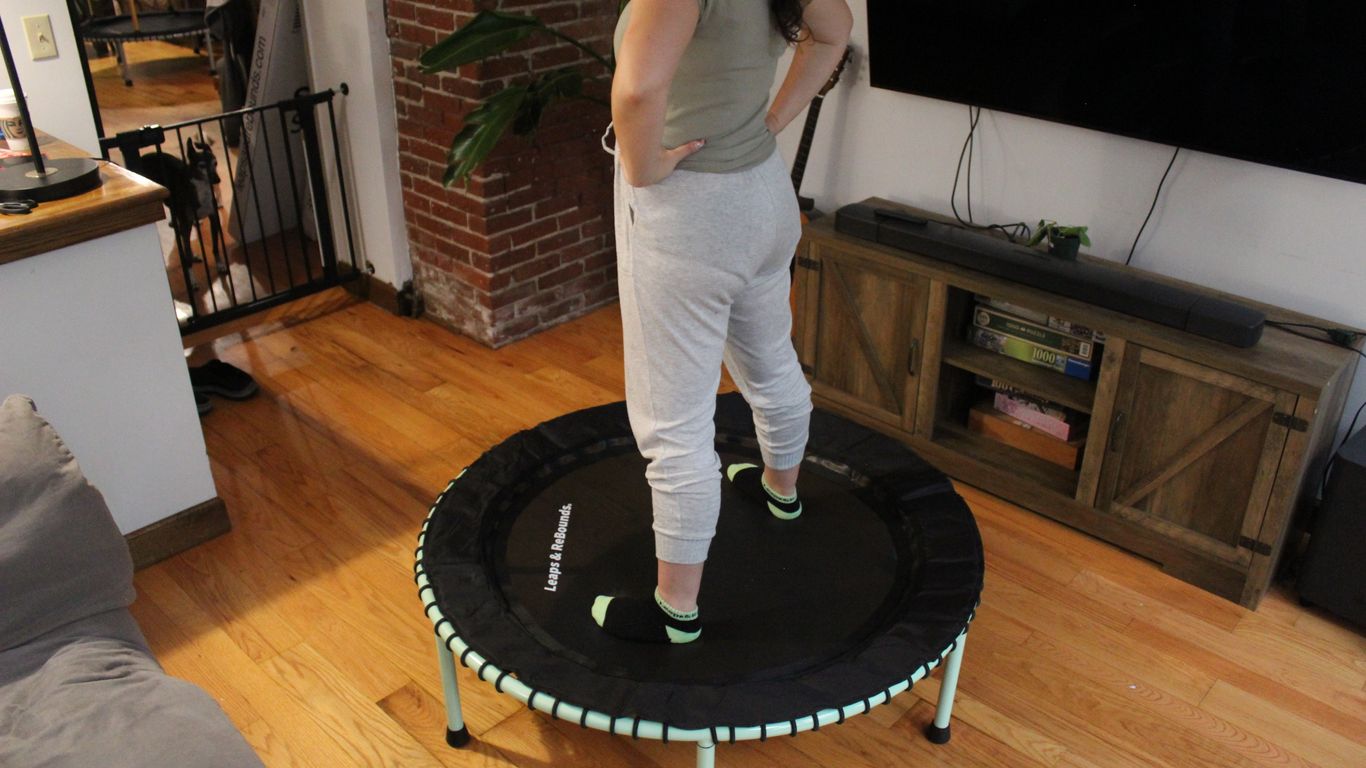
One of the best parts about having a rebounder is how little space it takes up. You don't need a huge home gym. Most mini-trampolines are designed to be compact. You can easily set one up in a corner of your living room, bedroom, or even a larger closet. When you're done, many models can be folded or stored away without much fuss. This makes it super convenient to get in a quick session whenever you have a few spare minutes, without it taking over your home. It's a practical way to add low-impact fitness into your daily life, no matter how small your living space.
The consistent, gentle impact of rebounding helps stimulate your lymphatic system, which is vital for removing waste products from your body. This process is often compared to a gentle massage from the inside out, supporting your overall health and well-being without the harshness of high-impact activities.
Here's a quick look at how you can structure your sessions:
- Warm-up (2-3 minutes): Start with gentle bouncing, swinging your arms, and maybe some light marching in place on the mat.
- Main Workout (5-10 minutes): Increase the intensity slightly. Try jogging in place, adding some high knees, or incorporating simple twists.
- Cool-down (2-3 minutes): Gradually slow down your bouncing. Finish with some gentle stretches or simply stand and breathe. A brief cool-down exercise helps your body recover.
Making bouncing a part of your daily routine is easier than you think! Whether you have a few minutes or a whole workout session, a mini trampoline can be a fun way to get moving. It's a great way to boost your energy and feel good. Ready to start jumping? Visit our website to find the perfect rebounder for you!
Keep Bouncing Towards a Healthier You
So, it turns out that bouncing on a trampoline isn't just for kids having a blast. For us adults, it's a pretty neat way to get moving and feel better overall. We've seen how it's easy on the joints, good for your heart, and can even lift your mood. Plus, you don't need a huge space or a lot of fancy gear to get started. Just a little bit of time each day can really add up. Don't overthink it – just give it a try and see how much better you feel. Keep jumping, and you might just surprise yourself with how much more energy you have.
Frequently Asked Questions
What exactly is the 'rebound effect'?
The 'rebound effect' is what happens when you jump on a mini trampoline. Instead of just absorbing your weight, the trampoline mat actually pushes some of that energy back up to you. This means you can jump higher and get a better workout with less effort, and it's much gentler on your body than exercising on hard surfaces like the ground.
Is bouncing on a mini trampoline really a good workout for my whole body?
Yes, it definitely is! When you bounce, your core muscles (like your abs and back) have to work hard to keep you steady. Your legs and glutes also get a good workout as you push off and land. Plus, it gets your heart pumping, which is great for your cardiovascular health.
How can I make sure I jump on my mini trampoline often enough to get results?
The key is to be consistent. Try to make it a regular part of your day, even if it's just for 10-15 minutes. Think of it as a fun activity you look forward to, rather than a chore. Doing it regularly, even for short periods, is better than doing it for a long time just once in a while.
What are the main health benefits of using a mini trampoline?
Jumping on a mini trampoline, or rebounding, helps your body in many ways. It improves blood flow and helps your body's natural cleaning system (the lymphatic system) move fluids and get rid of waste. It also strengthens your heart, improves balance, and can even boost your mood and energy levels.
Is rebounding hard on my joints?
Not at all! That's one of the best parts about rebounding. The bouncy surface of the trampoline absorbs most of the shock. This makes it much easier on your ankles, knees, and hips compared to activities like running. It's a great way to get a good workout without causing extra stress or pain.
Do I need a lot of space to use a mini trampoline?
No, you don't need much space at all! Mini trampolines are designed to be compact. Many of them can even be folded up for easy storage in a closet or under a bed. This makes them perfect for apartments or homes where space might be limited.


0 comments