










So, you've been hearing about these rebounder fitness trampolines, huh? They look like fun, right? Well, turns out they're more than just a bouncy toy. Using a rebounder fitness trampoline can actually be a seriously effective way to get in shape, and it's way easier on your body than you might think. We're going to dive into what makes them so great and how you can get the most out of your own rebounder fitness trampoline.
Key Takeaways
- Rebounding on a mini trampoline is a low-impact exercise that's gentle on your joints while still providing a good workout.
- This type of exercise can help improve your heart health by getting your blood pumping and building endurance.
- Bouncing on a rebounder fitness trampoline can help your body's natural detox process by aiding lymphatic drainage.
- Rebounding engages your core and leg muscles, helping to build strength and improve balance and coordination.
- Always prioritize safety by checking your surroundings, wearing supportive footwear, and listening to your body's limits when using your rebounder fitness trampoline.
Understanding The Rebounder Fitness Trampoline
What Exactly Is Rebounding?
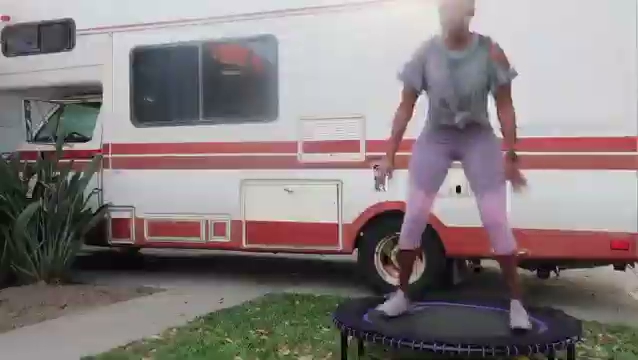
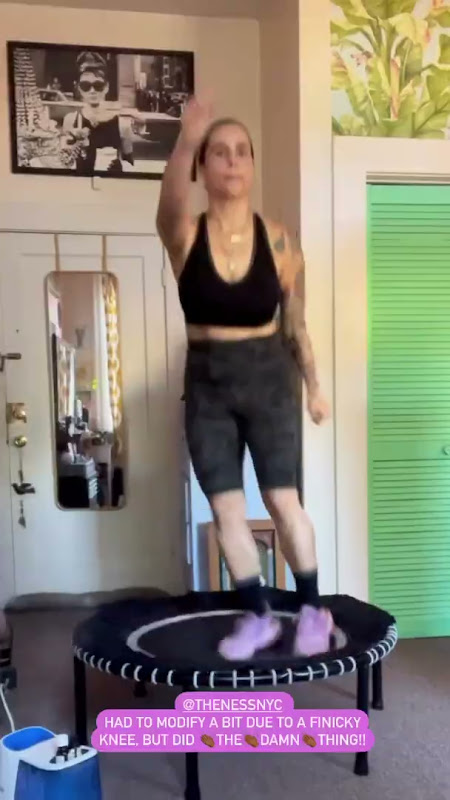
Rebounding is basically a fancy term for jumping or bouncing on a mini-trampoline. It's a really fun way to get your body moving, and honestly, it's way easier on your joints than running or doing burpees on a hard floor. Think of it as a low-impact way to get your heart rate up and your body working.
The Joyful Nature Of Trampoline Fitness
There's something inherently joyful about bouncing. Remember being a kid and just leaping around? Rebounding brings that feeling back, but with a fitness twist. It doesn't feel like a chore; it feels like play. This makes it much easier to stick with than exercises that feel like work. You're more likely to get on your rebounder if you actually enjoy the process, and that's a big win for consistency.
Discover The Rebounder Difference
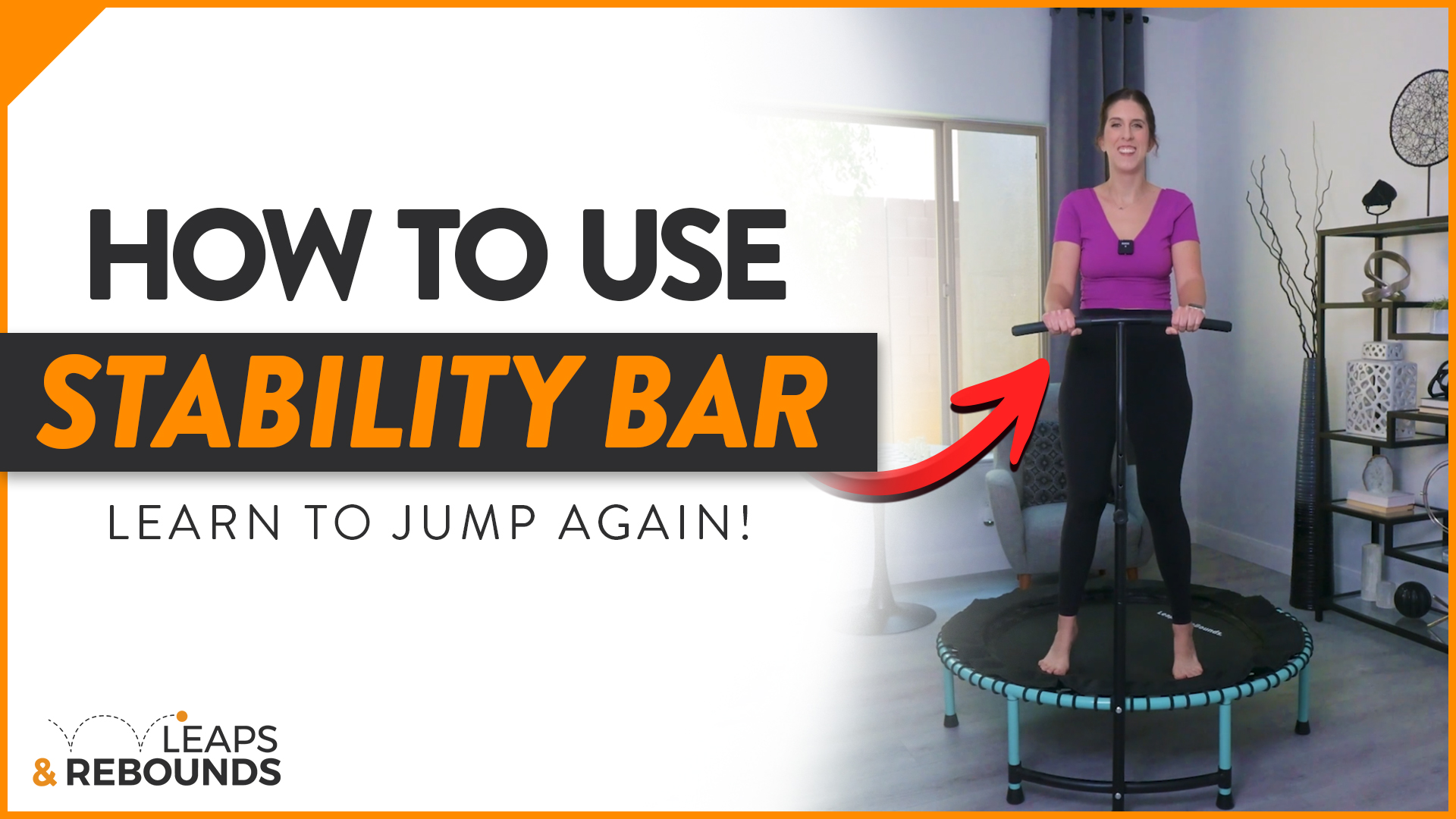
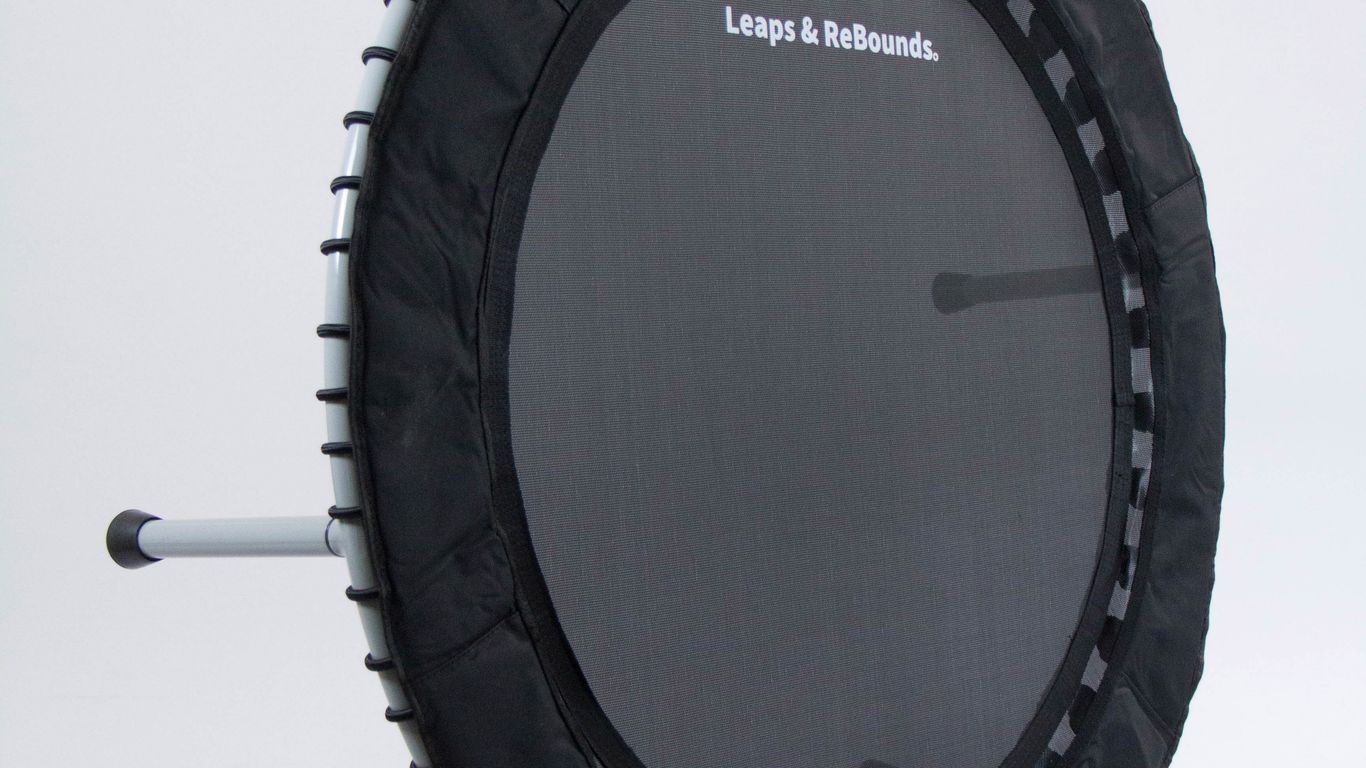
So, what makes a rebounder different from a big trampoline? For starters, they're designed for fitness, not for flipping. They're smaller, more stable, and built to handle repetitive bouncing. Many come with a handle bar, which is a nice addition for balance, especially if you're new to this. This handle can be a real game-changer for feeling secure while you get your bounce on. Plus, their compact size means you can actually fit one in your home without needing a huge space. It's a practical piece of equipment for a home gym.
Unlock Enhanced Health Through Rebounding
A Joint-Friendly Cardiovascular Boost
Forget about pounding the pavement and stressing out your knees. Rebounding, or jumping on a mini trampoline, offers a really effective way to get your heart pumping without all the harsh impact. The bouncy surface actually absorbs a lot of the shock, making it way easier on your joints – think ankles, knees, and hips. This means you can get a great cardio workout, improve your circulation, and build endurance while being much kinder to your body. It’s a fantastic option if you’re recovering from an injury, dealing with joint pain, or just want a more comfortable way to stay fit. You can really feel the difference compared to high-impact exercises.
Engaging Your Entire Body Through Rebounding
When you jump on a mini trampoline, you're not just working your legs. Your body has to work hard to keep you stable and upright. This means your core muscles – your abs and back – are constantly engaged to help you balance. Even your glutes and thighs get a good workout as you push off and land. It’s like a full-body engagement session every time you hop on. You’ll be surprised how many different muscles you feel working after just a few minutes. It's a simple way to get a lot of muscle groups involved without even thinking about it.
Enhancing Balance and Coordination
Staying balanced on a trampoline isn't as easy as it looks. Each bounce challenges your body's awareness of its position in space. This constant need to adjust and stabilize helps improve your overall balance and coordination. Over time, this can translate to better performance in other sports and activities, and it’s especially helpful for preventing falls as we get older. It’s a fun way to train your brain and body to work together more effectively.
The simple act of bouncing, repeated consistently, can create a positive feedback loop for your mental state. It's not just about the immediate feeling of relief, but about building resilience over time. This makes it a sustainable practice for long-term well-being.
Here's a quick look at how rebounding helps:
- Joint-Friendly: Absorbs shock, reducing risk of joint injury.
- Full Body: Legs, core, and arms all active with every bounce.
- Accessible: Works for all fitness levels, including beginners and seniors.
Here's a quick comparison of cardio impact:
| Activity | Joint Impact | Cardio Intensity | Enjoyment Factor |
|---|---|---|---|
| Running on road | High | High | Medium |
| Rebounding | Very Low | High | High |
| Brisk walking | Low | Moderate | Medium |
Maximizing Your Rebounder Fitness Trampoline Experience
So, you've got your rebounder and you're ready to bounce your way to a fitter you. That's fantastic! But to really get the most out of this fun piece of equipment, there are a few things to think about. It's not just about jumping up and down; a little bit of planning makes a big difference.
Choosing Quality Equipment For Your Rebounder
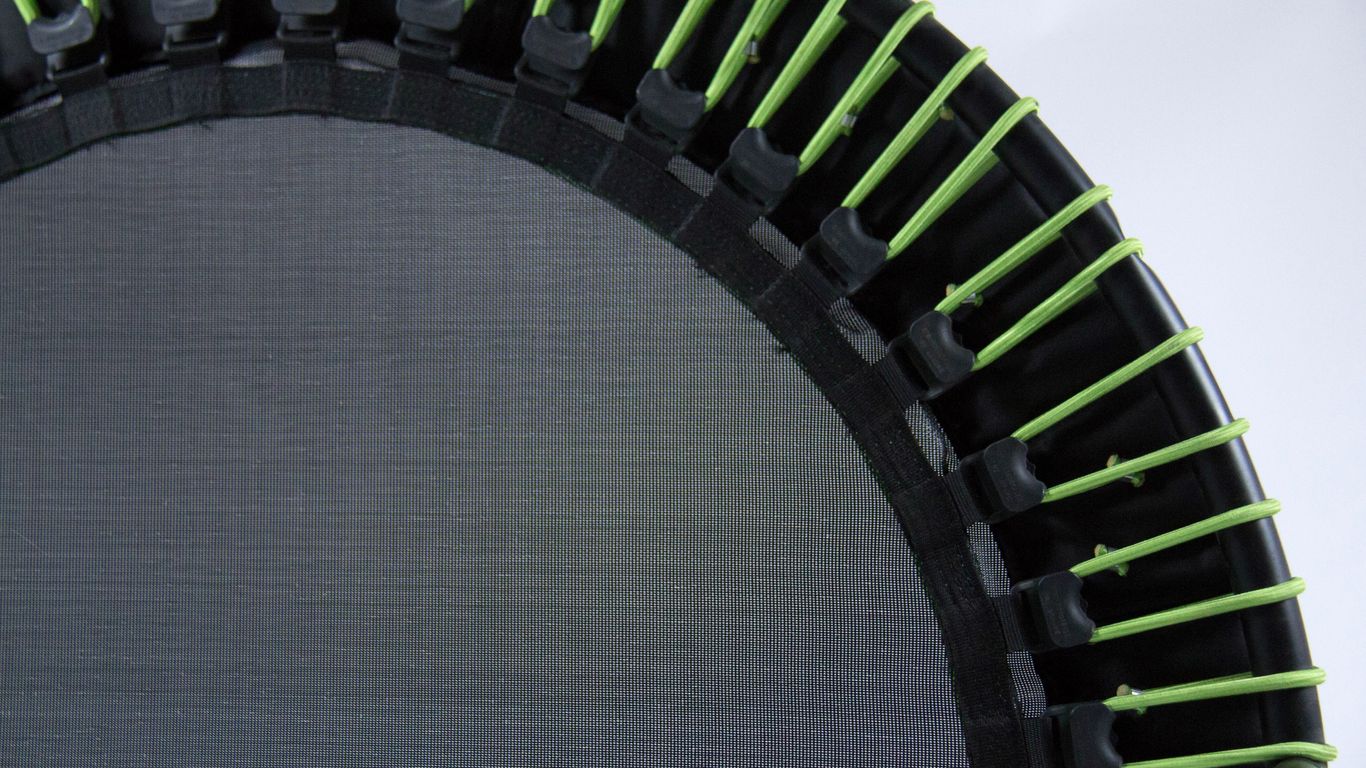
First off, let's talk about the rebounder itself. You don't want something that feels flimsy or unstable. Look for a rebounder with a strong frame and good quality springs or bungee cords. A well-built trampoline will give you a more predictable bounce, which is key for preventing stumbles and making your workouts feel better. Think of it as an investment in your fitness journey. A good rebounder can last for years and will make your workouts much more enjoyable and effective. You can find some great options designed for home use that offer a really good bounce for your fitness goals.
Wearing Supportive Footwear For Bouncing
Now, about your feet. While some people prefer to go barefoot, wearing the right shoes can really help with safety and comfort. You want athletic shoes that offer good support and some cushioning. This helps absorb some of the impact and keeps your feet stable on the mat. Avoid shoes that are too loose or have slippery soles. The goal is to have good grip and stability so you don't slide around unexpectedly. It might seem like a small detail, but the right footwear can really help you feel more secure during your bounces. For those looking to start with a gentle approach, exploring the Earth and Owl rebounding technique can be a good first step.
Tips For Your Best Rebounding Workout
To really get the most out of your time on the rebounder, focus on a few key areas. Proper form and technique are probably the most important parts.
Here are some tips to make your workouts effective and safe:
- Posture: Try to keep your posture tall while bouncing. Imagine a string pulling you up from the top of your head. This helps with stability.
- Core Engagement: Think about pulling your belly button towards your spine. This engages your core muscles, which is great for support and balance.
- Landing Softly: When you land after a bounce, try to do it softly. Bend your knees just a little. Landing with control is key to making this a low-impact workout. Avoid just thudding down.
- Start Slow: Don't try to do too much too soon. Your body needs time to get used to the unique way a mini trampoline works your muscles and balance. Start with shorter sessions, maybe 10-15 minutes, and gradually increase the time as you feel stronger.
- Variety is Key: Mix things up! Doing the same routine every single day can get boring and might stop you from seeing new results. Try different types of bounces, add some arm movements, or even try simple exercises like squats or lunges while you bounce.
Paying attention to how you move, even during simple bounces, will make your workouts way more effective and safer. It might feel a bit awkward at first, but consistency pays off.
The Comprehensive Benefits Of Rebounder Workouts
So, you're thinking about getting a rebounder, huh? That little trampoline might seem like just a fun toy, but let me tell you, it packs a serious punch when it comes to what it can do for your body. It's not just about bouncing around; there are some real, tangible benefits you get from using one regularly.
Benefits Of Rebounding Workouts
When you get on a rebounder, you're doing more than just jumping. You're actually giving your whole body a good workout without putting a ton of stress on your joints. This is a big deal, especially if you've had knee or ankle issues in the past, or if you just want to keep things feeling good as you get older. The bounce itself absorbs a lot of the impact, making it way gentler than running on pavement or even some other cardio machines. Plus, it's just plain fun, which means you're more likely to stick with it. Who doesn't love a workout that feels more like playtime?
Boosting Lymphatic System Function
This is one of those benefits people don't always talk about, but it's pretty important. Your lymphatic system is like your body's internal cleanup crew, and it doesn't have a pump like your heart does. It relies on movement to get things flowing. The up-and-down motion of rebounding is fantastic for helping that lymph fluid move through your body. When your lymphatic system is working well, it can help your body get rid of waste and can even make you feel less sluggish and more energized. It's like giving your body a gentle internal massage with every bounce.
A Low-Impact Approach to Fitness
Let's be real, not everyone can handle high-impact exercises. Running, jumping jacks, and even some gym classes can be tough on your knees, hips, and back. That's where the rebounder really shines. It offers a way to get your heart rate up and burn calories without that jarring impact. You can bounce for longer periods because it's so much easier on your body. This makes it a great option for people of all ages and fitness levels, from beginners just starting out to seasoned athletes looking for a different kind of training. It's a smart way to build stamina and strength while being kind to your body.
Here's a quick look at how it stacks up:
| Activity | Joint Impact | Cardio Intensity | Ease of Use |
|---|---|---|---|
| Running | High | High | Moderate |
| Rebounding | Very Low | High | Easy |
| High-Impact Aerobics | High | High | Moderate |
| Brisk Walking | Low | Moderate | Easy |
The gentle, repetitive motion of rebounding helps to stimulate circulation and can contribute to a feeling of overall well-being. It's a simple yet effective way to support your body's natural processes.
Safety First On Your Rebounder Fitness Trampoline
Jumping on a rebounder is a blast, but like any activity, you need to be smart about it to avoid any bumps or bruises. It’s not just about having fun; it’s about making sure you stay safe so you can keep bouncing for a long time.
Staying Safe While You're Getting Your Bounce On
When you're ready to jump, remember a few key things. First off, make sure your rebounder is in good shape. A wobbly frame or worn-out mat isn't going to do you any favors. A sturdy, well-built rebounder is your best friend for a safe workout. It gives you a stable surface, which means fewer surprises and a better bounce. Think about it – you want your equipment to work with you, not against you.
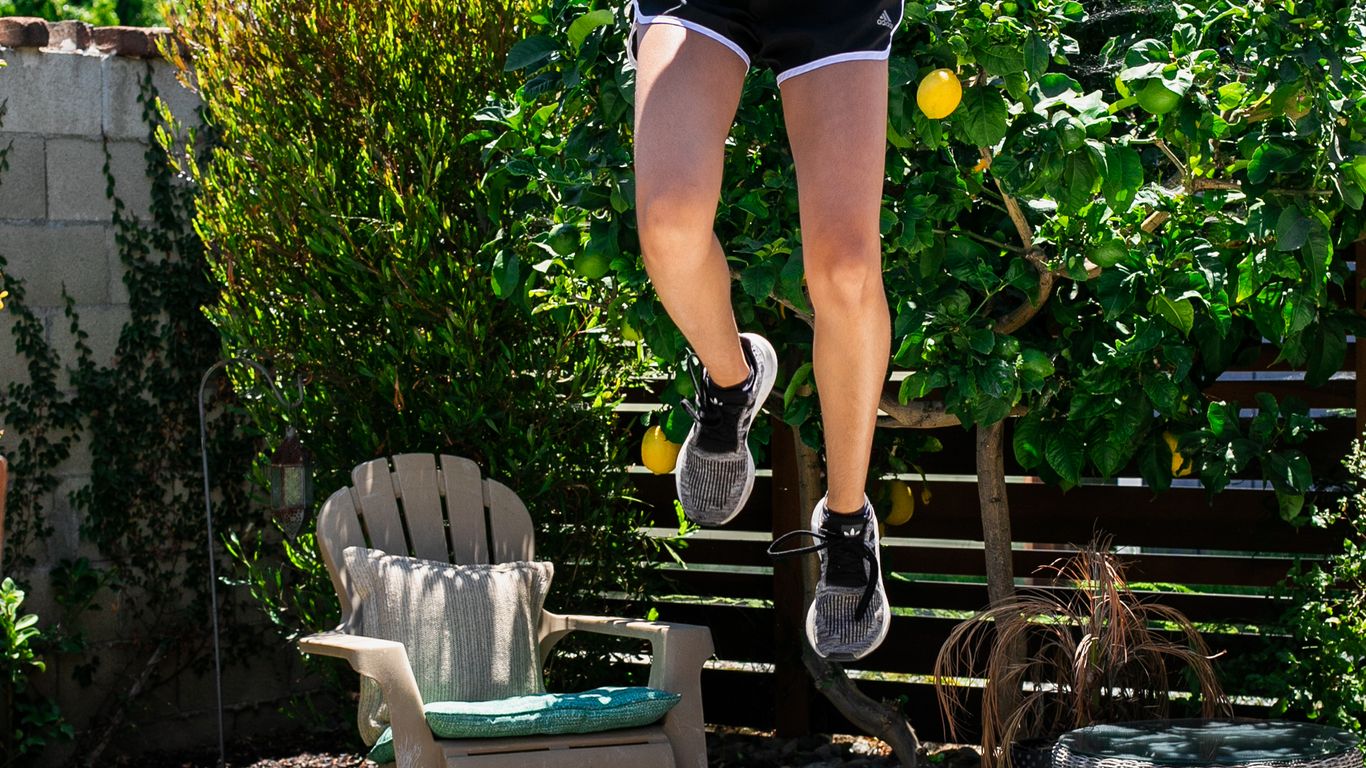
Also, consider what you're wearing on your feet. While some people prefer going barefoot, wearing supportive athletic shoes can really help. They give you better grip on the mat and absorb some of the impact. Avoid anything too loose or with slippery soles. You want to feel secure with every jump.
Check Your Surroundings For A Safe Workout
Before you even step onto the rebounder, take a quick look around. Is there enough space? You don't want to be bouncing near furniture, walls, or anything you could accidentally hit. Make sure the floor beneath the rebounder is stable and won't shift. If you have pets or small children, keep them out of the immediate bouncing area while you're working out. It’s a simple step, but it prevents a lot of potential problems.
Listening To Your Body's Limits
This is probably the most important rule of all. Your body will tell you what it can handle. If something feels off, or if you start to feel dizzy or unsteady, it's time to take a break. Don't try to push through pain or exhaustion. Start with shorter sessions and gradually increase the duration and intensity as you get fitter. It’s better to have a good, safe workout today than to push too hard and be sidelined tomorrow. Remember, consistency is key, and that means staying injury-free.
It's easy to get caught up in the fun of bouncing and forget the basics. But taking a moment to check your equipment, your space, and how you're feeling can make all the difference between a great workout and a trip to the emergency room. Be mindful, be prepared, and enjoy the bounce!
Making Your Rebounder Workouts Exciting
So, you've got your rebounder, and you're getting the hang of the basic bounce. That's awesome! But let's be real, doing the same thing every single time can get a little… well, boring. The good news is, keeping your rebounder workouts fresh and fun is totally doable. It's all about mixing things up and finding what keeps you motivated.
How To Make Your Trampoline Workouts More Exciting
Keeping your bounce routine interesting is key to sticking with it. Think of your rebounder not just as a piece of equipment, but as a versatile tool for a full-body workout that doesn't have to feel like a chore. The more you enjoy it, the more you'll do it.
Here are a few ideas to spice things up:
- Vary your bounces: Don't just do the standard up-and-down. Try jogging in place, doing high knees, or even jumping jacks while you bounce. You can also experiment with different speeds and heights.
- Add arm movements: Swing your arms, punch the air, or do some simple arm circles. This adds an extra challenge and works your upper body.
- Incorporate props: Grab light weights for arm exercises, or use a resistance band for added leg work. You can even use your rebounder as a stable surface for exercises like push-ups or dips.
- Change the music: Create playlists that match your energy level. Upbeat tunes can really make a difference in how you feel during your workout.
Remember, consistency is more important than intensity when you're starting out. Even a short, fun session is better than skipping your workout altogether. Find what makes you smile while you bounce.
3 Types Of Rebounding Workouts
To really keep things interesting, try incorporating different styles of workouts. This not only prevents boredom but also targets your body in new ways. You can easily find HIIT routines online or create your own variations.
- Cardio Blast: Focus on continuous bouncing with varied movements like jogging, high knees, and jumping jacks for 15-20 minutes. This is great for getting your heart rate up and burning calories.
- Strength & Bounce: Alternate between bouncing intervals and strength exercises. For example, bounce for 2 minutes, then do 1 minute of squats or lunges on the rebounder, followed by 1 minute of push-ups (using the frame for stability if needed). Repeat this cycle.
- Active Recovery & Balance: Use gentler bounces and focus on controlled movements. Incorporate single-leg bounces, twists, and core engagement exercises. This is perfect for days when you want a lighter workout or to focus on improving your stability.
Focus On Form For Effective Bouncing
While it's tempting to just bounce around, paying attention to your form makes your workout much more effective and safer. Good form means you're getting the most out of every single bounce and reducing the risk of injury.
Here’s what to keep in mind:
- Core Engagement: Keep your abdominal muscles slightly tightened throughout your bounce. This helps with stability and protects your back.
- Soft Knees: Avoid locking your knees. Land with a slight bend to absorb the impact.
- Upright Posture: Try to stay as upright as possible. Avoid leaning too far forward or backward.
- Controlled Landing: Aim for a soft landing with each bounce, rather than a hard thud. This shows you're absorbing the impact properly.
Getting these basics right will make a big difference in how your body feels and performs on the rebounder.
Tired of the same old rebounder routines? Let's spice things up! Adding new moves and challenges can turn your workout from a chore into a blast. Explore fun ways to jump, twist, and bounce your way to fitness. Ready to make your rebounder sessions exciting? Visit our website for fresh ideas and tips!
Ready to Bounce?
So, there you have it. Mini trampolines, or rebounders, are way more than just a fun toy. They offer a solid workout that's good for your heart, easy on your joints, and actually helps your body detox. Plus, they're just plain enjoyable! Whether you're looking to boost your cardio, build some strength, or just add a little more movement to your day, a rebounder can be a great addition to your home fitness setup. Don't be afraid to give it a try – you might just find your new favorite way to get moving.
Frequently Asked Questions
What exactly is rebounding?
Rebounding is just a fun way to say jumping or bouncing on a small trampoline, often called a mini-trampoline. It's a great way to get your body moving and it's much easier on your joints than running or jumping on a hard surface like the ground.
Is rebounding good for my heart?
Yes, it really is! Bouncing up and down gets your heart pumping, which is excellent for your heart health. It helps your heart become stronger and can improve your stamina over time, making everyday tasks feel easier.
Can rebounding help me build muscle?
Definitely! When you bounce, you're using your leg muscles a lot. Plus, trying to stay balanced on the trampoline makes your core muscles work harder. Even your arms get a workout when you move them around while bouncing.
Is rebounding safe for my joints?
One of the best things about rebounding is that it's very gentle on your body. The trampoline absorbs a lot of the shock, so it's much kinder to your knees, ankles, and hips compared to other exercises like running or jumping jacks.
How can I make my trampoline workouts more exciting?
You can switch things up by trying different kinds of bounces, adding arm movements, or even doing exercises like squats and lunges while you bounce. Trying short bursts of intense bouncing followed by quick rests, known as HIIT, can also make it more challenging and fun.
What should I do to stay safe while bouncing?
Always make sure your mini-trampoline is steady and in good shape. Wear shoes that give you good support. Most importantly, pay attention to your body! Don't push yourself too hard, especially when you're just starting out.


0 comments