


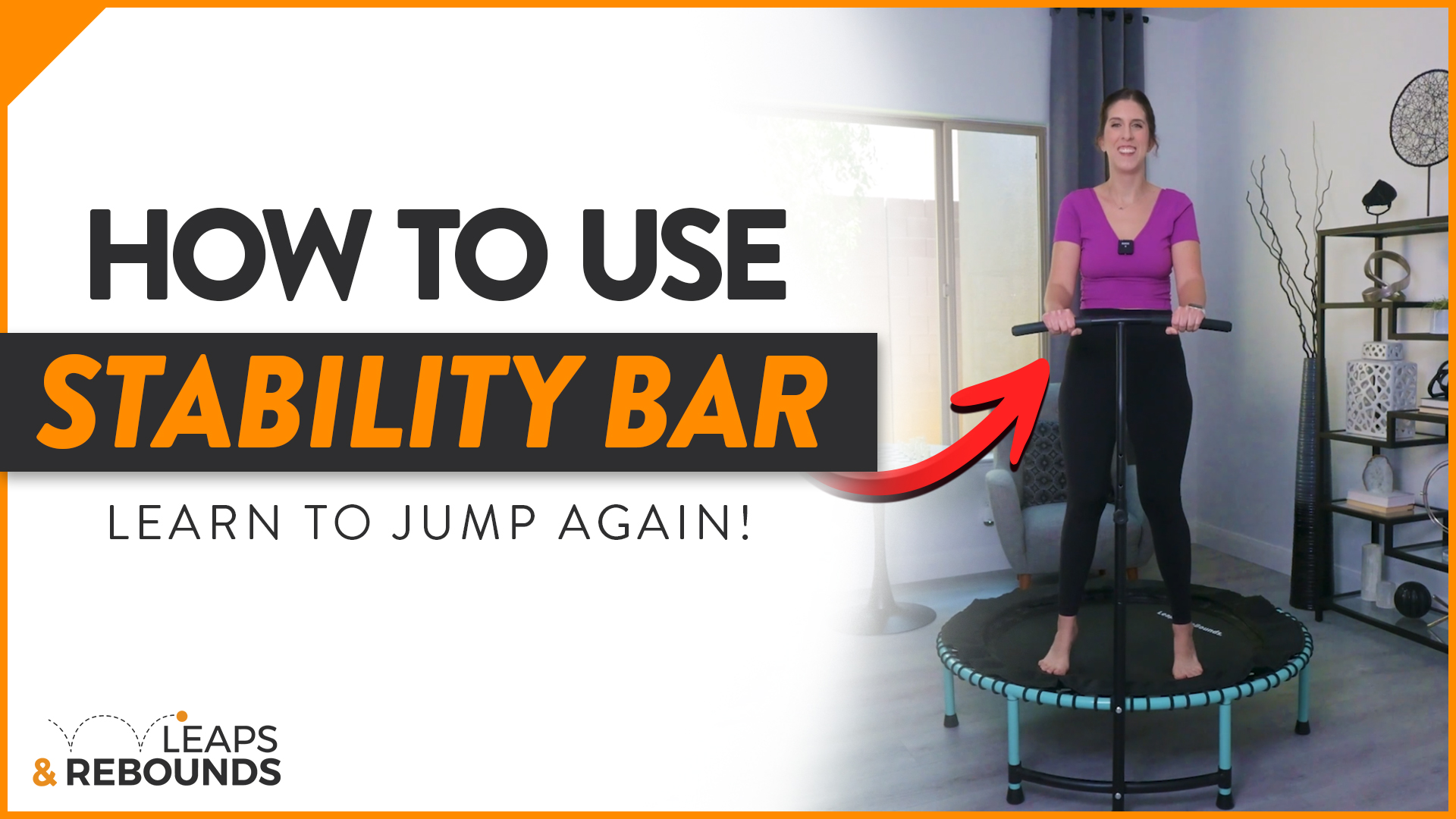
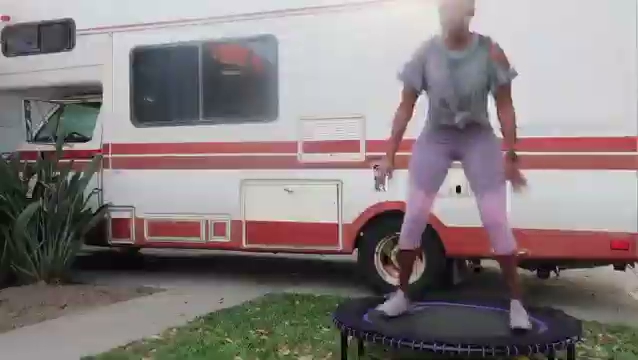




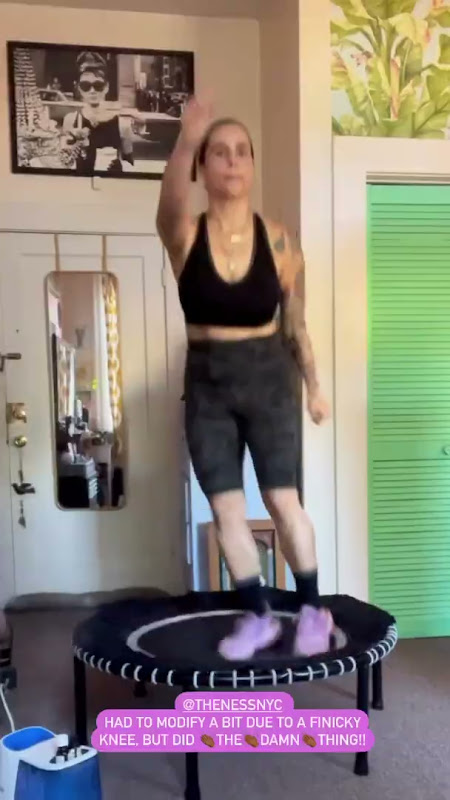




So, you've probably seen those mini trampolines, right? They look like a lot of fun, and honestly, they are. But what you might not realize is just how good they are for you. We're talking about a whole lot of benefits packed into this small piece of equipment. It's not just for kids anymore; adults are jumping on board (literally!) for a surprisingly effective workout. Let's check out some of the awesome things a mini trampoline can do for your fitness.
Key Takeaways
- Mini trampolines offer a low-impact cardio workout that's easy on your joints.
- Rebounding works multiple muscles at once, improving balance and coordination.
- This exercise helps stimulate lymphatic drainage, aiding your body's natural detox process.
- Jumping on a mini trampoline can strengthen bones and engage deep core muscles.
- It's a fun way to boost your mood, reduce stress, and increase energy levels.
Discover the Full-Body Workout Benefits of a Mini Trampoline
A Joint-Friendly Cardiovascular Boost
Forget pounding the pavement and stressing out your knees. Rebounding, or jumping on a mini trampoline, offers a seriously effective way to get your heart pumping without all the harsh impact. The bouncy surface actually absorbs a lot of the shock, making it way easier on your joints – think ankles, knees, and hips. This means you can get a great cardio workout, improve your circulation, and build endurance while being much kinder to your body. It’s a fantastic option if you’re recovering from an injury, dealing with joint pain, or just want a more comfortable way to stay fit.
Engaging Multiple Muscle Groups Simultaneously
When you jump on a mini trampoline, you're not just working your legs. Your body has to work hard to keep you stable and upright. This means your core muscles – your abs and back – are constantly engaged to help you balance. Even your glutes and thighs get a good workout as you push off and land. It’s like a full-body engagement session every time you hop on. You’ll be surprised how many different muscles you feel working after just a few minutes.
Enhancing Balance and Coordination
Staying balanced on a trampoline isn't as easy as it looks. Each bounce challenges your proprioception, which is your body's ability to sense its position in space. This constant need to adjust and stabilize helps improve your overall balance and coordination. Over time, this can translate to better performance in other sports and activities, and it’s especially helpful for preventing falls as we get older. It’s a fun way to train your brain and body to work together more effectively.
Unlock Enhanced Health Through Rebounding
Stimulating Lymphatic Drainage for Detoxification
Think of your lymphatic system as your body's internal cleanup crew. It's a network of vessels that carries waste products and toxins away from your tissues. Unlike your circulatory system, which has the heart to pump blood, the lymphatic system relies on movement to get things flowing. This is where rebounding really shines. Every gentle bounce you do on a mini trampoline acts like a pump, encouraging lymph fluid to move. This helps your body get rid of cellular waste more efficiently, which can make you feel less sluggish and support your immune system's ability to fight off sickness. It's a pretty neat way to help your body do what it already does, just a bit better.
Strengthening the Heart and Improving Circulation
Jumping on a mini trampoline is a fantastic way to get your heart pumping. It raises your heart rate into a zone that's great for building cardiovascular strength without being too intense. Regular rebounding sessions can lead to a stronger heart muscle and better blood circulation throughout your body. This means more oxygen-rich blood gets delivered to your organs and muscles, which can help you feel more energetic and reduce your risk of heart-related issues over time. It's a simple yet effective method to keep your ticker in good shape.
Boosting Immune Response and Energy Levels
When your lymphatic system is working well, your immune system gets a boost. By helping to clear out waste and toxins, rebounding supports the cells that fight off infections. Plus, improved circulation means your body is better at transporting immune cells where they're needed. Many people report feeling more energized after a rebounding session, and this isn't just in their heads. It's a direct result of better cellular function and waste removal. It's like giving your whole system a refresh, leaving you feeling more alert and ready to take on the day.
Beyond Cardio: The Surprising Benefits of a Mini Trampoline
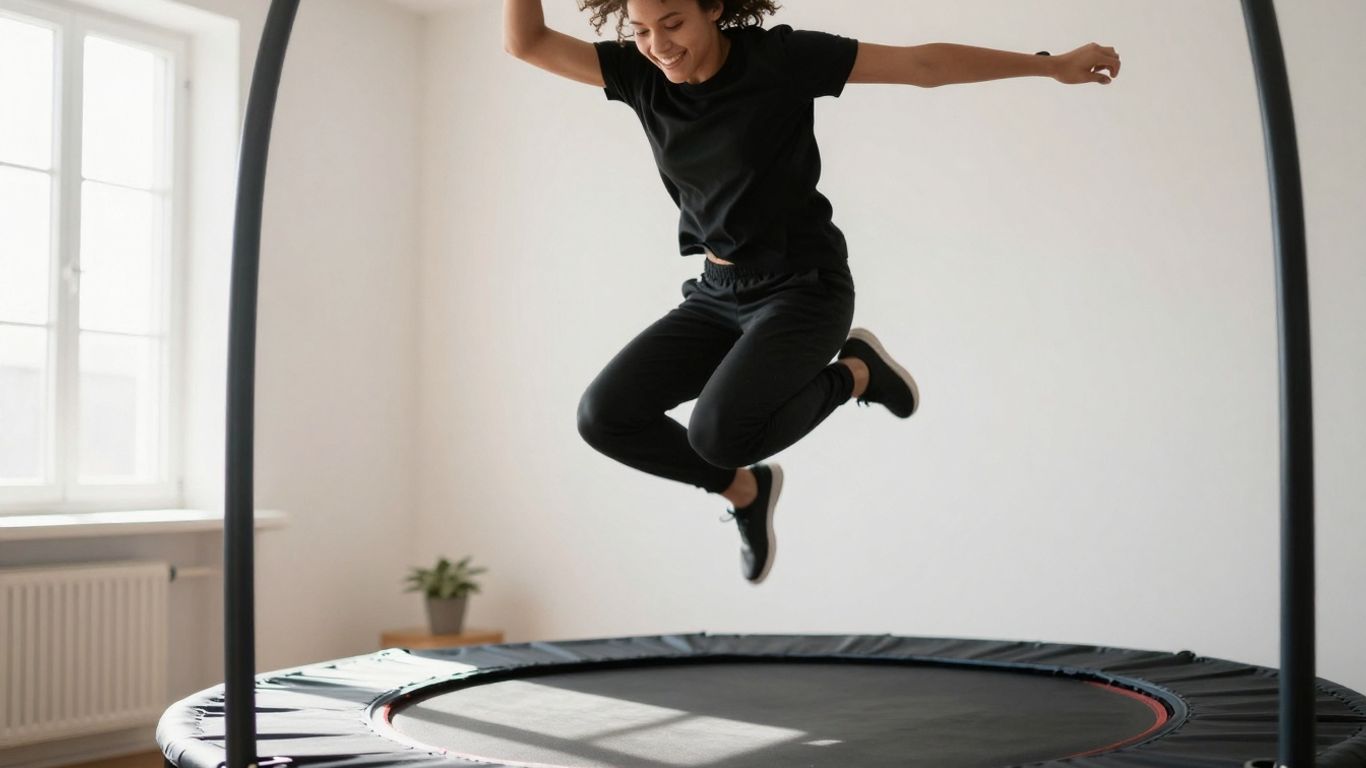
So, we've talked about how a mini trampoline gets your heart pumping, but honestly, that's just the beginning. This bouncy little machine does way more than just give you a cardio workout. It's like a secret weapon for your body that you might not even realize you have.
Promoting Bone Growth and Preventing Loss
It might sound weird, but bouncing on a trampoline actually helps your bones. When you jump, your bones experience a little bit of stress, and that's a good thing! It signals your body to build stronger bones. Think of it like this: your bones get stronger when they're challenged, just like your muscles do. This can be super helpful in preventing bone loss as we get older, which is something a lot of people worry about. It's a low-impact way to give your skeletal system a good workout.
Burning More Calories Than Traditional Jogging
Here's a fun fact: you can actually burn more calories bouncing on a mini trampoline than you might think, sometimes even more than jogging! It sounds too good to be true, right? But because you're constantly engaging your muscles to stabilize yourself and push off, your body works harder. Plus, it's way easier on your knees and ankles than pounding the pavement. This makes it a fantastic option if you're looking to manage your weight or just get a more efficient workout. A good rebounding session can really help with weight loss.
Engaging Deep Core Muscles for Stability
Ever feel like your midsection is just… there? Bouncing on a trampoline forces your core muscles to work overtime. You know, those deep muscles that are hard to target with regular exercises? They have to fire up constantly to keep you balanced and upright. This means you're not just working your legs and arms; you're building a stronger, more stable core without even really trying. It's pretty neat how something so fun can also build up your stability.
The constant need to adjust your balance while rebounding engages muscles you might not even know you have, leading to improved posture and a more resilient body overall.
Here's a quick look at how it stacks up:
- Bone Health: Stimulates bone density, potentially slowing down age-related loss.
- Calorie Burn: Often burns more calories per minute than jogging due to constant muscle engagement.
- Core Strength: Actively works deep abdominal and back muscles for better stability.
So, while the cardio benefits are great, don't overlook these other amazing perks of having a mini trampoline around. It's a surprisingly versatile piece of equipment!
Elevate Your Well-being with Rebounding
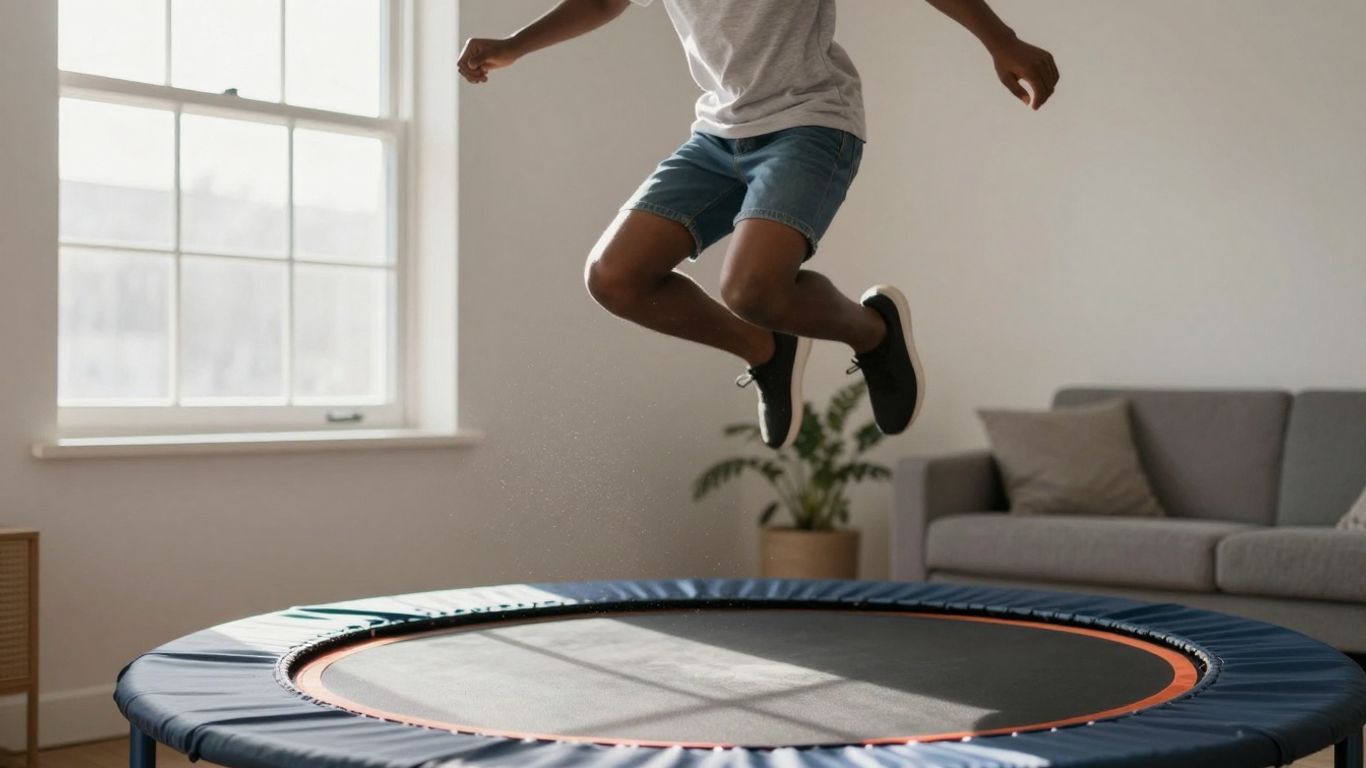
Boosting Mood and Releasing Endorphins
Jumping on a mini trampoline isn't just about getting your heart rate up; it's a fantastic mood booster too. That feeling of weightlessness and the simple act of bouncing can really lift your spirits. It's like a mini-vacation for your brain, helping to shake off the daily grind. The rhythmic motion is surprisingly effective at triggering the release of endorphins, those feel-good chemicals that naturally improve your outlook. Think of it as a fun, accessible way to inject a little joy into your day.
Reducing Stress and Cortisol Levels
Life can get pretty hectic, and our bodies often hold onto that stress. Rebounding offers a unique way to combat it. The physical exertion helps to burn off nervous energy, and the focus required to stay balanced can act as a form of active meditation. Studies suggest that this type of exercise can actually help lower cortisol, the body's primary stress hormone. It's a gentle yet powerful tool for finding a bit more calm.
Here's a quick look at how rebounding can help manage stress:
- Physical Release: Shakes off tension and pent-up energy.
- Mental Focus: Requires concentration, pulling you away from worries.
- Hormonal Balance: Aids in reducing stress-related cortisol.
- Improved Sleep: Regular bouncing can lead to more restful nights.
The simple act of bouncing, repeated consistently, can create a positive feedback loop for your mental state. It's not just about the immediate feeling of relief, but about building resilience over time. This makes it a sustainable practice for long-term well-being.
Cultivating a Positive Mindset Through Movement
Beyond the immediate mood lift and stress reduction, rebounding can contribute to a more positive outlook over time. The sense of accomplishment from mastering new bounces or simply sticking to a routine builds confidence. It's a way to connect with your body in a playful manner, reminding you that movement can be enjoyable, not a chore. This shift in perspective can spill over into other areas of your life, making you feel more capable and optimistic. It's a great way to support your lymphatic system and feel good from the inside out.
Integrating Rebounding into Your Fitness Routine
Starting Slowly and Gradually Increasing Intensity
Jumping onto a mini trampoline for the first time can feel a bit wobbly, and that's totally normal. The key here is to not go all out right away. Think of it like learning to walk again, but with more bounce. You want to start with just a few minutes, maybe 10 to 15, and keep the bouncing pretty gentle. A "health bounce," where your feet barely leave the mat, is a great way to begin. This lets your body get used to the motion and helps you find your balance without feeling overwhelmed. As you get more comfortable over a few days or weeks, you can slowly add more time and make the bounces a little higher. It’s all about listening to your body and not pushing too hard too soon.
Incorporating Basic and Advanced Bouncing Techniques
Once you've got the hang of the basic bounce, there's a whole world of moves to explore. Simple things like marching in place on the trampoline or doing gentle side steps can add variety. You can also try "heel digs," where you lightly tap your heels towards your glutes as you bounce. For a bit more challenge, try incorporating some basic jumping jacks or even a gentle twist of your torso.
As your confidence and fitness grow, you can experiment with more dynamic movements. Think about adding small jumps with your knees tucked up, or even trying some light kicks forward. A fun technique to try is the "clock method." Imagine a clock face on your mat. As you bounce, shift your weight slightly towards the 12, 3, 6, and 9 o'clock positions. This isn't about jumping to those spots, but about feeling the weight shift, which engages different muscles and improves your control.
Consistency for Optimal Results
Like any fitness activity, the real magic of rebounding happens when you stick with it. Aim to get on your trampoline regularly. Even short, consistent sessions are better than one long, infrequent workout. Try to aim for at least three to four times a week when you're starting out, and gradually work your way up to five or six days if you can.
The goal isn't to be perfect from day one. It's about showing up for yourself consistently, even when motivation is low. Small, regular efforts build momentum and lead to lasting changes.
Think about scheduling your rebound sessions like any other important appointment. Maybe it's a quick 15-minute bounce first thing in the morning, or a 20-minute session to de-stress after work. Finding a routine that fits your life is the most important part of making it a habit that sticks. Over time, you'll notice a big difference in how you feel, both physically and mentally.
Here's a simple way to track your progress:
- Week 1-2: 10-15 minutes, 3-4 times per week. Focus on basic bounces and finding your rhythm.
- Week 3-4: 15-20 minutes, 4-5 times per week. Introduce marching, side steps, and heel digs.
- Week 5+: 20-30 minutes, 5-6 times per week. Experiment with more advanced moves and the clock method.
Ready to Jump In?
So, we've talked about how bouncing on a mini-trampoline is way more than just a fun way to pass the time. It's a solid workout that's surprisingly good for your whole body, from your heart to your bones, and it doesn't trash your joints like running can. Plus, it's just plain enjoyable, which is a big deal when you're trying to stick with something. If you've been looking for a simple, effective, and dare I say, fun way to get fitter, maybe it's time to give a rebounder a try. You might be surprised at how much you enjoy it and how good it makes you feel.
Frequently Asked Questions
Is rebounding good for my joints?
Yes, rebounding is super gentle on your joints! The trampoline mat soaks up a lot of the bouncing impact, unlike running or jumping on hard ground. This makes it a great choice if you have sore knees or ankles, or just want to be extra careful.
Can a mini trampoline really give me a good workout?
Absolutely! Jumping on a mini trampoline works your whole body. It gets your heart pumping for a cardio workout, makes your muscles work to keep you balanced, and even helps improve your coordination. It’s way more than just bouncing around!
How much time do I need to spend rebounding to see results?
You don't need to spend hours! Even 10-15 minutes a day can make a difference. Start slow and gradually increase how long you bounce and how hard you go. Consistency is the most important thing to get the best benefits.
Does rebounding help with losing weight?
It sure can! Rebounding burns a surprising amount of calories, sometimes even more than jogging, because it uses so many muscles to keep you stable. Plus, because it's easy on your body, you can often bounce for longer, helping you burn even more energy.
What is lymphatic drainage and how does rebounding help?
Think of your lymphatic system like your body's cleanup crew. Rebounding's up-and-down motion acts like a pump for this system, helping it move waste and toxins out of your body more easily. This can help you feel less tired and boost your overall health.
Is rebounding just for cardio, or does it help other parts of my body too?
It does so much more than just cardio! Rebounding is fantastic for improving your balance and making your core muscles stronger. It even helps build bone density, which is super important for keeping your bones strong as you get older. Plus, it's a great mood booster!


0 comments