









So, you've seen those mini trampolines around and wondered if they're more than just a fun throwback. Turns out, they're actually a pretty neat way to get a workout in. Forget pounding the pavement or feeling like you're going to break a joint. Bouncing on a mini trampoline, or rebounding as it's called, offers a bunch of good stuff for your body and even your mind. Let's check out why these little trampolines are becoming a big deal in the fitness world.
Key Takeaways
- Mini trampoline exercises are easy on your joints, making them a great option for many people.
- Bouncing regularly can really help your heart and circulation get stronger.
- It's not just about your legs; rebounding works your core and even your upper body.
- The fun of bouncing can actually make you feel happier and less stressed.
- To get the most out of it, remember to use good form and take it easy at first.
Discover the Many Mini Trampoline Exercises Benefits
You know, that little trampoline you might have had as a kid? Turns out, it's actually a pretty great tool for getting fit. It's not just about bouncing around and having fun, though that's part of it! Using a mini trampoline, often called rebounding, offers a bunch of good things for your body that you might not expect.
A Low-Impact Approach to Fitness
One of the biggest wins with mini trampolines is how gentle they are on your body. Unlike running on pavement or jumping jacks that can really jar your knees and ankles, the trampoline surface absorbs a lot of that shock. This means you can get a really good workout without putting a ton of stress on your joints. It's a fantastic option if you have any joint pain, are recovering from an injury, or just want to be kinder to your body long-term.
Enhancing Cardiovascular Health
Don't let the 'low-impact' fool you; rebounding can seriously get your heart pumping. The rhythmic bouncing action is a great way to raise your heart rate, which is exactly what you want for improving your cardiovascular system. Regular sessions can help build endurance, making everyday activities feel easier and reducing your risk of heart-related issues. It's a fun way to give your ticker a good workout.
Boosting Lymphatic System Function
This is a bit of a hidden gem benefit. Your lymphatic system is like your body's drainage system, helping to get rid of waste products. Unlike your circulatory system, it doesn't have a pump. Bouncing on a mini trampoline helps to move lymph fluid around your body, which can aid in detoxification and support your immune system. It's like giving your internal cleanup crew a helpful nudge.
The constant up-and-down motion, combined with the slight resistance of gravity, works your muscles in a way that traditional exercises often miss. It's a full-body engagement that feels more like play than work.
Engaging Your Entire Body Through Rebounding
It might seem like all you're doing is bouncing up and down, but a mini trampoline workout is actually a full-body affair. Seriously, you'll feel it in places you didn't expect!
Activating Leg Muscles for Power
Every single bounce you do is powered by your legs. This means your quads, hamstrings, and calves are all getting a good workout. It's not just about jumping high; it's about controlled movement, which really gets those muscles working. Think about it: you're constantly pushing off and absorbing impact, and your leg muscles are doing the heavy lifting (or bouncing, in this case).
Strengthening Core Stability
Keeping your balance on a trampoline isn't as easy as it looks. As you bounce, your body naturally makes tiny adjustments to stay upright. This constant micro-correction is fantastic for your core muscles – your abs, obliques, and lower back. A strong core is key for almost everything you do, from standing tall to picking up groceries. It's like a built-in stability trainer.
Improving Upper Body Tone
While your legs and core are the main stars, your upper body doesn't get off scot-free. When you do arm movements during your workout, whether it's swinging your arms for momentum or holding weights, you're adding resistance. This helps tone your arms, shoulders, and even your back. It's a surprisingly complete workout that engages more than just your lower half.
Versatile Workouts for Every Fitness Goal
One of the coolest things about mini trampolines is how adaptable they are. Seriously, you can tailor your bouncing sessions to pretty much any fitness objective you've got. Whether you're aiming to build up your stamina, get a bit stronger, or just want to torch some calories, this bouncy contraption can handle it.
Cardiovascular Routines for Endurance
If you're looking to boost your lung capacity and get your heart pumping, cardio routines on the mini trampoline are fantastic. You can get a great aerobic workout by simply jumping for extended periods. Try incorporating different types of jumps, like jogging in place, high knees, or jumping jacks, to keep your heart rate up. Aim for at least 20-30 minutes of continuous bouncing to really build that endurance. It's a low-impact way to improve your cardiovascular health, which is a big win for your joints.
Strength Training with Bodyweight
Don't think you can't build muscle on a trampoline! You absolutely can. By changing up your movements, you can target different muscle groups. Squatting down low with each bounce works your legs and glutes. You can also do lunges or even try some simple push-ups on the edge of the trampoline if you're feeling adventurous. Holding light weights while you bounce can add an extra challenge, too. It's a fun way to add resistance without needing a whole gym's worth of equipment.
High-Intensity Interval Training (HIIT) Integration
For those who love a challenge and want to maximize calorie burn in a shorter time, HIIT is where it's at. This involves short bursts of really intense bouncing followed by brief recovery periods. Think 30 seconds of all-out jumping, then 15 seconds of rest, and repeat. You can mix in plyometric moves like tuck jumps or burpees (if you're brave!) during the intense intervals. This method is super effective for boosting your metabolism long after your workout is done. It's a great way to get started with trampoline exercises and see how you can mix up your routine.
The beauty of the mini trampoline is its ability to be both a gentle tool for recovery and a powerful instrument for intense training. You can adjust the intensity simply by changing your speed, the height of your jumps, or the complexity of the movements. This makes it suitable for almost anyone, regardless of their current fitness level.
Here's a quick look at how you might structure a workout:
- Cardio Focus: 25 minutes of continuous bouncing with varied foot patterns.
- Strength Focus: 15 minutes of squat jumps, alternating lunges, and plank variations on the trampoline edge.
- HIIT Focus: 20 minutes alternating 40 seconds of intense jumping with 20 seconds of rest.
It's all about finding what works for you and keeping things interesting. Mixing these types of workouts throughout the week will give you a well-rounded fitness plan.
Beyond Physical Gains: Mental Well-being
It's easy to get caught up in the physical stuff – the calories burned, the muscles worked. But honestly, the mental perks of bouncing on a mini trampoline are just as big, if not bigger. Think about it: when was the last time you did something that felt like pure, unadulterated fun while also being good for you? That's the magic of rebounding.
Releasing Endorphins for Mood Enhancement
That feeling of happiness after a good workout? That's endorphins at play. Bouncing around on a mini trampoline is a fantastic way to get those feel-good chemicals flowing. It's like a natural mood booster, helping to lift you out of a funk or just make a good day even better. Seriously, a few minutes of bouncing can genuinely shift your outlook. It's not just about getting your heart rate up; it's about giving your brain a little happy boost too.
Reducing Stress Through Playful Movement
Life throws a lot at us, and sometimes you just need an outlet. Rebounding offers just that. The repetitive, rhythmic motion can be incredibly calming, almost like a moving meditation. Plus, the sheer act of bouncing is playful. It taps into that childlike joy we often lose as adults. Instead of dwelling on worries, you're focused on the bounce, the rhythm, and the simple act of movement. It's a great way to shake off tension and clear your head.
Increasing Motivation and Adherence
Let's be real, sticking to an exercise routine can be tough. Boredom is a major culprit. But with a mini trampoline, boredom is rarely an issue. The variety of movements you can do, combined with the inherent fun factor, makes it something you'll actually want to do. It doesn't feel like a chore; it feels like playtime. This makes it much easier to stay consistent, which is key to seeing any kind of results, physical or mental.
The simple act of bouncing can be surprisingly effective at distracting you from daily stressors. When you're focused on maintaining your balance and rhythm, there's less mental space for worries to creep in. It's a physical activity that doubles as a mental reset button, offering a much-needed break from the usual mental chatter.
Maximising Your Mini Trampoline Experience
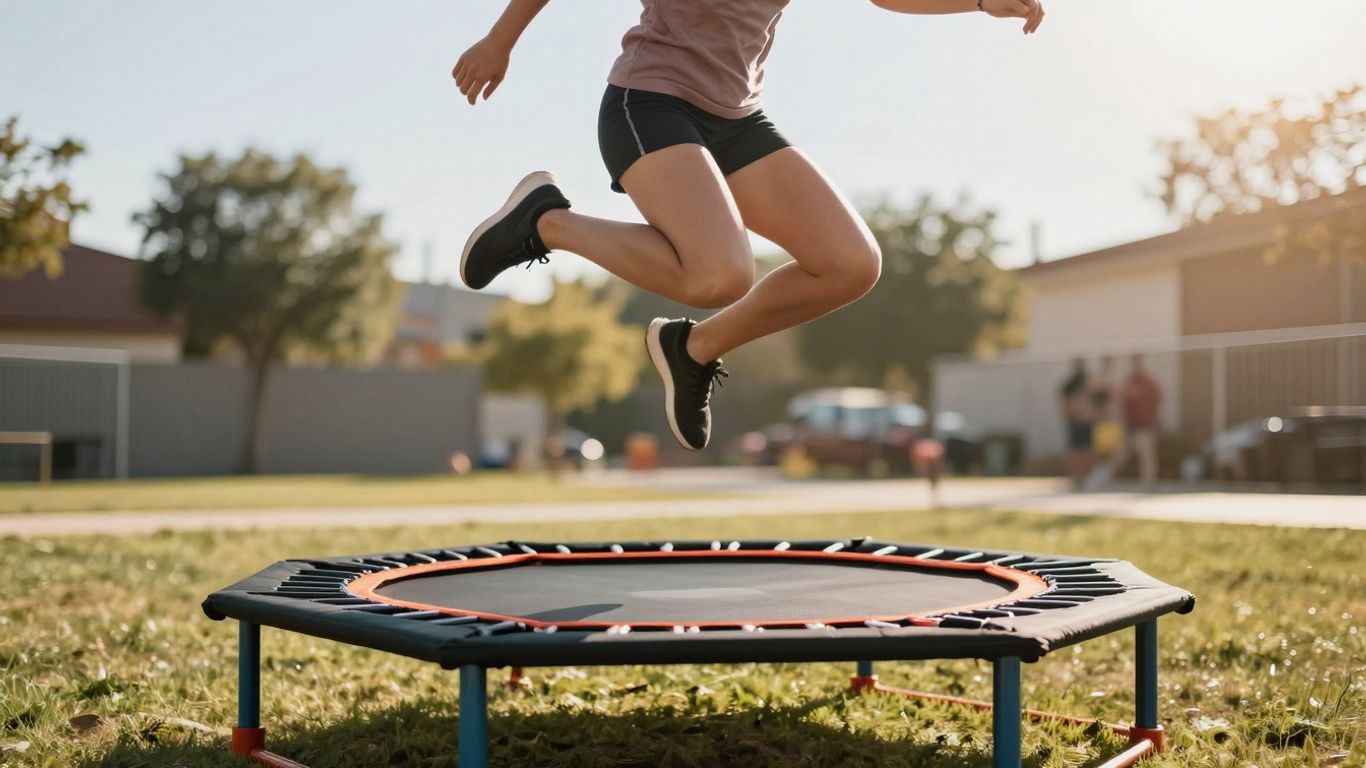
So, you've got your mini trampoline and you're ready to bounce your way to fitness. That's awesome! But to really get the most out of it, there are a few things to keep in mind. It's not just about jumping up and down randomly; a little bit of thought goes a long way.
Prioritising Proper Form and Technique
This is probably the most important part. When you're on the trampoline, try to keep your posture tall. Imagine a string pulling you up from the top of your head. Engage your core – think about pulling your belly button towards your spine. This helps with stability and protects your back. When you land, try to do it softly, bending your knees just a little. Landing with control is key to making this a low-impact workout. Avoid just thudding down. Focus on each movement, whether it's a simple bounce or something more complex. It might feel a bit awkward at first, but paying attention to how you move will make your workouts way more effective and safer.
Gradual Progression and Workout Variety
Don't try to do too much too soon. Your body needs time to get used to the unique way a mini trampoline works your muscles and balance. Start with shorter sessions, maybe 10-15 minutes, and gradually increase the time as you feel stronger. Mix things up too! Doing the same routine every single day can get boring and might stop you from seeing new results. Try different types of bounces, add some arm movements, or even try simple exercises like squats or lunges while you bounce.
Here's a simple way to think about varying your workouts:
- Cardio Focus: Aim for longer periods of consistent bouncing to get your heart rate up.
- Strength Focus: Incorporate exercises like jumping jacks, high knees, or even controlled squats on the trampoline.
- Balance Focus: Try standing on one leg for short periods or doing slow, controlled movements.
The Importance of Warm-ups and Cool-downs
Just like any exercise, you wouldn't just jump into a tough workout without preparing your body, right? A good warm-up gets your blood flowing and your muscles ready. Try some light jogging in place, some gentle arm circles, and a few minutes of easy bouncing. This helps prevent strains and makes your workout feel better from the start.
And don't forget the cool-down! After you finish your main workout, spend about 5 minutes doing some slower, gentler bounces. Follow this up with some simple stretches, focusing on your legs and core. This helps your heart rate return to normal and can help reduce muscle soreness later on.
Think of your warm-up and cool-down as the bookends to a great workout. They might seem like small parts, but they make a big difference in how your body feels and performs.
Safety First: Considerations for Rebounding
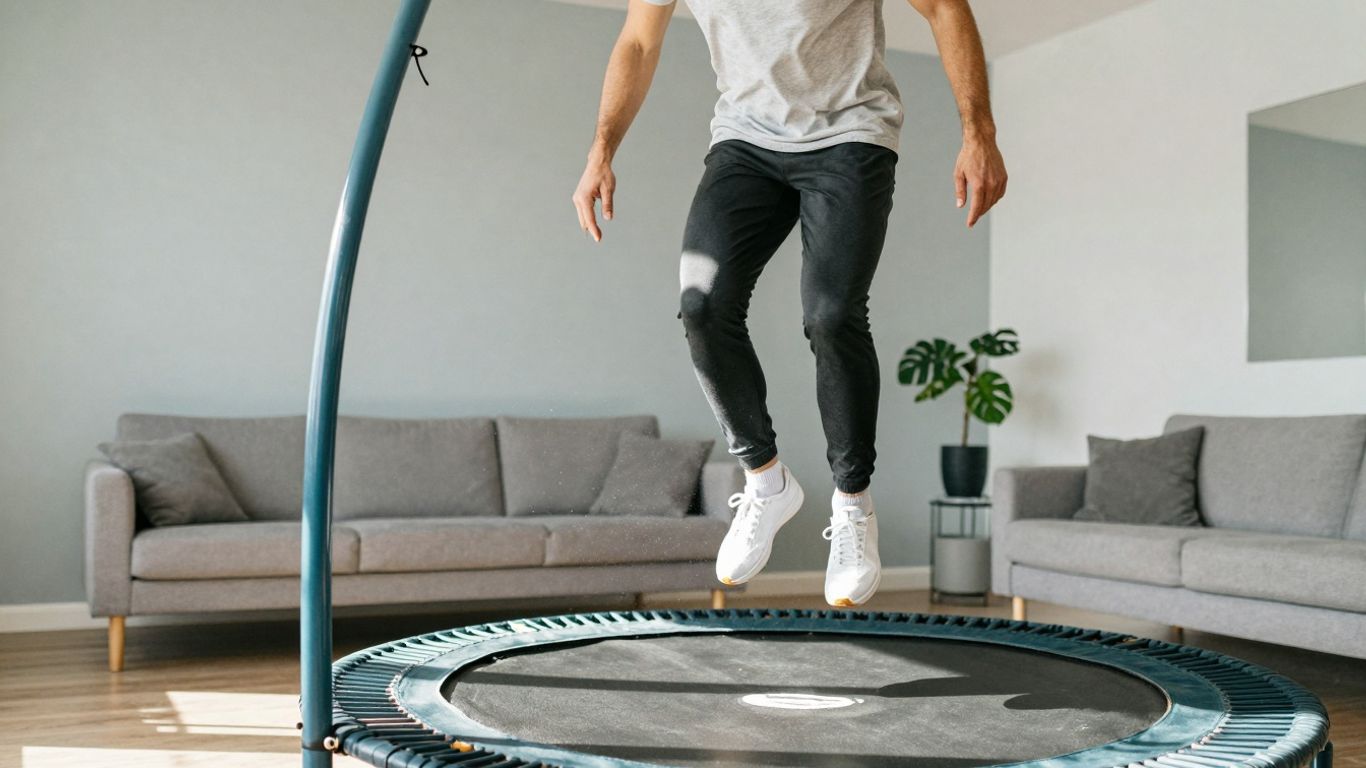
Alright, let's talk about staying safe while you're getting your bounce on. Mini trampolines, or rebounders, are fantastic for a workout, but like anything, you've got to be smart about it. It's not just about jumping around; it's about doing it right so you get the benefits without any unwanted trips to the doctor.
Choosing Quality Equipment
First things first, the trampoline itself. You don't want some wobbly thing that feels like it's going to fall apart. Look for a rebounder that's built solid. This usually means a strong frame, good quality springs or bungee cords, and a mat that's securely attached. A well-made trampoline will give you a more stable and predictable bounce, which is key for preventing falls and injuries. Think of it as an investment in your fitness journey. A good rebounder can last for years and will make your workouts much more enjoyable and effective. You can find some great options designed for home use that offer a really good bounce for your fitness goals.
Wearing Supportive Footwear
Now, about your feet. While some people like to go barefoot, wearing the right shoes can make a big difference in safety and comfort. You want athletic shoes that offer good support and cushioning. This helps absorb some of the impact and keeps your feet stable on the mat. Avoid shoes that are too loose or have slippery soles. The goal is to have good grip and stability so you don't slide around unexpectedly. It might seem like a small detail, but the right footwear can really help you feel more secure during your bounces.
Listening to Your Body's Limits
This is probably the most important point. Your body is pretty good at telling you what it can handle, you just have to pay attention. Start slow, especially if you're new to rebounding. Don't try to do a 30-minute intense workout on day one. Gradually increase the time and intensity as you get stronger. If something feels painful, stop. It's okay to take breaks. Pushing too hard, too soon, is a fast track to getting hurt. Remember, consistency over time is what really builds fitness, not one heroic, painful session.
- Start with short sessions: Aim for 5-10 minutes initially.
- Focus on controlled movements: Don't just flail around.
- Stay hydrated: Drink water before, during, and after your workout.
- Modify exercises: If a move is too difficult, find an easier version.
Pushing yourself is good, but knowing your limits is better. It's about working smart, not just hard. Respecting your body's signals means you can keep exercising safely and consistently, reaping all the rewards without the setbacks.
Ready to Jump In?
So, there you have it. Mini trampolines aren't just for kids anymore. They're a seriously good way to get your body moving, boost your mood, and give your joints a break. Whether you're looking to get your heart pumping with some cardio, build a little strength, or just have some fun while you sweat, this bouncy little gadget can really help. It's pretty amazing how something so simple can offer so much. Give it a try – you might be surprised at how much you enjoy it and how good you feel afterwards.
Frequently Asked Questions
What exactly is rebounding?
Rebounding is just a fancy word for jumping or bouncing on a mini-trampoline. It's a fun way to get your body moving and it's way easier on your joints than running or jumping on a hard surface.
Is rebounding good for my heart?
Yes! Bouncing up and down gets your heart pumping, which is great for your cardiovascular health. It helps your heart get stronger and can improve your endurance over time.
Can rebounding help me build muscle?
Definitely! When you bounce, you're using your leg muscles a lot. Plus, trying to stay balanced on the trampoline makes your core muscles work harder. Even your arms get a workout when you move them around.
Is rebounding safe for my joints?
One of the best things about rebounding is that it's low-impact. The trampoline absorbs a lot of the shock, so it's much gentler on your knees, ankles, and hips compared to other exercises.
How can I make my trampoline workouts more exciting?
You can switch things up by trying different types of bounces, adding arm movements, or even doing exercises like squats and lunges while you bounce. Mixing in high-intensity bursts followed by short rests, known as HIIT, can also make it more challenging and fun.
What should I do to stay safe while bouncing?
Always make sure your mini-trampoline is sturdy and in good condition. Wear shoes that give you good support. And most importantly, listen to your body! Don't push yourself too hard, especially when you're just starting out.


0 comments