









Thinking about shaking up your workout routine? Maybe you've seen those big, colorful balls at the gym and wondered what all the fuss is about. Well, let me tell you, the exercise fitness ball is a seriously underrated piece of equipment. It might look simple, just an inflatable sphere, but this thing can really make a difference in how you train. We're going to talk about what makes this exercise fitness ball so great and how you can use it to get stronger and more balanced. It’s not just for crunches, either; this ball can be used for a whole lot more.
Key Takeaways
- The exercise fitness ball, also known as a stability or Swiss ball, is a versatile tool that can significantly improve your workouts.
- Choosing the right size, material, and inflation level for your exercise fitness ball is important for safety and effectiveness.
- Using an exercise fitness ball engages your core muscles more deeply, leading to better stability and posture.
- Beyond core strength, the exercise fitness ball helps improve overall balance, coordination, and muscle activation.
- Incorporate the exercise fitness ball into your routine with basic exercises, but be mindful of common mistakes to get the most benefits.
Understanding The Exercise Fitness Ball
Ever seen those big, colorful balls at the gym and wondered what they're all about? These exercise fitness balls, sometimes called stability balls or Swiss balls, are actually pretty neat tools that can really shake up your fitness routine. They might look simple, just a big inflatable sphere, but they can make a big difference in how you train. They add a challenge to exercises you already do, forcing your body to work harder to stay steady.
Why Core Strength Is Crucial
Your core isn't just your abs; it's a whole group of muscles around your midsection, including your back and hips. Having a strong core is super important for pretty much everything you do. It helps with your posture, makes everyday movements easier, and can even help prevent injuries. Think about it: whether you're lifting groceries, playing with kids, or just standing up straight, your core is working to keep you stable and balanced. A weak core can lead to aches and pains, especially in your lower back.
How The Exercise Fitness Ball Engages Your Core
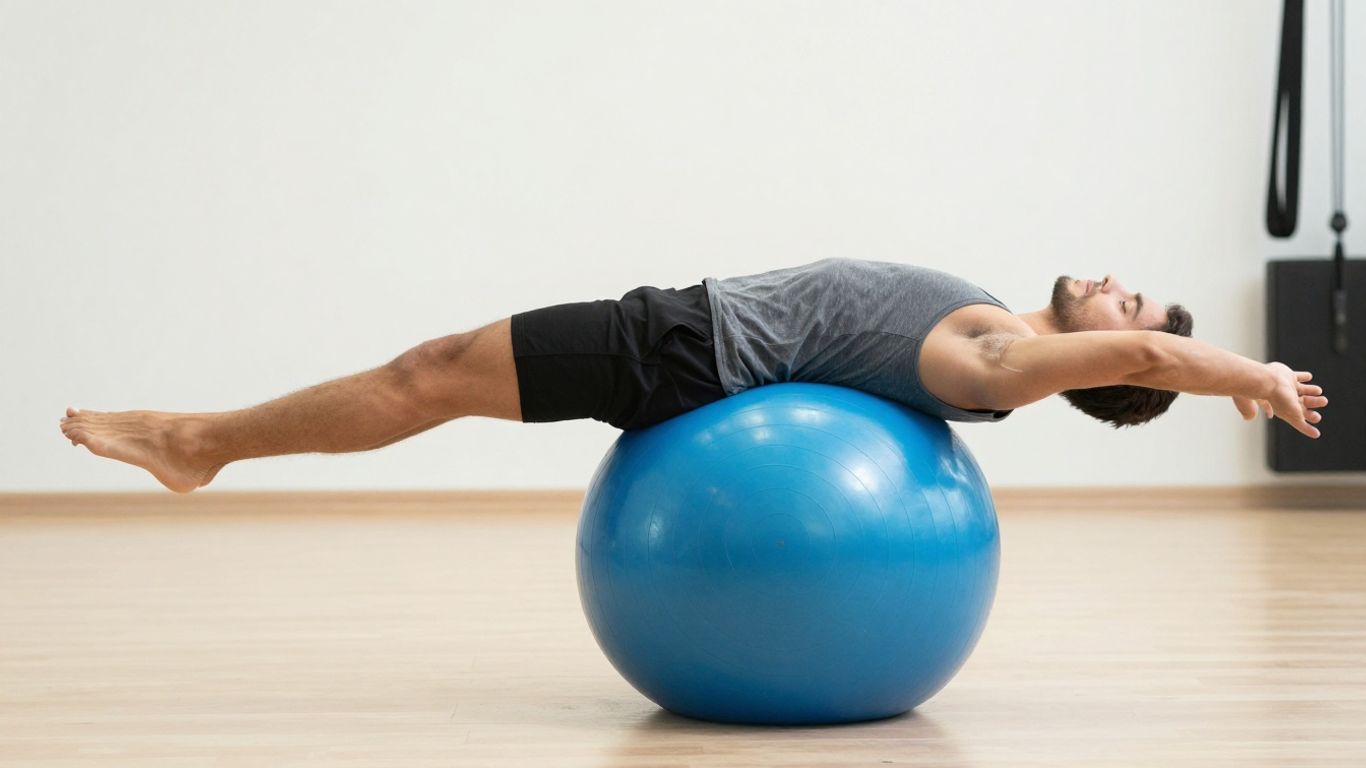
When you use an exercise fitness ball, you're basically creating an unstable surface. Unlike doing exercises on the floor, the ball moves and shifts. This means your core muscles have to constantly adjust and contract to keep you from falling off. It's like a mini-workout for your core with every single move. Even just sitting on the ball engages these muscles more than sitting on a chair. This constant engagement helps build better stability and control.
Building A Stable Platform For Movement
Because the ball makes things wobbly, it forces your smaller stabilizing muscles, especially around your spine and hips, to wake up and work. This builds a stronger, more resilient core. A well-trained core acts like a solid foundation for all your other movements. When your core is strong, your arms and legs can move more powerfully and efficiently because they have a stable base to push off from. It's all about creating that solid center so the rest of your body can perform better.
The instability of the ball means your body has to work harder to maintain balance, leading to greater muscle activation and improved coordination.
Choosing Your Ideal Exercise Fitness Ball
So, you're ready to get a fitness ball. Awesome! But hold up a sec before you just grab any old ball. Picking the right one makes a surprisingly big difference in how comfortable and effective your workouts will be. It’s not rocket science, but a few key things will help you find your perfect match.
Selecting The Right Size
This is probably the most important step. If the ball is too big or too small, it just won't feel right, and you'll be struggling instead of strengthening. The goal is to sit on the ball with your feet flat on the floor. When you do this, your knees should be bent at about a 90-degree angle, and they should be roughly level with your hips. If your hips are higher than your knees, the ball is too small. If your knees are higher than your hips, it's too big. Getting the size right means your body is in a better position to work those muscles.
Here’s a general guide to help you out:
- Under 5'4" (163 cm): Look for a 45-55 cm ball.
- 5'5" to 5'11" (165-180 cm): A 55-65 cm ball is usually a good fit.
- 6'0" (183 cm) and taller: Aim for a 65-75 cm ball.
Keep in mind, these are just starting points. Everyone's body is a little different, so if you can, try sitting on a ball before you buy it. It’s worth the effort to get this part right for better form and fewer aches.
Proper Inflation And Material Considerations
Once you've got the size sorted, let's talk about how the ball is made and how much air is in it.
Material Matters: Most balls are made from PVC, which is totally fine for most people. They're usually pretty affordable. However, some higher-quality balls are made from rubber, which can be a bit tougher and might last longer, especially if you plan on using the ball a lot or doing more intense stuff. Some balls also come with an "anti-burst" feature, which is a nice safety addition, though these can cost a bit more.
Inflation is Key: Getting the air pressure just right is super important. If the ball is too soft (underinflated), it'll be squishy and won't give you the stable base you need. It can actually make exercises harder and less effective. On the flip side, if it's too hard (overinflated), it'll be too stiff and bouncy, which isn't ideal and could even be a bit risky. You want it firm enough to support you properly but with just a little bit of give when you push into it. Most balls come with a pump and instructions, but it might take a little fiddling to get it perfect. Don't skip this step – it really impacts your workout.
Picking the right ball isn't just about comfort; it's about safety and making sure you're actually getting the benefits you're looking for. A ball that fits and is properly inflated will help you maintain good form and get the most out of every exercise.
Fundamental Stability Ball Workouts
Alright, so you've got your exercise ball and you're ready to actually use it. That's awesome. This isn't just some fancy pillow for your office chair; it's a tool that can seriously change up your regular fitness routine. Think of it as a way to add a little challenge and get more muscles working during exercises you already know. It's all about making your workouts more dynamic and getting more out of them, muscle-wise.
Getting started with the ball doesn't have to be complicated at all. You can easily add it to exercises you already do to make them tougher. The instability means your body has to work harder just to keep you steady. This is where you really start to feel the burn and see the gains.
Classic Core Strengthening Moves
These are your starting points, the bread and butter of stability ball training. They're designed to get you a feel for how the ball moves and how your body has to react to stay balanced. Focus on smooth, controlled movements and really pay attention to feeling those core muscles engage. Don't worry about speed; good form is way more important right now.
- Stability Ball Crunches: Sit on the ball with your feet flat on the floor, about hip-width apart. Walk your feet forward, letting the ball roll under your back until you're in a stable, reclined position. Your lower back should feel supported. You can place your hands behind your head or across your chest. As you exhale, lift your head and shoulders off the ball, squeezing your abs. Inhale as you slowly lower back down.
- Ball Bridges: Lie on your back with your feet flat on the ball, knees bent. Lift your hips off the ground, squeezing your glutes and core. This move is fantastic for your hamstrings and glutes, and it really makes your core work to keep your hips level.
- Plank with Forearms on Ball: Get into a plank position, but instead of your forearms being on the floor, rest them on the ball. Keep your body in a straight line from your head to your heels. The goal is to keep the ball as still as possible, which means your core is working overtime to prevent wobbling.
Ball Squats For Lower Body Support
Squats are a go-to for leg strength, but adding the ball can offer a unique benefit. When you stand with your back against a wall and place the ball between your lower back and the wall, it helps guide your movement. As you lower into a squat, the ball rolls, allowing for a smoother, more controlled descent. This can help you achieve better depth and form, and it also provides a gentle massage to your back muscles.
Ball Bridges For Glute And Hamstring Engagement
We touched on this in the classic moves, but it's worth highlighting. The bridge exercise is excellent for the back of your body. By placing your feet on the ball, you increase the challenge significantly. Your hamstrings and glutes have to work harder not only to lift your hips but also to stabilize your body against the rolling surface. This makes it a powerhouse move for building strength and definition in those areas.
The instability of the exercise ball forces your stabilizing muscles, especially those in your core, to work much harder than they would on a solid surface. This means you're getting a more complete workout, even with simple movements.
Advanced Core Engagement Techniques
Once you've got a handle on the basic stability ball moves, it's time to really challenge your midsection. These exercises take things up a notch, demanding more control and coordination. They're designed to push your core muscles to work harder, building that solid foundation you're aiming for.
Plank Variations With The Ball
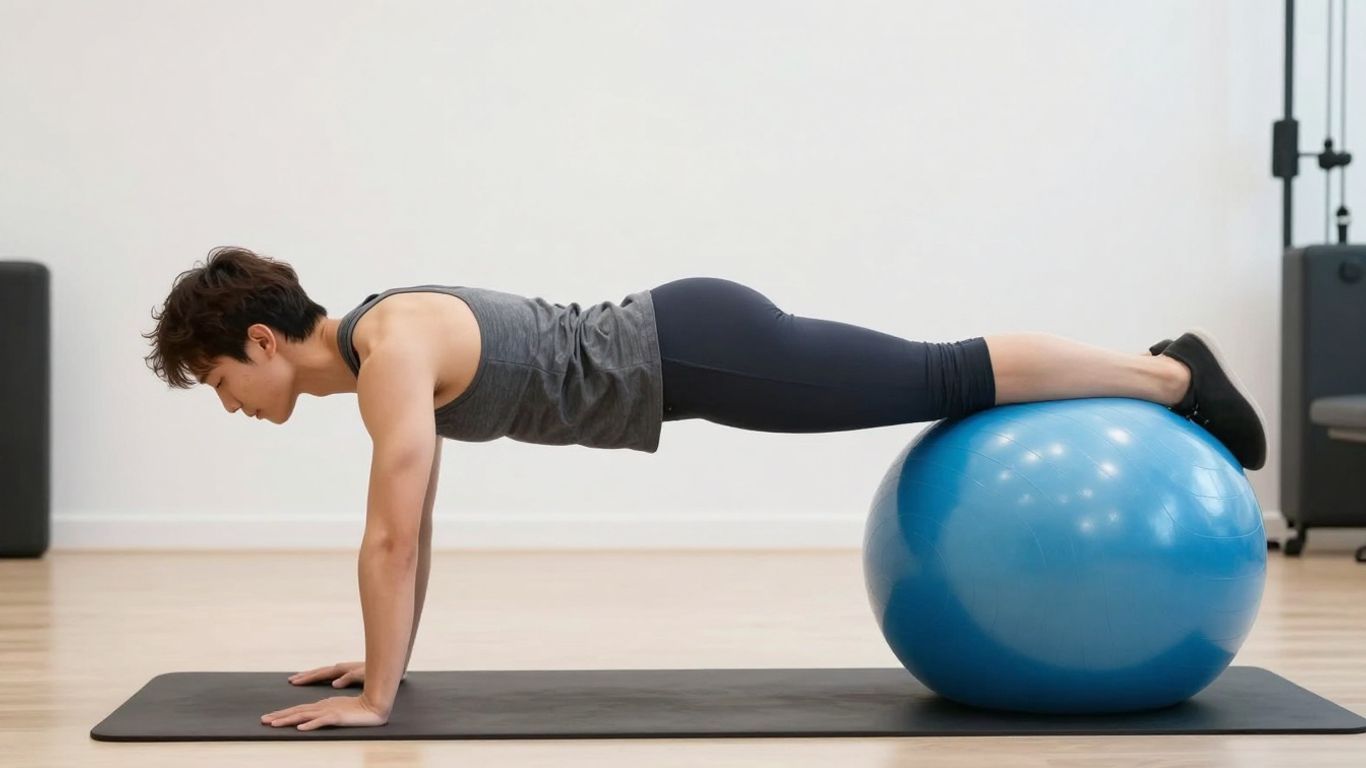
Planks are great, but putting your hands or feet on the ball makes them way more interesting. This instability forces your core to constantly adjust and stabilize. Try holding a standard plank with your hands resting on the ball. Keep your body straight, like a board, and focus on keeping the ball from rolling. It's a subtle difference, but your abs will feel it.
Another option is to place your feet on the ball while your hands are on the floor. This makes your legs heavier and requires your core to work harder to keep your hips from dropping. You can also try a side plank with your feet or hands on the ball for an oblique challenge.
Ball Roll-Outs For Deep Core Activation
This move is a real test of your abdominal strength. Start on your knees with the ball in front of you, forearms resting on its surface. Slowly roll the ball forward, extending your body as far as you can while keeping your core tight and your back flat. Don't let your lower back sag! The goal is to use your abs to pull yourself back to the starting position. It feels intense, but it's fantastic for hitting those deep abdominal muscles that are so important for posture and stability.
Push-Ups With Hands On The Ball
Push-ups are a classic, but placing your hands on the stability ball adds a significant challenge. This instability requires your core to work overtime to keep your body steady. As you lower yourself down and push back up, focus on maintaining a rigid torso. Avoid letting your hips sag or your back arch. It's a great way to build upper body strength while simultaneously giving your core a serious workout. You might find you can do fewer reps than usual, and that's perfectly fine. Quality over quantity is key here.
Maximizing Your Exercise Fitness Ball Experience
So, you've got your exercise ball and you're ready to really mix things up. That's great! This ball isn't just for sitting or doing basic crunches; it's a tool that can seriously spice up your regular fitness routine. Think of it as a way to add a little challenge and a lot more engagement to exercises you already do. It's all about making your workouts more dynamic and getting more out of them, muscle-wise.
Progressive Overload Strategies
It's easy to get excited and want to do everything at once, but that's how injuries happen. The key is slow and steady progress. Think about adding just one new challenging exercise per week, or increasing the reps or hold time of an exercise you already do. Your body will tell you when it's had enough. Pushing through sharp pain is never a good idea. It's better to back off, rest, and try again when you're feeling stronger. Consistency over intensity is the name of the game here.
Here’s a simple way to think about increasing difficulty:
- Increase Reps: If you're doing 10 reps of an exercise, try for 12 or 15.
- Increase Hold Time: For exercises like planks or holds, extend the duration by 5-10 seconds.
- Add Resistance: Use light weights or resistance bands alongside the ball.
- Reduce Base of Support: Make the exercise harder by bringing your feet closer together or lifting one limb.
Consistency Over Intensity
When you're using the exercise ball, it's tempting to go all out every single session. You might feel really motivated one day and want to push yourself as hard as possible. While that drive is good, it's not the best way to see long-term results or stay injury-free. Instead, focus on showing up regularly. Even shorter, less intense workouts done consistently will build strength and endurance much better than occasional, super-hard sessions. Think of it like watering a plant; a little bit every day helps it grow, while flooding it once a week just causes problems.
Building a habit of regular exercise, even if it's just 20-30 minutes a few times a week, will yield better results than sporadic, high-intensity bursts. Your muscles and connective tissues need time to adapt and get stronger, and that happens through consistent effort, not just occasional extreme exertion.
Listening To Your Body
This is probably the most important piece of advice. Your body sends signals all the time, and it's up to you to pay attention. If something feels like a sharp, sudden pain, that's a clear sign to stop. It's not the same as muscle fatigue, which is a normal feeling after a good workout. Learn to tell the difference. If you're feeling overly tired, sore, or just not up to a challenging workout, it's okay to dial it back. Maybe do some lighter stretching on the ball or focus on mobility work instead. Pushing through significant discomfort can lead to strains, sprains, or other injuries that will set you back much further than taking a rest day would.
Here's a quick check-in guide:
- Sharp Pain: Stop immediately. This is not normal fatigue.
- Dull Aches: Might be muscle soreness. Assess if it's manageable or if you need to rest.
- Extreme Fatigue: Consider a lighter session or rest. Your body needs recovery.
- Joint Discomfort: Be cautious. This could indicate poor form or an issue with the exercise.
Keep Rolling With It
So, there you have it. Using a fitness ball is a pretty straightforward way to give your core muscles a good workout. Remember, it's all about being steady and not trying to do too much too soon. Listen to your body, focus on good form, and you'll start to notice a difference. Whether you're doing simple crunches or more involved moves, that ball is going to make your muscles work harder just to keep you stable. Keep at it, stay consistent, and you'll build that strong center you're looking for. Happy training!
Frequently Asked Questions
What exactly is my 'core' and why is it so important?
Your core is like your body's control center. It's not just your abs; it includes muscles in your belly, back, hips, and pelvis. A strong core helps you stand tall, keeps your spine safe, and lets you move smoothly. It's the foundation for everything you do, from lifting groceries to playing sports.
How does a fitness ball make my core work harder?
The ball is wobbly! When you sit or move on it, it shifts around. This forces your deeper core muscles to constantly work to keep you balanced. It's like a mini-workout for your stability muscles happening all the time you're using the ball.
What's the best way to pick the right size fitness ball?
It's all about getting a 90-degree bend in your knees when you sit on it with your feet flat. If your knees are higher than your hips, the ball is too big. If your hips are higher than your knees, it's too small. Generally, taller people need bigger balls.
Can I really get a good workout just doing basic exercises on the ball?
Absolutely! Simple moves like crunches or bridges on the ball are much tougher than doing them on the floor because you have to focus on balance. These basic moves are great for building a solid foundation for your core strength.
What are some advanced ways to use the ball for my core?
Once you're comfortable, try plank variations with your hands or feet on the ball, or ball roll-outs. These moves really challenge your stability and engage those deep core muscles even more intensely.
How do I get better at using the ball without getting hurt?
Start slow and focus on doing the exercises correctly. It's better to do fewer reps with good form than many with bad form. Gradually increase how many reps you do or how long you hold a position. Most importantly, listen to your body – don't push through sharp pain.


0 comments