


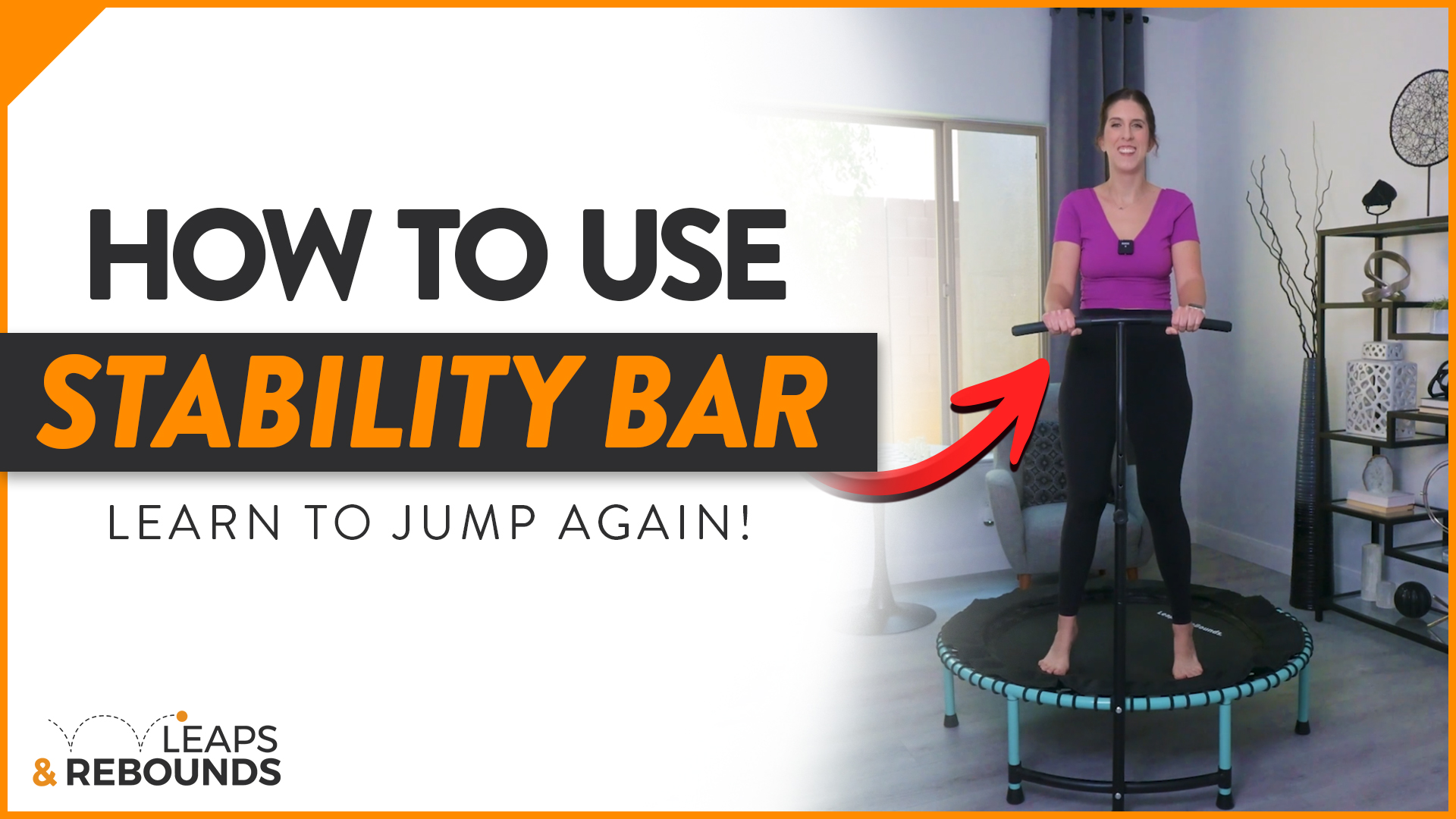










So, I've been reading about this NASA rebounding exercise thing, and honestly, it sounds pretty wild. Apparently, a quick 10-minute bounce on a mini-trampoline can give you the same benefits as a 30-minute run. Who knew jumping around could be so effective? It's all thanks to some old NASA research that's getting a new look. I'm curious to see if it really lives up to the hype and how it could change up our usual workout routines.
Key Takeaways
A 1980 NASA study showed that rebounding is 68% more efficient than jogging at the same oxygen uptake level.
Just 10 minutes of nasa rebounding exercise can offer benefits comparable to a 30-minute run.
Rebounding is a low-impact activity, making it easier on the joints compared to high-impact exercises like running.
This form of exercise helps improve cardiovascular health, builds core strength, and aids in balance.
Beyond physical fitness, rebounding can also stimulate the lymphatic system for detoxification and potentially improve bone density.
The Science Behind NASA Rebounding Exercise
It turns out that NASA, the agency known for sending people to space, has also been looking into how we can stay fit right here on Earth. They did some pretty interesting research a while back, and it turns out that bouncing on a mini-trampoline, or rebounding, is way more effective than we might have thought. This isn't just some new fad; it's backed by science.
NASA's Groundbreaking Study on Rebounding
Back in the 1980s, NASA conducted a study that really got people talking about rebounding. What they found was pretty surprising: a mere 10 minutes of rebounding could give you about the same cardiovascular benefits as 30 minutes of jogging. That's a huge difference in efficiency! The study, which looked at oxygen uptake, showed that rebounding was about 68% more effective. This means you get a better workout in less time, which is a big deal for anyone trying to fit exercise into a busy life.
Efficiency Metrics: 10 Minutes vs. 30 Minutes
Let's break down what that efficiency really means. Imagine you're short on time. Instead of dedicating half an hour to a run, you could potentially get similar results by bouncing for just 10 minutes. This makes rebounding a fantastic option for people who feel like they just don't have enough hours in the day for a full workout. It's about getting more bang for your buck, fitness-wise.
Exercise Type |
Duration |
Relative Effectiveness |
|---|---|---|
Rebounding |
10 mins |
100% |
Jogging |
30 mins |
~32% (equivalent to 10 min rebound) |
Low-Impact Benefits for Joint Health
One of the best things about rebounding is that it's incredibly gentle on your joints. Unlike running or jumping on a hard surface, the mini-trampoline absorbs a lot of the shock. This means you can get a great cardiovascular workout without putting excessive stress on your knees, ankles, and hips. This is why it's so good for astronauts, who need to maintain fitness without risking injury in a microgravity environment, and it's also great for everyday folks, especially those who might have joint issues or are just starting out with exercise. It's a way to move your body vigorously without the harsh impact. The up-and-down motion also helps with toxin flushing and supports your immune system, which is a nice bonus.
The science behind NASA's interest in rebounding highlights its potential as a highly efficient and joint-friendly exercise. This research suggests that traditional notions of workout duration might be outdated, paving the way for more time-effective fitness solutions.
Maximizing Fitness with NASA Rebounding
So, you're curious about how bouncing on a mini-trampoline can seriously amp up your fitness game? It turns out, NASA's research wasn't just about keeping astronauts in shape in space; it revealed some pretty amazing things about how rebounding can benefit us earthbound folks too. It's not just about jumping around; it's a smart way to get a great workout.
Cardiovascular Enhancement Through Bouncing
Let's talk about your heart. Rebounding is fantastic for giving your cardiovascular system a real workout. The up-and-down motion gets your blood pumping efficiently. Studies suggest that just 10 minutes of rebounding can be as effective as a 30-minute jog, which is pretty wild when you think about it. This means you can get a significant aerobic benefit in a fraction of the time. It's a great way to improve stamina and keep your heart healthy, especially if you're short on time.
Here's a quick look at how it stacks up:
Activity |
Duration |
Perceived Effectiveness (Relative) |
|---|---|---|
Rebounding |
10 mins |
High |
Jogging |
30 mins |
High |
This efficiency is a big deal for anyone trying to fit exercise into a busy life. You can really boost your cardiovascular fitness without dedicating hours to the gym.
Building Core Strength and Balance
Beyond just getting your heart rate up, rebounding is surprisingly good for your core and balance. Every time you bounce, your body has to make tiny adjustments to stay upright. This engages those deep abdominal and back muscles that are so important for stability. Think of it like a constant, low-level challenge for your core. Over time, this can lead to better posture and a stronger, more stable midsection. It also helps improve your overall coordination, which is beneficial for everyday activities and preventing falls, especially as we get older.
Engages stabilizing muscles in the core.
Improves proprioception (your body's awareness of its position in space).
Helps develop better balance and coordination.
Lymphatic System Activation and Detoxification
This is where rebounding gets really interesting. Our lymphatic system is like the body's drainage system, and it doesn't have its own pump like the heart does. It relies on movement to circulate. The G-force changes you experience when you rebound, particularly the acceleration and deceleration, help to move lymphatic fluid. This can aid in flushing out toxins and waste products from your body. It's a gentle yet effective way to support your body's natural detoxification processes, which is something many people are looking for in their fitness routines. It's a simple movement with some pretty complex benefits for your internal health.
The rhythmic bouncing action stimulates the lymphatic system, helping to move fluid and waste products throughout the body. This can contribute to a feeling of lightness and improved overall well-being.
Incorporating rebounding into your routine can therefore offer a dual benefit: boosting your physical fitness while also supporting your body's internal cleansing mechanisms. It's a holistic approach that aligns well with modern health goals, making it a standout exercise option. You can find more information on the efficiency of rebounding and its various benefits.
Integrating NASA Rebounding into Your Routine
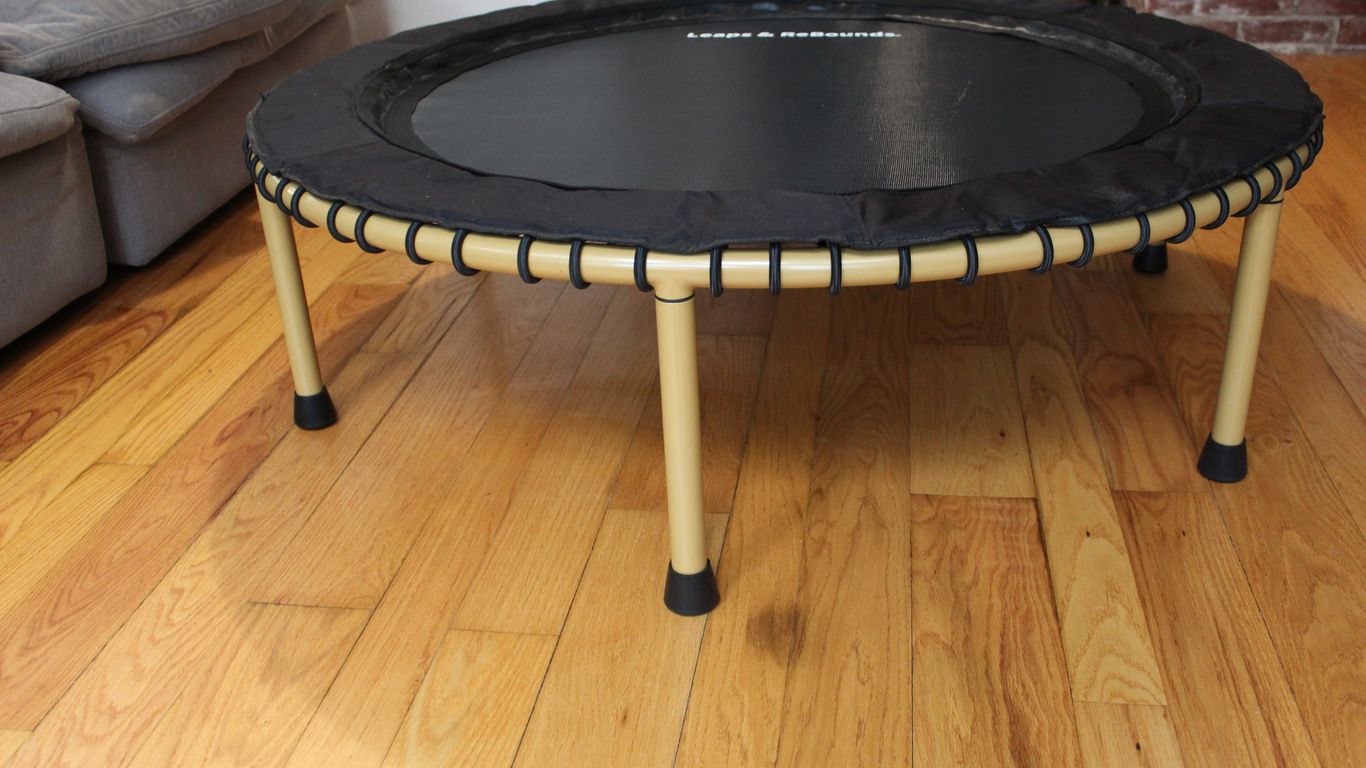
So, you're thinking about giving this NASA rebounding thing a try? Awesome! The best part about it is how easy it is to fit into your life, even if you're super busy. It's not like you need a whole gym setup or hours of free time. Seriously, this workout is designed to be flexible.
Time-Efficient Workouts for Busy Schedules
Let's be real, who has time for hour-long workouts every day? That's where rebounding shines. Remember that NASA study? It basically said that a quick 10-minute bounce session can give you similar benefits to a 30-minute run. Think about that – you can get a solid workout done during your lunch break or first thing in the morning before the chaos starts. It's a game-changer for anyone who feels like they just can't squeeze in exercise. You can find some great beginner routines online to get you started, making it even easier to jump right in.
Adapting Rebounding for All Fitness Levels
One of the coolest things about rebounding is that it's not just for super-fit athletes. Whether you're just starting out or you're already pretty active, you can totally adjust it. Beginners can start with gentle bouncing, focusing on just getting the feel of the trampoline and building a little stamina. As you get stronger, you can increase the intensity, jump higher, or even add some arm movements. It's all about listening to your body and progressing at your own pace. This makes it a really inclusive way to get fit.
Public Reception and Testimonials
People are really starting to catch on to how great rebounding is. You see tons of posts online from folks who've added it to their routine and are seeing results. Many are surprised at how much of a workout they get in such a short amount of time. It's pretty inspiring to see people sharing their progress and how it's helped them stay consistent with their fitness goals. It seems like the word is spreading fast about this efficient way to improve cardiovascular fitness.
The simplicity and effectiveness of rebounding are its biggest draws. It's a workout that feels more like fun than a chore, which is a big deal for sticking with it long-term. Plus, the low impact means fewer worries about aches and pains later on.
Here's a quick look at how you might structure your rebounding sessions:
Beginner: 10-15 minutes of gentle bouncing, focusing on consistent rhythm.
Intermediate: 15-20 minutes, incorporating higher bounces and basic movements like jogging in place.
Advanced: 20-30 minutes, including interval training, jumping jacks, and core exercises on the trampoline.
It's amazing how much you can achieve with just a mini-trampoline and a bit of dedication. You can really see how this method is changing the way people approach their daily exercise.
Beyond Cardiovascular Gains: Holistic Benefits
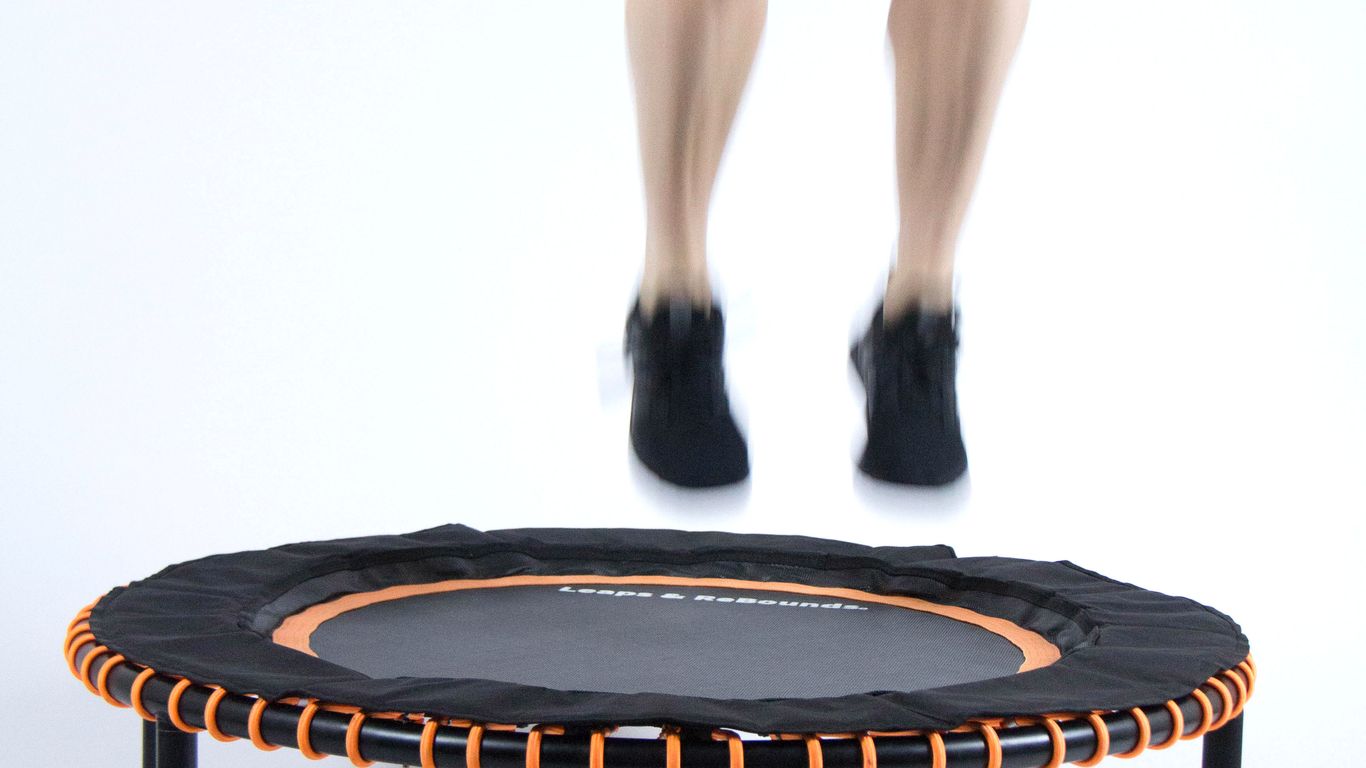
While the heart-pumping action of rebounding is fantastic for your cardiovascular system, the benefits go way beyond just getting your blood flowing. It’s like discovering a hidden treasure chest of wellness perks that touch on many aspects of your health.
Improving Bone Density with Rebounding
Think about it: every time you bounce, your bones are gently loaded. This isn't the jarring impact of running; it's a controlled stress that actually signals your body to build stronger, denser bones. Over time, this can be a game-changer for preventing conditions like osteoporosis. It’s a simple yet effective way to keep your skeletal structure robust throughout your life. This low-impact loading is key to maintaining bone health as we age.
Mental Well-being and Stress Reduction
Ever notice how good you feel after a good bounce? That's not just your imagination. Rebounding is a fantastic mood booster. The rhythmic motion and physical exertion release endorphins, those natural feel-good chemicals in your brain. It’s a great way to shake off the day’s stress, clear your head, and come back feeling more centered and positive. It’s a mini-escape that leaves you feeling refreshed and ready to tackle whatever comes next.
Rebounding as a Full-Body Workout
Don't let the simplicity fool you; rebounding engages a surprising number of muscles. Your legs, of course, are doing the primary work, but your core muscles have to constantly engage to keep you stable. Even your arms and back get a workout as you stabilize and control your movements. It’s a surprisingly complete way to get your body moving.
Here’s a quick look at what rebounding works:
Legs and Glutes: For the main bouncing action.
Core Muscles: For stability and balance.
Back and Abdominals: To maintain posture.
Calves and Ankles: For controlled landings and takeoffs.
The cumulative effect of these small, repeated actions creates a significant physiological response. It’s not just about burning calories; it’s about building a more resilient and functional body from the ground up. The gentle yet consistent stress helps improve proprioception, which is your body's awareness of its position in space, leading to better coordination and fewer accidental stumbles. This makes it a great exercise for people of all ages looking to improve their overall physical competence.
It’s pretty amazing how a simple mini-trampoline can offer so many benefits. From strengthening your bones to lifting your spirits and working your entire body, rebounding truly is a holistic approach to fitness. It’s no wonder NASA’s research highlighted its effectiveness; it’s a smart way to invest in your long-term health. Many find that just a few minutes a day can make a noticeable difference, making it a highly efficient form of exercise [e412].
The Future of Fitness: NASA Rebounding's Impact
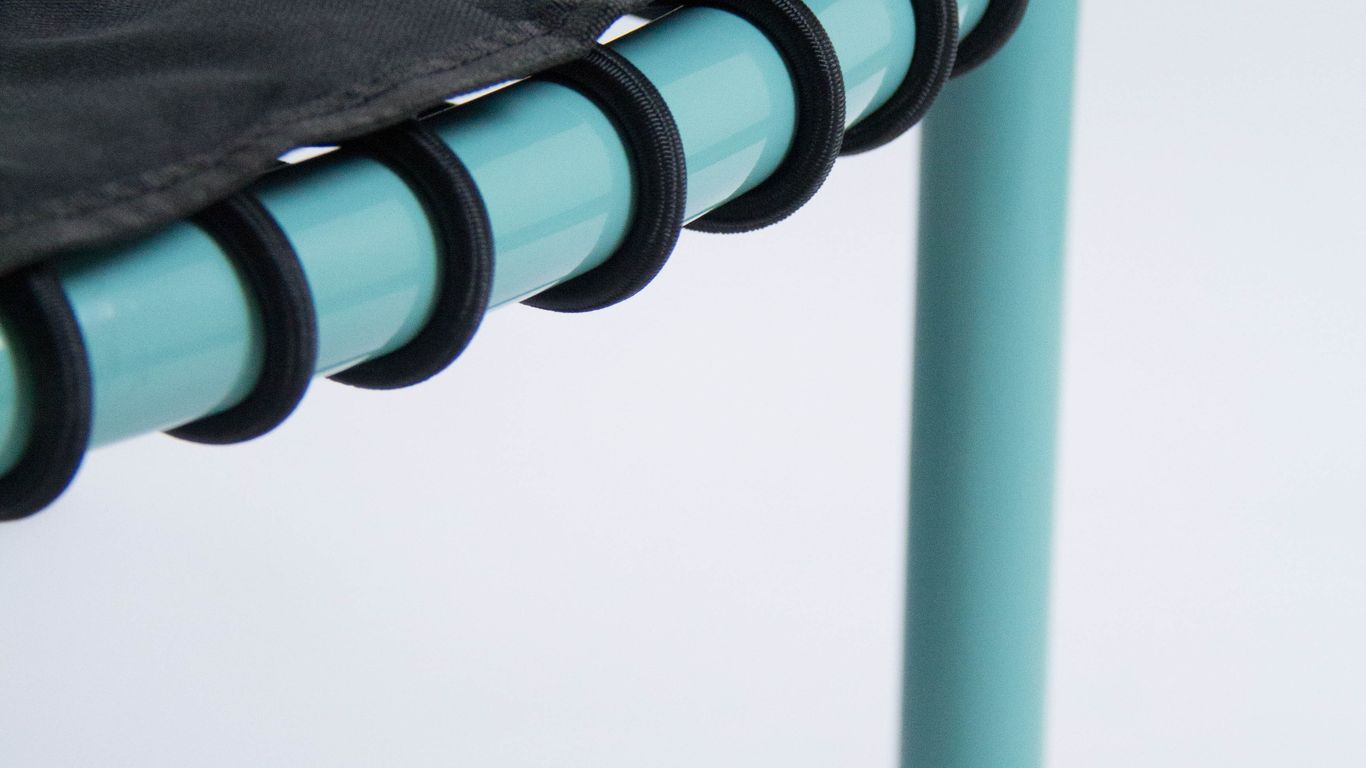
It's pretty wild to think about how a simple bounce on a mini-trampoline could be changing the whole fitness game. But that's exactly what seems to be happening, thanks to NASA's early research. This isn't just a fleeting trend; it feels like we're on the cusp of something bigger here, a real shift in how we approach getting healthy.
Revolutionizing Traditional Exercise Paradigms
For ages, we've been told that long, hard workouts are the only way to see results. Think hours at the gym or pounding the pavement for miles. But NASA's findings suggest a different path. The idea that a short, 10-minute rebounding session can be as effective, if not more so, than a 30-minute run is a total game-changer. It challenges the old-school notion that more time equals more benefit. This efficiency is a huge deal for anyone who feels like they just don't have enough hours in the day. It opens the door for people who might have been intimidated by traditional, time-consuming workouts. We're talking about a workout that's not only effective but also incredibly accessible, making it a serious contender to shake up established fitness routines. It really makes you wonder what other
Did you know that NASA uses mini-trampolines, also called rebounders, for astronaut training? It's true! They discovered that bouncing on a rebounder is a fantastic way to build strength and improve balance, even in space. This amazing workout can help you get fit right at home. Ready to try this out-of-this-world exercise? Visit our website to learn more and grab your own rebounder today!
So, What's the Takeaway?
Look, it's pretty clear that this whole rebounding thing, especially with NASA giving it a nod, is more than just a fad. It seems like a really smart way to get a good workout without wrecking your joints, which is a big deal for a lot of people. Whether you're an astronaut dealing with zero gravity or just someone trying to squeeze in some exercise after a long day, this 10-minute bounce session could seriously change how you think about fitness. It's efficient, it's low-impact, and honestly, it sounds kind of fun. Maybe it's time to give that mini-trampoline a second look.
Frequently Asked Questions
What is NASA rebounding exercise?
NASA rebounding exercise is a workout using a mini-trampoline. NASA found that just 10 minutes of bouncing can give you the same fitness benefits as a 30-minute run, but it's much easier on your joints.
Is rebounding really as good as running?
According to a NASA study, rebounding can be 68% more effective than jogging for the same amount of time. It works your heart and muscles really well without the pounding that running can cause.
Is rebounding good for my joints?
Yes! Rebounding is a low-impact exercise. This means it's gentle on your joints, like your knees and ankles, making it a great option if you have joint pain or want to avoid injuries.
How can rebounding help my body besides cardio?
Rebounding is a full-body workout. It helps improve your balance and strengthens your core muscles. It also helps your lymphatic system, which is like your body's natural cleaning system, and can even help make your bones stronger.
Can I do rebounding if I'm not very fit?
Absolutely! Rebounding is super adaptable. You can start with simple bounces and gradually increase the intensity as you get fitter. It's a great way for anyone to get moving.
How long does a NASA rebounding workout take?
The exciting part is that a NASA-backed rebounding workout can be as short as 10 minutes! This makes it super convenient for busy people who want to get a great workout without spending a lot of time.


0 comments