











So, we hear the word 'exercise' a lot, right? It's thrown around everywhere, from doctor's offices to magazine covers. But what does it really mean, beyond just, like, moving your body? It's more than just breaking a sweat or hitting the gym. Understanding the exercise meaning involves looking at why we do it, what benefits we get, and how it fits into our lives. Let's break down what exercise truly is and why it's so important.
Key Takeaways
- Exercise is more than just any physical movement; it's planned, structured, and done with a specific goal in mind, usually to improve fitness.
- The benefits of exercise go way beyond just physical health, impacting our mood, brain function, and overall well-being.
- Different types of exercise, like aerobic, anaerobic, and agility training, target different aspects of fitness and health.
- Stretching and flexibility are vital components of exercise, helping maintain movement, prevent injuries, and make daily tasks easier.
- Making exercise a lasting habit involves setting realistic goals, finding activities you enjoy, and staying consistent, even when life gets busy.
Defining The Exercise Meaning
So, what exactly is exercise? It's more than just moving around. Think of it as movement with a mission. While any physical activity burns calories and gets your heart pumping a bit, exercise takes it a step further. It's about intentionality.
Distinguishing Exercise From Physical Activity
Physical activity is pretty broad. It's any bodily movement that uses your muscles and requires energy. Walking to your car, doing chores, even fidgeting – that's all physical activity. Exercise, on the other hand, is a specific type of physical activity. It's planned, structured, and repetitive, all with the goal of improving or maintaining your physical fitness. You wouldn't call washing dishes 'exercise,' but you might call a structured swimming session 'exercise.' It's the difference between just moving and moving with a purpose.
The key difference lies in the intent and the structure. Physical activity is the umbrella term, while exercise is a focused subset designed for fitness gains.
Planned, Structured, and Purposeful Movement
This is where exercise really sets itself apart. It's not random. You decide you want to get stronger, so you plan a weightlifting session. You want to improve your stamina, so you schedule a run. This planned approach means you're thinking about what you're doing and why. It's about setting a goal, whether that's running a 5k, lifting a certain weight, or just being able to climb stairs without getting winded. This purposeful nature is what makes it 'exercise' and not just 'activity.'
The Role of Fitness Components
Exercise targets specific aspects of your physical fitness. These aren't just vague ideas; they're measurable components. Think about:
- Cardiovascular Endurance: How well your heart and lungs work together during sustained activity. Think running or cycling.
- Muscular Strength: The maximum force your muscles can produce. Weightlifting is a prime example.
- Muscular Endurance: How long your muscles can perform a task before getting tired. Think doing many repetitions of a bodyweight exercise.
- Flexibility: The range of motion around your joints. Stretching helps here.
- Body Composition: The ratio of fat mass to lean mass in your body. Exercise, especially combined with diet, influences this.
Understanding these components helps you tailor your exercise routine to meet your specific health and fitness goals. It’s about building a well-rounded fitness level, not just doing one thing really well.
The Multifaceted Benefits of Exercise
So, why bother with exercise beyond just moving your body? It turns out, the perks go way deeper than you might think. It's not just about looking good or hitting a certain step count; it's about building a healthier, happier you from the inside out. Regular physical activity is a cornerstone of overall well-being.
Enhancing Physical and Mental Well-being
When you get your body moving, you're doing more than just working your muscles. You're also giving your brain a serious boost. Exercise can really help clear your head, making you feel less stressed and anxious. It's like hitting a reset button for your mood. Plus, it helps you sleep better, which, let's be honest, is a huge win for everyone.
Disease Prevention and Health Management
Getting regular exercise is a smart move for staying healthy long-term. It plays a big role in keeping things like heart disease, type 2 diabetes, and even certain types of cancer at bay. For people dealing with conditions like lipedema, it can be a key part of managing symptoms and improving their quality of life. It's all about building a body that's more resilient.
Here's a quick look at how exercise helps:
- Cardiovascular Health: Strengthens your heart and lungs, improving blood circulation.
- Metabolic Health: Helps regulate blood sugar and can improve cholesterol levels.
- Bone Density: Weight-bearing exercises can help keep your bones strong, reducing the risk of osteoporosis.
- Immune System: Regular activity can give your immune system a helpful nudge.
Think of exercise as an investment in your future self. The effort you put in now pays dividends in health and vitality down the road.
Boosting Mood and Cognitive Function
Ever notice how you feel better after a good workout? That's not just in your head. Exercise releases endorphins, those feel-good chemicals that naturally lift your spirits. It can also sharpen your focus and memory. Some studies even suggest it might help protect against cognitive decline as we get older. So, whether it's a brisk walk or a more intense session, your brain benefits too.
Exploring Different Types of Exercise
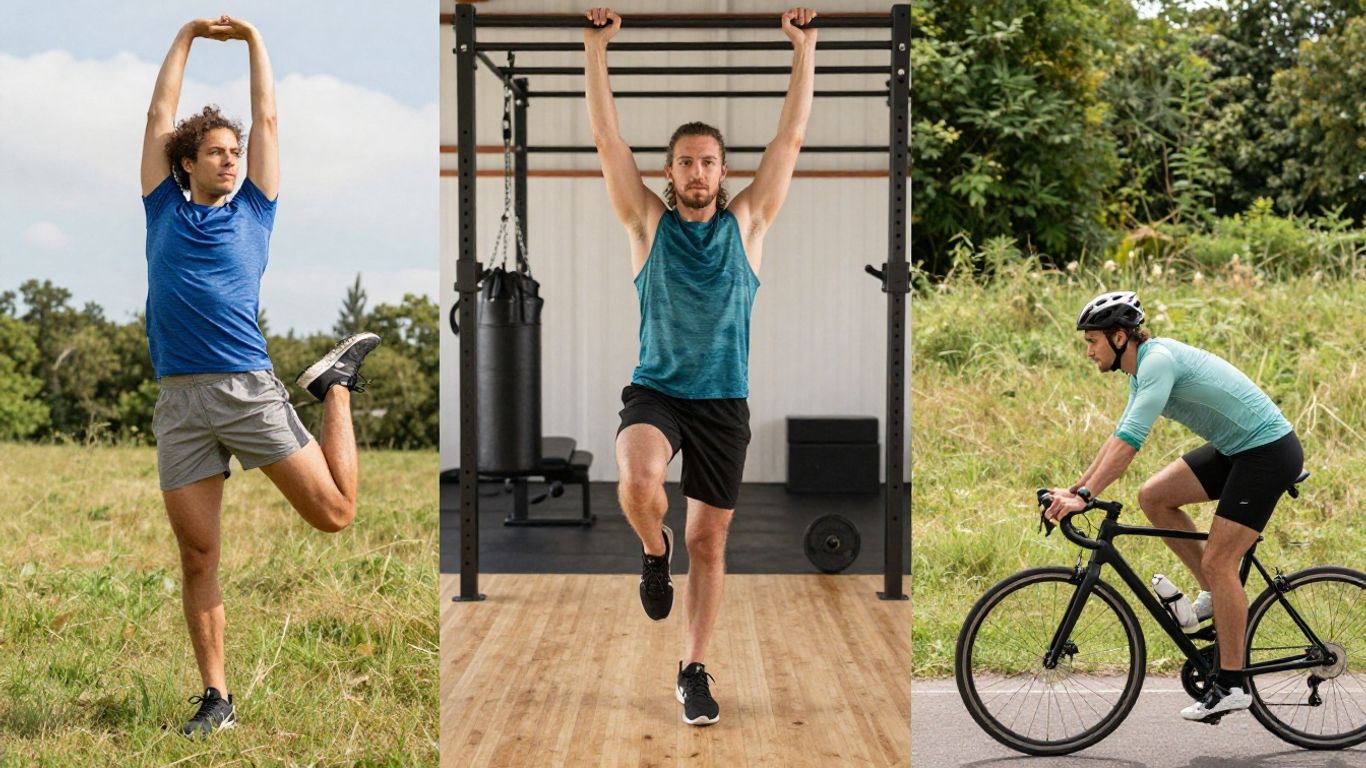
So, we know exercise is more than just moving around. It's about doing it with a purpose, right? But not all purposeful movement is created equal. Think of it like this: you've got your main categories of exercise, and each one does something a little different for your body and mind. It's not about picking just one; a good mix is where the real magic happens.
Aerobic Exercise for Cardiovascular Health
This is the kind of exercise that gets your heart pumping and your lungs working harder. It's all about improving how efficiently your body uses oxygen. You'll typically do aerobic activities for a longer stretch, at a moderate pace. Think of activities like brisk walking, cycling, swimming, or even dancing. These aren't just good for your heart; they also help manage blood sugar, lower blood pressure, and can even give your mood a lift. Aiming for at least 150 minutes of moderate-intensity aerobic activity each week is a common recommendation for good health.
Anaerobic Exercise for Strength and Power
On the flip side, you have anaerobic exercise. This is your high-intensity, short-burst stuff. Instead of using oxygen for energy, your body taps into different sources. This is where you build strength, power, and muscle mass. Think weightlifting, sprinting, or those quick, intense interval training sessions. Because it's so intense, these workouts are usually shorter, followed by periods of rest. It's a different kind of challenge for your body, focusing on explosive movements.
Agility Training for Coordination and Control
Agility training is all about your ability to change direction and speed quickly while staying in control. If you play sports like tennis, basketball, or soccer, you know how important this is. It's not just about being fast; it's about being able to stop, start, and pivot smoothly without losing your balance or control. This type of training helps improve your coordination and reaction time, making everyday movements feel more fluid and reducing the chance of stumbles or falls. It's a key component for athletes and anyone looking to improve their physical responsiveness.
It's really important to remember that while these categories are distinct, they often overlap and complement each other. A well-rounded fitness plan usually includes elements from all of them.
Here's a quick look at what each type targets:
- Aerobic: Endurance, heart health, oxygen use.
- Anaerobic: Strength, power, muscle building.
- Agility: Coordination, balance, quick changes in direction.
Trying to incorporate a mix of these into your routine is a great way to get the most out of your exercise efforts. You don't have to be an elite athlete to benefit; even small amounts of each can make a big difference. For example, you could try brisk walking a few times a week, add some bodyweight exercises for strength, and practice quick footwork drills for agility.
Incorporating Stretching and Flexibility
We often think of exercise as just the high-intensity stuff, like running or lifting weights. But what about the movements that help us move better and feel less stiff? That's where stretching and flexibility come in. They're not just an afterthought; they're a key part of a well-rounded fitness routine. Without them, you might be missing out on a lot of benefits and even setting yourself up for problems down the line.
Maintaining Range of Motion
Think about your joints. They're designed to move, and flexibility is what allows them to do that smoothly. As we get older, or even just from sitting too much, our muscles and tendons can get shorter and tighter. This limits how far your joints can move, which is called your range of motion. When this happens, simple things like reaching for something on a high shelf or bending down to tie your shoes can become a struggle. Regular stretching helps to lengthen those muscles and keep your joints mobile. It's like oiling up a squeaky hinge – everything just works better.
Reducing Risk of Injury and Pain
When your muscles are tight and inflexible, they're more prone to getting strained or pulled. Imagine trying to stretch a rubber band that's been sitting in the sun for years – it's likely to snap. Flexible muscles, on the other hand, can handle more stress and are less likely to get injured. This is especially true during more vigorous activities. Plus, improved flexibility can help alleviate existing muscle and joint pain by allowing your muscles to absorb impact more effectively. It's a proactive way to keep your body feeling good and moving freely. For more on how stretching helps, you can look into how flexibility helps.
Improving Daily Functional Movements
This ties into the other points, but it's worth highlighting. Being flexible isn't just about looking good in a yoga pose; it's about making everyday life easier. Can you comfortably twist to check your blind spot when driving? Can you get up off the floor without a struggle? These are all functional movements that rely on good flexibility. Incorporating stretches for your major muscle groups – like your hamstrings, hips, shoulders, and back – can make a noticeable difference in how you navigate your daily tasks. Even a few minutes of targeted stretching can help you feel more capable and less restricted throughout the day. Remember, consistency is key, and even short, regular sessions can yield great results. You can find more information on the advantages of stretching and how to start safely in this guide to stretching benefits.
It's easy to skip stretching, especially when you're eager to get to the main part of your workout or when you're just tired. But treating it as an optional add-on is a mistake. Think of it as a necessary component, like warming up or cooling down. Your body will thank you for it later, both in terms of performance and long-term health.
Strategies for Sustainable Exercise Habits
Building an exercise routine that sticks isn’t just about willpower. It’s about finding the right mix of realistic planning, true enjoyment, and concrete motivation. When exercise fits naturally into your life, you’re more likely to keep showing up, even when motivation dips.
Setting Clear and Achievable Goals
- Choose goals that matter to you – whether it’s walking your dog every morning or training for a local race.
- Be specific: “I’ll walk 20 minutes after dinner on weekdays” beats “I want to walk more.”
- Track your progress in a way that feels rewarding. Crossing off days on a calendar, logging walks on your phone, or celebrating milestones can all help.
| Goal Type | Example | Why It Helps |
|---|---|---|
| Frequency-Based | Walk 4 times per week | Builds a reliable habit |
| Distance-Based | Bike 10 miles each Saturday | Gives you something to aim for |
| Time-Based | Yoga for 20 minutes daily | Easy to fit into a busy morning |
Small, steady steps are usually the ones that stick. If you try to do too much, you’ll probably feel worn out and skip days. Progress is about showing up, not pushing yourself to the brink.
Finding Enjoyment in Physical Activities
You won’t stick with something you hate. Here’s how to discover what you like:
- Sample different activities. Maybe you enjoy cycling with friends or dancing in a group class.
- Exercise with a partner. Even a chatty walk can make the time go by faster.
- Try new routines every few weeks to keep things interesting, or tweak your current favorites – switch up your running route or add hills.
Sometimes, the social side or the sheer fun of a class is what keeps people coming back. For more practical ideas on enjoying your workouts, take a look at sustainable exercise practices that focus on fun and variety.
The Importance of Consistency and Progression
Consistency is what turns an activity into a habit. Here are some tips to make your new routine stick:
- Add movement into parts of your day you were already doing – like walking while listening to an audiobook.
- Schedule your workouts. Treat them like appointments that matter.
- Every few weeks, revisit your goals and bump up your effort. If that walk is easy now, try a longer route or a brisker pace.
- Celebrate small improvements. Maybe you walked every day this week, or managed an extra set of squats.
- If you’re stuck, think about what’s getting in your way and adjust. Maybe you need activities you actually like, or just a more manageable schedule.
Being consistent doesn’t mean you never miss a day. It means you keep coming back, even if life gets busy or you lose your spark for a bit. Over time, persistent effort makes exercise as routine as brushing your teeth. For more on keeping up steady movement and managing lapses, here’s how you can choose activities you enjoy and integrate movement into your regular schedule.
Making Exercise Meaningful in Daily Life
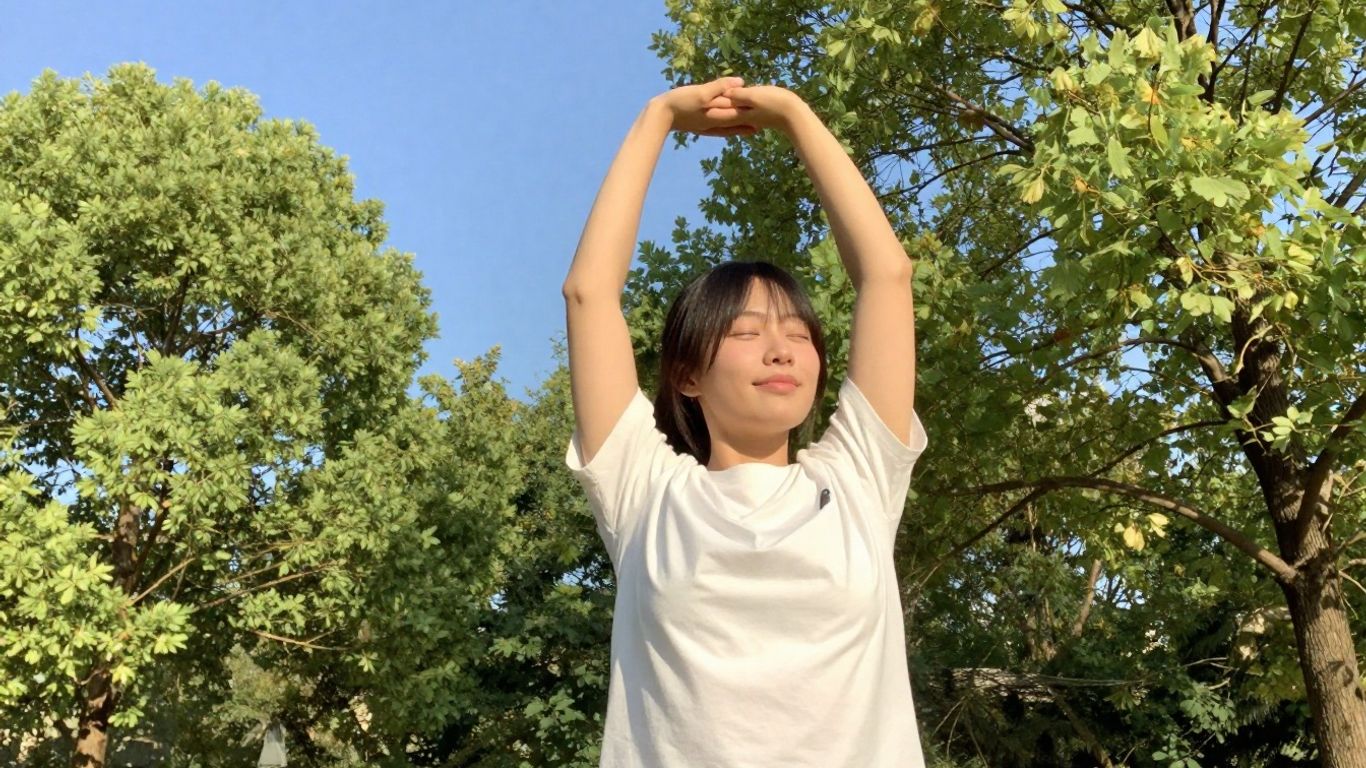
So, you know exercise is good for you, but actually fitting it into your life can feel like a whole other challenge, right? It’s not just about hitting the gym for an hour; it’s about weaving movement into the fabric of your everyday. The goal is to make it feel less like a chore and more like a natural part of who you are.
Integrating Movement into Busy Schedules
Life gets hectic, and finding time for a dedicated workout can seem impossible. But think about it – how much time do we spend commuting, waiting, or just scrolling? You can often swap some of that time for movement. Instead of driving the whole way to work, maybe park a bit further out and walk the rest. If you take the bus, hop off a stop or two early. Those little bits add up. Even during your workday, taking the stairs instead of the elevator is a win. And when you're home, instead of zoning out in front of the TV for hours, try doing some simple exercises during commercials. Think jumping jacks, squats, or even just marching in place. It’s about finding those pockets of opportunity.
The Value of Social Support and Guidance
Sometimes, the biggest hurdle is just getting started or staying motivated. That’s where other people come in. Working out with a friend can make it way more fun and give you someone to hold you accountable. You can push each other and celebrate wins together. Joining a class, like a dance or martial arts group, also offers a social aspect and a bit of structure. And if you’re really struggling, consider a trainer or a coach. They can offer personalized advice, help you set realistic goals, and keep you on track. It’s not about being a beginner forever; it’s about getting the support you need to build a solid routine. For instance, a trainer can help you understand how to properly perform exercises, which is key to preventing injuries.
Varying Routines for Continued Engagement
Sticking with the same old routine can get boring fast, and your body might even get too used to it, meaning you get fewer benefits. So, mix things up! If you love running, try different routes, add some hills, or change your pace. If you're lifting weights, try new exercises or change the number of reps and sets. This keeps your body guessing and works different muscles. It also helps prevent burnout. Think about trying a new activity altogether every few months. Maybe swap your usual jog for a swim or try a yoga class. Keeping it fresh is key to long-term success and enjoying the process. It’s about finding that sweet spot where you’re challenged but not overwhelmed, and most importantly, still having fun with it. Remember, even small changes can make a big difference in how you feel and your overall mental sharpness.
Wrapping It Up
So, we've talked a lot about exercise, and it's clear it's way more than just breaking a sweat. It's about planned movements, getting stronger, staying flexible, and even improving how our brains work. Remember, it's not just about hitting the gym or running a marathon. Finding activities you actually enjoy, whether it's dancing, gardening, or just a brisk walk, is key to sticking with it. And hey, if you're unsure where to start or have some health stuff going on, chatting with a doctor or a trainer is always a smart move. The main thing is to keep moving in ways that feel good for your body and mind. It really does make a difference.
Frequently Asked Questions
What's the difference between exercise and just being active?
Think of it like this: being active is any movement your body does that uses energy, like walking to your car or cleaning your room. Exercise, on the other hand, is planned and done on purpose to get fitter or healthier. It's like a workout with a specific goal, such as running to build endurance or lifting weights to get stronger. So, all exercise is activity, but not all activity is exercise.
Why is exercise so important for my health?
Exercise is like a superpower for your body and mind! It helps keep your heart strong, your lungs working well, and your muscles and bones healthy. Plus, it's a fantastic way to reduce stress, improve your mood, and even help you sleep better. Regular exercise can also lower your chances of getting sick with things like heart disease and diabetes.
What are the main types of exercise?
There are a few main categories. Aerobic exercise, like running or swimming, gets your heart pumping and is great for your heart and lungs. Anaerobic exercise, like weightlifting or sprinting, is more about building strength and power in short bursts. Then there's agility training, which helps you move quickly and change direction smoothly, and stretching and flexibility, which keeps your muscles from getting stiff and helps you move more easily.
How can I make exercise a regular part of my life?
The key is to find activities you actually enjoy! If you hate running, don't force yourself to do it. Try dancing, hiking, swimming, or playing a sport. Setting small, achievable goals, like exercising for 20 minutes three times a week, can also help. It's also super helpful to have a friend to exercise with or join a group – it makes it more fun and you're more likely to stick with it.
Is it okay to start exercising slowly?
Absolutely! It's much better to start slow and build up than to do too much too soon and get hurt. Your body needs time to get used to moving more. Even 5 or 10 minutes of activity a day is a great start. The most important thing is to be consistent and gradually increase how long or how hard you exercise as you get fitter.
How does exercise help my brain?
Exercise isn't just good for your body; it's amazing for your brain too! It helps improve your memory, focus, and overall thinking skills. Studies show that regular physical activity can even help protect your brain as you get older, potentially reducing the risk of problems like Alzheimer's disease. It's like giving your brain a good workout!


0 comments