












So, you're looking to get a better handle on what makes someone physically fit, huh? It's not just about running a marathon or lifting heavy things. There's actually a bunch of different parts to it. Think of it like building something – you need different tools and materials for each job. This guide, which you can grab as a components of physical fitness pdf, breaks down all those different aspects. We'll cover the stuff that keeps your heart and lungs happy, how strong your muscles are, and even how well you can move. It's all about getting a clearer picture of what being fit really means.
Key Takeaways
- Cardiorespiratory fitness is about how well your heart and lungs work together during activity.
- Muscular strength is how much force your muscles can push out at once.
- Muscular endurance means your muscles can keep going for a while without getting tired.
- Flexibility lets you move your joints through their full range of motion.
- Body composition looks at the ratio of fat to lean mass in your body.
Understanding The Components Of Physical Fitness
So, what exactly makes up physical fitness? It's not just one thing, you know. Think of it like a toolbox – you need different tools for different jobs. When we talk about fitness, we're really looking at a few key areas that work together to keep us moving well and feeling good.
Cardiorespiratory Fitness
This is all about your heart and lungs. It's your body's ability to take in oxygen and send it to your muscles while you're active. The better your cardiorespiratory fitness, the longer you can keep going without getting winded. Think about activities like brisk walking, swimming, or cycling. These get your heart pumping and help build up that stamina.
Muscular Strength
Muscular strength is pretty straightforward: it's how much force your muscles can push out in one go. It's that one big effort. Lifting heavy weights, like in a squat or a bench press, really works on this. It's not about doing a lot of reps, but about moving something heavy.
Muscular Endurance
Now, muscular endurance is different. This is about how long your muscles can keep working without getting tired. Imagine doing a set of push-ups or holding a plank. It's not about how heavy the weight is, but how many times you can do it, or how long you can hold that position. It's about lasting power for your muscles.
Building up these three areas – your heart and lungs, your muscles' pushing power, and their staying power – forms the backbone of being physically fit. They all play a part in how well you can handle everyday tasks and physical activities.
Here's a quick look at what each means:
- Cardiorespiratory Fitness: Your heart and lungs working together to supply oxygen.
- Muscular Strength: The maximum force a muscle can produce in a single effort.
- Muscular Endurance: The ability of a muscle to keep contracting over time without tiring.
Key Health-Related Fitness Elements
Beyond just being able to run a marathon or lift heavy weights, there are specific aspects of fitness that directly impact your day-to-day health and well-being. These are often called the health-related components, and they're super important for keeping your body running smoothly and reducing the risk of various health issues. Think of them as the foundation for a long and active life.
Flexibility
Flexibility is all about how much you can move your joints through their full range of motion. It's not just about touching your toes, though that's part of it. Good flexibility helps prevent injuries, reduces muscle soreness, and can even improve your posture. It allows your muscles and connective tissues to lengthen and move without feeling tight or restricted.
Here are a few ways to work on your flexibility:
- Static Stretching: Holding a stretch for a period, like 30 seconds, after your workout. Think hamstring stretches or quad stretches.
- Dynamic Stretching: Moving your joints through their range of motion before exercise. Arm circles and leg swings are good examples.
- PNF Stretching: This involves contracting and then relaxing a muscle to achieve a deeper stretch. It's often done with a partner or a towel.
Maintaining good flexibility means your body can handle everyday movements with more ease, from reaching for something on a high shelf to bending down to tie your shoes. It's a quiet but powerful part of staying mobile.
Body Composition
Body composition refers to the makeup of your body – specifically, the ratio of fat mass to lean body mass. Lean body mass includes things like muscle, bone, organs, and water. Having a healthy body composition isn't just about the number on the scale; it's about having a good balance of fat and lean tissue. This balance plays a big role in your overall health, influencing things like metabolism and the risk of certain diseases. Improving body composition often involves a combination of regular physical activity and a balanced diet.
Here’s a quick look at how different activities can influence body composition:
- Cardiorespiratory Exercise: Activities like brisk walking, cycling, or swimming help burn calories and reduce body fat. Aim for consistency here.
- Strength Training: Lifting weights or doing bodyweight exercises builds muscle mass. More muscle means a higher metabolism, which helps burn more calories even at rest.
- Endurance Training: Exercises that involve sustained effort, like long-distance running or cycling, also contribute to a healthy body composition by improving cardiovascular health and aiding in fat loss.
Exploring Skill-Related Fitness Attributes
Beyond just being able to run a long way or lift heavy things, there are other parts of fitness that help you move well and react fast. These are often called skill-related fitness attributes. Think about sports or even just everyday tasks – being able to change direction on a dime, stay steady on your feet, or smoothly combine different movements makes a big difference. These abilities aren't just for athletes; they help with daily life too.
Agility
Agility is basically your body's ability to switch directions quickly and smoothly. It's not just about speed; it's about control while you're changing course. You need a good mix of balance, coordination, and quick reflexes to pull it off. Think about a soccer player dodging an opponent or a basketball player cutting to the basket. It's that quick, controlled shift that makes them effective.
Balance
Balance is your capacity to keep yourself upright, whether you're standing still or moving around. Some people are naturally steadier than others. Activities like yoga or Pilates really work on this, but even just standing on one leg can challenge your balance. It's important for preventing falls, especially as we get older.
Coordination
Coordination is all about how well your different body parts work together, guided by what your senses are telling you. It's the connection between your hands, feet, eyes, and ears. When you're playing catch, hitting a tennis ball, or even just dancing, you're using coordination. It's what allows you to perform complex movements smoothly and accurately.
Being coordinated means your brain and body are in sync, making movements feel natural and efficient. It's like having a well-rehearsed team working together without you even having to think about it.
Here's a quick look at how these skills play out:
- Agility: Changing direction quickly (e.g., a tennis player moving side-to-side).
- Balance: Staying steady (e.g., a gymnast on a beam).
- Coordination: Combining movements smoothly (e.g., dribbling a basketball while running).
Developing Explosive Power and Speed
Alright, let's talk about moving fast and hitting hard. Power and speed are the components that let you explode off the starting line or jump high for a rebound. They're not just for athletes, though; having them can make everyday tasks easier, like carrying heavy groceries or getting up quickly if you stumble.
Power
Power is basically strength applied quickly. Think about a baseball player swinging a bat or a volleyball player spiking the ball. It's about generating a lot of force in a very short amount of time. You can't just be strong; you have to be strong and fast.
Here are some ways to build power:
- Plyometrics: These are exercises like box jumps and clap push-ups. They involve rapid stretching and contracting of muscles to create explosive movements.
- Olympic Lifts: Exercises such as the clean and jerk or snatch require immense power and technique.
- Medicine Ball Throws: These can mimic sport-specific movements and build rotational power.
Developing power often involves training your nervous system to fire muscles more rapidly. It's about teaching your body to recruit more muscle fibers all at once.
Speed
Speed is pretty straightforward: it's your ability to move your body, or a part of your body, from one spot to another as fast as possible. This could be sprinting down a field, swimming laps, or even just quickly dodging an obstacle. It's all about quickness and efficiency of movement.
To improve your speed, consider these points:
- Sprint Training: Short, intense bursts of running are key. Focus on proper form and acceleration.
- Agility Drills: While agility is about changing direction, practicing drills like cone weaves can improve your foot speed and quickness.
- Strength Training: Building leg strength provides the foundation for powerful strides. Exercises like squats and lunges are beneficial.
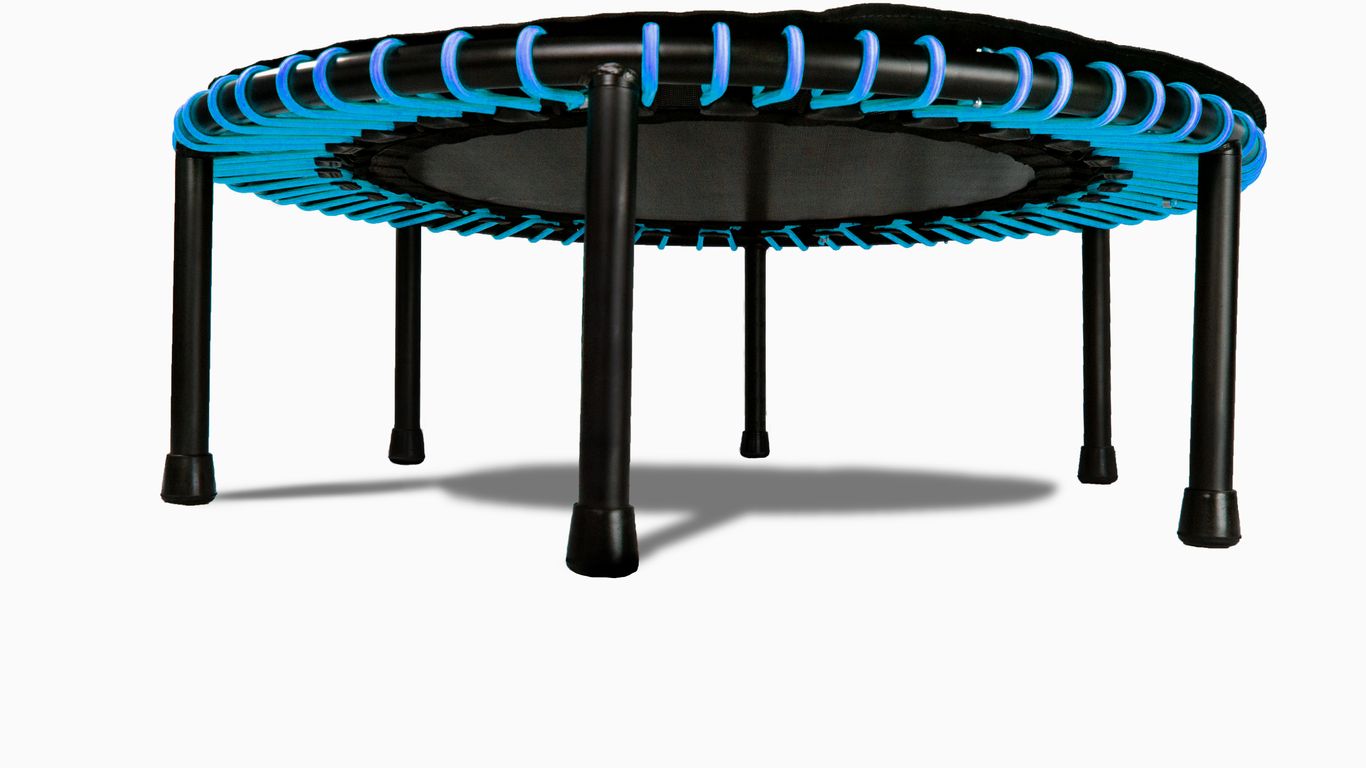
Improving these attributes can really make a difference in how you perform in sports and even in daily life. If you're looking for equipment to help with explosive movements, a rebounder could be a fun addition to your routine, offering a low-impact way to boost energy and fitness. Check out a rebounder for a complete setup.
The Importance Of Reaction Time
Ever feel like you're a step behind? That might be your reaction time at play. It's basically how quickly you can respond to something happening around you. Think about it – a starting gun fires, a ball comes flying your way, or an opponent makes a move. Your brain has to process that information, send a signal to your body, and then your body has to act. The faster that whole chain of events happens, the better your reaction time is.
Why It Matters
This isn't just for athletes, though they definitely benefit. Quick reactions can help you avoid accidents, whether it's stepping out of the way of a falling object or hitting the brakes in your car. In sports, it can be the difference between scoring a point or missing an opportunity. It's a skill that can be improved with practice, just like anything else.
Here are a few examples of where reaction time is a big deal:
- Racquet Sports: Tennis, badminton, squash – you need to get to the ball fast.
- Team Sports: Baseball, basketball, soccer – reacting to a pass, a shot, or a sudden change in play.
- Combat Sports: Martial arts, boxing – anticipating and responding to an opponent's actions.
- Driving: Responding to sudden hazards on the road.
Getting Faster Reactions
So, how do you get better at reacting quickly? It often involves activities that challenge your senses and require quick decision-making. Things like:
- Playing reaction-based games: Video games that require quick reflexes can help. Even simple online reaction tests can be a good start.
- Practicing sports: The more you play sports that demand quick responses, the better you'll become.
- Specific drills: Some drills focus on reacting to visual or auditory cues. For instance, a coach might call out a color, and you have to touch a cone of that color.
It's easy to think of reaction time as just a physical thing, but it's really a partnership between your brain and your body. Training your brain to process information faster and training your body to respond without hesitation makes a big difference.
Improving your reaction time can make you feel more in control and more capable in a lot of different situations. It's a neat component of fitness that often gets overlooked but plays a significant role in how we interact with the world.
How fast can you react? It's a simple question, but the answer can make a big difference in sports, games, and even everyday life. Being able to respond quickly to what's happening around you is super important. It helps you stay safe and perform better. Want to learn more about how to boost your reaction time and get ahead? Visit our website today for tips and tricks!
Wrapping It Up
So, we've gone over all the different parts that make up being physically fit. It's not just one thing, right? You've got your heart and lungs working well, your muscles being strong and able to keep going, your body being able to move freely, and even what your body is made of matters. Plus, there are those skill-based parts like being quick on your feet, staying balanced, and reacting fast. Thinking about all these pieces helps you see the whole picture. It’s about finding what works for you and building a routine that includes a bit of everything. Don't feel like you have to be perfect at all of them right away. Just start somewhere and keep moving forward. Your body will thank you for it.
Frequently Asked Questions
What exactly is physical fitness?
Physical fitness is basically your body's ability to do everyday tasks without getting too tired. It means having enough energy to go about your day, play sports, and still have some energy left over. It's about being healthy and strong.
Why is having a strong heart and lungs important?
Having a strong heart and lungs, also called cardiorespiratory fitness, is super important. It helps your heart pump blood well and your lungs take in air better. This lowers your chances of getting sick with long-term health problems.
What's the difference between muscular strength and muscular endurance?
Muscular strength is how much force your muscles can push out all at once, like lifting a really heavy weight one time. Muscular endurance is how long your muscles can keep working without getting tired, like doing lots of push-ups or holding a plank for a long time.
How does flexibility help my body?
Flexibility is your body's ability to bend and move through a wide range of motion. Think about touching your toes or reaching for something high up. Being flexible helps prevent injuries and makes everyday movements easier.
What does 'body composition' mean?
Body composition is about the mix of fat and lean stuff in your body, like muscle and bone. It's not just about how much you weigh, but what your weight is made of. Having a good balance helps your body work better.
What are skill-related fitness attributes, and why do they matter?
Skill-related fitness includes things like agility (changing direction fast), balance (staying steady), and coordination (using different body parts together smoothly). These skills help you perform better in sports and react quickly to things around you.


0 comments