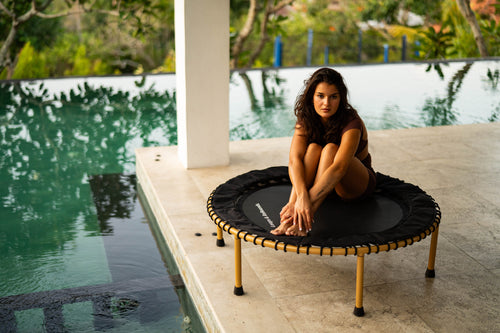
Looking for a fun way to get fit without hitting the gym? A trampolin para ejercicio might be just what you need. These things are making a comeback, and for good reason. They offer a great low-impact workout that's easy on your joints but still gets your heart pumping. Whether you're trying to shed a few pounds, boost your balance, or just need a change of pace from your usual routine, a mini trampoline could be your new best friend. Plus, they're super versatile – use them inside when it's nasty out, or take them outside when the weather's nice.
Key Takeaways
- A trampolin para ejercicio is a fantastic low-impact workout that's gentle on your joints while still being effective for fitness.
- Rebounding on a mini trampoline improves cardiovascular health, strengthens muscles, and boosts oxygen levels, making you feel more energized.
- You can burn a similar amount of fat in a 10-minute trampoline session as you might in a 30-minute run, according to some studies.
- These trampolines help tone multiple body parts simultaneously, including your core, back, glutes, and legs, and also improve motor skills like balance and coordination.
- Adding accessories like bungee cords or a handle bar can increase the intensity and variety of your workouts on a trampolin para ejercicio.
1. Fitness Trampolines
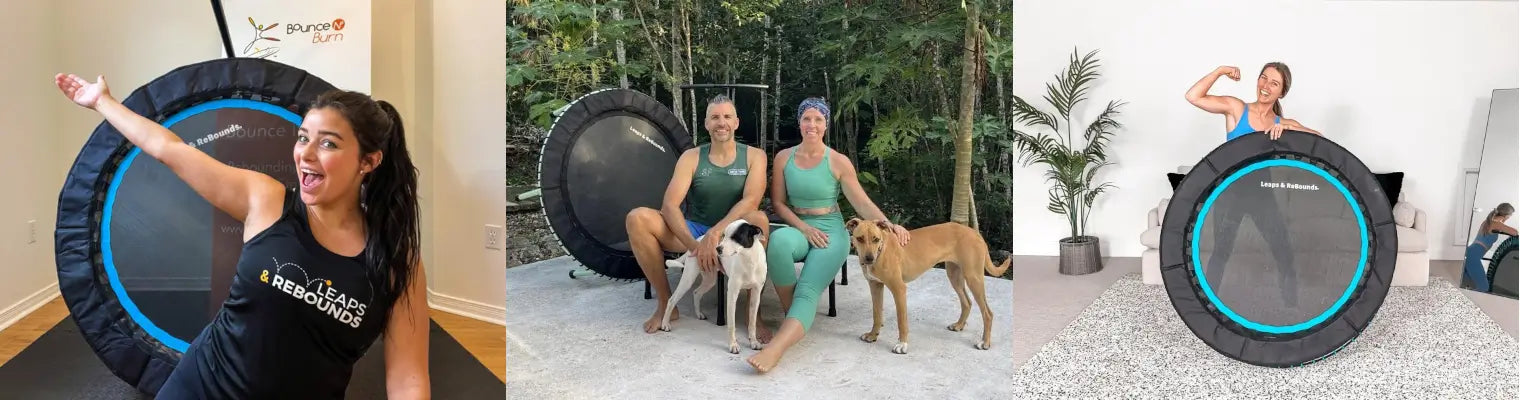
Fitness trampolines, often called rebounders, are becoming a go-to piece of equipment for home workouts. They offer a fun way to get your heart pumping and can be surprisingly effective for a full-body burn. Unlike the big trampolines you might have jumped on as a kid, these are designed specifically for exercise, meaning they're built for controlled bouncing and stability.
The main draw is the low-impact nature of rebounding. This means you get a great cardiovascular workout without putting a ton of stress on your joints, which is a big win if you have sensitive knees or are recovering from an injury. It's a fantastic alternative to running or high-impact aerobics. Plus, the instability of the trampoline forces your core muscles to work harder to keep you balanced, giving you a more complete workout.
When you're looking at fitness trampolines, you'll notice a few key differences:
- Springs vs. Bungee Cords: Some use traditional metal springs, while others opt for bungee cords. Bungees tend to offer a quieter, more cushioned bounce and can be more durable. Springs might give a firmer rebound.
- Size and Portability: They come in various diameters, from compact 36-inch models perfect for small spaces to larger 44 or 55-inch ones for more expansive bouncing. Many are lightweight enough to move around your house or even take outside.
- Handlebars: Some models include a handlebar for added stability, which is great if you're a beginner or want to incorporate more intense moves like lunges or planks.
The variety available means you can find a fitness trampoline that fits your space, your budget, and your fitness goals. It's a versatile tool that can be used for everything from gentle cardio to more vigorous interval training.
Think of it this way: a 10-minute bouncing session can potentially burn as many calories as a 30-minute run, and it works a whole range of muscles simultaneously – your legs, glutes, core, and even your back. It's a simple concept, but the results can be pretty impressive.
2. Exercise Trampolines
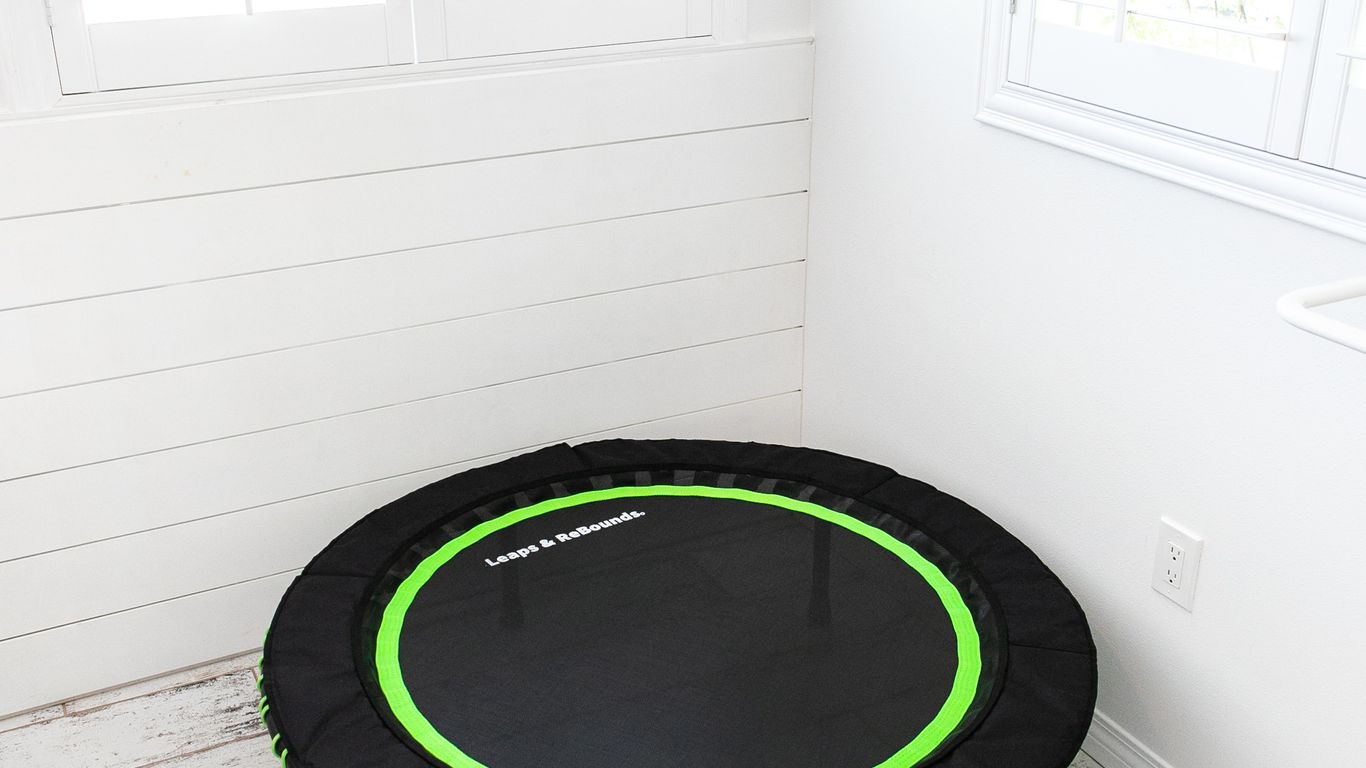
Exercise trampolines, often called rebounders, are becoming super popular for home workouts. They're a fantastic way to get your heart rate up without putting too much stress on your joints. Think of it as a low-impact cardio session that can burn a surprising amount of calories. NASA even found them to be really effective for astronauts, which says a lot!
These trampolines are great because they work multiple muscle groups at once. You're not just bouncing; you're engaging your core, legs, and even your back. Plus, they're brilliant for improving your balance and coordination. It's kind of wild how much you can do on such a simple piece of equipment.
Here's a quick look at what makes them so good:
- Low Impact: Easier on your knees and ankles compared to running or jumping on a hard surface.
- Full Body Workout: Engages core, legs, and glutes.
- Cardiovascular Health: Boosts heart health and stamina.
- Balance & Coordination: Improves motor skills.
When you're looking for an exercise trampoline, check out ones with sturdy frames and good quality springs or bungee cords. Some even come with a handle bar, which is a nice addition if you're just starting out or want extra support for certain moves. They're really versatile – you can do everything from simple bouncing to more complex routines.
The real magic of an exercise trampoline is its ability to make fitness fun. It's easy to get bored with the same old gym routine, but bouncing around can feel more like play than work. This makes it much easier to stick with it long-term.
3. Mini Trampoline Workouts
So, you've got your mini trampoline, and you're ready to jump into a new fitness routine. That's awesome! These little trampolines, often called rebounders, are surprisingly effective for a full-body workout without putting too much stress on your joints. Think of it as a fun way to get your heart pumping and muscles working.
A good mini trampoline workout session doesn't need to be super long to be effective. Even 15 to 20 minutes a few times a week can make a real difference in your cardio health and muscle tone. The key is consistency and picking up the intensity as you get more comfortable.
Here’s a basic structure you can follow:
- Warm-up (3-5 minutes): Start with some gentle bouncing in place. Add in some arm swings and maybe a light jog on the trampoline. This gets your blood flowing and prepares your body for more movement.
- Main Workout (10-15 minutes): This is where you'll do your more energetic moves. Think jumping jacks, high knees, or side-to-side jumps. You can also incorporate basic squats or twists. If your trampoline has a handle, you can use it for balance or add in arm movements.
- Cool-down (3-5 minutes): Slow down with some easy bouncing. Follow this with some simple stretches, focusing on your legs and back. This helps your heart rate return to normal and aids muscle recovery.
It's amazing how much you can do on these things. You can burn a good amount of calories, improve your balance, and even boost your mood. Plus, they're just plain fun!
Remember, the goal is to get moving and enjoy yourself. Don't worry about being perfect right away. Just focus on consistent effort and gradually challenge yourself with new moves or longer sessions as you feel stronger.
4. Jumping Jacks
Alright, let's talk about jumping jacks on the trampoline. This is a classic for a reason, right? It’s a fantastic way to get your heart pumping and work a bunch of muscles all at once. When you’re on a mini trampoline, it feels a little different – a bit more forgiving on your joints, which is always a plus.
The basic jumping jack on a rebounder is pretty straightforward, but there are ways to make it more interesting. You start with your feet together and then jump, spreading your legs wide while simultaneously bringing your arms up overhead. Then, you jump again, bringing your feet back together and your arms back down to your sides. It sounds simple, but doing it continuously for a few minutes really gets you breathing.
Here’s a quick breakdown:
- Warm-up: Start with a few minutes of gentle bouncing to get your body ready.
- Execution: Jump, spread legs and raise arms. Jump again, bring legs together and arms down.
- Intensity: Aim for a steady rhythm. You can increase the speed as you get more comfortable.
- Modification: If you have a handlebar, you can hold onto it for extra stability, especially when you're starting out.
Jumping jacks on a trampoline are great for improving coordination and boosting your cardiovascular fitness. It’s one of those exercises that really gives you a full-body workout without feeling like you're doing a million different things. Plus, it’s just plain fun! It’s a good way to get your cardiovascular fitness going.
Remember, consistency is key. Even short, regular sessions can make a big difference in your overall fitness. Don't be afraid to push yourself a little, but always listen to your body.
5. Twists
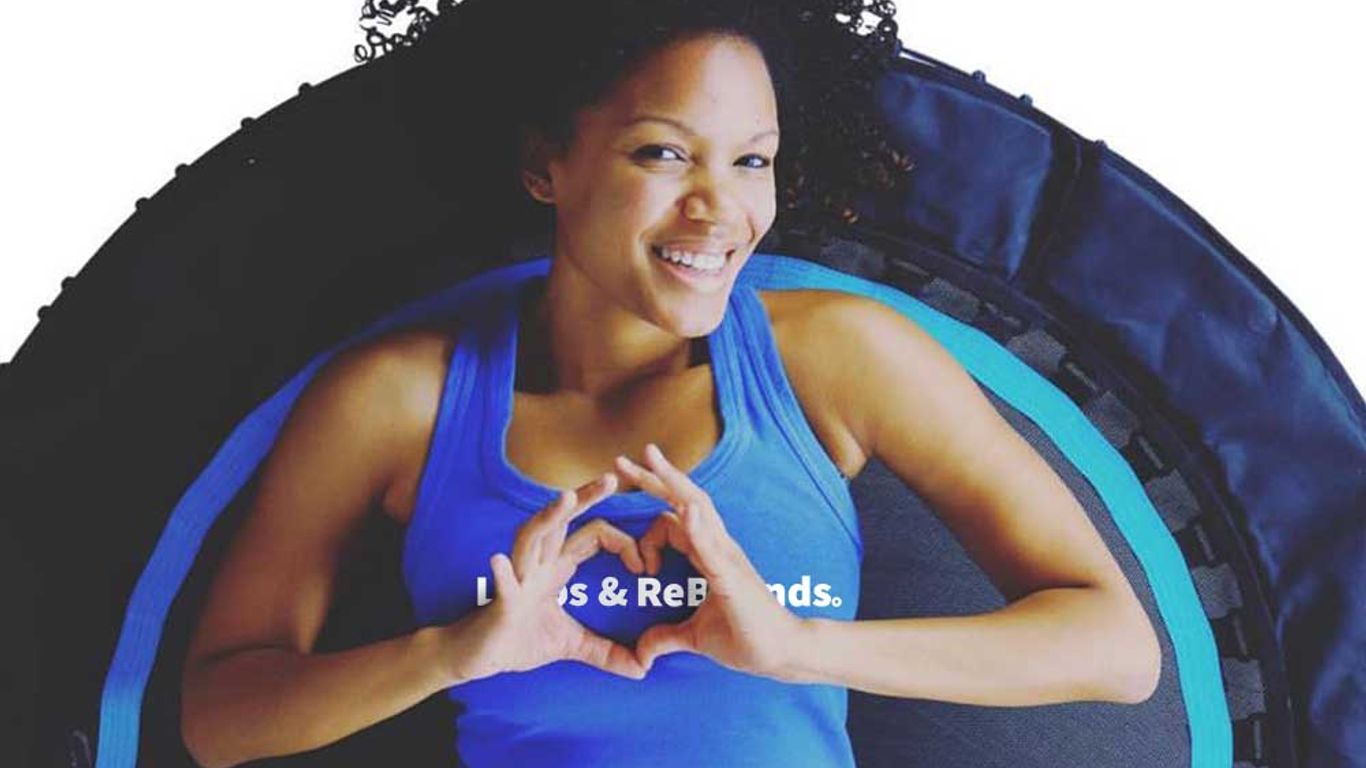
Alright, let's talk about twists. This move is fantastic for hitting those oblique muscles and really engaging your core. It's not just about spinning around; it's about controlled movement that works your midsection.
Here's how you can do it:
- Start with your feet together, knees slightly bent. As you jump, point your feet to one side (say, the left) and twist your upper body in the opposite direction (to the right).
- On your next jump, switch it up. Point your feet to the right and twist your torso to the left.
- Keep the jumps controlled. You don't need to go super high; focus on the twist and the landing.
The key is to initiate the twist from your core, not just your arms. You can keep your hands on a handlebar if you have one for stability, or let them swing naturally to help with the momentum.
This exercise is great for improving coordination and balance while also giving your waistline a good workout. It feels a bit like dancing, but with a serious fitness goal in mind. Just be mindful of your landing and try to keep your core tight throughout the movement.
6. Let's Go Skiing
This exercise mimics the motion of skiing, giving your legs and core a good workout. It's a fun way to get your heart rate up and burn some calories.
To do the "Skiing" move:
- Start in the center of your trampoline with your feet together and a slight bend in your knees.
- Jump and push your feet to one side (say, the right).
- Immediately jump again and push your feet to the other side (the left).
- Keep repeating this side-to-side motion.
As you get more comfortable, you can challenge yourself. Try bending your knees lower with each jump, like you're really carving down a slope. You can also add arm movements, swinging them opposite to your leg direction for a more dynamic workout. This move is great for improving your balance and coordination, and it really targets your inner and outer thigh muscles. It's a fantastic way to simulate a winter sport right in your living room.
Remember to stay centered on the trampoline mat to avoid any accidental tumbles. Focus on controlled movements rather than just speed, especially when you're starting out. The goal is to engage your muscles effectively and safely.
This exercise is a good addition to your routine, especially if you're looking for something that feels a bit different from standard bouncing. It's a great way to add variety and keep your workouts interesting. You can find more ideas for mini trampoline workouts to keep things fresh.
7. Knees to Chest
This exercise is a fantastic way to engage your core and get your heart rate up even higher. It's pretty straightforward, but don't let that fool you – it packs a punch.
Here's how to do it:
- Start standing in the center of your trampoline with your feet about shoulder-width apart.
- Slightly bend your knees, getting ready to jump.
- Jump up, and as you do, bring one or both knees up towards your chest. Aim to touch your knees with your hands if you can, or just bring them up as high as possible.
- Land softly, absorbing the bounce, and immediately prepare for the next jump.
The key is to make it quick and controlled, really squeezing your abs as you bring your knees up. If you're using a trampoline with a handle, you can hold onto it for stability, which might let you focus more on bringing those knees up high.
This move is great because it works your lower abs and hip flexors, and it's a good cardio burst. It's a solid addition to any routine, helping you build endurance and strength. A trampoline provides an effective, low-impact cardio workout that burns calories while being gentle on your joints. Regular bouncing can significantly contribute to weight loss and overall fitness transformation, making it a fun and accessible way to improve your health. It's a simple yet effective way to add intensity to your workout without putting too much stress on your body.
8. Stretches
After you've finished bouncing around and getting your heart rate up, it's a good idea to take a few minutes to stretch. This helps your muscles relax and can make you feel less sore later on. Think of it as a little thank you to your body for all the hard work it just did.
Don't skip this cool-down part of your workout. It's just as important as the jumping itself.
Here are a few simple stretches you can do right on your trampoline:
- Hamstring Stretch: Stand with one leg extended straight in front of you, heel on the trampoline mat. Gently lean forward from your hips, keeping your back straight, until you feel a stretch in the back of your thigh. Hold for about 20-30 seconds, then switch legs.
- Calf Stretch: Stand with your hands on the handlebar or the edge of the trampoline for balance. Step one foot back, keeping that leg straight and your heel pressed into the mat. Lean forward slightly until you feel a stretch in your calf. Hold for 20-30 seconds, then switch legs.
- Quad Stretch: Stand on one leg, using the handlebar for support. Bend your other knee and grab your ankle, gently pulling your heel towards your glutes. Keep your knees close together and stand up tall. You should feel this stretch in the front of your thigh. Hold for 20-30 seconds, then switch legs.
Taking a moment to stretch after your trampoline session can really make a difference in how your body feels afterward. It's a simple step that contributes a lot to your overall recovery and flexibility.
9. Bungee Cords
When you're looking at exercise trampolines, you'll notice they often use bungee cords instead of traditional springs. This is a pretty big deal for your workout. Bungee cords offer a quieter bounce and can be more durable than metal springs, which is great if you plan on using your rebounder a lot. Plus, they tend to provide a smoother, more controlled rebound, which can be easier on your joints.
Some trampolines even let you adjust the tension of these cords. This means you can actually customize the resistance to match your fitness level. If you're just starting out, you might want a looser tension for a gentler bounce. As you get stronger, you can tighten them up for a more challenging workout. It's a neat way to make sure the same piece of equipment can grow with you.
Here's a quick look at why bungees are a good choice:
- Quieter Operation: Say goodbye to annoying squeaks. Bungee cords are much quieter than springs.
- Smoother Rebound: They offer a more consistent and less jarring bounce.
- Durability: Often, bungee cords last longer than traditional springs.
- Customizable Tension: Some models allow you to adjust the resistance for a personalized workout.
If you're looking to replace worn-out cords or just want to customize your setup, you can find replacement bungee cord packs designed for various rebounder sizes. It’s a simple way to keep your trampoline in top shape and tailor your exercise experience.
10. Handle Bar
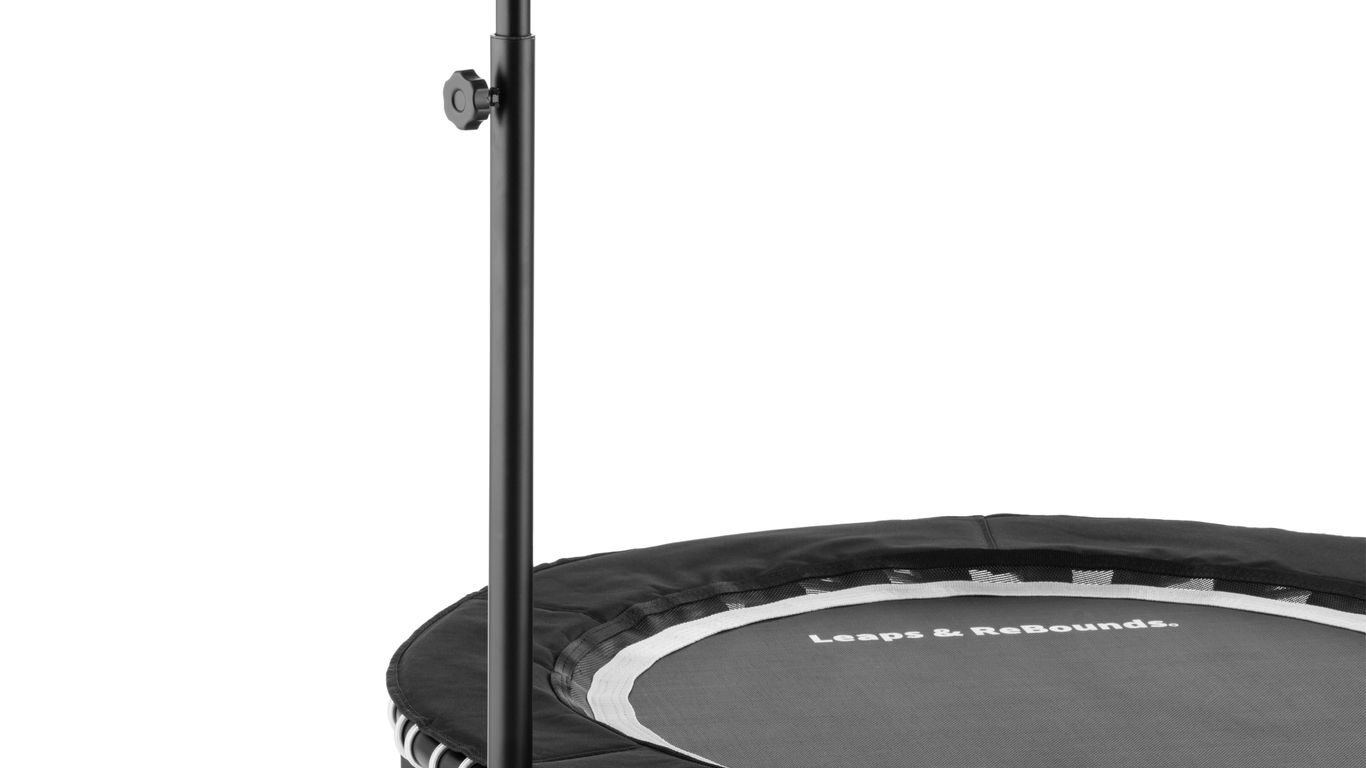
Adding a handle bar to your exercise trampoline can really change the game, especially if you're looking for extra support or want to try more advanced moves. It's like getting a little extra stability when you need it most. This can be a real confidence booster for beginners or anyone who feels a bit wobbly.
When you're using a handle bar, you can do a few different things. For starters, it's great for balance during basic bounces. You can also use it to help you get a deeper squat, really working those leg muscles. Some people even use it for arm exercises, like pulling against resistance bands attached to the bar. It opens up a lot of possibilities for a more varied workout.
Here are some ways a handle bar can help:
- Improved Balance: Provides a point of contact to keep you steady.
- Enhanced Stability: Allows for more dynamic movements without fear of falling.
- Support for Advanced Moves: Helps with deeper squats and controlled twists.
- Assisted Workouts: Can be used with resistance bands for upper body training.
If you're new to rebounding or just want that extra bit of security, a handle bar is definitely something to consider. It makes the whole experience feel safer and lets you focus more on the workout itself rather than worrying about staying upright. It's a simple addition that makes a big difference for many users, turning a good workout into a great one. You can find trampolines with these features, like the Heromate 48" Fitness Trampoline.
Remember, even with a handle bar, it's still important to maintain good form. Don't rely on it so much that you stop engaging your core. It's there to assist, not to do the work for you. Think of it as a helpful guide as you get stronger and more confident on your rebounder.
Want to add extra support to your mini trampoline workouts? The Handle Bar is a great way to help you keep your balance and try new moves. It's easy to attach and makes your bouncing even better. Ready to take your fitness to the next level? Visit our website to learn more and get your Handle Bar today!
Ready to Bounce Your Way to Fitness?
So, there you have it. Trampolines for exercise aren't just for kids anymore. They're a seriously good way to get fit, especially if you're looking for something that's easy on your joints but still gives you a solid workout. Whether you're trying to save some cash on gym fees or just want a fun new way to move your body, a mini trampoline is a great choice. You can do all sorts of exercises, from simple bouncing to more complex moves, and it's something you can use pretty much anywhere, inside or out. Give it a try – you might be surprised at how much you enjoy it and how good you feel.
Frequently Asked Questions
What are the main benefits of using a fitness trampoline?
Using a fitness trampoline, also called a rebounder, is a fantastic way to get fit without putting too much stress on your joints. It's a low-impact exercise that can help you burn calories, improve your heart health, build strength in your legs and core, and even make you feel more energized and focused. Plus, it's a fun way to exercise!
How can a mini trampoline help with weight loss?
Bouncing on a mini trampoline is a great cardio workout. Even a short 10-minute session can burn as many calories as a much longer run. By consistently using your trampoline, you can help shed extra pounds and improve your overall fitness.
Is trampolining good for people with joint problems?
Yes, trampolining is considered a low-impact exercise, which means it's much gentler on your joints compared to activities like running. The trampoline surface absorbs much of the shock, making it a safer option for people who have sensitive joints or are recovering from injuries.
What kind of exercises can I do on a trampoline besides just bouncing?
You can do a lot more than just basic bouncing! Try jumping jacks, twists, or pretend skiing. You can also do exercises like bringing your knees to your chest, squats, and even some stretching. If your trampoline has a handle, you can use it for added support during more challenging moves.
How long should my trampoline workout be?
You can see great results even with short workouts. Aim for about 15-20 minutes a few times a week. The key is to be consistent and gradually increase the intensity as you get fitter. Always remember to warm up before and cool down after your session.
Can I use a trampoline for strength training?
Absolutely! While it's fantastic for cardio, a trampoline also helps build core strength and improve balance. You can incorporate bodyweight exercises like squats and push-ups, or even use resistance bands with handles for added strength training during your bouncing sessions.




0 comments