












Key Takeaways
Starting a new path to health is exciting, but staying grounded helps ensure you reach your goals successfully without burning out.
- Prioritize consistency over intensity to build lasting habits.
- Warm-ups and cool-downs are non-negotiable for injury prevention.
- Use bodyweight exercises to master your form before adding resistance.
- Listen to your body and incorporate active recovery days.
- Track your journey to stay motivated as your strength increases.
Getting started with physical activity
Beginning a fitness journey is one of the best decisions you can make for your long-term health. It often feels like you need to overhaul your entire life overnight, but small, daily adjustments are much more sustainable. By focusing on simple movements, you can find a rhythm that feels natural and enjoyable.
Assessing your current fitness level
Before you dive into high-intensity sessions, take an honest look at where you are starting today. You might begin with a 30-day beginner workout plan to establish a baseline of movement and flexibility. Understanding your current limits ensures you don’t push too hard, too fast, which helps you sustain your motivation for the long haul.
Defining realistic and measurable health goals
Focusing on what you want to achieve helps provide structure to your week. Instead of vague desires like getting in shape, set specific targets, such as walking for twenty minutes daily or mastering a specific bodyweight movement. This clarity prevents frustration and keeps you centered on your personal progress.
Setting a sustainable workout schedule
Consistency wins out over intensity every time when you are building a routine. Aim for a structure where you commit to a few days of movement rather than trying to sustain a grueling daily routine. You might explore NHS home workout videos for inspiration on how to schedule shorter, effective sessions that fit right into your existing lunch break or evenings.
Choosing a training environment that matches your needs
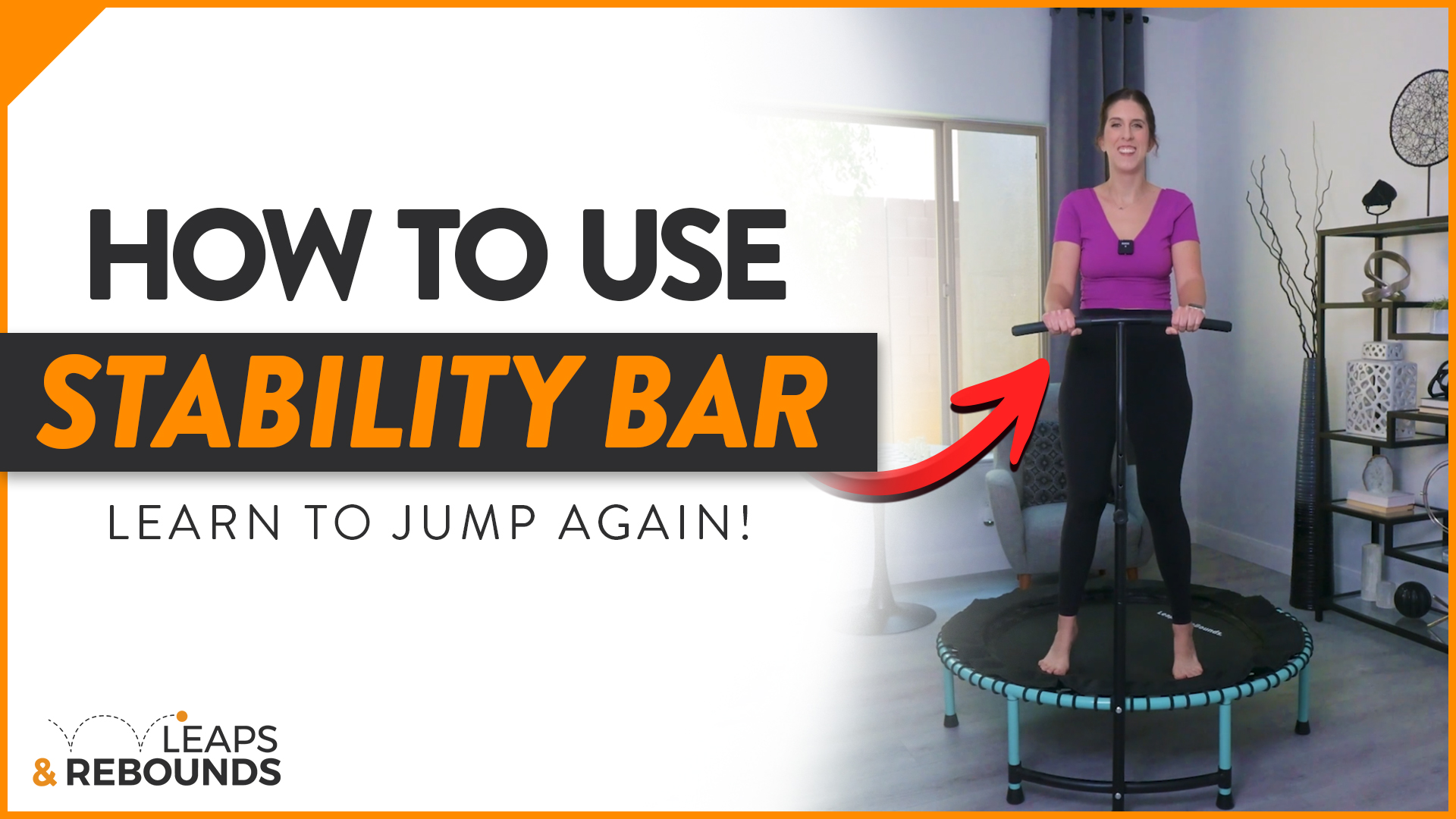
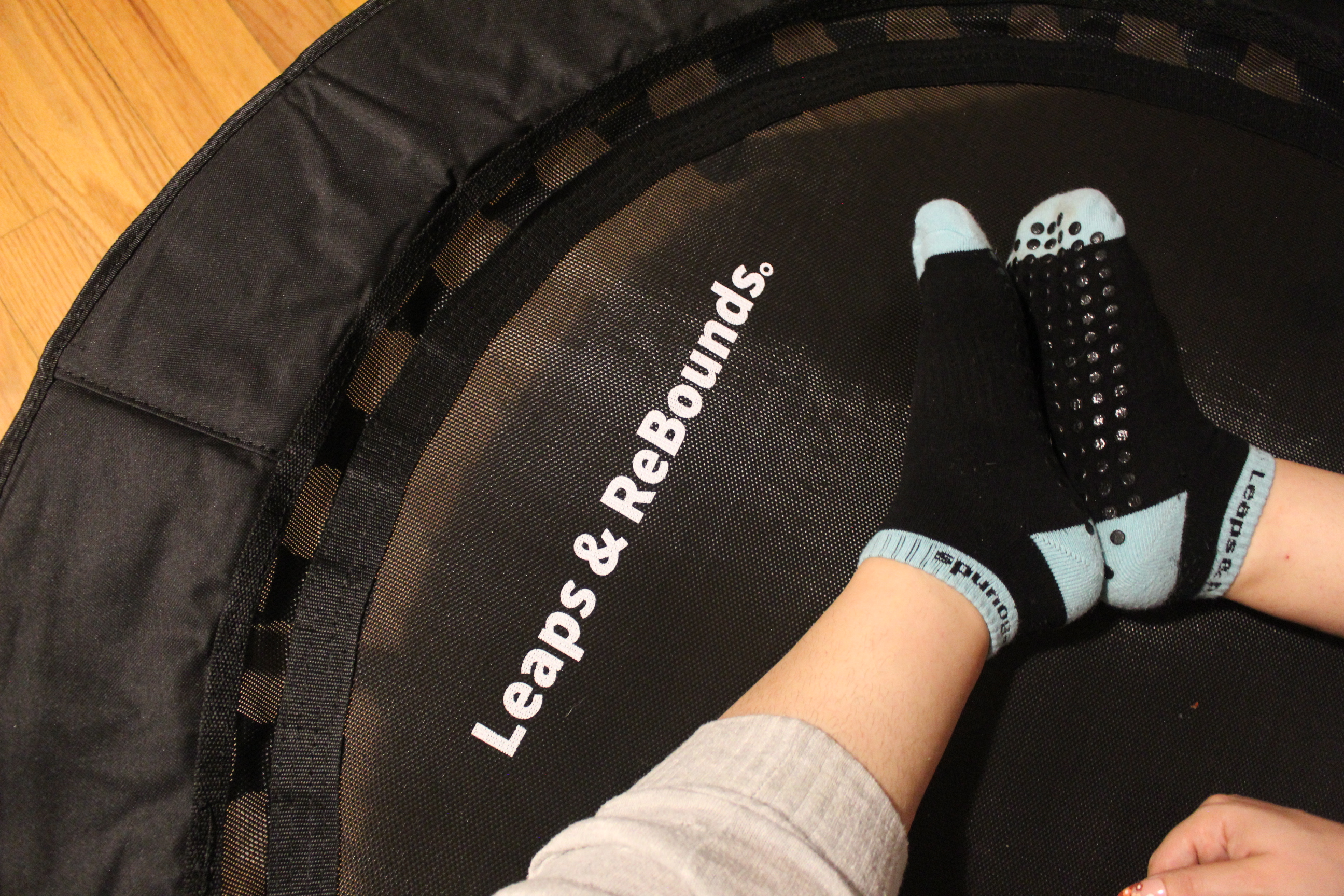
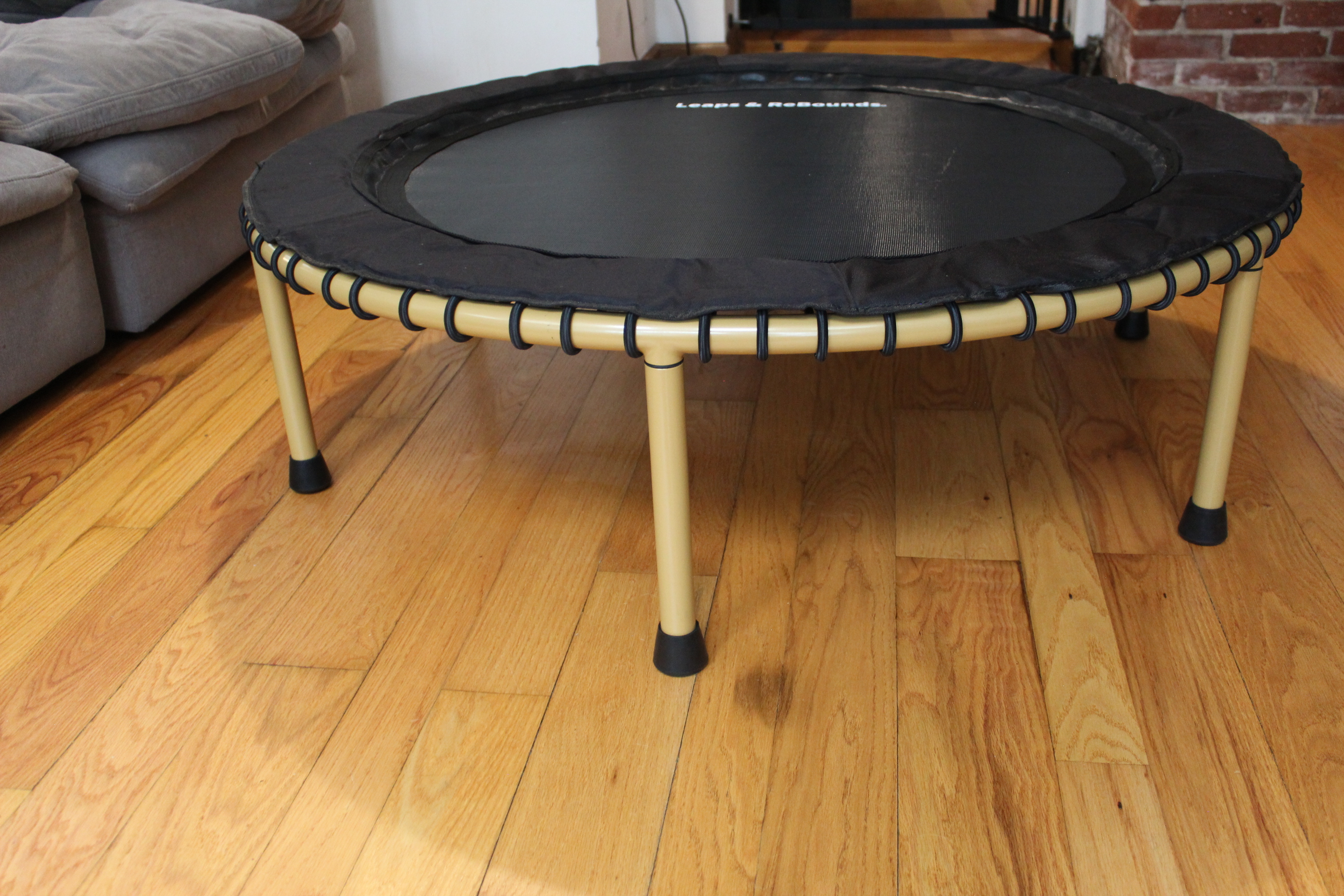
Your surroundings play a huge role in how much you enjoy your fitness routine. Whether you prefer the privacy of your living room or a dedicated workout corner, make sure your space feels inviting. For those seeking variety and support, Leaps and Rebounds offers equipment that makes home training both engaging and low-impact.
Essential warm-up and cool-down techniques
Propre preparation ensures your engine is ready for work and ready to rest afterward. Many people skip these segments in the rush to start, but taking a few extra minutes protects your muscles and joints from unnecessary strain. Integrating these moments allows you to transition effectively into and out of your workout intensity.
Importance of dynamic stretching before exercise
Dynamic movements prep your blood flow and range of motion far better than standing still. These activities tell your muscles they are about to perform, reducing stiffness during the main event. It creates a smooth ramp-up to ensure your body is truly ready to move.
Implementing static stretching for active recovery
Once your heart rate begins to drop after a session, static holds help bring your muscles back to their resting length. This step is crucial for maintaining supple muscles and ensuring you aren't walking around with chronic tightness. Consistency here is truly the secret to success when you want to stay active over the long term.
Listening to your body signals during movement
Pain is not a necessary component of effective exercise, and differentiating between muscle fatigue and joint strain is critical. If something feels off, adjust your intensity or range of motion immediately. Taking time to notice these nuances will significantly improve your long-term joint mobility and health as you age.
Improving long-term joint mobility and health
Consistent, low-impact exercise supports healthy joints by encouraging blood flow and maintaining natural movement patterns. When you optimize your routine to minimize unnecessary impact, you encourage a lifetime of movement. Below is a simple overview of how various intensities affect your daily recovery needs.
| Intensity Level | Primary Goal | Recommended Duration |
|---|---|---|
| Low | Mobility & Blood Flow | 15-20 Minutes |
| Moderate | Stamina Building | 30-45 Minutes |
| High | Strength Development | 20-30 Minutes |
After balancing your activity levels, you should find that your joints feel more resilient and less prone to post-workout aches.
Bodyweight training for foundational strength
Using your own body weight is perhaps the most efficient equipment-free way to build functional power. You gain control over your own frame, which translates into better movement throughout your daily life. It is the perfect starting point for anyone looking to build confidence without the complexity of gym machines.
Mastering squat and lunge mechanics
Squats and lunges are foundational movements that build leg and glute power while improving stability. You should start with a shallow range of motion and prioritize your form before trying to go deeper. Once you are comfortable with these patterns, you can increase your volume to build real endurance.
Building push-up stability and progression
Push-ups engage your entire upper body and demand significant core engagement. You can start with these wall or bench variations:
- Wall push-ups to learn the arm path.
- Incline push-ups on a sturdy chair.
- Kneeling push-ups to build lower-body stability.
- Full push-ups as your strength matures.
These tiers ensure you are always adding just enough challenge to keep your progress moving forward.
Engaging your core with planks
Planks are subtle but powerful, focusing on bracing your abdomen and stabilizing your spine. Hold your position for short durations initially, focusing on a flat back rather than how long you can last. This focus on tension and position is key to functional strength.
Utilizing household items for resistance
Once movements feel easy, you can incorporate common objects around the home to add weight. However, Leaps and Rebounds provides more specialized options if you find yourself needing extra stability as your capabilities evolve. You do not need expensive machines to keep getting stronger as your base level improves.
Incorporating cardiovascular exercise
Your cardiovascular system thrives on consistent, rhythmic effort that elevates your heart rate. This type of training improves your overall energy levels and supports heart health over the long term. You can start with very simple activities that feel more like recreation than work.
Benefits of low-impact walking and jogging
Walking is the most accessible cardiovascular exercise available, perfect for almost any fitness level. It is gentle on the joints while still providing significant metabolic benefits. As you develop, you might move toward jogging or alternative low-impact training methods.
Establishing an aerobic intensity baseline
Aerobic training is all about sustained, moderate effort where you can still carry on a conversation. You want to maintain this state to improve your capacity for endurance without reaching exhaustion too quickly. Finding this sweet spot makes your sessions much easier to repeat.
Integrating interval training safely
Intervals involve alternating between periods of higher speed and rest, which can be fantastic for efficiency. Always start with very short bursts of effort followed by longer recovery intervals to ensure you are not spiking your heart rate too drastically. This pacing keeps you safe and energized.
Monitoring heart rate during activity
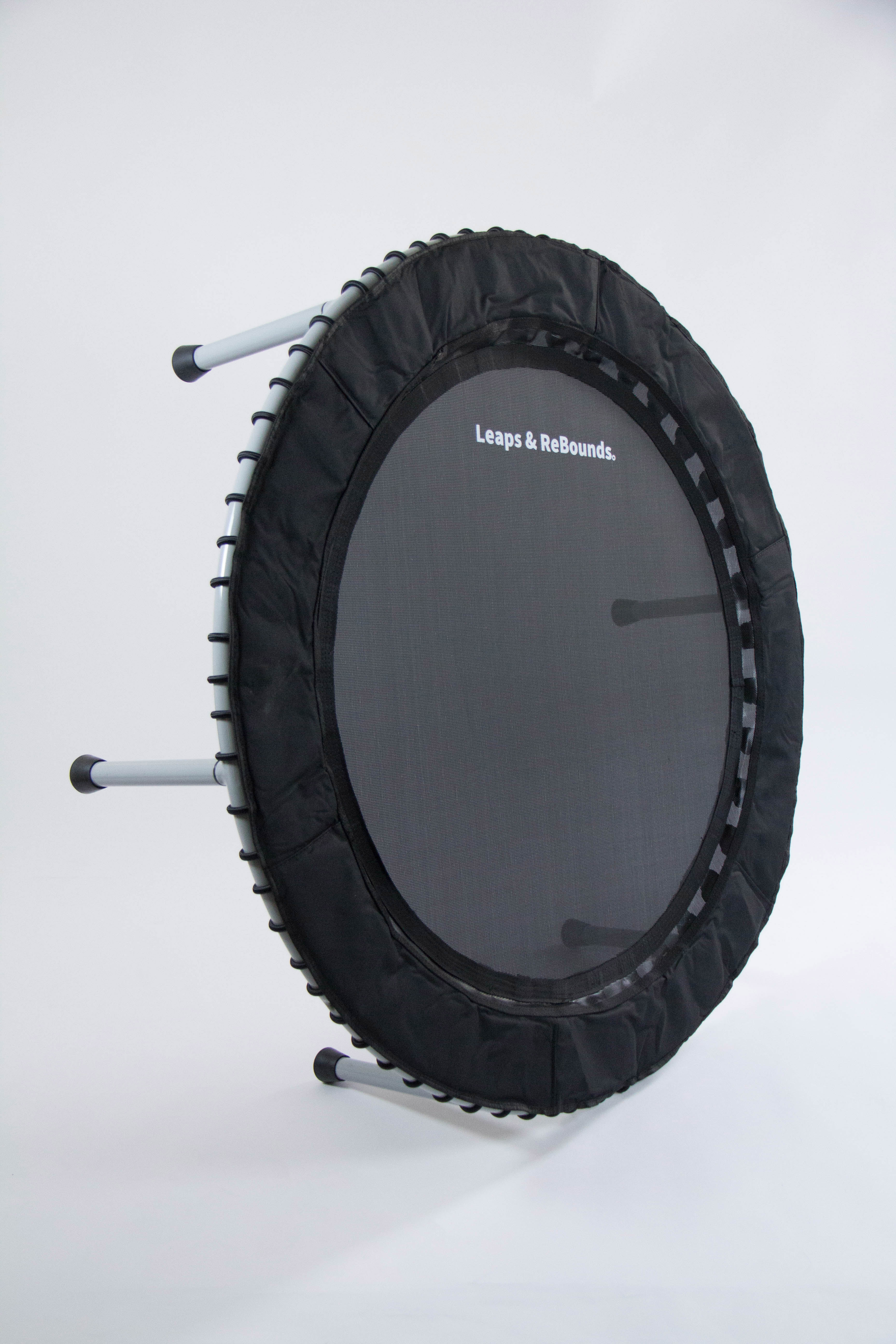
Using a heart rate monitor or simply relying on your perceived exertion helps you stay within your target zones. Understanding these zones prevents you from accidentally overtraining. If you enjoy exploring new types of movement, you might browse our various Fitness Trampolines to add variety to your aerobic sessions.
Overcoming common beginner challenges
Every newcomer faces hurdles, whether it is finding time or dealing with soreness. Anticipating these moments helps you navigate them without feeling like a failure. It is perfectly normal to feel these ebbs and flows as you solidify your new habits.
Managing muscle soreness and recovery periods
Delayed muscle soreness is a regular result of new activity, but it should not stop your movement. Light activity, such as walking or gentle stretching, often helps dissipate that soreness faster than total inactivity. Give your body the rest it asks for while staying gentle and consistent.
Staying motivated when progress plateaus
Progress is rarely a straight line, and you may find that your numbers stop moving for a while. This is when you should focus on non-scale victories, such as your energy levels or your mood during the day. Keeping your eyes on these wellness aspects often keeps the fire burning longer.
Finding time for exercise in a busy schedule
Often, the difficulty is not lack of time, but how we prioritize our daily minutes. You do not need an hour of dedicated time; three ten-minute sessions are just as effective for your health. Look for those small gaps in your day where you can fit in movement.
Adapting movements for personal physical limitations
Modified sessions ensure you stay safe while working around specific needs or injuries. You can find many guides for beginner-friendly workout adaptations that respect your current anatomy. There is never a reason to push through sharp or non-muscular pain.
Tracking progress and adjusting your plan
Documenting your work provides you with clear evidence of your hard-earned growth. Without some form of tracking, it is easy to forget how far you have truly come over the past few months. A simple log becomes a powerful tool in your fitness arsenal.
Maintaining a simple workout log
Keep a notebook or a digital file where you record your sessions, noting exercise types, repetitions, and how you felt. Seeing your progress written out in ink is incredibly encouraging when you feel less than enthusiastic about moving. It also helps you spot trends in your energy and mood.
Measuring performance indicators beyond the scale
Your weight does not tell the whole story of your health, so look toward other metrics. Tracking how many reps you finished or how much easier simple tasks feel in your daily life is often more indicative of success. These signs show your body is adapting and becoming more capable.
Knowing when to increase weight or duration
When a workout starts to feel routine and easy, it is time to gently bump up the challenge. You might increase the sets, reduce the rest times, or add slight resistance to your movements. Leaps and Rebounds offers tools that adapt to these shifting needs as you grow stronger.
Staying consistent with long-term habit formation
Ultimately, the goal is to make physical activity a natural part of your existence rather than a chore. By balancing rest, intensity, and fun, you increase the likelihood of success. Treat this journey with the patience you would offer a good friend.
Conclusion
Prioritizing movement is a transformative journey that rewards you with better vitality, increased mental clarity, and a deeper connection to your own physical capabilities. By starting with simple, sustainable habits and adjusting them as you grow, you build a foundation that supports you for years to come. Remember that every small step contributes to your long-term success and that consistent, gentle progression is always better than erratic bursts of effort.
Frequently Asked Questions
How many times a week should a beginner exercise?
Most beginners see great benefits from exercising three to four times per week, which provides enough stimulus for growth while allowing for plenty of recovery time.
Is it normal to feel exhausted after a workout?
Feeling some level of fatigue is expected, but you should not feel completely drained or unable to function; if you feel burnt out, try reducing your session intensity.
Can I still work out if I have joint pain?
It is often possible to workout, but you should choose low-impact activities and consult with a professional to ensure your modifications are safe for your specific situation.
How long should a good beginner workout last?
Sessions between twenty to forty-five minutes are generally ideal for beginners, as they are long enough to provide health benefits without feeling overwhelming.
Do I need special equipment to start?
No, you can start with just your body weight, though some people find that simple, low-impact tools help make their routine more enjoyable and easier on their joints.
How long does it take to see results?
Initial changes in energy and mood can appear within a few weeks, while physical endurance and strength improvements typically become noticeable after one to three months of consistency.
What should I do if I miss a scheduled workout?
Simply resume your routine as planned rather than trying to double up your next session, as consistency over the long term matters much more than any single missed day.


0 comments