









So, you're thinking about getting a fitness ball, huh? That's a great move! But before you just grab the first one you see, let's chat for a minute. Picking the right ball isn't just about looks; it seriously impacts how comfortable and effective your workouts will be. It’s not super complicated, but a few things will help you find your perfect match. This guide will walk you through the benefits, features, and safety tips to help you choose the best ball for exercise for your needs.
Key Takeaways
- Exercise balls are great for building core strength and stability.
- Choosing the right size is important for effective workouts and preventing injuries.
- Look for features like anti-burst technology and high weight capacity for safety.
- Incorporate exercise balls into various routines for better results in core and balance exercises.
- Regular maintenance and proper inflation are key to making your exercise ball last.
Understanding The Benefits Of An Exercise Ball
So, you're thinking about getting an exercise ball, huh? Good move. These things are way more than just a bouncy sphere; they can seriously shake up your fitness game. Whether you're trying to get stronger, recover from an old injury, or just stand up a little straighter, an exercise ball might be just what you need. It's a simple tool, but it works in some pretty cool ways.
Enhancing Core Strength And Stability
Let's talk about your core. It's not just your abs; it's all those muscles around your midsection and back that keep you upright and stable. When you sit or do exercises on an unstable ball, your body has to work overtime to keep you from falling off. This constant little adjustment game is fantastic for waking up and strengthening those deep core muscles. Think of it like this: your body is constantly trying to find its balance, and in doing so, it's building a stronger, more stable foundation for everything else you do. Even just sitting on the ball engages your core muscles more than you might realize. This constant engagement helps to strengthen those deep muscles in your abs, back, and pelvis.
Improving Balance And Coordination
Ever feel a bit wobbly? Or maybe you find yourself slouching without even realizing it? An exercise ball can help with that too. The instability of the ball forces you to pay attention to your body's position. As you try to stay balanced, you naturally engage the muscles that help you stand tall. Over time, this can lead to a noticeable improvement in your posture and your overall sense of balance, making everyday activities feel easier and reducing the risk of falls. It also helps your body get better at knowing where it is in space, which is called proprioception. Using an exercise ball can really change how you think about working out.
Versatile Tool For Rehabilitation
Exercise balls aren't just for workouts; they're also super helpful for rehabilitation. They can be used to help people recover from injuries or surgeries. The gentle, controlled movements you can do on an exercise ball can help to rebuild strength and flexibility without putting too much stress on your body. Plus, using an exercise ball can help improve your posture and reduce back pain. It's a low-impact way to get moving and start feeling better.
Here's a quick look at how exercise balls can help with rehab:
- Gentle strengthening exercises.
- Improved range of motion.
- Reduced pain and discomfort.
Using an exercise ball is a great way to boost your core strength. The unstable nature of the ball forces your core muscles to constantly engage to maintain balance. This constant engagement helps to strengthen those deep muscles in your abs, back, and pelvis. Think of it like this: every time you sit or do an exercise on the ball, your core is working overtime, even if you don't realize it.
Selecting The Ideal Exercise Ball Size
So, you're thinking about getting a fitness ball, huh? That's a great move! But before you just grab the first one you see, let's chat for a minute. Picking the right ball isn't just about looks; it seriously impacts how comfortable and effective your workouts will be. It’s not super complicated, but a few things will help you find your perfect match.
Matching Ball Dimensions To Your Height
This is probably the most important part. If the ball is too big or too small, it just won't feel right, and you'll end up struggling instead of strengthening. The goal is to sit on the ball with your feet flat on the floor. When you do this, your knees should be bent at about a 90-degree angle, and they should be roughly level with your hips. If your hips are higher than your knees, the ball is too small. If your knees are higher than your hips, it's too big. Getting the size right means your body is in a better position to work those muscles. A general rule of thumb is to choose a ball size that allows your hips and knees to form a 90-degree angle when you're seated.
Here’s a general guide to help you out:
- Under 5'4" (163 cm): Look for a 45-55 cm ball.
- 5'5" to 5'11" (165-180 cm): A 55-65 cm ball is usually a good fit.
- 6'0" (183 cm) and taller: Aim for a 65-75 cm ball.
Remember, these are just starting points. Some people might find they prefer a slightly different size based on their leg length or personal preference. If you're between sizes, it's often better to go with the larger one, especially if you're new to using exercise balls. You can always adjust your position slightly to make it work. For those between 4'8" and 5'3", a 45 cm ball is often recommended, while taller individuals might need larger sizes to get proper posture and support during exercises choosing the right yoga ball size.
Achieving Proper Hip-to-Knee Alignment
Getting that 90-degree angle at your hips and knees is key. When you sit on the ball, your thighs should be parallel to the floor. This position helps you maintain a neutral spine and engage your core effectively. If your knees are significantly higher than your hips, the ball is too small, and you'll be leaning forward too much. Conversely, if your knees are much lower than your hips, the ball is too large, and you might feel unstable. It's about finding that sweet spot where your body feels balanced and supported.
Trying out different sizes if you can is a good idea. See how they feel when you sit on them, and try a few basic movements to get a sense of what works best for your body. Don't be afraid to ask for help at the store or gym – the staff can usually give you some good advice.
Understanding Size Guides For Optimal Fit
Most exercise ball manufacturers provide their own sizing recommendations, usually based on height. It's always a good idea to check the specific guide for the ball you're interested in. However, the general guidelines mentioned above are a solid starting point. Keep in mind that leg length can also play a role, so the 90-degree hip-to-knee alignment test is the most reliable way to gauge the fit. Don't forget to consider the ball's weight capacity too; you don't want it popping mid-workout! Always check the manufacturer's specs before you buy.
Key Features For A Safe Exercise Ball
Prioritizing Anti-Burst Technology
When you're picking out an exercise ball, safety has to be number one. You don't want a ball that's going to suddenly deflate or, worse, burst while you're in the middle of a workout. That's where anti-burst technology comes in. This feature means that if the ball gets a puncture, it won't explode. Instead, it'll slowly release air, giving you plenty of time to get off safely. It’s a pretty big deal, especially if you’re new to using these balls or if you plan on doing more intense exercises. Always check the product description for this specific safety feature; it's worth the extra peace of mind.
Evaluating Material Durability And Grip
The material your exercise ball is made from really matters. You want something that feels sturdy and can handle regular use without wearing out too quickly. Look for balls made from thick, high-quality PVC. While they might feel a bit firmer, they tend to be more durable. Also, think about the grip. A ball with a good texture, maybe a slight ribbing or matte finish, will help prevent you from slipping. This is super important for exercises where you need to maintain balance, like planks or bridges. A slippery ball can turn a good workout into a potential fall.
Considering Weight Capacity For Security
Every exercise ball has a weight limit, and it's important to know what it is. This tells you the maximum amount of weight the ball can safely support. Exceeding this limit could damage the ball or, more importantly, lead to an accident. Most standard stability balls can handle a good amount of weight, often around 300 pounds or more, but it's always best to check the specifics for the ball you're interested in. For example, some balls are static-tested to hold up to 1,000 lbs., which is a good indicator of their strength. Make sure the ball you choose can comfortably support your body weight plus any weights you might be using during your exercises. A ball like the Retrospec Luna Exercise Ball is a good example of a sturdy option.
Choosing an exercise ball isn't just about picking a color you like. It's about selecting a piece of equipment that will support your fitness journey safely and effectively. Paying attention to these key features can make a big difference in your workout experience and help prevent injuries.
Exploring Different Types Of Exercise Balls
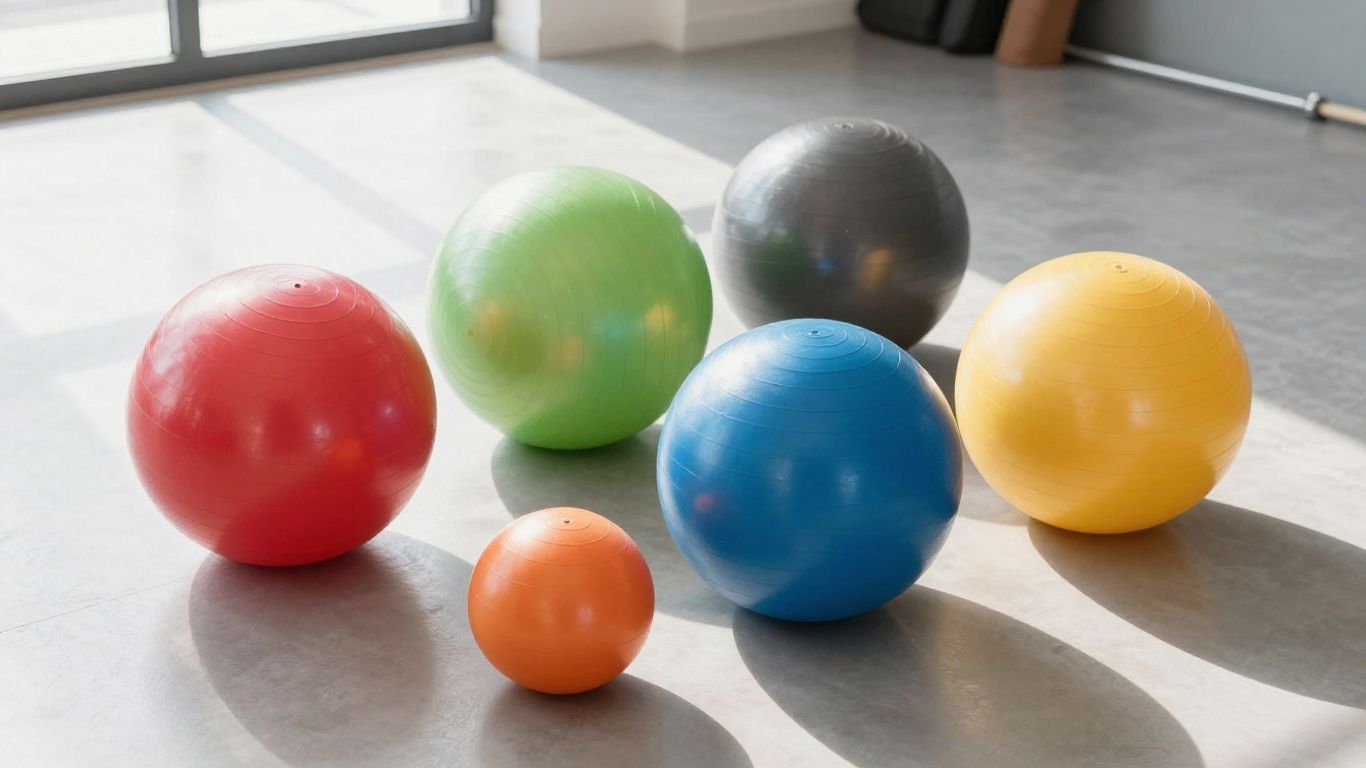
Walking into a fitness store or scrolling through online retailers, you'll see a bunch of balls that look pretty similar. But here's the thing: they're not all made for the same stuff. Understanding the different kinds can really help you pick the right one for what you want to do. It's not just about having a ball; it's about having the right ball.
Standard Stability Balls For General Use
These are probably what you picture when you think of an exercise ball. They're the big, round ones, often called Swiss balls or yoga balls. They're super versatile and great for a whole range of exercises. You can sit on them, do crunches, planks, and even use them for stretching. They're a fantastic all-around tool for building core strength and improving posture. Because they're so adaptable, they work for beginners and more experienced folks alike. Just make sure you get the right size for your height, which we talked about earlier. A good stability ball should feel sturdy and not wobble too much when you're using it for basic exercises. They're also a popular choice for physical therapy and rehabilitation because they provide a stable yet challenging surface.
Specialized Half Balls For Balance Challenges
Next up, we have the half balls, sometimes called BOSU balls (though BOSU is a brand name). These have a flat, rigid base with an inflatable dome on top. They're brilliant for really upping the ante on balance and stability exercises. You can stand on the dome, do lunges, or even push-ups with your hands on the dome. Flipping it over gives you a different kind of unstable surface to work with. They're excellent for adding a new layer of difficulty to your regular workouts and are particularly good for exercises that target smaller stabilizing muscles. If you're looking to really challenge your coordination and proprioception, a half ball is a solid choice. They can make simple movements feel much harder and more effective.
Mini Balls For Targeted Core Work
These little guys are usually around 7 to 10 inches in diameter and are often called Pilates balls or core balls. They're not for sitting on or doing big, sweeping movements. Instead, they're designed to be squeezed between your knees, ankles, or even your hands during exercises. Think of them as precision tools for your workout. They're perfect for isolating and strengthening those deep core muscles, inner thighs, and glutes. You'll often see them used in Pilates, barre classes, or for specific rehabilitation exercises where you need to focus on small, controlled movements. They're also great if you have limited space or want to add a bit more intensity to floor-based exercises. They really help you feel the burn in those often-neglected smaller muscle groups.
Choosing the right type of ball depends heavily on your fitness goals and the kind of exercises you plan to do. Don't just grab the first one you see; think about what you want to achieve. A standard ball is great for general fitness, a half ball adds a balance challenge, and a mini ball is for focused muscle work. It's all about matching the tool to the task.
Here's a quick look at what each type is best suited for:
- Standard Stability Balls: General fitness, core strength, posture improvement, stretching, and basic balance.
- Half Balls (BOSU): Advanced balance training, coordination drills, adding intensity to standard exercises, and functional movement.
- Mini Balls: Targeted muscle isolation (core, inner thighs, glutes), Pilates and barre workouts, rehabilitation exercises, and space-saving routines.
Remember, no matter which type you choose, always check the weight capacity and ensure it's properly inflated before each use. This variety means there's likely an exercise ball out there that fits perfectly into your fitness routine.
Choosing An Exercise Ball For Your Goals
So, you've decided to get an exercise ball, which is awesome! But now comes the part where you actually pick one. It can feel a bit much with all the choices out there, right? Don't sweat it. The trick is to think about what you actually want to do with the ball. Are you trying to build a rock-solid core, get better at not falling over, or maybe help an old injury feel better? Your goal is the compass here.
Best Exercise Balls For Core Strength
If your main mission is to get your midsection stronger, you'll want a ball that's stable and lets you get into a good position. Think about a standard, larger stability ball. The key is that when you sit on it, your hips and knees should be at about a 90-degree angle. This setup lets you really engage your abs and back muscles without straining your lower back. A ball that's too small or too big will throw off your form, and then you're not working your core as effectively. Some people find that balls with a bit of texture offer a better grip, which is nice when you're doing planks or crunches.
- TheraBand Professional Series Exercise Ball: This one is a popular pick for a reason. It's built tough and can handle a lot of use. Many fitness pros recommend it because it's reliable and lasts. It might cost a bit more, but you get what you pay for in terms of quality.
- GoFit Pro Stability Ball: If you're looking for something that's still good quality but won't empty your wallet, this is a solid choice. It's durable enough for most core exercises and comes at a pretty reasonable price.
- Gold's Gym Anti-Burst Body Ball: This is another budget-friendly option that still packs a punch. The anti-burst feature is a big plus for safety, and it's great for general core work.
Top Picks For Balance And Rehabilitation
When balance and recovery are your main focus, you might look at slightly different types of balls or features. For rehabilitation, you want something that allows for controlled movement and doesn't put too much stress on your body. A standard stability ball that fits your height correctly is often perfect for this. It allows for gentle strengthening and helps improve your range of motion. If you're looking to really challenge your balance, you might consider something like a half ball (also known as a Bosu ball). These provide an unstable surface that forces your stabilizing muscles to work harder.
- Bosu Exercise Ball: This isn't a full ball, but half of one, sitting flat on one side. It's fantastic for really pushing your balance and core engagement. It's great for more advanced moves and can add a whole new level to your routine.
- Epitomie Fitness Active Balance Fitness Ball: This ball is specifically designed to help you get better at balancing and coordinating your movements. It's a good choice if you're recovering from an injury or just want to prevent them.
Choosing the right ball isn't just about picking a color. It's about finding a tool that supports your body safely and effectively. Think about how you'll use it most and pick a ball that makes that specific activity easier and better for you.
Budget-Friendly Exercise Ball Options
Getting fit doesn't have to cost a fortune. You can find perfectly good exercise balls without spending a ton of cash. The key is to look for durability and safety features, like anti-burst technology, even on the cheaper models. Always check the weight capacity to make sure it's suitable for you.
- Check the weight limit: Make sure the ball can support your weight plus any extra weight you might add during exercises.
- Look for anti-burst: Even budget balls should ideally have this safety feature.
- Read reviews: See what other people say about the ball's durability and performance for the price.
Maximizing Your Exercise Ball Workouts
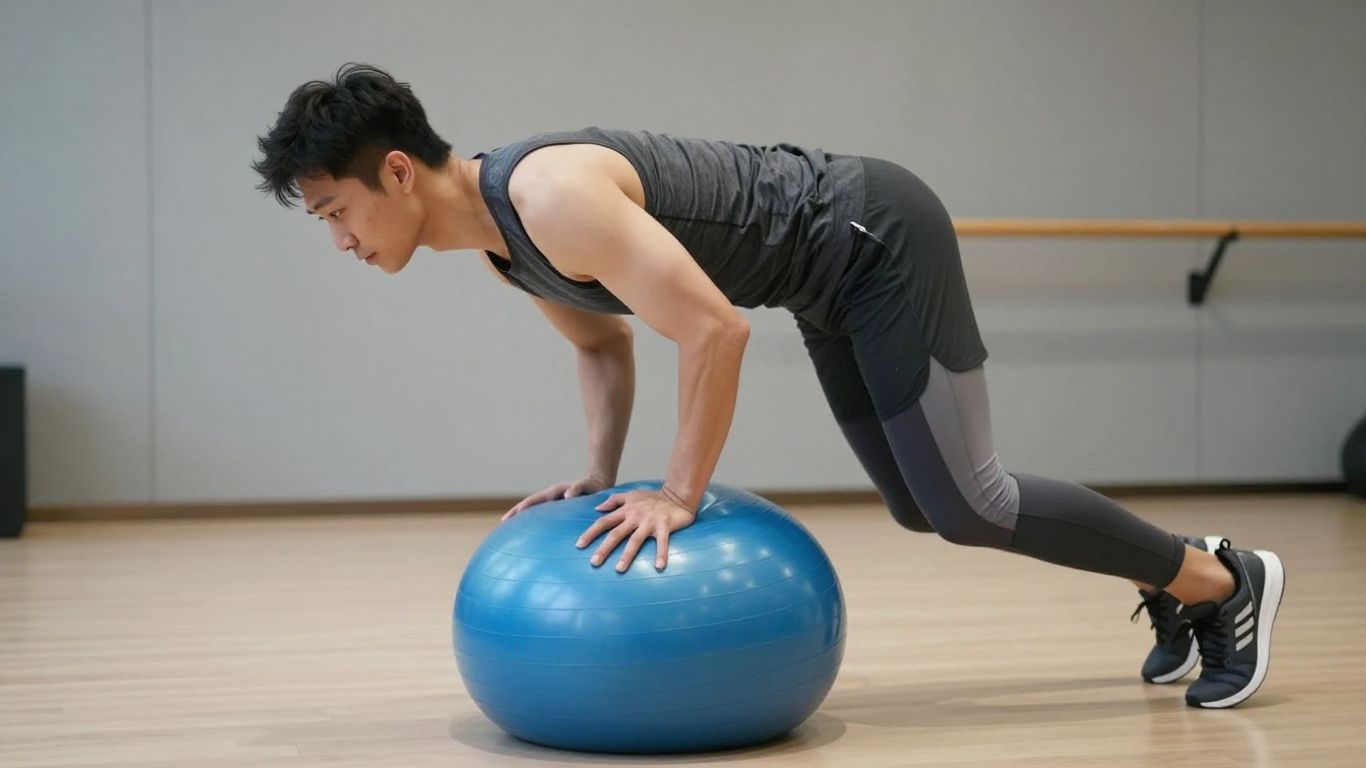
So, you've got your exercise ball and you're ready to really mix things up. That's great! This ball isn't just for sitting or doing basic crunches; it's a tool that can seriously spice up your regular fitness routine. Think of it as a way to add a little challenge and a lot more engagement to exercises you already do. It's all about making your workouts more dynamic and getting more out of them, muscle-wise.
Incorporating Progressive Overload
It's easy to get excited and want to do everything at once, but that's how injuries happen. The key is slow and steady progress. Think about adding just one new challenging exercise per week, or increasing the reps or hold time of an exercise you already do. Your body will tell you when it's had enough. Pushing through sharp pain is never a good idea. It's better to back off, rest, and try again when you're feeling stronger. Consistency over intensity is the name of the game here. Making small, consistent gains over time is far more effective than occasional, intense sessions.
Here’s a simple way to think about increasing difficulty:
- Increase Reps: If you're doing 10 reps of an exercise, try for 12 or 15.
- Increase Hold Time: For exercises like planks or holds, extend the duration by 5-10 seconds.
- Add Resistance: Use light weights or resistance bands alongside the ball.
- Reduce Base of Support: Make the exercise harder by bringing your feet closer together or lifting one limb.
Strategies For Dynamic Exercise Variations
Once you've got a handle on the basics, it's time to branch out. Don't feel like you need to learn a dozen new moves overnight. Pick one or two that look interesting and focus on mastering them. Maybe you want to try a ball pass between your feet while in a plank, or perhaps some controlled leg curls. The goal is to keep your body guessing and to work muscles in new ways. Look for variations of exercises you already do, like lunges or push-ups, and see how the ball changes the challenge. Remember, the ball adds instability, which means your smaller stabilizing muscles have to work harder. This is where a lot of the benefit comes from, but it also means you need to be more controlled. Don't rush it. For example, you can start by placing your forearms firmly on the ball to begin a movement exercise ball workouts.
The instability of the ball forces your muscles to work harder to maintain balance, which translates to a more effective workout. It's not just about doing crunches; it's about engaging your core in a way that traditional floor exercises simply can't match.
Maintaining Your Exercise Ball
Taking care of your exercise ball means it'll last longer and stay safe to use. Regularly wipe it down with a damp cloth and mild soap to keep it clean. Avoid harsh chemicals that could damage the material. Store it away from direct sunlight and extreme temperatures, as these can degrade the plastic over time. Periodically check for any signs of wear, like small nicks or punctures. If you notice any damage, it might be time to consider a replacement to avoid any safety issues during your workouts. A well-maintained ball is a reliable workout partner.
Wrapping It Up
So, after all that, picking the right exercise ball really comes down to what you want to do with it. It’s not just about grabbing any old ball; it’s about finding one that fits you and your workout style. Think about your goals – are you trying to build a stronger core, get better at balancing, or just make your workouts a bit more fun? Take your time, do a little looking around, and maybe even try a few out if you can. With the right ball in hand, you'll be well on your way to making your fitness routine more effective and, honestly, a lot more enjoyable. Go ahead, get bouncing into your fitness journey!
Frequently Asked Questions
What are the main benefits of using an exercise ball?
Exercise balls are awesome for making your core muscles stronger and more stable. They also help you get better at balancing and moving smoothly. Plus, they're super useful if you're trying to recover from an injury or just get back into shape.
How do I know what size exercise ball I need?
Picking the right size is really important! You want to sit on the ball so your feet are flat on the floor and your knees are bent at about a 90-degree angle, level with your hips. If the ball is too small, your hips will be higher than your knees. If it's too big, your knees will be higher than your hips. Checking a size chart based on your height is a good starting point.
What does 'anti-burst' mean for an exercise ball?
Anti-burst technology is a safety feature. It means if the ball gets a hole or is punctured, it will deflate slowly instead of popping suddenly. This gives you time to get off safely and avoids a big surprise that could cause an injury.
Are there different kinds of exercise balls?
Yes, there are! You have standard stability balls for general workouts. Then there are half balls, which are great for challenging your balance. There are also mini balls, sometimes called core balls, that are perfect for focusing on specific small muscle groups.
How can I make my workouts with an exercise ball more effective?
To get the most out of your ball, try to slowly increase the difficulty. This could mean doing more repetitions of an exercise, holding a position for longer, or trying new, more challenging moves over time. It's all about making steady progress rather than trying too much too soon.
When should I replace my exercise ball?
You should replace your exercise ball if you see any signs of wear and tear, like cracks, nicks, or if it seems to be losing air faster than it should. If the ball has been damaged, it's much safer to get a new one than to risk it bursting during a workout.


0 comments