










So, you're looking for a heavy duty trampoline for adults? That's awesome! Trampolines aren't just for kids anymore, and finding one that can handle adult weight and give a good bounce is key. It can feel a bit much with all the options out there, but don't worry. We're going to break down what really matters so you can pick a trampoline that's safe, sturdy, and super fun for years to come. Let's get bouncing!
Key Takeaways
- When picking a heavy duty trampoline for adults, always check the weight capacity first. Make sure it's well above the heaviest person who will use it.
- A strong frame made from materials like galvanized steel is a must for durability and safety with adult use.
- Consider bounce style: springs offer a traditional bounce, while springless models can be gentler on joints for heavier users.
- Look for a durable mat with reinforced stitching and good padding around the frame and springs to prevent injuries.
- Don't forget to research brand reputation and read customer reviews to get a sense of real-world performance and customer service.
Understanding Weight Capacity and Frame Strength
Prioritizing Weight Capacity for Adult Use
When you're looking for a trampoline that can handle adult weight, the first thing you absolutely need to check is its weight limit. This isn't just a suggestion; it's a safety number. Manufacturers usually list this clearly, and you should aim for a trampoline that can support significantly more than the heaviest person who will be jumping. Think of it like buying a bridge – you want it rated for more than you'll ever put on it. For adults, especially if multiple people might jump at once, you'll want to look for models rated at 300 lbs, 400 lbs, or even higher. Don't guess on this one; it's the most important spec for safety and making sure the trampoline doesn't break down quickly.
Evaluating Frame Construction Materials
The frame is the backbone of your trampoline, and for adult use, it needs to be seriously sturdy. Most good quality trampolines use galvanized steel for their frames. This means the steel has a protective zinc coating, which helps a lot with preventing rust and corrosion, especially if the trampoline is going to live outside. Some might use heavy-duty aluminum, which is lighter but still strong. You want to see thick, robust metal parts, not flimsy, thin tubes. Check how the frame pieces connect, too. Welded joints are generally stronger than those held together by bolts alone, though good quality bolts can also work. Basically, the heavier and more solid the frame feels, the better it's likely to handle the stress of adult bouncing.
The Importance of a Robust Frame
A trampoline frame isn't just about holding the mat up; it's about absorbing the impact and distributing the force evenly. When heavier adults jump, there's a lot more energy going into the frame with each bounce. A weak frame can bend, warp, or even break over time, leading to a dangerous situation. Look for frames that are designed with stability in mind. This often means thicker gauge steel and a design that sits low and wide to the ground, giving it a solid foundation. Some higher-end models might even have extra bracing or thicker legs. A well-built frame is the silent hero that keeps your trampoline safe and fun for years.
When you're shopping, don't just glance at the weight capacity. Think about the materials used for the frame and how it's put together. A strong frame means a safer bounce and a trampoline that lasts longer, no matter who's jumping.
Bounce Technology: Springs Versus Springless Designs
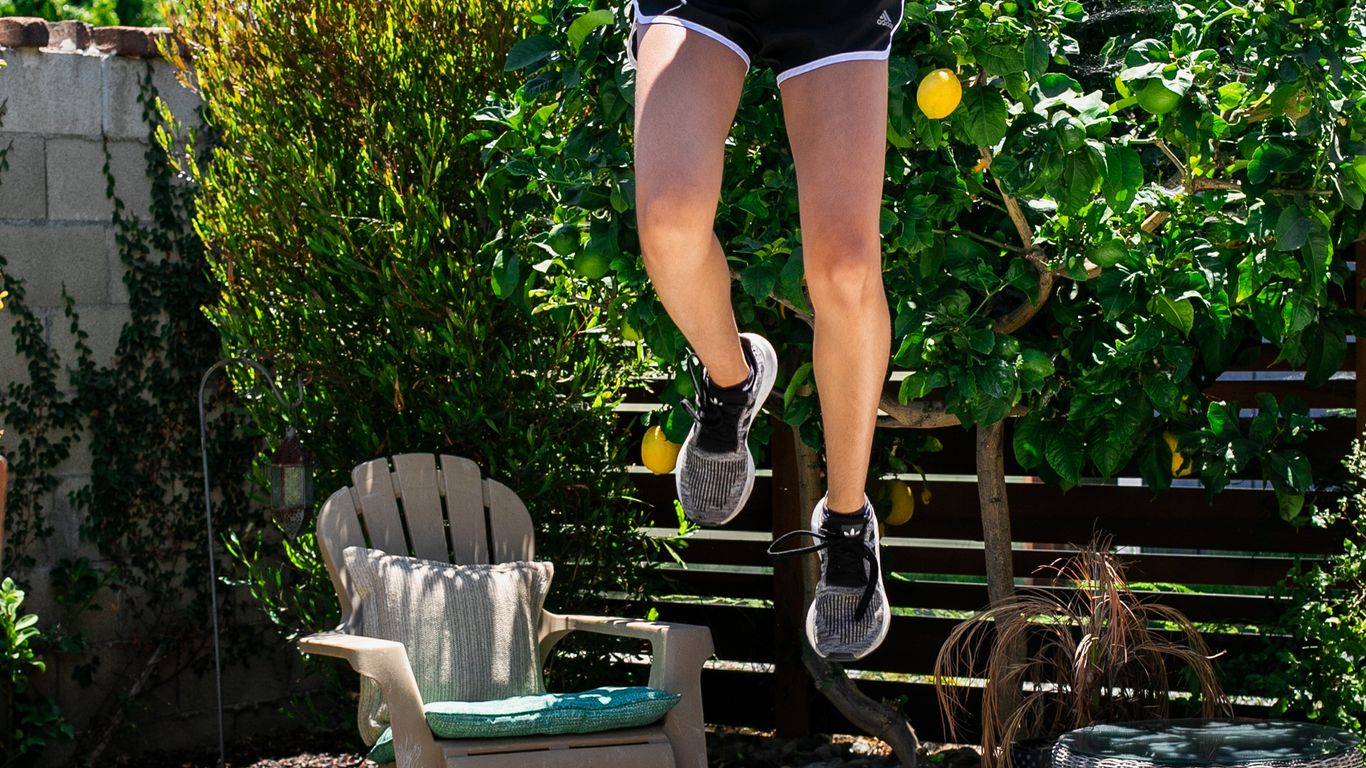
When you're looking at trampolines, especially for grown-ups who might be a bit heavier, the way it bounces is a pretty big deal. You've got two main types to think about: the classic spring kind and the newer springless ones.
How Springs Affect the Bounce for Heavier Adults
Traditional trampolines use a bunch of coiled metal springs to give you that lift. For lighter folks, these springs can feel super bouncy and fun. But if you're carrying a bit more weight, those springs might feel stiffer. Your weight compresses them more, which can sometimes mean a less forgiving bounce. It's not necessarily bad, but it can put more stress on your joints if the trampoline isn't built tough enough. Think of it like trying to bounce on a really tight rubber band versus a looser one.
Benefits of Springless Trampolines for Comfort
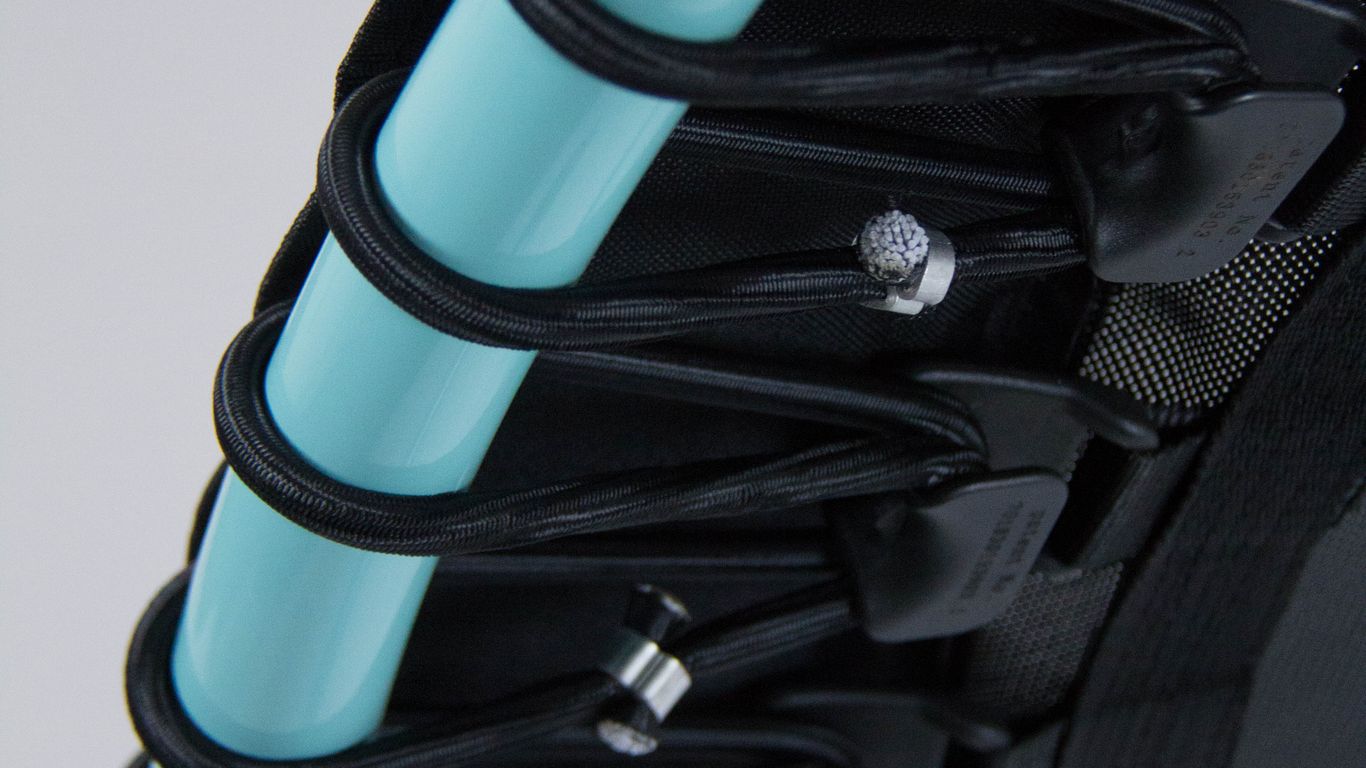
Springless trampolines ditch the metal coils altogether. Instead, they often use flexible rods or heavy-duty elastic bands positioned around the edge, underneath the mat. This setup usually gives a smoother, more consistent bounce. Many people find springless designs gentler on the body, which is a big plus for adult joints. Plus, you don't have to worry about accidentally stepping on a spring or getting your fingers caught, which is a nice safety bonus.
Choosing Between Bounce Styles
So, which one is right for you? It really comes down to personal preference and what you're looking for in a bounce.
- Spring Trampolines: Can offer a very high, energetic bounce if the springs are good quality and numerous. They're often more budget-friendly upfront.
- Springless Trampolines: Tend to provide a softer, more controlled bounce. They're generally considered safer due to the lack of exposed springs and can be easier on the body.
Ultimately, the goal is a fun and safe experience. If you're concerned about joint impact or want a more predictable bounce, a springless model might be your best bet. However, a well-made spring trampoline with plenty of high-quality springs can still be fantastic for adult use.
Mat Quality and Safety Features for Durability
When you're looking for a heavy-duty trampoline, the mat and its safety features are super important. It's not just about how high you can bounce; it's about how long the thing will last and how safe you'll be while doing it. Think of the mat as the main stage for all your jumping fun. You want something that can take a beating, day after day, without falling apart.
Selecting a Durable and UV-Resistant Mat
The jumping mat is where all the action happens, so its quality really matters. Look for mats made from materials like polypropylene. This stuff is tough and can handle a lot of jumping. Crucially, make sure the mat is treated to resist UV rays. If it's not, the sun will break it down pretty quickly, making it brittle and prone to tearing. A good UV-resistant mat will stay strong and flexible for much longer, even if it's out in the sun all year round. This means fewer worries about it wearing out.
Reinforced Stitching and High Weight Tolerance
Beyond the material itself, check out how the mat is put together. The stitching around the edges is a common weak spot. You want to see strong, reinforced stitching, often with multiple rows of sewing. This helps prevent the mat from pulling away from the frame or tearing under stress. Also, pay attention to the mat's stated weight tolerance. While the overall trampoline has a weight limit, the mat itself needs to be built to handle that load consistently without stretching out or failing. A mat designed for heavy-duty use will have these features built-in.
Essential Safety Enclosures and Netting
Safety enclosures are non-negotiable, especially for adult trampolines. These nets are there to stop you from accidentally bouncing off the sides. A good enclosure should be made of strong netting that's tightly woven. It needs to reach high enough to catch even enthusiastic jumpers and should attach securely all the way around the frame. Check how the enclosure door works – a zipper or a secure latch system is much better than just overlapping fabric. This setup is key to preventing serious falls and keeping your jumping sessions safe and fun. A well-designed enclosure is a big part of what makes a trampoline suitable for adult use.
Here's a quick rundown of what to look for:
- Strong Netting Material: Look for durable, tear-resistant fabric.
- Secure Attachment: The net should be firmly connected to the frame or poles.
- Height and Coverage: Ensure it's tall enough and covers the entire jumping area.
- Easy Entry/Exit: A reliable closure system for getting on and off.
When you're comparing trampolines, don't just glance at the mat and net. Really look at the details. The quality of the stitching, the thickness of the material, and how the safety features are integrated all add up to a trampoline that's not only fun but also built to last and keep you safe. It's the difference between a trampoline you'll replace in a year and one that becomes a backyard staple for years to come.
Size, Padding, and Protective Measures
Determining the Ideal Trampoline Size
When you're looking for a heavy-duty trampoline, size really does matter, especially for adults. A bigger trampoline usually means more room to move around and a bit more forgiveness in the bounce. Think about getting one that's at least 12 feet in diameter. This gives you plenty of space to jump without feeling cramped, and generally, larger trampolines are built to handle more weight. It's not just about comfort; it's about having a stable and safe jumping area.
Assessing Padding Thickness and Material
The padding that covers the springs and frame is super important for safety. You want padding that's thick – like, really thick – and made from a material that can handle being outside all year round. Look for foam that's dense and won't break down quickly when the sun hits it. This padding is your main line of defense against accidentally landing on those metal parts, which can lead to some nasty injuries. Thick, UV-resistant padding is non-negotiable for adult trampolines.
Protecting Against Springs and Frame
This ties right into the padding. The goal is to create a barrier between you and the trampoline's metal bits. The padding should extend well over the edges and cover all the springs completely. Some trampolines have a separate spring cover, while others integrate it into the mat. Either way, make sure it's securely attached and doesn't shift around when you jump. A good enclosure net is also part of this protection, keeping you from bouncing off the sides.
A trampoline's size dictates how much space you have to jump safely. Padding thickness and material determine how well you're protected from the frame and springs. Both are key to a fun and injury-free experience, especially when multiple adults might be using it or when someone is really going for it with their jumps.
Brand Reputation and User Experiences
Researching Reputable Trampoline Brands
When you're looking for a heavy-duty trampoline, especially one that needs to hold up to adult weight, checking out the brand's history is a smart move. Some companies have been around for ages, making trampolines that are known for being tough and safe. Think about brands that focus on outdoor recreation or fitness equipment. They often have a better handle on what makes a trampoline last. It's not just about the shiny new models; it's about who's been consistently making good stuff.
Leveraging Customer Reviews for Insights
Honestly, reading what other people say is super helpful. You can find reviews on the manufacturer's website, but also check out independent review sites or forums. Look for comments from people who mention using the trampoline for adult bouncing or who have similar weight needs. Pay attention to recurring themes – are people happy with the bounce? Does it feel sturdy? Are there any common complaints about parts breaking or wear and tear? A pattern of positive feedback on durability and customer service is a good sign.
Here's a quick look at what to keep an eye out for in reviews:
- Durability: Do users report the mat, springs, and frame holding up over time, especially with frequent use?
- Safety: Are there mentions of the enclosure net being secure or the padding staying in place?
- Bounce Quality: Does the bounce feel good for adults, or is it too stiff or too weak?
- Customer Service: How does the company handle issues like missing parts or warranty claims?
Understanding Warranty and Customer Service
Don't skip the warranty details! A longer warranty often suggests the manufacturer has confidence in their product's longevity. Some warranties cover the frame for a decade or more, while others might be shorter for the mat or springs. It's also worth looking into what the warranty actually covers. Is it just manufacturing defects, or does it include wear and tear? Beyond the warranty, how good is their customer service? If something goes wrong, you want to know you can reach someone who can help sort it out without a huge hassle. A company that stands behind its product with good support makes a big difference.
Sometimes, the cheapest option upfront ends up costing more in the long run due to poor quality and frequent replacements. Investing a bit more in a well-regarded brand with a solid warranty can save you headaches and money down the line.
Additional Features and Accessories
Beyond the core components, a few extra bits and bobs can really make your trampoline experience better, or just make life easier. Think about what you'll actually be doing on the trampoline and what might make it more fun or practical.
Considering Enhancements for User Experience
Sometimes, the little things make a big difference. For instance, if you're planning on doing some serious bouncing, you might want to look into trampolines that have a really good mat. Some mats are designed with extra grip, which can be nice if you're worried about slipping. Others might have a softer feel, which is more comfortable for longer sessions. It's not just about the bounce itself; comfort plays a role too.
Evaluating Optional Accessories Like Ladders and Hoops
Getting onto a bigger trampoline can be a bit of a climb, so a sturdy ladder is often a good idea, especially if you're not as spry as you used to be. Some people also like adding a basketball hoop. It turns your trampoline into a mini sports court, which can be a lot of fun for solo practice or even a friendly game. You can find a variety of these accessories at places like Wayfair that offer free shipping.
The Role of Anchor Kits for Stability
This one's pretty important, especially if you live in an area that gets windy. An anchor kit basically stakes your trampoline down to the ground. It stops it from moving around, or worse, blowing away in a strong gust. It's a simple addition but makes a huge difference in keeping your trampoline safe and sound.
- Anchor kits prevent unwanted movement.
- They are especially useful in windy locations.
- Installation is usually straightforward.
Don't underestimate the power of a good anchor kit. It might seem like an extra hassle, but it's a small price to pay for peace of mind and the longevity of your trampoline. It keeps everything secure, so you don't have to worry about it shifting or getting damaged during bad weather.
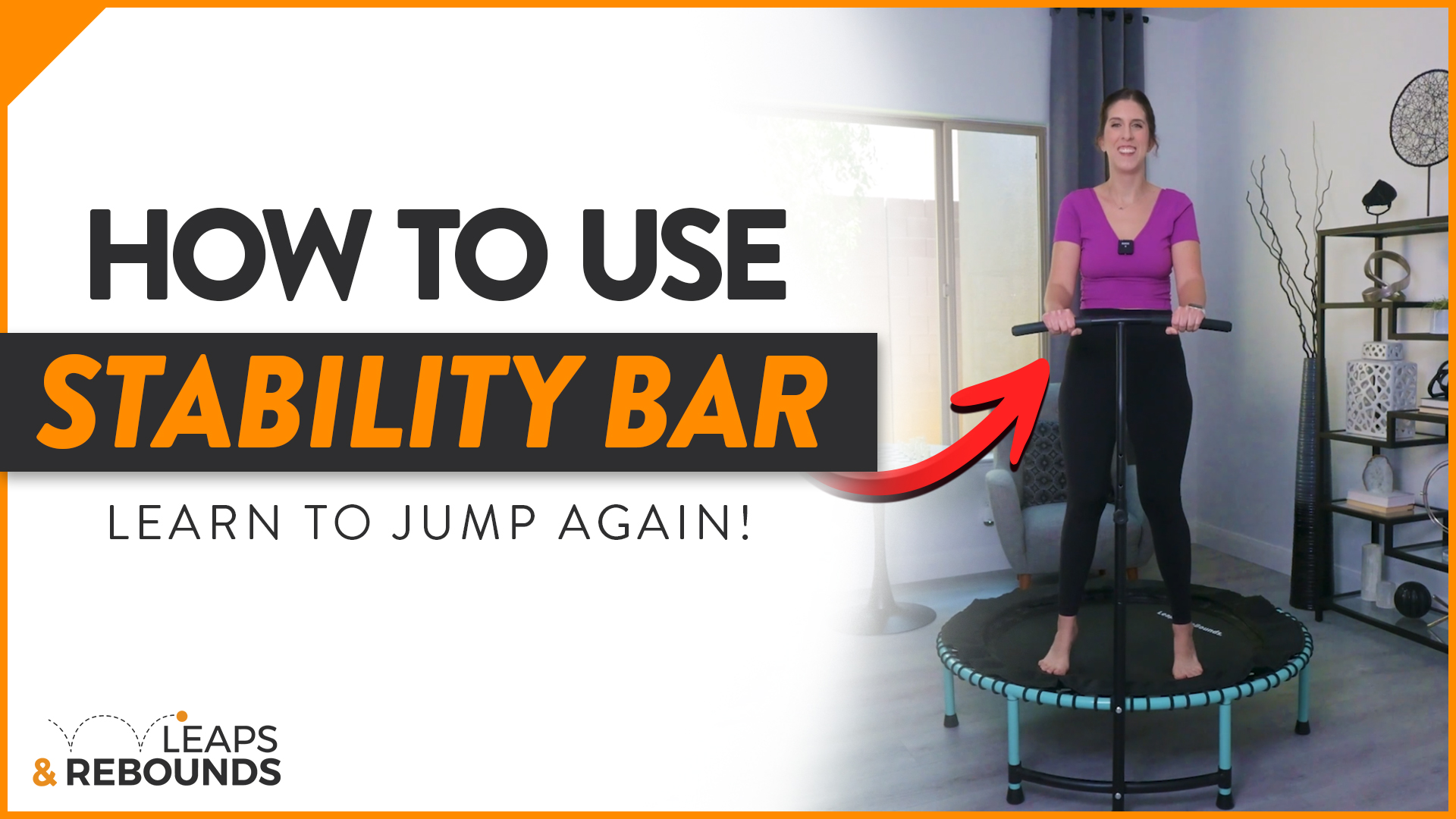
Want to make your mini trampoline workouts even better? We have cool extras like stability bars and comfy mat covers to help you out. Check out all the neat stuff we offer on our website to boost your fitness fun!
Ready to Jump?
So, you've made it through the guide, and hopefully, you're feeling a lot more confident about picking out a heavy-duty trampoline. Remember, it's all about finding that sweet spot between safety, sturdiness, and just plain fun. Don't skimp on checking the weight limits and looking at how well it's built. A good trampoline is an investment, and you want one that's going to last and keep you bouncing safely for a long time. Happy jumping!
Frequently Asked Questions
What's the most important thing to check for a heavy-duty trampoline?
The absolute most important thing is the weight limit. Make sure the trampoline can hold much more than the heaviest person who will use it. Also, check that the frame is super strong, usually made of thick, galvanized steel, so it doesn't bend or break.
Are springless trampolines better for adults?
Yes, often they are! Springless trampolines use flexible rods or bands instead of metal springs. This gives a softer, bouncier feel that's easier on your joints. Plus, there's no risk of getting your fingers or toes caught in the springs.
How do I know if the jumping mat is good quality?
Look for a mat made of strong material like polypropylene that won't break down easily, especially from the sun. It should have really good stitching, especially around the edges, and be made to handle a lot of weight without stretching out.
What safety features are a must-have?
A strong safety net that goes all the way around the top is super important to stop anyone from falling off. Also, make sure the padding covering the springs and frame is thick and secure, so you don't accidentally land on anything hard.
Does the size of the trampoline really matter for adults?
Yes, a bigger trampoline is usually better for adults. It gives you more room to move around safely and often means the bounce is more spread out and forgiving. Aim for at least 12 feet across, or even bigger if you can.
How can I tell if a trampoline brand is trustworthy?
Do some digging! Look for brands that have been around for a while and have lots of good reviews from other customers, especially adults. Check their warranty too – a longer warranty often means they believe their product will last.


0 comments