










So, you've heard about rebounding, right? That whole jumping on a mini-trampoline thing. It's been popping up everywhere as a way to get fit. But if you're dealing with osteoporosis, you might be wondering, 'Is rebounding good for osteoporosis?' It's a fair question. Bones get weaker with osteoporosis, making them more likely to break. We need exercise to help, but we also need to be super careful. Let's break down if this bouncy workout is a good fit for bone health.
Key Takeaways
- Rebounding, or jumping on a mini-trampoline, can help with balance and muscle strength, which are important for people with osteoporosis.
- While it provides some bone stimulation, rebounding's impact on increasing bone density might not be as significant as strength training or other higher-impact weight-bearing exercises.
- Safety is key. Using good equipment and proper technique can help reduce the risk of falls and injuries.
- Rebounding is best used as part of a larger exercise plan, not as a replacement for strength training or other recommended activities for osteoporosis.
- The main benefits of rebounding for osteoporosis often come from improved balance, reduced fear of falling, and better overall functional movement, rather than a huge boost in bone density alone.
Understanding Rebounding and Osteoporosis
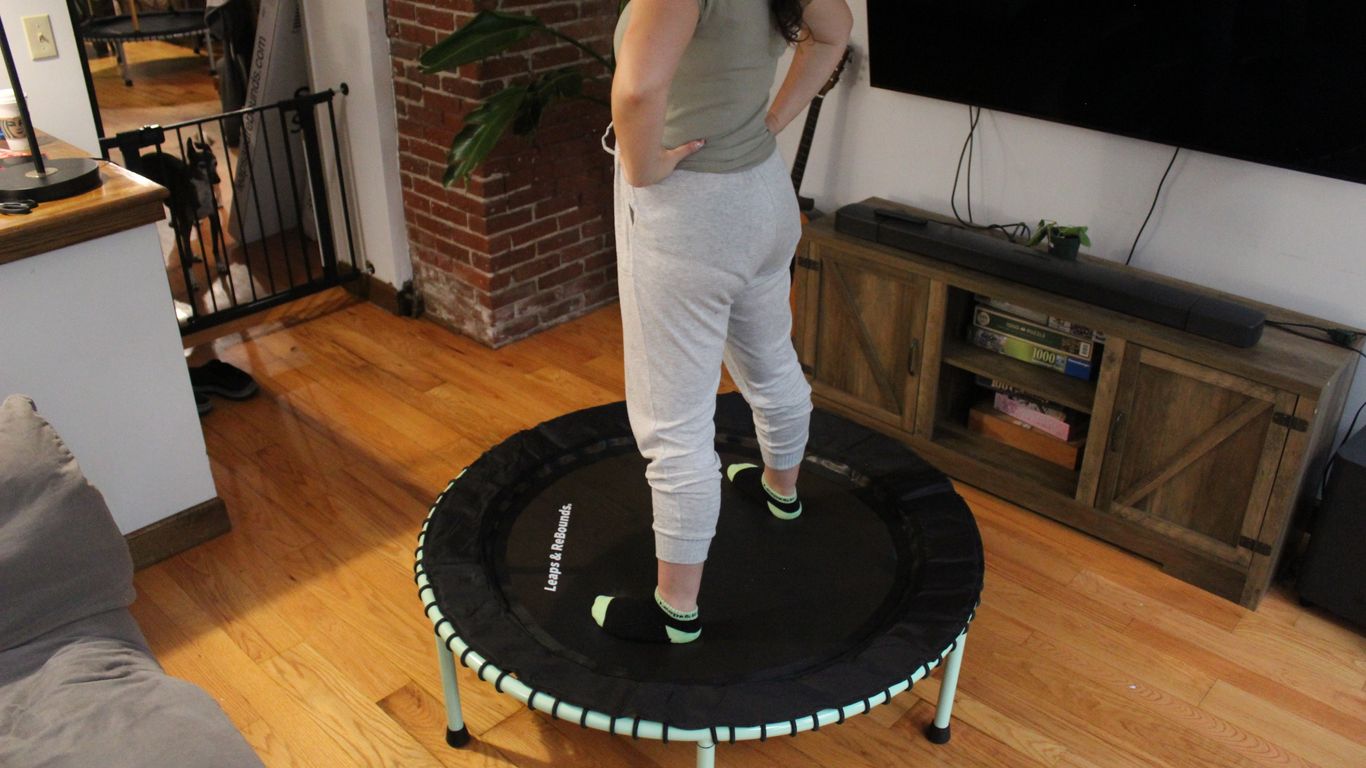
What is Osteoporosis?
Osteoporosis is a condition where bones become weaker and more brittle. This makes them more likely to break, which can be a big problem, especially as we get older. It's most common in older women, but anyone can develop it. The main goal when dealing with osteoporosis is to keep bones as strong as possible and to lower the chances of falling and breaking something.
Why Exercise is Crucial for Osteoporosis Management
When you have osteoporosis, or if you're trying to prevent it, exercise is a really important part of the picture. Doctors often suggest it. Moving your body regularly helps your bones stay denser, which fights off that brittleness. Plus, it's not just about the bones themselves. Exercise also builds up your muscles, which helps you keep your balance better. This is super important because falling is a major risk when your bones are weak. A good mix of different kinds of exercise – like moving your body, lifting things, and stretching – is usually the best way to manage osteoporosis and just feel better overall.
Is Rebounding Good for Osteoporosis?
So, what about rebounding, you know, jumping on a mini-trampoline? It can actually be pretty helpful for people with osteoporosis. The bouncing motion puts a gentle stress on your bones and body, which can encourage them to get stronger. It's also great for improving your balance and coordination, which, as we've talked about, is a big deal for preventing falls. However, it's not a magic bullet. While it has benefits, it's best thought of as one piece of a larger plan, not the only thing you should be doing. We'll get into the details of how it helps and what to watch out for next.
Key Benefits of Rebounding for Bone Health
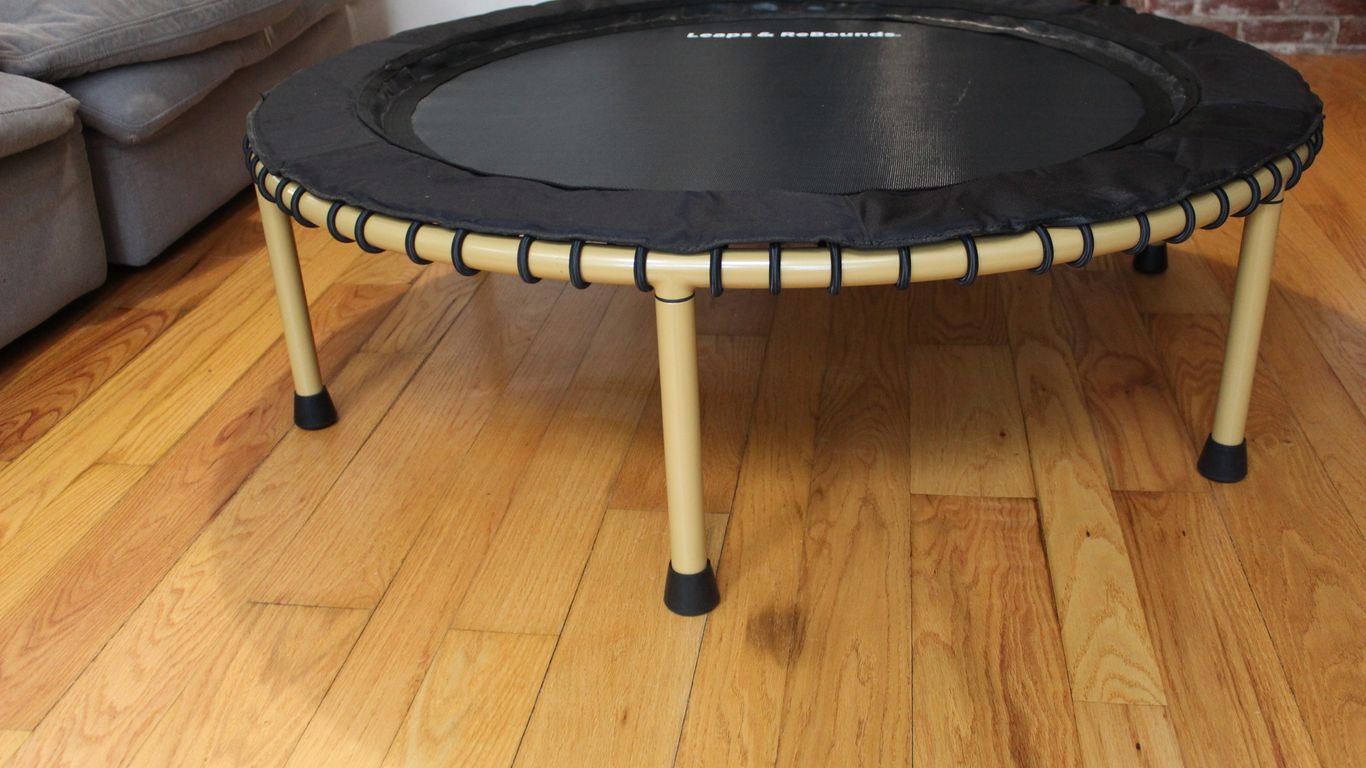
When you're dealing with osteoporosis, the idea of exercise can feel a bit tricky. You want to do things that help, but you also don't want to risk a fall or a fracture. That's where rebounding, or bouncing on a mini-trampoline, can really shine. It's not just about getting a little bounce in your step; it offers some pretty neat advantages for your overall well-being, especially when it comes to staying steady on your feet.
Improving Balance and Stability
Think about it: standing on a bouncy surface means your body has to work a little harder to keep you upright. This constant adjustment is like a mini-workout for your balance systems. It helps wake up those smaller muscles you might not even realize you have, all working together to keep you stable. This improved steadiness isn't just for when you're on the trampoline; it carries over into your everyday life. You'll likely notice you feel more secure when walking, standing, or even just reaching for something.
- Engages stabilizing muscles: Your core and leg muscles get a good workout just trying to keep you balanced.
- Helps with postural sway: That slight wobble when you stand? Rebounding can help reduce it.
- Boosts proprioception: This is your body's awareness of where it is in space, which is super important for preventing stumbles.
Reducing the Fear of Falling
For many people with osteoporosis, the fear of falling is a big deal. It can make you hesitant to move around, which, ironically, can weaken you further. Rebounding can help chip away at that fear. As you get better at balancing and feel stronger, your confidence naturally grows. Knowing you can handle yourself a bit better makes you more willing to try new things and stay active. This can lead to a more independent and less anxious daily life.
Feeling more confident in your physical abilities can make a real difference in how you approach your day-to-day activities. It's about regaining a sense of control and freedom in your movement.
Enhancing General Strength and Functional Mobility
Rebounding isn't just about balance; it's a surprisingly good full-body workout. Depending on how you move and what you do on the trampoline, you can work a lot of different muscle groups. Your legs get stronger from the bouncing, your core tightens up to keep you stable, and even your arms can get involved if you add some arm movements. This all adds up to better overall strength, which is key for something called functional mobility. That's just a fancy way of saying your ability to do everyday tasks, like getting out of a chair, carrying groceries, or walking up stairs, becomes easier and safer.
Rebounding's Impact on Bone Density
Stimulating Osteoblastic Activity
Rebounding does get your bones working. The gentle up-and-down motion, while lower impact than running, still sends signals to your body. These signals can encourage osteoblasts, the cells responsible for building new bone, to get busy. Think of it like a gentle nudge to your bone-building machinery. It's not a heavy-duty workout for bone density, but it's more than doing nothing.
Limitations in Bone Density Improvement
Now, let's talk about what rebounding doesn't do as well. While it's great for balance and muscle engagement, the research on whether it significantly increases bone mineral density (BMD) in people with osteoporosis is still a bit fuzzy. Some studies show small gains, especially in the heel bone, but these aren't always consistent or large enough to make a huge difference on their own. It seems the forces generated aren't quite enough to trigger major bone growth in areas like the spine or hip, which are often the most vulnerable.
Comparing Rebounding to Other Weight-Bearing Exercises
When we look at how rebounding stacks up against other exercises for bone health, it's important to see where it fits. High-impact activities like running or jumping on a hard surface create more stress, which can lead to greater bone density gains, but they also carry a higher risk of injury for someone with osteoporosis. Rebounding offers a middle ground – it's weight-bearing, but gentler. However, for building bone density, it's generally not as effective as dedicated strength training exercises like lifting weights or doing bodyweight squats and lunges. A combination approach is usually best.
Here's a quick look at how different exercises might affect bone density:
| Exercise Type | Impact Level | Potential for Bone Density Gain | Safety for Osteoporosis | Notes |
|---|---|---|---|---|
| Rebounding | Low-Medium | Moderate | Good | Great for balance and coordination |
| Running/Jumping (hard) | High | High | Moderate Risk | Higher risk of fractures |
| Strength Training | Varies | High | Good | Builds muscle and strengthens bones |
| Walking | Low | Low | Very Good | Accessible and low risk |
It's easy to get caught up in the numbers on a bone density scan, but sometimes the biggest wins aren't measured there. If rebounding helps you feel steadier on your feet, less worried about falling, and more able to do everyday tasks, those are huge victories for your quality of life and can indirectly reduce fracture risk.
Safety Considerations for Rebounding with Osteoporosis
While rebounding can be a fantastic way to get moving and support your bone health, it's super important to think about safety first, especially if you're dealing with osteoporosis. It's not about scaring you off, but more about making sure you get the benefits without any unwanted surprises. Remember, even everyday activities can carry a risk of injury, so being mindful during exercise is key.
Prioritizing Safety and Proper Technique
Getting the technique right is probably the most important thing. It's not just about bouncing; it's about controlled movement. Think about keeping your body aligned and engaging your core. This helps distribute the impact evenly and reduces stress on your joints and spine. If you're unsure, watching some instructional videos or even getting a session with a trainer who knows about rebounding for bone health can make a huge difference. Focus on controlled, gentle bounces rather than wild, high jumps.
Potential for Injury and Risk Mitigation
Any exercise carries some risk, and rebounding is no different. For people with osteoporosis, the main concerns are usually related to falls or putting too much stress on fragile bones. Things like landing awkwardly, losing your balance, or bouncing too hard could potentially lead to issues. To lower these risks:
- Start slow: Don't jump into intense routines right away. Begin with short sessions and low-intensity bouncing.
- Listen to your body: If something feels painful or uncomfortable, stop. Pushing through pain isn't helpful.
- Warm-up and cool-down: Always dedicate a few minutes before and after your session to gentle movements to prepare your body and help it recover.
- Consider your spine: If you have a history of vertebral fractures or advanced osteoporosis, be extra cautious. Avoid any movements that cause jarring or excessive spinal compression. It might be best to stick to very gentle bouncing or consult with your doctor first.
For individuals with advanced osteoporosis or prior vertebral fractures, the spine can be vulnerable. While trampolining is gentler than hard-ground jumping, excessive or poorly controlled landings can still stress fragile vertebrae. Always prioritize controlled, gentle movements and avoid high-amplitude jumping if you have known spinal issues.
Using Quality Equipment and Safety Features
Using a good quality rebounder makes a big difference in safety. Cheaper models might not have the same level of support or durability. Look for a rebounder with:
- Sturdy frame: It should feel solid and stable when you're on it.
- Good springs or bungee cords: These provide the bounce. Bungee cords are often quieter and offer a softer landing than metal springs.
- Safety pad: This covers the springs or cords to prevent fingers or toes from getting caught.
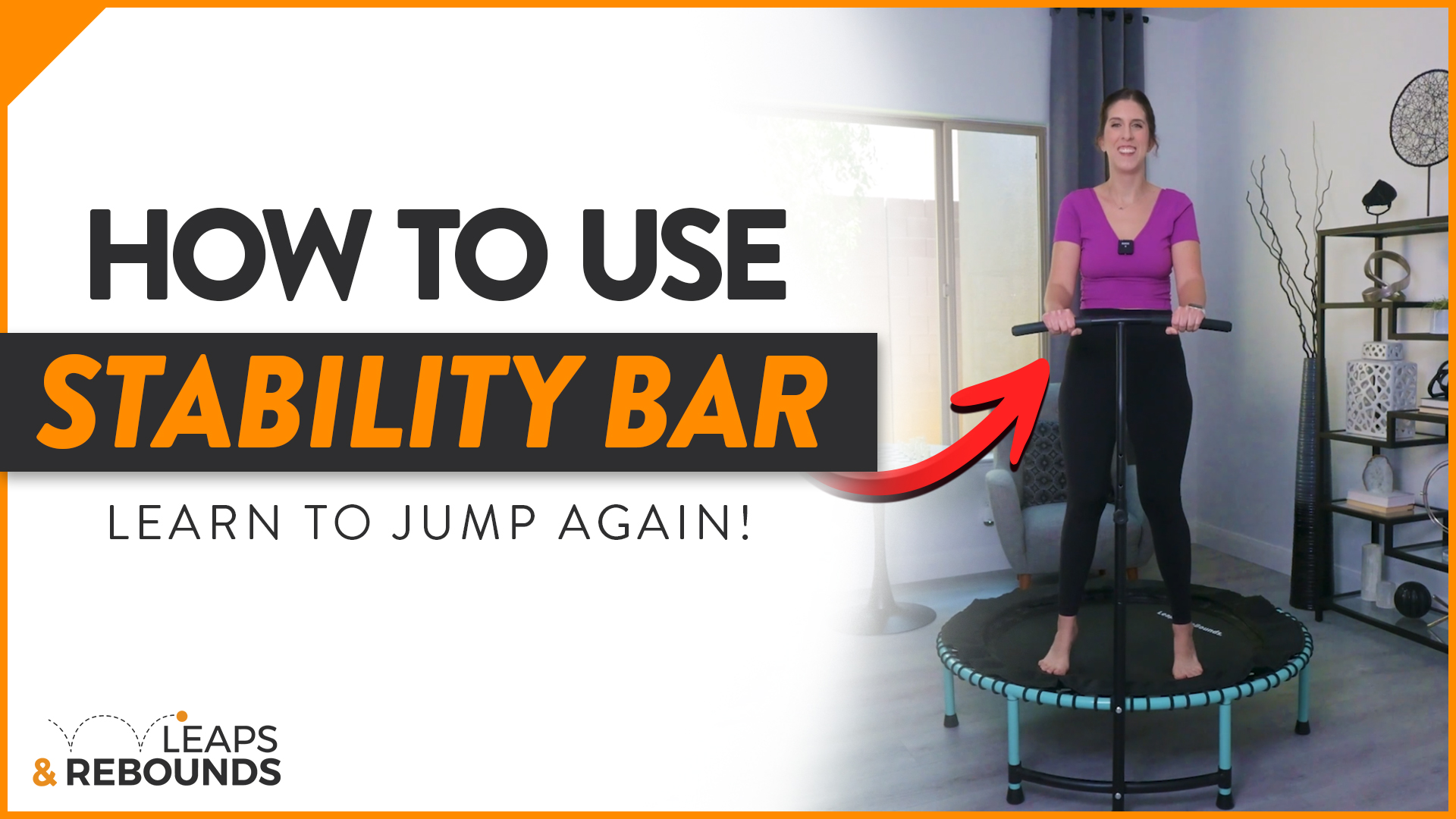
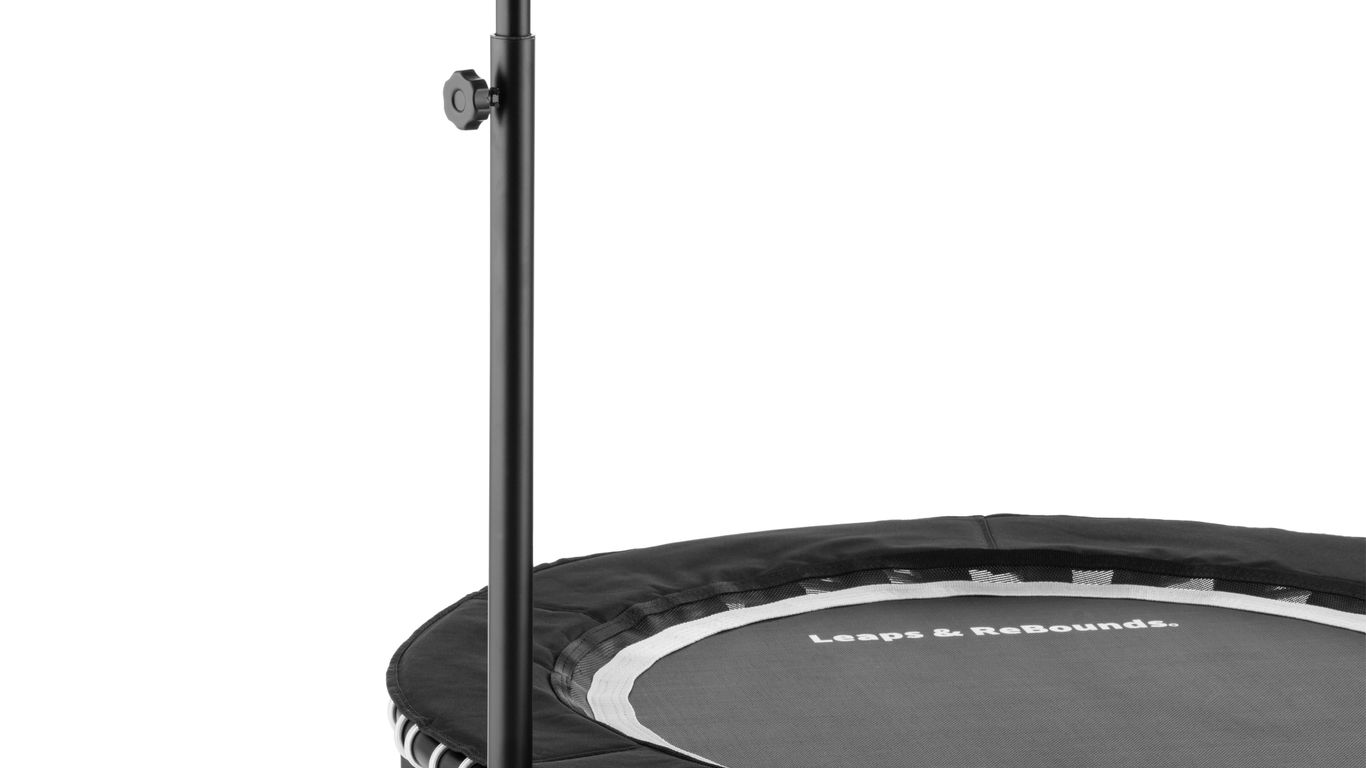
- Optional stability bar: For those who need extra support, a handlebar can be a lifesaver, helping you maintain balance and reducing the fear of falling. This is particularly helpful when you're first starting out or if you have significant balance issues. You can find a variety of rebounders designed for home fitness.
It's also a good idea to set up your rebounder on a flat, non-slip surface. Make sure there's enough clear space around it so you don't bump into anything if you happen to step off unexpectedly.
Integrating Rebounding into a Comprehensive Plan
Rebounding as a Complement, Not a Replacement
Think of rebounding as a fantastic addition to your fitness routine, not the whole show. While it's great for getting your heart rate up and improving balance, it works best when you mix it with other types of exercise. Trying to build bone density or muscle strength with just rebounding might not give you the results you're hoping for, especially compared to activities that put more direct stress on your bones. It's like trying to build a house with only one tool – you need a whole toolbox to get the job done right.
Combining with Strength Training
This is where rebounding really shines – when it's paired with strength training. Lifting weights, using resistance bands, or even doing bodyweight exercises like squats and push-ups are super important for building bone mass and muscle. Rebounding helps with your balance and coordination, which makes those strength exercises safer and more effective. It's a win-win situation. You get the low-impact cardio and balance benefits from the trampoline, and the bone-building power from lifting or pushing against resistance.
Here’s a simple way to think about it:
- Cardio & Balance: Rebounding (2-3 times a week)
- Bone & Muscle Building: Strength Training (2-3 times a week)
- Flexibility & Mobility: Stretching or Yoga (regularly)
Combining with Other Low-Impact Exercises
Don't forget about other gentle activities that can support your overall health. Things like walking, swimming, or cycling are excellent for your cardiovascular system and can help manage your weight without putting too much strain on your joints. These activities, along with rebounding, contribute to a well-rounded approach to managing osteoporosis. They help keep your body moving, reduce inflammation, and support your general well-being. It’s all about variety and finding what works best for you.
Remember, the goal is to keep your body active and strong in multiple ways. A varied exercise plan helps address different aspects of bone health and overall fitness, making it more effective and enjoyable in the long run.
Assessing Rebounding's Effectiveness
So, we've talked about how rebounding might help with osteoporosis, but what's the real deal when it comes to seeing actual results, especially with bone density? It's a bit of a mixed bag, honestly. While studies show some really positive stuff, it's not always a slam dunk for bone density itself.
Functional Gains Beyond Bone Density
Let's be real, improving bone density is a big goal, but it's not the only thing that matters when you have osteoporosis. Rebounding really shines when it comes to other aspects of your health. Think about it: you're getting better at balancing, which means fewer stumbles and falls. That's huge! Plus, your general strength gets a boost, making everyday tasks feel a lot easier. It's about feeling more capable and independent in your daily life.
- Improved Balance: You'll likely notice you feel steadier on your feet.
- Better Mobility: Moving around, whether it's walking or just getting up from a chair, becomes less of a chore.
- Reduced Fear of Falling: As your confidence grows with better balance, that nagging worry about falling can really decrease.
Managing Expectations for Bone Mineral Density
When it comes to bone mineral density (BMD), the research is still catching up. Some studies suggest that rebounding can stimulate bone-building cells, which is a good sign. However, the actual increase in BMD might not be as dramatic as you'd hope, especially when compared to other exercises. It seems like rebounding is more of a supportive player than the star of the show for bone density.
It's important to remember that while rebounding offers many health benefits, its direct impact on significantly increasing bone mineral density might be limited on its own. It's best viewed as a component of a broader strategy for bone health.
Individual Outcomes and Mechanical Limitations
Here's the thing: everyone's body is different. What works wonders for one person might have a different effect on another. Factors like your age, the severity of your osteoporosis, and how consistently you rebound all play a role. Also, the nature of rebounding itself, being a lower-impact activity compared to something like running, means the mechanical stress on your bones might not be enough to trigger major density changes. It's great for what it does, but it's not a magic bullet for rebuilding bone.
| Outcome Measure | Typical Rebounding Effect | Notes |
|---|---|---|
| Bone Mineral Density | Modest Improvement | Often less pronounced than strength or high-impact weight-bearing exercises |
| Balance & Stability | Significant Improvement | Key benefit, directly reducing fall risk |
| Functional Mobility | Significant Improvement | Aids in performing daily activities with greater ease and safety |
| Fear of Falling | Reduced | Linked to improved balance and confidence |
For a more complete picture of how to incorporate rebounding safely, check out this guide to rebounding exercises. It's all about finding what works best for your unique situation and goals.
Wondering if jumping on a mini trampoline really works? It's a fantastic way to get fit without putting too much stress on your body. This low-impact exercise is great for your heart, muscles, and balance. Ready to see the benefits for yourself? Visit our website to learn more and find the perfect rebounder for your home fitness journey!
So, Should You Rebound Your Way to Better Bone Health?
Okay, so what's the final word on using a rebounder if you have osteoporosis? It seems like these mini-trampolines can be a pretty good addition to your exercise routine, but they're not a magic bullet. Rebounding can definitely help with balance and make you feel more steady on your feet, which is a big deal when you're worried about falling. It also gets your muscles working. However, it might not be the strongest player when it comes to actually building up your bone density. Think of it as a helpful partner, not the main event. For the best results, you'll want to mix rebounding with other exercises, like strength training and other weight-bearing activities. Always chat with your doctor or a physical therapist before you start anything new, especially if you have osteoporosis. They can help you figure out what's safe and what will give you the most benefit. So, yes, rebounding can be a safe and effective part of a bigger plan, but it's all about doing it the right way and as part of a well-rounded fitness approach.
Frequently Asked Questions
What exactly is rebounding?
Rebounding means jumping on a small trampoline, often called a mini-trampoline or rebounder. It's a low-impact way to get your body moving and can be a fun exercise for many people.
How does osteoporosis affect bones?
Osteoporosis is a condition where bones become weak and brittle. This makes them more likely to break, even from a small fall or a simple bump. It's like a bone losing its strength and becoming fragile.
Can rebounding help with osteoporosis?
Yes, rebounding can be helpful for people with osteoporosis. It helps improve balance and makes your muscles stronger, which can lower your chances of falling and breaking a bone. It also puts some gentle stress on your bones, which can be good for them.
Is rebounding safe for someone with osteoporosis?
Rebounding is generally considered safe because it's low-impact, meaning it's easier on your joints than jumping on a hard surface. However, it's crucial to use good technique and possibly have something to hold onto for balance, especially when you're starting out. Always check with your doctor before beginning.
Will rebounding increase my bone density?
While rebounding can help stimulate bone-building cells, it might not significantly increase bone density on its own. Its main benefits for osteoporosis are improving balance, strength, and reducing the fear of falling, which are very important for preventing fractures.
Should I only do rebounding if I have osteoporosis?
No, rebounding should be part of a larger exercise plan. It's best to combine it with other activities like strength training (lifting weights or using resistance bands) and other weight-bearing exercises (like walking). This variety helps build strong muscles and bones in different ways.


0 comments