


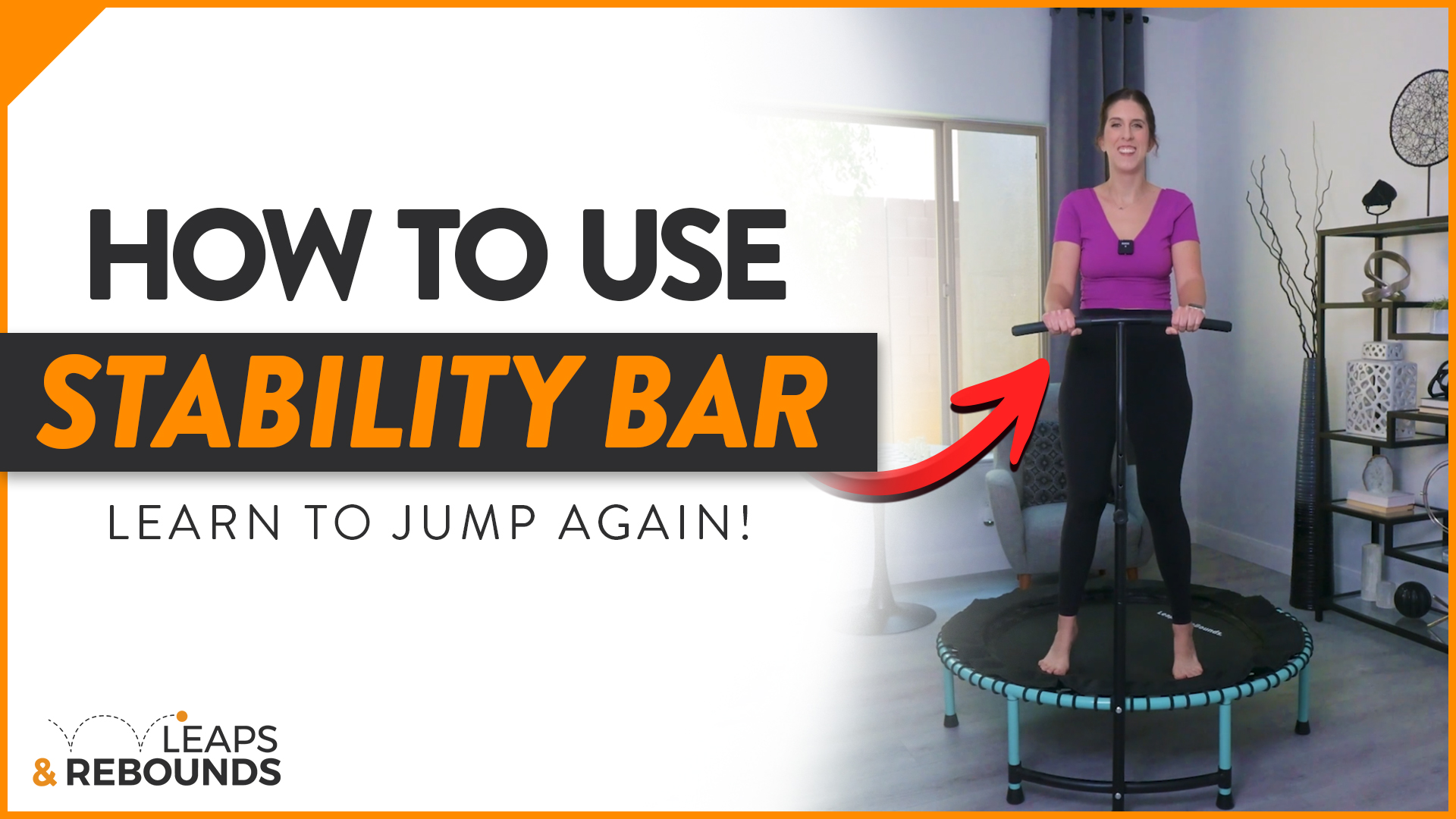





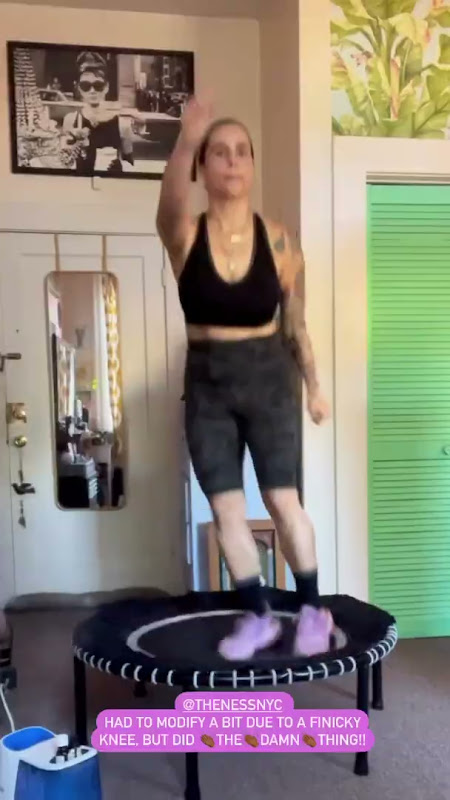




Rebounding can bring about some surprising changes, both inside and out. Here are a few things to keep in mind if you’re thinking of starting or are already bouncing along.
Key Takeaways
- You’ll probably feel a mood and energy boost right after your first session.
- Balance, coordination, and muscle tone start to improve within a few weeks.
- Clothes may feel looser as bloating and fluid retention go down.
- Visible muscle definition and fat loss usually show up after a few months of steady effort.
- Mixing up your routines, eating well, and tracking progress helps you see better results.
Experiencing Immediate Rebounding Benefits

So, you've just hopped off the rebounder for the first time, or maybe you're a few sessions in. What can you expect right away? Well, it's not just about feeling like you've done something. There are some pretty cool, immediate effects that happen as soon as you start bouncing.
Mood Enhancement and Energy Surges
Honestly, the first thing many people notice is a lift in their mood. It's like a switch flips. You're moving, you're bouncing, and suddenly, the stress of the day just seems to melt away. This isn't just in your head, either. The physical act of bouncing releases endorphins, those natural feel-good hormones. So, right after you hop off, you usually feel more alert and just generally happier. It’s a quick win that keeps you coming back for more. This immediate mood boost is a big part of why health bouncing is so popular.
Improved Lymphatic Flow and Detoxification
As you bounce, the gentle up-and-down motion acts like a pump for your lymphatic system. This system is super important for getting rid of waste and toxins in your body. Unlike your circulatory system, it doesn't have its own pump, so movement is key. Rebounding helps move things along, promoting a sense of lightness and general well-being. It's a subtle but powerful internal cleanse that starts happening right away.
Feeling More Alert and Happier
Combining the endorphin release with the increased circulation from bouncing, you'll likely feel more awake and mentally sharp. It's a great way to shake off that mid-afternoon slump or to get your brain going in the morning. You're not just moving your body; you're waking up your mind too. It’s a simple yet effective way to feel more present and positive.
The immediate effects of rebounding are often the most motivating. That feeling of increased energy and a brighter mood right after a session can make all the difference in sticking with a new exercise routine. It's a tangible reward that shows you something is happening, even before you see major physical changes.
Noticing Early Physical Changes

As you keep up with your rebounding routine, early physical changes can sneak up on you—sometimes showing up before you even spot them in the mirror. The first signs usually show up as subtle improvements in the way your body feels and moves, often before dramatic visual results appear.
Enhanced Balance and Coordination
One thing you’ll notice is that you start feeling steadier on your feet—both on and off the mini-trampoline. This comes from constantly having to adjust your position with every bounce. Little by little, your body gets better at keeping steady, and your movements become less awkward and more controlled.
What helps improve your balance early on:
- Keeping up with sessions regularly (even 10-15 minutes at a time)
- Trying single-leg bounces or simple side steps
- Focusing on your posture while bouncing
It might remind you a bit of the small progress you feel during post-childbirth recovery—slow and sometimes hard to spot each day, but it adds up.
Subtle Muscle Firmness and Tone
Let’s be honest: few of us expect any sort of muscle definition from bouncing on a mini-trampoline. But pretty soon—within a few weeks—you might notice your calves feel a little firmer, or your thighs and core seem more solid than before.
Here’s a look at common changes in muscle feel and tone:
| Timeframe (weeks) | What People Notice |
|---|---|
| 1–2 | Legs feel firmer after bouncing |
| 3–4 | Thighs appear a bit more toned |
| 5–6 | Clearer definition, especially calves and lower abs |
For many, these changes are more about how you feel in your body—walking up stairs easier, feeling types of muscle tension you never noticed before—than obvious "before and after" mirror shifts.
Increased Proprioception and Stability
Proprioception means knowing where your body is in space. This might sound technical, but in daily life, it shows up like this:
- Moving quicker to catch yourself if you slip
- Feeling less clumsy or awkward when carrying groceries
- Noticing smoother movements when reaching or bending down
These little wins come pretty early for most people and can make everyday life feel easier and more comfortable.
By sticking with your rebounding sessions, the changes keep building—each bounce teaching your body a little more about balance, strength, and quick reactions. In the long run, you might be surprised at just how solid and steady you’ve become, even if you weren’t aiming for that at the start.
Achieving a Leaner Physique Over Time
It’s one thing to talk about starting a new fitness routine, and another entirely to actually see the changes happening. For me, the most exciting part of my rebounding journey has been noticing the physical shifts. It’s amazing what consistent bouncing can do!
Body Composition Shifts
Beyond just muscle tone, I started to feel and look leaner. My clothes fit a bit looser, and I felt less bloated overall. This wasn't just about weight loss, though that was a part of it; it was more about a change in body composition. The increased circulation and lymphatic drainage from rebounding seemed to help flush out excess fluid, contributing to a more streamlined look. If you're looking for a way to help shed some extra pounds, rebounding can be a fun way to do it. The subtle, consistent work on the rebounder really adds up. It's not about huge, sudden changes, but a gradual sculpting that feels really rewarding.
Reduced Bloating and Fluid Retention
One of the first things I noticed was a general feeling of being less puffy. Rebounding really gets your lymphatic system moving, which is like your body's natural detox system. When that's working better, you tend to hold onto less excess fluid. It’s like giving your body a gentle internal cleanse. This made a noticeable difference in how my stomach felt and looked, contributing to that leaner appearance.
Clothes Fitting Looser
This is where the real-world proof comes in. After a few weeks of regular rebounding, I started reaching for my clothes and realizing they felt different. That pair of jeans that used to be a bit snug? Suddenly, they were comfortable. It wasn't a dramatic drop on the scale, but the subtle changes in my body composition and reduced fluid retention meant my favorite outfits started fitting better. It’s a great, tangible sign that your efforts are paying off.
It's amazing how much better you feel when you’re eating well; it really impacts your overall well-being. Focusing on whole foods and adequate protein supports muscle repair and energy levels, complementing your rebounding efforts for a truly holistic approach to fitness.
Long-Term Rebounding Transformations
Okay, so you've been at it for a while now, and those initial little wins are great, but what about the big stuff? The kind of changes that really make you say, 'Wow, this is actually working.' We're talking about the long haul here, the stuff that happens when rebounding becomes a solid part of your routine.
Significant Muscle Definition
This is where things get really interesting. Consistent bouncing, especially when you start adding in some more dynamic moves, really starts to sculpt your body. You're not just burning calories; you're building lean muscle. Think about it – every bounce engages your core, your legs, your glutes, even your arms if you're pumping them. Over time, this leads to that toned look people often associate with serious fitness. It's not about getting bulky, but about developing a more defined, athletic shape. You might start noticing your muscles looking firmer and more visible, especially in your legs and abs.
Improved Cardiovascular Health
Rebounding is surprisingly good for your heart. It gets your blood pumping without putting a ton of stress on your joints, which is a big plus. When you're consistently challenging your cardiovascular system, it gets stronger. This means your heart doesn't have to work as hard to pump blood, and your overall endurance improves. You might find you have more stamina for everyday activities, or that your resting heart rate has dropped. It's a quiet but powerful change that benefits your whole body. For more on how this low-impact exercise can help with physical rehabilitation, check out physiotherapy goals.
Enhanced Bone Density and Strength
This is one of those benefits you can't see in the mirror, but it's super important, especially as we get older. The gentle impact of bouncing actually stimulates your bones to become stronger. It's like telling your body, 'Hey, I need you to be tough!' This process can help increase bone density, which is key for preventing issues like osteoporosis down the line. It's a proactive step towards long-term physical resilience.
Reduced Appearance of Cellulite
Lots of people are curious about this one. While rebounding isn't a magic bullet for cellulite, it can definitely help. The increased circulation and lymphatic drainage that comes with regular bouncing can improve the overall appearance of the skin. By toning the underlying muscles and reducing fluid retention, you might notice that the dimpled look becomes less pronounced. It's a nice bonus that adds to the overall feeling of a smoother, more refined physique.
The real magic of long-term rebounding results isn't just about the physical changes you can see. It's about the cumulative effect of consistent effort on your entire body's health and resilience. You're building a stronger foundation from the inside out, which pays dividends for years to come.
Here’s a quick look at what you might expect over time:
- Muscle Definition: Starts subtle, becomes noticeable after a few months of consistent effort.
- Cardiovascular Health: Improvements in stamina and resting heart rate can be seen within 1-3 months, with continued gains thereafter.
- Bone Density: This is a slower process, but consistent impact over 3-6 months and beyond contributes to stronger bones.
- Cellulite Appearance: Results vary, but many report improvements after consistent use for several months, often linked to improved circulation and muscle tone. Discover your own transformation journey.
Factors Influencing Your Rebounding Journey
So, you're curious about what makes one person's rebounding results look different from another's? It's not magic, though sometimes it feels like it! A few key things really shape your experience and how quickly you see changes. Think of it like baking a cake – you need the right ingredients and the right steps to get a delicious outcome.
Consistency and Frequency of Sessions
This is probably the biggest one. You can't just jump on the rebounder once a week and expect major shifts. Showing up regularly is where the real magic happens. Even short, daily sessions add up way more than one long, infrequent workout. I found that aiming for at least 3-5 times a week, even for just 15-20 minutes, made a huge difference compared to my sporadic attempts at first. It's about building a habit, letting your body get used to the movement and the benefits.
- Start small: Even 5-10 minutes daily is a great beginning.
- Build up: Gradually increase duration and intensity as you feel comfortable.
- Schedule it: Treat your rebounding time like any other important appointment.
Intensity and Duration of Workouts
Okay, so you're bouncing regularly, but how you're bouncing matters too. Are you just gently stepping, or are you doing high-knees and jumping jacks? The intensity level directly impacts how many calories you burn and how much your muscles work. Similarly, a 10-minute session is going to yield different results than a 30-minute one. Finding that sweet spot where you're challenged but not completely wiped out is key. You want to push yourself a little, but not so much that you dread your next session. For some, a gentle bounce is enough to get the lymphatic system moving, while others need more vigorous movement for cardio benefits. It's all about what feels right for your body and your goals.
Dietary Habits and Nutrition
Let's be honest, you can't out-bounce a bad diet. What you eat plays a massive role in your overall results, whether you're aiming for a leaner physique or just better energy. Fueling your body with good, whole foods supports muscle repair, provides energy for your workouts, and helps reduce inflammation. If you're trying to shed pounds, you've got to be mindful of your calorie intake. Combining consistent rebounding with a balanced diet is the most effective way to see significant changes. It’s not about drastic diets, but making smarter choices most of the time. Think lean proteins, lots of veggies, and healthy fats. This approach helps your body recover and build itself back up stronger.
Your rebounder is a fantastic tool, but it works best when paired with mindful eating. Think of it as a partnership for your health.
Baseline Fitness Level
Where you're starting from naturally affects your journey. If you're already quite active, you might notice changes faster or be able to jump into more intense workouts right away. If you're new to exercise, it's totally normal to start slower and see gradual progress. Don't compare your Day 1 to someone else's Month 6. Your journey is unique. The great thing about rebounding is that it's adaptable for almost everyone, from beginners to seasoned athletes. You can find resources on adapting your rebounding routine to suit your current fitness level. The most important thing is to start where you are and celebrate every bit of progress you make along the way. It's your personal rebounding transformation, after all.
Maximizing Your Rebounding Before and After Results
So, you've been bouncing, and you're starting to see and feel the changes. That's awesome! But how do you really make the most of it? It's not just about jumping up and down; there are ways to really push your results further. Think of your rebounder as a tool, and like any tool, its effectiveness depends on how you use it. Combining consistent bouncing with smart eating habits is the real secret sauce for transformation.
Varying Your Bouncing Routines
Doing the same thing every time can get boring, right? Plus, your body gets used to it. To keep seeing progress, you've got to mix things up. It really works different muscles and keeps your brain engaged too. Here are a few ideas to spice up your routine:
- Basic Bounce: Just getting your feet off the mat. This is your foundation.
- Jogging in Place: Mimic a light jog while on the rebounder. Great for cardio.
- High Knees: Bring your knees up towards your chest with each bounce. This really gets your heart rate up.
- Jumping Jacks: Classic move, adapted for the trampoline. Works the whole body.
- Twists: Add a torso twist as you bounce. Good for your core.
Prioritizing Rest and Recovery
It might sound counterintuitive when you're trying to maximize results, but rest is actually when your body rebuilds and gets stronger. Pushing too hard without giving your muscles time to repair can lead to burnout or even injury. Listen to your body. If you're feeling really sore or tired, maybe opt for a gentler session or take an extra day off. A good rule of thumb is to aim for at least one full rest day per week, or incorporate active recovery like light stretching.
Your rebounder is a fantastic piece of equipment, but it's not magic on its own. The real magic happens when you combine consistent effort with smart lifestyle choices. Think of it as a partnership between your dedication and your body's ability to adapt and improve.
Tracking Progress Visually and Numerically
Photos are great, and seeing that visual change is super motivating. But there's more to progress than just what you see in the mirror or on your phone. How do you feel? Are you sleeping better? Do you have more energy throughout the day? These are all signs that your rebounding journey is working. Consider keeping a simple log. You could track:
- Workout duration and intensity: How long did you bounce, and how hard did it feel?
- Mood and energy levels: Rate them on a scale of 1-5 each day.
- Sleep quality: Did you sleep soundly?
- Any physical changes: Like clothes fitting differently or feeling stronger.
This kind of tracking gives you a more complete picture of your transformation. It's not just about the physical; it's about your overall well-being. For more on how this low-impact exercise can help with physical rehabilitation, check out physiotherapy goals. Remember, consistency is more important than intensity when it comes to seeing results from rebounding.
Conclusion
Rebounding before and after isn’t just about seeing your body change in the mirror. It’s about feeling better, moving easier, and having more energy for daily life. The small wins, like better balance or your jeans fitting looser, add up. If you stick with it, you’ll notice both physical and mental changes that make a real difference. Just remember, everyone’s journey is a bit different—what matters most is staying consistent, mixing things up, and enjoying the ride. Give it time, keep bouncing, and celebrate every bit of progress along the way.
Frequently Asked Questions
How long does it take to see results from rebounding?
Some people feel better and more energized after just one session. Physical changes, like muscle tone or losing inches, usually show up after a few weeks to a few months if you stay consistent.
Can rebounding help with weight loss?
Yes, rebounding burns calories and can help with weight loss, especially if you also eat a healthy diet. It’s a good way to move your whole body without hurting your joints.
Is rebounding safe for beginners?
Rebounding is gentle on the body and good for most people, even beginners. It’s always smart to start slow and talk to your doctor if you have any health issues.
What if I don’t have a lot of time?
Even 10-15 minutes a day can make a difference. Short, regular sessions are better than doing nothing at all.
Do I need special shoes or clothes to rebound?
You don’t need anything fancy. Comfortable clothes and either bare feet or supportive sneakers work well.
Why does rebounding make me feel happier?
Bouncing gets your blood flowing and releases endorphins, which are natural chemicals that help you feel good and less stressed.


0 comments