












Getting a strong core is super important for everything you do. The plank is a fantastic exercise that hits many muscles at once. Here are the main things to remember about mastering the plank exercise workout.
Key Takeaways
- Proper plank form means keeping your body in a straight line from head to heels, engaging your core, and avoiding hip sagging.
- Both high planks (on hands) and low planks (on forearms) work your core, shoulders, back, chest, arms, and legs.
- You can make planks harder by holding them longer, adding weight, or trying variations like side planks or planks with leg lifts.
- Common mistakes include dropping your hips, arching your back, holding your breath, and letting your neck drop.
- Consistency and proper technique are more important than how long you can hold a plank, especially when starting out.
Understanding The Plank Exercise Workout
The Core Foundation of Fitness
Think of your core as the central hub for pretty much everything your body does. It's not just about having a flat stomach; it's about stability, balance, and how efficiently you move. A strong core is like the sturdy base of a house – everything else relies on it. When your core is weak, other parts of your body have to overcompensate, which can lead to aches and pains, especially in your back and neck. It's the bedrock for better posture and can even help you feel more agile in your daily life.
A solid core is the starting point for almost any physical activity, from lifting groceries to running a marathon. It's the unsung hero that keeps you upright and moving smoothly.
Benefits of a Strong Core
So, why bother with planks? Well, the payoff is pretty big. For starters, a strong core means better posture. You'll find yourself standing taller and sitting straighter without even thinking about it. This can really help with back pain that comes from slouching all day. Plus, improved balance is a huge win. Whether you're an athlete or just trying not to trip on the sidewalk, better balance is always a good thing. It also helps transfer power more effectively from your lower body to your upper body, making movements like throwing or swinging feel more potent. Plank benefits are numerous and impact your overall physical well-being.
Here are some key advantages:
- Improved Posture: Helps you stand and sit straighter.
- Enhanced Balance: Reduces the risk of falls and improves coordination.
- Reduced Back Pain: Strengthens the muscles that support your spine.
- Increased Stability: Provides a solid base for all movements.
- Better Athletic Performance: Aids in power transfer and agility.
Deep Core Engagement Explained
When we talk about engaging your core during a plank, it's more than just holding still. You're actively recruiting a group of deep muscles, primarily your transverse abdominis. This muscle acts like a natural corset, pulling your belly button towards your spine. It's this deep engagement that stabilizes your pelvis and lower back. You also want to squeeze your glutes – those are your butt muscles – to help keep your hips from sagging. It’s about creating a rigid, stable unit from your shoulders all the way down to your knees (or feet, depending on your plank variation). Getting this right means you're not just holding a pose; you're actively strengthening the muscles that protect your spine and power your movements. For example, a side plank requires significant deep core activation to maintain stability.
Mastering The Plank Technique
Alright, let's talk about actually doing the plank right. It sounds simple, just holding a position, but there's a bit more to it than just getting down on the floor. Getting the technique down is key to actually getting the benefits and not just, you know, hurting yourself.
Proper High Plank Form
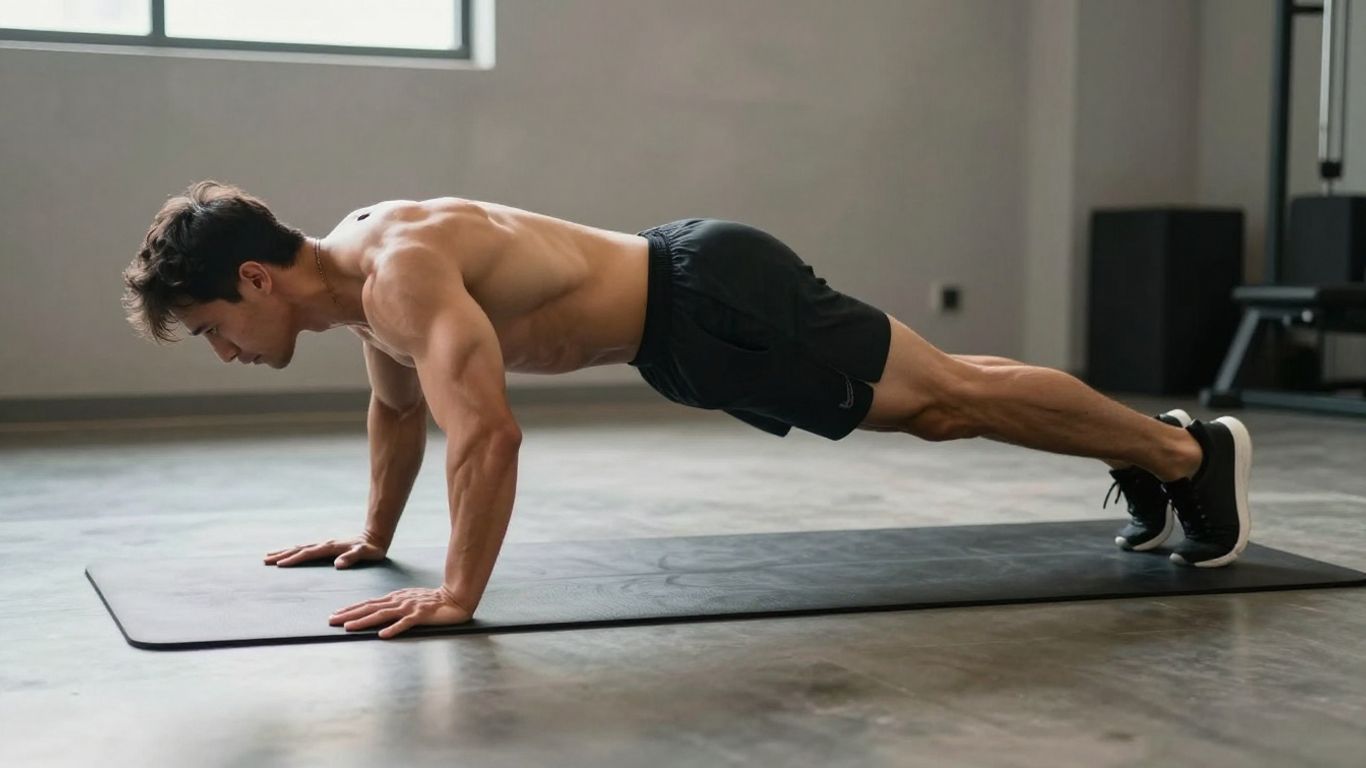
This is basically the push-up position, but you're holding it. Start by getting on your hands and toes. Your hands should be right under your shoulders, and your body should form a straight line from your head all the way down to your heels. Think of it like a rigid board. You want to squeeze your glutes and brace your abs – this is what keeps your body stable. Don't let your hips sag down towards the floor, and definitely don't let them pike up towards the ceiling. Keep that neck neutral too; look down at the floor a little bit ahead of your hands. This position is a great starting point for building core strength.
Executing The Low Plank
The low plank is super similar, but instead of being on your hands, you're on your forearms. Get into that high plank position first, then lower yourself down so your elbows are directly under your shoulders. Your forearms can be parallel to each other, or you can clasp your hands together. Again, the goal is that straight line from head to heels. This variation can sometimes feel a bit more stable for some people, and it really hits those core muscles hard.
Key Alignment and Engagement Tips
So, what are the little things that make a big difference? First off, arm and hip placement. In the high plank, hands under shoulders. In the low plank, elbows under shoulders. For your hips, imagine you're trying to tuck your tailbone slightly under, pulling your belly button up towards your spine. This helps engage your abs more. It's all about creating tension throughout your body. You're not just passively holding; you're actively bracing.
A common mistake is looking too far forward or up, which puts a lot of strain on your neck. Keep your head in line with your spine. Think about a neutral position for your entire body.
Here's a quick rundown of what to focus on:
- Straight Line: Head, shoulders, hips, and heels should all be in one line.
- Core Braced: Actively pull your belly button towards your spine.
- Glutes Squeezed: This helps stabilize your lower back.
- Shoulders Down: Don't let your shoulders creep up towards your ears.
- Breathing: Don't hold your breath! Keep air flowing. It's easy to forget, but proper breathing is important.
Muscles Targeted By The Plank Exercise Workout
When you think about doing a plank, you probably picture your abs working overtime. And you're right, they are! But the plank is a full-body move that hits way more muscles than just your midsection. It's like a whole team of muscles getting together to keep you stable.
Abdominal Muscles Engaged
Let's start with the obvious: your abs. The plank is fantastic for targeting the rectus abdominis, that's the muscle that gives you the "six-pack" look. But it also works the deeper muscles like the transverse abdominis, which acts like a natural corset to support your lower back and pelvis. Don't forget the obliques on the sides of your torso; they're working hard to keep you from tipping over. This exercise is a powerhouse for building a strong, stable core.
Shoulder and Back Activation
Your shoulders and back aren't just chilling during a plank. Your deltoids (the muscles on top of your shoulders) and your trapezius muscles in your upper back are engaged to keep your upper body lifted. In the back, muscles like the rhomboids and erector spinae are firing to maintain that straight line from your head to your heels. This helps with posture and can reduce back pain.
Chest, Arms, and Leg Involvement
Even your chest and arms get a workout. Your pectoral muscles in your chest help stabilize your shoulders, and your arms, particularly your triceps, are working to hold you up. While not the primary focus, your legs are also involved. Your quadriceps in the front of your thighs and your glutes are squeezed to keep your hips from dropping. Even your calves get a little something out of it. It's a surprisingly complete workout for such a simple pose. For more on how planks engage your core, check out this page.
The plank is a great example of how a single exercise can work multiple muscle groups simultaneously. This makes it incredibly efficient for building overall strength and stability, far more so than exercises that focus on just one muscle.
Progressing Your Plank Workout
So, you've got the basic plank down. You can hold it steady, your form is looking good, and you're feeling that core burn. That's awesome! But like anything, to keep getting stronger, you've got to push yourself a little. It's time to move beyond just holding the position and start challenging your body in new ways.
Increasing Plank Duration
This is the most straightforward way to make the plank harder. If you're currently holding for 30 seconds, try aiming for 45, then 60. Don't just jump to a minute if you're not ready, though. Gradually adding time, maybe 5-10 seconds each session, is a solid plan. The goal isn't to see how long you can hold a plank, but to build endurance and strength. Think about it: if you can hold a solid plank for two minutes, you've built some serious core stamina.
Adding Resistance and Weight
Once holding for longer periods feels manageable, you can introduce external resistance. This could be as simple as having someone place a weight plate on your lower back. Just be sure to communicate with your spotter so they can help you maintain good form. Another option is a weighted vest, which distributes the load more evenly. This extra challenge forces your core to work harder to stabilize your body.
Incorporating Plank Variations
This is where things get really interesting. Simply changing the position or adding movement can make a huge difference. Here are a few ideas to get you started:
- Plank with Leg Lifts: From a standard plank, lift one leg a few inches off the ground, hold briefly, and then lower it. Alternate legs. This adds an element of balance.
- Side Plank Dips: In a side plank, lower your hips towards the floor and then raise them back up. This targets your obliques more intensely.
- Plank Jacks: Start in a high plank and jump your feet out wide, then back together, like a jumping jack. Keep your hips as still as possible.
When you start adding new challenges, always prioritize form over speed or duration. It's better to do a shorter, perfectly executed variation than a long, sloppy one. Your core will thank you for it.
Ready to explore some of these variations? You can find a great list of plank progressions to help you level up.
Effective Plank Variations For Core Strength
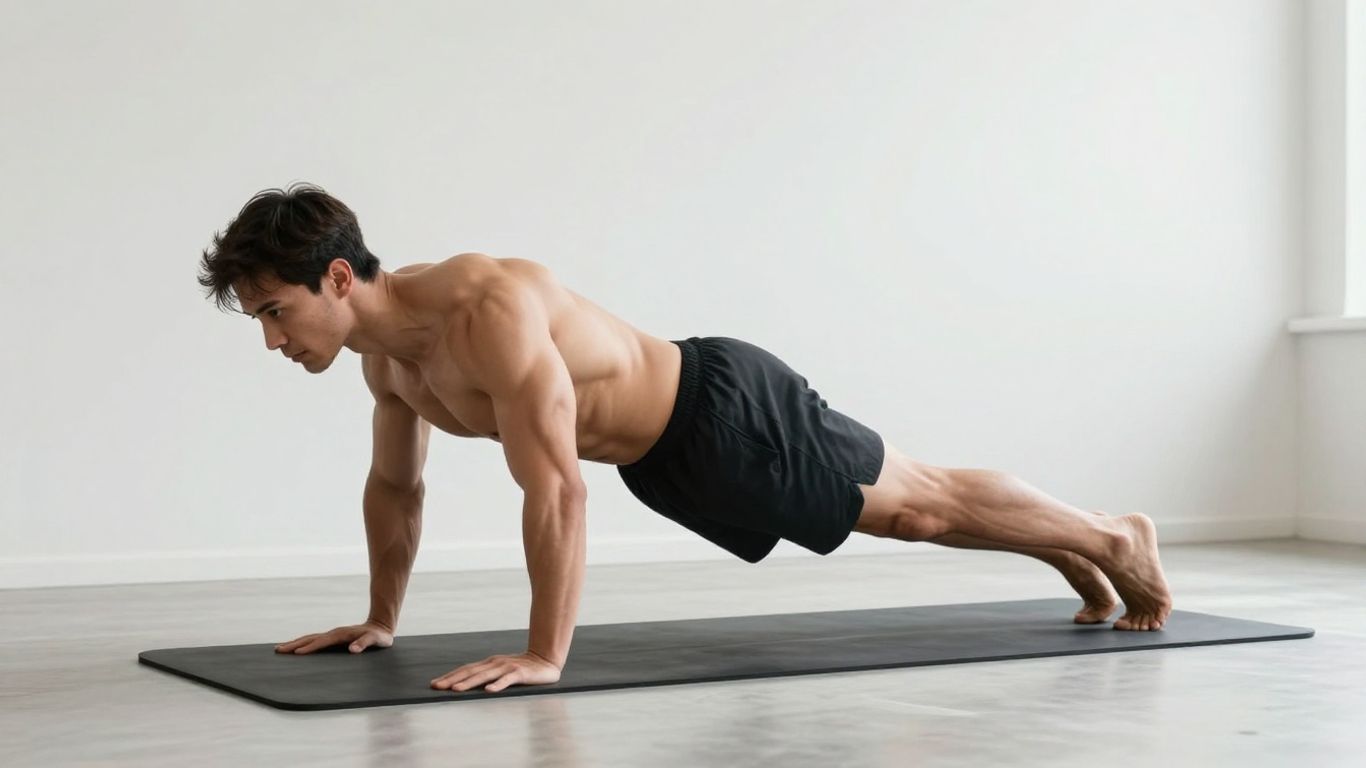
Alright, so you've got the basic plank down, and you're feeling pretty good about it. That's awesome! But if you're anything like me, you might be wondering, 'What's next?' Sticking with the same old thing can get a little boring, and honestly, your body is probably ready for a new challenge. Luckily, there are tons of ways to spice up your plank routine and really push your core to the next level. These variations aren't just about making things harder; they target your muscles from different angles and can help build even more stability and strength.
Dynamic Plank Movements
Dynamic planks involve movement, which is a great way to challenge your stability and coordination. Think of it as taking your plank from a static hold to a more active exercise. These can really wake up muscles you didn't even know you had!
- Plank with Shoulder Taps: From a standard high plank, lift one hand and tap the opposite shoulder. Keep your hips as still as possible. This forces your core to work overtime to prevent rocking.
- Plank Jacks: Start in a high plank. Jump your feet out wide, like a jumping jack, and then jump them back together. It’s a cardio blast and a core challenge all in one.
- Body Saw: In a low plank, use your forearms as a base. Instead of holding still, rock your body forward and backward by pushing off with your toes. It feels like you're sawing your body back and forth.
These movements require constant engagement. If your hips start to sag or your back arches, you're probably doing too much too soon. Focus on controlled motion rather than speed.
Plank Exercises With Added Load
Once you're comfortable with basic and dynamic planks, it's time to add some weight. This could be anything from a dumbbell to a weighted vest. Adding resistance makes your muscles work harder, leading to greater strength gains. It's a simple way to progress without needing a ton of new equipment. You can find some great options for adding resistance to your workouts.
| Exercise Type | Description |
|---|---|
| Weighted Plank | Place a weight plate or dumbbell on your lower back while holding a standard plank. |
| Renegade Row | In a high plank with dumbbells, row one dumbbell up to your chest, alternating arms. |
| Sandbag Plank | Lie in a low plank with a sandbag positioned across your upper back for added instability and resistance. |
Stability-Challenging Planks
These variations are all about throwing your body off balance just enough to make your stabilizing muscles work harder. They're fantastic for improving overall body control and preventing injuries. If you're looking to really test your limits, these are the ones to try. Some of these can be quite tricky, so don't get discouraged if you need to modify them at first. Trying different plank variations can really mix things up.
- Side Plank with Hip Dips: In a side plank, lower your hips towards the floor and then raise them back up. This really targets your obliques.
- Plank on a Stability Ball: Performing a plank with your forearms or hands on a stability ball forces your core to work much harder to keep the ball (and you!) steady. You can even try 'stirring the pot' by moving your forearms in circles on the ball.
- Plank Wall Walks: Start in a high plank with your feet against a wall. Walk your hands towards the wall while walking your feet up the wall. It's like a mini handstand progression that seriously challenges your core and shoulders.
Common Mistakes In The Plank Exercise Workout
So, you're getting into planks, which is awesome for your core. But sometimes, we don't even realize we're doing them a little bit wrong, and that can totally mess with the benefits. Let's talk about some of the usual slip-ups people make.
Avoiding Hip Sagging or Rising
This is a big one. When your hips start to sag down towards the floor, it puts a lot of strain on your lower back. It means your core isn't holding strong enough. On the flip side, if your hips hike up too high, you're basically doing a weird downward dog and not really working your abs like you should be. The goal is a straight line from your head to your heels. Think about actively pulling your belly button towards your spine to keep everything level.
Maintaining Neutral Spine and Neck
Another common issue is how people hold their neck and spine. Looking straight down at your feet can cause your neck to crane, which isn't great. Instead, try to keep your neck in line with the rest of your spine. Imagine you're looking a foot or two in front of your hands. Also, don't let your back arch too much or round excessively. It should feel like a nice, flat board. Getting your arm and hip alignment right is key here.
Breathing Techniques During Planks
Seriously, don't forget to breathe! It sounds simple, but people often hold their breath when they're trying to hold a plank. This can make you feel lightheaded and actually make it harder to keep your core engaged. Try to breathe deeply and steadily through your nose and out through your mouth. It helps keep your muscles supplied with oxygen and allows you to hold the plank longer with better form. It's easy to get caught up in the intensity and forget the basics, but breathing is definitely not basic.
It's easy to get caught up in the intensity and forget the basics, but breathing is definitely not basic. A steady breath helps keep your muscles supplied with oxygen and allows you to hold the plank longer with better form.
Here are some quick tips to remember:
- Engage your glutes: Squeeze your butt cheeks together. This helps stabilize your pelvis and takes pressure off your lower back.
- Forearm placement: In a low plank, make sure your elbows are directly under your shoulders. If they're too far forward or back, you'll feel it in your shoulders instead of your core. For high planks, hands should be under shoulders. Some people find gripping hands together can cause issues, so keep them shoulder-width apart or slightly wider.
- Core activation: Think about drawing your belly button in towards your spine. This engages your deep abdominal muscles, which is the whole point of the plank.
Conclusion
The plank exercise workout is a seriously effective way to build a strong core. It's not just about looking good; it's about having a body that moves better and stays safer. By focusing on good form, trying out different variations, and being consistent, you'll notice a big difference. Whether you're just starting out or looking to push your limits, the plank is a workout that truly pays off. So, get down on the floor, hold that plank, and start building that solid foundation for your fitness journey.
Frequently Asked Questions
What exactly is a plank exercise workout?
It's basically holding your body in a stiff, straight line, like a board, while resting on your forearms or hands and your toes. You're not really moving, just holding still to make your core muscles work hard. It's a great way to build strength without doing a bunch of crunches.
How long should I hold a plank?
When you first start, aim for short holds, maybe 15-30 seconds. It's better to do a few shorter holds with good form than one long hold where your body starts to droop. As you get stronger, you can slowly increase the time, maybe up to a minute or more.
What muscles does a plank work?
Planks hit a lot of muscles! Your abs are the main target, but they also work your back muscles, shoulders, chest, arms, and even your glutes and legs. It's like a full-body workout for your core.
Is it okay if my hips sag a little?
Nope, try your best not to let your hips sag down or push them way up in the air. Keeping your body in a straight line is key. If your hips are sagging, it means your core isn't strong enough yet, and you might hurt your back. Try a modified plank on your knees if needed.
Can I do planks if I have back pain?
For many people, planks can actually help reduce back pain by strengthening the muscles that support your spine. However, if you have existing back pain, it's always a good idea to talk to a doctor or physical therapist before starting. They can tell you if planks are safe for you and how to do them correctly.
How often should I do plank exercises?
You can do planks most days of the week. Since it's a bodyweight exercise, your muscles can recover pretty quickly. Doing them 3-5 times a week is a good starting point. Listen to your body, though; if you feel really sore, take an extra rest day.


0 comments