












So, you've got one of those mini trampolines that folds up? That's pretty neat for saving space. But, like anything, figuring out how to fold mini trampoline can be a bit tricky the first time. Whether you just want to tuck it away in a closet or take it to a friend's house, knowing the right way to do it makes things much easier. Let's break down how to get your mini trampoline folded up neatly and ready for storage or travel.
Key Takeaways
- Before you start folding, always check your mini trampoline for any loose parts or damage to make sure it's safe to handle.
- Clear the area around the trampoline so you have enough room to work and won't trip over anything.
- Understand the specific way your model folds; check the manual if you're unsure about any steps.
- Once folded, find a good spot to store it, like under a bed or in a closet, to keep it out of the way.
- Regularly cleaning and checking your trampoline helps keep it in good shape for future use.
Preparing Your Mini Trampoline For Folding
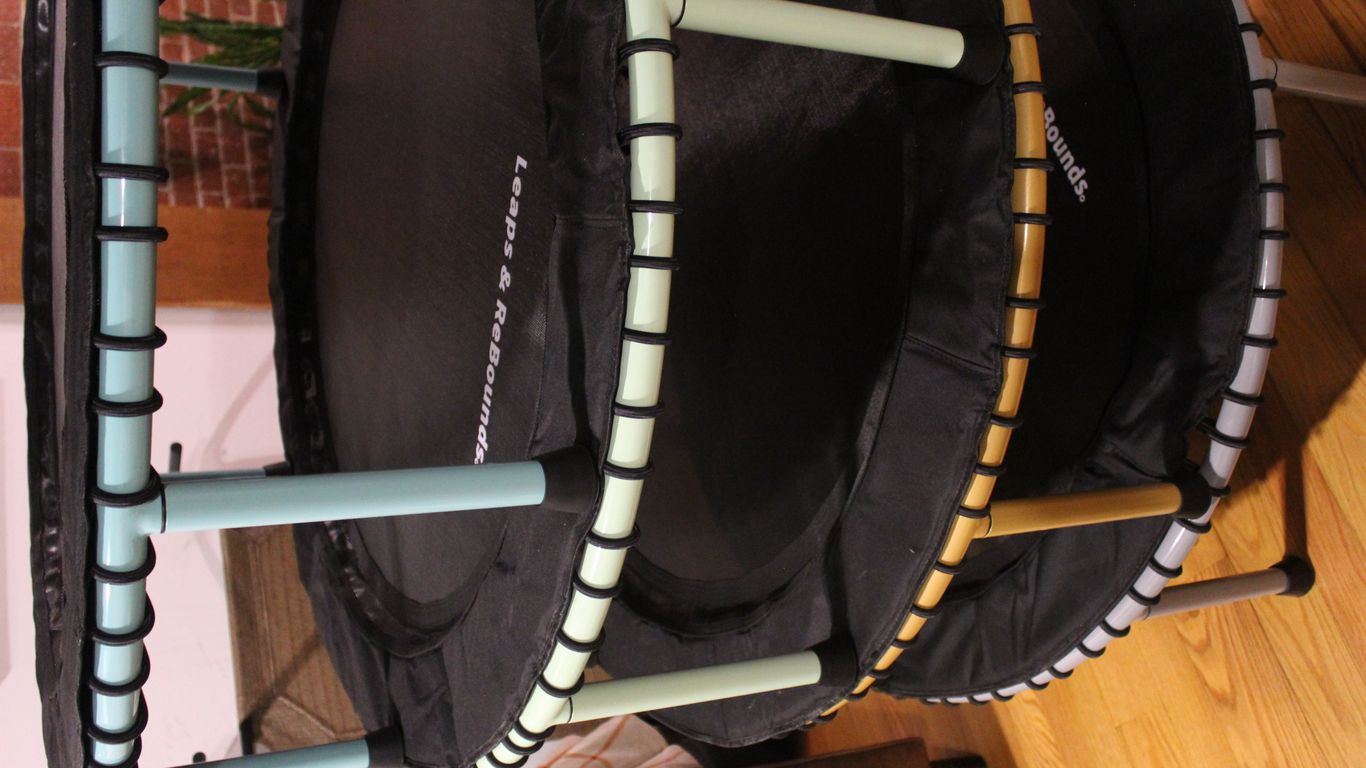
Before you even think about folding up your mini trampoline, it's a good idea to do a quick once-over. This isn't just about making sure it folds nicely; it's about safety and keeping your equipment in good shape for longer. Think of it like checking your car before a long trip – a little prep goes a long way.
Inspect For Loose Parts And Damage
First things first, give your trampoline a good look. Are there any bolts that seem loose? How about the springs or bungee cords – do they look worn out or stretched? Sometimes, the padding around the edges can get a bit ripped or frayed. Catching these small issues now can prevent bigger problems later, like a spring snapping during a jump or a part coming undone. It's also worth checking the legs to make sure they're secure and not wobbly.
Clear The Surrounding Area
When you're ready to fold, make sure the area around the trampoline is clear. You don't want to accidentally knock over a lamp or trip over a rug while you're maneuvering the trampoline. Give yourself plenty of space to work with, especially if you're folding it for the first time. This also means making sure there are no pets or small children running around right where you're trying to fold it up.
Understand Your Model's Specifics
Not all mini trampolines are created equal, and how they fold can vary a bit. Some might have a simple hinge that just lets you fold it in half, while others might have a more complex system. Check your owner's manual if you still have it, or look up your specific model online. Knowing if there are any special latches, buttons, or steps unique to your trampoline will make the folding process much smoother and prevent any accidental damage. It's usually pretty straightforward, but a quick look can save you some head-scratching.
The Folding Process: Step-by-Step
Folding up your mini trampoline doesn't have to be a wrestling match. Most foldable models are designed with simplicity in mind, aiming for quick and easy storage. The key is to follow a logical sequence, ensuring each part is handled correctly. Let's break down the typical steps involved.
Disengage Safety Features
Before you start collapsing anything, take a moment to check for any locking mechanisms or safety clips that might be engaged. Some trampolines have legs that need to be rotated or a central hinge that requires a specific action to release. Always refer to your model's manual if you're unsure, but generally, you're looking for anything that prevents movement. It's like unlocking a puzzle piece before you can move the whole thing.
Collapse The Frame
This is where the magic happens. Many mini trampolines use a hinge system. You might need to push down on the frame or lift a specific section to initiate the fold. For models with removable legs, you'll typically unscrew or unclip these first. Once the main frame starts to come together, you'll often find it folds in half, or sometimes into thirds, depending on the design. It's usually a pretty straightforward push or pull motion.
- Identify the central hinge point.
- Apply gentle, steady pressure to fold.
- Listen for a click or feel a secure lock when fully folded.
Secure The Folded Unit
Once it's folded, you don't want it springing back open. Most trampolines come with a strap or clip system to keep it neatly bundled. This might be a Velcro strap that wraps around the frame or a small buckle. Make sure this is fastened securely. This step is vital for safe transport and storage, preventing accidental unfolding. It's the final touch that keeps everything tidy and ready to go. If your model came with a carrying bag, this is usually when you'd place it inside, making it even more compact and protected, ready for easy setup and takedown.
Always double-check that all locking mechanisms are engaged and the securing strap is tight before moving the folded trampoline. This prevents unexpected unfolding and potential damage or injury.
Achieving A Compact Fold
So, you've finished your workout and now it's time to put the trampoline away. Getting it into its most compact form is key, especially if you're short on space or planning to move it. It's not just about shoving it into a corner; there are a few ways to make it really small and manageable.
Flattening For Storage
Most foldable mini trampolines are designed to fold in half, much like a large pizza box. After you've detached any safety features or legs that might get in the way, you'll want to bring the two halves of the frame together. Some models have a hinge right in the middle that makes this pretty straightforward. You might need to give it a gentle push or pull to get it to lie completely flat. The goal here is to reduce its footprint as much as possible, making it easy to slide under a bed, behind a couch, or into a narrow closet. It's all about making that trampoline disappear when you're not using it.
Rolling For Portability
For some trampolines, especially those with a slightly more complex folding mechanism or a mat that detaches, rolling can be a good option. Think of it like rolling up a yoga mat, but on a larger scale. You'll want to ensure the mat and springs are neatly contained within the frame as you roll. This method is particularly useful if you have a carrying bag ready to go. A tightly rolled trampoline is often easier to handle and transport than a awkwardly folded one. It keeps everything together and prevents parts from shifting around too much during transit.
Utilizing Carrying Bags
Once you've got your trampoline folded down, whether flat or rolled, a carrying bag can be a game-changer. Many foldable models come with their own dedicated bags, or you can find universal ones. These bags aren't just for looks; they protect the trampoline from dust and scratches while it's being stored or moved. They also often have straps or handles, making it much easier to carry the trampoline from room to room, or even to a friend's house or a park. It turns your folded trampoline into a neat, self-contained package, ready for whatever you need it for.
Storing Your Folded Mini Trampoline
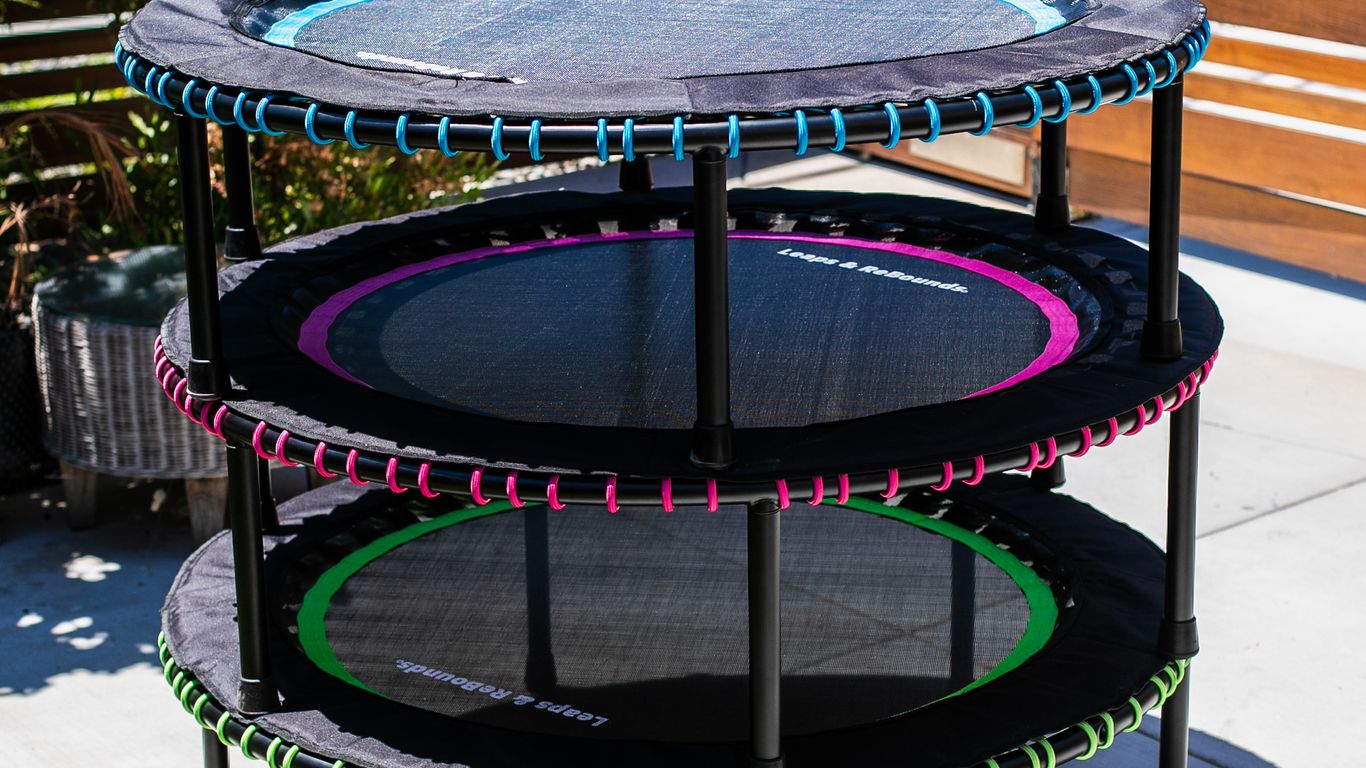
Alright, so you've managed to get your mini trampoline folded up. Nice work! Now, where do you put this thing so it's not in the way but also easy to grab when you want to jump again? Let's talk about finding the right spot and keeping it in good shape while it's tucked away.
Finding Space-Saving Locations
This is where the magic of a foldable trampoline really shines, especially if you're not exactly living in a mansion. Think vertically and horizontally in places you might not have considered before. The goal is to make it disappear until you need it.
Here are a few ideas:
- Under the bed: If you have a bed frame with some clearance, a folded trampoline can often slide right underneath. Just make sure it's flat enough.
- Behind furniture: That awkward space behind a couch or a dresser? It might be just the ticket. Measure first, though!
- In a closet: Most closets have room for a folded trampoline, especially if you can stand it up on its edge.
- On a high shelf: If you have sturdy shelving in a garage or storage area, a lighter model can be placed up and out of the way.
Protecting The Trampoline During Storage
Even when it's folded, you want to keep your trampoline looking good and working well. A little protection goes a long way.
- Use a carrying bag: Many foldable trampolines come with a bag, or you can buy one separately. This keeps dust off the mat and springs and prevents scratches on the frame. It also makes it easier to carry if you need to move it.
- Cover it up: If you don't have a bag, a simple old sheet or a tarp can do the trick to keep dust bunnies at bay. This is especially helpful if you're storing it in a garage or basement where dust is more common.
- Avoid moisture: Try not to store your trampoline in damp areas like unsealed basements or sheds where humidity can cause rust on the metal parts over time. If you must, consider placing it on a pallet or some sort of riser to keep it off the concrete floor.
Ensuring Easy Retrieval
What's the point of a foldable trampoline if it's a hassle to get out again? Make sure you can grab it without a major production.
- Keep it accessible: Don't bury it under a mountain of other stuff. If you plan to use it regularly, make sure it's one of the first things you can reach.
- Note its location: If you have multiple storage spots or a lot of gear, a quick note or a label on the bag can save you time later.
- Check for damage before storing: Before you put it away, give it a quick once-over. Make sure nothing got bent or broken during the folding or moving process. It's easier to fix a small issue now than when you're ready for a bounce and find a problem.
Storing your folded mini trampoline doesn't have to be complicated. It's mostly about finding a logical spot and taking basic precautions to keep it in good condition. Think of it like putting away a large, springy puzzle piece – you want it ready for the next time you want to put the picture together, which in this case, is a fun workout.
If you're looking for a new rebounder, check out the Lucky Bounce Bundle for a great deal.
Maintaining Your Foldable Trampoline
Keeping your foldable mini trampoline in good shape isn't complicated, but it does require a little attention now and then. Think of it like taking care of any piece of equipment you rely on – a bit of upkeep goes a long way in making sure it lasts and works right.
Regular Cleaning Of The Mat
After a good workout, you'll probably notice some sweat or maybe even dirt on the jumping mat. Giving it a quick wipe-down is a good idea. You don't need fancy cleaners; a damp cloth with a little mild soap usually does the trick. Just make sure it's completely dry before you fold it up or store it away. Nobody wants a musty smell clinging to their trampoline.
Checking Spring Or Bungee Tension
This is pretty important for how your trampoline feels and performs. Over time, the springs or bungee cords can lose a bit of their snap. You'll want to give them a look every so often. Check for any signs of wear, like fraying on the cords or rust on the springs. If you notice any that look weak or damaged, it's best to replace them. It's not just about the bounce; it's about safety too. A worn-out spring can be a real hazard.
Here's a quick rundown of what to look for:
- Springs: Inspect for rust, stretching, or any visible damage. Listen for squeaks during use, which can indicate wear.
- Bungee Cords: Check for fraying, thinning, or loss of elasticity. They should feel firm and springy.
- Attachment Points: Make sure the springs or cords are securely attached to both the frame and the mat. Look for any signs of stress or tearing around these points.
Verifying Frame Stability
Before you start jumping, or even when you're just giving it a quick look-over, check that the frame is solid. Are all the legs firmly in place? Are there any wobbly bits? If your model has bolts, give them a quick tighten if they seem loose. A stable frame is key to a safe and effective bounce. You don't want any surprises mid-jump!
A little bit of regular care can prevent bigger issues down the line. It means your trampoline will be ready when you are, and you won't have to worry about unexpected problems during your workout.
Maximizing Convenience With Foldable Designs
Benefits Of Quick Setup And Takedown
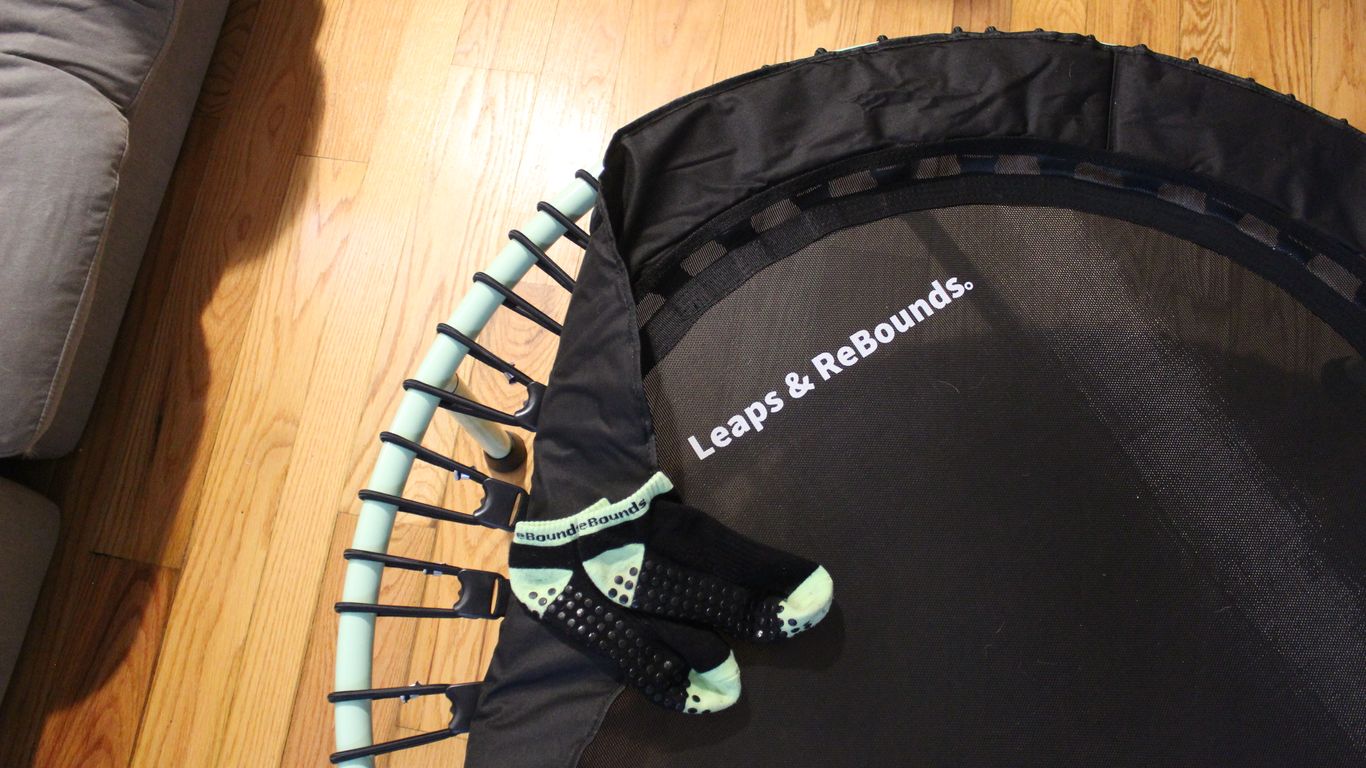
One of the biggest wins with a foldable mini trampoline is how fast you can get it ready to go. Forget spending ages with tools or complicated instructions. Most models are designed so you can just unfold them, maybe lock a few parts into place, and you're pretty much set. This means you can squeeze in a workout whenever the mood strikes, without a big hassle. It really makes sticking to a routine a lot easier when you don't have to fight with your equipment first.
Portability For Various Locations
These trampolines aren't just for home. Because they fold up neatly, you can easily take them with you. Think about heading to a friend's house for a workout session, taking it to a park on a nice day, or even bringing it along if you're staying somewhere for a while and want to keep up with your fitness. They're great for people who move around a lot or just like having options for where they exercise.
Space Efficiency In Small Homes
Living in a smaller place? A foldable mini trampoline is a game-changer. When it's folded, it takes up hardly any room. You can slide it under a bed, tuck it away in a closet, or even lean it against a wall behind a door. This ability to disappear when not in use is a huge plus for anyone trying to make the most of limited living space. It means you get the benefits of a full workout tool without it permanently taking over your living area.
The convenience factor can't be overstated. It's not just about saving space; it's about removing barriers to exercise. When your equipment is easy to set up, easy to move, and easy to store, you're far more likely to use it regularly. This simple design choice makes fitness more accessible for everyday people.
Discover how foldable designs can make your life so much easier! Imagine a fitness tool that fits perfectly into your busy schedule and your living space. Our innovative products are designed with your convenience in mind, offering a great workout without the hassle. Ready to experience the difference? Visit our website today to explore our collection and find the perfect fit for your home!
Ready to Jump?
So there you have it. Folding up your mini trampoline doesn't have to be a big production. With a few simple steps, you can get it put away and out of sight, freeing up your space. Whether you're storing it for the season or just making room for movie night, knowing how to fold it down makes this piece of equipment even more useful. Now you can enjoy the fun and fitness without the clutter. Happy bouncing!
Frequently Asked Questions
How do I make sure my mini trampoline is safe to fold?
Before you fold it, always check for any loose screws, worn-out springs, or ripped mat parts. Make sure there's nothing stuck to the mat or frame. Also, clear the space around the trampoline so you have plenty of room to work without bumping into anything.
What are the main steps to fold a mini trampoline?
Usually, you'll need to disengage any locks or safety clips that hold it open. Then, you'll gently push the frame inwards or downwards, depending on the model, to collapse it. Finally, secure the folded unit with straps or clips so it doesn't pop open.
How can I make my folded trampoline take up less space?
Some trampolines fold flat, which is great for sliding under a bed or into a narrow closet. Others can be rolled up, making them easier to carry. Using a special carrying bag can also keep it tidy and make it more portable.
Where is the best place to store a folded mini trampoline?
Look for spots like the back of a closet, under a bed, or in a garage corner. Just make sure the area is dry and won't have heavy things piled on top of it. Keeping it protected helps it last longer.
How often should I clean and check my mini trampoline?
It's a good idea to give it a quick wipe-down after use, especially the mat. Regularly check that the springs or bungee cords are still tight and that the frame feels sturdy. Doing this keeps it working well and prevents problems.
What's so great about foldable mini trampolines?
They're super convenient! You can set them up and take them down really fast, often without any tools. This means you can get a workout in whenever you have a few minutes. Plus, they don't take up much room, which is perfect for smaller homes or apartments.


0 comments