










Thinking about trying something new for your health? Maybe you've heard about rebounding, that fun way to bounce on a mini-trampoline. Well, there's a specific way to do it called the earth and owl rebounding technique. It's not as complicated as it sounds, and it's supposed to be really good for you. We're going to break down what it is, how to get started, and why people are talking about it. Let's see if this earth and owl rebounding thing is something you might want to add to your routine.
Key Takeaways
- Start with the basics of earth and owl rebounding, focusing on safe setup and proper stance.
- Begin with simple, low-impact movements to build confidence and get used to the rebounder.
- Understand how earth and owl rebounding can help your body, like improving circulation and lifting your mood.
- Find ways to fit earth and owl rebounding into your day, whether it's a quick session or part of a larger workout.
- Explore different styles of earth and owl rebounding, from dance-inspired to more intense interval training.
Understanding The Earth and Owl Rebounding Technique
The Foundation Of Your Rebounding Journey
Getting started with rebounding, especially the Earth and Owl method, is all about building a solid base. It's not just about jumping up and down; it's about doing it right from the very first bounce. Think of it like learning to walk before you run. We want to make sure you're safe and getting the most out of every movement. This technique focuses on controlled, mindful bouncing that works with your body, not against it.
Mastering Proper Stance For Safety
Your stance is probably the most important thing to get right when you're on a rebounder. A good stance keeps you stable and helps prevent injuries. It's not complicated, but it does take a little attention.
Here's what to aim for:
- Feet Placement: Stand with your feet about hip-width apart. Your toes should point slightly outward, or straight ahead, whatever feels most natural and balanced for you.
- Knee Bend: Keep a slight bend in your knees. Don't lock them out, and don't bend them too deeply. Just a soft bend is perfect.
- Core Engagement: Gently pull your belly button towards your spine. This helps support your back and keeps your core active.
- Posture: Stand up tall, but relaxed. Imagine a string pulling you up from the crown of your head. Keep your shoulders down and back.
A stable stance means you can control your movements better, which is key for both safety and effectiveness. It allows your body to absorb the impact properly and prepares you for more dynamic moves later on.
Setting Up Your Rebounder Correctly
Before you even step onto the rebounder, make sure it's set up properly. This makes a big difference in how safe and effective your workout will be. Most rebounders come pretty much assembled, but there are a few things to check.
- Surface: Place your rebounder on a flat, stable surface. Avoid placing it on a rug that might slip, or on uneven flooring. Some people like to put a yoga mat or a special non-slip mat underneath, especially if they have hardwood floors.
- Bungees/Springs: If your rebounder uses bungees or springs, make sure they are all attached correctly and evenly. This ensures the bounce is consistent.
- Space: Give yourself enough room around the rebounder. You don't want to bump into furniture or walls when you're bouncing, especially as you get more confident with movement.
Checking these simple things will help you feel more secure and ready to start your rebounding journey.
Embarking On Your Earth and Owl Rebounding Practice
Gentle Routines For Absolute Beginners
Starting out with rebounding can feel a little strange at first, but don't worry, we've all been there. The key is to begin with movements that are super gentle and don't require any jumping. Think of it as getting acquainted with your rebounder, learning how it feels to shift your weight and find your balance. We're talking about simple steps, gentle swaying, and maybe even just marching in place. The goal here isn't to break a sweat, but to build a connection with the equipment and your own body's response to it. It's all about getting comfortable and feeling safe.
- Start with standing still: Just stand on the mat, get a feel for the slight give. Shift your weight from side to side.
- Gentle marching: Lift one knee, then the other, as if you're marching. Keep it low and controlled.
- Heel raises: While standing, lift your heels off the mat, then lower them. This engages your calves.
- Arm swings: While doing any of the above, gently swing your arms forward and back, or in circles.
Remember, the most important thing when you're just starting is to listen to your body. There's no rush to do anything complicated. Just moving gently is a win.
Low-Impact Moves For Joint Health
Once you're feeling a bit more comfortable, you can introduce some moves that are still very easy on your joints but get a little more of your body involved. These are designed to be smooth and controlled, focusing on movement rather than impact. We want to get your blood moving and your muscles working without any jarring. Think about exercises that mimic walking or light stretching, but with the added benefit of the rebounder's gentle bounce.
Here are a few ideas:
- The 'Walk and Bounce': This is like a gentle jog in place, but you're not actually lifting your feet high. It's more of a controlled rocking motion.
- Side-to-Side Steps: Step your right foot out to the side, then bring your left foot to meet it. Repeat to the left. Keep the steps small and controlled.
- Forward and Back Steps: Similar to the side steps, but move forward and backward. Again, keep the movements small and smooth.
- Torso Twists: While standing, gently twist your upper body from side to side. Keep your hips relatively stable. This is great for your core and spine.
Building Confidence With Each Bounce
Confidence on the rebounder grows with practice. Every time you step on, even for just a few minutes, you're building that trust in yourself and the equipment. It's about celebrating the small victories – mastering a new move, feeling a little stronger, or just enjoying the sensation of bouncing. Don't compare your journey to anyone else's. Your progress is your own, and it's valid.
Here’s how to keep that confidence growing:
- Consistency is key: Even short, regular sessions are better than one long, infrequent one. Aim for 5-10 minutes daily if you can.
- Celebrate small wins: Did you hold a balance a little longer? Did you try a new move? Acknowledge it! Pat yourself on the back.
- Focus on how you feel: Pay attention to the positive changes – more energy, better mood, less stiffness. These are your motivators.
- Don't fear mistakes: If you wobble or lose balance, it's okay. Just reset and try again. That's how you learn.
Maximizing Benefits With Earth and Owl Rebounding
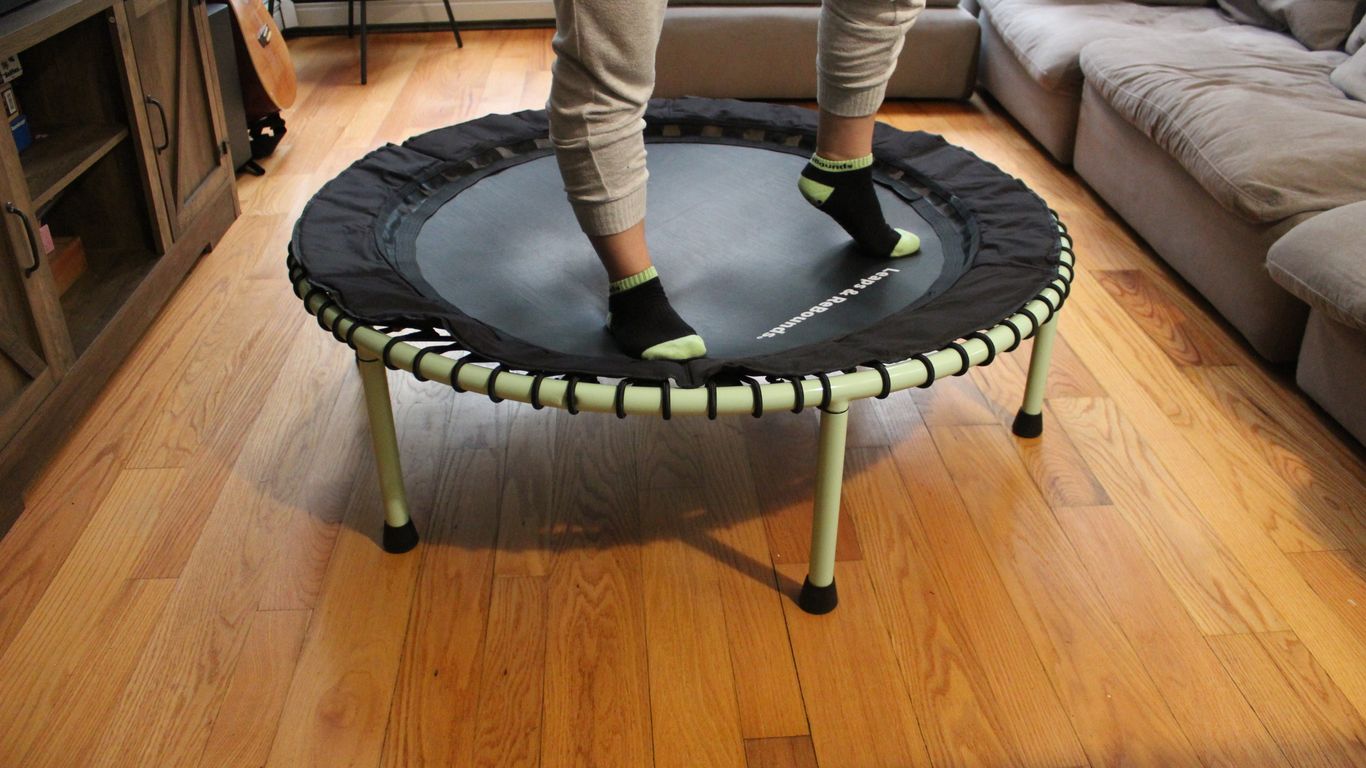
So, you've got the hang of the basic bounce, and maybe you're wondering, 'What else can this thing do for me?' Well, get ready, because the Earth and Owl rebounder is more than just a fun way to jump around. It's a serious tool for improving your overall health, from the inside out.
Boosting Lymphatic Health And Circulation
Think of your lymphatic system as your body's internal cleanup crew. It's responsible for getting rid of waste products and toxins. Unlike your circulatory system, it doesn't have a pump like the heart. That's where rebounding comes in. The up-and-down motion, especially the brief moment of weightlessness at the top of each bounce, helps to move lymph fluid through your body. This can help your body clear out waste more efficiently. It's like giving your internal plumbing a good flush!
- Improved Waste Removal: Helps move lymph fluid, aiding in toxin elimination.
- Reduced Swelling: Can help decrease fluid buildup in tissues.
- Stronger Immune Response: A well-functioning lymphatic system is key for immunity.
Regular rebounding can really get things moving, making your body feel lighter and more energized.
Enhancing Mood And Energy Levels
Ever feel a bit sluggish or down? Rebounding can be a fantastic mood booster. The physical activity itself releases endorphins, those feel-good chemicals in your brain. Plus, the rhythmic bouncing can be almost meditative, helping to clear your head. It's a great way to shake off stress and get a natural energy lift without needing another cup of coffee.
The simple act of bouncing can shift your perspective, turning a dull afternoon into something a bit more cheerful. It's a surprisingly effective way to combat that mid-day slump.
Achieving A Toned Body Through Rebounding
Don't let the 'fun' fool you; rebounding is a real workout. It engages a lot of muscles you might not even realize you're using. Your legs, glutes, and core are constantly working to keep you stable and control your movements. Over time, this can lead to increased muscle tone and definition. It's a low-impact way to build strength and improve your body's overall shape.
Here's a quick look at what muscles get a workout:
| Muscle Group | How It's Worked |
|---|---|
| Legs (Quads, Hamstrings, Calves) | Pushing off and absorbing impact |
| Glutes | Stabilizing and powering upward motion |
| Core (Abs, Obliques, Lower Back) | Maintaining balance and posture |
| Pelvic Floor | Engaged for stability during bounces |
Integrating Earth and Owl Rebounding Into Your Life
Quick Workouts For Busy Schedules
Life gets hectic, right? It feels like there's never enough time to fit in a proper workout. But here's the good news: the Earth and Owl Rebounding Technique is perfect for those days when you're short on time. You don't need an hour or even thirty minutes to get a good session in. Even a quick 10-minute bounce can make a difference. Think about it – you can easily squeeze in a short routine while your coffee brews or during a commercial break. These short bursts of activity add up and can significantly boost your energy and mood.
Here’s a sample 10-minute routine you can try:
- Minutes 0-2: Gentle bouncing in place, focusing on posture.
- Minutes 2-4: Marching in place on the rebounder, lifting knees.
- Minutes 4-6: Light jogging in place, gradually increasing intensity.
- Minutes 6-8: Jumping jacks (modified if needed) or high knees.
- Minutes 8-10: Slow down with gentle bouncing and deep breaths.
Remember, consistency is key. A short, regular workout is far more effective than an occasional long one. Make it a habit, and you'll start to feel the benefits sooner than you think.
Cardio And Strength Training On The Rebounder
Who says you can't get a full-body workout on a rebounder? It's not just about bouncing up and down. You can actually combine cardio and strength training to make your Earth and Owl Rebounding sessions even more effective. For cardio, think about increasing your speed, adding arm movements, or trying different types of jumps like high knees or butt kicks. For strength, you can incorporate exercises like squats, lunges, or even push-ups (using the rebounder frame for stability if needed). It really works a lot of muscles you might not even realize you're using.
Here’s a quick way to structure a combined session:
- Warm-up (5 minutes): Start with gentle bouncing and marching.
- Cardio Burst (10 minutes): Alternate between jogging, high knees, and jumping jacks.
- Strength Circuit (10 minutes): Perform 3 rounds of:
- 15 Squats (holding onto the frame for balance if needed)
- 10 Lunges per leg
- 10 Push-ups (on the floor or against the rebounder frame)
- Cool-down (5 minutes): Slow bouncing and stretching.
Dance-Inspired Rebounding For Fun
Let's be honest, sometimes working out can feel like a chore. But what if it could be as fun as dancing? Dance-inspired rebounding turns your rebounder into a mini dance floor. You can put on your favorite music and just move to the beat. It’s a fantastic way to get your heart rate up while also letting loose and having a blast. You don't need any fancy dance moves; just let your body sway, jump, and groove. This approach makes exercise feel less like work and more like a party. It’s great for coordination and can really lift your spirits. Plus, you can adapt it to any music genre you love, from pop to Latin beats.
Advanced Earth and Owl Rebounding Techniques
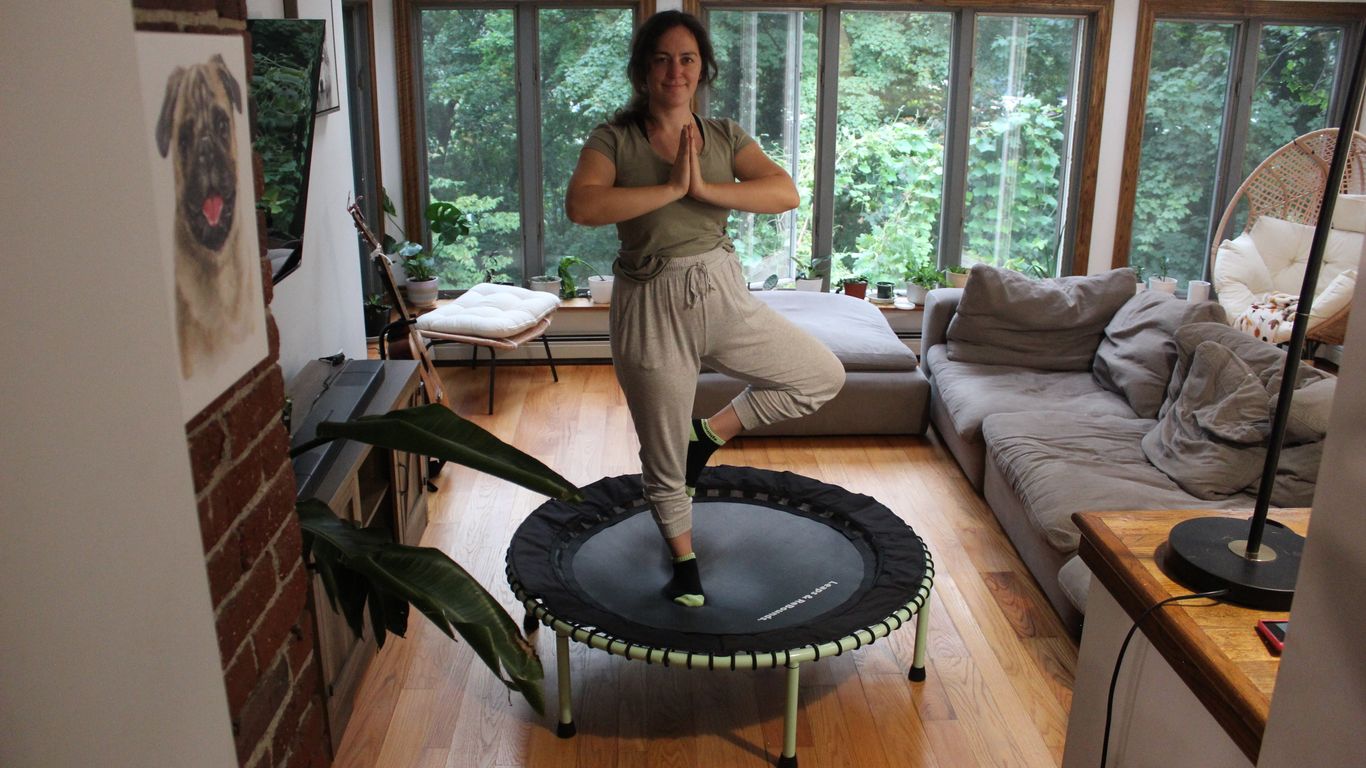
Ready to take your rebounding to the next level? Once you've got the basics down, there are some really exciting ways to push yourself further and get even more out of your mini-trampoline sessions. We're talking about workouts that can really get your heart pumping and challenge your body in new ways. It’s about building on that foundation and exploring what your rebounder can truly do for you.
Kickboxing Style Rebounding Routines
This is where things get dynamic! Think sharp punches, quick kicks, and fast footwork, all while staying balanced on your rebounder. It’s a fantastic way to burn calories and work on your coordination. You can find routines that mimic actual kickboxing moves, like jabs, crosses, and even roundhouse kicks, adapted for the rebounder. The key is to engage your core throughout to maintain stability and power.
Here’s a sample structure for a kickboxing-inspired session:
- Warm-up (3 minutes): Gentle bouncing, arm circles, and leg swings.
- Jab-Cross Combos (5 minutes): Alternate quick jabs and crosses while bouncing. Focus on speed and form.
- Knee Strikes & Kicks (5 minutes): Incorporate high knees and front kicks, keeping your balance.
- Defensive Moves (4 minutes): Practice blocks and dodges while maintaining a steady bounce.
- Cool-down (3 minutes): Slow bouncing and stretching.
High-Intensity Interval Training on The Rebounder
HIIT on a rebounder is a game-changer for cardiovascular fitness. The idea is simple: short bursts of intense exercise followed by brief recovery periods. Because you're already on a rebounder, the impact is lower than running, but the intensity can be just as high, if not higher, due to the added challenge of balance and the springy surface. This method is super effective for improving stamina and burning fat.
Consider this structure for a HIIT session:
- Work Interval: 30 seconds of maximum effort bouncing (e.g., high knees, jumping jacks on the rebounder).
- Rest Interval: 15 seconds of light bouncing or standing still.
- Repeat: Cycle through these intervals for 15-20 minutes.
Remember, pushing your limits safely is the goal. Listen to your body and adjust the intensity as needed. It’s about progress, not perfection.
Total Body Sculpting With Dumbbells
Want to add some strength training to your rebounding? You can absolutely use light dumbbells while bouncing to sculpt your entire body. This combines the cardio benefits of rebounding with resistance training. You can perform bicep curls, shoulder presses, or even add weights to your punches and kicks for an extra challenge. It’s a great way to build lean muscle and increase your metabolism. You can find great tips on how to integrate this into your routine on Dr. Jennifer Ruthensteiner's blog for optimizing your health.
Mindful Earth and Owl Rebounding Practices
Balancing Your Body Through Rebounding
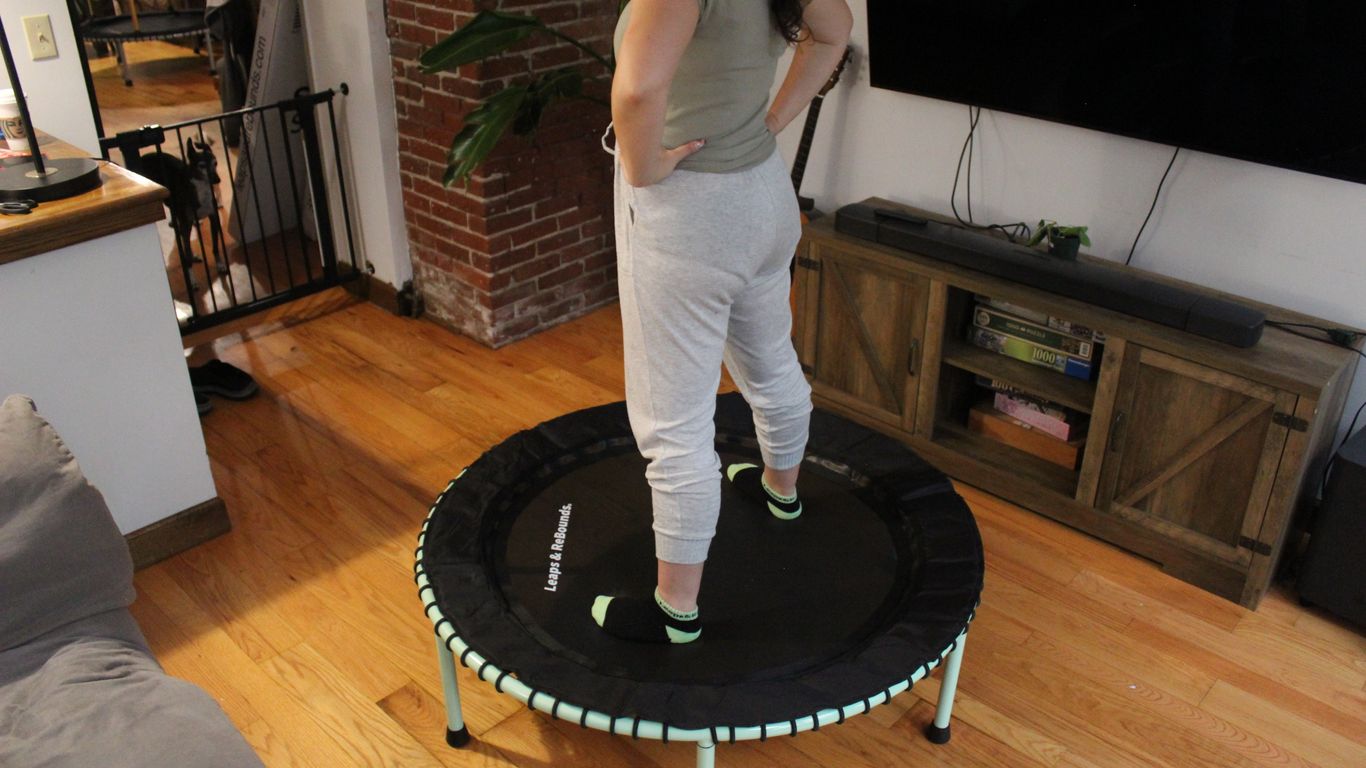
Rebounding isn't just about jumping up and down; it's a chance to really connect with your body. When you're on the rebounder, you're constantly making tiny adjustments to stay balanced. This might not seem like much, but it's actually working a lot of small muscles you might not usually think about. It's like a constant, gentle workout for your stability. Paying attention to how your body feels as you move can make a big difference in how you use the rebounder.
Here’s a simple way to focus on balance:
- Stand in the center of your rebounder with feet hip-width apart.
- Gently lift one foot a few inches off the mat. Hold for a few seconds, focusing on keeping your core steady.
- Lower the foot and repeat with the other leg.
- Try closing your eyes for a few seconds while standing with both feet down. Notice how your body instinctively corrects itself.
Rebounding For Stress Relief And Well-being
Life can get pretty hectic, right? Sometimes, just getting on the rebounder and doing some gentle bouncing can feel like a mini-escape. The rhythmic motion can be really calming. It's a way to shake off some of that built-up tension without needing a lot of complicated steps. Think of it as a moving meditation. It helps get your blood moving and can actually make you feel a bit lighter, mentally speaking.
Consider these points for stress relief:
- Focus on your breath: As you bounce, try to breathe deeply and evenly. Inhale through your nose, exhale through your mouth.
- Let go of tension: Consciously try to relax your shoulders and jaw as you bounce. Imagine any worries bouncing away with each movement.
- Gentle movement is key: You don't need to do high-intensity jumps. Slow, controlled bounces can be just as effective for calming the nervous system.
The simple act of moving your body on the rebounder can shift your mental state. It's a physical release that often leads to an emotional one, helping to clear your head and reset your mood.
Incorporating Music Into Your Rebounding
Music can totally change the vibe of your rebounding session. Putting on some tunes you love can make the whole experience more enjoyable and less like a chore. Whether you're going for a high-energy cardio blast or just a gentle bounce, the right music can really set the mood and keep you motivated. It's amazing how a good beat can make you want to move more and feel happier doing it. You can even create playlists for different moods or workout types.
Discover the joy of bouncing with our "Mindful Earth and Owl Rebounding Practices"! It's a fantastic way to get moving and feel good, right in your own home. Ready to jump into a healthier you? Visit our website to find the perfect rebounder for your fitness journey!
Keep Bouncing!
So, that's the lowdown on the Earth and Owl Rebounding Technique. It's not some complicated thing you need a degree for. It's just about getting on that rebounder and moving. Whether you're doing a quick 5-minute bounce in the morning or a longer session later, the key is consistency. Don't overthink it. Just find a rhythm that works for you, listen to your body, and enjoy the process. You've got this. Keep bouncing, and you'll notice the difference before you know it.
Frequently Asked Questions
What exactly is the Earth and Owl Rebounding Technique?
The Earth and Owl Rebounding Technique is a way of exercising on a mini-trampoline, often called a rebounder. It's all about bouncing in a way that's good for your body, helping you get stronger and feel better. Think of it as a fun way to move that's easy on your joints.
Is rebounding safe for beginners?
Absolutely! The Earth and Owl method starts with simple, gentle movements. You'll learn how to stand correctly and get comfortable with bouncing slowly. There are even workouts with no jumping at all, perfect for getting started without any pressure.
How can rebounding help my health?
Rebounding is great for lots of things! It helps your lymph system move fluids around your body, which is good for getting rid of waste. It can also make you feel happier, give you more energy, and help tone your muscles, making your body feel stronger and more fit.
Do I need special shoes to rebound?
You don't need fancy shoes. Many people like to rebound barefoot to feel more connected to the mat. If you prefer, comfortable athletic shoes are fine, but avoid anything with a lot of tread that might slip. The most important thing is to feel stable and safe.
How often should I rebound?
You can rebound as often as feels good for you! Even short sessions, like 5 or 10 minutes a day, can make a difference. Some people do quick workouts daily, while others prefer longer sessions a few times a week. Listen to your body and find what works best for your schedule.
Can I do more advanced moves on a rebounder?
Yes, once you're comfortable, you can try more challenging exercises! There are ways to add things like kickboxing moves, high-intensity intervals (HIIT), or even use small weights to make your workout tougher and sculpt your body even more. It's a versatile tool for fitness!


0 comments