


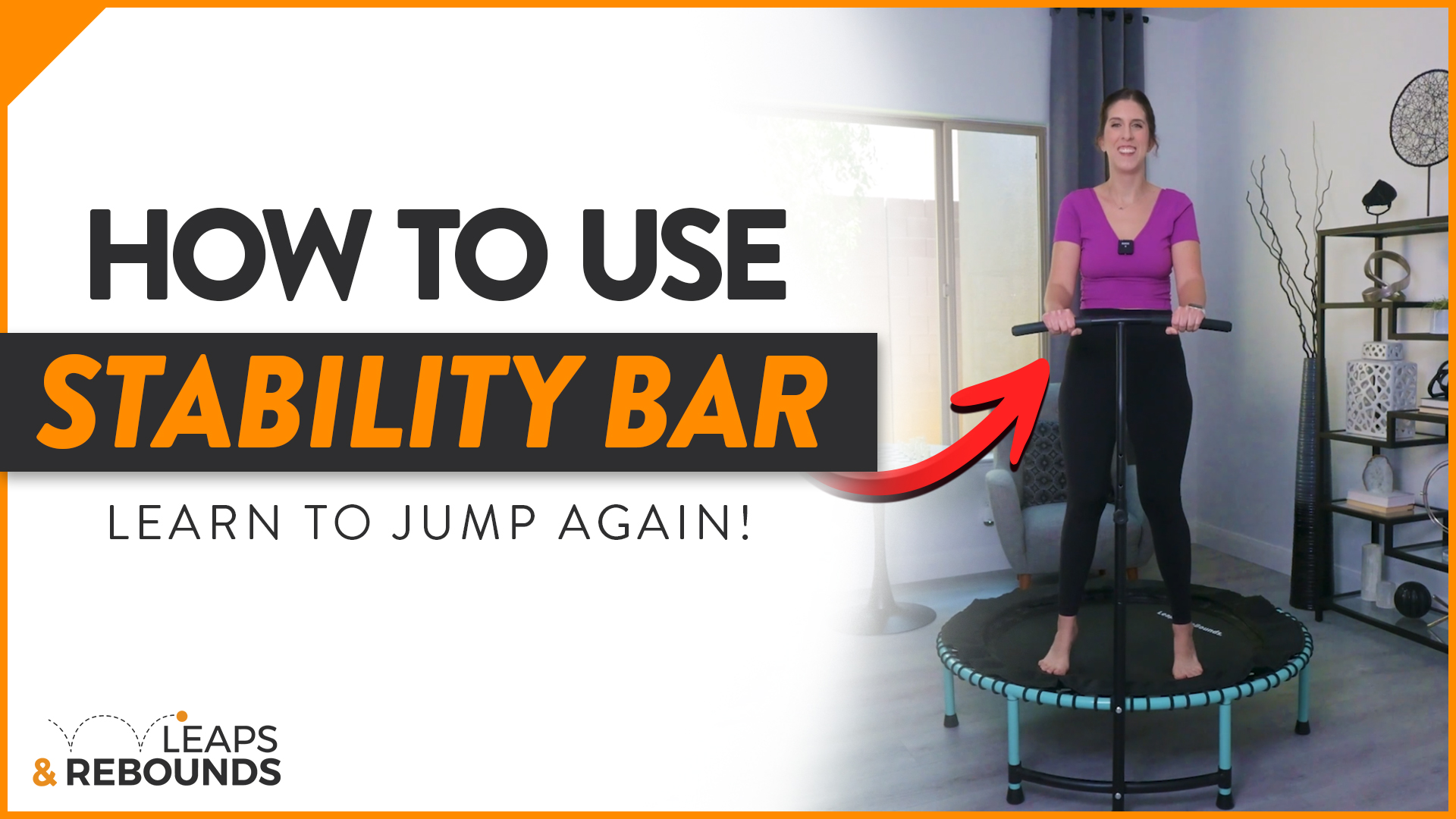










Building a strong core is more than just looking good. It's about creating a stable platform for your entire body, which helps with everything from lifting groceries to performing complex athletic movements. It's the foundation upon which all other strength is built. When you hit the gym, it's easy to focus on the big muscle groups – biceps, chest, quads. But what about your core? It's way more than just the muscles that give you that 'six-pack' look. Your core is actually a complex system of muscles that wrap around your midsection and back. Training it properly is key for everything you do, from lifting heavy weights to just standing up straight. Let's get into how to build that foundation with the right fitness ab workouts.
Key Takeaways
- A strong core helps with posture, makes you better at sports, reduces back pain, and helps with daily tasks.
- Work all four main ab muscles: rectus abdominis (the six-pack muscles), transverse abdominis (deep core), and both external and internal obliques.
- Focus on doing the exercises right. Move slowly, breathe properly, and keep your back straight to get the best results and avoid getting hurt.
- To see progress, you need to exercise regularly, maybe 3-4 times a week for your core, and eat right. Keep your calorie intake and protein where they should be.
- Visible abs depend on both targeted fitness ab workouts and good nutrition. For men, body fat should be around 10-14%, and for women, 14-18%.
Understanding Your Core For Fitness Ab Workouts
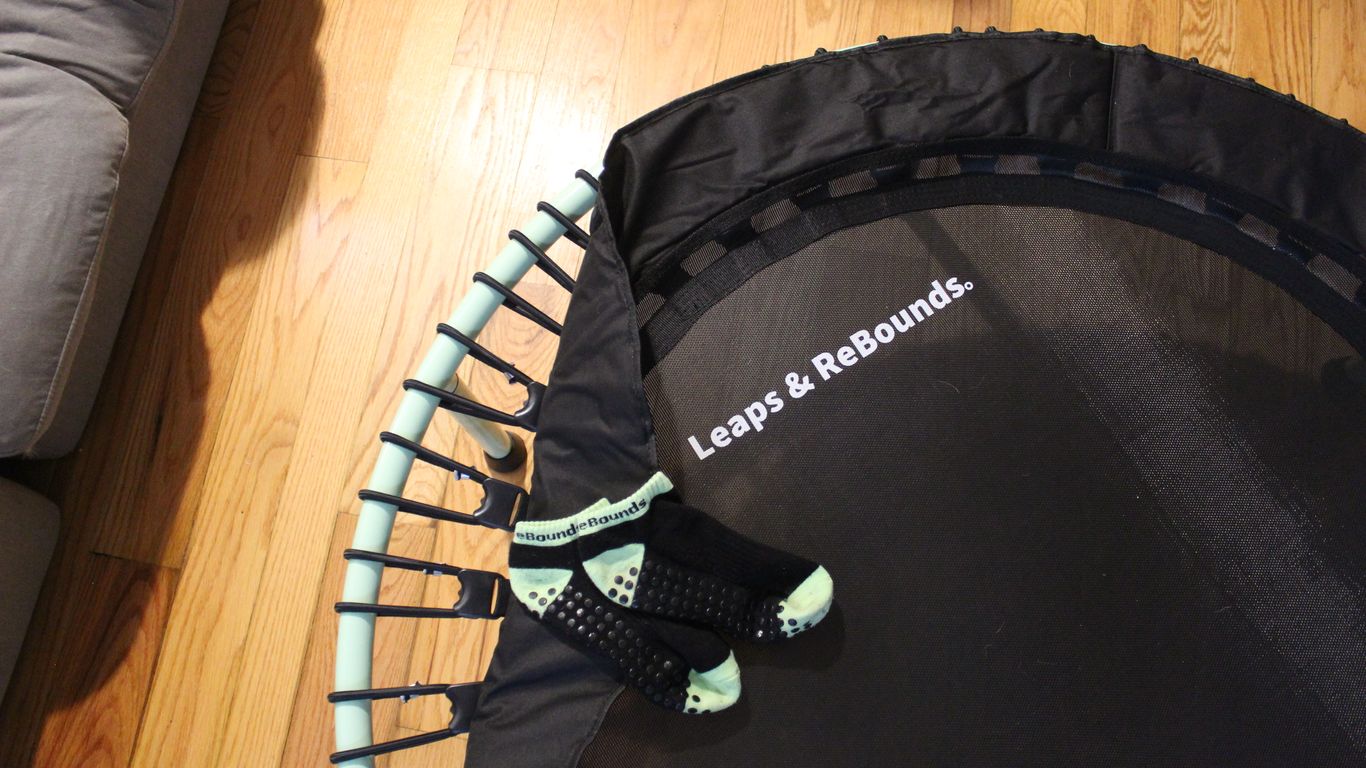
So, you want to get a stronger core, huh? It’s more than just wanting a six-pack, though that’s a nice bonus. Your core is like the central hub for pretty much everything you do, from picking up groceries to hitting a new personal best at the gym. Let's break down what makes up this powerhouse and why giving it some dedicated attention at the gym is a smart move.
The Four Key Abdominal Muscle Groups
Your midsection isn't just one big blob of muscle. It's actually a team of four main players that work together. You've got the rectus abdominis, which is that classic "six-pack" muscle running down the front. Then, on your sides, you have the internal and external obliques, which are super important for twisting and bending. Finally, deep inside, there's the transverse abdominis. Think of this one like a natural corset; it wraps around your torso and helps stabilize everything. This guide focuses on training the rectus abdominis (RA), external oblique (EO), and internal oblique (IO) muscles, commonly referred to as the abs.
Why Training Abs at the Gym Enhances Your Routine
Sure, you can do crunches at home. But hitting the gym opens up a whole new world for your core. You get access to equipment like cable machines and weight plates that let you gradually make exercises harder. This is key for building real strength. Plus, the variety of machines and free weights means you can target your abs from different angles, making sure you're not missing any spots. It’s about having more options to challenge yourself.
Benefits of Dedicated Ab Workouts
Why bother with specific ab exercises? Well, a strong core does more than just look good. It helps improve your posture, which can mean less back pain. It makes you more stable during other exercises, like squats or overhead presses, so you can lift heavier and safer. It also helps with everyday movements, making you feel more capable and less likely to pull something when you bend over. Basically, a solid core is the foundation for better movement and overall fitness.
Building a strong core is about creating a stable base for all your physical activities. It translates to better performance and injury prevention in everyday life and sports.
Foundational Fitness Ab Workouts
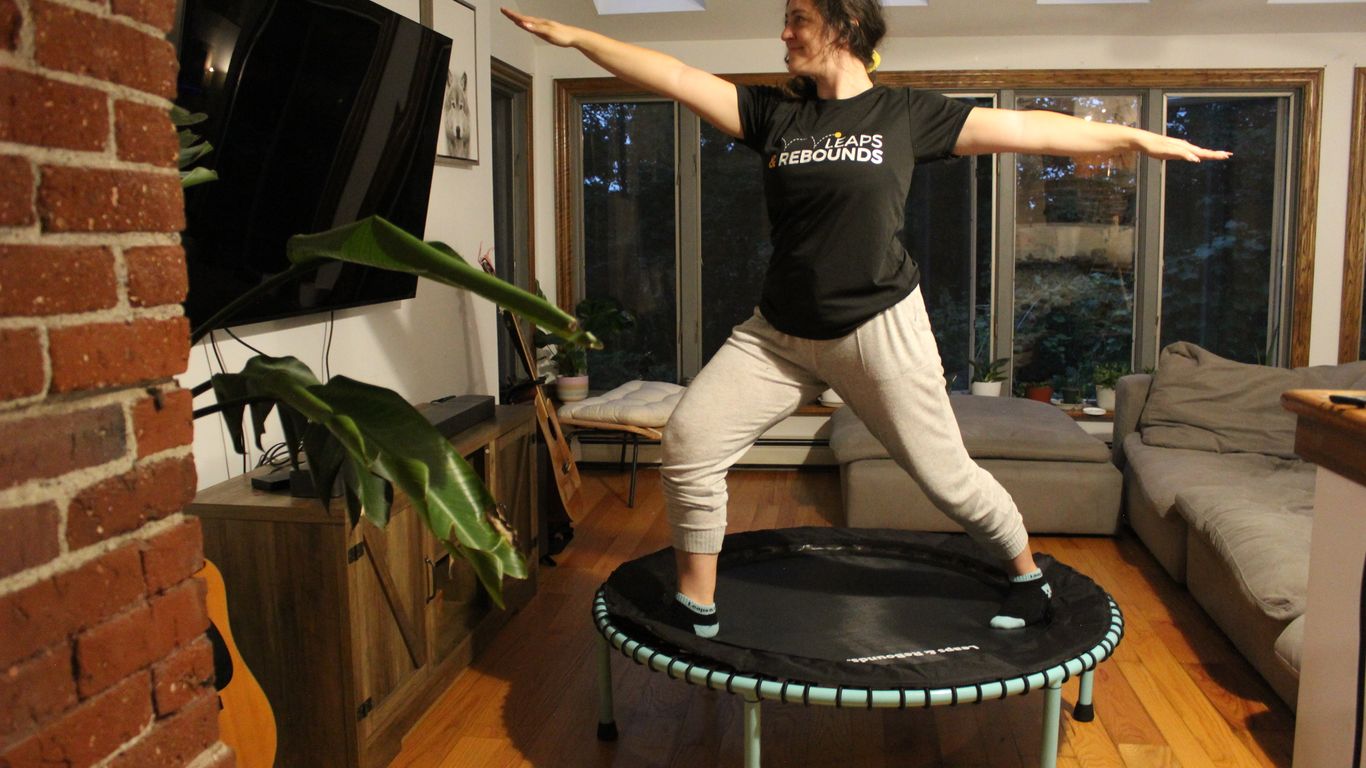
Alright, let's get down to the nitty-gritty of building a solid core. When you're starting out, it's easy to feel a bit lost with all the equipment at the gym. But for your abs, we're going to focus on a few key movements that really hit the main players. We're talking about the rectus abdominis – that's your classic six-pack muscle – the obliques on your sides, and the deeper transverse abdominis that acts like a natural corset.
Targeting the Rectus Abdominis
This is the muscle most people picture when they think "abs." To really work it, we need exercises that involve flexing the spine, basically bringing your ribs closer to your pelvis. Cable crunches are a great way to start. Grab a rope attachment on a cable machine, kneel facing it, and hold the rope ends near your head. Then, crunch down, bringing your elbows towards your knees while squeezing your abs. The cable provides resistance, making it easier to add weight as you get stronger. Another good one is the weighted decline sit-up. Find a decline bench, secure your feet, and sit up, holding a weight plate or dumbbell on your chest for added challenge. Just be sure to control the movement on the way down. If you're looking for something a bit different, hanging knee raises on a pull-up bar work the lower part of this muscle. Hang with your legs straight and bring your knees up towards your chest. If that's too tough, start with just lifting your knees slightly.
Engaging the Obliques for Rotation
Your obliques are super important for twisting and turning, and they play a big role in keeping you stable. Exercises that involve rotation or side bending will really get them working. Think about Russian twists, where you sit on the floor with your knees bent and feet slightly off the ground, then twist your torso from side to side, holding a weight. Bicycle crunches are also fantastic for hitting both the rectus abdominis and the obliques. Lie on your back, bring your knees towards your chest, and alternate bringing your elbow to the opposite knee while extending the other leg. It feels like you're pedaling a bike, hence the name.
Strengthening the Transverse Abdominis
This is your deepest abdominal muscle, and it's key for stability. It acts like a natural weightlifting belt. Exercises that focus on bracing your core and resisting movement are best here. The plank is the classic example. You hold a push-up position, either on your elbows or hands, keeping your body in a straight line from head to heels. Focus on squeezing your glutes and bracing your abs. You can progress this by trying side planks or even plank variations that challenge your stability, like plank jacks or shoulder taps. Another excellent exercise for the transverse abdominis is the dead bug. Lie on your back with your arms extended towards the ceiling and your knees bent at a 90-degree angle. Slowly lower one arm and the opposite leg towards the floor, keeping your lower back pressed into the ground. This movement really teaches your core to stabilize. Building this deep strength is vital for preventing back pain.
Remember, consistency is key. Even these foundational exercises, done with good form and regularity, will build a strong base for your entire body. Don't rush the process; focus on controlled movements and feeling the muscles work.
Advanced Techniques for Core Power
Leveraging Compound Movements for Core Strength
Don't just think of your core as something you work in isolation. Big, multi-joint exercises are actually some of the best ways to build serious core strength. When you're doing squats, deadlifts, or overhead presses, your abs and lower back muscles are working overtime to keep your torso stable and upright. It’s like your core is the anchor holding everything together. Adding these kinds of lifts to your gym routine means you're getting more bang for your buck, building overall strength while also giving your core a serious challenge without needing a separate, dedicated ab session.
Progressive Overload Strategies for Abdominal Gains
To keep your abs getting stronger, you can't just do the same routine forever. You need to gradually make things harder. This is called progressive overload. For your core, this could mean a few things:
- Increase duration: Hold your planks for longer periods. Maybe add 5 seconds each week.
- Add resistance: Try doing Russian twists with a dumbbell or wearing a weighted vest for your planks.
- Increase volume: Do more repetitions of hanging leg raises or add an extra set to your circuit.
- Decrease rest: Shorten the time you rest between sets to make the workout more intense.
The key is to consistently challenge your muscles a little bit more over time. For a wide range of challenging exercises that hit your core hard, check out this list of challenging ab exercises.
Integrating Mobility and Stability into Your Routine
Building a strong core isn't just about brute force; it's also about moving well and staying steady. Mobility refers to your joints' range of motion, while stability is your ability to control that movement. For your core, this means being able to twist and bend without your lower back taking over, and also being able to resist unwanted movement when you're doing other exercises. It’s like having a strong, flexible foundation for everything else you do.
Think about exercises that challenge your core to stay still while your limbs are moving. Planks are great for this, but so are things like Pallof presses, where you stand sideways to a cable machine and resist the pull. Adding some dynamic stretching before your workouts and some static stretching afterward can also help improve your overall mobility, making your core training more effective and safer. This approach views the core as a comprehensive system, featuring level-based progressions to challenge and develop your core strength effectively, as seen in advanced abdominal training.
Building a strong core is more than just looking good; it's about creating a stable base for all your physical activities. Advanced exercises push your core to resist unwanted movements and generate power, which means you'll perform better and get hurt less, both in daily life and when you're active.
Creating Your Balanced Ab Gym Routine
So, you've got a handle on the exercises, but how do you actually put them into a plan that makes sense? It's not just about showing up; you need a strategy. Let's figure out how to build a solid routine for your abs.
Setting Realistic Training Goals
First things first, what do you actually want to achieve? Just saying "get abs" is a start, but it's pretty vague, right? Think about what your core should do. Maybe you want to hold a plank for a full minute without your body shaking, or do 15 controlled leg raises without your lower back complaining. Focusing on performance goals is often more motivating than just aiming for looks, and it leads to real strength. Visible abs are nice, sure, but a strong, functional core supports everything else you do, both in and out of the gym. You can track your progress by timing yourself on certain exercises or counting reps. This gives you something concrete to beat next time.
Building a strong core isn't just about aesthetics; it's about creating a stable foundation for all your movements. This stability translates to better performance in other lifts and everyday activities, while also helping to prevent injuries.
Structuring Your Weekly Ab Sessions
Once you have an idea of where you're starting and where you want to go, it's time to build that plan. A good routine hits all the important parts of your core, not just the front "six-pack" muscles. Aim for about three dedicated core sessions each week. This gives your muscles enough time to recover and rebuild between workouts. Your plan should mix things up – some days focus on strength, others on stability, and maybe some on endurance. Variety keeps things interesting and builds a more resilient core. Integrating core work with compound lifts like squats and deadlifts can also be very effective [c7d2].
Here’s a way to structure your week:
- Session 1: Target the rectus abdominis (those six-pack muscles) and include some basic stability work.
- Session 2: Focus on your obliques for twisting movements and add more challenging stability exercises.
- Session 3: Prioritize strengthening your deep transverse abdominis and incorporate exercises that challenge your core's ability to resist movement (like various plank variations) [2724].
Complementary Exercises for a Stronger Core
Don't forget about the big lifts! Exercises like squats, deadlifts, and overhead presses might seem like they're just for your legs or shoulders, but they really make your core work hard to keep you stable. When you're doing a heavy squat, your abs and lower back have to do a lot of work to keep your upper body from falling over. Adding these major lifts to your routine is a smart way to build overall strength, including a strong core, without needing to do a million separate ab exercises. You get more bang for your buck, you know? Also, consider adding some cardio a few times a week to help reduce overall body fat, which will make your hard work more visible.
Consistency and Nutrition for Visible Results
The Role of Diet in Revealing Abdominal Definition
Look, you can do all the crunches and planks in the world, but if there's a layer of fat sitting on top, those abs aren't going to show. That's where paying attention to what you eat really comes into play. It's not about starving yourself, but about fueling your body with good stuff. Think lean proteins, lots of vegetables, and healthy fats. This kind of eating helps your muscles recover and grow, and it also helps lower your overall body fat percentage. Visible abs are often a byproduct of consistent training and smart eating habits, not just endless exercises. You can't out-train a bad diet, plain and simple.
Establishing a Regular Training Schedule
Showing up is half the battle, right? Sticking to a routine, even when you don't feel like it, is how you build strength and see changes. Aim for about three dedicated core workouts each week. This gives your muscles enough time to recover and rebuild between sessions. Mixing up your exercises is also key to building a truly strong and resilient core. Here’s a way to structure your week:
- Session 1: Target the rectus abdominis (those six-pack muscles) and include some basic stability work.
- Session 2: Focus on your obliques for twisting movements and add more challenging stability exercises.
- Session 3: Prioritize strengthening your deep transverse abdominis and incorporate exercises that challenge your core's ability to resist movement, like various plank variations.
This approach makes sure you're working all the key areas without overdoing any single one. Remember, while you might feel stronger in a few weeks, visible results typically take 8 to 12 weeks to appear, and that timeframe depends on disciplined nutrition alongside your exercise routine.
Patience and Listening to Your Body
Building a strong core takes time. Don't get discouraged if you don't see changes overnight. It's easy to want results fast, but rushing can lead to injury. Pay attention to how your body feels. If something hurts, stop. Modify exercises if needed. It's better to do fewer reps with good form than to push through pain and risk getting sidelined. Building a strong, functional core that supports your body in everyday life and during workouts is the real goal. Visible abs are great, but a strong core is what truly matters for overall fitness and injury prevention. You can track your progress by timing yourself on certain exercises or counting reps. This gives you something concrete to beat next time, helping you see how far you've come.
Building a strong core isn't just about aesthetics; it's about creating a stable foundation for all your movements. This stability translates to better performance in other lifts and everyday activities, while also helping to prevent injuries.
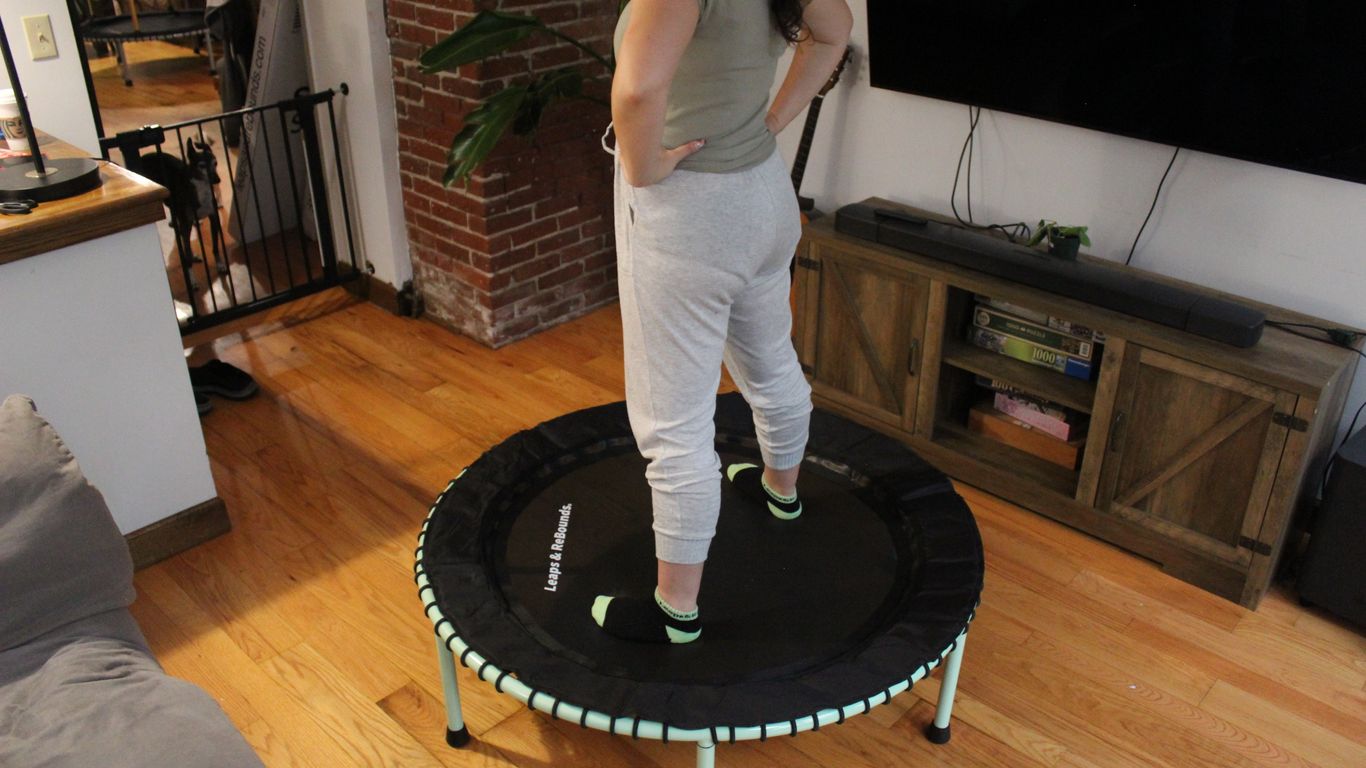
To see real changes, you need to stick with it! Combining regular workouts with good food choices is the key to getting the results you want. Ready to start your journey to a healthier you? Visit our website today to find the perfect mini trampoline and get moving!
Your Core Strength Journey Continues
So, we've gone over why having a strong core is a big deal, not just for how you look, but for how you move and feel every day. We talked about the different muscles that make up your core and how to hit them with smart exercises, whether you're at home or hitting the gym. Remember, building this strength takes time and effort. Don't expect magic overnight. Stick with it, listen to your body, and keep challenging yourself safely. You've got the knowledge now, so it's time to put it into practice and start building that stronger, more capable you. Keep up the great work!
Frequently Asked Questions
What are the main muscles in my core?
Your core is made up of four main muscle groups. You have the rectus abdominis, which is the "six-pack" muscle. Then there are the obliques on your sides that help you twist. The transverse abdominis is a deep muscle that acts like a corset for your midsection. Lastly, your lower back muscles are also a crucial part of your core team!
Why is training my abs at the gym better than at home?
The gym gives you access to cool equipment like cable machines and weights that let you make your ab exercises harder over time. This helps you build strength faster. Plus, there's a bigger variety of exercises you can do at the gym to hit all your core muscles from different angles.
How often should I work out my abs?
For best results, aim to train your core about three times a week. This gives your muscles enough time to recover and get stronger between workouts. Make sure to mix up your exercises to work all the different parts of your core.
Do I need to do cardio to see my abs?
Yes, cardio plays a big role! While ab exercises build the muscles, cardio helps burn off the layer of body fat that might be covering them. So, a mix of cardio and strength training is the best way to get visible abs.
What's the difference between basic and advanced ab exercises?
Basic exercises like crunches and planks build a foundation. Advanced moves, like weighted planks or hanging leg raises, add more challenge, often with weights or by increasing how long you hold a position. They push your muscles harder to build more strength and endurance.
How can I make sure my ab workouts are effective?
Focus on doing each exercise with good form – move slowly, breathe right, and keep your back straight. Also, challenge yourself by gradually making exercises harder, like adding weight or doing more reps. Eating healthy is super important too, as it helps reduce body fat and lets your hard work show.


0 comments