So, you want to get those abs looking great? Making your fitness routine better is key. You can try new moves or focus on what you're already doing. Working on your ab gym routine isn't just about looking good, it's about building a strong core that helps you with everything you do. Let's get into how to build that foundation with the right ab gym exercises.
Key Takeaways
- A strong core helps with posture, makes you better at sports, reduces back pain, and helps with daily tasks.
- Work all four main ab muscles: rectus abdominis (the six-pack muscles), transverse abdominis (deep core), and both external and internal obliques.
- Focus on doing the exercises right. Move slowly, breathe properly, and keep your back straight to get the best results and avoid getting hurt.
- To see progress, you need to exercise regularly, maybe 3-4 times a week for your core, and eat right. Keep your calorie intake and protein where they should be.
- Visible abs depend on both targeted ab gym exercises and good nutrition. For men, body fat should be around 10-14%, and for women, 14-18%.
Understanding Your Core For Ab Gym Workouts
When you hit the gym, it's easy to focus on the big muscle groups – biceps, chest, quads. But what about your core? It's way more than just the muscles that give you that 'six-pack' look. Your core is actually a complex system of muscles that wrap around your midsection and back. Training it properly is key for everything you do, from lifting heavy weights to just standing up straight.
The Four Key Abdominal Muscle Groups
Think of your core not as a single unit, but as a team. Each player has a specific job, and they all need to work together. Here are the main players you'll be focusing on:
- Rectus Abdominis: This is the classic "six-pack" muscle. It runs vertically down the front of your abdomen and is responsible for flexing your spine, like when you do a crunch.
- Obliques: Located on the sides of your torso, these muscles help you twist and bend sideways. You've got internal and external obliques, and they're vital for rotational movements.
- Transverse Abdominis: This is your deepest abdominal muscle, acting like a natural corset. It wraps around your entire midsection and is super important for stabilizing your spine and pelvis.
- Lower Back Muscles (Erector Spinae): Often overlooked when people talk about abs, these muscles run along your spine and are critical for posture and preventing back pain. A strong core needs a strong back.
Why Train Abs at the Gym?
Sure, you can do some crunches at home, but the gym offers a whole different level of training. You get access to equipment that lets you add resistance, work through a greater range of motion, and really target those muscles from different angles. It's not just about aesthetics; it's about building functional strength that carries over into all your other workouts and daily activities. Plus, the variety available means you can keep things interesting and avoid hitting a plateau. For a wider range of challenging exercises that hit your core hard, check out this list of challenging ab exercises.
Benefits of Ab Workouts
So, why put in the effort? The payoff is pretty significant:
- Improved Stability and Balance: A strong core acts as a stable base for all your movements, making you steadier on your feet and better at controlling your body.
- Better Performance in Lifts: Whether you're squatting, deadlifting, or doing overhead presses, your core is working hard to keep you upright and stable. A stronger core means you can lift more and lift safer.
- Reduced Risk of Injury: Especially lower back pain. When your core is weak, other muscles have to compensate, often leading to strains and injuries. A strong core protects your spine.
- Enhanced Athleticism: From running faster to jumping higher, a powerful core translates to better performance in pretty much any sport or physical activity.
Building a strong core isn't just about looking good. It's about creating a stable platform for your entire body, which helps with everything from lifting groceries to performing complex athletic movements. It's the foundation upon which all other strength is built.
Foundational Ab Gym Exercises
Alright, let's talk about the basics for building a strong core at the gym. When you're starting out, it's easy to get overwhelmed by all the machines and weights. But for your abs, we're going to focus on a few key movements that hit the main players: the rectus abdominis (that's your six-pack muscle), the obliques (the sides), and the transverse abdominis (the deep, stabilizing muscles).
Targeting the Rectus Abdominis
This is the muscle most people think of when they say "abs." To really work it, we need exercises that involve flexing the spine. Think of bringing your ribs towards your pelvis.
- Cable Crunches: Grab a rope attachment on a cable machine. Kneel facing the machine, hold the rope ends near your head, and crunch down, bringing your elbows towards your knees. Focus on squeezing your abs at the bottom. The resistance from the cable makes it easier to add weight as you get stronger.
- Weighted Decline Sit-Ups: Find a decline bench. You can do these with just bodyweight, but to make it harder, hold a weight plate or dumbbell on your chest. Lie back, keeping your feet secure, and sit up, squeezing your abs. Control the movement on the way down.
- Hanging Knee Raises: Use a pull-up bar. Hang with your legs straight. Bring your knees up towards your chest, engaging your lower abs. If this is too tough, you can start by just lifting your knees slightly. As you get stronger, you can progress to straight leg raises.
Engaging the Obliques for Rotation
Your obliques help you twist and turn. They're super important for stability and preventing injuries, especially when you're doing other lifts.
- Russian Twists: Sit on the floor with your knees bent and feet flat (or slightly lifted for more challenge). Lean back slightly, keeping your back straight. Clasp your hands together or hold a weight (like a medicine ball or dumbbell). Twist your torso from side to side, tapping the weight on the floor next to you if you can. The key here is to move your torso, not just your arms.
- Cable Wood Chops: Set a cable machine to a high or low position. Stand sideways to the machine and grab the handle. Pull the handle across your body in a chopping motion, engaging your obliques. Control the movement back to the start.
Strengthening the Transverse Abdominis
This is your core's deep inner layer, like a natural corset. It helps stabilize your spine and pelvis. You often work this indirectly, but some exercises really target it.
- Plank Variations: The classic plank is great. Get into a push-up position but rest on your forearms instead of your hands. Keep your body in a straight line from head to heels. Don't let your hips sag or pike up. Hold this position, focusing on drawing your belly button towards your spine.
- Dead Bug: Lie on your back with your knees bent at 90 degrees and arms extended towards the ceiling. Slowly lower one arm back behind your head while simultaneously extending the opposite leg. Keep your lower back pressed into the floor. Return to the start and repeat on the other side.
Building a strong core isn't just about aesthetics; it's about creating a stable base for all your movements. These foundational exercises will help you build that solid support system, making everything else you do in the gym, and in life, feel easier and safer.
Remember to focus on form over speed. It's better to do fewer reps with perfect technique than many reps with sloppy form. This will help you avoid injuries and get the most out of your workout.
Advanced Ab Gym Training Techniques
Progressive Overload for Ab Gym
To keep seeing gains in your core strength, you can't just do the same old thing forever. You gotta challenge those muscles more over time. This is what we call progressive overload. For your abs, this can mean a few different things. You could try holding your planks for longer periods, maybe adding a few extra seconds each week. Or, you could add some weight. Think about wearing a weighted vest during your planks or holding a dumbbell for Russian twists. Another way is to just do more reps or add another set to your usual routine. Even shortening the rest time between your sets can make things tougher and more effective. It's all about finding ways to make your core work a little harder each time you hit the gym.
Planks and Anti-Movement Training
Planks are way more than just holding a position. They're really about stopping your body from moving when it wants to. Think about standard planks, side planks, or even the RKC plank. The whole point is to keep your body super stiff and straight, so it doesn't bend or twist in weird ways. This kind of training, which some people call anti-movement, is seriously good for building a core that can handle stress. It teaches your muscles to work together to keep your spine steady, which is a big deal whether you're lifting something heavy or playing sports. The main thing is to keep your form perfect and really brace your core like you're expecting a punch.
Here's a simple way to level up your plank game:
- Beginner: Start with a plank on your knees, holding it for about 20-30 seconds.
- Intermediate: Move to a plank on your toes, holding for 30-60 seconds. You can also try side planks now.
- Advanced: Try plank variations like plank jacks, shoulder taps, or hold for longer than 60 seconds.
Compound Movements for Core Power
Don't forget about the big lifts! Exercises like squats, deadlifts, and overhead presses might seem like they're just for your legs or shoulders, but they really make your core work hard to keep you stable. When you're doing a heavy squat, your abs and lower back have to do a lot of work to keep your upper body from falling over. Adding these major lifts to your routine is a smart way to build overall strength, including a strong core, without needing to do a million separate ab exercises. You get more bang for your buck, you know?
Building a strong core isn't just about how you look. It's about creating a solid base for everything you do physically. Advanced exercises push your core to resist unwanted movements and generate power, which means you'll perform better and get hurt less, both in daily life and when you're active.
Creating Your Ab Gym Routine
Alright, so you've been hitting the gym, maybe you're getting the hang of those exercises. But how do you actually put it all together into a plan that works? It's not just about showing up; it's about having a strategy. Let's break down how to build a solid routine for your abs.
Setting Realistic Training Goals
First off, what do you actually want to achieve? "Get abs" is a good start, but it's a bit vague, right? Think about what your core should do. Maybe you want to hold a plank for a full minute without shaking, or do 15 controlled leg raises without your lower back complaining. Focusing on performance goals is often more motivating than just looks, and it leads to real strength. Visible abs are great, but a strong, functional core supports everything else you do, in and out of the gym. You can track your progress by timing yourself on certain exercises or counting reps. This gives you something concrete to beat next time.
Building a strong core isn't just about aesthetics; it's about creating a stable foundation for all your movements. This stability translates to better performance in other lifts and everyday activities, while also helping to prevent injuries.
Creating a Balanced Workout Plan
Once you have an idea of where you're starting and where you want to go, it's time to build that plan. A good routine hits all the important parts of your core, not just the front "six-pack" muscles. Aim for about three dedicated core sessions each week. This gives your muscles enough time to recover and rebuild between workouts. Your plan should mix things up – some days focus on strength, others on stability, and maybe some on endurance. Variety keeps things interesting and builds a more resilient core.
Here’s a way to structure your week:
- Session 1: Target the rectus abdominis (those six-pack muscles) and include some basic stability work.
- Session 2: Focus on your obliques for twisting movements and add more challenging stability exercises.
- Session 3: Prioritize strengthening your deep transverse abdominis and include exercises that challenge your core's ability to resist movement, like various plank variations.
This approach makes sure you're working all the key areas without overdoing any single one.
Consistency and Nutrition for Results
Even the best-laid plan won't do much without consistency. Showing up regularly is half the battle. Stick to your schedule as much as possible. And let's not forget nutrition. You can do all the ab exercises in the world, but if your body fat percentage is high, those abs won't show. Eating a balanced diet that supports muscle growth and recovery is key. Think lean proteins, plenty of vegetables, and healthy fats. For specific dietary advice, consulting a nutritionist can be really helpful. Remember, visible abs are often a byproduct of consistent training and smart eating habits, not just endless crunches. If you're looking to really dial in your lower ab development, incorporating specific exercises after your main lifts can make a difference [ee40].
Complementary Training for Ab Gym Success
The Role of Cardio in Abdominal Definition
Look, we all want that sculpted look, right? But here's the thing: you can do all the crunches and planks in the world, but if there's a layer of fat sitting on top, those abs aren't going to show. That's where cardio comes in. It's not about running marathons unless you want to, but getting your heart rate up regularly helps burn calories and reduce overall body fat. Think of it as clearing the path so your hard work in the gym can actually be seen. It doesn't have to be super intense all the time, either. A brisk walk, a bike ride, or even some dancing can make a difference.
Here’s a quick look at how different cardio types can help:
- Steady-State Cardio: Think jogging or cycling at a consistent pace. This is great for burning calories over a longer period and improving your endurance. It’s less taxing on the body, making it easier to do frequently.
- High-Intensity Interval Training (HIIT): Short bursts of intense exercise followed by brief recovery periods. HIIT is super efficient for burning calories in a shorter amount of time and can also boost your metabolism for hours afterward.
- Active Recovery: Lighter activities like walking or swimming on rest days. This helps with blood flow, muscle recovery, and keeps you moving without overdoing it.
Remember, cardio isn't just about burning fat; it also improves your cardiovascular health, which is a win-win for your overall fitness and ability to perform during your ab workouts.
Exercises for Lower Back Support
Your core isn't just your abs; it's a whole system that includes your lower back muscles. If your lower back is weak, your abs won't be as effective, and you'll be more prone to injury. We need to make sure those back muscles are strong and working in harmony with your abs. Exercises that focus on spinal erectors and glutes are key here. Think about movements that strengthen your back without putting too much strain on it. It’s all about balance.
Some good options include:
- Bird-Dog: This is a fantastic exercise for stability. You get on your hands and knees, then extend one arm forward and the opposite leg back, keeping your core tight and your back straight. It really teaches you to control your torso.
- Glute Bridges: Lie on your back with your knees bent and feet flat on the floor. Lift your hips off the ground, squeezing your glutes at the top. This directly targets your glutes, which are a major part of your posterior core.
- Supermans: Lie face down on the floor with your arms and legs extended. Simultaneously lift your arms, chest, and legs off the ground, holding briefly before lowering. This strengthens the muscles along your spine.
Integrating Mobility and Stability
Finally, let's talk about moving well and staying steady. Mobility means having a good range of motion in your joints, and stability means being able to control that movement. For your core, this means being able to twist and bend without your lower back taking over, and also being able to resist unwanted movement when you're doing other exercises. It’s like having a strong, flexible foundation for everything else you do.
Think about exercises that challenge your core to stay still while your limbs are moving. Planks are great for this, but so are things like Pallof presses, where you stand sideways to a cable machine and resist the pull. Adding some dynamic stretching before your workouts and some static stretching afterward can also help improve your overall mobility, making your core training more effective and safer.
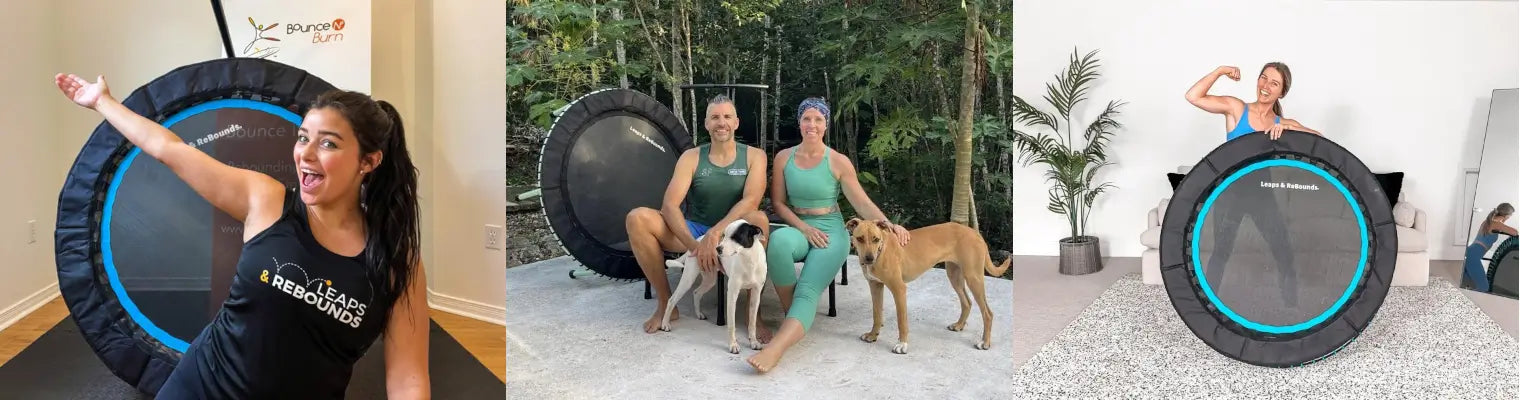
Want to get the most out of your ab workouts? Don't forget to add some extra exercises that help your whole body get stronger! Things like jumping on a mini trampoline can really boost your fitness. It's a fun way to build core strength and improve balance, making those ab exercises even more effective. Ready to take your fitness to the next level? Visit our website to discover how a mini trampoline can transform your training routine!
Your Core Journey Starts Now
So, building a strong core is more than just looking good; it's about feeling better, moving better, and being stronger in everything you do. We've covered why it matters, how to work those muscles the right way, and even some specific moves to get you started. Remember, consistency is key. Don't get discouraged if you don't see results overnight. Keep at it, listen to your body, and you'll be well on your way to a stronger, more capable you. Now go put that knowledge to work!
Frequently Asked Questions
What are the main muscles in my core?
Your core is made up of four main muscle groups. You have the rectus abdominis, which is the "six-pack" muscle. Then there are the obliques on your sides that help you twist. The transverse abdominis is a deep muscle that acts like a corset for your midsection. Lastly, your lower back muscles are also a crucial part of your core team!
Why is training my abs at the gym better than at home?
The gym gives you access to cool equipment like cable machines and weights that let you make your ab exercises harder over time. This helps you build strength faster. Plus, there's a bigger variety of exercises you can do at the gym to hit all your core muscles from different angles.
How often should I work out my abs?
For best results, aim to train your core about three times a week. This gives your muscles enough time to recover and get stronger between workouts. Make sure to mix up your exercises to work all the different parts of your core.
Do I need to do cardio to see my abs?
Yes, cardio plays a big role! While ab exercises build the muscles, cardio helps burn off the layer of body fat that might be covering them. So, a mix of cardio and strength training is the best way to get visible abs.
What's the difference between basic and advanced ab exercises?
Basic exercises like crunches and planks build a foundation. Advanced moves, like weighted planks or hanging leg raises, add more challenge, often with weights or by increasing how long you hold a position. They push your muscles harder to build more strength and endurance.
How can I make sure my ab workouts are effective?
Focus on doing each exercise with good form – move slowly, breathe right, and keep your back straight. Also, challenge yourself by gradually making exercises harder, like adding weight or doing more reps. Eating healthy is super important too, as it helps reduce body fat and lets your hard work show.




0 comments