












So, you want to get those abs looking great? Making your fitness routine better is key. You can try new moves or focus on what you're already doing. Working on your ab gym routine isn't just about looking good, it's about building a strong core that helps you with everything you do. Let's get into how to build that foundation with the right ab gym exercises. A solid fitness ab workout plan is more than just aesthetics; it's about creating a stable platform for your entire body, which helps with everything from lifting groceries to performing complex athletic movements. It's the foundation upon which all other strength is built.
Key Takeaways
- A strong core helps with posture, makes you better at sports, reduces back pain, and helps with daily tasks.
- Work all four main ab muscles: rectus abdominis (the six-pack muscles), transverse abdominis (deep core), and both external and internal obliques.
- Focus on doing the exercises right. Move slowly, breathe properly, and keep your back straight to get the best results and avoid getting hurt.
- To see progress, you need to exercise regularly, maybe 3-4 times a week for your core, and eat right. Keep your calorie intake and protein where they should be.
- Visible abs depend on both targeted fitness ab workout and good nutrition. For men, body fat should be around 10-14%, and for women, 14-18%.
Understanding Your Core For Fitness Ab Workouts
So, you want to get a stronger core, huh? It's more than just wanting a flat stomach or those coveted "six-pack" muscles. Your core is actually a complex system of muscles that work together to stabilize your body, help you move efficiently, and protect your spine. Thinking of it as just your abs is a bit like thinking a house is just its front door – it’s missing a lot of the important stuff.
The Four Key Abdominal Muscle Groups
Your midsection isn't just one big blob of muscle. It's made up of several distinct groups, each with its own job. Understanding these can help you target them better during your workouts.
- Rectus Abdominis: This is the one most people think of – the "six-pack" muscles. They run vertically down the front of your abdomen and are responsible for flexing your spine, like when you do a crunch.
- Obliques (Internal and External): Located on your sides, these muscles help you twist your torso and bend sideways. They're super important for rotational movements and keeping you stable when you're moving side-to-side.
- Transverse Abdominis: This is your deepest abdominal muscle, wrapping around your midsection like a natural corset. It's the unsung hero of core stability, helping to brace your spine and pelvis. You engage it without even thinking about it when you're lifting something heavy or trying to keep your balance.
- Lower Back Muscles: Often overlooked when people talk about "abs," muscles like the erector spinae are absolutely vital. They work in tandem with your front abdominal muscles to keep your spine in a neutral position and prevent excessive arching or rounding.
Why A Strong Core Matters Beyond Aesthetics
Let's be real, a toned midsection looks good. But the benefits of a strong core go way, way beyond just how you look in the mirror. A well-trained core is the foundation for almost every movement you make.
Think about it: whether you're picking up groceries, playing with your kids, or hitting a personal best at the gym, your core is working to keep you stable and balanced. It helps transfer power between your upper and lower body, making your movements more efficient and reducing the strain on your joints, especially your lower back. Without a strong core, you're more prone to injuries and your overall physical performance will suffer.
Here’s a quick look at why it’s so important:
- Improved Posture: A strong core helps you stand and sit taller, reducing slouching and the back pain that often comes with it.
- Better Balance: It acts like a central anchor, helping you stay steady on your feet, which is important for everything from sports to just walking around.
- Injury Prevention: By stabilizing your spine and pelvis, your core muscles help protect you from strains and sprains, particularly in your back.
- Enhanced Athletic Performance: Whether you're running, jumping, or lifting, a powerful core allows you to generate and transfer force more effectively, leading to better results in any physical activity. For a good starting point on core exercises, check out these beginner core workouts.
So, while visible abs are a nice bonus, remember that the real prize is a functional, resilient core that supports your body in all aspects of life. It’s about moving better, feeling stronger, and staying injury-free. This is the first step in building that solid foundation for all your fitness endeavors. You can find more info on effective core workouts that focus on this.
Building A Balanced Fitness Ab Workout Plan
Alright, so you're ready to get serious about your abs. That's awesome! But before you jump into a million crunches, let's pump the brakes for a sec. We need to figure out where you're starting from, what you actually want to achieve, and how to put together a plan that won't have you feeling totally wiped out after one session. Think of it like planning a road trip – you wouldn't just start driving without knowing your destination or how much gas you have, right? Same idea here.
Setting Realistic Training Goals
First off, what do you actually want to achieve? "Get abs" is a good start, but it's a bit vague, right? Think about what your core should do. Maybe you want to hold a plank for a full minute without shaking, or do 15 controlled leg raises without your lower back complaining. Focusing on performance goals is often more motivating than just looks, and it leads to real strength. Visible abs are great, but a strong, functional core supports everything else you do, in and out of the gym. You can track your progress by timing yourself on certain exercises or counting reps. This gives you something concrete to beat next time. Building a strong core isn't just about aesthetics; it's about creating a stable foundation for all your movements.
Here’s a quick guide to assess your current level:
- Beginner: Can hold a plank for about 30 seconds.
- Intermediate: Can hold a plank for around 60 seconds.
- Advanced: Can hold a plank for 90 seconds or more.
Structuring Your Weekly Core Sessions
Once you have an idea of where you're starting and where you want to go, it's time to build that plan. A good routine hits all the important parts of your core, not just the front "six-pack" muscles. Aim for about three dedicated core sessions each week. This gives your muscles enough time to recover and rebuild between workouts. Your plan should mix things up – some days focus on strength, others on stability, and maybe some on endurance. Variety keeps things interesting and builds a more resilient core. A good routine doesn't just hit one part of your abs; you need to work all those different muscles we talked about. This approach ensures you're hitting all the important areas without overworking any single muscle group. You can find some great ideas for structuring your workouts here.
Here’s a way to structure your week:
- Session 1: Target the rectus abdominis (those six-pack muscles) and include some basic stability work.
- Session 2: Focus on your obliques for twisting movements and add more challenging stability exercises.
- Session 3: Prioritize strengthening your deep transverse abdominis and include exercises that challenge your core's ability to resist movement, like various plank variations.
Consistency and Nutrition for Visible Results
Even the best-laid plan won't do much without consistency. Showing up regularly is half the battle. Stick to your schedule as much as possible. And let's not forget nutrition. You can do all the ab exercises in the world, but if your body fat percentage is high, those abs aren't going to show. Eating a balanced diet that supports muscle growth and recovery is key. Think lean proteins, plenty of vegetables, and healthy fats. Remember, visible abs are often a byproduct of consistent training and smart eating habits, not just endless crunches. If you're looking to really dial in your lower ab development, incorporating specific exercises after your main lifts can make a difference [1b53].
You can do all the ab exercises in the world, but if there's a layer of fat sitting on top, those abs aren't going to show. That's where cardio comes in. It's not about running marathons unless you want to, but getting your heart rate up regularly helps burn calories and reduce overall body fat. Think of it as clearing the path so your hard work in the gym can actually be seen.
Foundational Fitness Ab Exercises
Alright, let's get down to the nitty-gritty of building a solid core. When you're starting out, it's easy to feel a bit lost with all the different exercises out there. But for your abs, we're going to focus on a few key movements that hit the main players: the rectus abdominis (that's your six-pack muscle), the obliques (the sides), and the transverse abdominis (the deep, stabilizing muscles). Building a strong core isn't just about aesthetics; it's about creating a stable base for all your movements. These foundational exercises will help you build that solid support system, making everything else you do in the gym, and in life, feel easier and safer.
Targeting The Rectus Abdominis
This is the muscle most people think of when they say "abs." To really work it, we need exercises that involve flexing the spine. Think of bringing your ribs towards your pelvis. Some good starting points include:
- Crunches: Lie on your back with knees bent and feet flat on the floor. Place your hands lightly behind your head or across your chest. Lift your head and shoulders off the ground, squeezing your abs. Control the movement as you lower back down.
- Leg Raises: Lie on your back with your legs extended. Keeping your lower back pressed into the floor, slowly lift your legs towards the ceiling until they are perpendicular to the floor. Lower them slowly without letting them touch the ground.
- Cable Crunches: Kneel facing a cable machine with a rope attachment. Hold the rope near your head and crunch down, bringing your elbows towards your knees. Focus on squeezing your abs at the bottom. This is a great way to add resistance as you get stronger.
Engaging The Obliques For Rotation
Your obliques help you twist and turn. They're super important for stability and preventing injuries, especially when you're doing other lifts. Exercises that involve twisting or side bending are great for these muscles.
- Russian Twists: Sit on the floor with your knees bent and feet flat (or slightly lifted for more challenge). Lean back slightly, keeping your back straight. Twist your torso from side to side, tapping a weight (like a medicine ball or dumbbell) on the floor next to you if you can. The key here is to move your torso, not just your arms.
- Bicycle Crunches: Lie on your back with your hands behind your head. Bring your knees towards your chest and lift your shoulders off the ground. Alternate bringing your elbow towards the opposite knee in a pedaling motion.
- Cable Wood Chops: Set a cable machine to a high or low position. Stand sideways to the machine and grab the handle. Pull the handle across your body in a chopping motion, engaging your obliques. Control the movement back to the start.
Strengthening The Transverse Abdominis
This is your core's deep inner layer, like a natural corset. It helps stabilize your spine and pelvis. You often work this indirectly, but some exercises really target it. These are often about bracing and resisting movement.
- Plank Variations: The classic plank is great. Get into a push-up position but rest on your forearms instead of your hands. Keep your body in a straight line from head to heels. Don't let your hips sag or pike up. Hold this position, focusing on drawing your belly button towards your spine. You can find many effective abdominal exercises that focus on this stabilization.
- Dead Bug: Lie on your back with your knees bent at 90 degrees and arms extended towards the ceiling. Slowly lower one arm back behind your head while simultaneously extending the opposite leg. Keep your lower back pressed into the floor. Return to the start and repeat on the other side.
- Bird-Dog: Start on your hands and knees. Extend one arm straight forward and the opposite leg straight back, keeping your core tight and your back flat. Hold for a moment, then return to the start and switch sides.
Remember to focus on form over speed. It's better to do fewer reps with perfect technique than many reps with sloppy form. This will help you avoid injuries and get the most out of your workout.
Advanced Fitness Ab Workout Techniques
So, you've built a solid foundation and are ready to really push your core. This is where we move beyond the basics and introduce exercises that demand more control, stability, and strength. It's about challenging your abs in new ways to keep them growing and getting stronger.
Progressing With Weights And Resistance
Adding weight or resistance is a straightforward way to make exercises harder. Think about exercises like weighted crunches, where you hold a dumbbell or a medicine ball. You can also do Russian twists with a weight, really focusing on the torso rotation. Cable machines are great for this too; exercises like cable wood chops mimic natural movements but add that extra resistance, forcing your core to work harder to stabilize and control the motion. Even simple movements like planks can be made tougher by adding weight plates to your back. Just remember, as you add weight, focus even more on controlled movements and proper form to avoid injury.
Incorporating Stability Challenges
This is where things get really interesting for your core. Instead of just moving, your abs have to work overtime to keep you from moving unintentionally. Think about exercises that put you off balance. For example, doing planks on an unstable surface like a stability ball, or performing exercises like the bird-dog where you extend opposite arm and leg while trying to keep your torso perfectly still. These movements train your core to resist rotation and maintain a rigid spine, which is super important for everyday activities and sports. It's not just about building brute strength; it's about building control.
Here are a few ways to add stability challenges:
- Unstable Surfaces: Use stability balls, BOSU balls, or even just a folded towel under your hands or feet during exercises like planks or push-ups.
- Offset Loading: Hold a weight in one hand while performing an exercise like a lunge or a squat. Your core has to work harder to keep your body balanced.
- Anti-Movement Drills: Focus on exercises where the goal is to prevent movement, like planks, Pallof presses, or suitcase carries. These teach your core to stabilize against external forces.
Mastering Complex Movements
Once you're comfortable with weighted and stability exercises, you can start integrating more complex, multi-joint movements that heavily involve the core. Think about exercises like hanging leg raises where you lift your legs while suspended, or even more advanced variations like windshield wipers. These require coordination between your hips, spine, and shoulders, with your core acting as the central stabilizer. You might also look into compound lifts like the overhead press or even kettlebell swings, which are fantastic for building a powerful and resilient core. These movements often mimic real-world actions, making your training highly functional. You can find a collection of challenging ab exercises that fit this bill [8aed].
When you're ready for advanced techniques, the focus shifts from just contracting your abs to using them to control your entire body. It's about stability, resisting unwanted movement, and coordinating multiple muscle groups. This kind of training builds a core that's not just strong, but incredibly functional and resilient, ready for anything.
It's important to listen to your body. If you're feeling pain, especially in your lower back, it's a sign to back off or modify the exercise. Pushing too hard, too fast can lead to setbacks. Remember, consistency with proper form is always the best approach for long-term gains.
Complementary Training For Abdominal Definition
So, you've been hitting those ab exercises hard, which is awesome. But to really get that core firing on all cylinders, we need to think beyond just crunches and planks. It’s about building a solid foundation and making sure everything else supports your midsection. Think of it like building a house – you need more than just the walls; you need a strong base and supporting structures.
The Role Of Cardio In Revealing Abs
Look, doing endless sit-ups won't magically reveal a six-pack if there's a layer of fat covering it. That's where cardio comes in. Consistent cardiovascular exercise helps burn calories, which in turn reduces overall body fat. When that fat layer thins out, your abdominal muscles, which you've been working so diligently, start to show. It's not about running marathons every day, though. Finding a cardio activity you actually enjoy is key to sticking with it. Whether it's brisk walking, cycling, swimming, or dancing, aim for at least 150 minutes of moderate-intensity cardio per week. This helps create the conditions for your abs to be visible, complementing your strength training. For a wider range of challenging exercises that hit your core hard, check out this list of challenging ab exercises.
Exercises For Lower Back Support
Your core isn't just your abs; it's a whole system, and the lower back is a huge part of that. Neglecting it can lead to imbalances and even pain. Strengthening the muscles in your lower back helps support your spine and improves your posture, which, by the way, makes your abs look better too. Exercises like the bird-dog are fantastic for this. You get on all fours, extend one arm straight forward and the opposite leg straight back, keeping your core tight and your back flat. It sounds simple, but it really works those stabilizing muscles. Another great one is the glute bridge. Lying on your back with knees bent, you lift your hips off the ground, squeezing your glutes and engaging your lower back and abs. These movements build resilience and protect your spine.
Integrating Mobility and Stability
Beyond direct ab work and cardio, don't forget about the muscles that support your core. This includes your hips and glutes. Strong glutes, for example, help take some of the load off your lower back and improve your overall stability. Think about exercises like glute bridges or even bodyweight squats. Also, incorporating mobility work, like hip flexor stretches or thoracic spine rotations, can improve your range of motion and prevent tightness that might hinder your ab workouts or even lead to injury. A well-rounded approach considers the entire kinetic chain, not just the muscles you see in the mirror. For a deeper dive into functional core movements, consider exploring deep core exercises.
Remember, the goal is to build a functional, strong core that supports your body in everyday life and during workouts. Visible abs are often a side effect of good training and nutrition, not the sole objective.
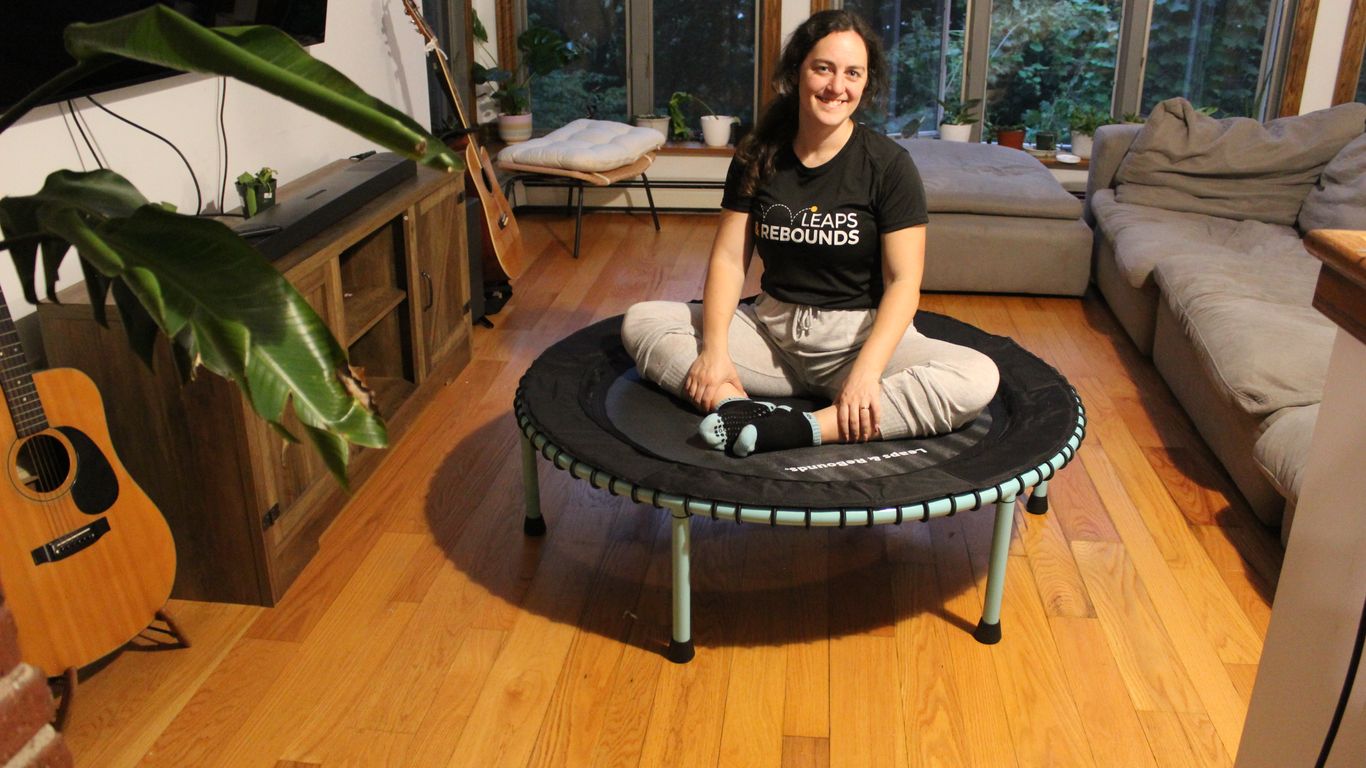
Want to get a stronger core and a flatter stomach? While crunches are good, adding other exercises can really help. Think about jumping on a mini trampoline! It's a fun way to work your abs and get a great workout. Ready to try something new for your fitness routine? Visit our website to explore how a mini trampoline can boost your training and help you reach your goals.
Your Core Journey Starts Now
So, building a strong core is more than just looking good; it's about feeling better, moving better, and being stronger in everything you do. We've covered why it matters, how to work those muscles the right way, and even some specific moves to get you started. Remember, consistency is key. Don't get discouraged if you don't see results overnight. Keep at it, listen to your body, and you'll be well on your way to a stronger, more capable you. Now go put that knowledge to work!
Frequently Asked Questions
What are the main muscles in my core?
Your core is like a team of muscles. You have the rectus abdominis, which is that "six-pack" muscle in the front. Then there are the obliques on your sides that help you twist and turn. The transverse abdominis is a deep muscle that acts like a natural corset, holding everything in. Don't forget your lower back muscles; they're a super important part of your core team too!
Why is going to the gym better for ab workouts than staying home?
The gym offers cool equipment like cable machines and weights that let you make your ab exercises tougher as you get stronger. This helps you build strength faster. Plus, you can do a wider variety of exercises at the gym to work all your core muscles from different angles, which is harder to do at home.
How often should I train my abs?
To get the best results, try to work out your core about three times a week. This gives your muscles enough time to rest and get stronger between workouts. It's also important to switch up your exercises so you're working all the different parts of your core.
Do I need to do cardio to see my abs?
Yes, cardio is a big help! While ab exercises build the muscles, cardio helps burn off the layer of body fat that might be hiding them. So, doing both cardio and strength training is the best way to get those visible abs.
What's the difference between basic and advanced ab exercises?
Basic exercises like crunches and planks help build a good starting point. Advanced moves, such as weighted planks or hanging leg raises, add more challenge, often by using weights or holding positions longer. They push your muscles harder to build more strength and endurance.
How can I make sure my ab workouts are effective?
Focus on doing each exercise with good form – move slowly, breathe correctly, and keep your back straight. Also, challenge yourself by gradually making exercises harder, like adding weight or doing more repetitions. Eating healthy is also super important because it helps reduce body fat, which lets your hard work show.


0 comments