











So, you've got your hands on a Bounce Pro 14 trampoline and you're ready to get bouncing. Awesome! But first, we gotta put this thing together. It might look like a lot of parts, but honestly, with a little patience and these bounce pro 14 trampoline instructions, you'll be jumping in no time. We'll break down the whole process, from checking you have all the bits to making sure it's super safe. Let's get this done!
Key Takeaways
- Before you start building, make sure you have all the parts and the right tools handy. It saves a lot of hassle later.
- Assemble the trampoline frame first, connecting all the pieces securely. A sturdy frame is the base for everything.
- Attaching the springs and the jumping mat is a key step. Make sure the springs are evenly tensioned for a good bounce.
- The safety enclosure is super important for preventing falls. Attach it firmly to the frame and poles.
- Always pick a flat, open spot for your trampoline, far from any hazards like trees or fences.
Preparing For Your Bounce Pro 14 Trampoline Assembly
Alright, let's get this Bounce Pro 14 trampoline put together! Before we start wrestling with poles and springs, taking a few minutes to get organized is a really good idea. Trust me, it makes the whole process way smoother. Think of it like prepping ingredients before you cook – you don't want to be searching for a missing screw when you're halfway through.
Inventory All Parts
First things first, open up that big box and lay everything out. It's super important to make sure you have every single piece listed in the manual. Nothing kills the mood faster than realizing you're missing a key bolt or a whole section of the frame. Spread the parts out on a clean surface, maybe a tarp or even the cardboard from the box, and compare them against the parts list in your instruction booklet. Grouping similar items together can also help.
Gather Your Tools
While the trampoline might come with a basic tool, it's often not the best. You'll likely need a few things from your own toolbox. A rubber mallet is great for getting frame pieces to fit snugly without damaging them. A spring puller is almost a must-have for attaching those springs – trying to do it with just your hands is tough and can be painful. A socket wrench set can also be handy for tightening bolts.
Here's a quick rundown of what you might need:
- Rubber Mallet
- Spring Puller Tool
- Socket Wrench Set
- Work Gloves (to protect your hands)
- A helper (more on that next!)
Read The Manual Thoroughly
I know, I know, nobody loves reading instructions. But seriously, take the time to read the entire manual from start to finish before you pick up a single tool. Every trampoline model has its own quirks and specific steps. What worked for your buddy's trampoline might not be exactly right for yours. Flipping through it now helps you get a general idea of the process and spot any tricky steps you might want to pay extra attention to later.
Don't just skim the manual. Really look at the diagrams and read the text for each step. Sometimes a small detail in a picture can save you a lot of trouble down the line. It's better to spend 15 minutes reading now than an hour taking things apart later.
Recruit A Helper
This isn't a one-person job, especially when you get to assembling the frame and attaching the jumping mat and springs. Trying to hold heavy frame pieces in place while also trying to connect them is awkward and can be unsafe. Having an extra pair of hands makes lifting, holding, and aligning parts much easier and safer. Plus, it just makes the whole process go faster and can even be a bit more fun. Ask a friend or family member if they can lend a hand for an hour or two.
Assembling The Bounce Pro 14 Trampoline Frame
Alright, let's get this trampoline frame built. This is the backbone of your whole setup, so taking your time here really pays off. Think of it like building the foundation for a house – if it's not solid, nothing else will be right.
Lay Out Frame Pieces
First things first, spread out all those metal tubes that make up the main frame. Group them together so you can see what you've got. Some pieces might look similar, but they often have specific spots they fit into. It's a good idea to have everything laid out before you start connecting anything. This helps you visualize the whole ring and makes sure you're not scrambling for a piece later on.
Connect Frame Sections
Now, start linking those frame pieces together. Most of these just slot into each other, often with a button or pin that pops into place to lock them. If a connection feels a bit tight, don't force it too hard. A gentle tap with a rubber mallet usually does the trick. A pro tip: try connecting opposite sides of the frame first, rather than just working your way around in a circle. This helps keep the shape more stable as you build.
Secure Frame Connections
Once you have the main ring formed, it's time to make sure it's really solid. This usually involves screws or bolts at the connection points. Go around and tighten everything up. It's best to do this in a star pattern, like tightening the lug nuts on a car wheel. Tighten one bolt, then move to the one directly across from it. This way, you pull everything together evenly and avoid putting too much stress on one spot. Using a socket wrench here will make it much faster and give you a more secure fit than the little tool that might have come in the box. You want this frame to be rigid and not wobble at all. This is where you can really start to see the trampoline taking shape, and getting this part right is key for all the steps that follow. Remember, a strong frame means a safer bounce. You can find more details on attaching springs to the frame on this assembly guide.
Building a sturdy frame is the most important step. If the frame isn't level and all connections are tight, the trampoline won't be safe to use. Take your time and double-check everything before moving on.
Here's a quick rundown of what you'll need for this stage:
- Frame tubes (curved and straight sections)
- Connecting hardware (screws, bolts, pins)
- Rubber mallet (optional, for snug fits)
- Socket wrench or screwdriver
After you've connected all the frame sections and secured them, give the whole ring a gentle shake. It should feel strong and stable, with no major movement at the joints. This solid base is what everything else will attach to.
Attaching The Springs And Jumping Mat
Getting the springs and mat onto your Bounce Pro 14 trampoline is where it starts to actually look like a trampoline. This stage can be a bit tricky, especially if it's your first go, but I'll break it down so you don't get frustrated halfway through. Remember, a helper is super handy here!
Attach Springs To The Frame
- Spread the jumping mat inside the trampoline frame, making sure the mat's rings are facing upward and are evenly spaced all around.
- Use a spring puller tool to stretch each spring from the mat’s ring to the frame attachment point—never try yanking the springs by hand.
- Wear gloves, because these springs can snap back and sting if they slip.
Position The Jumping Mat
- Center the mat so there’s an equal gap all the way around between the mat and the frame.
- If it’s off-center now, it’ll pull unevenly as you add springs, making the last few almost impossible to stretch.
Connect Mat Rings To Springs
- Use the “star pattern” method: attach a spring at 12 o'clock, then directly across at 6, then 3 and 9, then keep adding the next springs at opposite points around the circle.
- This pattern keeps tension balanced and the mat from stretching too tight on one side.
Steps for the Star Pattern:
- Start at 12 o’clock.
- Attach the opposite at 6 o’clock.
- Move to 3 o’clock, then 9 o’clock.
- Continue adding springs in pairs, always picking ones directly across from each other.
| Step No. | Spring Position | Opposite Pair Position |
|---|---|---|
| 1 | 12 o'clock | 6 o'clock |
| 2 | 3 o'clock | 9 o'clock |
| 3 | Next empty spot | Next opposite |
Ensure Even Spring Tension
- As you go, keep checking that the mat stays centered and each spring is equally tight.
- If you notice the mat shifting or see gaps, pause and correct before moving on.
- Once all springs are attached, do a quick walk-around and double-check every connection.
If your springs aren’t evenly tight, the jump will feel weird and you might wear out the mat or frame way faster than normal. Take the time to double-check now—it’ll save you from a lot of hassle later.
Done right, this step sets up that responsive bounce everyone wants from a trampoline. Now, you’re ready for the safety extras!
Installing The Safety Enclosure For Your Trampoline
Alright, the main structure is up and the mat is on, but we're not quite done yet. The safety enclosure is super important, and getting it set up right is key to preventing any unwanted tumbles. Think of it as the trampoline's bodyguard.
Assemble Safety Net Poles
First things first, let's get those poles ready. They usually come in a couple of pieces that you'll need to connect. Slide the upper section into the lower section until they click or are secured with any provided hardware. Make sure they're snug. Once assembled, you'll often put foam sleeves over them for padding. Don't skip this; it's for your shins!
Secure Poles To The Frame
Now, these poles need a solid home. They typically attach to the legs of the trampoline. Grab your hardware – usually bolts and nuts – and carefully follow the manual to attach each pole. It's really important that these poles are rock solid; give them a good shake after tightening to make sure there's absolutely no wobble. A loose pole can compromise the whole net. You might need a wrench or socket set for this part.
Drape And Attach The Safety Net
With the poles in place, it's time for the net itself. Carefully unfold the safety net and drape it over the top of the poles. You'll see attachment points, usually at the top of each pole. Connect the net to these points. Then, you'll need to secure the bottom edge of the net. This often involves a rope that you'll thread through the bottom of the net and the V-rings on the jumping mat. Pull this rope tight to close any gaps.
Tautly Secure The Net
This is where you make sure the net does its job. Go around the entire trampoline and pull the net as taut as you can. The rope at the bottom should be snug, and the net itself shouldn't be sagging anywhere. A loose net isn't much of a safety feature. Check all the attachment points again to be sure everything is secure. This whole enclosure system is designed to keep bouncers safely inside the trampoline area, so taking your time here is a smart move. You can find more tips on setting up your trampoline safely in this guide.
Here's a quick rundown of what to look for:
- Pole Stability: No wobbling or shifting.
- Net Attachment: Securely fastened at the top of each pole.
- Bottom Rope: Tightly woven and snug against the mat.
- No Gaps: Ensure there are no large openings between the net and the mat.
Proper installation of the safety enclosure is not just a suggestion; it's a critical step in making your trampoline safe for use. A well-installed net significantly reduces the risk of falling off the trampoline, which is one of the most common ways people get hurt.
| Component | Attachment Method |
|---|---|
| Safety Net Poles | Bolts/nuts secured to trampoline legs |
| Safety Net Top | Connects to top of poles (often with ties/loops) |
| Safety Net Bottom | Rope woven through net and mat V-rings |
Finalizing Your Bounce Pro 14 Trampoline Setup
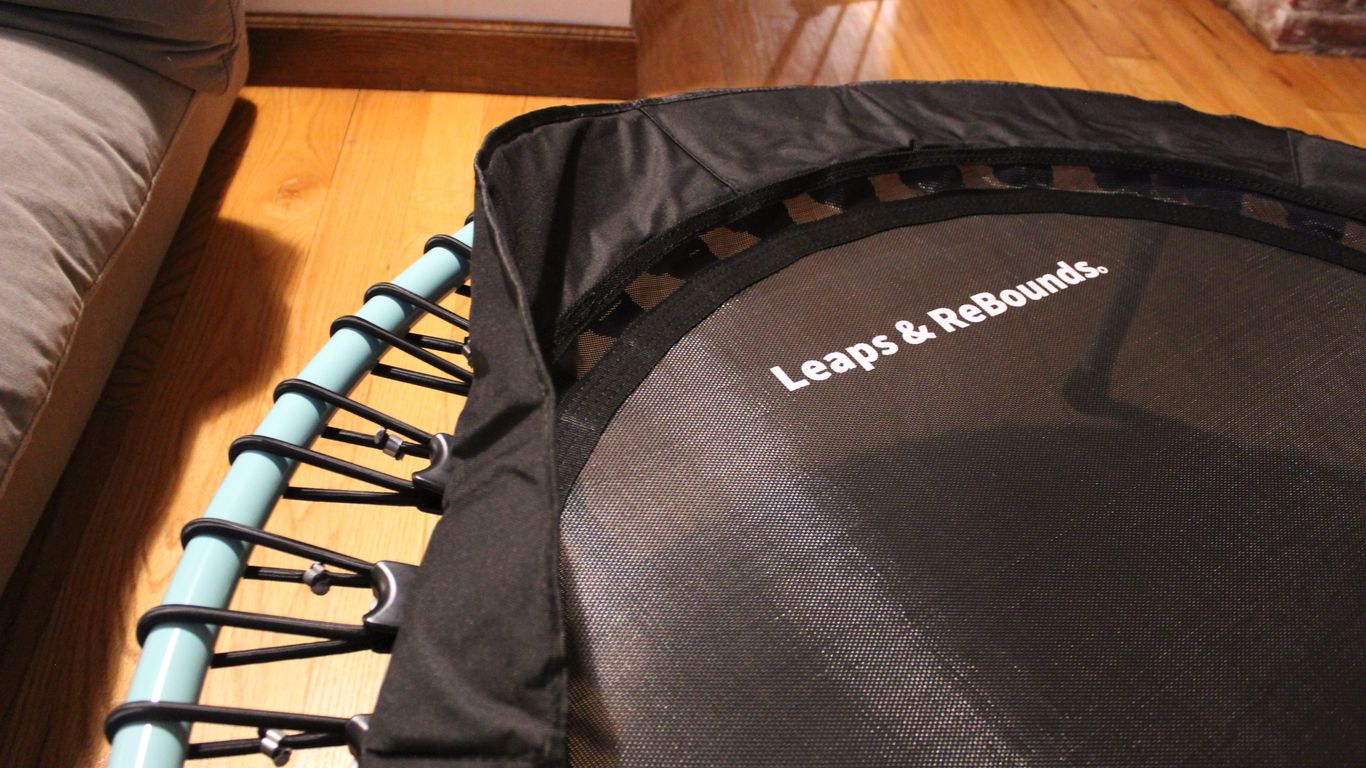
Alright, we're almost there! The main structure is up, the mat is springy, and the safety net is looking good. Now it's time to put on the finishing touches that really make this trampoline safe and ready for action. This part is all about covering up those bits that could cause a bump or bruise and just making sure everything is as solid as can be.
Install The Protective Spring Pad
This thick, cushioned pad is super important. It sits right over the metal frame and all those springs you just spent time attaching. Its job is to stop anyone from accidentally landing on the hard metal or getting a finger caught between a spring and the frame. It's a pretty straightforward piece, but getting it on right makes a big difference.
- Unroll the pad all the way around the edge of the trampoline.
- Make sure it completely covers the steel frame and every single spring. No peeking metal!
- The pad usually attaches with straps or ties. Find these and pull them snug.
Secure The Pad Tightly
This is where you really want to make sure that pad stays put. You don't want it shifting around when someone's jumping. Take your time with the straps or ties. Pull them tight, making sure the pad sits flat and doesn't have any loose spots. It should feel snug against the frame, with no big gaps. Think of it like tucking in a bedsheet really well – you want it smooth and secure.
The statistics on trampoline injuries are pretty eye-opening. A good chunk of them happen because something wasn't put together quite right. Taking these last few steps seriously helps cut down those risks a lot. It’s the little things that count when it comes to keeping everyone safe.
Final Safety Checks
Before anyone even thinks about bouncing, we need to do a final once-over. This is your last chance to catch anything that might be a bit loose or wobbly. Grab a friend if you can – a second pair of eyes is always helpful.
- Walk around the entire trampoline and give everything a good shake. Check that the frame feels solid and doesn't wobble. Push down on the pad in a few spots to make sure it's secure.
- Look closely at all the springs. Are they all hooked in properly on both the mat and the frame? Give a few a gentle tug to see if they feel secure.
- Check the safety net poles and the net itself. Make sure the poles are firmly attached to the frame and that the net doesn't have any rips or tears. Zip up the entrance and make sure it closes properly.
- If you have any extra bits, like a ladder or a cover, now's the time to attach those too, following their specific instructions.
Doing this thorough check means you can relax a bit, knowing you've done your best to make this trampoline as safe as possible. Happy bouncing!
Choosing The Right Location For Your Trampoline
Alright, so you've got all the parts laid out, maybe even the frame is starting to take shape. But before you get too carried away with springs and mats, let's talk about where this thing is actually going to live. Picking the right spot isn't just about aesthetics; it's a big deal for safety and how much you'll actually use it. Seriously, don't just plop it down anywhere.
Select A Level Surface
First things first: find the flattest ground you can. I know, I know, "level" sounds obvious, but even a slight tilt can mess things up. An uneven base means the trampoline won't sit right, and that can lead to it wobbling or, worse, tipping over. If your yard has a bit of a slope, try to find the least sloped area. Trying to "fix" a big hill with dirt is usually a bad idea and won't give you a stable foundation. A level spot is key for stability.
Ensure Ample Clearance
This is super important. You need space around the trampoline, and not just a little bit. Think of it as a safety buffer zone. A good rule of thumb is to have at least two feet of clear space all the way around the entire trampoline. This means no fences, no sheds, no walls of your house, and definitely no low-hanging tree branches or power lines. You also want to keep it away from other play equipment like swingsets.
Here's a quick rundown of what to avoid:
- Structures: Fences, sheds, garages, decks, and house walls.
- Overhead Hazards: Tree branches, power lines, clotheslines.
- Other Play Equipment: Swings, slides, or other large backyard items.
- Hard Surfaces: Concrete patios, brick walkways, or gravel driveways right next to the trampoline.
Avoid Obstacles And Hazards
Beyond just general clearance, be mindful of specific dangers. You don't want someone bouncing and accidentally hitting a tree trunk or getting tangled in something. Also, consider what's underneath the trampoline. If it's on grass, that's usually fine. But if it's near a garden bed with sharp edges or a rocky patch, that's a no-go. The goal is to create a safe zone where the only thing to worry about is having fun.
The trampoline market is growing, and with more trampolines comes more responsibility for setup. A little bit of planning upfront can save a lot of trouble down the road. Think about where the sun hits it too – you don't want to be jumping in direct, scorching sun all afternoon if you can help it!
Most 14ft trampolines have around 96 springs, and while that sounds like a lot, they all need to work together. If the trampoline is on an angle, some springs will be under more tension than others, which isn't good for the frame or the bounce. So, really take the time to find that perfect, flat, clear spot. It makes a world of difference.
Picking the perfect spot for your trampoline is super important for fun and safety. Think about how much space you have and if the ground is flat. You also want to make sure there are no trees or fences nearby that could get in the way. A good location means more bouncing and less worrying! For more tips on finding the best place, check out our website.
Wrapping It Up
So, you've wrestled with the parts, attached all those springs, and hopefully ended up with a sturdy trampoline. It might have felt like a marathon at times, but now it's ready for some serious bouncing. Remember to keep an eye on it, check those springs and the net now and then, and always make sure it's on level ground. If all this sounds like too much work, there are folks out there who can build it for you, but hey, you might have just conquered the assembly beast yourself. Time to enjoy that new trampoline!
Frequently Asked Questions
How long does it usually take to set up a 14ft trampoline?
Setting up a 14ft trampoline can take a while, often around 2 to 4 hours. It really depends on how organized you are before you start and if you have someone to help you. Taking your time to do it right is super important for safety!
What tools do I absolutely need to assemble the trampoline?
While some basic tools might come with the kit, it's best to have a few extra things ready. A spring puller is a must-have for attaching the springs. A rubber mallet is handy for making sure parts fit together snugly. Having a socket wrench set can also make things much easier.
What should I do if I'm missing a part?
If you find you're missing a piece, stop the assembly right away. Don't try to use a different part from the hardware store because it might not be strong enough. Instead, check your manual for the part number and call the company you bought the trampoline from. They can send you the correct replacement part.
Why is it so important to have a level surface for the trampoline?
Putting your trampoline on a slope is a big no-no. An uneven surface makes the trampoline unstable, which can lead to it tipping over or parts wearing out faster. It's crucial for safety and makes sure your trampoline lasts longer.
Is it okay to assemble the trampoline by myself?
While you might be able to, it's much safer and easier to have a helper. Many steps involve lifting heavy parts or stretching the jumping mat and springs, which really need two people. Having an extra pair of hands makes the job go smoother and prevents injuries.
How often should I check my trampoline for safety issues?
You should check your trampoline regularly. Look for any signs of wear and tear, like springs that look stretched or broken, tears in the mat or safety net, or if any frame connections seem loose. If you find any problems, fix them right away before anyone uses the trampoline.


0 comments