









Thinking about trying out a mini trampoline for your workouts? It's a great idea, honestly. Forget those intense, joint-jarring exercises for a bit. Mini trampoline exercise for beginners is actually super fun and surprisingly effective. You can get a good full-body workout without feeling like you're punishing yourself. It’s a low-impact way to boost your fitness, and honestly, it just feels good to bounce. So, if you're looking for a new way to get moving, this might be just the thing.
Key Takeaways
- Mini trampoline exercise for beginners offers a fun, low-impact way to achieve full-body fitness.
- It provides cardio and strength training benefits while being gentle on your joints.
- Regular bouncing can significantly improve your balance and coordination.
- Start with basic bounces and simple movements, gradually increasing intensity as you get comfortable.
- Safety is important; choose the right trampoline, use proper form, and listen to your body.
Discover the Benefits of Mini Trampoline Exercise for Beginners
Jumping on a mini trampoline, often called rebounding, might seem like just a fun activity for kids, but it's actually a fantastic workout for adults too, especially if you're just starting out. It's a way to get your body moving that feels more like play than work, which is a big win in my book. You get a lot of bang for your buck with this kind of exercise.
Full-Body Fitness Through Fun Workouts
One of the best things about mini trampoline workouts is that they really do work your whole body. You're not just moving your legs; your core has to engage to keep you stable, and even your arms get a workout if you start adding some simple movements. It's a great way to get your heart pumping and build some stamina without feeling like you're stuck doing the same old thing. Plus, it's just plain enjoyable. Who knew getting fit could be this entertaining?
Low-Impact Cardio and Strength Training
This is where the mini trampoline really shines. Unlike running or jumping on a hard surface, rebounding is incredibly gentle on your joints. The trampoline mat absorbs a lot of the shock, making it a smart choice if you have knee or ankle issues, or if you're just looking to protect yourself from future wear and tear. You can get your heart rate up for a good cardiovascular workout while still being kind to your body. It's a win-win situation for your heart and your joints.
Enhance Balance and Mobility
As you bounce, you're constantly making tiny adjustments to stay upright. This might not seem like much, but it's actually a great way to improve your balance and coordination over time. Think of it as a fun challenge for your brain and your body. Getting better at balancing can help with everyday activities and even reduce the risk of falls as you get older. It also helps with moving more freely, making daily tasks feel a bit easier.
The gentle up-and-down motion is surprisingly effective at stimulating your lymphatic system, which helps your body get rid of waste products. It's like a mini detox session every time you jump!
Here are a few ways rebounding helps:
- Cardiovascular Health: Gets your heart pumping, improving circulation.
- Joint Friendliness: Much softer on your knees and ankles than hard-surface exercises.
- Core Engagement: Your abdominal muscles work to keep you steady.
- Balance Improvement: You'll find yourself becoming more stable with practice.
- Lymphatic Flow: Aids in the natural detoxification process of your body.
Getting Started with Your Mini Trampoline Workout
Jumping onto a mini trampoline for the first time can feel a little wobbly, but don't worry, we've all been there. It's all about finding your footing and getting comfortable with the bounce. The key is to start slow and build up your confidence.
Choosing the Right Mini Trampoline
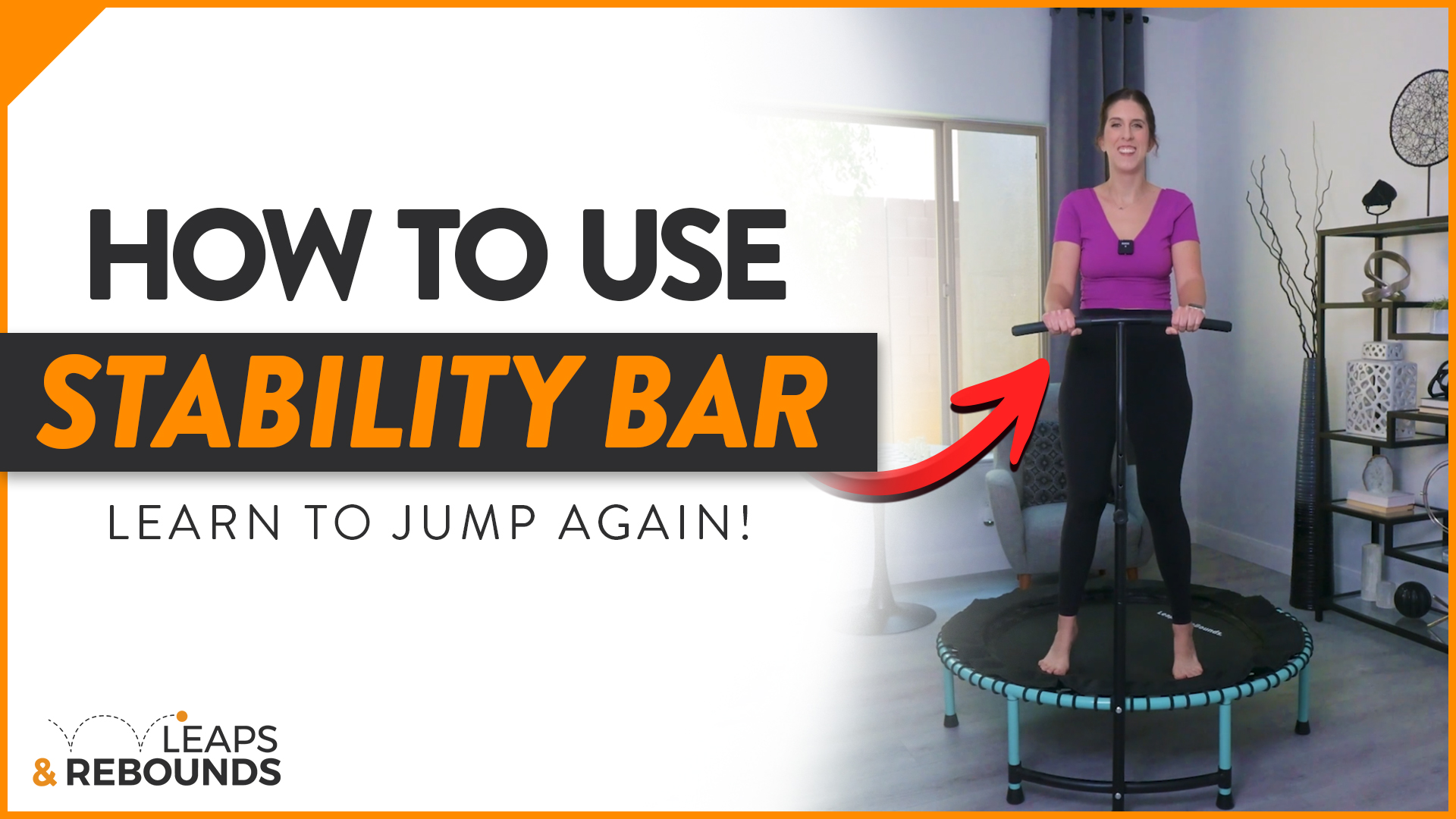
When you're picking out a rebounder, think about what you want to get out of it. For beginners, a sturdy model is a good idea. Some come with a handlebar, which can be a real lifesaver when you're just starting out. It gives you something to hold onto for balance, making those first bounces feel a lot more secure. Look for one with good springs – bungee springs are often quieter and give a softer bounce than metal ones.
Essential Safety Precautions
Safety first, always! Before you even hop on, make sure your trampoline is on a flat, stable surface. No one wants their rebounder sliding around mid-bounce. It's also a good idea to wear supportive athletic shoes. And if you have any health concerns, it's always best to chat with your doctor before you start. They can give you personalized advice.
- Check your trampoline's setup: Ensure it's on a level floor.
- Wear proper footwear: Supportive athletic shoes are best.
- Listen to your body: Don't push yourself too hard, especially at the beginning.
- Consider a handlebar: This is a great aid for balance and stability.
If you're new to exercise or have specific health issues, it's wise to ease into things. Gradually increase how long and how hard you bounce. Paying attention to how your body feels is super important to avoid any strain or injury.
Beginner-Friendly Bounce Techniques
Let's talk about actually bouncing. The most basic move is the "health bounce." This is basically just bouncing gently in place without lifting your feet too high off the mat. It's a fantastic way to get used to the sensation and build a little momentum. You can start by holding onto the handlebar if you need to. As you get more comfortable, you can try marching in place, lifting your knees a bit higher. This gets your legs moving and your heart rate up just a little. Remember, the goal is to feel good and get moving, not to do flips right away! You can find some great beginner rebounding workouts that focus on these simple, effective movements.
Fundamental Mini Trampoline Exercises for Beginners
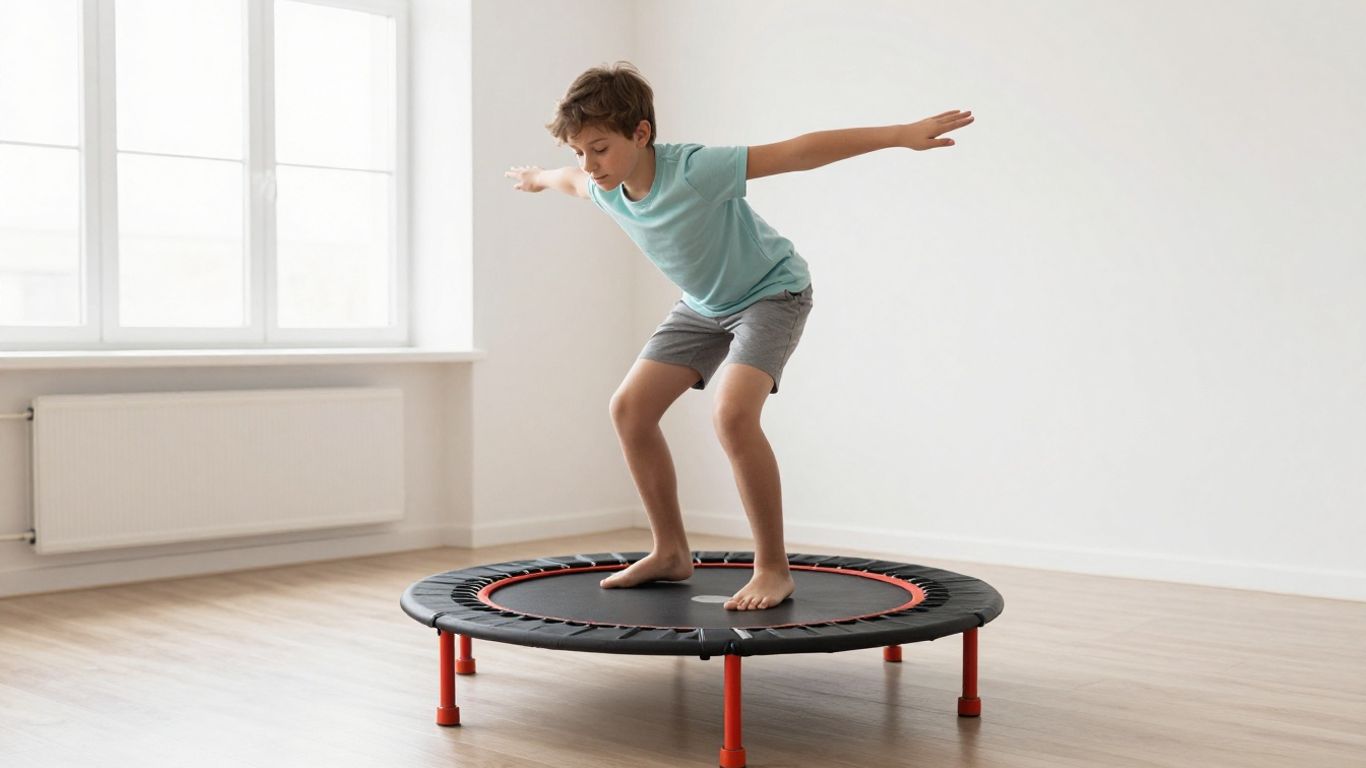
Getting started on a mini trampoline doesn't require fancy moves. The key is to build a solid base with simple exercises that get your body moving and accustomed to the rebounder. These moves are designed to be easy on your joints while still giving you a good workout. Focus on controlled movements and listening to your body as you begin.
The Health Bounce and Marching in Place
The health bounce is your absolute starting point. It's less about jumping high and more about pressing down into the mat with your feet. Think of it as a gentle push. Keep your feet on the mat, or lift them just a tiny bit. This is great for getting your circulation going without much impact. From there, marching in place is a natural next step. Stand tall in the middle of your rebounder and simply march, lifting your knees. You can make it as easy or as challenging as you like by how high you lift your knees.
Basic Bounce and Single-Leg Variations
Once you're comfortable with the health bounce, you can try a basic bounce. The goal here is to lift your feet off the mat a little higher, but keep your head relatively level. It’s more about a controlled lift from your hips and knees than a big jump. Keep your upper body steady. After you get the hang of that, try single-leg bounces. This means bouncing on one foot at a time. It might feel a bit wobbly at first, but it's fantastic for improving your balance and coordination. Just be sure to switch legs!
Gentle Squats and Torso Twists
To add a bit more challenge and work different muscles, try some gentle squats. Stand with your feet hip-width apart and lower your hips as if you're sitting back into a chair, then push back up. You can do these while standing still or incorporate a small bounce. For your core, torso twists are excellent. While bouncing gently, twist your upper body from side to side. This engages your abdominal muscles and helps with stability. Remember to keep the movements controlled and smooth.
Here's a quick rundown of how to start:
- Health Bounce: Gentle pressing into the mat, feet may or may not leave the surface.
- Marching in Place: Lift knees while standing upright.
- Basic Bounce: Lift feet slightly off the mat with controlled hip and knee movement.
- Single-Leg Bounce: Alternate bouncing on one foot at a time.
- Gentle Squats: Lower hips as if sitting, then return to standing.
- Torso Twists: Twist upper body side-to-side while bouncing.
Starting with these basic movements will help you build confidence and get your body used to the unique sensation of rebounding. Don't rush the process; consistency with these simple exercises is more important than speed or intensity when you're just beginning. You can find a beginner-friendly approach to using a mini trampoline that covers these moves.
As you get more comfortable, you can start to increase the height of your bounces or the speed of your marches. You might also find yourself naturally wanting to add arm movements, which is great! For now, though, mastering these core exercises is the perfect way to begin your mini trampoline fitness journey. If you're looking for a structured way to start, consider a 30-minute rebounder routine designed for beginners.
Building Your Beginner Trampoline Routine
So, you've got your mini trampoline and you're ready to jump into a new fitness routine. That's awesome! But where do you even start? It's easy to get overwhelmed, but building a solid routine is all about starting slow and being consistent. Think of it like learning to ride a bike; you don't just hop on and do a backflip. You start with a few wobbly pedals and gradually build up your confidence and skill.
Structuring Your First Workouts
When you're just beginning, keep your initial sessions short and sweet. Aim for about 10-15 minutes. It's better to do a little bit consistently than to overdo it once and feel too sore to move for days. A good structure for your first few workouts might look something like this:
- Warm-up (2-3 minutes): Start with gentle movements like marching in place or a "health bounce" where your feet barely leave the mat. You can hold onto a handlebar if you have one for extra stability. Gentle arm circles and twists also help get your blood flowing.
- Main Workout (5-10 minutes): Focus on basic bounces, marching with higher knees, and maybe some gentle side-to-side weight shifts. Don't worry about speed or intensity yet; just get a feel for the movement and how your body responds.
- Cool-down (2-3 minutes): Slow down your bouncing to a gentle march and do some light stretching. Focus on your legs and any areas that feel a bit tight.
Gradually Increasing Intensity and Duration
Once you feel comfortable with your short, basic workouts, you can start to slowly ramp things up. Don't rush this part! Your body needs time to adapt.
- Duration: Add a few minutes to your workout each week. If you started with 10 minutes, try for 12-15 minutes the next week, then 15-20 the week after.
- Intensity: Introduce slightly more challenging moves. This could mean lifting your knees higher during marches, adding gentle torso twists, or trying a basic bounce where you lift your feet a little more off the mat. You might also try a beginner-friendly 10-minute workout that incorporates simple movements.
- Frequency: If you're only bouncing a couple of times a week, try adding another day. Consistency is key to seeing progress.
Integrating Rebounding into Your Week
Think about how mini trampoline exercise can fit into your overall lifestyle. It doesn't have to be a huge time commitment to make a difference. Even short, regular sessions can add up. Maybe you do a quick 15-minute bounce in the morning before work, or a slightly longer session on the weekend. Some people find that having a 30-minute workout available makes it easier to commit to a longer session when they have the time. The goal is to make it a sustainable part of your week, not another chore. Remember, the most effective routine is the one you'll actually stick with.
Starting a new exercise program can feel daunting, but with mini trampoline workouts, the focus is on fun and low-impact movement. By structuring your sessions thoughtfully and gradually increasing the challenge, you'll build a routine that feels good and delivers results without putting too much strain on your body. Listen to your body, celebrate small victories, and enjoy the process of getting fitter and healthier, one bounce at a time.
Maximizing Your Mini Trampoline Exercise
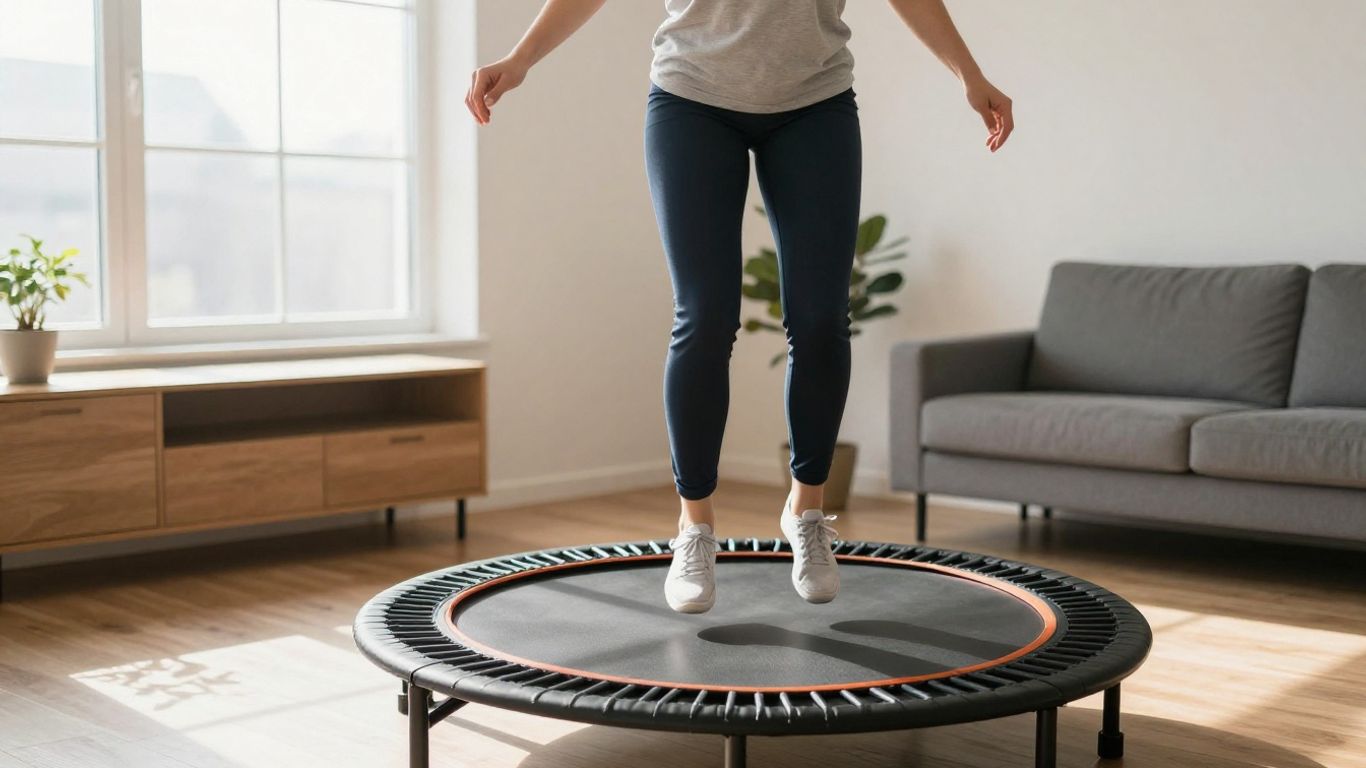
So, you've got the basics down and you're feeling pretty good about bouncing around. That's awesome! But how do you really get the most out of your mini trampoline sessions? It's not just about jumping up and down; there are ways to make your workouts even more effective and keep things interesting. Paying attention to your form and adding a few simple tweaks can make a big difference.
Proper Form for Effective Bouncing
Good form is super important. It helps you get a better workout and, more importantly, it keeps you from getting hurt. When you're bouncing, try to keep your core engaged – think about pulling your belly button towards your spine. This helps stabilize your body. Keep your head level; you don't want it bobbing up and down too much. Your knees should have a slight bend, acting like little shock absorbers. Imagine you're pressing down into the mat with each bounce, rather than just letting gravity do the work. This engages your muscles more.
Here’s a quick rundown:
- Core Engagement: Keep your abs tight.
- Head Level: Avoid excessive up-and-down head movement.
- Knee Bend: Maintain a slight bend in your knees.
- Controlled Descent: Actively press down into the mat.
Incorporating Simple Arm Movements
Your arms can do a lot more than just hang there! Adding arm movements while you bounce really turns it into a full-body workout. You can start simple. Try swinging your arms forward and back, or bring them up overhead. As you get more comfortable, you can try punching motions, or even mimic rowing. These movements not only burn more calories but also help improve coordination. For instance, try marching in place while doing arm circles. It might sound simple, but it gets your heart rate up and works your shoulders and upper back. You can find some great ideas for maximizing your fitness potential with these kinds of techniques.
Cool-Down and Recovery Stretches
Just like any workout, finishing strong means cooling down properly. This helps your body recover and can prevent soreness. After you finish your bouncing, spend about five minutes doing some gentle stretches. Focus on the muscles you used most: your legs, glutes, and core. You can do some of these right on the trampoline, or step off onto a mat. Calf stretches are great, as are hamstring stretches. A gentle torso twist while standing can also feel really good. Remember, consistency is key for seeing results and staying injury-free.
Listening to your body is the most important part of any exercise routine. If something feels off, ease up or stop. It's better to take a break than to push through pain and risk an injury that keeps you off the trampoline for good.
Exploring Variations in Trampoline Workouts
Once you've got the hang of the basic bounces and movements, you might be wondering how to spice things up a bit. The great thing about mini trampolines is their versatility. You can really tailor your workouts to keep things interesting and challenging.
Low-Impact HIIT on the Rebounder
High-Intensity Interval Training, or HIIT, doesn't have to mean pounding your joints. On a mini trampoline, you can get that heart-pumping, calorie-burning effect with much less impact. Think short bursts of intense bouncing followed by brief recovery periods. For example, you could do 30 seconds of fast feet or high knees, then rest for 15 seconds. Repeat this cycle for several minutes. It's a fantastic way to boost your metabolism and endurance without the usual stress on your knees and ankles. You can find lots of routines online that focus on this, like beginner rebounding routines.
Adding Weights and Bands for Resistance
Ready to add a little more oomph to your routine? Incorporating light weights or resistance bands can really step up the challenge. Holding light dumbbells while you bounce can work your arms and shoulders more. You can also loop resistance bands around your ankles or thighs to make leg movements tougher. This adds a strength training element to your cardio session. It's a smart way to build muscle and burn more calories in the same amount of time.
Here's a quick look at how you might structure a resistance workout:
| Exercise | Equipment | Focus Area |
|---|---|---|
| Bouncing with Curls | Light Dumbbells | Arms, Legs, Cardio |
| Banded Squats | Resistance Band | Glutes, Legs |
| Arm Circles | Light Weights | Shoulders, Upper Back |
| Banded Side Steps | Resistance Band | Hips, Glutes |
Balance Challenges for Enhanced Stability
Mini trampolines are also brilliant for working on your balance. As you get more comfortable, try some simple balance challenges. Standing on one leg while gently bouncing is a great start. You can also try closing your eyes for a few seconds while doing a basic bounce (but only if you feel really stable and safe!). Adding gentle twists or reaching exercises while maintaining your balance will really get those stabilizing muscles working. It's not just about cardio; it's about building a more resilient and coordinated body.
Remember, the goal is to keep moving and keep it fun. Don't be afraid to experiment with different movements and see what feels good for your body. Listening to your body is key, especially when you're trying new things.
As you explore these variations, you'll find that your mini trampoline workout can be as varied and engaging as you want it to be. It's a great tool for staying active and healthy, no matter your fitness level. For more ideas on getting started safely, check out gentle rebounding basics.
Ready to Bounce Your Way to Fitness?
So there you have it! Mini trampoline workouts are a fantastic way to get your body moving without putting too much stress on your joints. Whether you're just starting out or looking for a fun new way to stay active, this low-impact exercise can really make a difference. Remember to start slow, listen to your body, and most importantly, have fun with it. You might be surprised at how quickly you start feeling stronger and more energetic. Give it a try and see where the bounce takes you!
Frequently Asked Questions
What are the main benefits of using a mini trampoline for exercise?
Mini trampolines offer a super fun way to get your whole body moving! They're great for cardio, helping your heart stay healthy, and also build strength without being too hard on your joints. Plus, bouncing helps you get better at balancing and moving smoothly.
What kind of mini trampoline should a beginner choose?
For beginners, it's best to pick a mini trampoline that feels sturdy and safe. Look for one with a good grip or a handlebar you can hold onto for extra balance. Some have adjustable springs, which can be helpful as you get used to bouncing.
Are there any safety rules I should follow when exercising on a mini trampoline?
Definitely! Always make sure your trampoline is on a flat, steady surface. Start with gentle bounces and gradually increase the intensity. Wearing supportive shoes is a good idea, and it's important to listen to your body – don't push yourself too hard, especially when you're starting out.
What are some simple exercises I can do as a beginner?
You can start with basic moves like the 'health bounce,' where you gently press down without lifting your feet much. Marching in place is also a great warm-up. As you get more comfortable, try simple bounces, gentle squats, and light torso twists to work different parts of your body.
How often should I exercise on a mini trampoline as a beginner?
Consistency is key! Try to aim for 3-5 times a week. Start with shorter sessions, maybe 10-15 minutes, and slowly build up the time and how hard you're working as you feel stronger and more comfortable.
Can mini trampoline workouts help with balance and coordination?
Absolutely! The unstable surface of a trampoline naturally challenges your balance. Simple exercises like single-leg bounces or even just maintaining steady bounces help improve your coordination and make your body more stable over time.


0 comments