









Looking to spice up your fitness routine or just get started? It can be tough to know where to begin, right? Well, good news! We've put together a list of 20 different types of exercises that are perfect for building a solid fitness plan. Forget complicated gym equipment or fancy classes; most of these you can do right at home. We're talking about moves that work your whole body, get your heart pumping, and help you feel stronger. Let's dive into some fun and effective ways to get moving!
Key Takeaways
- You can get a great workout without any gym equipment, using just your body weight for exercises like squats and push-ups.
- Bodyweight exercises are super flexible and can be made easier or harder, fitting any fitness level.
- Doing some kind of exercise 3-5 times a week can really help you get fitter and healthier.
- Always warm up before you start and cool down after, and pay attention to your body to avoid getting hurt.
- Mixing different kinds of exercises, like strength moves and cardio, is a good way to see better results overall.
1. Push-Ups
Push-ups are a classic for a reason. They're a fantastic bodyweight exercise that really works your chest, shoulders, and triceps. Plus, when you do them right, they hit your core too. It's one of those moves that feels tough but is super rewarding.
Getting started with push-ups can feel a bit daunting if you're not used to them. A great way to build up is by starting with knee push-ups. You get down on your hands and knees, place your hands a bit wider than shoulder-width apart, and then lower your chest towards the floor, keeping your back straight. Push back up, and repeat. It’s all about building that strength gradually.
Here's a quick breakdown of how to do a standard push-up:
- Start in a plank position, with your hands directly under your shoulders and your body forming a straight line from head to heels.
- Lower your chest towards the floor by bending your elbows, keeping them at about a 45-degree angle from your body.
- Push back up to the starting position, fully extending your arms.
Remember, form is way more important than how many you can do. If your hips start to sag or your back arches, take a break or modify the exercise. You can always make them harder later on by trying variations like one-legged pushups or elevating your feet.
Push-ups are a great way to build upper body strength without needing any equipment. They're versatile and can be modified for different fitness levels, making them a staple in many workout routines.
2. Squats
Alright, let's talk about squats. This is one of those exercises that seems super simple, but it's incredibly effective for building lower body strength. You're basically working your quads, hamstrings, and glutes all at once. It's a foundational movement that can be modified for pretty much any fitness level.
To do a basic bodyweight squat, stand with your feet about shoulder-width apart. Imagine you're about to sit back into a chair. Hinge at your hips and bend your knees, keeping your chest up and your back straight. Lower yourself down as far as you comfortably can, then push through your heels to stand back up. It's all about controlled movement.
Here's a quick breakdown of the muscles you're hitting:
- Quadriceps: The muscles on the front of your thighs.
- Hamstrings: The muscles on the back of your thighs.
- Glutes: Your butt muscles, which are key for power and stability.
- Core: Your abs and lower back muscles help keep you upright and stable.
There are tons of ways to change up squats, too. You can do chair squats if you're just starting out, or try pistol squats if you're looking for a serious challenge. Adding weight, like dumbbells or a barbell, can also make them tougher. Learning proper squat form is super important, so don't be afraid to start with just your bodyweight and focus on getting it right. You can find some great resources on how to perform different squat variations to keep things interesting.
Squats are a fantastic compound exercise. They work multiple muscle groups simultaneously, making them super efficient for building strength and muscle. Plus, they mimic everyday movements like sitting and standing, which is why they're so good for overall functional fitness.
3. Lunges
Lunges are a fantastic exercise for building strength and stability in your lower body. They work your quads, hamstrings, and glutes, and also do wonders for your balance. You can do them almost anywhere, with no equipment needed.
There are a bunch of ways to do lunges, and mixing them up can hit your muscles from different angles. Here are a few common ones:
- Forward Lunge: Step forward with one leg, bending both knees to about 90 degrees. Make sure your front knee stays over your ankle and doesn't go past your toes. Push off your front foot to return to the start. This is a great way to work your quads and glutes.
- Reverse Lunge: Step backward with one leg, lowering your hips until both knees are bent. Your front knee should be over your ankle. Push off your back foot to return to the starting position. This variation is often easier on the knees and really targets the glutes.
- Walking Lunge: This is like a forward lunge, but you step forward and then bring your back leg through to step forward into the next lunge, essentially walking as you go. It's a great way to improve mobility and keep your heart rate up.
When doing lunges, focus on keeping your torso upright and your core engaged. It's easy to lean too far forward or let your hips sag, but maintaining good posture is key to getting the most out of the exercise and avoiding injury. Think about pushing through the heel of your front foot to stand back up.
If you want to make lunges even more challenging, you can try variations like jumping lunges or holding weights. They're a simple yet effective move that can really make a difference in your leg strength and overall fitness. You can find more details on different lunge variations to spice up your routine.
4. Planks
Planks are one of those exercises that look simple but are surprisingly tough. They're fantastic for building core strength, which is super important for pretty much everything you do, from sitting at your desk to playing sports. Holding a solid plank position engages your entire midsection, including your abs, obliques, and lower back. It's not just about looking good; it's about creating a stable base for all your movements.
There are a few ways to do a basic plank. The most common is the forearm plank. You get down on your forearms and toes, keeping your body in a straight line from your head to your heels. No sagging hips allowed! Another variation is the high plank, where you support yourself on your hands instead of your forearms, similar to the top of a push-up. This version also works your shoulders and arms more.
Here's a quick breakdown of how to get into a standard forearm plank:
- Start on your hands and knees.
- Lower down onto your forearms, making sure your elbows are directly under your shoulders.
- Extend your legs back, resting on your toes.
- Engage your core and glutes to keep your body straight. Imagine a line from your head to your heels.
- Hold it! Aim for 30 seconds to start, and build up from there.
It might not seem like much, but holding a plank for even a minute can feel like an eternity when you're starting out. It's a great exercise to do anywhere, anytime, and you can easily add variations to make it harder as you get stronger. Think about side planks for your obliques or planks with leg lifts to challenge your balance even more.
Planks are a full-body exercise that can improve overall strength, stability, and athletic performance while reducing your risk of injury. They are a powerful tool for enhancing overall physical well-being and can contribute to a healthier, more resilient body.
5. Glute Bridge
The glute bridge is a pretty straightforward exercise, but don't underestimate its power. It's fantastic for waking up your glutes and hamstrings, especially if you've been sitting for a while. This move is a foundational component for building a stronger posterior chain.
Here's how to do it:
- Lie on your back with your knees bent and your feet flat on the floor, about hip-width apart. Let your arms rest by your sides.
- Engage your core and really squeeze your glutes. Lift your hips off the ground until your body makes a straight line from your shoulders all the way down to your knees.
- Hold that top position for a moment, focusing on that glute squeeze. Then, slowly lower yourself back down.
This exercise is great for improving posture and can help alleviate some common back discomfort. It's a simple yet effective way to get those glutes firing. You can also make it more challenging by trying a single-leg glute bridge or adding weight across your hips. It's a versatile move that can grow with you. Strengthening your glutes can also help reduce stiffness and make everyday activities feel more comfortable [37d3].
Focusing on squeezing your glutes at the peak of the movement makes a significant difference in the exercise's effectiveness. It's a small detail that yields big results for your posterior chain.
6. Yoga
Yoga is a really great way to get your body moving and your mind settled. It's not just about touching your toes, though that's a nice perk. It actually works a lot of different muscles and can seriously help with your balance and overall flexibility. Plus, the focus on breathing can make a big difference in how you feel, especially if you're dealing with stress.
When you're starting out, it's good to know a few basic poses. These can give you a solid foundation and help you feel more comfortable on the mat. Remember, it's okay if you can't do everything perfectly right away. The goal is to move your body and connect with your breath.
Here are a few poses to get you started:
- Downward-Facing Dog: This pose stretches out your hamstrings, calves, and shoulders. You get on your hands and knees, then lift your hips up and back, making an upside-down V shape. Keep your hands and feet about shoulder-width apart.
- Warrior II: Great for leg strength and opening up your hips. Stand with your feet wide, turn one foot out, and bend that front knee. Extend your arms out to the sides and look over your front hand.
- Tree Pose: This one is all about balance. Stand on one leg and place the sole of your other foot on your inner thigh or calf. Bring your hands to your chest or stretch them overhead.
Yoga is a practice that connects movement, breathing, and mindfulness. It's about finding a balance between effort and ease in each pose. Don't worry about what others are doing; focus on your own body and what feels right for you in that moment. It's a personal journey of self-discovery and physical well-being.
It's amazing how much you can improve your flexibility and reduce the chance of getting hurt just by adding some yoga into your routine. Better joint movement and muscle elasticity are big wins. You can find tons of resources online or even local classes if you want to explore different yoga styles. Just remember to listen to your body and not push too hard, especially when you're new to it. It’s a journey, not a race.
7. Hiking
Hiking is a fantastic way to get your body moving and explore the outdoors. It's more than just a walk in the park; it's a chance to challenge yourself physically while enjoying nature. The varied terrain and inclines you encounter on a trail naturally work different muscle groups, giving you a more complete workout than a flat walk.
When you're hitting the trails, think about what you're bringing along. Packing smart can make a big difference. Here's a quick rundown:
- Water: Stay hydrated, especially on longer hikes.
- Snacks: Energy bars or fruit can be a lifesaver when your energy dips.
- Map/Navigation: Even on familiar trails, it's good to have a way to know where you are.
- First-aid kit: For those little scrapes or unexpected issues.
Hiking can be as simple or as challenging as you make it. You can find local trails that are relatively flat and easy, or seek out more strenuous routes with significant elevation changes. It's a great activity for solo exploration or for spending quality time with friends and family. Plus, the fresh air and scenery are a huge bonus for your mental well-being.
Getting out on a trail offers a great mix of physical exertion and mental refreshment. It's a chance to disconnect from daily stresses and reconnect with the natural world. The simple act of putting one foot in front of the other on uneven ground builds strength and endurance without feeling like a chore. Consider it an adventure that just happens to be good for you.
If you're new to hiking, starting with shorter, less demanding trails is a good idea. As you get fitter, you can gradually increase the distance and difficulty. It's a journey that rewards consistency, and you'll likely find yourself looking forward to your next outing on the trails near you.
8. Walking
Walking is one of those exercises that's so simple, we sometimes forget how good it is for us. You don't need fancy gear or a gym membership; just a decent pair of shoes and a willingness to move. It's a fantastic way to get your heart pumping and your body working without feeling like you're doing a grueling workout.
Think about it: you can walk almost anywhere, anytime. Stuck at your desk? Take a 10-minute stroll around the block. Got some free time on the weekend? Explore a new park or trail. Even just parking further away from the store entrance adds extra steps to your day. Every little bit adds up.
Here are a few ways to make your walks more effective:
- Vary your pace: Mix in some brisk walking with a more relaxed pace. This interval training can boost calorie burn.
- Incorporate hills: If you have access to inclines, use them! Walking uphill is a great way to challenge your leg muscles and get a better cardio workout.
- Add arm movements: Swing your arms naturally, or try some simple arm exercises like circles or punches while you walk to engage your upper body.
- Listen to something engaging: Whether it's a podcast, an audiobook, or your favorite music, having something to listen to can make the time fly by and keep you motivated.
Walking is also incredibly accessible. It's low-impact, meaning it's easier on your joints than running, making it a great option for people of all ages and fitness levels. Plus, it's a great way to clear your head and reduce stress. So, lace up those shoes and get moving!
The beauty of walking lies in its simplicity and adaptability. It doesn't demand perfection, just consistency. Even short, regular walks contribute significantly to overall health and well-being, making it a sustainable habit for long-term fitness goals.
9. Bench Press
The bench press is a classic for a reason. It's a powerhouse move that really hits your chest, shoulders, and triceps. If you're looking to build upper body strength, this is a go-to exercise.
When you're starting out, it's super important to get the form right. Think about keeping your feet flat on the floor, your back slightly arched, and your shoulder blades squeezed together. Lower the bar with control to your mid-chest, then press it back up. Don't rush it; controlled movements are key to preventing injuries and getting the most out of the exercise.
Here are a few things to keep in mind:
- Spotter: Especially when you're lifting heavier, having someone to spot you is a good idea. They can help if you get stuck.
- Grip Width: Experiment with different grip widths. A wider grip targets the chest more, while a narrower grip (like the close-grip bench press) brings the triceps into play more.
- Breathing: Take a deep breath as you lower the bar, and exhale forcefully as you push it up.
It's a great exercise for building mass and strength, but remember that diversifying your pressing movements can also be beneficial. Exploring alternatives can help prevent plateaus and keep your muscles guessing. Different pressing exercises can offer unique benefits.
Don't be afraid to start with lighter weights or even just the bar to nail down your technique. Proper form is way more important than how much weight you can lift when you're starting out. It sets the foundation for safe and effective training down the line.
10. Overhead Shoulder Press
The overhead shoulder press, sometimes called the military press, is a solid move for building up your shoulders and triceps. It's a compound exercise, meaning it works multiple muscle groups at once, which is pretty efficient.
To do it, you'll typically use dumbbells or a barbell. Start with a weight that feels manageable so you can focus on good form. You don't want to be struggling too much, especially when you're first learning.
Here's a basic rundown:
- Stand or sit with your feet shoulder-width apart.
- Hold the weight at shoulder height, palms facing forward.
- Press the weight straight up overhead until your arms are fully extended.
- Slowly lower the weight back to the starting position.
It's important to keep your core tight throughout the movement to support your back. You'll feel this one working your deltoids, which are the muscles on the sides of your shoulders, and your triceps in the back of your arms. It's a great way to add some serious upper body strength.
Proper form is key here to avoid injury. Don't arch your back excessively, and try to keep the movement controlled rather than jerky. If you're unsure, watching a quick video or getting advice from someone experienced can make a big difference.
This exercise is a staple for a reason. It really helps build that shoulder cap and contributes to overall upper body power. You can find more details on how to perform the shoulder press and the specific muscles it targets.
11. Lateral Raises
Lateral raises are a fantastic exercise for targeting the side deltoids, which are the muscles that give your shoulders that nice, rounded look. They're great for improving shoulder stability and can really help with your posture.
The key is to focus on controlled movement rather than just lifting heavy weight. When you're starting out, it's way more important to get the form right. Trying to lift too much too soon can lead to injury and won't give you the best results for your shoulders.
Here's a breakdown of how to do them:
- Starting Position: Stand with your feet shoulder-width apart, holding a dumbbell in each hand. Let the weights hang at your sides, palms facing your body. Keep a slight bend in your elbows throughout the movement.
- The Movement: Keeping your torso stable and avoiding any swinging, lift the dumbbells out to your sides. Continue lifting until your arms are roughly parallel to the floor. Imagine you're pouring water out of a pitcher at the top.
- Lowering: Slowly and with control, lower the dumbbells back to the starting position. Don't just let them drop.
It's common to see people shrugging their shoulders up towards their ears during this exercise. Try to keep your shoulders down and relaxed. If you find yourself shrugging, it's a sign that the weight is too heavy. You might want to try seated lateral raises or even cable versions if you're struggling with dumbbells.
Remember, consistency is more important than intensity when you're building muscle. Aim for a weight that allows you to complete your reps with good form, even if it feels a little light at first. You'll build up over time.
Here's a simple way to structure your sets:
- Beginner: 2-3 sets of 10-12 repetitions.
- Intermediate: 3-4 sets of 8-10 repetitions.
- Advanced: 4 sets of 6-8 repetitions, potentially with a heavier weight or slower tempo.
12. Alternating Punches
Alternating punches, often seen in shadow boxing, are a surprisingly effective way to get your heart rate up and work your upper body without any equipment. You just need a little space to move. It's a dynamic exercise that really helps with coordination and can give your arms, shoulders, and even your core a good workout. This is a fantastic option for beginners looking to add some cardio and strength into their routine.
Here's a quick rundown on how to get the most out of it:
- Warm-up: Always start with a few minutes of light movement, like marching in place or arm circles, to get your blood flowing.
- Stance: Stand with your feet shoulder-width apart, knees slightly bent, and core engaged. Imagine you're in a boxing stance, but keep it relaxed.
- The Punch: Extend one arm forward in a punching motion, keeping your fist loosely closed. As you extend, twist your torso slightly. Bring the arm back to the starting position and immediately repeat with the other arm. Focus on smooth, controlled movements rather than just flailing.
- Footwork: While you can stand still, adding a little footwork makes it more engaging. Shift your weight as you punch, or take small steps to move around.
It might feel a bit silly at first, but stick with it. You can increase the intensity by punching faster, adding more power, or holding light weights if you want an extra challenge. It's a great way to burn some calories and build some upper body muscle. You can even do this while watching TV. It's a good way to get some movement in without needing a lot of focus, which is nice sometimes.
This exercise is great because it's so adaptable. You can make it as intense or as gentle as you need it to be. Just focus on the movement and breathing, and you'll feel it working.
If you're looking to improve your coordination and get a bit of a sweat on, give alternating punches a try. It's a simple move with some solid benefits for your overall fitness.
13. Marching In Place
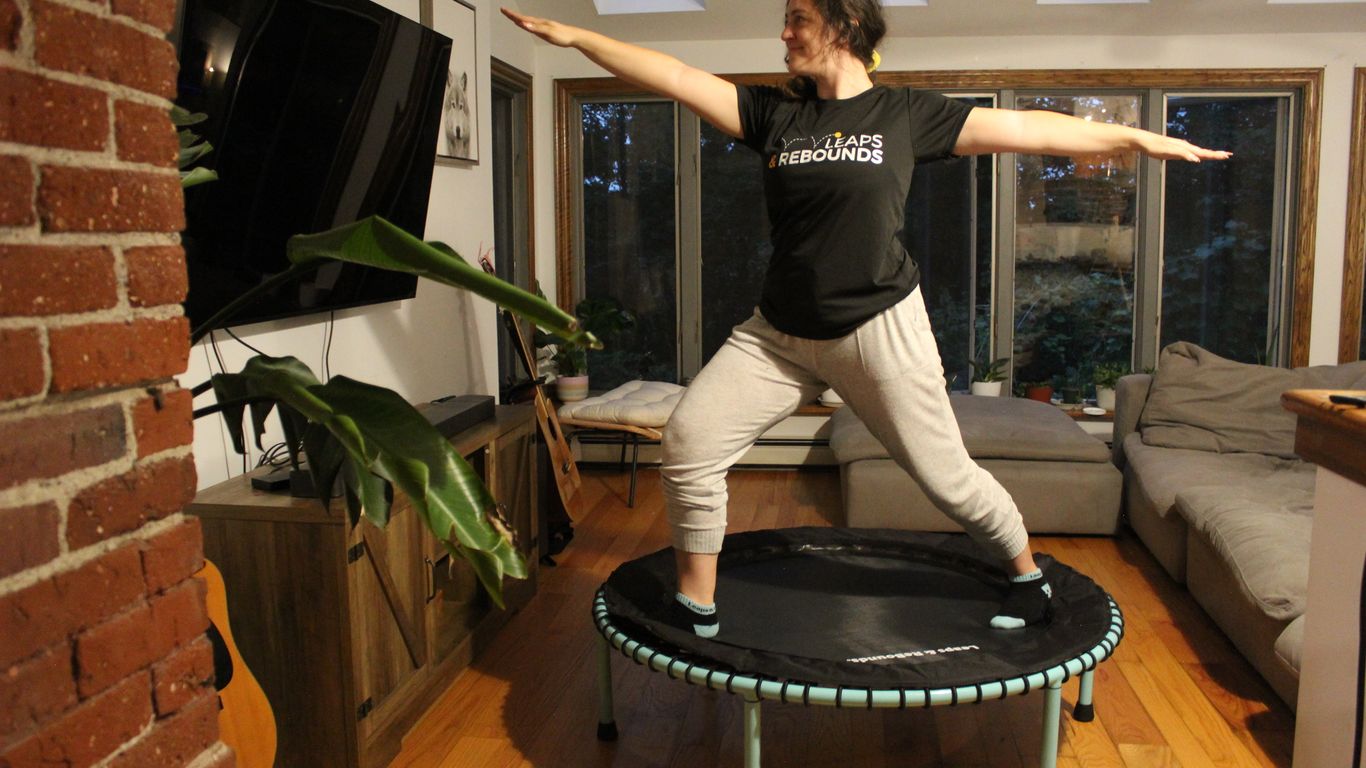
Marching in place is a surprisingly effective way to get your body moving, whether you're warming up, cooling down, or just need a quick burst of activity. You don't need any special gear or a big space for this one; your living room or even a small corner will do. It's a fantastic exercise for boosting your heart rate and engaging major leg muscles without any impact.
Think of it as a regular walk, but with a bit more oomph. The key is to lift your knees higher than you normally would, almost towards your chest, and to pump your arms with some energy. This simple action gets the blood flowing and prepares your muscles for more strenuous activity. If you want to step it up, just pick up the pace or focus on that knee lift. It’s a great way to get your body ready for a workout, or you can just do it on its own if you're short on time. You can even do this while watching your favorite show.
Here’s a quick rundown on how to make the most of it:
- Start Gently: Begin with a relaxed pace to let your body ease into the movement.
- Increase the Effort: Gradually lift your knees higher and swing your arms more vigorously.
- Mix It Up: Try alternating between a faster march and a slower one, or add small arm circles while you march for an extra upper body challenge.
This exercise is super accessible, especially if you're just getting back into fitness or looking for something low-impact. It's also a good option for older adults looking to maintain mobility and strength. You can easily adjust the difficulty to match your current fitness level, making it a versatile addition to any home workout routine. It's a good way to get your body ready for exercise.
Marching in place is a great way to get your heart rate up without needing any fancy equipment. It’s a great way to start any workout as a warm-up, or you can just do it on its own if you're short on time. You can do this in your living room, your kitchen, anywhere really.
14. Single Leg Stand
This exercise might seem almost too simple, but don't underestimate the power of the single leg stand. It's a straightforward way to really work on your balance and build up the smaller muscles that help keep your ankles and legs stable. Most of the things we do every day, like walking or climbing stairs, involve standing on one leg at some point. Getting better at this can help prevent stumbles and make you feel more steady on your feet.
Here’s a simple way to give it a try:
- Start standing up straight, with your feet about hip-width apart. Find something in front of you to look at; this really helps with staying balanced.
- Slowly lift one foot off the ground. You can bend the knee of the standing leg just a little. Try lifting your foot only a few inches at first.
- Hold that position for as long as you can keep your balance. Aim for at least 15 to 30 seconds. Make sure to keep your stomach muscles tight.
- Gently bring your foot back down and then do the same thing on the other leg. Try to hold it for the same amount of time on each side.
The main goal here is control, not speed. If you start to wobble, that's perfectly fine! Just try to get your balance back without putting your foot down. As you get more comfortable, you can try holding the pose for longer, or even try closing your eyes for an extra challenge (but be careful if you do that!).
If holding yourself up feels too difficult when you start, stand near a wall or a sturdy chair. You can lightly touch it with your fingertips if you feel yourself losing balance. Over time, you'll notice a real difference in your stability. This type of unilateral training is great for spotting and fixing imbalances between your left and right sides.
It might feel tough at first, and that's totally normal. You might notice one side feels significantly weaker than the other. That's common, and it's exactly why doing both sides is so important. Consistency is what will make the difference here. Try to incorporate this into your routine a few times a week, and you'll start to feel a real difference in your core stability and overall strength.
15. Burpees
Okay, let's talk about burpees. If you're looking for an exercise that throws everything at you at once, this is it. Burpees are a full-body movement that combines a squat, a plank, a push-up, and a jump into one quick sequence. It sounds like a lot, and it is, but that's why it's so effective for getting your heart rate up and working a ton of muscles.
Here's a typical way to do one:
- Start standing, feet about shoulder-width apart.
- Squat down and place your hands on the floor in front of you.
- Kick your feet back so you're in a plank position.
- Do a push-up (you can skip this if you're new to burpees).
- Jump your feet back towards your hands, landing in a squat.
- Explode up into a jump, reaching your arms overhead.
- Land softly and get ready for the next one.
It might feel a bit intense when you first start, and that's totally normal. You're hitting your legs, chest, shoulders, and core all at once, plus getting a serious cardio workout. It's a great way to build both strength and endurance. If you want to make them even tougher, you can try variations like adding an extra jump or doing a double jump at the end.
Don't worry if you can't do a full push-up or jump super high when you begin. Focus on getting the movement down. You can step your feet back instead of jumping, or just skip the push-up part. The main thing is to keep moving and build up to the full burpee exercise over time. Consistency is key here.
Burpees are fantastic for burning calories and improving your overall fitness. You can slot them into a circuit workout or do them as a standalone challenge. Just be ready to feel the burn!
16. Jumping Jacks
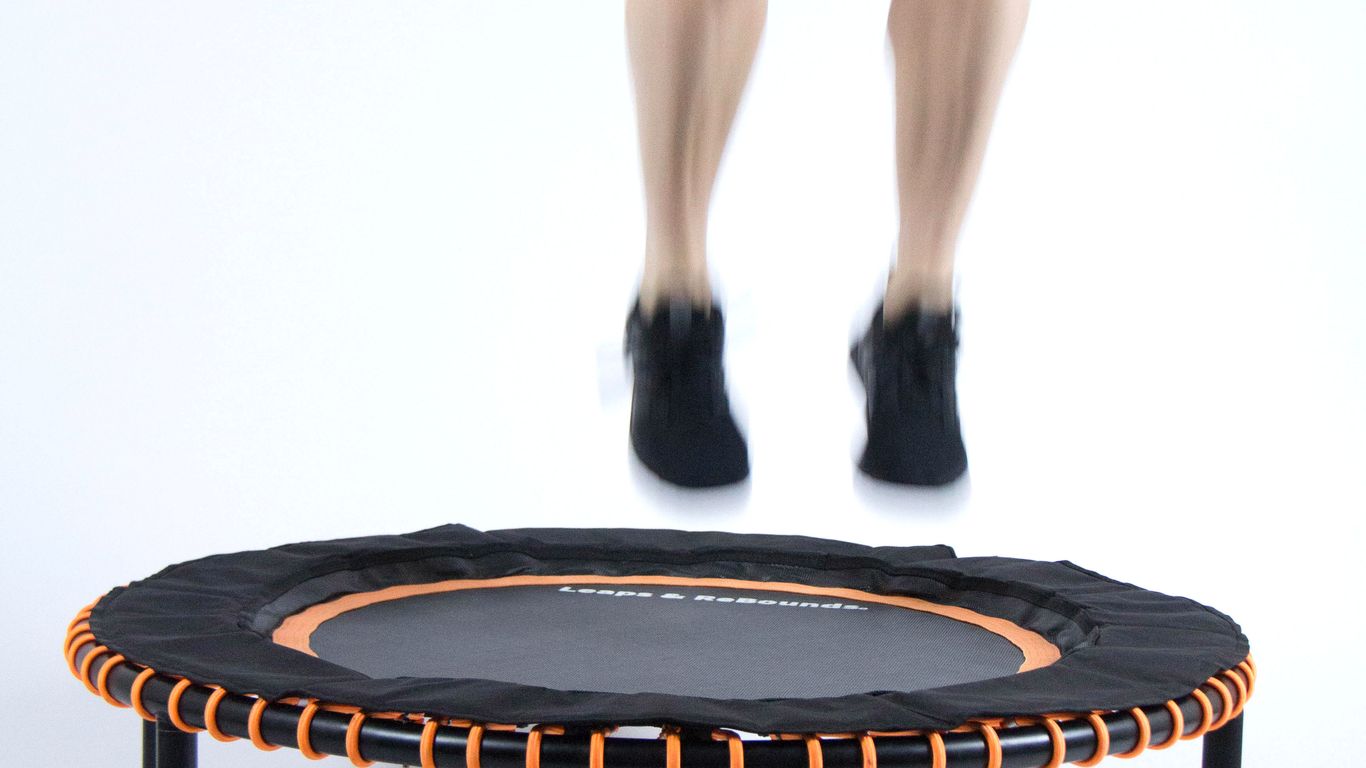
Jumping jacks are a classic for a reason. They're a fantastic way to get your heart rate up quickly, making them a great addition to any workout, especially as a warm-up. You don't need any special equipment, just a little bit of space and some energy.
This exercise works your entire body, engaging your legs, arms, and core all at once. It's a full-body movement that gets your blood pumping and muscles ready for action. Plus, they're pretty fun to do, right?
Here's a quick breakdown of how to do them:
- Start standing with your feet together and your arms at your sides.
- Jump your feet out wider than shoulder-width apart while simultaneously raising your arms overhead, clapping them if you like.
- Jump back to the starting position, bringing your feet together and your arms back down to your sides.
It's a simple motion, but you can adjust the intensity. Go faster for more cardio, or make the jumps bigger to challenge yourself further. They're also a good way to improve your coordination and agility.
Jumping jacks are a great cardio exercise that benefits both your heart and lungs. You don't need a long workout to experience these advantages. They're a simple yet effective way to boost your cardiovascular health and burn some calories without needing a gym membership.
If you're looking for a way to get a quick cardio burst, jumping jacks are a solid choice. They're a staple in many fitness routines because they're so versatile and effective for a cardio workout.
17. Mountain Climbers
Mountain climbers are a fantastic exercise that really gets your heart rate up while working a bunch of different muscles. Think of it like running in place, but in a plank position. It's a great way to build up your stamina and core strength at the same time. This exercise merges cardiovascular benefits with full-body strength training.
Here's how to do them:
- Start in a high plank position, with your hands directly under your shoulders and your body forming a straight line from head to heels.
- Bring one knee towards your chest, keeping your core engaged and your hips stable. Imagine you're trying to run, but horizontally.
- Quickly switch legs, bringing the other knee towards your chest while the first leg extends back.
- Continue alternating legs at a brisk pace, aiming for a smooth, controlled motion.
It might feel tough at first, and that's totally normal. You might notice one side feels significantly weaker than the other. That's common, and it's exactly why doing both sides is so important. Consistency is what will make the difference here. Try to incorporate this into your routine a few times a week, and you'll start to feel a real difference in your core stability and overall strength. This versatile exercise contributes to overall athletic performance and injury prevention. Mountain climbers are an excellent exercise.
Mountain climbers are an effective exercise that merges cardiovascular benefits with full-body strength training. This exercise is excellent for enhancing endurance, improving stability, and promoting heart health.
18. Adult Gymnastics
Think gymnastics is just for kids? Think again! Adult gymnastics is a seriously fun way to get a full-body workout without touching a single weight. It's all about using your own body to build strength, improve balance, and boost your flexibility. You can swing from rings, flip onto soft mats, or even try out some basic tumbling. It's a fantastic way to challenge yourself and feel more agile. Plus, there are gyms popping up all over that cater specifically to adults who want to try this out. It's never too late to start exploring the benefits of gymnastics, regardless of age.
Here's a quick look at what you might experience:
- Strength Building: Working with bars, beams, and your own body weight builds impressive functional strength.
- Flexibility and Mobility: You'll find yourself moving more freely and with less stiffness.
- Coordination: Learning new movements sharpens your body's ability to work together.
- Confidence Boost: Mastering new skills, no matter how small, feels amazing.
Adult gymnastics offers a fantastic way to achieve full-body fitness, boost flexibility and mobility, and embrace a fun, motivating personal challenge. It's a great way to build functional and core strength, and improve coordination. Engaging in these activities can lead to a more agile and resilient body, alongside sharper mental acuity.
If you're looking for a workout that's engaging and a bit different, adult gymnastics might be just the ticket. You can find local gyms that offer classes specifically for adults, making it easy to get started. It's a great way to build real-world strength and have a blast doing it.
19. Parkour
Parkour is a discipline that involves moving through an environment by running, jumping, climbing, and vaulting over obstacles. It's essentially about overcoming physical barriers in the most efficient way possible. Think of it as a real-world obstacle course that uses your body's natural movements. It's not just about flashy flips; it's about practical movement and problem-solving.
Getting started with parkour doesn't require a fancy gym. You can begin with basic movements in your local park or even your backyard. Focus on developing strength and control for movements like landing safely after a jump and getting over low obstacles. Building leg strength is key for this, so exercises like squats and calf raises are super helpful. You can also practice landing techniques to absorb impact properly.
Here are a few things to keep in mind when exploring parkour:
- Safety First: Always assess your surroundings and your own capabilities. Don't attempt anything beyond your current skill level.
- Progression: Start with simple movements and gradually increase the difficulty as you get stronger and more confident.
- Mindset: Parkour is as much mental as it is physical. It teaches you to approach challenges with a problem-solving attitude.
- Community: Many parkour practitioners are happy to share their knowledge and train together, which can be a great way to learn and stay motivated.
Parkour trains your body to move in ways that are useful in everyday life, not just for sport. It builds a kind of physical intelligence that helps you adapt to different situations and overcome unexpected challenges. It's a fantastic way to get a full-body workout while also having a lot of fun exploring your surroundings.
If you're interested in learning more about the foundational movements and safety aspects, looking into parkour precision training can be a good starting point. It emphasizes building the necessary strength and control for safe and effective movement.
20. Dance Dance Revolution
Who would have thought that a video game could be a solid workout? Dance Dance Revolution, or DDR as it's commonly known, is a prime example. It's a fantastic way to get your heart rate up and burn some serious calories without even feeling like you're exercising. You're essentially following dance steps on a mat, which involves a lot of quick footwork, jumping, and moving your whole body. It's a full-body cardio blast that also helps with coordination and rhythm.
Playing DDR regularly can lead to some pretty noticeable fitness improvements. You'll likely see gains in your stamina, making it easier to do other physical activities for longer. Plus, the constant movement really works your legs and core. It's a fun alternative to traditional cardio machines, and you can easily adjust the difficulty by choosing different songs and step patterns.
Here's a quick look at what you can expect:
- Cardiovascular Health: Boosts your heart and lung function.
- Coordination: Improves your ability to move different body parts together smoothly.
- Calorie Burn: A surprisingly effective way to torch calories.
- Agility: Enhances your quickness and ability to change direction.
It's a great option if you're looking for something engaging and a bit different. You can find arcade versions in many entertainment centers, or even get a home setup. It's a blast from the past that still holds up as a legitimate fitness activity. If you're looking for ways to make exercise more enjoyable, fitness video games like Zumba can be a great starting point, and DDR fits right into that category.
Remember, the key to any exercise plan is consistency and enjoyment. If you find something you genuinely like doing, you're much more likely to stick with it. DDR offers that fun factor while still providing a good physical challenge. It's a testament to how dance offers a comprehensive workout in many forms, even digital ones.
So, if you're tired of the same old routine, give DDR a whirl. You might just surprise yourself with how much you enjoy it and how much fitter you become.
Remember those fun arcade games like Dance Dance Revolution? Jumping on a mini trampoline is kind of like that, but way better for your body! It's a fantastic way to get your heart pumping and have a blast at the same time. You can burn calories and improve your coordination without even feeling like you're working out. Ready to add some bounce to your fitness routine? Visit our website to find the perfect mini trampoline for you!
Putting It All Together
So, we've gone through a bunch of different ways to get moving, from lifting weights (or just your own body weight!) to dancing around your living room. The main thing is to find what feels good for you and stick with it. It doesn't have to be complicated or expensive. Just picking a few things from this list and trying them out regularly can make a big difference in how you feel. Remember to listen to your body, start slow if you need to, and don't be afraid to switch things up. Fitness is a journey, not a race, and the best workout is the one you'll actually do.
Frequently Asked Questions
Can I really get a good workout at home without any equipment?
Absolutely! You can build strength and improve your fitness using just your body weight. Moves like squats, push-ups, and lunges work lots of muscles at once. You can also do things like yoga and cardio to make your workout more complete.
How long does a typical at-home workout take?
Many effective at-home workouts can be done in about 20 to 30 minutes. It's more important to be consistent, so aim for a few times a week rather than one super long session.
Is it possible to build muscle with bodyweight exercises?
Yes, you can definitely build muscle without weights. By doing exercises through their full range of motion and challenging yourself, your muscles will grow stronger. As you get fitter, you can make the exercises harder.
What are the main benefits of working out at home?
Working out at home is super convenient – no travel time or gym fees! It's great for improving strength, endurance, and balance. Plus, many home workouts can boost your mood and energy levels.
How can I make sure I'm exercising safely at home?
Always make sure you have enough space to move around without hitting anything. Warm up your muscles before you start and cool down afterward. Listen to your body and don't push too hard, especially when you're new to exercising.
Do I need to do specific exercises for cardio versus strength?
You can get both cardio and strength benefits from many at-home exercises. For example, jumping jacks or burpees get your heart rate up (cardio) and also work your muscles (strength). You can also mix in dedicated cardio like marching in place or strength moves like squats.


0 comments