









Getting started with workouts to lose weight at home doesn't need to be complicated. You can make real progress without needing a gym or fancy gear. This guide is all about making fitness accessible and effective, right in your own living room. We'll cover how to set yourself up for success, what kinds of exercises really work for shedding pounds, and how to keep yourself going.
Key Takeaways
Home workouts are a practical way to lose weight, offering flexibility and saving time and money.
Setting clear, achievable goals is important for staying motivated with your fitness routine.
Combining cardio exercises like jumping jacks and brisk walking with strength training using bodyweight exercises helps burn fat and build muscle.
Incorporating low-impact activities and rest days is key for recovery and preventing burnout.
Nutrition plays a huge role in weight loss; exercise alone isn't enough. Tracking your progress helps you stay on course.
Getting Started With Workouts to Lose Weight at Home
Why Home Workouts Are Effective for Weight Loss
Starting your fitness journey doesn't have to mean a gym membership or fancy equipment. You can actually get a great workout right in your living room. Home workouts are super convenient because, well, they're at home! No travel time, no waiting for machines, and you can wear whatever you want. For weight loss, the key is consistency and picking exercises that get your heart rate up and build muscle. When you combine these, you're setting yourself up for success. Plus, working out in a familiar space can feel a lot less intimidating than a crowded gym, especially when you're just beginning.
Setting Realistic Goals for Home Fitness
It's easy to get excited and want to do everything at once, but that's a fast track to burnout. Let's talk about setting goals that actually stick. Think about what you want to achieve. Is it losing a certain amount of weight? Feeling more energetic? Being able to do more stairs without getting winded? Break it down into smaller, manageable steps. Instead of saying "I want to lose 20 pounds," try "I'll aim to workout 3 times this week for 20 minutes each time." Small wins build momentum. Remember, progress isn't always linear, and that's totally okay.
Here’s a way to think about your goals:
Specific: What exactly do you want to accomplish?
Measurable: How will you track your progress?
Achievable: Is this goal realistic for your current situation?
Relevant: Does this goal align with your overall health objectives?
Time-bound: When do you want to achieve this by?
Setting achievable goals is like plotting a course. Without a clear destination and a reasonable pace, you're just wandering. Focus on the journey, not just the endpoint.
The Importance of Consistency in Your Routine
This is probably the most important part of any workout plan, especially for weight loss. You can do the most amazing workout one day, but if you don't do anything for the next week, you won't see much change. Consistency means showing up, even on days you don't feel like it. Even a short 15-minute session is better than nothing. It's about building a habit. Think of it like brushing your teeth; you do it every day because it's good for you. Your workouts should become part of your regular routine. This consistent effort is what signals your body to adapt, burn more calories, and build strength over time. You can start with simple bodyweight exercises that require no equipment at all.
Consistency is key, and it's something you can build with simple beginner weight loss workouts that can be done at home.
Cardiovascular Exercises for Burning Fat at Home
Cardio is your best friend when it comes to torching calories and shedding those extra pounds. It gets your heart pumping and your body working, which is exactly what we want for weight loss. The great thing is, you don't need a fancy gym to get a good cardio workout. You can do a lot of effective stuff right in your living room.
Brisk Walking Indoors or in Place
This might sound too simple, but don't underestimate a good brisk walk. If you have the space, walk around your house or apartment. If not, marching in place works just as well. The key is to keep moving at a pace that gets your heart rate up a bit. Try to do this for at least 20-30 minutes. It's a low-impact way to start, which is good if you're just getting back into exercise or have any joint concerns. You can even do this while watching your favorite show. It's a great way to get in some daily activity without feeling like you're doing a full-on workout.
Jumping Jacks and High Knees
These are classic cardio moves for a reason. Jumping jacks are fantastic for getting your whole body moving and your heart rate soaring. Start with a few sets of 30 seconds, and as you get fitter, you can increase the duration or the number of sets. High knees are similar; you're essentially running in place but bringing your knees up as high as you can. This really targets your core and leg muscles while giving you a serious cardio boost. Both are excellent for burning calories quickly and can be done anywhere, anytime.
Utilizing Jump Ropes for Calorie Burn
If you have a jump rope, you've got a powerful calorie-burning tool. Jumping rope is an incredibly efficient way to burn a lot of calories in a short amount of time. It's also great for improving coordination and agility. Start with short intervals, maybe 1 minute of jumping followed by 30 seconds of rest, and gradually increase the time you spend jumping. It might take a little practice to get the rhythm down, but once you do, it's a really fun and effective way to boost your fitness.
Remember, consistency is more important than intensity when you're starting out. Even short, regular cardio sessions add up significantly over time. Find activities you enjoy so you're more likely to stick with them.
Here's a quick look at how these can fit into your week:
Brisk Walking/Marching in Place: Aim for 20-30 minutes, 3-4 times a week.
Jumping Jacks & High Knees: Incorporate into circuits or do for 5-10 minutes as a warm-up or standalone cardio burst.
Jump Rope: Start with 5-minute sessions, broken into intervals, and build up as your stamina increases.
Strength Training for a Higher Metabolism
Okay, so we've talked about getting your heart rate up, but what about building some muscle? It might not sound like the most exciting part of weight loss, but trust me, it's a game-changer. Building muscle is like giving your body a super-efficient engine that burns more calories even when you're just chilling on the couch. This is all about your Basal Metabolic Rate (BMR), which is basically how many calories your body needs just to keep the lights on, day in and day out. The more muscle you have, the higher that number goes. It's a pretty neat trick your body can do!
Bodyweight Squats and Lunges
These two are absolute classics for a reason. They hit some of the biggest muscle groups in your body – your legs and glutes. Doing squats and lunges correctly can really make a difference. Remember to keep your chest up and your back straight. For squats, imagine you're sitting back into a chair. For lunges, take a good stride forward and make sure your front knee doesn't go past your toes.
Squats: Aim for 3 sets of 10-15 reps. Focus on going as low as you comfortably can while maintaining good form.
Lunges: Try 3 sets of 10-12 reps for each leg. Alternate legs or do all reps on one side before switching.
Push-Up Variations for Upper Body Strength
Push-ups are fantastic for your chest, shoulders, and triceps. If regular push-ups are too tough right now, don't sweat it. There are plenty of ways to modify them. You can do them on your knees, or even with your hands elevated on a sturdy surface like a table or counter. As you get stronger, you can try different variations like close-grip push-ups for more triceps work or wide-grip for more chest focus. Building upper body strength is key to a balanced physique and a higher metabolism.
Knee Push-ups: A great starting point if standard push-ups are challenging.
Incline Push-ups: Use a wall, table, or chair to make them easier.
Standard Push-ups: The classic move, great for building overall upper body power.
Core and Glute Strengthening Exercises
Don't forget your core and glutes! A strong core helps with posture and stability, and strong glutes are not only important for movement but also for boosting your metabolism. Exercises like glute bridges and planks are super effective. For glute bridges, lie on your back with knees bent and lift your hips off the ground, squeezing your glutes at the top. Planks are amazing for your entire core – just hold that straight-line position from head to heels. You can find 15 effective bodyweight exercises that cover these areas and more here.
Building muscle through strength training is a powerful way to increase your resting calorie burn. It's not just about looking toned; it's about making your body a more efficient fat-burning machine 24/7. This is why incorporating these types of exercises is so important for sustainable weight loss.
Remember, consistency is more important than intensity when you're starting out. Doing these exercises regularly will help you build that muscle mass and see the benefits over time. You can perform effective strength training exercises at home using just your body weight, making fitness accessible and achievable for everyone looking to improve their health and well-being [5414].
Incorporating Low-Impact and Mobility Work
While high-intensity workouts are great for burning calories, it's also super important to include some gentler movements in your routine. This is where low-impact exercises and mobility work come in. They're fantastic for giving your joints a break, improving how your body moves, and helping with recovery. Plus, they can be just as effective for weight loss when done consistently.
Gentle Mobility and Balance Routines
Think of mobility work as giving your joints a good oiling. It helps improve your range of motion, which can make everyday activities easier and even prevent injuries. Balance exercises are also key, especially as we get older, but honestly, everyone benefits from a steady stance. Simple things like standing on one leg, heel-to-toe walks, or gentle arm circles can make a big difference. You don't need much space or any special gear for these.
Pilates and Yoga for Flexibility
Pilates and yoga are classics for a reason. They focus on core strength, flexibility, and controlled movements. Yoga, in particular, can be very calming and help reduce stress, which is a big plus when you're trying to lose weight. There are tons of online classes available, from beginner to advanced. You can find routines that are perfect for a quick stretch or a longer, more involved session. Many of these practices are great for improving your fitness without putting a lot of strain on your body.
Active Recovery Through Light Movement
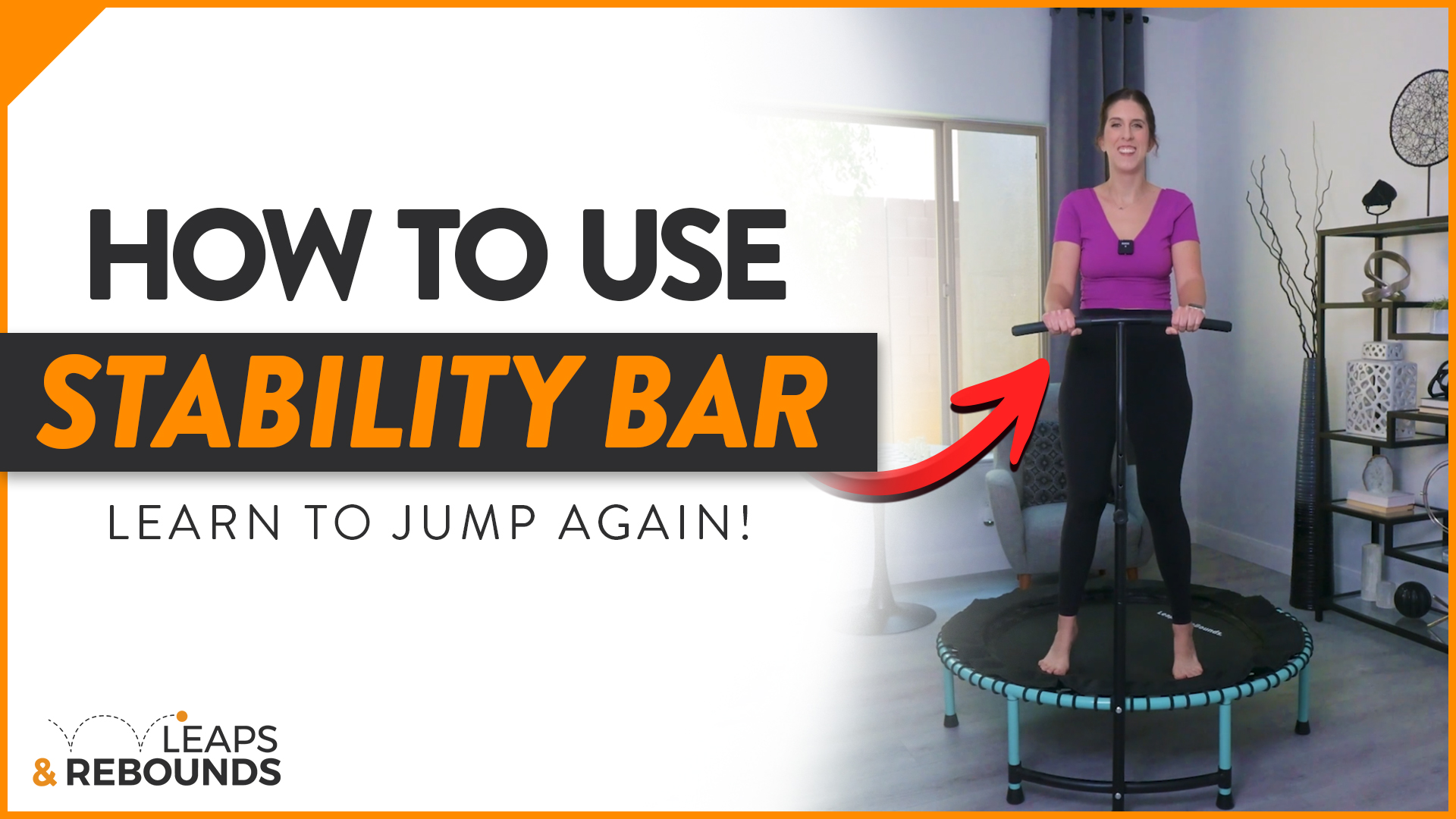
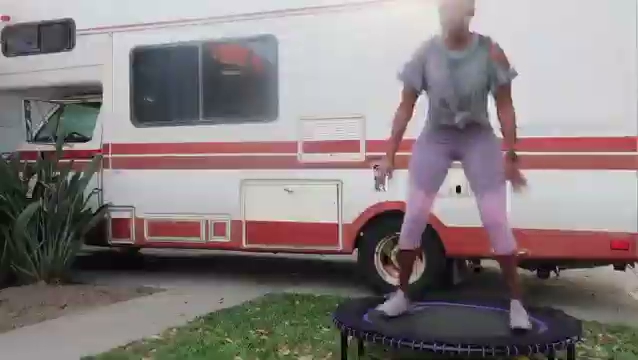
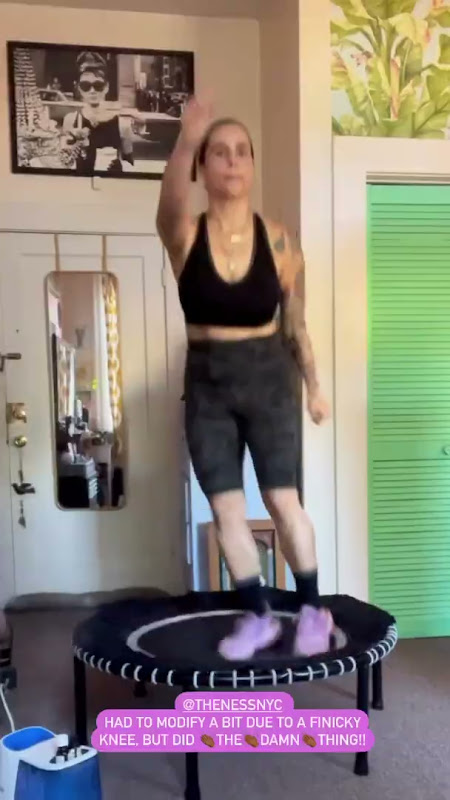
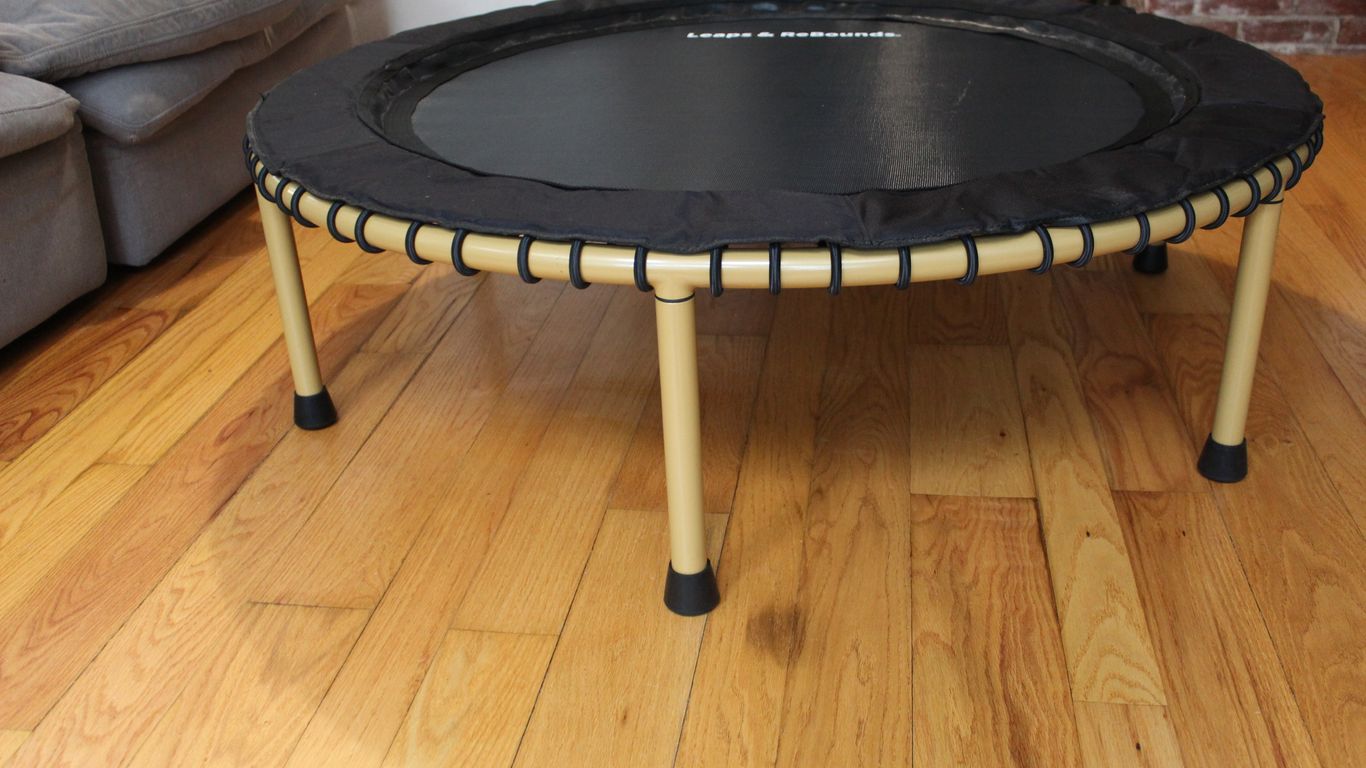
Active recovery days are not rest days where you do nothing. Instead, they're days for light activity that helps your muscles repair and reduces soreness. This could be a leisurely walk, some gentle stretching, or even a very light bike ride if you have one. The goal is to keep blood flowing without taxing your body. This helps you bounce back faster for your next workout and keeps your metabolism ticking over. Some people find that even simple bouncing on a mini-trampoline can be a great way to get your lymphatic system moving and support overall well-being, offering low-intensity aerobic benefits without the jarring impact.
Structuring Your Weekly Home Workout Plan
Putting together a weekly workout plan might sound like a lot, but honestly, it's just about making a schedule that works for you. Think of it like planning your meals or your work week – a little organization goes a long way. The goal here is to mix things up so you're hitting different parts of your body and keeping your metabolism guessing. This isn't about being perfect every single day, but about building a rhythm that helps you reach your weight loss goals.
Full Body Fat-Burning Circuits
These circuits are your best friend when you're short on time but want to get a lot done. The idea is to move from one exercise to the next with minimal rest. This keeps your heart rate up, burns a ton of calories, and works multiple muscle groups all at once. You can start with something simple like jumping jacks, then move straight into bodyweight squats, followed by push-ups (even on your knees or against a wall works!), and finish with some high knees. Doing this for a set amount of time or a certain number of reps, then repeating the whole circuit a few times, is super effective. It's a great way to get a solid workout in, maybe 20-30 minutes, and feel like you've accomplished something big.
Combining Strength and Cardio Sessions
For real weight loss results, you can't just pick one. You need both cardio to burn calories and strength training to build muscle. More muscle means your body burns more calories even when you're just sitting around. So, a good week might look like this: maybe three days of strength training and two days of cardio. You could do a full-body strength workout one day, then a dedicated cardio session the next. Or, you could even combine them into one session, doing a bit of strength work followed by some cardio. A balanced approach is key, and you can find a good starting point with a weight loss exercise plan that outlines this mix.
Planning Rest and Active Recovery Days
This is where a lot of people slip up – they think they need to work out hard every single day. Nope! Your body needs time to repair and rebuild. Rest days are just as important as workout days. On these days, you can do absolutely nothing, or you can opt for active recovery. This means light activities like a gentle walk, some stretching, or a bit of yoga. It helps with soreness and keeps your blood flowing without taxing your muscles. Aim for at least one or two rest or active recovery days each week. It’s all part of building a sustainable routine that doesn't lead to burnout. Remember, consistency over intensity is the name of the game for long-term success.
Building a weekly workout plan isn't about rigid rules; it's about creating a flexible structure that supports your weight loss journey. By incorporating circuits, balancing strength and cardio, and prioritizing rest, you create a sustainable path to fitness. This approach helps prevent burnout and ensures you can stick with it long-term, making progress feel achievable rather than overwhelming.
Here’s a sample structure to get you thinking:
Day 1: Full Body Circuit (Cardio & Strength)
Day 2: Cardio Focus (e.g., brisk walking, jumping jacks)
Day 3: Strength Focus (e.g., squats, push-ups, core work)
Day 4: Rest or Active Recovery (light walk, stretching)
Day 5: Combined Session (Strength followed by Cardio)
Day 6: Active Recovery or Light Cardio (Yoga, dance)
Day 7: Rest
This is just an example, of course. You might find that 150 minutes of cardio and two days of strength training fit your life better. The most important thing is to find a rhythm that you can maintain.
Maximizing Your Home Workouts for Weight Loss
So, you've got your home workout routine down, you're showing up consistently, and you're feeling the burn. That's awesome! But how do you make sure you're getting the absolute most out of every sweat session for weight loss? It's not just about doing the exercises; it's about understanding what's happening behind the scenes and how to optimize your efforts. The real magic happens when you combine effective workouts with smart lifestyle choices.
The Role of Basal Metabolic Rate
Think of your Basal Metabolic Rate (BMR) as your body's baseline engine. It's the number of calories you burn just by existing – breathing, thinking, sleeping. While you can't drastically change your BMR overnight, you can influence it over time, and this is where strength training really shines. Building more muscle mass, even a little, means your body needs more energy to maintain itself, even when you're not actively exercising. This means you're burning more calories 24/7. So, those bodyweight squats and push-ups aren't just for the moment; they're building a more efficient calorie-burning machine.
Nutrition's Impact on Weight Loss
Let's be real, you can't out-exercise a bad diet. While workouts are fantastic for burning calories and building strength, what you eat plays a massive role in weight loss. It's about creating a calorie deficit, meaning you consume fewer calories than your body uses. This doesn't mean starving yourself, though! It's about making smart food choices that fuel your workouts and keep you feeling full and satisfied. Focusing on whole foods, lean proteins, plenty of vegetables, and healthy fats will make a huge difference. Think of your diet and exercise as a team; they have to work together to get you to your goals.
Tracking Progress and Staying Motivated
It's easy to get discouraged if you don't see results immediately. That's why tracking your progress is so important. It's not just about the number on the scale, either. Keep a log of your workouts: how many reps you did, how long you lasted in a plank, or how you felt afterward. You might also notice changes in how your clothes fit, your energy levels, or your overall mood. Celebrating these non-scale victories can be incredibly motivating. Remember why you started and focus on the positive changes you're making for your health.
Here are some ways to keep that motivation high:
Set Mini-Goals: Instead of just "lose weight," aim for "complete 3 workouts this week" or "hold a plank for 60 seconds."
Find a Workout Buddy (Virtually or In-Person): Accountability makes a big difference. Even texting a friend after a workout can help.
Try New Things: If you're getting bored, switch up your routine. Try a new bodyweight exercise or a different style of cardio.
Reward Yourself (Wisely): Hit a milestone? Treat yourself to something non-food related, like a new workout top or a relaxing bath.
Weight loss is a journey, not a race. Consistency in your workouts and mindful eating habits are the cornerstones of sustainable results. Don't get discouraged by plateaus; they are a normal part of the process. Keep showing up for yourself, and the progress will follow. Remember that a well-rounded no-equipment plan can be incredibly effective.
Want to shed some pounds right at home? Our article, "Maximizing Your Home Workouts for Weight Loss," is packed with simple tips to help you get the most out of your exercise routine. You'll discover easy ways to boost your calorie burn and see real results without leaving your living room. Ready to start your journey to a healthier you? Visit our website today for more great advice and to find the perfect gear to support your fitness goals!
Wrapping It Up
So, there you have it. Getting in shape and losing weight doesn't need to be some big, complicated thing. You can totally do it right from your living room. Remember, the best workout is the one you'll actually do, so pick what feels good and stick with it. Small steps add up, and you've got this. Just start today, right where you are.
Frequently Asked Questions
How often should I work out at home to lose weight?
Consistency is key! Aim for at least 3-5 days a week. Even 20-30 minutes of exercise most days can make a big difference. It's better to do a little bit regularly than to do a lot once in a while.
Do I need special equipment to work out at home?
Not at all! Many effective workouts use just your body weight. You can also use everyday items like water bottles for weights or a sturdy chair for support. The most important thing is to get moving!
What's the best type of exercise for burning fat at home?
A mix of cardio and strength training is ideal. Cardio exercises like jumping jacks or brisk walking get your heart rate up to burn calories, while strength training builds muscle, which helps your body burn more calories even when you're resting.
How long will it take to see results from home workouts?
Everyone's body is different, but you can start feeling better and noticing small changes in as little as a few weeks. For more significant weight loss, stick with it consistently for a few months. Remember, progress isn't always just about the number on the scale!
Is it okay to feel sore after a workout?
Yes, some muscle soreness is normal, especially when you're starting out or trying new exercises. It means your muscles are getting stronger! However, if you feel sharp pain, stop the exercise and rest. Gentle stretching or light activity can help with soreness.
How important is diet when trying to lose weight at home?
Diet is super important! Think of exercise and healthy eating as a team. You can work out hard, but if you're eating too many calories, it's tough to lose weight. Focusing on balanced meals with lots of fruits, veggies, and lean protein will help you reach your goals much faster.


0 comments