


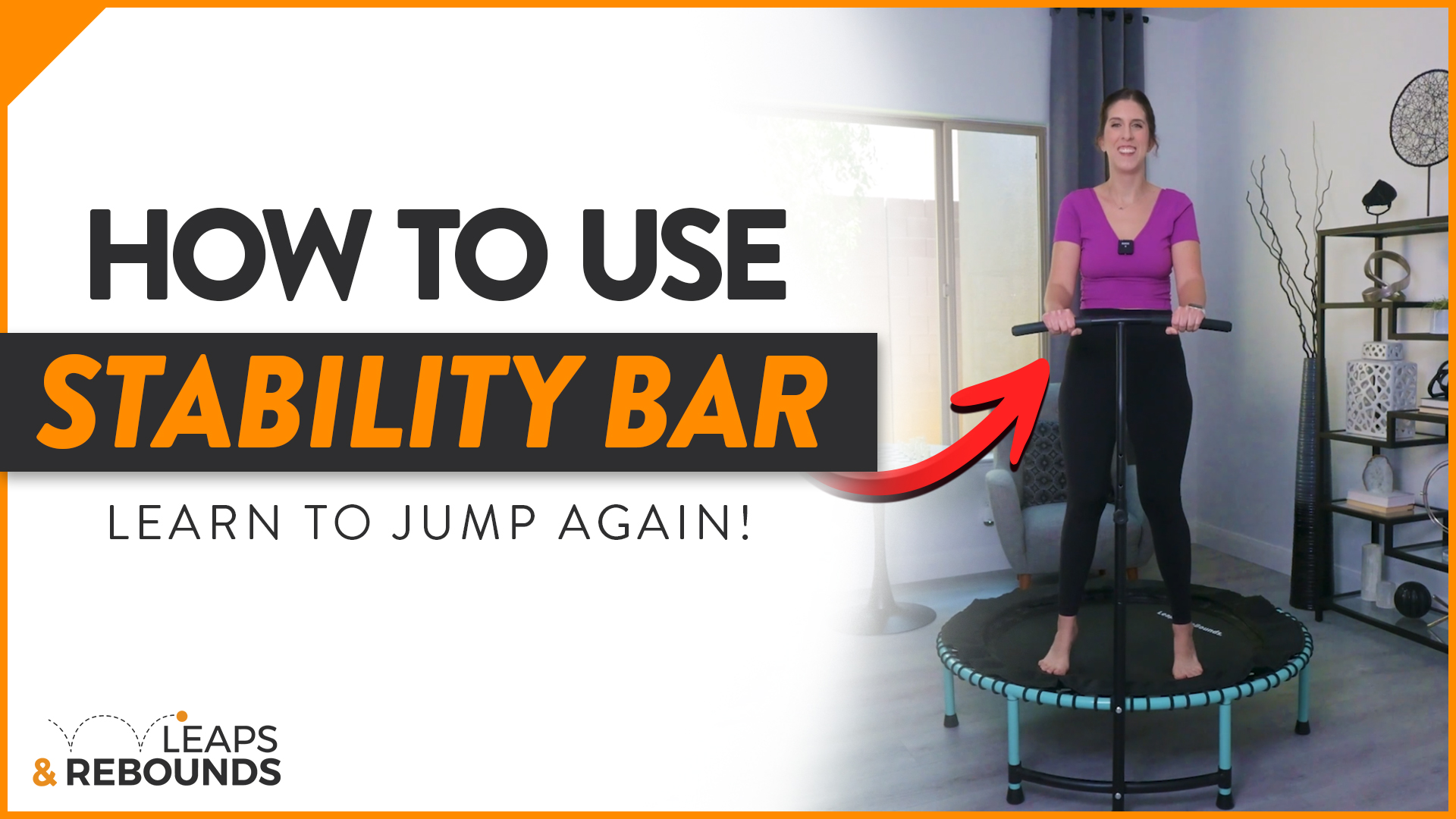








Looking to get fit without leaving your house? A workout at home for women can be a total game-changer. Life gets busy, and sometimes the easiest way to fit in some exercise is right in your living room. You don't need fancy equipment or a gym membership to see real results. This guide is here to help you set up your own fitness space, create a plan that works for you, and actually stick with it. We'll cover everything from understanding your body to making sure you're fueling yourself right. Let's get started on making your home your new favorite gym.
Key Takeaways
- Understanding your body's unique composition and muscle variations helps tailor a more effective workout at home for women.
- Creating a dedicated, focused space at home, even a small one, can significantly boost motivation and workout quality.
- Personal assessment is key; know your starting fitness level and set realistic goals to customize your workout at home for women.
- You don't need a lot of gear; budget-friendly items and household objects can substitute for traditional workout equipment.
- Consistency is vital, so find ways to overcome common distractions and maintain motivation for your workout at home for women.
Understanding Your Body For Effective Workouts
Grasping Your Unique Body Composition
Before you even think about jumping into a workout routine, it's a good idea to get a handle on what makes your body tick. We're all built a bit differently, and knowing that can really help you tailor your exercises so they work best for you. It’s not just about looking a certain way; it’s about how your body functions and what it needs.
Muscle Mass and Growth Variations
When it comes to building muscle, everyone's starting point and how quickly they see results can be pretty different. Genetics plays a big part, sure, but so does what you eat and how consistently you work out. Some women might find they build muscle faster in certain areas, while others might see slower, steadier progress across the board. This isn't a race, and it's totally normal to have these variations.
Understanding these differences means you can set realistic expectations and celebrate your own progress, no matter how it looks compared to someone else's journey.
Upper Body Versus Full Body Focus
Deciding whether to focus on your upper body or go for a full-body approach depends on your goals. If you're aiming to build strength and definition in your arms, shoulders, and back, then targeted upper body workouts make sense. However, for overall fitness, better coordination, and burning more calories, a full-body routine that engages multiple muscle groups at once is often more effective. Many women find a mix of both works well.
Here's a simple way to think about it:
- Upper Body Focus: Good for targeted muscle growth and definition in arms, shoulders, chest, and back.
- Full Body Focus: Great for overall conditioning, calorie burn, and functional strength.
- Combined Approach: Offers the benefits of both, leading to well-rounded fitness.
Creating Your Ideal Home Workout Sanctuary
Okay, so you've decided to get serious about working out at home. That's awesome! But before you start doing burpees in the middle of your living room, let's talk about setting up your space. It might sound like a small thing, but honestly, having a dedicated spot can make a huge difference in actually sticking with your fitness routine. It’s like, if you have a nice kitchen, you’re more likely to cook, right? Same idea here.
Optimizing Your Available Space
First off, you don't need a massive room. Seriously. Even a small corner can work. The key is to make sure you have enough room to move without feeling cramped. Think about what exercises you'll be doing. If you plan on doing a lot of stretching or yoga, you'll need space to lie down and extend your limbs. If it's more about jumping jacks and high knees, you'll need vertical and horizontal clearance. Try to clear out any clutter that might get in your way. Maybe move that side table or stack those magazines. The goal is to create a clear zone where you can move freely and safely.
Keeping Essential Tools Within Reach
Next up, let's talk about your gear. Whatever you plan on using – maybe some resistance bands, a yoga mat, a set of dumbbells, or even just a water bottle – keep it close by. Having to rummage through a closet every time you need something breaks your momentum. It’s way easier to just grab what you need and go. If you're doing bodyweight exercises, you might not need much, but having your mat or a towel handy is still a good idea. Think about a small shelf, a basket, or even just a designated spot on the floor. Whatever works for your setup.
Cultivating the Right Atmosphere for Focus
This is where the magic happens. You want your workout space to feel like a place you want to be, not a chore. What does that mean? Well, for starters, good lighting helps. Natural light is great if you can get it. If not, a bright lamp can do wonders. Music is another big one. Put together a playlist that gets you pumped up. And ventilation! Open a window if you can. Nobody likes working out in a stuffy room. It’s about creating a little bubble where you can focus on yourself and your workout without the usual distractions of home life. It doesn't have to be fancy, just functional and motivating for you.
Creating a dedicated workout sanctuary, even a small one, signals to your brain that it's time to focus on fitness. It helps separate your workout time from your relaxation or work time, making it easier to get into the right mindset and stay consistent.
Tailoring Your Fitness Plan: A Personal Assessment
Before you even think about jumping into a bunch of exercises, it's super important to figure out where you're starting from. Seriously, just winging it can lead to frustration or even injuries. It’s like trying to bake a cake without knowing if you have flour – you’re probably not going to get the result you want.
Establishing Your Baseline Fitness Level
So, how do you actually figure out your starting point? It’s not as complicated as it sounds. You can do a few simple tests to get a general idea. Think about how many push-ups you can do, how long you can hold a plank, or how fast you can walk a mile. This gives you something concrete to measure against later on. You can even use a free fitness assessment template to help organize this information. It’s all about getting a snapshot of your current abilities so you know what progress looks like.
Here’s a quick way to get a baseline:
- Cardio: Time yourself walking or jogging a set distance (like a mile) or see how long you can sustain a brisk pace.
- Strength: Count how many standard push-ups (on knees or toes) you can do with good form. See how long you can hold a plank.
- Flexibility: Can you touch your toes? How easily can you reach overhead?
Setting Clear and Achievable Fitness Goals
Once you know your starting line, you can set some actual goals. What do you want to achieve? Maybe you want to be able to do 10 full push-ups, run a 5k without stopping, or simply feel more energetic throughout the day. Make your goals SMART: Specific, Measurable, Achievable, Relevant, and Time-bound. Instead of saying "I want to get fit," try "I want to be able to do 20 squats in a row within the next month."
Customizing Workouts to Your Strengths
Everyone has different strengths and weaknesses. Maybe you’re naturally strong in your legs but find upper body exercises a challenge. That’s totally normal! Your plan should play to your strengths while also working on areas that need improvement. If you love dancing, incorporate more cardio that feels like fun. If you’re good at holding poses, maybe yoga or Pilates is a great addition. It’s about building a routine that you’ll actually stick with because it feels good and you see yourself getting better.
Don't just copy someone else's workout plan. What works for your friend might not be the best fit for you. Your body is unique, and your fitness plan should reflect that.
By taking the time to assess yourself and set realistic goals, you’re setting yourself up for success. It’s the foundation for a home workout plan that actually works for you.
Essential Equipment and Smart Alternatives
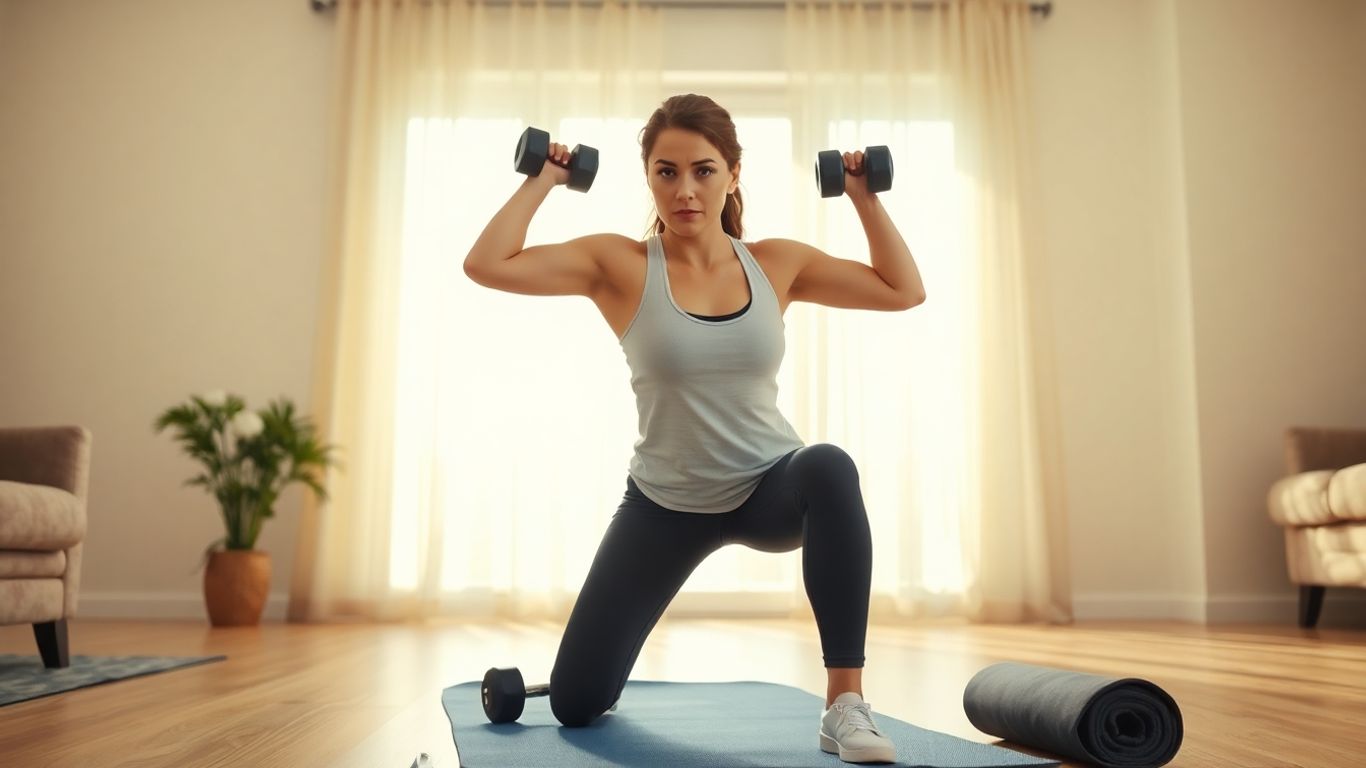
You don't need a fancy gym membership or a room full of expensive machines to get a great workout at home. The good news is, you can build a solid fitness routine with just a few key items, or even with things you already have around the house. Focus on what you can do with what you have.
Budget-Friendly Workout Gear
When you're starting out, it's smart to invest in a few versatile pieces that can grow with you. These items offer a lot of bang for your buck and can be used in countless exercises.
- Resistance Bands: These are fantastic for adding resistance to almost any movement. They come in different strengths, so you can start light and move up as you get stronger. Great for arms, legs, and core work.
- Exercise Mat: A good mat provides cushioning for floor exercises like crunches, planks, or yoga. It also gives you a defined space to work out in, which can help with focus.
- Jump Rope: Don't underestimate the power of a simple jump rope! It's a super effective way to get your heart rate up for a cardio session, and it's easy to store.
Creative DIY Equipment Solutions
No budget for new gear? No problem! You can get creative with everyday items.
- Filled Water Bottles or Cans: Grab a couple of sturdy water bottles or soup cans. They work perfectly as light dumbbells for exercises like bicep curls or shoulder presses. You can even adjust the weight by adding or removing water.
- Stairs: If you have stairs in your home, they're a built-in gym! Use them for step-ups, calf raises, or even quick cardio bursts. Just be mindful of your footing.
- Sturdy Chair or Couch: A stable chair can be used for tricep dips, incline push-ups, or Bulgarian split squats. Just make sure it won't slide.
Leveraging Household Items for Resistance
Think outside the box! Many common household items can provide resistance for your workouts.
- Towels: Use a towel for exercises like sliding lunges or hamstring curls. Place your feet on the towel on a smooth floor and slide your legs in and out.
- Backpack: Fill a backpack with books, water bottles, or other heavy items. You can wear it for added weight during squats, lunges, or push-ups.
- Broomstick or Mop Handle: This can be used for stretching, mobility exercises, or as a guide for form during certain movements.
The key is to be resourceful. You don't need a lot of fancy equipment to challenge your body. By using what you have, you can create a varied and effective workout routine right in your own home. It's all about making fitness accessible and sustainable for you.
Priming Your Body: Warm-Ups and Cool-Downs
The Importance of Dynamic Warm-Up Routines
Getting ready for your workout is just as important as the workout itself. Think of it like preparing your car for a long drive – you wouldn't just hop in and go, right? Your body needs a similar kind of attention. A good warm-up gets your blood flowing, wakes up your muscles, and gets your joints ready for movement. This helps prevent those annoying strains and pulls that can sideline you. A dynamic warm-up is all about movement, not just holding stretches. It prepares your body for the specific actions you're about to do.
Here are some ideas to get you started:
- Jumping Jacks: A classic for a reason. They get your heart rate up quickly and engage your whole body. Aim for about a minute.
- Arm Circles: Start with small circles forward, then backward, gradually making them bigger. This loosens up your shoulders.
- Leg Swings: Stand near a wall for balance and swing one leg forward and backward, then side to side. Do this for about 30 seconds per leg in each direction.
- Torso Twists: Stand with your feet shoulder-width apart and gently twist your upper body from side to side. Keep your hips relatively still.
These movements help increase blood flow to your muscles and improve your range of motion, making your workout safer and more effective. You can find a quick, full-body routine that includes these elements if you're short on time.
Essential Cool-Down Stretches for Recovery
After you've finished your main workout, don't just stop and sit down. Your body needs a chance to gradually return to its resting state. This is where the cool-down comes in. It helps your heart rate come down slowly and can reduce muscle soreness later on. Static stretching, where you hold a stretch for a period, is great for this phase.
Try these stretches:
- Quad Stretch: Stand and pull one heel towards your glutes, holding your ankle. Keep your knees close together. Hold for 20-30 seconds per leg.
- Hamstring Stretch: Sit on the floor with one leg extended and the other bent. Lean forward from your hips towards the extended foot. Hold for 20-30 seconds per leg.
- Triceps Stretch: Reach one arm overhead, bend your elbow, and let your hand fall behind your head. Use your other hand to gently push down on the bent elbow. Hold for 20-30 seconds per side.
- Child's Pose: A gentle yoga pose that's perfect for relaxing your back and shoulders after a workout.
Integrating Movement Preparation into Your Day
Sometimes, fitting in a dedicated warm-up and cool-down feels like another task on an already long list. But you can weave movement preparation into your daily life. Even small bursts of activity can make a difference. For instance, if you're sitting for long periods, take a few minutes every hour to stand up, walk around, and do a couple of simple stretches. This keeps your body from getting stiff and can make your next workout feel easier. Think of it as keeping your engine running smoothly between uses.
It's easy to skip the warm-up and cool-down when you're eager to start or just want to be done. But these steps are not optional extras; they are part of the workout itself. They protect your body and help you get the most out of your efforts.
Workout Strategies for Every Fitness Level
Getting started with a home workout routine can feel a bit overwhelming, especially when you're not sure where to begin. The good news is, there's a way to approach fitness that works for everyone, no matter if you're just starting out or you've been exercising for a while. It's all about finding what fits you right now and then gradually building from there.
Beginner-Friendly Routines to Start With
If you're new to working out, the key is to keep things simple and focus on learning the movements. You don't need to do super intense workouts right away. Start with routines that use your own body weight or light weights. This helps you build a base without risking injury. Think about exercises like squats, lunges, push-ups (even on your knees!), and planks. Consistency is way more important than intensity when you're just beginning.
- Focus on form: Make sure you're doing each exercise correctly. It's better to do fewer reps with good form than many with bad form.
- Listen to your body: Don't push through sharp pain. Rest when you need to.
- Start short: Aim for 20-30 minute workouts a few times a week. You can always add more time later.
Starting with basic movements and gradually increasing duration or frequency is a smart way to build confidence and physical capacity without feeling discouraged.
Progressive Overload for Continued Gains
Once you've been doing your beginner routines for a few weeks and they start to feel easier, it's time to think about progressive overload. This is basically the idea of making your workouts a little bit harder over time. This is how your body keeps getting stronger and fitter. You can do this in a few ways:
- Increase weight: If you're using dumbbells, try a slightly heavier pair.
- More reps or sets: Do more repetitions of an exercise, or add an extra set.
- Reduce rest time: Shorten the breaks between your sets.
- Increase frequency: Add another workout day to your week.
It doesn't have to be a huge jump each time. Small, consistent increases are the most effective way to keep seeing results without burning out.
Advanced Techniques for Enhanced Results
For those who have been consistent with their workouts and are looking to push their limits, there are several advanced techniques you can incorporate. These methods are designed to challenge your muscles in new ways, leading to greater strength, muscle growth, and improved performance. Think about incorporating techniques like supersets (doing two exercises back-to-back with no rest), drop sets (performing a set to failure, then immediately reducing the weight and continuing), or plyometrics (explosive movements like jump squats). These advanced strategies can significantly boost the intensity of your home workouts, but it's important to ensure your body is ready for them and to prioritize recovery to avoid overtraining.
| Technique | Description |
|---|---|
| Supersets | Performing two different exercises consecutively without rest. |
| Drop Sets | Performing a set to fatigue, then reducing the weight and continuing. |
| Plyometrics | Explosive exercises that involve jumping or rapid stretching and contracting. |
| High-Intensity Interval Training (HIIT) | Short bursts of intense exercise followed by brief recovery periods. |
Fueling Your Fitness Journey: Nutrition Strategies
Hydration: The Unsung Hero of Workouts
Water is seriously important, and not just when you're thirsty. Think of it as your workout's best friend. Whether you're doing a high-intensity cardio session or a gentle yoga flow, staying hydrated helps your body perform better and recover faster. It's easy to forget to drink enough, especially when you're focused on your exercises, but making a conscious effort to sip water throughout the day, and especially before, during, and after your workout, makes a big difference. Keep a water bottle nearby – it’s a simple habit that pays off.
Pre and Post-Workout Meal Planning
What you eat before and after your workout can really impact how you feel and how your body responds. For energy before you start, aim for a mix of complex carbohydrates and some lean protein. Things like a small bowl of oatmeal with berries, or a piece of whole-wheat toast with a thin layer of peanut butter work well. They give you sustained energy without feeling too heavy. After you've finished exercising, it's time to refuel your muscles. A good combination would be protein to help repair muscle tissue and some carbs to replenish your energy stores. A smoothie with protein powder and fruit, or grilled chicken with some sweet potato are good options.
Here’s a quick look at some ideas:
- Pre-Workout (1-2 hours before):
- Banana with a tablespoon of almond butter
- Small serving of Greek yogurt with a few berries
- Oatmeal with a sprinkle of nuts
- Post-Workout (within 30-60 minutes after):
- Protein shake with water or milk
- Chicken breast with quinoa
- Lentil soup with a side of whole-grain bread
Avoiding Common Nutritional Pitfalls
It's super common to feel extra hungry after a workout, and sometimes that leads to reaching for less healthy options. Sugary snacks or fast food might seem tempting, but they often don't provide the nutrients your body needs for recovery. On the flip side, completely starving yourself isn't the answer either. Finding a balance is key.
Eating enough nutritious food supports your body's efforts during exercise and aids in recovery. It's about fueling your body for performance and health, not just restricting yourself. Think of food as a tool to help you reach your fitness goals.
Remember, consistency in your eating habits, just like in your workouts, is what truly makes a difference in the long run. It’s not about perfection, but about making smart choices most of the time.
Overcoming Common At-Home Workout Hurdles
Let's be real, working out at home sounds great in theory. No commute, no waiting for machines, just you and your fitness goals. But then life happens, right? The couch looks way too inviting, your phone buzzes with notifications, or maybe your dog decides it's the perfect time for a wrestling match. These little things can really throw you off track. It's easy to get distracted when your workout space is also your living space. The key is to acknowledge these challenges and have a plan to tackle them head-on.
Managing Distractions in Your Home Environment
Distractions are probably the biggest culprit when it comes to skipping a home workout. It's not just the siren song of Netflix; it's also the sudden urge to do laundry or answer emails that you'd normally ignore. Here’s how to fight back:
- Schedule It Like an Appointment: Treat your workout time as non-negotiable. Put it in your calendar and stick to it. If you have a meeting, you wouldn't just skip it, right? Same goes for your fitness.
- Create a 'Do Not Disturb' Zone: Even if it's just a corner of a room, designate your workout area. Let family members or roommates know that when you're in this space and the music is on, you're focused and shouldn't be interrupted unless it's an emergency.
- Tech Detox: Put your phone on silent or airplane mode. If you need music or a timer, use a dedicated device or a playlist that doesn't involve social media notifications.
- Pre-Plan Your Activities: If you know you tend to get sidetracked by chores, try to get them done before your workout. That way, they won't be looming over you.
Sometimes, the biggest hurdle isn't the workout itself, but the mental battle to get started. Acknowledging that it's okay to struggle and having a few go-to strategies can make all the difference.
Maximizing Limited Space and Equipment
Not everyone has a sprawling home gym. Many of us are working out in living rooms, bedrooms, or even small apartments. This can make certain exercises feel impossible. But don't let a lack of space or fancy gear stop you. You'd be surprised what you can do with what you have.
- Think Vertically: If you can't spread out, think up! Exercises like pull-ups (if you have a bar) or even certain types of plyometrics can utilize vertical space.
- Get Creative with Household Items: As mentioned before, water bottles can be weights, chairs can be used for step-ups or triceps dips, and towels can add resistance to certain movements. Don't underestimate the power of everyday objects.
- Focus on Compound Movements: Exercises that work multiple muscle groups at once, like squats, lunges, and push-ups, are incredibly efficient and don't require much space. You can get a great workout with just your body weight.
- Consider a Fitness Challenge: Sometimes, a bit of friendly competition can be motivating. You might find some fun ideas for a fitness challenge competition.
Maintaining Motivation and Consistency
This is the big one, isn't it? How do you keep showing up, day after day, when the initial excitement wears off? Consistency is built on habits, and habits are built on small, consistent actions.
- Track Your Progress: Seeing how far you've come is a huge motivator. Keep a workout journal, use an app, or even just take progress photos. Notice improvements in strength, endurance, or how your clothes fit.
- Find an Accountability Partner: This could be a friend, family member, or even an online group. Knowing someone else is counting on you, or that you're sharing the journey, can make a big difference.
- Vary Your Routine: Doing the same thing every single day can get boring. Mix up your workouts. Try a new type of exercise, follow a different online class, or focus on a different muscle group each day.
- Reward Yourself: Set small milestones and give yourself a non-food-related reward when you hit them. Maybe it's a new book, a relaxing bath, or some downtime to enjoy a hobby.
Your Fitness Journey Starts Now
So, you've made it through the guide! Remember, transforming your fitness doesn't require a fancy gym or tons of equipment. Your home can totally be your workout space. We've covered everything from understanding your body to setting up your area and even what to eat. The most important thing now is to just start. Pick a workout, do it, and don't worry about being perfect. Consistency is key, and you'll get stronger and fitter with every session. Keep moving, stay motivated, and enjoy the process of becoming a healthier, stronger you, right from your own living room.
Frequently Asked Questions
Can working out at home really help me get stronger or lose weight?
Absolutely! You can totally build muscle and lose weight by working out at home. The key is to keep challenging your muscles by doing more reps, trying harder moves, or slowing down your movements. Pairing your workouts with healthy eating habits is also super important for losing weight.
What are some easy ways to get started with home workouts if I'm a beginner?
Start with simple bodyweight exercises like squats, push-ups (even against a wall or counter), and lunges. Make sure to warm up your body first with some light movement. As you get stronger, you can try harder versions of these exercises or add light weights.
Do I need fancy equipment to have a good home workout?
Not at all! You can get a great workout using just your body weight. If you want to add some resistance, you can use things you already have at home like filled water bottles for weights or even stairs for cardio and strength. Resistance bands and a jump rope are also affordable options.
How important is warming up and cooling down?
Warming up is like prepping your body for action – it gets your muscles ready and increases your heart rate to help prevent injuries. Cooling down helps your body recover after the workout. Both are super important for a safe and effective exercise session.
What if I get easily distracted at home?
It's common to face distractions like TV or chores. Try setting specific times for your workouts and letting others in your household know you need uninterrupted time. Creating a dedicated workout space, even a small one, can also help you focus better.
How can I make sure my home workouts are effective and I keep seeing results?
To keep getting better, you need to gradually make your workouts harder. This is called progressive overload. You can do this by increasing the number of repetitions, lifting slightly heavier weights, or trying more challenging exercise variations. Listening to your body and resting when needed is also key.


0 comments