


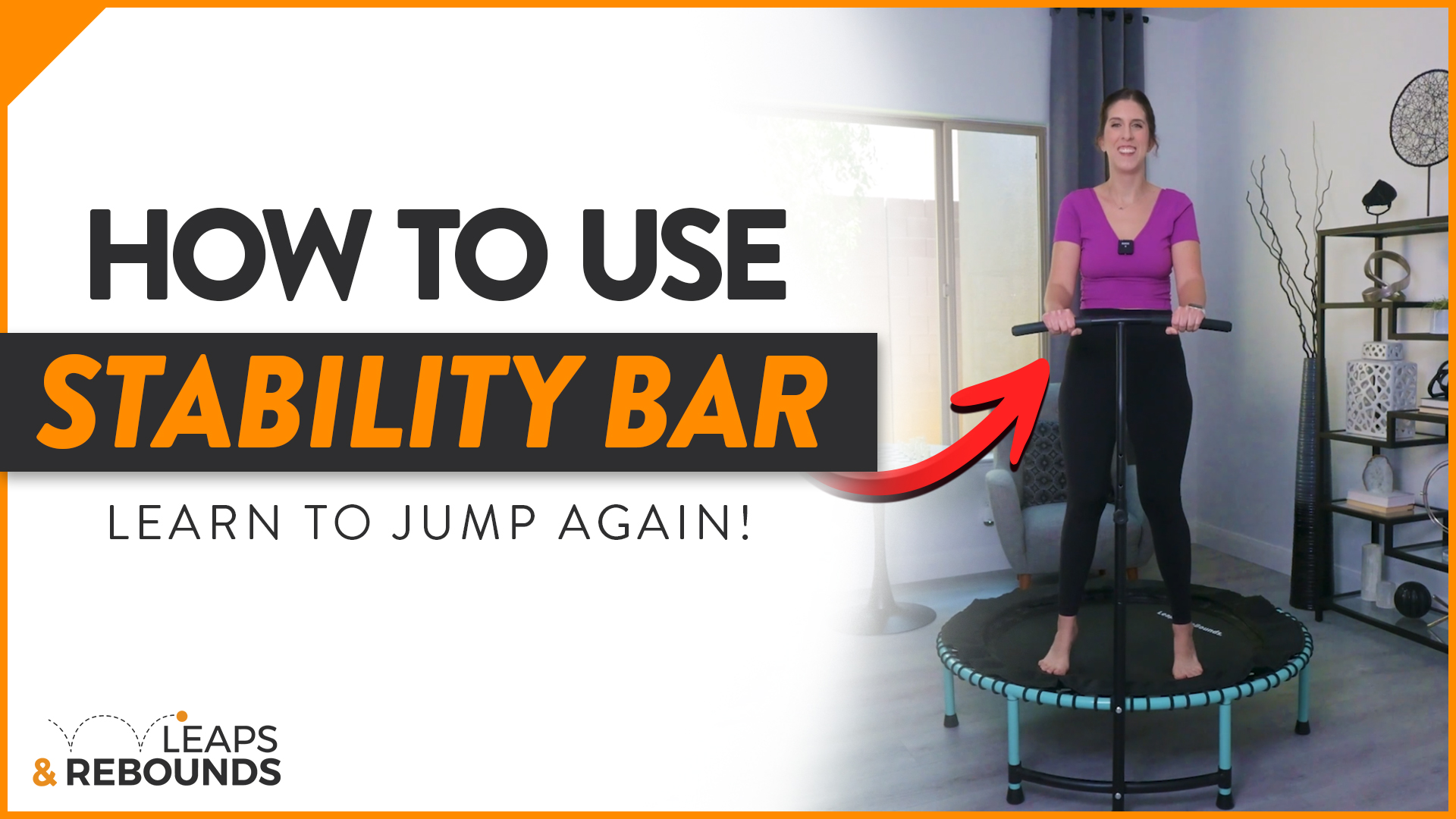





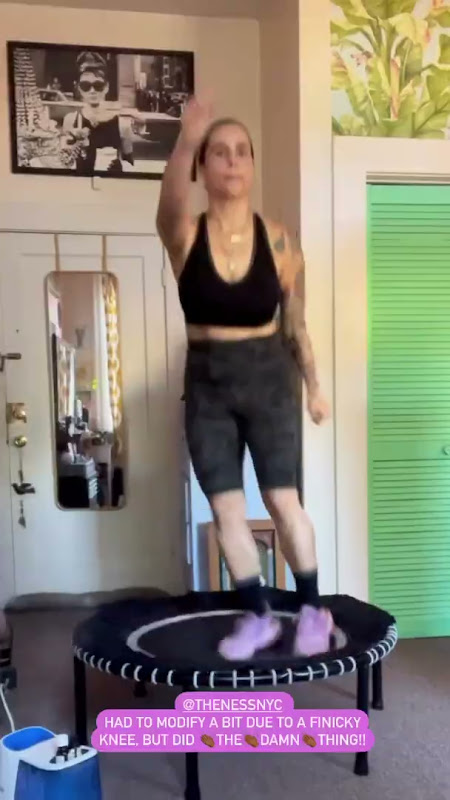




Forget the pounding pavement and monotonous miles. A new fitness trend is taking flight, with individuals swapping their running shoes for mini trampolines, or "rebounders." This low-impact, high-energy activity is gaining traction for its surprising effectiveness and sheer fun factor, promising a full-body workout that's as enjoyable as it is beneficial.
Key Takeaways
- Rebounding offers a low-impact cardiovascular workout that can be more effective than running for oxygen uptake.
- It provides a full-body engagement, working core, legs, and improving balance and coordination.
- The activity is known for its mood-boosting effects and can be a therapeutic outlet.
- Rebounding supports bone health and lymphatic drainage.
- It's an accessible and adaptable exercise suitable for various fitness levels and ages.
The Rise of Rebounding
Celebrities like Eva Longoria and Kate Beckinsale have been spotted embracing the trend, but the appeal of rebounding goes far beyond celebrity endorsement. A NASA study from the 1980s highlighted its efficiency, suggesting that just 10 minutes of rebounding could be significantly more effective than 30 minutes of jogging in terms of oxygen uptake and heart rate. This research, combined with the growing desire for enjoyable and effective home workouts, has propelled rebounding into the fitness spotlight.
Beyond the Bounce: The Benefits Unpacked
Rebounding's advantages extend far beyond a simple cardio boost. Its low-impact nature means it's gentle on joints, making it an excellent alternative for those with knee, ankle, or hip pain, or for individuals recovering from injuries. The trampoline mat absorbs a significant portion of the impact, reducing stress by up to 85% compared to running on hard surfaces.
Furthermore, the dynamic nature of bouncing engages the entire body. While the legs power the movement, the core works overtime to maintain stability, and incorporating arm movements can transform it into a comprehensive workout. This constant need for balance and coordination also sharpens cognitive skills, making it a form of "brain training" in disguise.
A Mood Booster and More
Many enthusiasts report a significant uplift in mood and energy levels after rebounding sessions. The rhythmic motion, combined with the playful nature of bouncing, releases endorphins, often described as a "feel-good" effect that can last throughout the day. Beyond the mental benefits, rebounding is also lauded for its positive impact on the lymphatic system, aiding in detoxification and immune function. The gentle stress placed on bones during bouncing can also contribute to improved bone density, a crucial factor as people age.
Making it Work for You
Rebounding is remarkably adaptable. Beginners can start with short, 5-10 minute sessions, focusing on controlled bounces and proper form, gradually increasing duration and intensity. The availability of online classes and routines caters to all levels, from gentle bouncing to more dynamic, high-intensity intervals. For those looking to add an extra challenge, incorporating light weights or resistance bands can further enhance the workout.
While it may not entirely replace the specific training required for events like marathons, rebounding offers a compelling and enjoyable alternative for general fitness, joint health, and overall well-being. Its accessibility, efficiency, and sheer fun factor are making it a popular choice for those seeking a fresh and effective way to stay active.
Sources
- Trampoline workout: Why I swapped cardio for this exercise, Woman & Home.
- Is Rebounding More Effective Than Running? I Tried It, Marie Claire UK.
- I swapped my daily 5K run for a 7-minute rebounder workout – here’s what happened, T3.
- I swapped daily runs for ‘rebounding’ — here’s what surprised me most, Tom's Guide.
- I Tried Trampoline Workouts for a Month—Here's My Review, Who What Wear.


0 comments