










Thinking about getting a trampoline or maybe just need to replace some parts? It can feel a bit overwhelming, right? Especially when it comes to safety. One thing that's super important, but maybe not the first thing you think of, is the trampoline spring cover. This little piece of gear is actually a big deal for keeping everyone safe while they're bouncing around. We'll break down what you need to know to pick the right one, so you can worry less about boo-boos and more about having fun.
Key Takeaways
- Make sure your trampoline spring cover fits your specific trampoline model. A loose cover is no good for safety.
- Look for covers made from tough, weather-resistant materials. Things like UV-treated PVC and waterproof fabrics mean it'll last longer outside.
- Check how the cover attaches. Secure straps or ties are better than just laying it on top.
- Consider if you're dealing with traditional springs or a springless system, as this affects the type of cover or padding you need.
- Don't forget to read what other people say about a trampoline spring cover before you buy it. Reviews can tell you a lot.
Understanding Trampoline Spring Cover Essentials
When you think about trampoline safety, your mind probably goes straight to the netting, right? And yeah, that's a big part of it. But what about those springs? They're kind of a big deal too, and they need their own layer of protection. That's where spring covers, or pads, come in. They're not just there to make things look pretty; they're a pretty important safety feature.
The Critical Role of Trampoline Spring Covers
So, why bother with spring covers? Well, think about it. When someone's jumping, especially if they get a bit wild, they can easily land near or even on those metal springs. These covers act as a buffer, preventing direct contact with the coils and the trampoline frame. Without them, you're looking at a much higher risk of pinched fingers, scraped knees, or worse. They're designed to keep jumpers safely on the mat and away from the mechanical bits.
Identifying Key Safety Features in Spring Covers
Not all spring covers are created equal, though. When you're looking for one, keep an eye out for a few things. First, the material. You want something that's tough and can handle being bounced on and exposed to the weather. Thick foam padding is usually the way to go, as it absorbs impact well. Then there's how it attaches. It needs to stay put, no matter how much action is happening on the trampoline. Look for strong ties or a snug fit that won't shift around. A good cover should also be water-resistant and UV-treated to last longer outdoors.
Here’s a quick rundown of what to look for:
- Padding Thickness: Thicker foam means better impact absorption.
- Attachment System: Secure ties or a tight fit are a must.
- Material Quality: Look for UV resistance and water repellency.
- Coverage: Does it cover the entire spring area and frame edge?
Assessing Your Trampoline's Specific Needs
Before you buy anything, take a good look at your trampoline. What size is it? What kind of springs does it have? Some trampolines have really long springs, while others have shorter ones. You'll also want to check the condition of your current cover, if you have one. Are there any rips or tears? Is the padding worn out? Knowing these details will help you find a replacement that fits perfectly and offers the best protection. It’s also worth considering if you need a cover that works with a trampoline safety enclosure or if it’s a standalone piece. Getting the right fit is half the battle when it comes to keeping everyone safe.
Sometimes, the simplest solutions are the most effective. A good spring cover might seem like a small detail, but it plays a big role in preventing common trampoline injuries. Don't overlook it when you're thinking about safety upgrades.
Prioritizing Safety with Quality Spring Covers
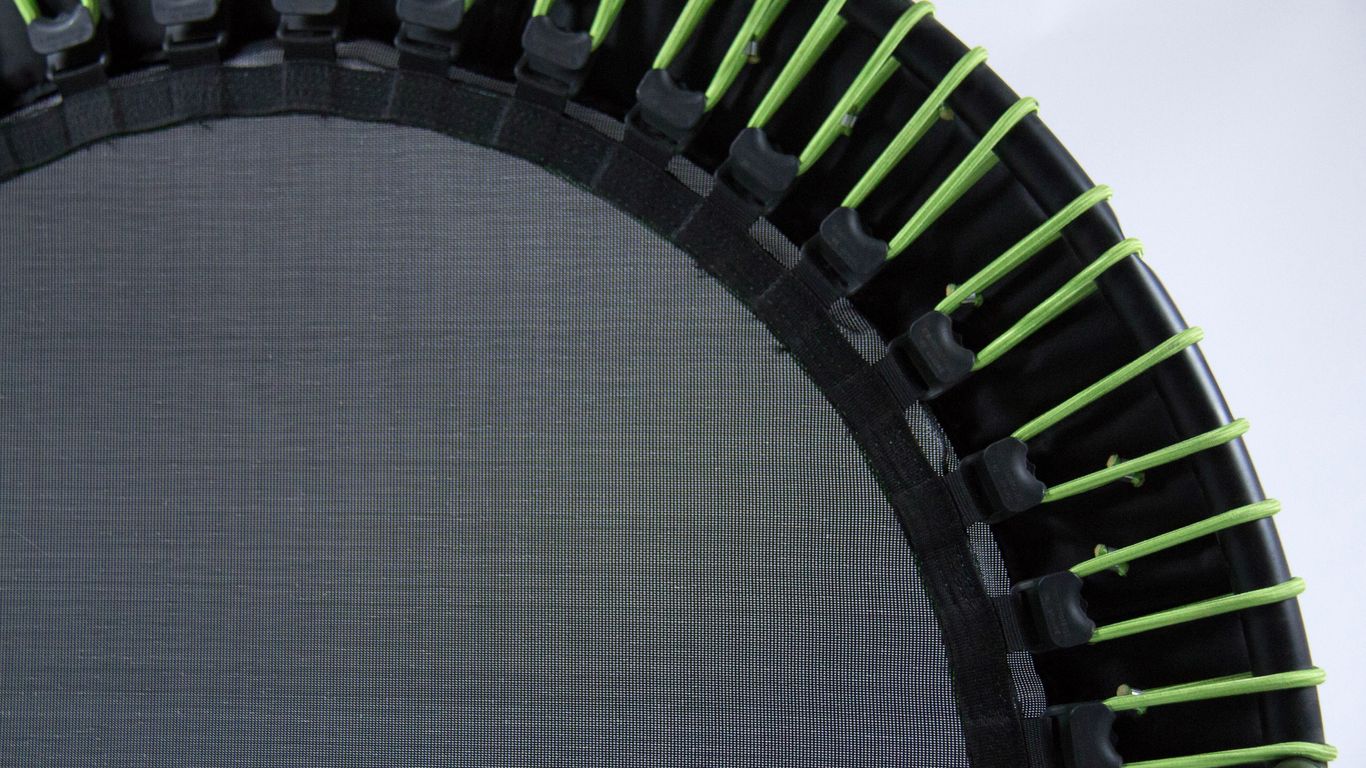
When you're looking at trampoline parts, especially the bits that protect the springs, quality really matters. It's not just about making the trampoline look tidy; it's about stopping people from getting hurt. Think about the materials used for the netting and the padding around the springs. You want stuff that's tough and can take a beating, but also soft enough to cushion a fall. Some covers are made from really thin plastic that cracks after a season, and that's no good. Look for thicker, more durable fabrics that can handle being out in the sun and rain.
Evaluating Netting and Padding Materials
It's pretty straightforward: better materials mean better protection. For netting, you're generally looking at polyethylene or polyester. Polyethylene is often a bit softer and more flexible, while polyester can be stronger. What's important is how it's woven – a tighter weave means it's less likely to tear. For padding, the foam inside is key. You want dense foam that won't compress too easily. Some brands use closed-cell foam, which doesn't soak up water, so it won't get all moldy and gross. The best padding feels firm but gives a little when you press it.
Ensuring Secure Attachment and Fit
Even the best materials won't do much good if the cover doesn't stay put. A spring cover that shifts around during use is a hazard. You need to make sure it attaches securely to your trampoline frame. Most covers use ties, straps, or a combination of both. Check how many attachment points there are and if they seem sturdy. A cover that fits snugly, without a lot of slack, is going to be much safer. It's like putting a good lid on a pot – you don't want it rattling off.
Understanding Springless Systems vs. Traditional Springs
This is a big one. Traditional trampolines have exposed springs that need covers. Springless trampolines, like those from Springfree, use a different system, often with flexible rods under the jumping mat, eliminating the need for spring covers altogether. If you have a traditional trampoline, the quality of your spring cover is directly tied to how safe those springs are. For springless models, the safety is built into the design, which is a whole different ballgame. It's worth looking into the different types of trampoline safety systems out there.
When you're shopping for replacement parts, always double-check the measurements. A cover that's even a few inches too big or too small can cause problems. It's better to spend a little extra time confirming the size than to buy something that won't work right.
Durability and Weather Resistance Factors
When you're picking out new parts for your trampoline, especially things like padding and covers, you really want them to last. Nobody wants to buy something only to have it fall apart after a few months, right? That's where durability and how well something holds up against the weather come into play. It’s not just about how it looks, but how it performs when the sun is beating down or the rain starts to fall.
Choosing UV-Resistant and Waterproof Materials
Think about where your trampoline lives. If it's out in the open all year, it's going to get a lot of sun. UV rays can really break down materials, making them brittle and faded. So, looking for covers and padding that are specifically treated to resist UV damage is a smart move. It’s like putting sunscreen on your trampoline parts! Similarly, you don't want water just sitting on your trampoline or soaking into the padding. Waterproof or at least water-resistant materials help keep everything dry and prevent mold or mildew from setting in. This is super important for keeping the whole setup safe and sound, no matter the weather.
Assessing Longevity Against Wear and Tear
Beyond just the weather, consider how much use your trampoline gets. If you've got kids who are on it constantly, the padding and covers will take a beating. You'll want to check for things like reinforced stitching, especially on seams and attachment points. These are often the first places to show wear. Some materials are just tougher than others. For instance, a thick, high-density foam covered in a strong PVC fabric will likely hold up better than a thinner, flimsier option. It’s worth spending a little extra upfront for something that won’t need replacing every season.
The Importance of Galvanized Coatings for Springs
Now, let's talk about the springs themselves. These are the workhorses of the trampoline, and they're constantly under tension. Rust is the enemy here. If your springs start to rust, they can weaken, and that's a big safety concern. That's why a galvanized coating is so important. Galvanization is a process that coats the steel with a layer of zinc, which acts as a protective barrier against rust and corrosion. You'll often see springs described as "fully galvanized." This means they've been treated thoroughly to give them the best defense against the elements. It’s a simple feature, but it makes a huge difference in how long your springs will last and how safe they remain.
When you're looking at replacement parts, don't just glance at the price tag. Think about what it's made of and how it's built. A well-made, weather-resistant part might cost a bit more now, but it'll save you headaches and money down the road. It's about getting good value and keeping everyone safe.
Compatibility and Installation Considerations
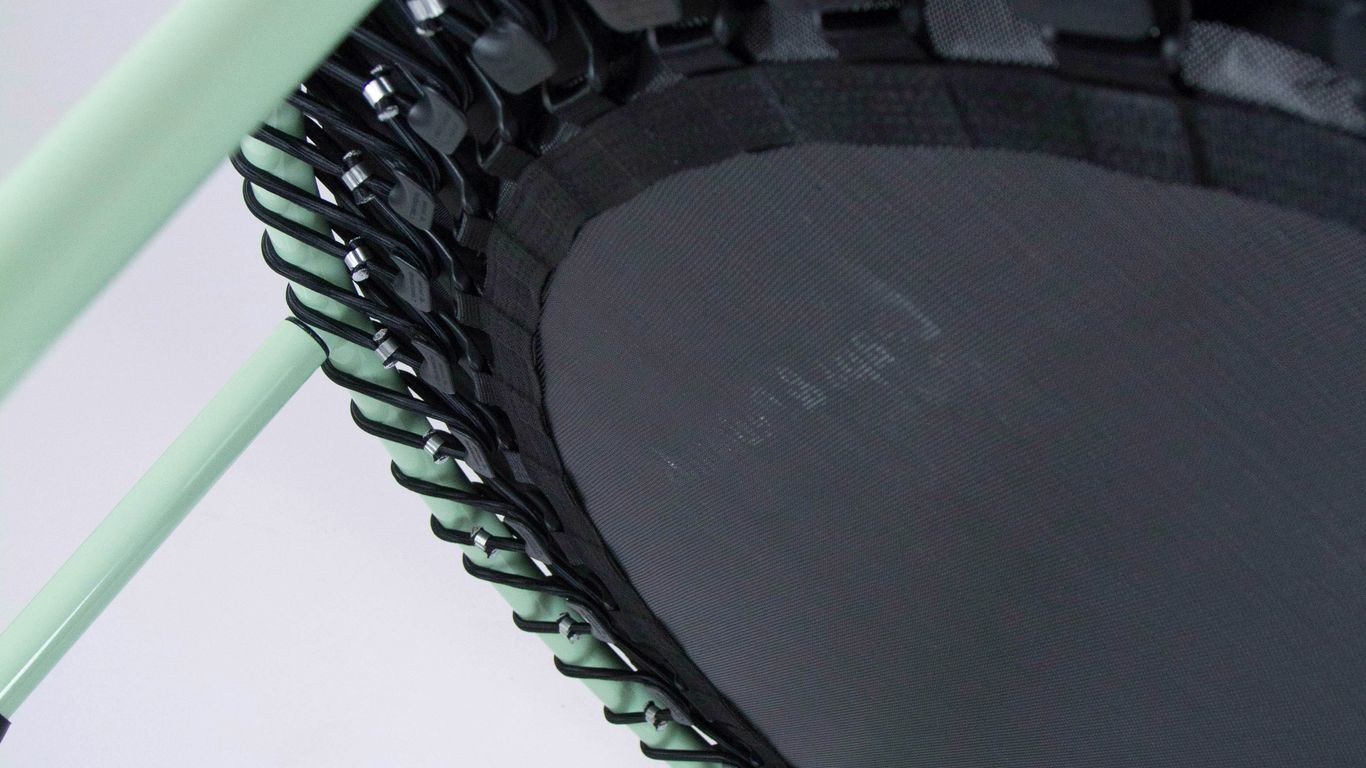
Alright, so you've got your trampoline, and now you're looking to get it back in tip-top shape with new spring covers, or maybe a whole new enclosure. The thing is, not all parts are created equal, and they definitely don't all fit every trampoline out there. It's a bit like trying to put a square peg in a round hole if you're not careful.
Verifying Fit with Your Trampoline Model
This is probably the most important step, honestly. You need to know exactly what trampoline you have. Is it round, rectangular, oval? What's the diameter or the length and width? Most manufacturers list these details. You'll want to check the product description for the spring covers or enclosure parts you're looking at and compare it to your trampoline's specs. Don't just guess; measure twice, buy once, as they say.
Here's a quick rundown of what to look for:
- Shape: Round, rectangular, square, oval.
- Size: Diameter for round, or length and width for other shapes. This is usually in feet (e.g., 10ft, 14ft).
- Frame Type: Some enclosures attach to specific frame pole systems.
- Spring Count: While less common for covers, it can matter for some enclosure parts.
If you're really stuck, check the original manual or the manufacturer's website. Sometimes, there are even diagrams that show you how to measure your trampoline correctly.
Ease of Installation for Replacement Covers
Okay, so you've found parts that should fit. Now, how easy are they to actually put on? Nobody wants to spend an entire afternoon wrestling with a spring cover. Most replacement covers are designed to be pretty straightforward, but there are a few things to keep in mind.
- Clear Instructions: Does it come with actual instructions, or just a picture? Good instructions make a world of difference. Look for step-by-step guides, maybe even with diagrams.
- Attachment Method: How does it attach? Does it have elastic all the way around? Ties? Velcro straps? Elastic is usually the easiest, but make sure it's strong elastic.
- DIY vs. Pro: For simple spring covers, it's almost always a DIY job. But if you're replacing a whole enclosure net, and you're not super handy, you might consider if it's worth getting a friend to help or even looking up professional installation services if available.
Sometimes, the 'easy' installation is more about the design of the part itself. A cover that's slightly oversized, for example, might be a pain to get snug, even if it technically fits. Look for descriptions that mention a 'secure fit' or 'snug attachment'.
Understanding Different Spring Sizes and Designs
Springs themselves come in different lengths and thicknesses, and while the cover's main job is to hide them and protect jumpers, the way it interacts with the springs can vary. Some covers are just a simple band that goes over the springs. Others might have individual pockets for each spring, which can be more secure but also more work to install.
- Standard Covers: These usually just cover the top of the springs and the frame area. They're often held on by elastic or ties.
- Pocketed Covers: Each spring has its own little sleeve. This offers great protection but can be fiddly to get all the springs into their correct pockets.
- Springless Systems: If your trampoline doesn't use traditional springs (some use bungee cords or other systems), you'll need a cover specifically designed for that. They won't have the same kind of spring coverage needs.
When you're buying, check the product details. It should tell you if the cover is meant for standard springs, and if it has a specific design like pockets. If it's not clear, it's probably a standard, elasticated type, which is the most common.
Exploring Advanced Spring Technologies
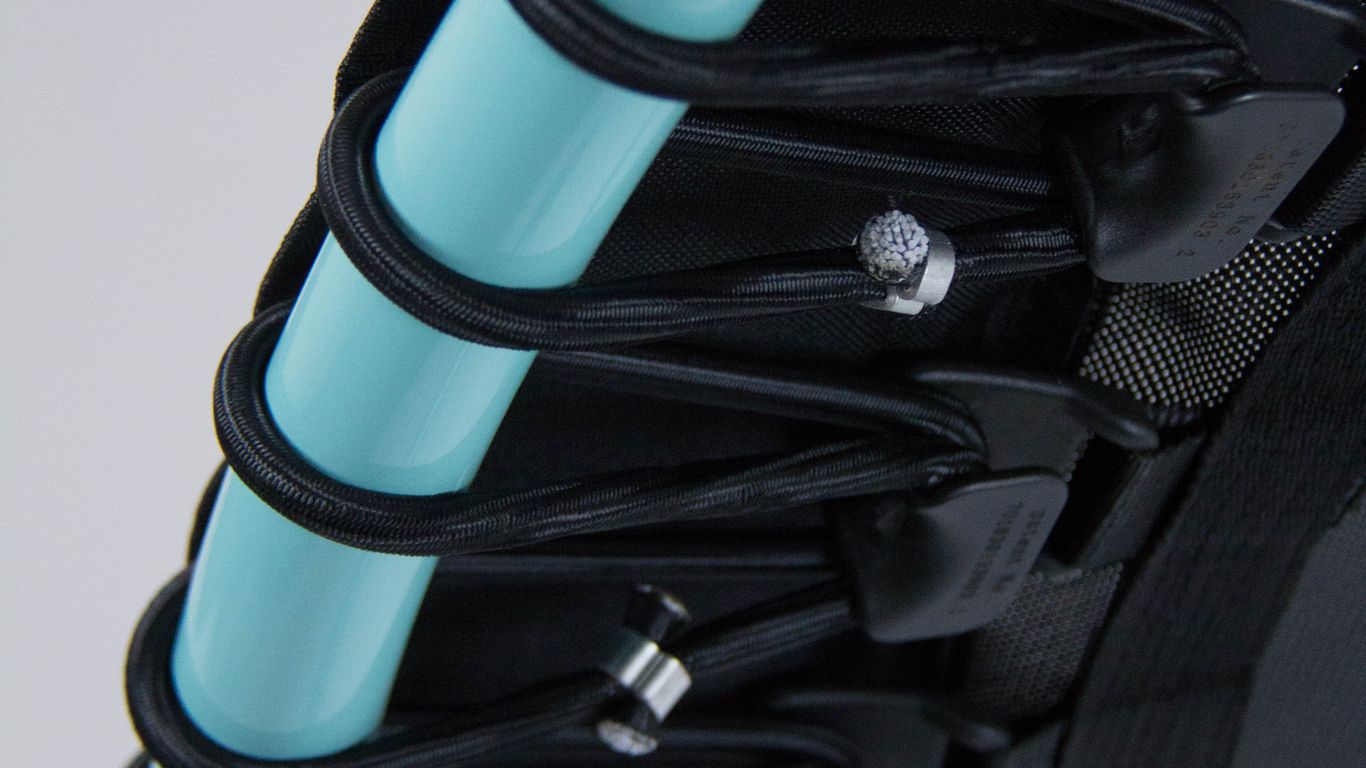
Innovations in Trampoline Suspension Systems
So, we've talked about the basics, but what about the really fancy stuff? Trampoline makers aren't just sticking with the same old springs. They're coming up with new ways to make things bounce better and, more importantly, safer. Think about it: the springs are what connect you to the bounce. If they're not up to par, the whole experience can feel off, or worse, be a bit risky.
Some companies are really focusing on the materials. Instead of just standard steel, they're using thicker, galvanized wire. This means they can handle more stress and are less likely to rust, which is a big deal if your trampoline lives outside. They're also looking at how the springs are made – like how tightly they're coiled and how they're attached. It's all about getting that smooth, controlled rebound instead of a jarring one.
Benefits of High-Performance Springs
What do you get when you upgrade to these fancy springs? Well, for starters, a better bounce. It feels more responsive, more energetic. You might even notice less impact on your joints, which is great if you're jumping a lot or have kids who are on it constantly. Plus, these high-performance springs are usually built to last way longer. We're talking about springs that can handle millions of jumps and come with pretty decent warranties. That means fewer replacements and more reliable fun.
Here’s a quick look at what makes them stand out:
- Material Quality: Often thicker, galvanized steel for rust resistance.
- Design: Tighter coils, specific lengths, and coatings to prevent wear.
- Durability: Engineered to withstand millions of jumps.
- Performance: Provides a more consistent and responsive bounce.
The Role of Spring Design in User Safety
It might seem like just a spring, but how it's designed really matters for safety. A well-designed spring helps absorb impact evenly. This means less chance of sudden jolts or awkward landings that could lead to injuries. Some systems are even designed to work with specific trampoline frames and mats to create a kind of synergy, amplifying the bounce without over-stressing the components. It’s like a carefully tuned engine – everything working together for a smooth ride. The goal is to make the trampoline feel predictable and forgiving, no matter your jumping style.
When you're looking at trampolines, don't just glance at the springs. Ask about the materials, the thickness, and how they're coated. These details can make a big difference in how safe and enjoyable your trampoline is over time. It's the little things that often count the most when it comes to keeping everyone safe.
Making an Informed Purchase Decision
Researching Customer Reviews and Feedback
Before you hand over your cash, take a good look at what other people are saying. Online reviews can be a goldmine of information. You'll get a feel for how well a spring cover actually holds up over time, if it was a pain to put on, and if it really does what the seller claims. Don't just glance at the star ratings; read a few of the comments, especially the ones that go into detail. Sometimes, a single bad review can be a fluke, but if you see a pattern of complaints about the same issue, that's a red flag you should pay attention to. It’s like asking your friends if that new restaurant is any good before you book a table – you want the real scoop.
Considering Warranty and Return Policies
This part is super important and often overlooked. What happens if you get the cover home and it just doesn't fit right, or a seam rips after a week? A good warranty is your safety net. Look for companies that stand behind their products with a decent warranty period. Also, check out their return policy. Can you send it back easily if it’s not what you expected? A hassle-free return process means you can buy with more confidence, knowing you're not stuck with something that doesn't work for your trampoline.
- Check the warranty length: Longer is generally better.
- Understand what the warranty covers: Look for defects in materials and workmanship.
- Review the return policy: Make sure it's clear and customer-friendly.
- Read the fine print: Are there any weird conditions or exclusions?
Balancing Budget with Safety and Quality
Okay, let's talk money. Nobody wants to spend more than they have to, right? But when it comes to trampoline parts, especially safety covers, going for the absolute cheapest option can backfire. You might end up with something that wears out fast or doesn't offer enough protection. It's usually better to find a balance between cost and quality. Think about it as an investment in safety. A slightly more expensive cover that's built tough and fits well will likely last longer and keep your jumpers safer than a bargain-bin find. Consider the lifespan and the protection it offers – sometimes paying a bit more upfront saves you money and worry down the road.
When you're shopping, try to think about the long game. How long do you expect this cover to last? What kind of protection does it really offer? Sometimes, the cheapest item isn't the best deal if it means replacing it sooner or risking a safety issue.
Choosing the right mini trampoline is a big step towards a healthier you! Think about what matters most for your fitness goals. Do you need something super quiet for early morning workouts, or perhaps a model that's easy to put together? Considering these details will help you find the perfect rebounder. Ready to make a smart choice? Visit our website to explore all the options and find the mini trampoline that fits your life perfectly!
Wrapping It Up: Safety First!
So, we've talked a lot about keeping your trampoline safe, especially when it comes to those spring covers and other bits. It really comes down to picking stuff that's built tough and won't break easily, even when the weather gets rough. Remember to check what fits your specific trampoline and don't be afraid to look at what other people say about a product before you buy. A little bit of effort now can mean a whole lot of worry-free bouncing later. Happy jumping!
Frequently Asked Questions
Why are trampoline spring covers so important?
Trampoline spring covers, also called pads, are super important because they protect you from hitting the metal springs and the frame underneath the mat. These parts can hurt you if you land on them the wrong way. The covers act like a cushion, making your trampoline much safer for jumping.
What should I look for in a good spring cover?
You should look for covers made of strong, weather-resistant material that can handle the sun and rain. They need to be thick enough to provide good padding and fit snugly around the springs and frame so they don't move around while you're jumping. Also, check that they attach securely.
How do I know if a spring cover will fit my trampoline?
It's really important to measure your trampoline's springs and frame before you buy. Most covers are made for specific sizes or types of trampolines. Check the product details to see what size springs or trampoline model the cover is designed for. If you're not sure, ask the seller or check your trampoline's manual.
Are springless trampolines safer?
Yes, trampolines that don't use traditional metal springs are often considered safer. Instead of springs, they use flexible rods or other systems placed below the jumping surface. This design removes the risk of pinching fingers or toes in the springs and also eliminates a common place to get hurt if you miss the mat.
How long do trampoline spring covers usually last?
The lifespan of spring covers depends a lot on the materials they're made from and how well they're cared for. High-quality covers made with UV-resistant and waterproof materials can last for several years. However, constant sun exposure, harsh weather, and heavy use can wear them out faster, so checking them regularly for damage is a good idea.
Can I replace just the spring covers, or do I need a whole new enclosure?
You can usually buy replacement spring covers separately from the rest of the enclosure. If your spring covers are worn out or damaged, but the net and poles are still in good shape, just buying new covers is a cost-effective way to improve safety. Make sure the replacement covers are compatible with your existing setup.


0 comments