










So, you're thinking about getting a trampoline for the backyard? Awesome! It's a great way to get everyone moving and give the kids something fun to do outside. But man, there are a lot of options out there, especially when it comes to the size. Picking the right trampoline sizes round can feel a bit overwhelming, right? You don't want one that's too small and they outgrow it in a year, or one that's so big it takes over the whole yard. Let's figure out how to pick the best trampoline sizes round for your space and your family's fun.
Key Takeaways
- When picking out trampoline sizes round, think about your yard's actual space. You need at least 3 feet of clear space all around the trampoline for safety, more if it has a springless design.
- Bigger isn't always better. While you want enough room to jump, the quality of the springs and the overall bounce performance can be more important than just having a huge frame.
- Consider who will be jumping. Younger kids might be fine with smaller trampoline sizes round, but if you have older kids or plan for multiple jumpers, a larger size will be better for longevity and fun.
- The shape of your yard matters. Round trampolines tend to fit better in yards with curved edges, while rectangular ones might suit more square or rectangular spaces.
- Don't forget about vertical space, especially if you're adding a safety enclosure. Also, remember that larger trampoline sizes round usually cost more, but investing in quality springs might be worth it.
Understanding Round Trampoline Sizes
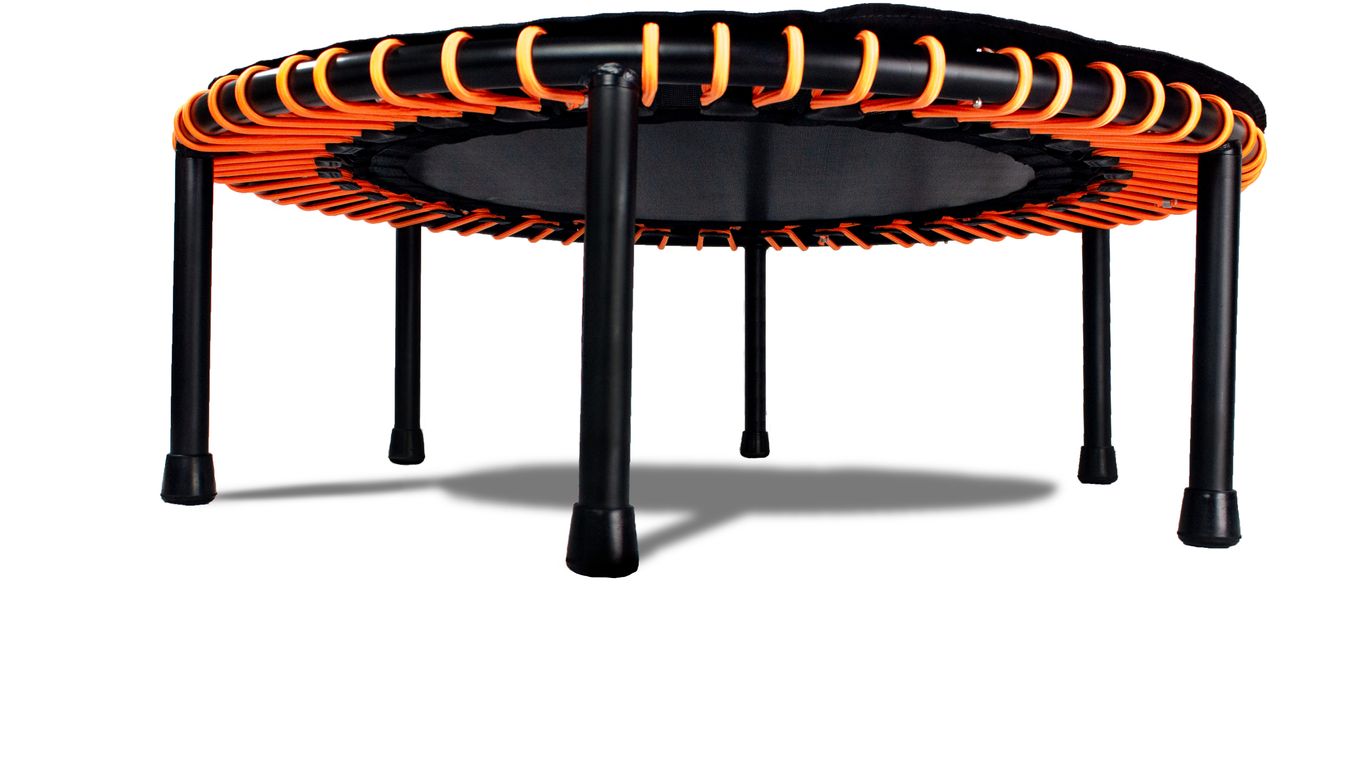
So, you're looking to get a trampoline, huh? That's awesome! Before you get too excited about bouncing around, let's talk about sizes. It's not just about how big the thing is; it's about fitting it into your life and your yard. Round trampolines are super popular, and for good reason. They tend to be a bit more space-efficient than other shapes, which is a big win if your yard isn't massive. Plus, they have this neat way of sort of guiding jumpers back to the middle, which can be a good thing for casual bouncing.
Common Diameter Options For Your Yard
When you start looking, you'll see a bunch of different diameters. These are usually measured across the widest part of the trampoline, frame and all. The smallest you'll typically find for outdoor use are around 6 feet, and these are great for younger kids or really tight spaces. Then you jump up to 8 feet, which is still on the smaller side but gives a bit more room. The most common sizes you'll see are 10, 12, and 14 feet. A 10-foot trampoline can work in a medium-sized yard, while 12 and 14-footers are better for larger yards and give more jumping space. Honestly, if you can fit a 12-foot or 14-foot one, it's usually a good bet for more fun.
Here's a quick look at typical sizes:
| Size (Diameter) | Best For | Yard Size | Notes |
|---|---|---|---|
| 6 ft | Young kids, small yards | Small | Can feel cramped for older kids or multiple jumpers |
| 8 ft | Kids, smaller yards | Small to Medium | Better than 6ft, but still limited |
| 10 ft | Kids and adults, medium yards | Medium | A good all-around size for families |
| 12 ft | Families, more jumping room | Medium to Large | Popular choice, offers good space |
| 14 ft | Larger families, more active jumpers | Large | Plenty of room for fun and movement |
Balancing Size With Bounce Quality
It's easy to think bigger is always better, but sometimes a super-large trampoline might not give you the best bounce if the springs aren't top-notch. The quality of the springs and the mat really make a difference in how high and how fun the bounce is. A smaller, well-made trampoline with good springs can actually feel better to jump on than a huge one with cheap parts. You want a bounce that feels responsive, not sluggish. So, while you're looking at diameter, don't forget to check out what the trampoline is made of. It's a bit of a trade-off – you want enough space, but you also want a good jump.
The Impact Of Shape On Backyard Fit
Round trampolines are great because they're pretty forgiving when it comes to fitting them into your yard. Their circular shape means they don't have sharp corners sticking out, which can be a real plus if you have a yard with curved edges or just want something that looks a bit softer. Unlike rectangular trampolines, which are often preferred by gymnasts for their consistent bounce, round ones tend to direct jumpers back towards the center. This can be a safety feature for casual jumpers and kids, as it helps keep everyone in a more contained area. So, think about the shape of your yard and how you plan to use the trampoline when you're deciding between shapes, but for general backyard fun, round is often a solid choice.
When picking out a trampoline, remember that the listed size is usually the total diameter, including the frame. You'll need to make sure you have enough clear space around the trampoline for safety, typically at least 3 feet on all sides. Don't forget to think about vertical space too, especially if you plan on adding a safety enclosure.
Determining The Ideal Trampoline Size For Your Space
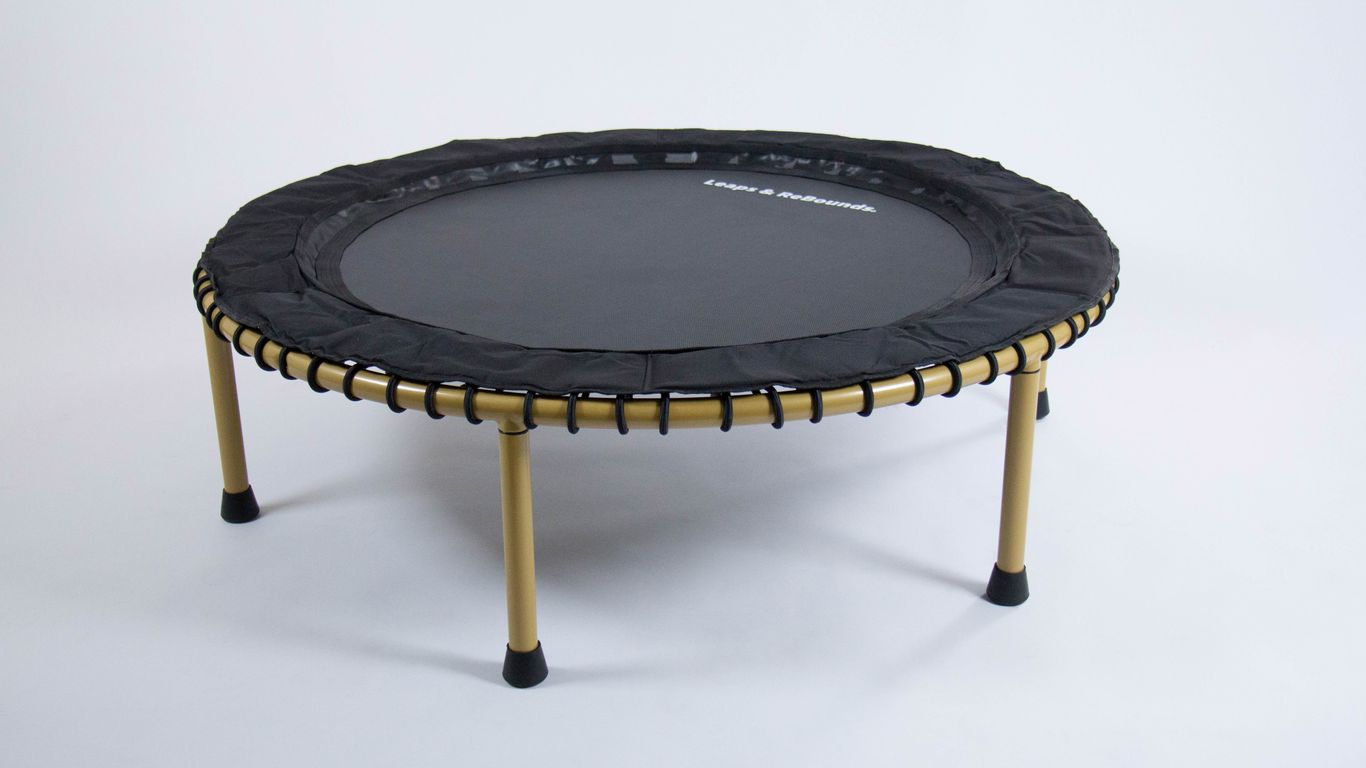
Okay, so you've got the trampoline bug, and now it's time to figure out what size will actually work in your backyard. This isn't just about cramming the biggest one you can find in there; it's about making sure everyone stays safe and has a blast. Let's get this measured up!
Measuring Your Available Backyard Area
First things first, grab a tape measure. You need to know exactly how much room you have to work with. Don't just eyeball it! Measure the length and width of the spot where the trampoline will go. It's super important to think about the whole picture, not just the trampoline itself. You'll need space around it, and we'll get to that in a sec.
Ensuring Adequate Clearance For Safety
This is a big one. Safety first, always. You absolutely need to leave a clear zone all the way around the trampoline. Most manufacturers recommend at least 3 feet of clear space on every side. If you're looking at a springless trampoline with a flexible rod enclosure, you might need even more, like 5 feet. This buffer zone is for preventing accidental bumps and making sure the safety net has room to do its job. Also, double-check that there's nothing overhead, like tree branches, or underneath the trampoline that could be a hazard.
Considering Vertical Space And Enclosures
Don't forget about the height! When you're measuring your yard, think about how tall the trampoline is, especially with the safety net or enclosure. You don't want anyone bonking their head on a low-hanging branch or, worse, on the enclosure itself. If you're planning on any fancy jumps or flips (though we always recommend sticking to basic bouncing for safety), you'll want to be extra sure about that vertical clearance. It's easy to forget about the 'up' space when you're focused on the 'out'.
Here's a quick rundown of what to keep in mind:
- Measure your intended spot: Get the exact dimensions of the area.
- Add clearance: Factor in at least 3 feet (or more for springless models) around the entire perimeter.
- Check overhead: Ensure there are no obstructions like tree limbs.
- Consider height: Account for the trampoline's total height, including the enclosure.
Picking the right size isn't just about fitting it in; it's about creating a safe zone for fun. A little extra space goes a long way in preventing accidents and making sure the trampoline is a source of joy, not worry.
Selecting Trampoline Sizes For Family Fun
When you're thinking about getting a trampoline for the family, it's not just about fitting it in the yard. You've got to consider who's going to be jumping and for how long they'll want to use it. A trampoline that's too small might be outgrown quickly, leaving the kids bored and looking for something else. On the flip side, a massive one might just take up too much precious backyard real estate.
Trampoline Sizes For Growing Children
Kids grow, and their play needs change. What's fun today might feel a bit cramped next year. It's often a good idea to aim for a size that allows them room to grow into, rather than out of. This means thinking about how much space they'll need for more advanced jumps or even just comfortable bouncing as they get older. A trampoline that feels just right now might become a bit too snug in a couple of years.
Accommodating Multiple Jumpers Safely
If you have more than one child, or if friends often come over, you'll want to think about how many people might be on the trampoline at once. While it's never recommended for multiple people to jump at the same time due to safety risks, a larger trampoline can offer a bit more space for kids to take turns or simply have more room to move around when they are jumping individually. This can help prevent accidental collisions.
Here's a general idea of how different sizes might work for multiple kids, keeping in mind that one jumper at a time is always safest:
- 8-10 ft Round: Best for one or two younger children. Can feel crowded quickly.
- 12 ft Round: A good middle ground for a few kids, offering more space than smaller options.
- 14-15 ft Round: Provides ample room for several children, allowing for more individual space.
Choosing Larger Trampoline Sizes For Longevity
Thinking long-term can save you money and hassle. A larger trampoline often means more durable springs and a more robust frame, built to handle more activity. Plus, as kids get older and perhaps develop an interest in more complex moves, a bigger surface area gives them the freedom to practice without feeling restricted. It's an investment that can provide years of active fun, adapting to your children's changing needs and abilities.
When selecting a trampoline size for family fun, consider not just the immediate space but also the potential for growth and varied use. A slightly larger trampoline can often provide a better long-term experience, accommodating developing skills and ensuring continued enjoyment for years to come.
Navigating Different Round Trampoline Diameter Options
So, you've decided on a round trampoline – smart move! They're generally a good fit for most backyards and tend to guide jumpers toward the middle, which can be a nice safety feature. But now comes the big question: what size? Trampolines aren't one-size-fits-all, and picking the right diameter makes a huge difference in how much fun you'll have and how safely you can jump.
Small Round Trampoline Dimensions
If you've got a smaller yard or are looking for something for younger kids or just a bit of solo bouncing, a smaller round trampoline might be just the ticket. We're talking about diameters typically ranging from 6 feet up to about 8 feet. These are great for kids who are just getting the hang of jumping or for those tighter spaces where a bigger model just wouldn't work. They're also a good option if you're thinking about a trampoline primarily for fitness routines or for very young children.
- 6 ft: Often the smallest outdoor size, good for tight spaces and kids aged 6-8.
- 8 ft: A bit more room than a 6 ft, still good for smaller yards and kids aged 6-10.
Medium Round Trampoline Dimensions
Stepping up a bit, medium-sized round trampolines usually fall between 10 feet and 12 feet in diameter. These are kind of the sweet spot for many families. A 10-foot trampoline can work well in a mid-sized yard and is suitable for both kids and adults. If you have a bit more space, a 12-foot model is a really popular choice. It offers a good amount of jumping surface without completely taking over your yard, and it's usually big enough to accommodate a couple of kids jumping at once, though always keep an eye on safety rules.
| Diameter | Best For |
|---|---|
| 10 ft | Mid-sized yards, kids and adults |
| 12 ft | Mid-to-larger yards, popular family size |
Large Round Trampoline Dimensions
When you want maximum bounce and space, you'll be looking at large round trampolines, typically 13 feet and up, with 14-footers being quite common. These are for yards that can handle it and for families who really want to get the most out of their trampoline. A 14-foot trampoline gives you a lot of room to move, jump, and even do some basic tricks. It's a great choice if you have older kids, teenagers, or just want plenty of space for everyone to enjoy. Just remember, bigger means more space needed all around for safety, so measure carefully!
Choosing a larger trampoline size generally means more jumping fun, but it also requires more careful consideration of your available yard space and the necessary safety clearances. Don't just eyeball it; measure twice!
- 13 ft: Offers a generous jumping area for active families.
- 14 ft: A very common large size, providing ample space for multiple jumpers and more dynamic activity.
Key Considerations For Your Trampoline Purchase
So, you've figured out the size that fits your yard and your jumpers. Awesome! But before you hit that 'buy' button, let's chat about a few other things that really matter. It’s not just about how big it is, you know?
Prioritizing Spring Quality Over Size
While a bigger trampoline might seem like the ultimate goal, don't forget about what makes it bounce! The springs (or the springless system, if you go that route) are super important. Think about it: worn-out or weak springs mean a sad, flat bounce. You want springs that are made of good stuff, like galvanized steel, and aren't stretched out or rusty. A trampoline with fewer, but higher-quality springs, might actually give you a better jump than one with a ton of cheap ones. A solid frame and good springs are the heart of a fun trampoline.
The Role Of Safety Features In Size Choice
Safety is a big deal, no matter the size. When you're looking at trampolines, check out the padding that covers the springs. Does it look thick enough? Is it made from material that won't fall apart after a summer in the sun? And what about the safety net? Make sure it's sturdy, has no holes, and zips up tight. Sometimes, a smaller trampoline with top-notch safety features is a better pick than a huge one that feels a bit shaky. Always check the weight limit too, especially if you have more than one kiddo planning to jump at the same time.
Cost Implications Of Different Trampoline Sizes
Let's be real, price is usually a factor. Generally, bigger trampolines cost more. But it's not just the initial price tag. Think about how long you want it to last. A more expensive, well-made trampoline might actually save you money in the long run because it won't need replacing as quickly. Also, consider if you'll need extra accessories, like a ladder or a cover, which add to the overall cost. It’s worth doing a little research to see what fits your budget and your needs for years to come.
Buying a trampoline is an investment in fun, but also in safety and durability. Don't get so caught up in the diameter that you forget to check the quality of the materials, the strength of the frame, and the effectiveness of the safety gear. A little extra attention now can mean a lot more happy bouncing later.
Thinking about getting a trampoline? It's a big decision! You'll want to check out the "Key Considerations For Your Trampoline Purchase" to make sure you pick the best one for you. Ready to find the perfect fit? Visit our website today to explore all your options!
Ready to Jump In?
So, picking the right trampoline size really comes down to a few things: how much space you've actually got, who's going to be bouncing, and what kind of fun you're aiming for. Don't just grab the biggest one you see; think about that safety space around the edges – it's super important. And remember, sometimes a slightly smaller trampoline with really good springs is way better than a huge one that doesn't bounce well. Take your measurements, consider the family's needs, and you'll find that perfect trampoline that brings tons of smiles and active play to your backyard for years to come.
Frequently Asked Questions
What's the most important thing to consider when picking a trampoline size?
The most important thing is to measure your backyard space first! You need to make sure the trampoline fits comfortably, and importantly, you need to leave at least 3 feet of clear space all around it for safety. This buffer zone helps prevent accidents and gives you room for safety nets.
How do I know if a trampoline is too small for my kids?
If your kids are growing fast or love doing tricks, a smaller trampoline might feel cramped. It's generally a good idea to get the biggest trampoline you can safely fit in your yard. This way, they won't outgrow it too quickly and will have more room to jump and play.
Does the shape of the trampoline matter for my backyard?
Yes, it can! Round trampolines often fit well in yards with curved edges or smaller, more compact spaces. Rectangular trampolines tend to be better for square or long yards and can offer a more consistent bounce, which is great for practicing skills.
What's the difference between small, medium, and large trampolines?
Small trampolines (like 6-8 feet) are good for younger kids or tight spaces. Medium ones (10-12 feet) are a popular choice for many families. Large trampolines (14 feet and up) offer the most jumping room, ideal for bigger yards and families with multiple kids who want lots of space.
Are springless trampolines safer, and do they need more space?
Springless trampolines often use flexible rods, which can be a safer alternative. However, they usually require more clearance space around them, often around 5 feet, compared to traditional spring trampolines that might only need 3 feet. Always check the manufacturer's recommendations.
Should I focus more on trampoline size or the quality of the springs?
While size is important for space and play, the quality of the springs is crucial for a good bounce and durability. High-quality steel springs generally provide a better and longer-lasting bounce than flexible rods or smaller, less sturdy springs. It's often better to choose a slightly smaller trampoline with excellent springs than a huge one with poor ones.


0 comments