












Trampolines are a blast, right? Whether you're bouncing for fun or getting some exercise, they're pretty awesome. But let's be real, a fall off the side or a misstep can really hurt, especially when you land on something hard. That's where a good rubber trampoline mat comes in. It's like a safety net for the ground around your trampoline, making sure those accidental tumbles aren't as bad as they could be. We're going to look at why these mats are a smart idea and what to look for when you're picking one out.
Key Takeaways
- A rubber trampoline mat adds a layer of safety by cushioning potential falls off the trampoline, reducing the risk of serious injury.
- These mats improve stability and grip, making it safer to get on and off the trampoline.
- Quality mats are made from durable materials that can withstand weather and lots of use, often rated for specific fall heights.
- Choosing the right thickness and material for your rubber trampoline mat depends on who's using it and how it will be used.
- Proper installation and regular checks for wear and tear are important to keep your rubber trampoline mat working well and keeping everyone safe.
Understanding Rubber Trampoline Mat Benefits
So, you're thinking about getting a rubber mat for your trampoline, huh? It’s a pretty smart move, honestly. Trampolines are awesome for fun and getting some exercise, but let's be real, they can also be a bit of a hazard if things aren't set up right. That's where these rubber mats really shine.
Enhanced Safety Through Shock Absorption
One of the biggest wins with a rubber mat is how it handles impacts. When you're jumping, there's always a chance you might miss the mat or take a tumble off the side. Landing on hard ground like concrete or even packed dirt can lead to some nasty injuries, especially to your legs and joints. Rubber mats act like a big, soft cushion. They soak up a lot of that impact, which can seriously cut down on the severity of injuries if someone falls off. It's like giving yourself a little insurance policy against those unexpected tumbles. This is especially important for kids who might not have the best control yet.
Improved Traction and Stability
Ever notice how trampolines can sometimes shift a bit, especially when people are jumping around? Or maybe you've felt a little slip when getting on or off? Rubber mats help with that too. They provide a grippier surface than plain concrete or grass. This means the trampoline itself is less likely to slide around, which is a safety plus. Plus, when you're stepping on and off, you get better footing. It makes getting on and off the trampoline feel a lot more secure, reducing the risk of slipping, especially if the mat gets a little wet.
Protection Against Hard Surfaces
Let's face it, most trampolines end up sitting on something less than ideal, like grass that gets worn away, or worse, concrete. Putting a rubber mat down not only protects the people using the trampoline but also the ground underneath. It stops the trampoline legs from digging into the grass or scratching up a patio. For the trampoline itself, it provides a more stable and even base, which can help it last longer. Think of it as giving your trampoline a nice, stable foundation. It's a simple way to make sure your trampoline setup is safer and lasts longer, giving you more bounce for your buck.
Rubber mats offer a practical solution for making trampolines safer. They absorb shock, provide better grip, and protect both the user and the ground. It’s a straightforward upgrade that makes a big difference in preventing common trampoline-related accidents and wear and tear.
Key Features of Quality Rubber Trampoline Mats
When you're looking for a rubber mat to put under your trampoline, it's not just about grabbing any old piece of rubber. You want something that's built to last and actually do its job, which is keeping things safe and stable. Let's break down what makes a rubber mat a good choice.
Material Composition and Durability
The stuff the mat is made of really matters. Most good mats use recycled rubber, which is tough and can handle a lot of use. This recycled rubber is often mixed with binders to hold it all together. The better the quality of the rubber and the binder, the longer your mat will last without falling apart. You'll see different thicknesses, and generally, thicker mats are more durable. Think about how much action your trampoline gets. If it's a family hangout spot with kids bouncing all day, you'll want something really robust.
Fall Height Ratings and Impact Protection
This is a big one for safety. Trampoline mats, especially the thicker playground-style tiles, come with fall height ratings. This rating tells you how high a fall the mat is designed to protect someone from. For example, a 5-inch Sterling Playground Tile has a 10-foot fall height rating, meaning it's built to handle impacts from that height. A 2.5-inch Max Playground Rubber Tile, on the other hand, has a 6-foot fall height rating. It's important to match the mat's rating to the potential risks associated with your trampoline setup. You can find some great options for playground tiles that are specifically designed for this purpose.
Here's a quick look at some common fall height ratings:
| Mat Thickness | Example Product | Fall Height Rating |
|---|---|---|
| 5 inches | Sterling Tile | 10 feet |
| 4.25 inches | Sterling Tile | 8 feet |
| 2.5 inches | Max Tile | 6 feet |
| 1.75 inches | StrongPlay Tile | 4 feet |
UV Resistance and Weather Durability
Your trampoline mat is going to be outside, no matter what. That means it needs to stand up to the sun, rain, and whatever else the weather throws at it. Look for mats that are advertised as UV resistant. This means they won't break down or fade as quickly when exposed to sunlight. Good quality rubber mats are also resistant to mold and mildew, which is important if they get wet often. This kind of durability means you won't be replacing the mat every year, saving you time and money in the long run.
When choosing a rubber mat, think about where you live. If you get a lot of intense sun, UV resistance is non-negotiable. If you have a lot of rain, make sure it can handle moisture without getting gross or slippery.
Selecting the Right Rubber Trampoline Mat Thickness
Balancing Cushioning and Trampoline Performance
When you're looking at rubber mats for under your trampoline, the thickness is a big deal. It's not just about how soft it feels; it's about how it works with the trampoline itself. A mat that's too thick might absorb too much of the bounce, making your trampoline feel a bit dead. On the flip side, a mat that's too thin won't give you much extra cushioning if someone takes a tumble off the side. You want a sweet spot where you get good impact protection without messing up the trampoline's spring. Think about what you're using the trampoline for – is it for serious bouncing, or more for casual backyard fun? This will help you figure out how much cushioning you really need.
Considering User Weight and Activity Level
Who's using the trampoline and how they're using it really matters when picking a mat thickness. If it's mostly younger kids just having a bit of fun, a thinner mat might be okay. But if you've got teenagers or adults who are really going for it, or if multiple people are jumping at once, you'll want something thicker. Heavier users and more energetic jumping mean more impact, so a more substantial mat is a good idea to handle that stress and provide better protection. It’s like choosing shoes – you wouldn’t wear the same ones for a casual walk as you would for a marathon, right?
Matching Thickness to Fall Height Requirements
This is where things get a bit more technical, but it's super important for safety. Different thicknesses of rubber mats are rated for different 'fall heights.' This rating tells you how high someone can fall onto the mat and still be protected from serious injury. For a backyard trampoline, you're probably not dealing with extreme heights, but it's still wise to pick a mat that meets or exceeds the potential fall height. Commercial-grade playground tiles often have these ratings clearly marked. For example, a 2.5-inch thick mat might be rated for a 6-foot fall, while a 4.25-inch or 5-inch thick mat could be rated for 8 to 10 feet. Always check these ratings to make sure the mat you choose offers adequate protection for your specific setup.
Here's a general idea of how thickness relates to fall height ratings, though always check manufacturer specs:
| Mat Thickness (Inches) | Approximate Fall Height Rating (Feet) |
|---|---|
| 1.75 | 4 |
| 2.5 | 6 |
| 4.25 | 8 |
| 5.0 | 10 |
Remember, these are just guidelines. The actual safety rating can depend on the specific product's construction and materials. It's always best to look for certifications or clear fall height ratings from the manufacturer.
Installation and Maintenance of Rubber Mats
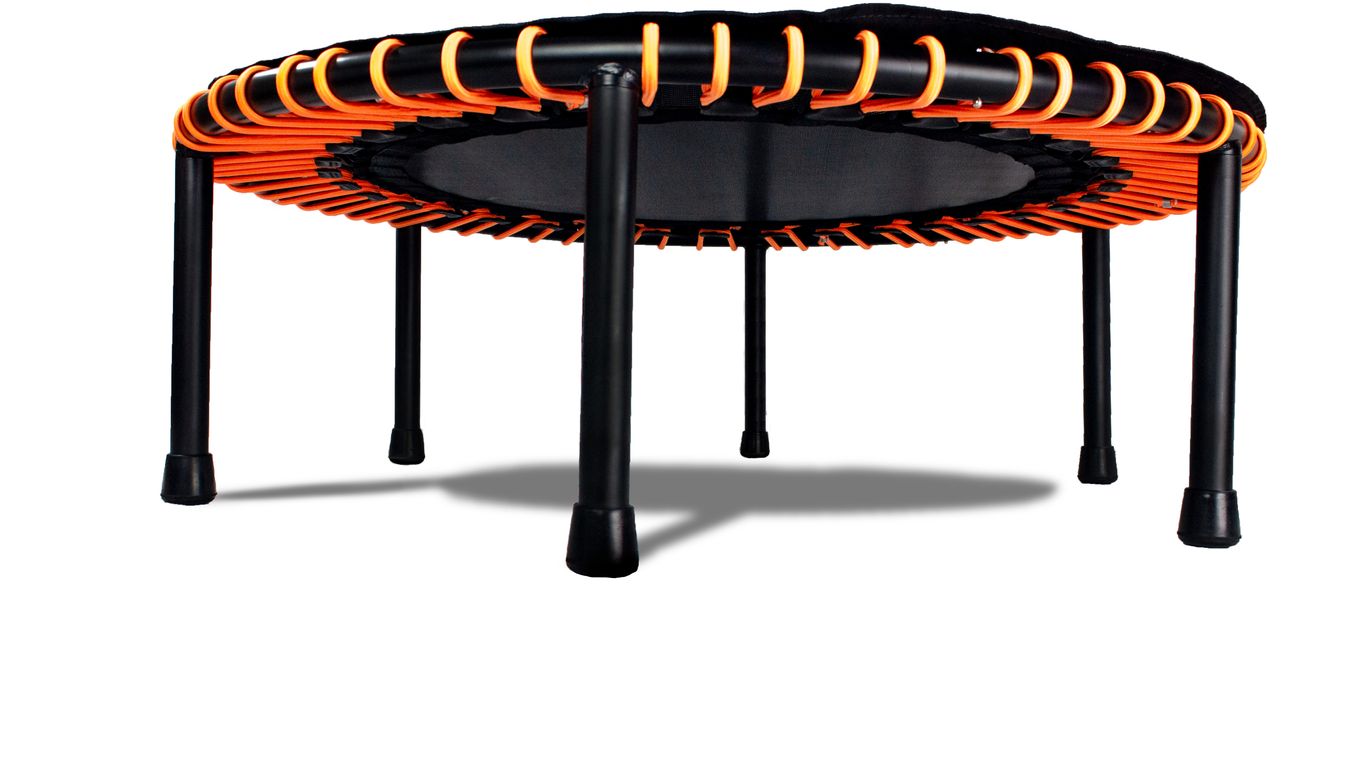
Putting down rubber mats for your trampoline isn't usually a big hassle, but doing it right and keeping them in good shape makes a difference. Think of it like setting up a new piece of furniture – you want it level and secure.
Easy Installation Methods for Rubber Mats
Most rubber mats, especially the interlocking tile types, are pretty straightforward to put in place. You're basically just laying them down. For larger areas, you might want to plan out the layout first, especially if you're using different colors or patterns. Some people find it helpful to start from one edge and work their way across.
- Clear the Area: Make sure the ground where the trampoline will sit is clean and free of debris. This means no rocks, sticks, or anything sharp that could damage the mats or the trampoline itself.
- Lay Out the Mats: Place the rubber mats according to your planned layout. If they're interlocking, connect them firmly. You might need a rubber mallet to gently tap them into place, but don't go crazy with it.
- Position the Trampoline: Carefully move the trampoline onto the installed mats. It's best to have a couple of people help with this so you don't accidentally drag the trampoline and damage the mats.
Remember, the goal is a flat, stable surface. Uneven mats can lead to the trampoline wobbling, which isn't ideal for bouncing.
Routine Cleaning for Longevity
Keeping your rubber mats clean is pretty simple and helps them last longer. You don't need fancy equipment or special cleaners, just a bit of regular attention.
- Sweep Regularly: A good sweep with a stiff broom will get rid of loose dirt, leaves, and other debris. Doing this weekly is a good habit.
- Wash Down: For a deeper clean, a hose and some mild soap (like dish soap) work wonders. Scrub gently with a brush if needed, then rinse thoroughly. Avoid harsh chemicals, as they can break down the rubber over time.
- Address Spills Quickly: If something sticky or oily gets spilled, clean it up as soon as you can. These things can be harder to remove if they sit for too long.
Inspection for Wear and Tear
Just like any part of your trampoline setup, the rubber mats need a check-up now and then. It’s not something you need to do every day, but a quick look every few months can catch problems before they become big issues.
- Look for Cracks or Tears: Check the surface and edges of the mats for any signs of damage. Small cracks can grow over time.
- Check for Lifting: Make sure the mats are still lying flat and that the edges haven't started to lift up, especially at the seams.
- Assess Stability: Give the mats a little push or wiggle. They should feel solid and not shift around much. If they feel loose or wobbly, it might be time to re-secure them or consider replacement if they're old.
Paying attention to these simple steps will help keep your rubber trampoline matting safe and looking good for a long time.
Comparing Rubber Mat Options for Your Trampoline
So, you're looking to put down some rubber matting under your trampoline. That's a smart move for safety and keeping your trampoline from shifting around. But not all rubber mats are created equal, right? Let's break down a few common types you might run into.
Commercial-Grade Playground Tiles
These are built tough, like the kind you see at public parks. They're designed to handle a lot of foot traffic and serious impacts. Think of them as the heavy-duty option. They often have specific fall height ratings, which tells you how much impact they can absorb if someone were to fall off the trampoline. They're usually made from recycled rubber, which is a nice bonus.
- Sterling Playground Tile (5-inch): This one boasts a 10-foot fall height rating. It's super durable and can handle rough use. Made from recycled materials, it's a solid choice for serious protection.
- Sterling Playground Tile (4.25-inch): Similar to the 5-inch version, but with an 8-foot fall height rating. Still a great option if you need that commercial-grade toughness.
- Max Playground Rubber Tile (2.5-inch): This tile has a 6-foot fall height rating. It's known for being easy to install and maintain, and it's made right here in the USA.
These commercial tiles are a step up from basic mats. They're engineered for safety in public spaces, meaning they're built to last and absorb significant impact. If you're looking for top-tier protection, this is where you'll find it.
DIY Friendly Rubber Flooring Solutions
If you're not looking to install heavy-duty playground tiles, there are other rubber options that are easier to handle yourself. These might be rolls or interlocking mats that are simpler to cut and fit around your trampoline.
- Rubber Rolls: These come in large rolls, kind of like carpet. You can cut them to size. They offer a continuous surface, which can be good for preventing gaps.
- Interlocking Rubber Mats: These are like puzzle pieces that fit together. They're pretty straightforward to install and can be a good option for covering a specific area.
Made in USA Rubber Trampoline Mats
Sometimes, you just want to support local manufacturing. Many companies offer rubber mats made right here in the United States. These can range from the commercial-grade tiles we already talked about to simpler mats designed specifically for home use.
- Focus on Quality Control: Products made domestically often have strict quality checks.
- Support Local Economy: Buying American-made helps support jobs and businesses in the US.
- Material Sourcing: You might have more insight into where the materials come from.
When you're comparing, think about how much protection you really need, how easy you want the installation to be, and of course, your budget. A good rubber mat is an investment in safety that's worth considering.
Maximizing Safety with Rubber Trampoline Mats
When you think about trampoline safety, the mat you jump on and the springs are usually the first things that come to mind. But what about the ground underneath the trampoline? That's where rubber mats really shine, acting as a crucial safety layer. They're not just about making things look neat; they're about preventing serious injuries.
Preventing Injuries from Falls Off the Trampoline
Accidents happen, and sometimes a jump goes a little too far. If someone misses the mat and lands on the hard ground, it can lead to nasty sprains, fractures, or worse. Rubber mats act like a shock absorber for these unexpected tumbles. They absorb a lot of the impact, turning a potentially bad fall into a much less severe one. Think of it like landing on a firm cushion instead of concrete. The thickness and density of the rubber mat play a big role here. Thicker mats with higher fall height ratings offer more protection.
Here's a quick look at how different rubber mat thicknesses can handle falls:
| Mat Thickness | Approximate Fall Height Rating | Protection Level |
|---|---|---|
| 1.75 inches | 4 feet | Basic protection for minor falls |
| 2.5 inches | 6 feet | Good protection for most common falls |
| 4.25 inches | 8 feet | Strong protection, suitable for higher jumps |
| 5 inches | 10 feet | Maximum protection, ideal for commercial or high-use settings |
Reducing Fatigue and Leg Injuries
Jumping on a trampoline is great exercise, but it can be tough on your legs and feet, especially if you're doing it for a while. The constant impact can lead to tired muscles and even stress fractures over time. Rubber mats provide a bit of give underfoot, which helps reduce that jarring impact. This means less strain on your joints and muscles, allowing for longer, more comfortable jumping sessions. It's like having a slightly softer surface to land on with every bounce, both on and off the trampoline.
The surface beneath a trampoline matters more than many people realize. Hard surfaces like concrete or asphalt offer no give, turning a simple misstep into a potential injury. Rubber mats bridge this gap, providing a forgiving landing zone that benefits both accidental falls and the general wear and tear on a user's body during regular use.
Ensuring a Stable Surface for Entry and Exit
Getting on and off a trampoline can be a bit tricky, especially for younger kids or older adults. The trampoline frame itself can be slippery, and the ground around it might be uneven or muddy. Rubber mats create a consistent, stable, and grippy surface right around the trampoline's edge. This makes it much safer to climb on and off, reducing the risk of slips and trips. It gives everyone a more secure footing, making the whole trampoline experience safer from start to finish.
Keep your trampoline jumping fun and safe with our top-notch rubber mats. They're built tough to handle all your bounces and keep everyone protected. Want to learn more about keeping your trampoline safe? Visit our website today for all the details and to find the perfect safety solutions!
Wrapping It Up
So, picking the right rubber mat for your trampoline really boils down to a few key things. It's not just about grabbing the first one you see. Think about how thick you need it to be for good cushioning, what kind of material will hold up best over time, and how easy it is to put down and keep clean. Getting this right means fewer worries about tumbles and more time just having fun. A good mat is an investment in safety and makes your trampoline last longer, so take your time and choose wisely. Your knees and your peace of mind will thank you later.
Frequently Asked Questions
Why should I put a rubber mat under my trampoline?
Putting a rubber mat under your trampoline is a smart idea! It acts like a cushion, making falls less painful if someone bounces off. It also gives the trampoline a more stable spot to sit on, preventing it from sliding around, and it's much kinder to your joints than hard ground like concrete.
Are rubber mats good for preventing injuries?
Yes, rubber mats are great for safety. They absorb a lot of the shock from falls, which can really help prevent serious injuries, especially if someone lands awkwardly or falls off the side. They also provide better grip, so you're less likely to slip when getting on or off.
How thick should a rubber trampoline mat be?
The best thickness depends on how you'll use the trampoline. Thicker mats offer more cushioning and are rated for higher falls, which is good for very active jumpers or public parks. For home use, a medium thickness might be enough to provide good protection without making the trampoline feel too soft.
Can I use any rubber matting for my trampoline?
It's best to use rubber mats designed for playgrounds or trampolines. These are made to handle impacts and weather. Some general rubber flooring might work, but make sure it's durable enough and offers good shock absorption. Always check the product's safety ratings.
How do I clean and take care of rubber trampoline mats?
Keeping your rubber mats clean is simple! Usually, a good sweep to remove dirt and leaves is enough. For tougher dirt, you can wash them with mild soap and water using a soft brush. Avoid using harsh chemicals, as they can damage the rubber over time.
How long do rubber trampoline mats usually last?
Good quality rubber mats are built to last a long time, often many years. Their lifespan depends on the material, how much they're used, and how well they're cared for. They are usually resistant to weather like sun and rain, but checking them occasionally for any signs of wear and tear is always a good practice.


0 comments