










Thinking about getting an outdoor trampoline for your backyard? It's a great idea for getting everyone moving and having a blast. But honestly, with all the options out there, picking the right one can feel a bit much. We've looked into what makes a good trampoline so you can find the perfect fit for your family and your yard. Let's get bouncing!
Key Takeaways
- When picking out outdoor trampolines, think about how much space you actually have and how many people will be jumping. A bigger trampoline is fun, but make sure there's plenty of room around it for safety.
- Safety is a big deal. Look for trampolines with good net enclosures, thick padding over the springs, and a strong frame that won't wobble.
- For trampolines that will live outside, you need materials that can handle the weather. Things like UV-resistant mats and waterproof padding will make it last much longer.
- Different shapes offer different bounces. Round ones tend to pull you to the middle, while square or rectangular ones can give a more even, higher bounce, which is great for tricks.
- Don't forget about the weight limit. Make sure the trampoline you choose can safely support everyone who plans to use it, especially if you have a larger family.
Understanding Outdoor Trampoline Essentials
So, you're thinking about getting a trampoline for the backyard? Awesome! It's a fantastic way to get some exercise and have a blast. But before you just grab the first one you see, let's talk about a few things that really matter. Getting the right trampoline means more fun and less worry.
Determining the Right Size for Your Space
First off, you've got to figure out how much room you actually have. It's not just about fitting the trampoline itself, but you need plenty of clear space all around it. Think about it: if someone bounces a little off-center, you don't want them to smack into a fence or a tree. A good rule of thumb is to have at least six feet of clear space on all sides. Also, don't forget to look up! Make sure there are no low-hanging branches or power lines above where the trampoline will go. It's always better to have a bit more space than not enough. For more tips on choosing the right size and space for your trampoline, check out this guide to trampoline sizes.
Choosing Between Round, Square, and Octagonal Shapes
Trampolines come in different shapes, and each has its own vibe. Round trampolines are super common and tend to direct the jumper back towards the center, which is pretty neat. They're great for general bouncing and family fun. Square or rectangular trampolines often have a more powerful bounce, which serious jumpers or fitness enthusiasts might prefer. Octagonal ones are a bit less common but offer a good balance of bounce and space. When picking a shape, consider who will be using it most and what kind of jumping you're aiming for.
Assessing Weight Capacity and User Needs
This is a big one, especially if you have a family or plan on having multiple people jump. You need to know the trampoline's weight limit and make sure it can handle everyone who might use it, both now and in the future. A trampoline that's too small or not sturdy enough for the intended users can be a real safety hazard. Always check the manufacturer's specifications for weight capacity. If you're looking for a trampoline for fitness, you might prioritize a model with a higher weight capacity and a more robust frame, even if it's just for one person.
Picking the right trampoline involves looking at its size, shape, and how much weight it can hold. These basics are super important for safety and making sure everyone has a good time bouncing around.
Here’s a quick rundown of what to consider:
- Space: Measure your yard and ensure ample clearance around the trampoline.
- Shape: Round for general fun, rectangular for more powerful bounces.
- Weight Limit: Always check and respect the maximum weight capacity.
- Users: Think about who will be jumping and how often.
Prioritizing Safety in Outdoor Trampoline Selection
When you're looking at trampolines, safety really should be at the top of your list. It's not just about having fun; it's about making sure everyone stays safe while they're bouncing around. A good trampoline is built with safety in mind, and there are several key things to check.
Essential Protective Measures and Enclosure Features
One of the most visible safety features is the enclosure net. This net acts as a barrier, stopping jumpers from accidentally falling off the trampoline. When looking at nets, check for a few things. First, make sure it completely surrounds the jumping area with no big gaps between the mat and the net itself. Some nets are designed to fit inside the springs, which is a clever way to prevent fingers and toes from getting caught. Also, look at how the net attaches to the trampoline frame – it should be secure. A zipper or a strong clip system for the net opening is a good sign that it stays closed when it's supposed to. Remember, even with a net, it's still a good idea to have rules, like only one person jumping at a time, and always have an adult watching.
Evaluating Frame Durability and Stability
The frame is the backbone of your trampoline, so its strength and stability matter a lot. You'll want to look for frames made from sturdy materials, like galvanized steel, which holds up well outdoors and resists rust. The way the frame is put together is also important. Some designs use curved poles that arch away from the jumping space. This is a nice touch because if someone bumps into a pole, the impact is less likely to be hard. For windy areas, consider if an anchor kit is available or can be added. This helps keep the trampoline from moving or tipping over. A stable frame means a safer bounce.
The Importance of Padded Edges and Spring Covers
Beyond the net, the padding around the edges and over the springs is super important. This padding is there to cushion any accidental bumps and protect against hitting the metal frame or getting fingers caught in the springs. You'll want padding that's thick – at least a couple of inches of dense foam is a good starting point. It should cover all the springs and the frame completely. Also, check that the padding material is tough and can handle being outside in different weather conditions. It needs to stay put and not break down quickly. A well-padded trampoline significantly reduces the risk of scrapes and bruises.
Safety isn't just about the features a trampoline has; it's also about how it's used. Always supervise children, establish clear jumping rules, and never exceed the weight limit. Combining a well-designed, safe trampoline with responsible usage is the best way to ensure fun without injuries. You can find great options for outdoor trampolines that come with many of these safety features built-in.
Material Quality and Weather Resistance
When you're picking out a trampoline, you really want it to last, right? Nobody wants their new backyard fun zone to turn into a rusty mess after just one season. The stuff it's made of and how well it's put together make a big difference in how long your trampoline stays in good shape. Most trampolines are built to be outside, but that doesn't mean they're invincible. Things like harsh sun, heavy rain, and even strong winds can take a toll.
Selecting UV-Resistant Mats and Frames
The frame is basically the skeleton of your trampoline, and for a decent-sized model, you really want it to be solid. It's what holds everything together and keeps it stable, especially when someone's doing a big jump. A weak frame can feel wobbly, and nobody wants that when they're trying to have fun. Most good trampolines use galvanized steel for their frames. This means the steel has a protective coating to stop it from rusting, which is a big deal if it's going to be outside all year. You'll sometimes see terms like 'heavy-duty' or specific steel gauge numbers. Generally, thicker steel (which has a lower gauge number) means a stronger frame. A strong frame is the foundation for safe and enjoyable bouncing.
As for the jumping mat, that's where all the action happens, so its material really matters for both fun and safety. You'll typically find mats made from polypropylene, which is a pretty tough plastic. It's chosen because it can handle a lot of stretching and snapping back without giving out easily. A good mat should feel smooth underfoot and be able to withstand constant jumping. When you're shopping, look for mats that are advertised as UV-resistant. This is super important because trampolines spend a lot of time out in the sun, and without UV protection, the material can get brittle and start to crack or tear. Nobody wants a ripped mat, right?
Understanding Spring and Mat Construction for Bounce
The quality of the springs and the mat are the real stars of the show when it comes to bounce. You can have the biggest trampoline in the world, but if the springs are weak or the mat doesn't have enough give, the jumping experience will be pretty disappointing. It's like having a sports car with flat tires – looks the part, but doesn't perform. When checking out the mat, pay attention to the stitching around the edges where the springs attach. You want to see multiple rows of strong, reinforced stitching. This is where a lot of the stress is concentrated, so good stitching means the mat is less likely to pull apart.
Here’s what really makes a difference in bounce quality:
- Material: High-quality polypropylene is common and durable for the mat.
- UV Resistance: Protects against sun damage, preventing brittleness and cracking for both mat and padding.
- Stitching: Reinforced, multiple rows of stitching around the spring attachment points on the mat for added strength.
- Springs: Look for galvanized springs that are thick and well-attached to the frame and mat.
Ensuring Waterproof Padding for Longevity
Just like the mat, the padding that covers the springs and the safety net should also be treated to resist sun damage. If these parts break down, it's not only unsightly but can also become a safety hazard. You'll want padding that's made from a material that can handle getting wet and drying out without falling apart. Many brands use a thick foam core wrapped in a vinyl or PVC-like material. This outer layer should be waterproof and UV-resistant to prevent it from cracking or peeling. It's also important that the padding stays securely in place, so check how it attaches to the frame. If the padding looks worn out or torn, it's time to think about replacing it to keep the springs covered and safe.
Taking preventative steps can help avoid issues and keep your trampoline safe for years to come. Using anchor kits can help keep the trampoline from blowing away in strong winds, which is a good idea if you live in a windy area. While most warranties don't cover damage from storms or extreme weather, protecting your investment is key.
Exploring Top Outdoor Trampoline Brands
When you're picking out a trampoline, the brand name really does matter. It's not just about the look of the thing; it's about knowing you're getting something that's built to last and has a company behind it that actually cares. Some companies have been making trampolines for a long time, building up a good reputation for quality and how they treat their customers. Take ACON, for instance. They've been around for ages, and folks seem to trust them a lot for making tough, safe trampolines. They talk a lot about their safety features, how long their gear lasts, and even how well it bounces. Plus, they mention having lots of happy customers and good reviews, which is always a good sign.
Other brands might focus on different things. JumpFlex, for example, sometimes offers longer warranties, which can be a big deal if you plan on keeping your trampoline for a really long time. It's like an extra layer of peace of mind, though you do have to check the details carefully. It's not always straightforward, and sometimes those long warranties have fine print about weather damage.
It's smart to look into a brand's history and how they handle things if a problem pops up. A good reputation usually means they've put in the work to make a reliable product and stand behind it. Don't just go for the cheapest option; consider the brand's track record for durability and customer satisfaction. It can save you headaches down the road.
Why ACON Stands Out for Durability and Performance
ACON has carved out a name for itself by focusing on making trampolines that are built tough and designed for a great bounce. They've been in the business for over 28 years, which is a pretty long time in the trampoline world. This experience shows in the quality of their materials and their attention to safety. Many users report that ACON trampolines feel very solid and provide a responsive, enjoyable bounce, making them a good choice for both casual fun and fitness.
Comparing Features of Leading Brands
When you start comparing different brands, you'll notice they each have their own strengths. Here's a quick look at what some popular brands are known for:
- ACON: Often praised for top-notch durability, safety, and a premium bounce experience. They have a long history and a strong customer following.
- JumpFlex: Sometimes offers extended warranty periods, aiming to provide good value over the long haul. Always check the fine print on these.
- Zupapa: Frequently mentioned for offering good value for the money, with a decent quality build and a focus on safety features.
- Sportspower Bounce Pro: Often seen as a more budget-friendly choice. It's a good idea to check recent reviews to see how they hold up over time.
Considering Specialized Brands for Specific Needs
Beyond the big names, there are also brands that cater to more specific needs. For instance, if you're looking for a trampoline specifically for fitness training, you might find brands that focus on a very specific type of bounce or a smaller, more compact design. Similarly, if budget is your main concern, you might look at brands that are known for being more affordable, though it's always wise to balance cost with quality and safety features. Reading user reviews and checking warranty details can give you a clearer picture of what to expect from any brand.
When you're looking at trampolines, think about what you'll be using it for most. Is it for little kids to just bounce around, or are you planning on doing some serious jumping yourself? The brand you choose can make a big difference in how long it lasts and how safe it is. Don't just pick the first one you see; do a little digging into the company's background and what other people say about their products.
Enhancing Your Trampoline Experience
Practical Accessories for Easy Access
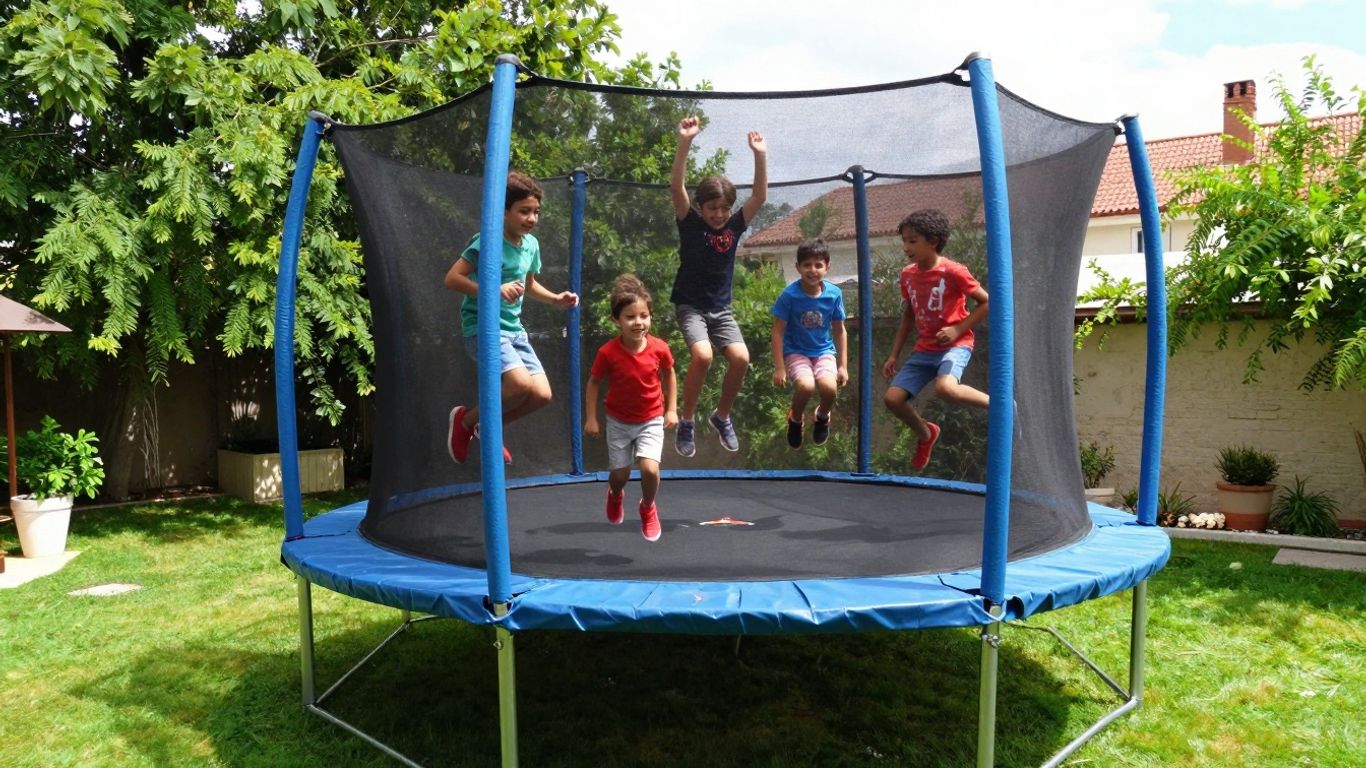
Getting onto a trampoline, especially for younger kids or those with mobility concerns, can be a bit of a challenge. That's where a good ladder comes in. Look for one that's sturdy and has wide steps, making it simple and safe to climb up. Some ladders even attach directly to the trampoline frame, which is a nice touch for stability. It really makes a difference in how often everyone uses the trampoline when getting on and off is easy.
Fun Add-Ons for Extended Enjoyment
Once you've got the basics covered, think about what will make your trampoline even more exciting. For the aspiring athletes in the family, a basketball hoop designed for trampolines is a fantastic addition. It attaches securely and lets you practice slam dunks (or at least try!). For those hot summer days, a misting system can turn your trampoline into a cool oasis. And if you want to extend the fun into the evening, consider some weather-resistant LED lights that can create a magical atmosphere for nighttime bouncing. These extras can really boost the replay value of your backyard fun.
Safety Considerations for Trampoline Accessories
While adding accessories is great, safety should always be the top priority. Make sure any accessory you choose is specifically designed for your trampoline model. A poorly fitted basketball hoop, for instance, could put extra stress on the frame or interfere with the safety net, creating a hazard. Always check that attachments are secure and don't create new pinch points or fall risks. It’s about adding fun, not compromising the safety features that are already there. Think of it like adding a spoiler to a car – it looks cool, but it needs to be attached properly so it doesn't fly off.
Maintenance and Long-Term Value
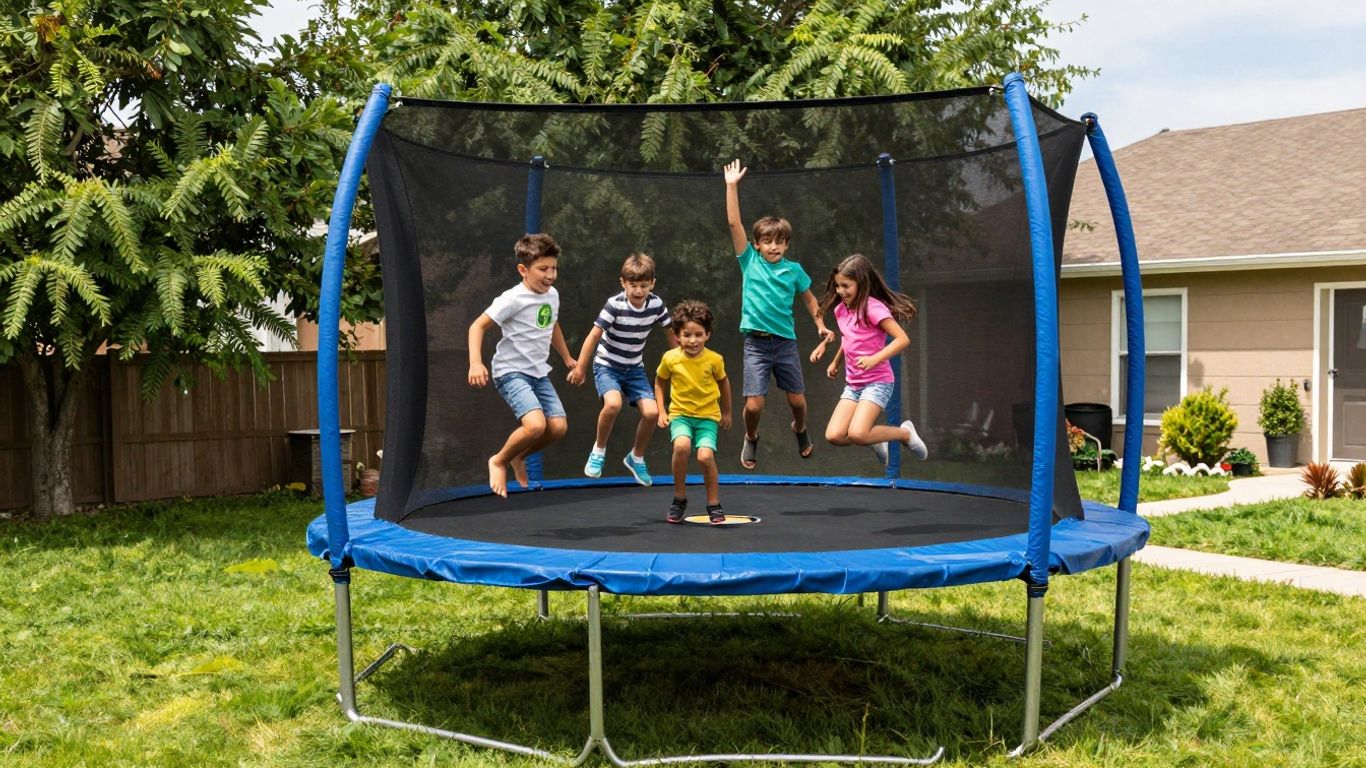
So, you've got this awesome trampoline, and you want it to last, right? It's not just about the initial fun; it's about getting your money's worth over the years. That means a little bit of upkeep.
Proper Assembly for Optimal Performance
Getting your trampoline put together correctly from the start is a big deal. It's not just about making it look good; it's about how it performs and how safe it is. If the frame isn't level or the springs aren't attached right, you're not going to get the best bounce, and you might even put extra stress on certain parts. A well-assembled trampoline is a safer and more enjoyable trampoline. If you're not feeling super confident with tools, don't be afraid to look into professional assembly services. It might cost a bit extra, but it can save you a lot of headaches and potential issues down the road. Plus, it means you can start bouncing sooner!
Routine Checks for Wear and Tear
Think of this like giving your trampoline a quick once-over every now and then. You're just looking for anything that seems a bit off. This could be anything from a frayed net to a spring that looks a little stretched out, or even just a bit of rust starting on the frame. Catching these small things early can stop them from turning into bigger, more expensive problems.
Here’s a quick list of what to keep an eye on:
- Jumping Mat: Check for any rips, tears, or worn-out spots. Make sure the stitching is all intact.
- Springs: Look for signs of rust or stretching. Ensure all springs are securely attached.
- Frame and Legs: Inspect for any bending, cracks, or rust. Make sure all bolts are tight.
- Safety Net and Padding: Check for holes, tears, or fading. Ensure the padding is still securely in place over the springs and frame.
Keeping a log of when you perform checks and any issues you find can be really helpful for tracking the trampoline's condition over time. It's like a little maintenance diary for your backyard fun zone.
Storing Your Trampoline During Harsh Weather
When the weather really starts to turn nasty – think heavy snow, ice, or really strong winds – it's often best to give your trampoline a break. Leaving it out in the elements can really shorten its lifespan. Taking off the jumping mat and storing it somewhere dry can prevent it from getting stretched out or damaged by moisture. You might also want to consider a good quality trampoline cover if removing the mat isn't practical. This helps protect the mat and padding from direct sun, rain, and debris. If you live in a particularly windy area, using an anchor kit can help keep the whole thing from becoming a kite. For more tips on keeping your trampoline safe and sound, check out trampoline safety tips.
Warranty Snapshot
Don't forget to look at the warranty that comes with your trampoline. It's like a promise from the manufacturer about how long they expect their product to last. Frames usually have the longest coverage, sometimes 10 years or more, while mats and nets might only be covered for a year or two. Always read the fine print to know exactly what's covered and for how long. A good warranty is a sign that the company stands behind its product.
Ready to Jump In?
So, you've learned a lot about picking out the right trampoline. It's not just about getting something that bounces; it's about finding a safe, durable piece of equipment that fits your yard and your family. Whether you're aiming for backyard Olympics or just some good old-fashioned fun, there are tons of options out there. Think about what matters most to you – size, safety features, how it's built – and you'll find a trampoline that brings smiles for years to come. Happy bouncing!
Frequently Asked Questions
What's the most important thing to check before buying a trampoline?
Safety first! Always look for strong frames, high safety nets that keep jumpers inside, and thick padding to cover any hard parts. Make sure the net doesn't have small gaps where fingers could get stuck. Also, think about how much weight it can hold and if the materials can handle being outside.
Which trampoline shape is best for my family?
Round trampolines are great for general fun because they tend to pull you back to the middle, making bouncing more predictable. If you have older kids or someone who wants to practice tricks, a square or rectangular trampoline might offer a higher bounce and more controlled rebound.
How big should my trampoline be?
The size depends on your yard and who will be jumping. A bigger trampoline gives more room to jump without bumping into others, which is good for families. But, make sure you measure your yard first and leave plenty of safe space all around the trampoline.
Are trampolines good for exercise?
Yes, trampolines are a fantastic way to get exercise! Jumping is a fun way to improve your balance, coordination, and even your heart health. Some trampolines are designed with a higher bounce, which is great for fitness routines, while others are perfect for just having a good time.
How do I make sure my trampoline lasts a long time outside?
To keep your trampoline in good shape, choose one made with materials that can handle the weather. Look for mats and frames that are treated to resist the sun's rays (UV-resistant) and padding that won't get ruined by rain. Keeping it clean and checking for wear and tear regularly also helps a lot.
What are some fun extras I can get for my trampoline?
You can add things like a basketball hoop for slam dunks, a ladder to make it easier to get on and off, or even lights for evening jumps. Just make sure any accessory you add is safe and doesn't get in the way of the trampoline's safety features, like the net or padding.


0 comments