


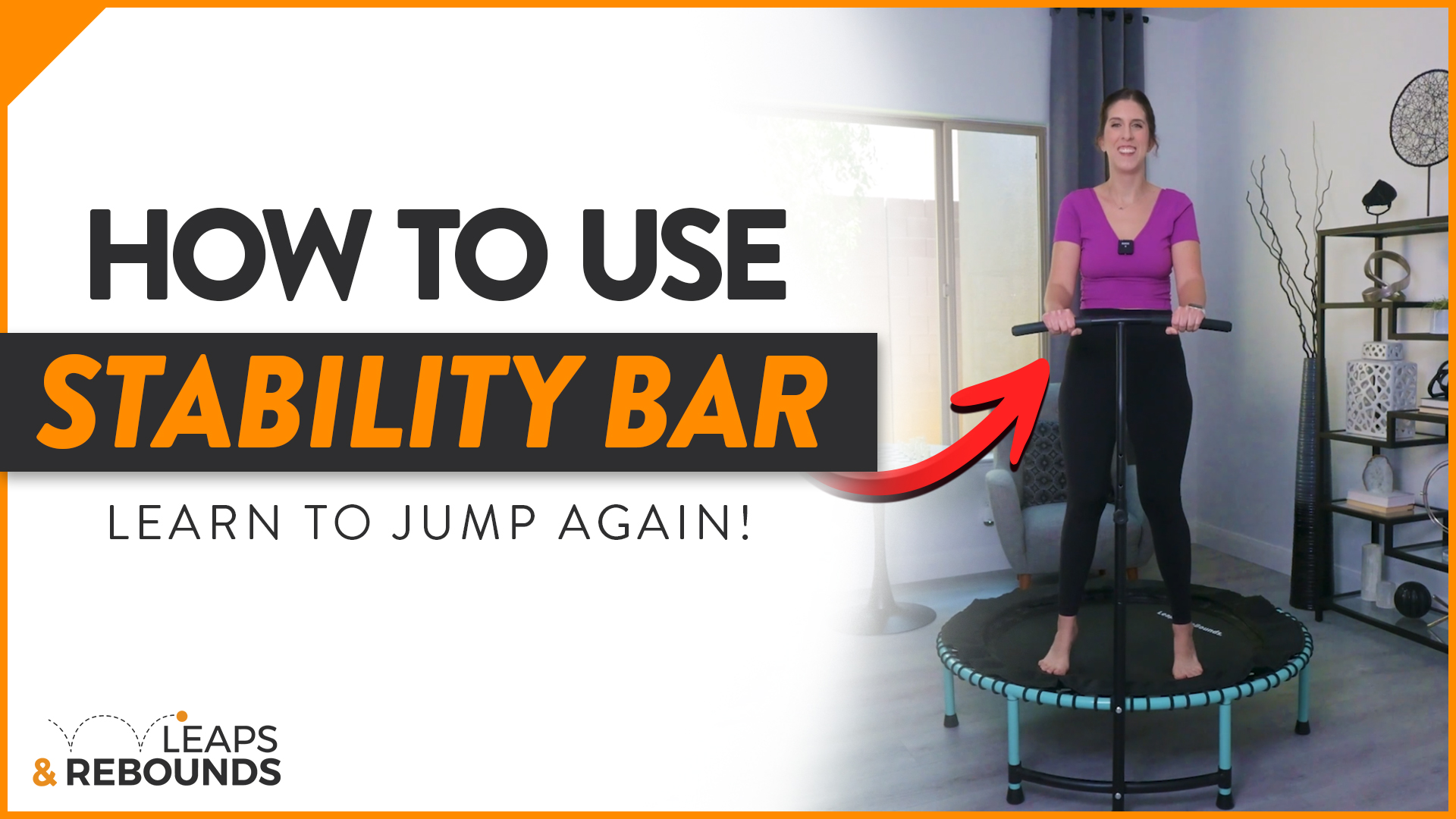





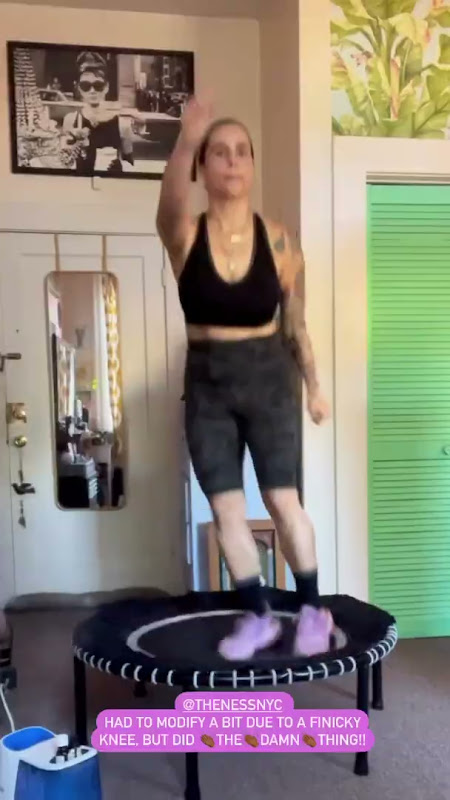




Rebounding, or exercising on a mini-trampoline, is gaining popularity as a fun and effective way to boost cardiovascular health, improve balance, and strengthen muscles. Celebrities and fitness enthusiasts alike are embracing this low-impact yet high-energy workout, finding it a refreshing alternative to traditional cardio.
Key Takeaways
- Rebounding offers a low-impact cardiovascular workout that can be more effective than running for oxygen uptake.
- It improves balance, coordination, and bone density, making it suitable for various age groups.
- The exercise is known for its mood-boosting and energizing effects.
- It can be adapted for different fitness levels and incorporated into home routines.
What is Rebounding?
Rebounding involves performing various exercises, from simple bouncing to more complex movements like jumping jacks and twists, on a mini-trampoline, also known as a rebounder. This form of exercise is praised for being low-impact, as the trampoline mat absorbs a significant portion of the shock, making it gentler on joints compared to running.
The Benefits of Bouncing
Rebounding provides a multitude of health benefits. It significantly improves cardiovascular fitness, with studies suggesting it can be more effective than jogging for increasing oxygen uptake. The rhythmic bouncing also aids in lymphatic drainage, supporting the immune system and detoxification. Furthermore, it enhances balance and coordination, which are crucial for overall mobility and preventing falls, especially as individuals age. For women, it can be particularly beneficial for strengthening the pelvic floor and supporting bone health, especially during perimenopause.
A Full-Body, Mood-Boosting Workout
While often perceived as a cardio-focused activity, rebounding engages multiple muscle groups, acting as a full-body workout. The core is constantly activated to maintain stability, and incorporating arm movements with light weights can further enhance upper-body engagement. Beyond the physical advantages, the playful nature of trampolining releases endorphins, leading to improved mood and energy levels. Many find it a joyful and stress-reducing way to exercise.
Who Can Benefit from Rebounding?
Rebounding is highly accessible and adaptable. It's suitable for beginners who may find traditional cardio intimidating, as well as for older adults looking to improve balance and functional mobility. It's also a great option for those recovering from injuries or dealing with joint pain. Athletes can use it for active recovery, and busy individuals appreciate its efficiency, as short, intense sessions can be done at home.
Making Rebounding Part of Your Routine
Starting with short, 5-10 minute sessions and gradually increasing duration and intensity is recommended. Many online resources and apps offer guided workouts. While it's an excellent cardiovascular exercise, for those aiming for significant muscle strength gains, incorporating resistance training alongside rebounding is advised. Ultimately, the fun factor and convenience make it a sustainable choice for many seeking to incorporate more movement into their lives.
Sources
- Trampoline workout: Why I swapped cardio for this exercise, Woman & Home.
- Is Rebounding More Effective Than Running? I Tried It, Marie Claire UK.
- I swapped daily runs for ‘rebounding’ — here’s what surprised me most, Tom's Guide.
- I Tried Trampoline Workouts for a Month—Here's My Review, Who What Wear.
- 'Michelle Keegan loves trampoline workouts, so I did them for a week', Women's Health.


0 comments