










Thinking about getting a fitness rebounder trampoline in 2026? You're not alone. These mini trampolines are popping up everywhere, and for good reason. They offer a fun way to get a workout without beating up your joints. Whether you're a total beginner or looking to switch up your routine, this guide will help you figure out what to look for and how to get the most out of your fitness rebounder trampoline.
Key Takeaways
- A fitness rebounder trampoline is a compact mini-trampoline designed for exercise, providing a low-impact cardio workout that's gentle on your joints.
- When choosing a fitness rebounder trampoline, consider the tension type (bungee cords for quiet, smooth bounces vs. metal springs for firmer bounces), frame quality, size, and weight capacity.
- Proper footwear, like supportive athletic shoes, is recommended for stability and safety during your fitness rebounder trampoline workouts.
- To keep your fitness rebounder trampoline workouts interesting, vary your bounces, add arm movements, use props, and change up your music.
- Using a fitness rebounder trampoline can help improve cardiovascular health, aid lymphatic drainage, and boost balance and core strength.
Understanding The Fitness Rebounder Trampoline
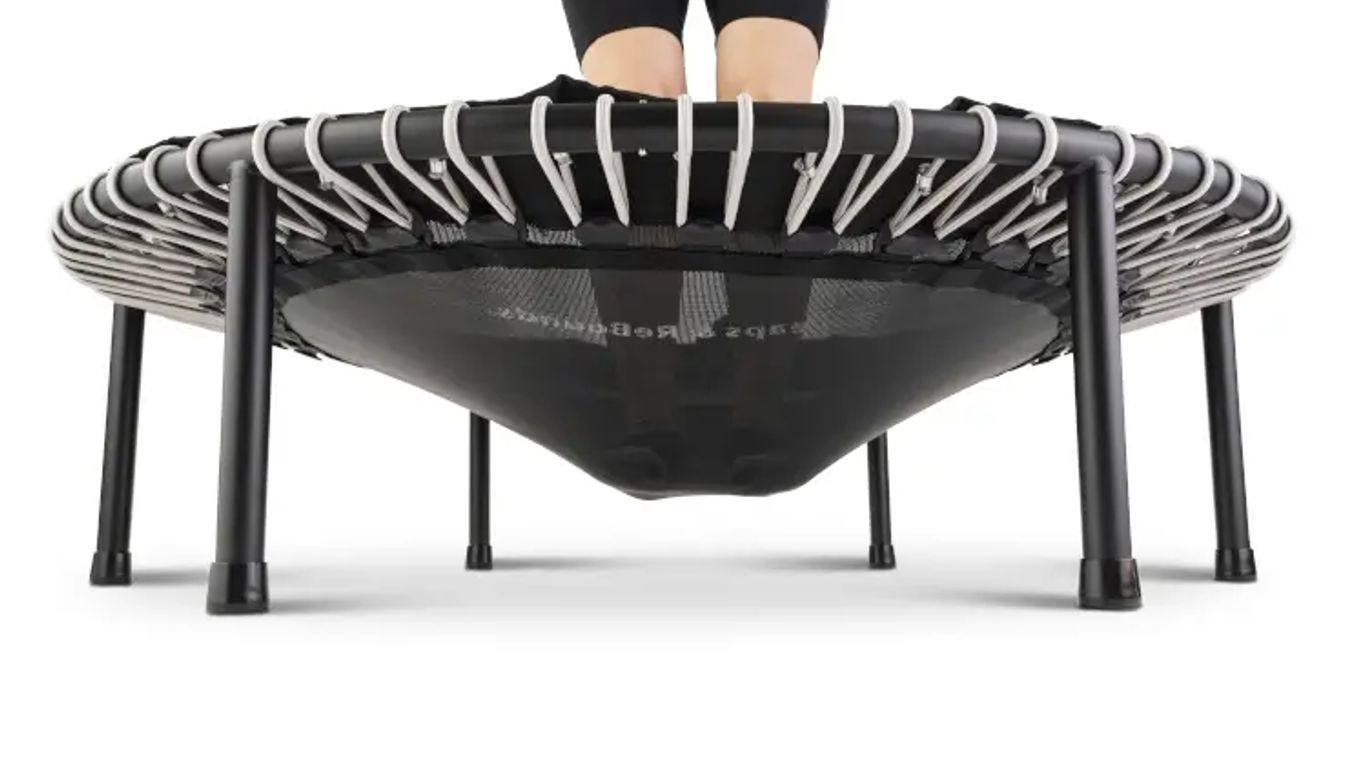
What Exactly Is Rebounding?
So, what's this 'rebounding' thing everyone's talking about? Simply put, it's the act of bouncing or jumping on a mini-trampoline, often called a fitness rebounder. Think of it as a fun, low-impact way to get your body moving. Unlike running on pavement or doing burpees on a hard floor, rebounding is much gentler on your joints, like your knees and ankles. It's a fantastic method to get your heart rate up and your muscles working without all the usual strain. It's exercise that feels more like play than work.
The Joyful Nature Of Trampoline Fitness
There's something inherently fun about bouncing, right? It brings back that childhood feeling of pure joy, but with a fitness focus. Because it's so enjoyable, you're way more likely to stick with it. When an exercise doesn't feel like a chore, you're naturally motivated to do it more often. This consistency is key to seeing real fitness results. It's not just about the physical benefits; it's about finding a form of movement that genuinely makes you happy.
Discover The Rebounder Difference
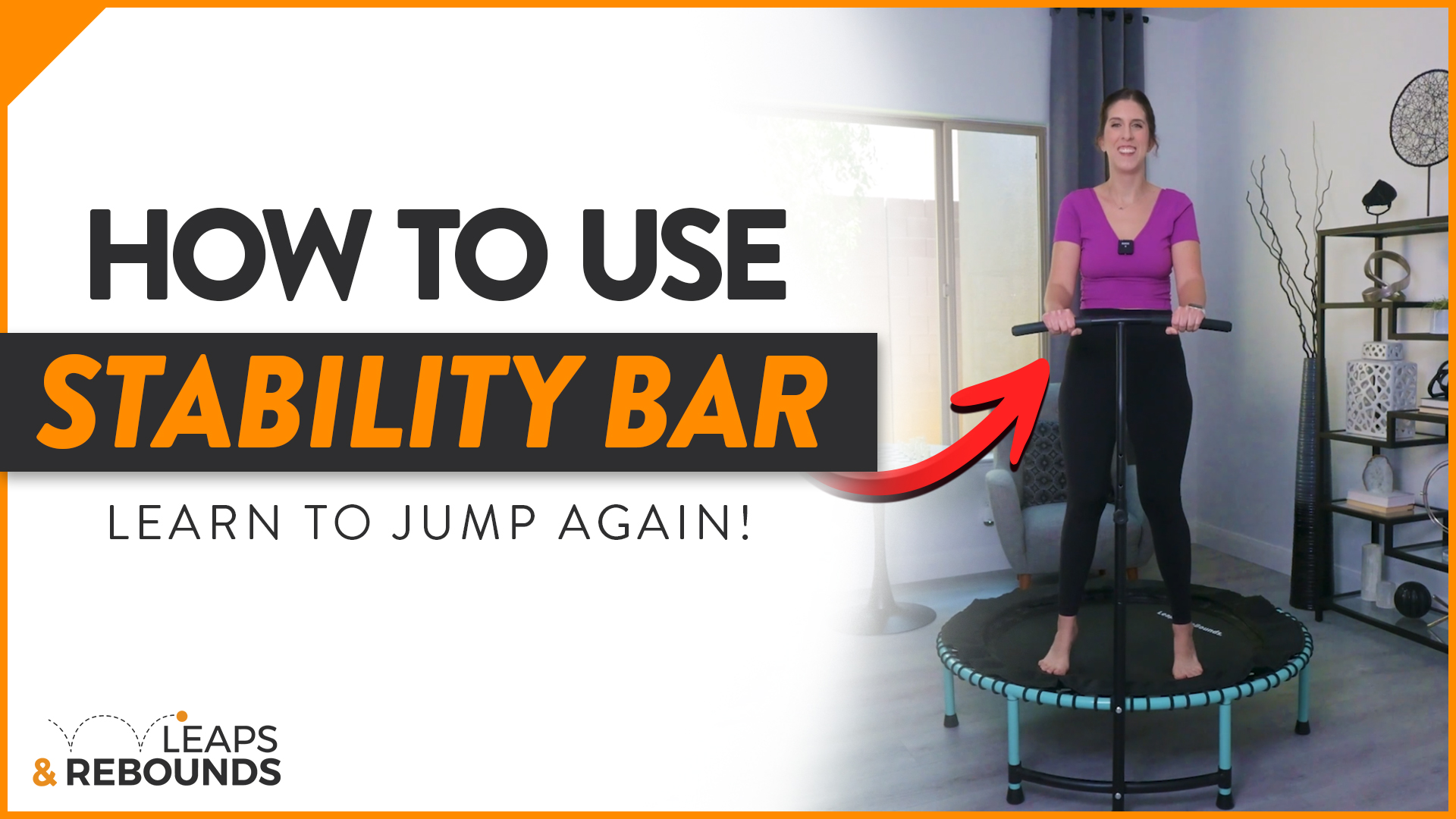
What sets a fitness rebounder apart from, say, a big backyard trampoline? For starters, rebounders are specifically designed for fitness routines. They're smaller, more stable, and built for repetitive bouncing. Many models come with a stability bar, which is a great addition for balance, especially if you're new to bouncing. This bar can make you feel much more secure as you get used to the motion. Plus, their compact size means you can easily fit one in your home without needing a massive amount of space. It's a practical piece of equipment for any home gym setup.
Here's a quick look at what makes rebounding a unique fitness choice:
- Low Impact: Significantly reduces stress on joints compared to high-impact activities.
- Engaging: Works multiple muscle groups, including the core, legs, and even arms.
- Fun Factor: The playful nature makes it easier to maintain a consistent workout routine.
- Space-Saving: Compact design fits well in most homes.
Rebounding offers a unique blend of cardiovascular challenge and joint-friendly movement. The repetitive bouncing action stimulates your body in ways that traditional exercises often can't, making it a versatile tool for improving overall fitness and well-being.
Choosing The Right Fitness Rebounder Trampoline
So, you've decided a fitness rebounder is in your future. Awesome! But now comes the big question: which one? It's not just about picking the prettiest one; there are a few things to think about to make sure you get a rebounder that fits your space, your body, and your workout style. Let's break it down.
Key Considerations For Your Bounce
When you're shopping around, keep these points in mind. They'll help you narrow down the options and find a rebounder that you'll actually use.
- Weight Capacity: This is super important for safety. Always check the maximum weight the rebounder can hold. It's usually listed in the product specs. Don't guess on this one!
- Size of the Jumping Surface: Think about how much space you need. If you're tall or like to do big movements, you'll want a larger surface, maybe 36 inches or more. For smaller rooms or easier storage, a smaller diameter (under 40 inches) might be better.
- Storage Needs: Do you have a dedicated spot for your rebounder, or will it need to be tucked away after each use? If storage is a concern, look for foldable models. They can often slide under a bed or fit into a closet.
- Handlebar or No Handlebar: A handlebar can give you extra stability, which is great for beginners or if you plan on doing exercises that require more balance. However, some people find it gets in the way for certain moves, and it can sometimes make you rely on it too much, affecting your posture.
Tension Types: Bungee Cords Versus Metal Springs
This is a big one, and it really changes the feel of your bounce. You'll mostly see two types of tension systems:
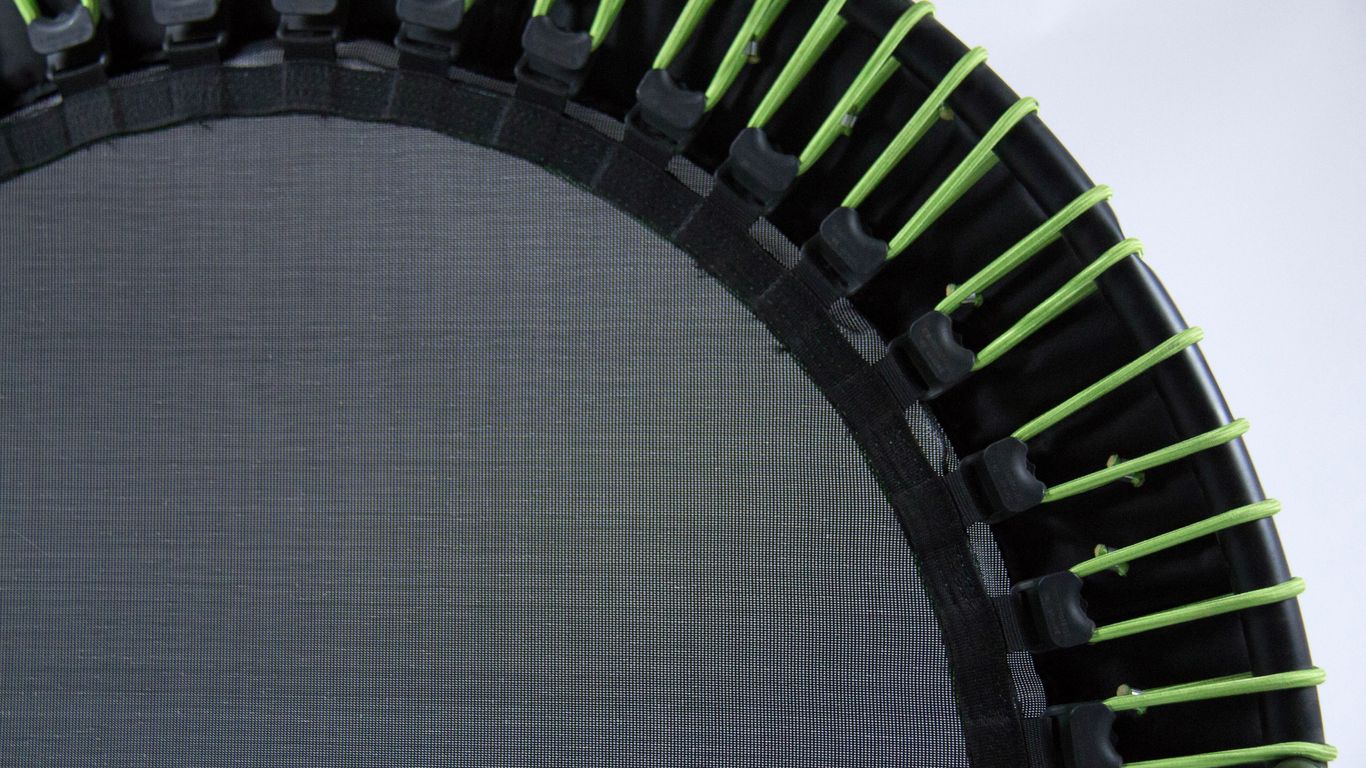
- Bungee Cords: These are often made of thick, elastic cords. They tend to provide a quieter, smoother bounce. The energy transfer feels more gradual, which can be gentler on your joints. Many people prefer bungees because they don't make that loud sproing sound, making them better for apartments or early morning workouts.
- Metal Springs: These are the more traditional type. They usually offer a firmer, more responsive bounce. If you're looking for a really energetic rebound or doing more athletic training, springs might be your preference. However, they can be noisier and, depending on the quality, might feel a bit harsher on your knees and ankles.
Here's a quick comparison:
| Feature | Bungee Cords | Metal Springs |
|---|---|---|
| Bounce Feel | Smoother, quieter, gentler | Firmer, more responsive, energetic |
| Noise Level | Low | Higher |
| Joint Impact | Generally lower | Can be higher |
| Durability | Varies by cord quality | Often very durable |
| Cost | Can be higher for premium cords | Often more budget-friendly |
Features To Enhance Your Workout
Beyond the basic bounce, some rebounders come with extra features that can make your workouts more effective and enjoyable.
- Adjustable Tension: Some bungee models allow you to adjust the tension of the cords. This means you can customize how much resistance you feel, making your workout harder or softer as needed.
- Non-Slip Feet: Essential for keeping your rebounder in place, especially on hard floors. Look for models with sturdy, non-slip feet to prevent any sliding during your workout.
- Durable Frame: A strong steel frame is usually a good sign of quality and longevity. Check reviews to see how well the frame holds up over time.
- Padding: Some rebounders have extra padding around the edge where the mat meets the springs or cords. This can add a little extra comfort and safety.
Choosing the right rebounder is all about matching the equipment to your personal needs and preferences. Don't just go for the cheapest option; think about how you'll use it and what kind of bounce will feel best for your body. A little research now can save you a lot of disappointment later.
Maximizing Your Fitness Rebounder Trampoline Workouts
So, you've got your rebounder and you're ready to get serious about your fitness. That's fantastic! But how do you make sure you're getting the most out of every bounce? It's not just about jumping up and down; it's about smart, effective movement. Paying attention to how you move, even during simple bounces, will make your workouts way more effective and safer.
Tips For Effective And Safe Bouncing
Getting the most out of your rebounder means focusing on good form. It might seem simple, but a few key adjustments can make a big difference. Remember, consistency is more important than intensity when you're starting out. Even a short, fun session is better than skipping your workout altogether.
- Core Engagement: Think about pulling your belly button towards your spine. This engages your core muscles, which is great for support and balance.
- Soft Knees: Avoid locking your knees. Land with a slight bend to absorb the impact.
- Upright Posture: Try to stay as upright as possible. Avoid leaning too far forward or backward.
- Controlled Landing: Aim for a soft landing with each bounce, rather than a hard thud. This shows you're absorbing the impact properly.
Wearing Supportive Footwear For Bouncing
While many people enjoy bouncing barefoot, wearing the right shoes can offer extra support and protection. Look for athletic shoes with good cushioning and a non-slip sole. This helps absorb shock and provides stability, especially if you're doing more dynamic movements. Make sure they fit well and don't restrict your ankle movement.
Making Your Trampoline Workouts More Exciting
Let's be honest, doing the same routine every day can get a bit dull. The good news is, keeping your rebounder workouts fresh and fun is totally doable. It's all about mixing things up and finding what keeps you motivated. You can easily find HIIT routines online or create your own variations.
Here are a few ideas to spice things up:
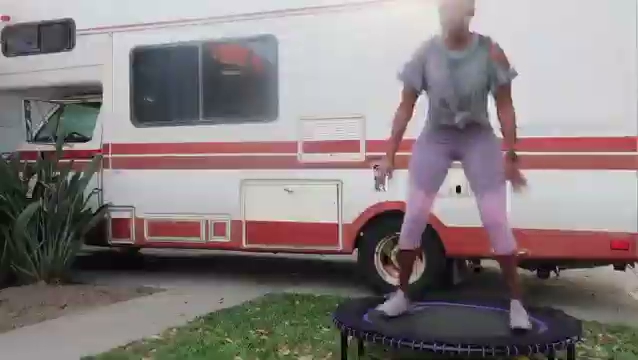
- Vary your bounces: Don't just do the standard up-and-down. Try jogging in place, doing high knees, or even jumping jacks while you bounce. You can also experiment with different speeds and heights.
- Add arm movements: Swing your arms, punch the air, or do some simple arm circles. This adds an extra challenge and works your upper body.
- Incorporate props: Grab light weights for arm exercises, or use a resistance band for added leg work. You can even use your rebounder as a stable surface for exercises like push-ups or dips.
- Change the music: Create playlists that match your energy level. Upbeat tunes can really make a difference in how you feel during your workout.
Trying different types of bounces, adding some arm movements, or even trying simple exercises like squats or lunges while you bounce can keep things interesting. Remember, consistency is key, and finding what makes you smile while you bounce will help you stick with it. You can explore fun ways to jump, twist, and bounce your way to fitness. Visit our website for fresh ideas and tips!
Benefits Of Using A Fitness Rebounder Trampoline
So, you're thinking about getting a rebounder, huh? That little trampoline might seem like just a fun toy, but let me tell you, it packs a serious punch when it comes to what it can do for your body. It's not just about bouncing around; there are some real, tangible benefits you get from using one regularly.
Low-Impact Cardio For Joint Health
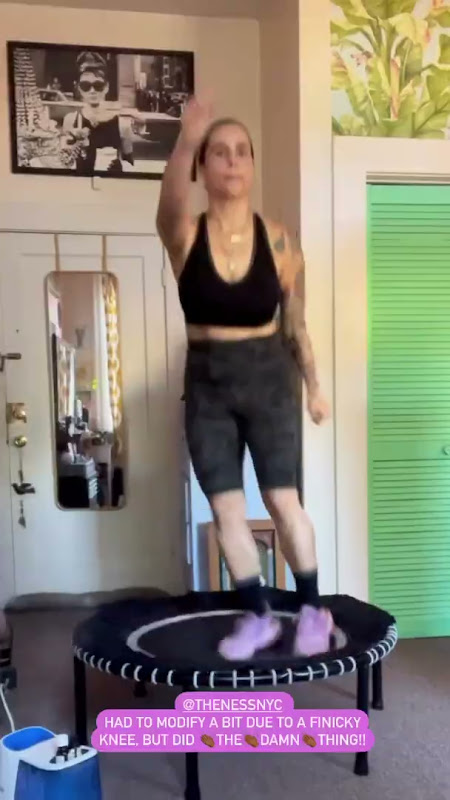
When you get on a rebounder, you're doing more than just jumping. You're actually giving your whole body a good workout without putting a ton of stress on your joints. This is a big deal, especially if you've had knee or ankle issues in the past, or if you just want to keep things feeling good as you get older. The bounce itself absorbs a lot of the impact, making it way gentler than running on pavement or even some other cardio machines. Plus, it's just plain fun, which means you're more likely to stick with it. Who doesn't love a workout that feels more like playtime?
Boosting Lymphatic Drainage And Detoxification
This is one of those benefits people don't always talk about, but it's pretty important. Your lymphatic system is like your body's internal cleanup crew, and it doesn't have a pump like your heart does. It relies on movement to get things flowing. The up-and-down motion of rebounding is fantastic for helping that lymph fluid move through your body. When your lymphatic system is working well, it can help your body get rid of waste and can even make you feel less sluggish and more energized. It's like giving your body a gentle internal massage with every bounce.
Improving Balance And Core Strength
Every time you bounce, even if it's just a gentle up and down, your body has to work to stay stable. This means your core muscles – the ones in your stomach and back – are constantly engaged. It's not like doing crunches where you're focusing on one area; this is a full-body stabilization effort. Over time, this consistent engagement really builds up your core strength. You'll also notice improvements in your balance and coordination. Think about it: you're constantly making tiny adjustments to stay upright on a moving surface. This translates to better balance in everyday activities too, like walking on uneven ground or just standing steady.
The up-and-down motion of rebounding naturally stimulates the lymphatic system, helping the body flush out toxins and improve immune function. It's a gentle way to support your body's natural processes.
Here's a quick look at what you gain:
- Joint-Friendly Cardio: Get your heart rate up without the pounding.
- Detox Support: Aid your body's natural cleanup system.
- Core & Balance: Build a stronger, more stable midsection and improve coordination.
- Mood Boost: Releasing endorphins makes workouts more enjoyable.
Top Fitness Rebounder Trampoline Models For 2026
So, you've decided to jump into the world of rebounding, and that's awesome! But with so many options out there, picking the right one can feel a bit overwhelming. Don't worry, I've done some digging to help you find a great fitness rebounder trampoline for your workouts in 2026. We're looking at models that balance quality, performance, and value, so you can get the most bounce for your buck.
Premium Options For Durability And Performance
If you're looking for a rebounder that's built to last and offers a top-notch workout experience, these models are worth checking out. They often come with higher price tags, but the quality of materials and the bounce itself usually justify the cost. Think smooth, responsive bounces that are easy on your joints but still give you a great cardio challenge.
- Bellicon Fitness Trampoline: These are often praised for their incredible durability and the way they return energy. They use customizable bungee cords, which means you can tweak the tension to your liking. It’s a premium choice, no doubt, but people rave about how smooth and quiet the bounce is. It’s a serious investment for serious fitness.
- Acon Rebounders: Acon has been making waves with their well-designed and high-performing rebounders. They focus on quality construction, aiming to bring a professional gym feel right into your home. If you want something that feels solid and performs consistently, Acon is a strong contender.
Budget-Friendly Choices With Quality Features
Don't have a huge budget? No problem! There are some fantastic rebounders out there that won't break the bank but still give you a solid workout. These options often find a sweet spot between affordability and good features, making them accessible for more people.
- BCAN 40” Foldable Mini Trampoline: This one has become a popular choice because it offers bungee cords for a quieter, gentler bounce, which is a big plus compared to older spring models. It's also foldable, making it super convenient for storage if you're tight on space. It provides a decent jumping area for its size.
- Sportplus 43-inch: If you want a bit more room to move, this model offers a larger jumping surface. It also uses quiet bungee cords, so you won't disturb the neighbors. It’s a good all-around option that balances size and quiet operation.
Beginner-Friendly Fitness Rebounder Trampolines
New to rebounding? It's smart to start with a rebounder that offers extra support and is easy to get the hang of. These models are designed to help you build confidence and get comfortable with the bouncing motion safely.
- JumpSport 350 Fitness Trampoline: This is frequently recommended for beginners. It features adjustable cords, so you can dial in the tension that feels right for you. Plus, it's known for being very quiet, which is always a bonus when you're just starting out and might be doing a bit more wobbling than you'd like.
- Stamina Oval Fitness Trampoline: This is a versatile and stable option that many find offers excellent support. It's a good choice if you're looking for something reliable to get you started on your rebounding journey. You can find this Stamina Oval Fitness Trampoline at many fitness retailers.
When choosing your first rebounder, think about stability. Models with non-slip feet are a must, and if you're feeling a bit unsure, a rebounder with an optional stability handlebar can make a world of difference. Just remember not to lean on it too much; the goal is to build your own balance!
No matter which model you choose, remember to check the weight capacity and assembly instructions. Most rebounders are pretty straightforward to put together, but it's always good to be prepared. Happy bouncing in 2026!
Getting Started With Your Fitness Rebounder Trampoline
So, you've got your new fitness rebounder, and you're probably itching to jump on and start bouncing. That's great! But before you go full-on trampoline pro, let's chat about a few things to make sure you're set up for success and, you know, don't accidentally bounce yourself into the ceiling fan. It’s not complicated, but a little thought goes a long way.
Considerations For Beginners
If you're new to the whole rebounding scene, the most important thing is to take it easy. Your body isn't used to this kind of movement yet, and that's totally fine. Think of it like learning to ride a bike; you start with training wheels and short rides. For rebounding, this means shorter workout sessions, maybe just 10-15 minutes at first. Focus on just getting a feel for the bounce and how your body reacts. It's also a good idea to check out some basic techniques. For instance, starting with a simple breathing exercise while standing behind the rebounder can help you get centered before you even begin to bounce. This gentle approach helps build confidence and prevents you from getting overwhelmed. You can find some really helpful introductory guides online that focus on a gentle approach to rebounding.
Assembling Your New Rebounder
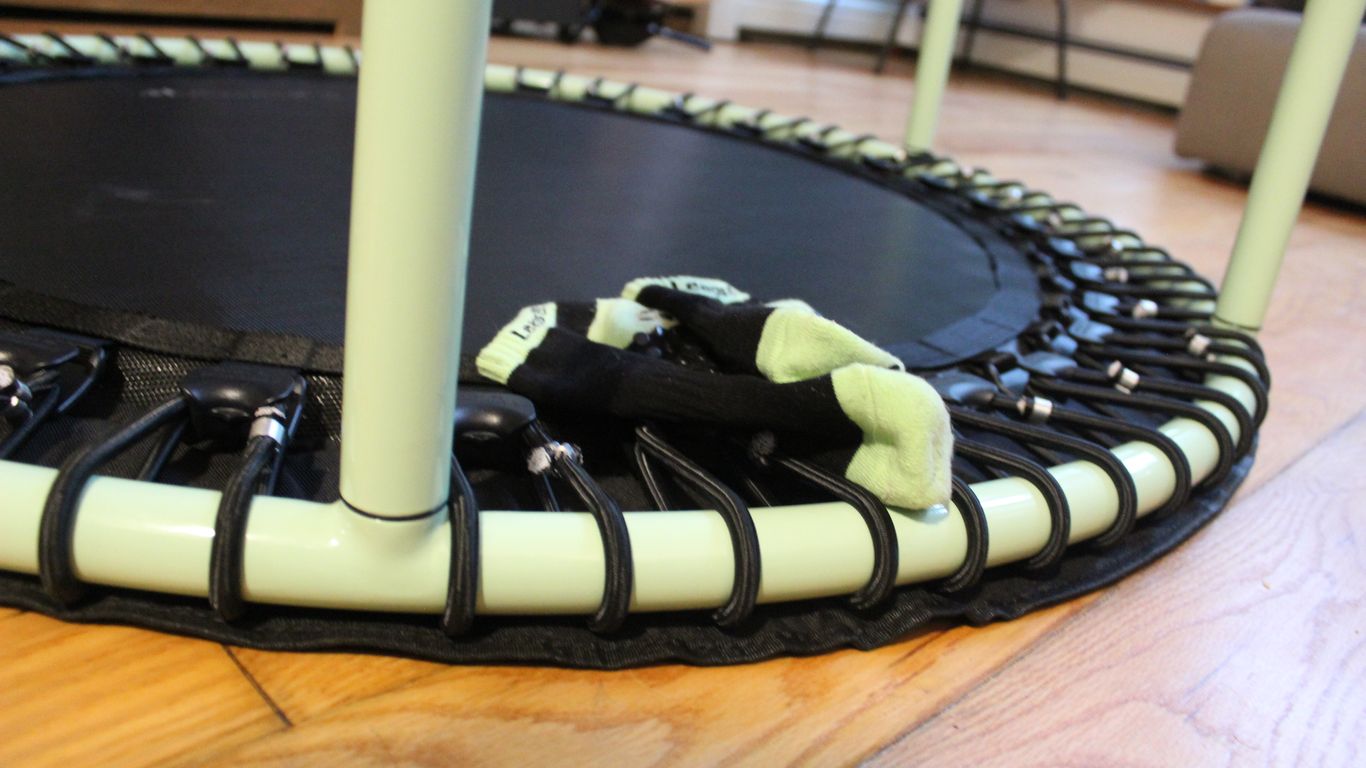
Putting together your rebounder is usually pretty straightforward, but it's worth paying attention to the instructions. Most rebounders come with a frame, legs, and the bouncing mat with its springs or bungee cords. Make sure all the parts are there before you start. When attaching the springs or cords, it can sometimes be a bit tough, so don't be afraid to use a bit of force, but also be careful not to pinch your fingers. It's often easier if you have someone help you, especially with the springs. Once it's all put together, give it a good shake and a gentle bounce to make sure everything feels solid and secure. A wobbly rebounder is no fun and definitely not safe.
Incorporating Props For Added Challenge
Once you're comfortable with the basic bounce and have been doing it for a bit, you might want to mix things up. Adding props can make your workouts more interesting and give you a bit more of a challenge. You don't need anything fancy. Light hand weights are great for adding resistance to arm movements while you bounce. Resistance bands can be used for leg exercises, either while standing on the rebounder or using it for support. Even something as simple as a stability ball can be incorporated for core work. Just remember, when you add props, always prioritize safety. Make sure you have good balance and control before trying to add weights or bands. The goal is to make your workout more effective, not more dangerous.
When you're starting out, focus on mastering the basic bounce and maintaining good posture. Keep your core engaged by gently pulling your belly button towards your spine. Try to land softly with slightly bent knees to absorb the impact. This low-impact approach is what makes rebounding so great for your joints.
Ready to start your fitness journey with a rebounder trampoline? These mini trampolines are a fun way to get moving and boost your health. They're great for all fitness levels and can be used right at home. Discover how easy and enjoyable getting fit can be. Visit our website today to find the perfect rebounder for you and begin your exciting new fitness adventure!
Ready to Take the Leap?
So, we've bounced through the ins and outs of choosing a fitness rebounder for 2026. Whether you're after a quiet, joint-friendly workout with bungee cords or a more energetic session with springs, there's a mini trampoline out there for you. Remember to think about your space, your fitness goals, and what feels good for your body. A good rebounder is an investment in your health, and honestly, it's just plain fun. Don't overthink it too much – pick one that calls to you and get ready to jump your way to a fitter, happier you. Happy bouncing!
Frequently Asked Questions
What exactly is rebounding?
Rebounding is just a fun way to say jumping or bouncing on a small trampoline, also called a rebounder. It's a great way to get your body moving and your heart pumping without being too hard on your joints, unlike running on a hard surface.
Are rebounder workouts good for my joints?
Yes! Rebounding is a low-impact exercise. This means it's much gentler on your knees, ankles, and hips compared to activities like jogging or jumping jacks on the floor. The trampoline mat and springs absorb a lot of the shock.
What's the difference between bungee cords and metal springs on a rebounder?
Rebounders use either bungee cords or metal springs for their bounce. Bungee cords usually give a quieter, softer, and smoother bounce, which many find easier on the body. Metal springs can offer a firmer, more energetic bounce but might be noisier and sometimes a bit harder on your joints.
How can I make my rebounder workouts more exciting?
To keep things interesting, try changing up your bounces! You can jog in place, do high knees, add arm movements like punches or circles, or even use light weights. Playing upbeat music you love can also make a big difference in keeping your energy high.
Do I need special shoes for rebounding?
While some people like to bounce barefoot, wearing supportive athletic shoes is a good idea. They help keep your feet stable and can provide extra cushioning. Just make sure they have good grip so you don't slip on the mat.
Is a rebounder good for beginners?
Absolutely! Rebounders are fantastic for beginners because they're low-impact and fun. Starting with a model that has a stability handle can give you extra support and confidence as you get used to bouncing. Just remember to start slow and listen to your body.


0 comments