


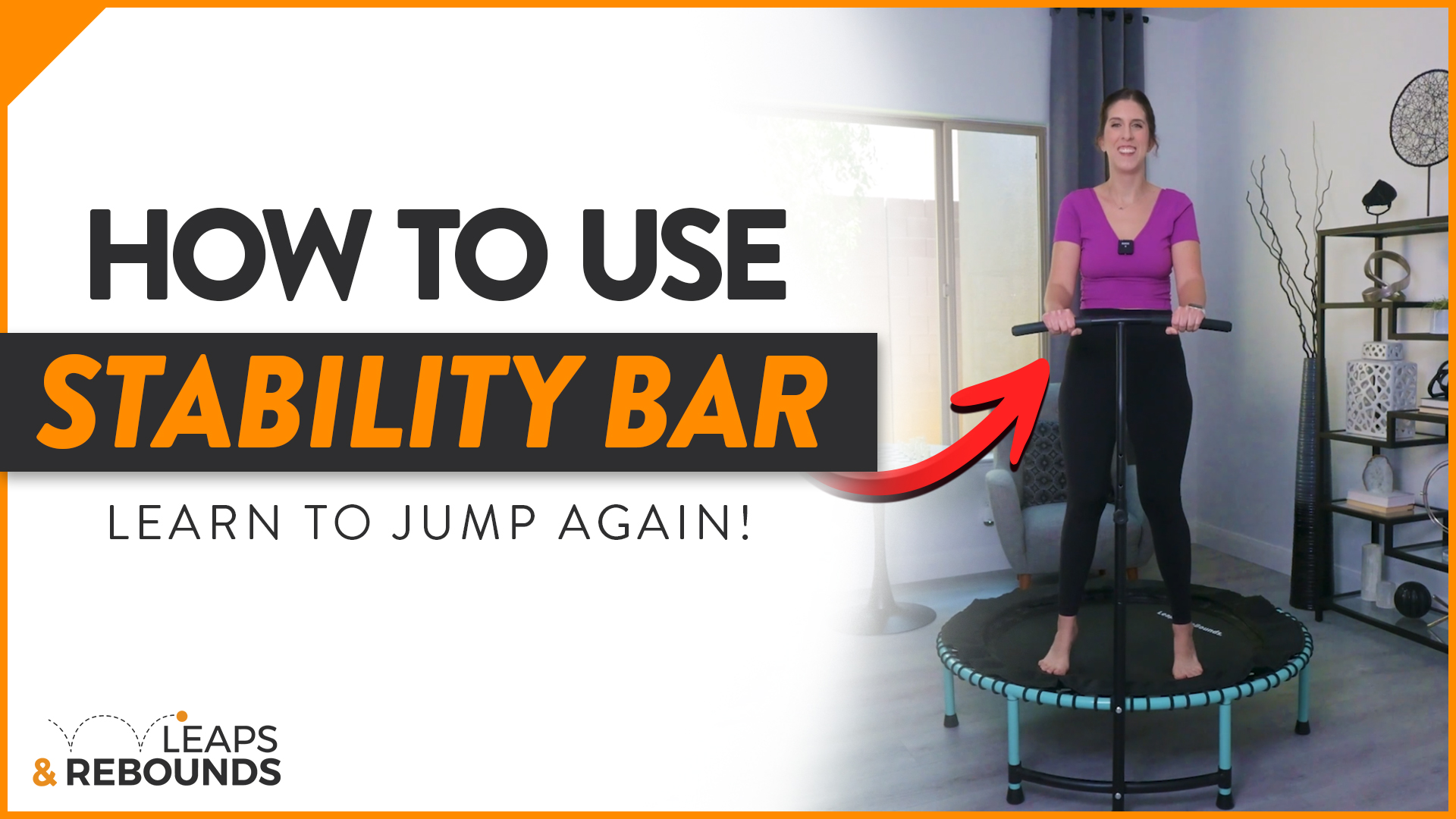
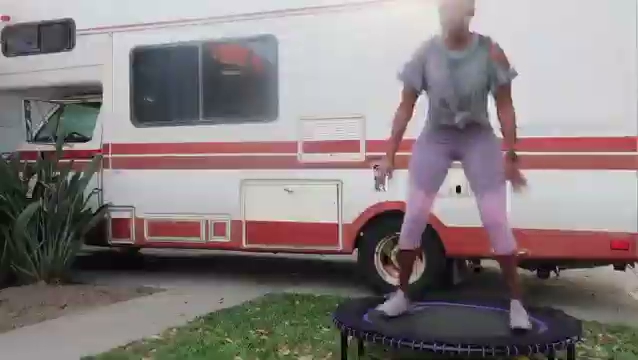




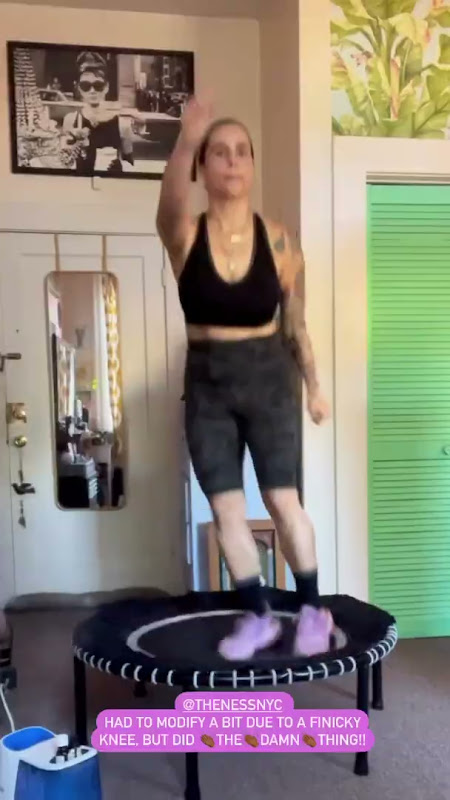




You know, we hear a lot about different ways to improve our skin, and sometimes it feels like a never-ending quest. But what if I told you that something as simple and fun as bouncing on a mini-trampoline could actually make a difference? It sounds a bit wild, but there's actually some real science behind it. We're talking about rebounding for cellulite and how it might just be the low-impact, feel-good workout you didn't know you needed to get smoother, firmer skin. Let's jump into it!
Key Takeaways
- Rebounding for cellulite works by stimulating your lymphatic system, which helps your body flush out toxins and waste, potentially reducing the dimpled appearance of cellulite.
- The gentle bouncing motion encourages your body to produce more collagen, a protein that keeps skin firm and smooth, helping to combat the signs of aging and improve skin texture.
- Starting with rebounding is easy; all you need is a stable mini-trampoline and a few minutes a day for simple bouncing techniques.
- Beyond skin benefits, rebounding offers a holistic boost by improving energy levels, reducing stress, and supporting overall well-being through its low-impact, enjoyable nature.
- Consistency is more important than intensity; short, regular rebounding sessions can lead to visible results and make it a joyful habit that complements other healthy practices.
Understanding The Bounce: Rebounding For Cellulite
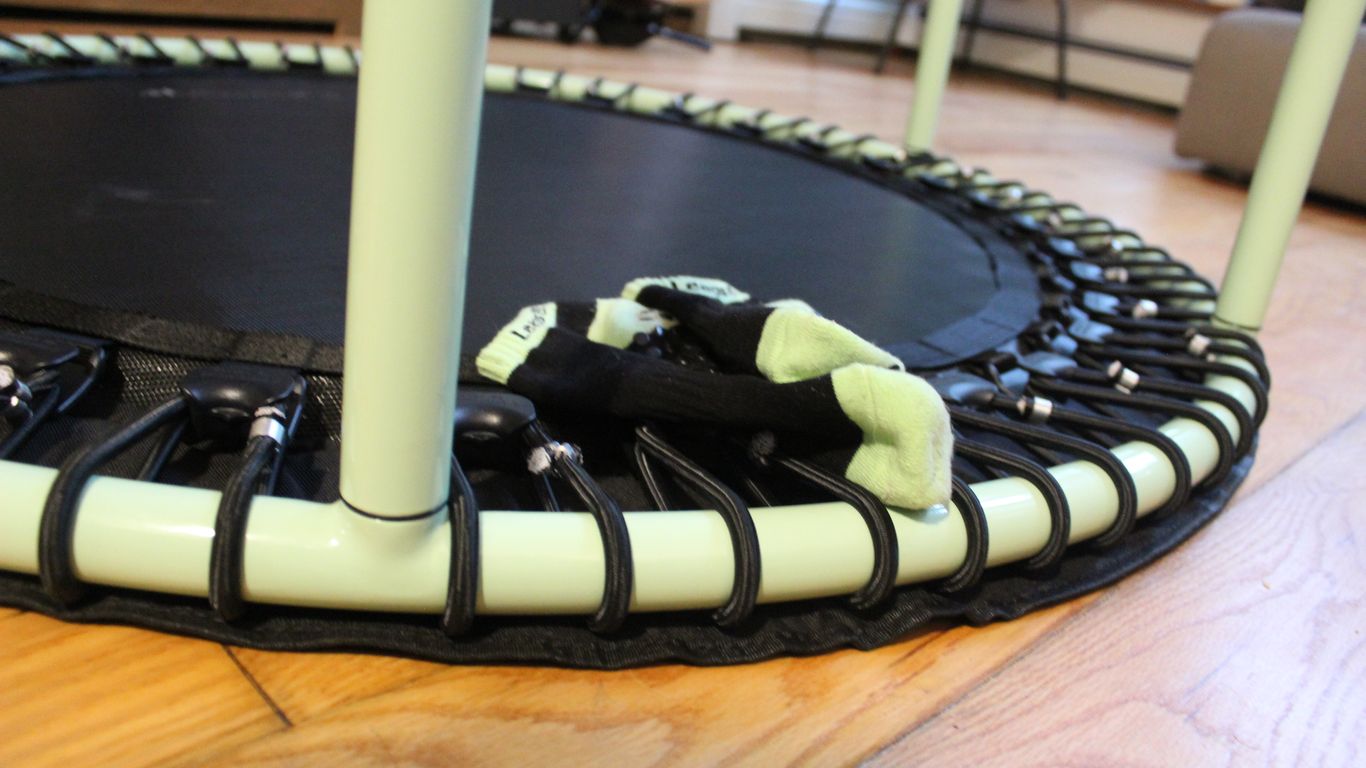
So, you've heard about rebounding, right? That whole mini-trampoline thing. It sounds a bit like a throwback to childhood, but it's actually become this super popular way to get fit and, believe it or not, help with cellulite. It's not just about jumping up and down; there's some real science behind why it works, especially for improving your skin's appearance.
The Science Behind The Bounce
When you bounce on a mini-trampoline, you're doing more than just having fun. Each time you go up and down, your body experiences a gentle acceleration and deceleration. This motion is surprisingly effective at stimulating your lymphatic system. Think of your lymphatic system as your body's internal drainage and waste removal service. Unlike your circulatory system, it doesn't have a built-in pump. It relies on movement to keep things flowing.
How Rebounding Stimulates Lymphatic Flow
Every single bounce acts like a pump for your lymphatic fluid. This constant, gentle movement helps to push toxins, waste products, and excess fluid out of your tissues. This process is key because when your lymphatic system gets sluggish, it can lead to puffiness and contribute to the dimpled appearance of cellulite. By getting things moving, rebounding helps to flush out these buildup issues. Studies have shown that rebounding can accelerate lymphatic drainage significantly, sometimes up to 30 times more than other forms of exercise. This improved circulation is a big deal for overall health and skin clarity.
The gentle, rhythmic motion of rebounding is like a full-body massage for your internal systems. It encourages the natural detoxification processes that your body is already trying to do, but perhaps not as efficiently.
Beyond Aesthetics: Detoxification and Toning
While many people start rebounding to address cellulite, the benefits go much further. The improved lymphatic flow means your body can more effectively get rid of waste products and toxins. This can lead to feeling more energetic and less bogged down. Plus, the consistent muscle engagement involved in balancing and bouncing helps to tone your body. It's a low-impact way to work your muscles without putting a lot of stress on your joints, making it accessible for many people. This combination of detoxification and toning contributes to a healthier, more vibrant you, inside and out. Getting started with a good quality mini-trampoline is the first step towards experiencing these changes. Regular rebounding exercises can effectively target cellulite by boosting collagen production, leading to firmer, more elastic skin and a smoother appearance. Consistent practice is essential for achieving these results and minimizing the visibility of cellulite.
Transforming Skin Texture With Rebounding
So, you're bouncing around on your mini-trampoline, feeling good, but wondering if it's actually doing anything for your skin, especially when it comes to that pesky cellulite. The short answer? Yes, it really can. It's not just about getting a workout in; it's about how that gentle bouncing action works wonders from the inside out.
Boosting Collagen Production Naturally
As we get older, our bodies naturally produce less collagen. Collagen is that protein that keeps our skin looking plump and firm. Think of it like the scaffolding that holds everything up. When it starts to weaken, skin can lose its elasticity, and that's where things like cellulite become more noticeable. Rebounding helps here. The gentle stress on your cells from bouncing actually signals your body to ramp up collagen production. It’s like giving your skin a little nudge to rebuild itself.
Here's a quick look at how it helps:
- Stimulates Fibroblasts: These are the cells responsible for creating collagen.
- Improves Circulation: Better blood flow means more nutrients reach your skin cells, aiding in repair and regeneration.
- Reduces Inflammation: Chronic inflammation can break down collagen, and rebounding helps calm things down.
Reducing The Appearance Of Cellulite
Cellulite happens when fat deposits push through the connective tissue beneath your skin. It's super common, and honestly, a lot of us deal with it. Rebounding tackles cellulite in a couple of ways. First, by improving lymphatic drainage, it helps get rid of excess fluid and waste products that can make the dimpled appearance worse. Second, as your muscles get stronger and firmer from the consistent bouncing, they provide a smoother base under the skin, making those uneven areas less obvious. It's about toning the underlying structure to smooth out the surface.
Achieving Firmer, Smoother Skin
When you combine the increased collagen production with better circulation and reduced puffiness from improved lymphatic flow, the result is skin that just looks and feels better. You might notice your skin is less saggy, more toned, and has a healthier glow. It’s not an overnight fix, mind you. Like most good things, it takes consistency. But sticking with your rebounding routine, even for just 10-20 minutes a day, can lead to noticeable improvements over time. You're essentially giving your skin a consistent, gentle workout that helps it stay resilient and look its best. For those looking for a low-impact way to improve skin texture, rebounding can be effective.
The magic isn't in a single, intense session, but in the cumulative effect of regular, gentle movement. Each bounce contributes to a healthier internal environment that reflects on your skin's surface, making it appear smoother and more toned.
Getting Started With Your Rebounding Journey
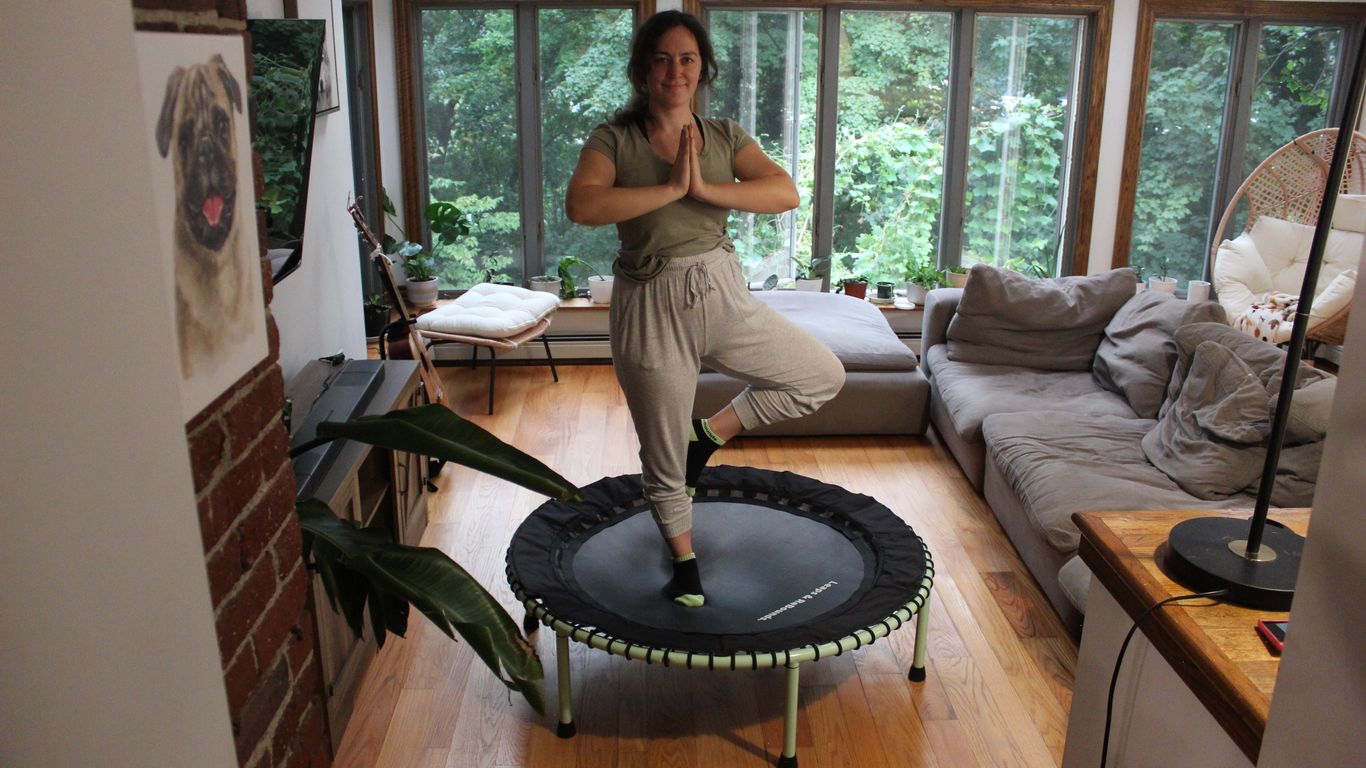
So, you're ready to jump into rebounding and see what all the fuss is about? Awesome! It’s really not as complicated as it might seem. The most important thing is just to get started and not overthink it. You don't need a fancy setup or a personal trainer to begin.
Choosing The Right Mini Trampoline
Picking out your rebounder is the first step. Think about where you'll put it and how much space you have. Some are foldable, which is great if you need to tuck it away. Look for one that feels sturdy and has a good amount of bounce. You don't need the biggest or the most expensive one to get started. A basic, well-made rebounder will do the trick. It’s more about the movement than the equipment itself.
Simple Bouncing Techniques For Beginners
When you first hop on, just start with gentle, basic bounces. Seriously, don't try to do flips or anything wild. Just stand on the mat and bounce lightly. Focus on keeping your core engaged and your body relaxed. You can gradually add in small movements, like marching in place or lifting your knees a bit higher. The goal is to get comfortable with the sensation and build a little momentum. Even 10 minutes of simple bouncing can make a difference.
Here are a few basic moves to try:
- Basic Bounce: Stand with feet hip-width apart, gently push off the mat and land softly. Keep your knees slightly bent.
- Marching Bounce: While bouncing gently, lift one knee towards your chest, then alternate legs, like you're marching in place.
- Twist Bounce: As you bounce, gently twist your torso from side to side. Keep your hips relatively stable.
Consistency Is Key For Visible Results
Like any new habit, the real magic happens when you stick with it. Try to get on your rebounder most days, even if it's just for a short session. Maybe you do 10 minutes in the morning and 10 minutes in the evening. Finding a rhythm that works for your schedule is more important than doing super long workouts sporadically. Over time, you'll start to notice changes in how your skin looks and feels, and how your body feels overall. It’s all about showing up for yourself regularly. You can find a great mini trampoline to start your journey.
Starting with rebounding doesn't require a huge time commitment or a complex routine. The key is to begin with simple, comfortable movements and gradually increase the duration and intensity as you feel ready. Consistency over intensity is the name of the game for seeing lasting results.
The Holistic Benefits Of Rebounding
Enhancing Energy Levels And Mood
Rebounding isn't just about toning your body or improving your skin's appearance; it's a fantastic way to give your overall well-being a serious boost. Think about it: when you're bouncing, you're not just moving your body, you're getting your blood pumping and your lymphatic system working. This increased circulation means more oxygen gets to your brain and your muscles, which can leave you feeling more alert and less sluggish. It's like a natural pick-me-up without the caffeine jitters.
Plus, the sheer fun of it can't be overstated. It’s hard to feel down when you’re bouncing around like a kid again. This playful movement can actually trigger the release of endorphins, those feel-good chemicals in your brain that naturally lift your mood and reduce feelings of stress. Seriously, a few minutes on the rebounder can genuinely turn a bad day around.
Reducing Stress And Cortisol
In today's world, stress feels like a constant companion for many of us. That chronic stress can lead to elevated levels of cortisol, a hormone that, when consistently high, can mess with everything from your sleep to your skin. Rebounding offers a really effective way to combat this. The rhythmic, low-impact nature of bouncing is incredibly calming for the nervous system. It provides a physical outlet for pent-up tension and anxiety.
By engaging in this enjoyable activity, you're actively signaling to your body that it's okay to relax. This can help to lower those stress hormones. It’s a proactive step you can take to manage your stress levels, which in turn benefits your physical health and mental clarity. It's a simple yet powerful tool for finding a bit more peace in your day.
Supporting Overall Well-being
When you combine the mood-lifting effects with the stress reduction, you start to see how rebounding contributes to your overall well-being. It’s more than just a workout; it’s a practice that supports your body and mind in multiple ways. The improved circulation and lymphatic flow contribute to better detoxification, helping your body clear out waste products more efficiently. This internal cleansing can make you feel lighter and more vibrant. You can learn more about how rebounding stimulates lymphatic flow and aids in detoxification.
Here’s a quick look at some of the broader benefits:
- Improved Sleep Quality: By reducing stress and increasing physical activity, rebounding can help you fall asleep faster and enjoy more restful sleep.
- Enhanced Immune Function: A healthy lymphatic system, boosted by rebounding, plays a key role in immune defense.
- Increased Body Awareness: Paying attention to your movements on the rebounder can help you become more in tune with your body's signals.
Rebounding offers a unique blend of physical exertion and mental calm. It’s an accessible activity that doesn’t demand a huge time commitment but delivers significant positive impacts on how you feel, both inside and out. It’s a gentle way to invest in your health.
It’s a simple addition to your day that can make a big difference. Think of it as a little bit of joy and a lot of health, all rolled into one fun activity. It really does support your overall well-being in ways you might not expect.
Integrating Rebounding Into Your Routine
Short Sessions For Maximum Impact
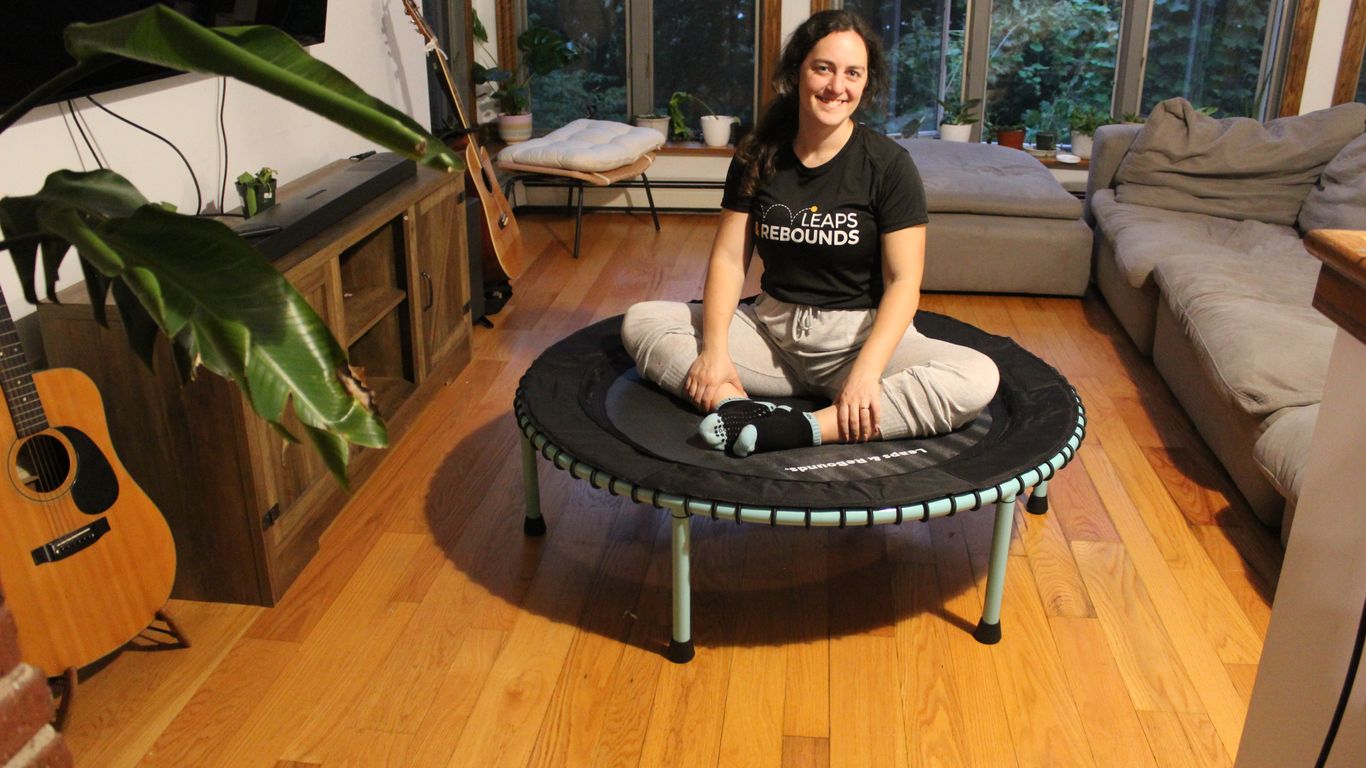
Don't feel like you need to block out an hour for rebounding. Honestly, even just 10 to 15 minutes can make a difference. It's all about consistency, right? So, if fitting in a longer workout feels impossible, just hop on your rebounder for a quick session. You'll be surprised how much energy you get from a short burst of bouncing. It's a great way to break up long periods of sitting, too. Think of it as a mini-reset for your body and mind. You can easily do this before work, during a lunch break, or even while watching your favorite show. The key is to just get moving.
Making Rebounding A Joyful Habit
Let's be real, sticking with any exercise routine is tough. But rebounding? It's different. It taps into that childlike joy of just jumping around. Try putting on some upbeat music that makes you want to move. Don't worry about perfect form at first; just bounce! You can try different things, like marching in place, doing small jumps, or even just gently bouncing while you chat on the phone. The goal is to make it feel less like a chore and more like a fun activity. Over time, this playful approach can help you build a habit that you actually look forward to. It's about finding what makes you smile while you bounce.
Complementary Practices For Enhanced Results
While rebounding is fantastic on its own, pairing it with other healthy habits can really boost your results. Think about what else makes you feel good. Maybe it's drinking more water throughout the day, which helps with detoxification. Or perhaps it's getting enough sleep, which is when your body does a lot of its repair work. Eating nutritious foods also plays a big role in how your skin looks and feels. You could even try some gentle stretching after your bouncing session to help your muscles relax. These little additions work together with your rebounding to support your overall well-being and skin transformation. It's like giving your body a full spa treatment, right at home. For example, incorporating lymphatic drainage massage techniques can further support the detoxification benefits you get from rebounding.
Want to add some fun bouncing to your fitness routine? It's easier than you think! Jumping on a mini trampoline, also known as a rebounder, is a fantastic way to get your heart pumping and muscles working without putting too much stress on your joints. You can do all sorts of cool moves, from simple jumps to more advanced routines, right in your living room. Ready to start bouncing your way to a healthier you? Visit our website to find the perfect rebounder for your home gym!
Ready to Bounce Your Way to Better Skin?
So, there you have it. Rebounding isn't just some quirky fitness fad; it's a genuinely simple way to give your body a little nudge in the right direction. We've talked about how that gentle bounce can help clear out toxins, maybe even smooth out some of those dimples, and just generally make you feel more awake and alive. It’s not about chasing some impossible ideal, but about finding a fun, low-impact way to support your body’s natural processes. You don't need a fancy gym or hours of your day. Just a few minutes, a mini-trampoline, and a willingness to try something new. Give it a go, and see if you don't start feeling and looking a little bit brighter. Your skin, and your energy levels, might just thank you for it.
Frequently Asked Questions
How does bouncing on a mini-trampoline help with cellulite?
When you bounce on a mini-trampoline, you're helping your body's natural cleaning system, called the lymphatic system, move better. This system helps get rid of waste and toxins. By getting the lymph fluid flowing, rebounding can help break down fat cells and make cellulite look less noticeable, leading to smoother skin.
Is rebounding good for your skin?
Yes, rebounding can be great for your skin! The gentle bouncing motion helps boost blood flow and can encourage your body to make more collagen. Collagen is a protein that keeps your skin firm and smooth. This can help reduce the appearance of fine lines and make your skin look more toned and healthy.
How long do I need to rebound to see results?
You don't need to spend hours bouncing! Even just 5 to 10 minutes of gentle rebounding each day can start to make a difference. The key is to be consistent. Doing it regularly, even for short periods, helps your body's systems work more efficiently, leading to noticeable changes over time.
What are the other health benefits of rebounding?
Besides helping with skin concerns, rebounding is fantastic for your overall health. It boosts your energy, helps reduce stress, improves your mood, and supports your body's natural detox process. It's a low-impact exercise, so it's easy on your joints while still giving you a great workout.
Do I need special shoes to rebound?
Not at all! Many people find it comfortable and effective to rebound barefoot, which can even help with grounding. If you prefer, you can also wear light athletic shoes. The most important thing is to feel comfortable and stable while you're bouncing.
What's the best way to start rebounding?
Start simple! Begin with gentle, steady bounces in the center of the trampoline. Focus on keeping your body relaxed and your knees slightly bent. As you get more comfortable, you can try moving your arms or doing simple leg movements. The goal is to make it feel fun and natural, not like a difficult chore.


0 comments