


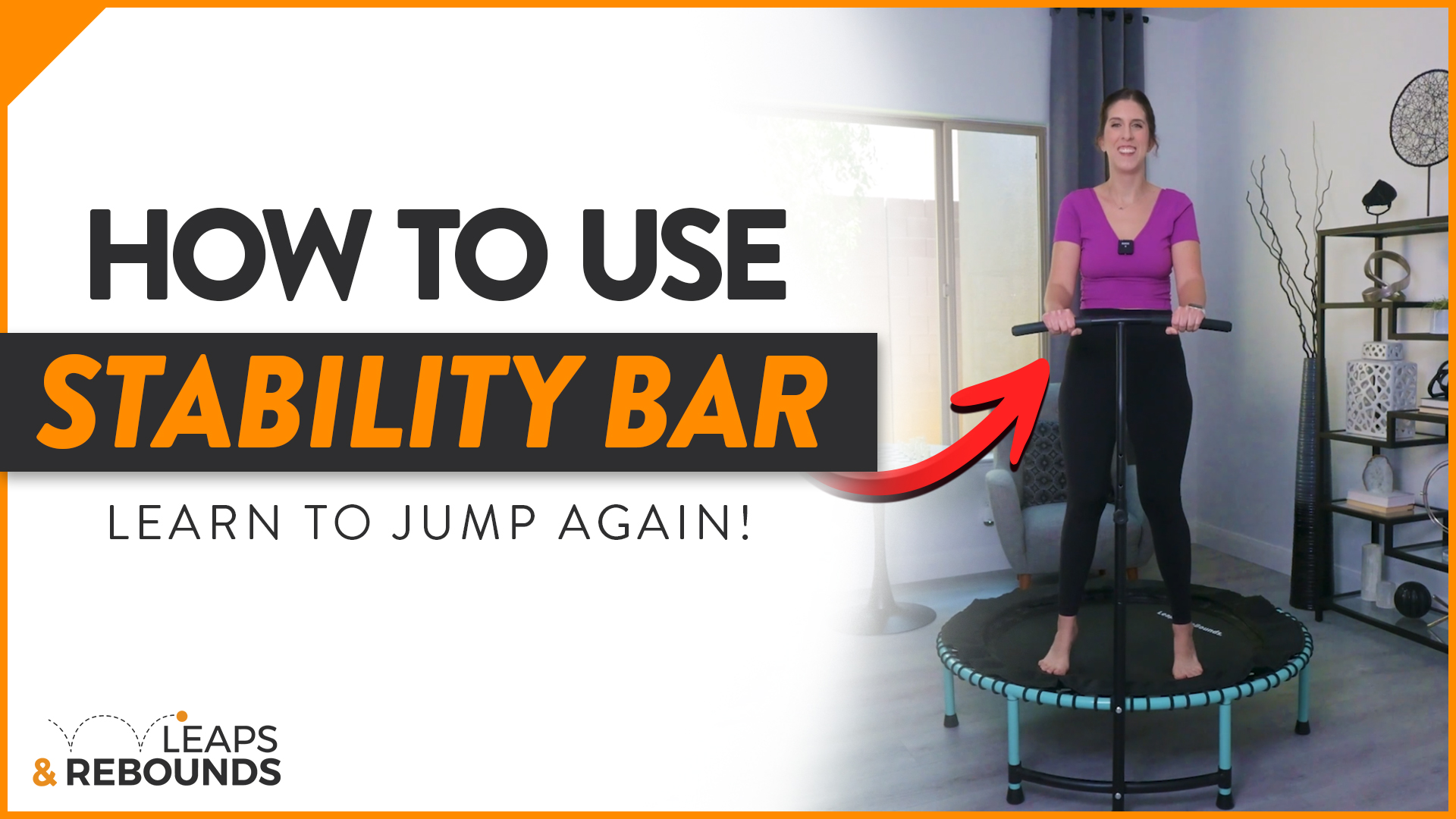









Thinking about adding a new fitness tool to your routine? Maybe you've seen those mini trampolines and wondered if they're actually any good for adults. Well, let me tell you, the urban rebounding trampoline might just be the game-changer you're looking for. It's more than just a fun way to bounce around; it's a seriously effective workout that's surprisingly gentle on your body. We're going to dive into why this piece of equipment is worth considering for your home.
Key Takeaways
The urban rebounding trampoline offers a low-impact, full-body workout by utilizing the 'Rebound Effect' to return energy, making it easier to achieve an elevated heart rate.
Integrating regular bouncing sessions into your daily life, even short ones, is vital for seeing results and improving stamina and mood.
Proper jumping technique, focusing on bent knees and an upright posture, maximizes the benefits and safety of your urban rebounding trampoline workout.
Rebounding significantly boosts health by improving lymphatic circulation, strengthening the cardiovascular system, and building musculoskeletal resilience.
Setting up your urban rebounding trampoline correctly, using safety features like enclosures, and performing regular maintenance are important for a safe and effective fitness experience.
Discover the Benefits of Trampoline Jumping for Adults
You might see those mini trampolines and think they're just for kids, or maybe a bit silly for grown-ups. But honestly, they’re way more than just a fun way to bounce around. This piece of equipment, often called a rebounder, is actually a seriously effective workout tool that's surprisingly kind to your body. It’s a fantastic way to get your heart rate up without putting a ton of stress on your joints, which is a big win for long-term health. Think of it as a gentle yet effective way to get your body moving. It’s a great way to mix cardio and strength training into one exercise, boosting both muscular endurance and cardiovascular fitness.
The Rebound Effect Explained
Ever wonder why jumping on a trampoline feels so good and seems to give you more energy? It's all thanks to something called the 'rebound effect.' Basically, when you land on the trampoline mat, it doesn't just absorb your impact; it actually gives some of that energy back to you. This means you can jump higher and feel a greater effect with less effort compared to, say, running on hard pavement. It's like getting a little boost with every bounce. This phenomenon is a big reason why trampoline fitness is so effective for a full-body workout. It lets you get your heart rate up and work your muscles without putting too much strain on your joints. This low-impact nature is a game-changer for anyone looking to stay active long-term. It allows for consistent training without the constant risk of injury that comes with high-impact activities.
Achieving Greater Stamina and Mood
When I first started using my rebounder, I wasn't expecting much. Maybe a little fun, sure, but a real change? Nah. But after a few weeks of just 10-15 minutes a few times a week, I started noticing things. My energy levels throughout the day were more stable, and I wasn't hitting that afternoon slump as hard. Plus, those little endorphin boosts you get from exercise? They really do make a difference in your mood. It’s amazing how a simple activity can impact your mental state so positively. Consistent exercise is the ultimate pick-me-up. Regular bouncing sessions, even short ones, are vital for seeing results and improving stamina and mood.
Full-Body Workout Potential
Don't let its compact size fool you; this trampoline is a powerhouse for a full-body workout. Every bounce engages your core to keep you stable, your legs and glutes to propel you upwards, and even your arms and upper body if you add movements. You can easily turn a simple bounce into a dynamic session that works multiple muscle groups simultaneously. It's a surprisingly efficient way to get your heart pumping and your muscles working, all from the comfort of your home. It’s a fantastic way to burn calories, but trampolining also releases endorphins, which can elevate mood and reduce stress.
The science behind rebounding is pretty solid. It's a fantastic way to get your heart rate up without putting a ton of stress on your joints, which is a big win for long-term health. It’s a great way to mix cardio & strength training into one exercise, boosting both muscular endurance and cardiovascular fitness.
Low-Impact Exercise for Joint Health
Gentle on Your Joints
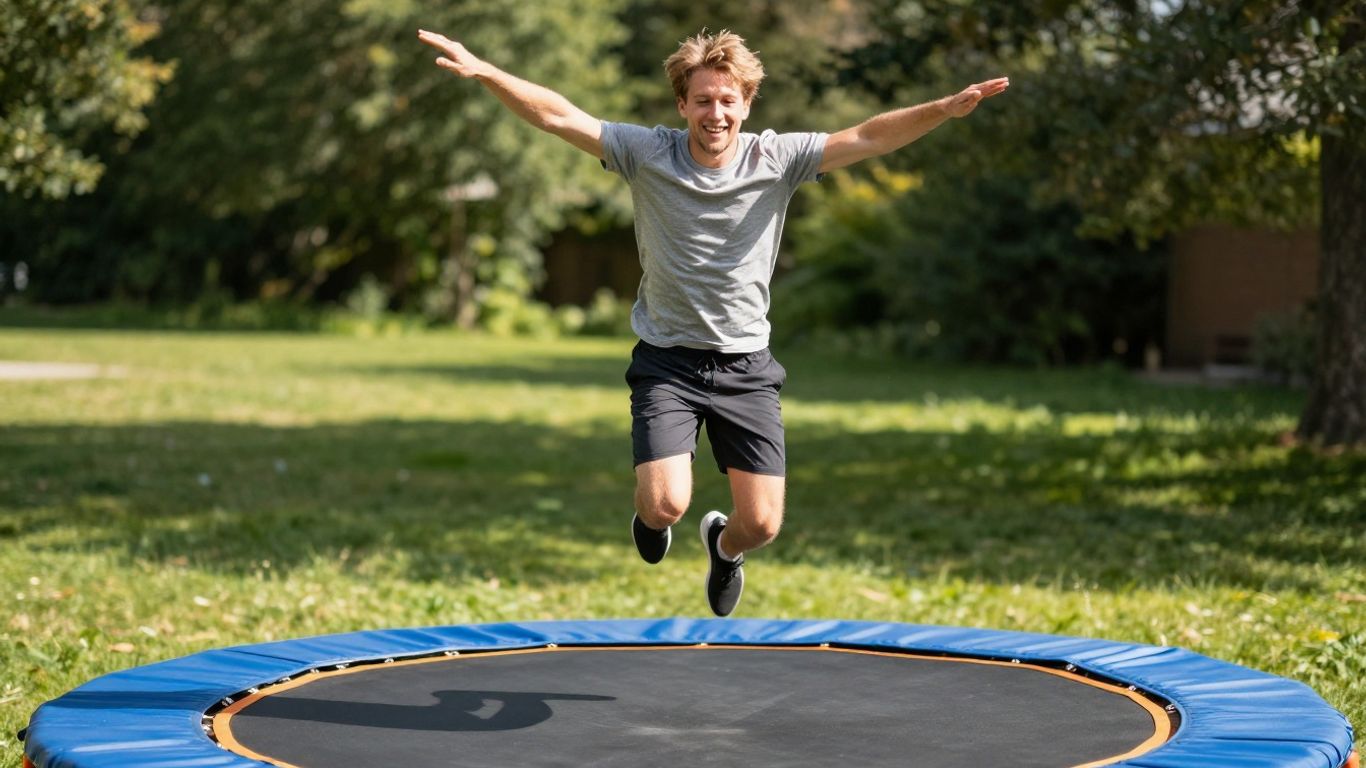
If you've ever worried about pounding your knees or hips during a workout, a trampoline might be your new best friend. Unlike running on pavement or jumping on a hard floor, the trampoline mat and its support system absorb a lot of the shock. This means you get the benefits of a good cardio session without all the jarring impact that can lead to aches and pains later on. It's a way to move your body that feels good, even if you've had joint issues in the past. This low-impact nature is a game-changer for anyone looking to stay active long-term. It allows for consistent training without the constant risk of injury that comes with high-impact activities. You can find more about the benefits of low-impact exercise and how it helps your body.
Reduced Impact Compared to Hard Surfaces
Think about the difference between jumping on concrete versus jumping on a soft surface. A trampoline is designed to cushion your landings. The bungee cords or springs, along with the mat itself, work together to absorb the force of each bounce. Studies suggest that trampolines can absorb a significant percentage of the impact, sometimes up to 80% or more, depending on the design. This is a huge difference compared to hard surfaces, which send all that shock straight up through your legs and spine. It's like giving your joints a much-needed break while still getting a great workout.
Building Musculoskeletal Resilience
While it's gentle, don't mistake low-impact for low-benefit. Bouncing on a trampoline actually helps to strengthen the muscles and bones around your joints. As you jump, your body works to stabilize itself, engaging your core and leg muscles. Over time, this consistent, controlled movement can help build stronger bones and improve the resilience of your muscles and connective tissues. It's a way to improve your body's ability to handle stress, not by taking more of it, but by becoming more efficient and stronger. This can translate to better balance and coordination in everyday life, making you feel more stable and capable. It's a surprisingly effective way to get your heart pumping and your muscles working, all from the comfort of your home, and you can explore trampoline exercise for more details.
The key is that the trampoline surface moves with you, absorbing and returning energy. This dynamic interaction helps to strengthen your muscles and improve proprioception – your body's awareness of its position in space – without putting undue stress on your joints. It's a win-win for both cardiovascular health and joint well-being.
Maximizing Your Trampoline Workout
So, you've got your trampoline, and you're ready to get serious about your bouncing. It's not just about hopping around; there's a smart way to get the most out of every session. Focusing on proper form and structure will make your workouts safer and way more effective.
Optimizing Your Jumping Technique
Getting the most out of your rebounder isn't just about jumping as high as you can. It's about controlled movement. Think about it: if you're just flailing around, you're not really working your muscles efficiently, and you might even risk a tweak or two. The rebound effect is great, but it works best when you're in control.
Here's a quick rundown on how to jump right:
Knees: Keep them slightly bent when you land. This acts like a little shock absorber for your joints. No stiff legs allowed!
Posture: Stand up tall. Imagine a string pulling you up from the crown of your head. Pump your arms naturally to help with balance and momentum.
Feet: Try to land with your whole foot, not just your toes. This gives you a more stable base and helps prevent ankle issues.
Engaging Your Core While Bouncing
Your core muscles – that's your abs, back, and sides – are working hard just to keep you stable while you bounce. But you can do even more to really target them. Think of your trampoline not just as a place to jump, but as a dynamic platform for core work. You can easily turn a simple bounce into a dynamic session that works multiple muscle groups simultaneously. It's a surprisingly efficient way to get your heart pumping and your muscles working, all from the comfort of your home.
Try these moves to really feel the burn:
Twists: While bouncing, gently twist your torso from side to side. Keep your hips relatively still and focus on rotating your upper body.
Knee Lifts: Alternate bringing your knees up towards your chest as you bounce. This really engages your lower abs.
Arm Circles: While maintaining a steady bounce, make circles with your arms, both forwards and backwards. This adds an upper body and shoulder challenge.
Structured Interval Training Routines
Bouncing aimlessly is fine for a bit, but if you want real fitness gains, you need a plan. Interval training is where the magic happens on a rebounder. You alternate between short bursts of intense activity and brief recovery periods. This really gets your heart rate up and then lets it recover, which is fantastic for your cardiovascular health.
Here’s a sample structure you can try:
Phase |
Duration |
Activity |
|---|---|---|
Warm-up |
5 minutes |
Gentle, low bounces |
High-Intensity |
15-20 mins |
30s intense jump, 30s slow bounce (repeat) |
Cool-down |
5 minutes |
Slow, steady bouncing |
The key to maximizing your workout is consistency and intention. Even short, focused sessions can yield significant results when you approach them with a clear plan and proper technique. Don't underestimate the power of this compact piece of equipment when used intelligently.
Integrating Trampoline Jumping Into Your Routine
So, you've got this cool new trampoline, and you're thinking, "How do I actually make this a regular thing?" It's easy to get excited at first, but keeping up with any new fitness habit can be tricky. The good news is, the mini trampoline is pretty good at fitting into your life if you let it. Consistency is probably the most important part. You won't see much change if you only hop on once in a while. Think of it like brushing your teeth – you do it every day, right? Aim for short, regular sessions rather than one long one every week. Even 10-15 minutes a day can make a big difference over time. It's about building a habit that sticks. You might notice changes in your energy levels and how your clothes fit sooner than you think.
Consistency is Key for Results
As mentioned, showing up regularly is where the real magic happens. It's not about how long you bounce, but how often. Even a quick 10-minute session can get your heart rate up and boost your mood. Try to schedule it in, just like any other important appointment. Maybe it's first thing in the morning before the day gets crazy, or perhaps during your lunch break to clear your head. The goal is to make it a non-negotiable part of your day.
Adapting to Your Living Space
One of the best things about these mini trampolines is their size. They don't take up a ton of room. You can easily set one up in a corner of your living room, bedroom, or even a larger closet if you need to. If you're worried about noise, using a thick mat underneath can help dampen the sound. It's designed to be a home-friendly piece of equipment, so don't let a small apartment stop you. You can find a compact rebounder that fits your space perfectly.
Making Fitness a Family Affair
This isn't just for you! Kids love trampolines, and it's a great way to get the whole family moving together. You can take turns doing different exercises, or even have a family bounce session. It turns exercise from a chore into a fun activity that everyone can enjoy. Plus, it's a fantastic way to teach kids about staying active from a young age. Just make sure everyone knows the safety rules before they start bouncing. It's a great way to get everyone involved in a cardiovascular workout that doesn't feel like work.
Remember, the goal is to make this a sustainable part of your life. Start small, be consistent, and don't be afraid to get creative with how you use your trampoline. It's a versatile tool that can bring a lot of joy and health benefits into your home.
Beyond the Physical: Mental Well-being Boosts

Okay, so we've talked a lot about the physical stuff – the muscles, the joints, the cardio. But honestly, one of the biggest wins I've found with my rebounder is how it messes with my head, in the best way possible. It’s not just about getting a sweat on; it’s about shaking off the day's junk.
Elevating Mood and Reducing Stress
Think about it. When you're bouncing, your body is doing its thing, but your mind? It gets a break. It's hard to dwell on that annoying email or the overflowing to-do list when you're focused on just staying upright and maybe doing a little hop. This activity helps to lower cortisol levels, the body's primary stress hormone, while simultaneously increasing the production of endorphins, which are natural mood boosters. It's like a mini-vacation for your brain. Seriously, after just 10 minutes, I feel noticeably lighter. It's a fun and effective way to support overall mental well-being and combat stress [5ba1].
Reviving Your Playful Spirit
Remember being a kid and just… playing? Trampolines were the ultimate playground. Bringing that back as an adult feels surprisingly good. It’s a chance to be a little silly, to not take yourself so seriously. You don't need to be doing fancy flips; just the simple act of bouncing can tap into that childlike joy. It’s a reminder that movement doesn't always have to be a chore. It can be pure, unadulterated fun.
Boosting Energy Levels Throughout the Day
This one surprised me the most. I figured bouncing would just make me tired, but it’s the opposite. Instead of that sluggish feeling, especially in the afternoon, I feel more alert. It gets the blood moving and oxygen flowing, which apparently does wonders for keeping you awake and focused. It’s a much better alternative to reaching for that third cup of coffee. The consistent exercise is the ultimate pick-me-up.
The science behind rebounding is pretty solid. It's a fantastic way to get your heart rate up without putting a ton of stress on your joints, which is a big win for long-term health. Think of it as a gentle yet effective way to get your body moving.
Here’s a quick look at how rebounding impacts your mental state:
Mood Improvement: Endorphin release makes you feel happier.
Stress Reduction: Lowers cortisol, the stress hormone.
Increased Alertness: Better blood flow and oxygenation.
Sense of Accomplishment: Completing a session feels good.
It’s amazing how a simple activity can impact your mental state so positively. Trampoline jumping offers significant mental health benefits for adults, including effective stress management, mood enhancement, and improved sleep quality [95ab].
The Accessibility and Versatility of Rebounding
A Workout for All Fitness Levels
It's easy to look at a piece of equipment like a mini trampoline and think, "Is this really going to make a difference?" I get it. I've been there, surrounded by gadgets that promised the world but ended up as dust collectors. But the Urban Rebounding Trampoline is different. It's not just about bouncing; it's about a consistent, low-impact way to boost your overall well-being. The real magic happens when you make it a regular part of your life. This low-impact nature is a game-changer for anyone looking to stay active long-term. It allows for consistent training without the constant risk of injury that comes with high-impact activities. Think of it as a gentle yet effective way to get your body moving. It’s a great way to mix cardio & strength training into one exercise, boosting both muscular endurance and cardiovascular fitness.
Fitting into Small Spaces
One of the coolest things about rebounders is how little space they take up. You don't need a huge gym or a dedicated room. Most mini trampolines can be folded up or easily stored in a closet when you're not using them. This makes them perfect for apartments, dorm rooms, or any home where space is a bit tight. You can get a fantastic workout without needing a lot of room, which is pretty awesome.
A Fun Alternative to Traditional Exercise
Let's be honest, sometimes the thought of hitting the gym or going for a run can feel like a chore. Rebounding offers a refreshing change of pace. It taps into that childlike joy of bouncing, making exercise feel less like work and more like play. This shift in perspective can make a huge difference in sticking with a fitness routine. Plus, the rebound effect means you get a great workout that's surprisingly gentle on your joints.
The accessibility of rebounding means you can get a full-body workout without needing fancy equipment or a lot of space. It's a way to move your body that feels good and is sustainable, no matter your current fitness level or living situation. It truly brings fitness home in a practical and enjoyable way.
Keep Bouncing Towards a Healthier You
So, it turns out that bouncing on a trampoline isn't just for kids having a blast. For us adults, it's a pretty neat way to get moving and feel better overall. We've seen how it's easy on the joints, good for your heart, and can even lift your mood. Plus, you don't need a huge space or a lot of fancy gear to get started. Just a little bit of time each day can really add up. Don't overthink it – just give it a try and see how much better you feel. Keep jumping, and you might just surprise yourself with how much more energy you have.
Frequently Asked Questions
What's the 'Rebound Effect' and how does it help me?
Think of the 'rebound effect' like a mini trampoline giving you a little push back when you land. It means the trampoline sends some of the energy you put into it back to you. This lets you jump higher with less effort than running on hard ground, and it's much easier on your joints, like your knees and ankles.
Is jumping on a trampoline really a good full-body workout?
Yes, it really is! When you bounce, your stomach muscles (your core), legs, and glutes all work hard to keep you steady. It also gets your heart pumping, similar to a quick, intense workout, which helps you build more stamina.
How can I make sure I use the trampoline often enough to see results?
The best way to get results is to jump regularly. Try to make it a habit, even if it's just for a few minutes each day. Think of it as a fun part of your day, like brushing your teeth, rather than a chore you have to do.
What are the main health benefits of using a rebounder?
Jumping on a rebounder helps your body in many ways. It gets your blood and body fluids moving better, which helps clear out waste. It also makes your heart stronger, improves your balance, and can even help build stronger bones and muscles without putting too much stress on your body.
Is it safe to use indoors, especially on hard floors?
It's definitely safer if your trampoline has a safety net. For floors, using a thick rubber mat underneath is a smart idea, especially on wood or tile, to stop it from sliding and protect your floor. Carpet is usually okay, but make sure it doesn't slip.
Can I really get more energy and feel happier by jumping?
Absolutely! Many people find that regular bouncing helps them feel more energetic and less stressed. It's a fun way to move your body, and that can lead to a better mood and more endurance for everyday activities.


0 comments