










Thinking about ways to stay active as you get older? You might have seen those mini-trampolines, also called rebounders, and wondered if they're a good fit. It’s a fair question! Many people are curious if rebounders are good for seniors, and honestly, there's a lot to consider. We’re going to break down what makes them potentially great, but also what you need to watch out for. Let's explore the health benefits and see if this bouncy workout is right for you.
Key Takeaways
- Rebounding offers a low-impact way to improve balance and coordination, which is super important for seniors to prevent falls.
- It's gentle on the joints, making it a good option for those with arthritis or other joint pain, unlike some higher-impact exercises.
- Bouncing on a mini-trampoline can help build muscle strength and even improve bone density, which is key for staying strong as we age.
- Rebounding can give your heart a good workout, boosting cardiovascular fitness and supporting overall circulation.
- While beneficial, it's important to start slowly, use the right equipment, and talk to your doctor first to avoid potential risks like dizziness or injury.
Exploring The Health Benefits Of Rebounding For Seniors
Rebounding, which is basically bouncing on a mini-trampoline, has a bunch of cool benefits that make it a really good option for older folks. It's not just about having fun, though that's a part of it! This type of exercise is surprisingly effective for improving several key areas of health that tend to become more important as we get older.
Improved Balance and Coordination
One of the biggest wins with rebounding is how it helps with balance. When you're bouncing, even gently, your body has to make tiny adjustments all the time to stay upright. This constant work engages your core muscles and that system in your body that tells you where you are in space – it's called proprioception. Studies have actually shown that sticking with mini-trampoline exercises for a few weeks can make a noticeable difference in how well seniors can regain their balance. Think about it: better balance means fewer stumbles and falls, which is a huge deal.
Low-Impact Exercise For Joint Health
This is a big one for anyone dealing with achy joints or conditions like arthritis. Unlike running or jumping on a hard surface, rebounding is really gentle. The trampoline absorbs a lot of the shock. So, you get a good workout without putting a ton of stress on your knees, hips, and ankles. It's a way to move your body and get your heart rate up without that jarring impact that can make other exercises tough to stick with.
Muscle Strengthening and Functional Mobility
Don't let the gentle nature fool you; rebounding works a lot of muscles at once. Your legs, your core, even your back get a workout as you stabilize yourself with each bounce. This consistent engagement helps build strength. Stronger muscles don't just mean you can lift more; they also help with everyday tasks. Being able to get up from a chair easily, walk with more confidence, or carry groceries are all examples of functional mobility, and rebounding can help improve that.
Here's a quick look at how rebounding helps:
- Balance: Constant adjustments keep your stabilizing muscles active.
- Joints: The trampoline surface significantly reduces impact compared to hard ground.
- Muscles: Works multiple muscle groups simultaneously, aiding in strength.
It's important to remember that while rebounding is low-impact, it still requires effort and engagement from your body. The controlled movements are key to reaping the benefits without unnecessary strain.
Cardiovascular And Bone Health Advantages
Jumping on a rebounder isn't just fun—it can make a real difference for seniors who want to keep their heart and bones healthy. Let's break down how mini-trampoline workouts play a role in these two important areas of health.
Boosting Cardiovascular Fitness
Rebounding helps strengthen the heart without putting extra strain on the body. When you jump, even gently, your heart rate goes up, and you get a mild aerobic workout. This kind of exercise can:
- Improve endurance for daily activities (like taking walks or climbing stairs)
- Lower resting heart rate over time
- Help regulate blood pressure if done regularly
Below is a comparison that shows the effect of rebounding on cardiovascular health, based on key measurements from recent studies:
| Measurement | Before Rebounding | After Rebounding (8 weeks) |
|---|---|---|
| Resting Heart Rate | 78 bpm | 72 bpm |
| Systolic BP | 140 mmHg | 130 mmHg |
| VO2 Max (ml/kg/min) | 18 | 21 |
Some folks notice they have more energy to do things they love—even if they only use their rebounder a couple of times a week for short sessions. It’s surprising how much of a difference it can make.
Enhancing Bone Density
If you ask any senior, bone health is usually high on their list of concerns, especially with the risk of osteoporosis. Rebounding ticks several boxes here:
- The light, repetitive impact helps send signals to the bones, encouraging them to stay strong
- People who use a mini-trampoline regularly may see improvements in hip and leg bone density
- Gentle bouncing is less risky for those worried about falls compared to jogging or running
A quick rundown of what happens during rebounding:
- Bones experience gentle, repeated loading
- This stimulates cells that build new bone tissue
- Over the months, bone strength can improve or stay steady, which is a win for seniors
Supporting Circulation and Oxygen Flow
One thing many don’t realize: jumping on a mini-trampoline improves how well blood and oxygen get around your body.
- Blood makes it back to the heart with a little help from the pumping action of your muscles
- Cells get more oxygen, which can support both physical and mental alertness
- Consistent use may help people feel less tired during the day
Using a rebounder even for just five minutes can give you a nice boost in circulation. On days when you’re feeling sluggish or a bit cold, this can really perk you up and get the blood moving.
Rebounding is a low-impact, approachable way for seniors to protect their heart, keep their bones strong, and feel better day-to-day. Just remember to start slow and talk to your doctor if you have any medical concerns before jumping in.
Mental Well-being And Rebounding
Beyond the physical perks, bouncing on a mini-trampoline can do wonders for your mood and overall mental state. It's not just about getting your heart rate up; it's about giving your brain a little boost too.
Reducing Stress and Easing Anxiety
Feeling a bit wound up? Rebounding can be a fantastic way to shake off stress. The rhythmic motion and the simple act of bouncing can help clear your head. It's a bit like a moving meditation, really. Plus, the physical exertion releases endorphins, those feel-good chemicals that naturally lift your spirits and help calm those anxious thoughts. This simple activity can be a powerful tool for managing daily worries.
Improving Sleep Quality
Struggling to get a good night's rest? Regular rebounding might be the answer. By expending energy during the day and helping to regulate your body's natural rhythms, it can make it easier to fall asleep and stay asleep. Many people find that after a session on the rebounder, they feel more relaxed and ready for a restful night. It's a gentle way to tire your body out in a healthy manner.
Enhancing Cognitive Function
Who knew bouncing could be good for your brainpower? The act of coordinating your movements on the rebounder engages different parts of your brain. This can help improve focus and alertness. Some research even suggests that activities like rebounding can support better memory and quicker thinking. It's a fun way to keep your mind sharp as you get older, and it's a great way to improve your balance, with studies showing significant gains in stability for seniors who use a mini-trampoline regularly. improve seniors' balance
The combination of physical movement, improved circulation, and the release of feel-good hormones makes rebounding a surprisingly effective method for boosting mental clarity and reducing feelings of stress and overwhelm. It's a holistic approach to well-being that addresses both body and mind.
Rebounding Versus Other Exercises
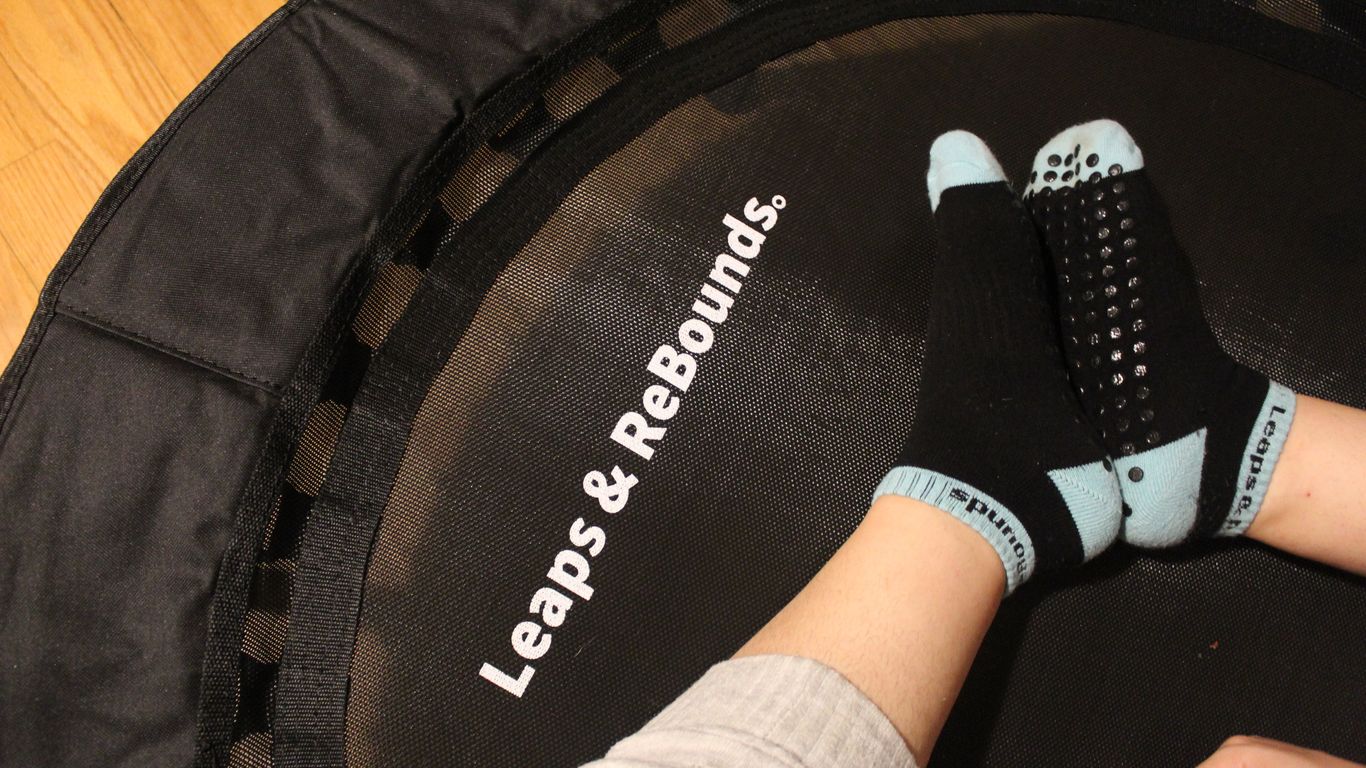
When you're thinking about adding exercise to your routine, especially as you get older, it's natural to wonder how different activities stack up. Rebounding is often talked about, but how does it really compare to more common choices like walking or other exercises that are easy on the joints?
Is Rebounding Better Than Walking?
Walking is a fantastic, accessible exercise for most people. It's great for getting your heart rate up a bit, improving circulation, and it's very low impact. You can do it almost anywhere, anytime. However, rebounding can offer a more intense workout in a shorter amount of time, engaging more muscles simultaneously.
Here's a quick look at how they compare:
| Feature | Walking | Rebounding (Mini-Trampoline) |
|---|---|---|
| Impact on Joints | Very Low | Low (absorbs some impact) |
| Muscle Engagement | Primarily lower body, some core | Full body (legs, core, arms, back) |
| Cardio Intensity | Moderate (can be increased by pace) | Moderate to High (depends on effort) |
| Balance Challenge | Moderate | High (requires active stabilization) |
| Bone Stimulus | Moderate | Lower (surface absorbs some force) |
| Accessibility | High (indoors/outdoors, no equipment) | Moderate (requires a rebounder) |
While walking is a solid choice for daily activity, rebounding can provide a more dynamic full-body workout that challenges balance and can be more time-efficient for cardiovascular benefits. It really depends on your personal goals and what you're looking for in an exercise.
Comparing Impact On Joints
This is where rebounding really shines for many people. Unlike running or jumping on a hard surface, the mat of a mini-trampoline is designed to absorb a good portion of the shock. This makes it a much gentler option for knees, hips, and ankles, which is a big plus if you have arthritis or other joint discomfort.
Think about it this way:
- Walking: Puts a certain amount of force through your joints with each step.
- Running: Significantly increases that force, making it harder on your joints.
- Rebounding: The elastic surface cushions your landing, reducing the force that travels up your legs and into your body. This can make it feel much more comfortable, especially for longer sessions.
However, it's worth noting that this same shock absorption, while good for joints, means rebounding might not provide as strong a stimulus for bone building compared to exercises done on a firm surface where more force is transmitted to the bones. If bone density is your main concern, you might need to supplement rebounding with other weight-bearing activities.
When choosing between exercises, it's always a good idea to consider what feels best for your body. What works wonders for one person might not be the right fit for another. Listening to your body and understanding the unique benefits and drawbacks of each activity is key to finding a sustainable fitness routine.
So, while rebounding offers a unique set of advantages, particularly in its low-impact nature and full-body engagement, it's not necessarily a one-size-fits-all replacement for other forms of exercise. It's often best used as part of a varied fitness plan.
Getting Started Safely With Rebounding
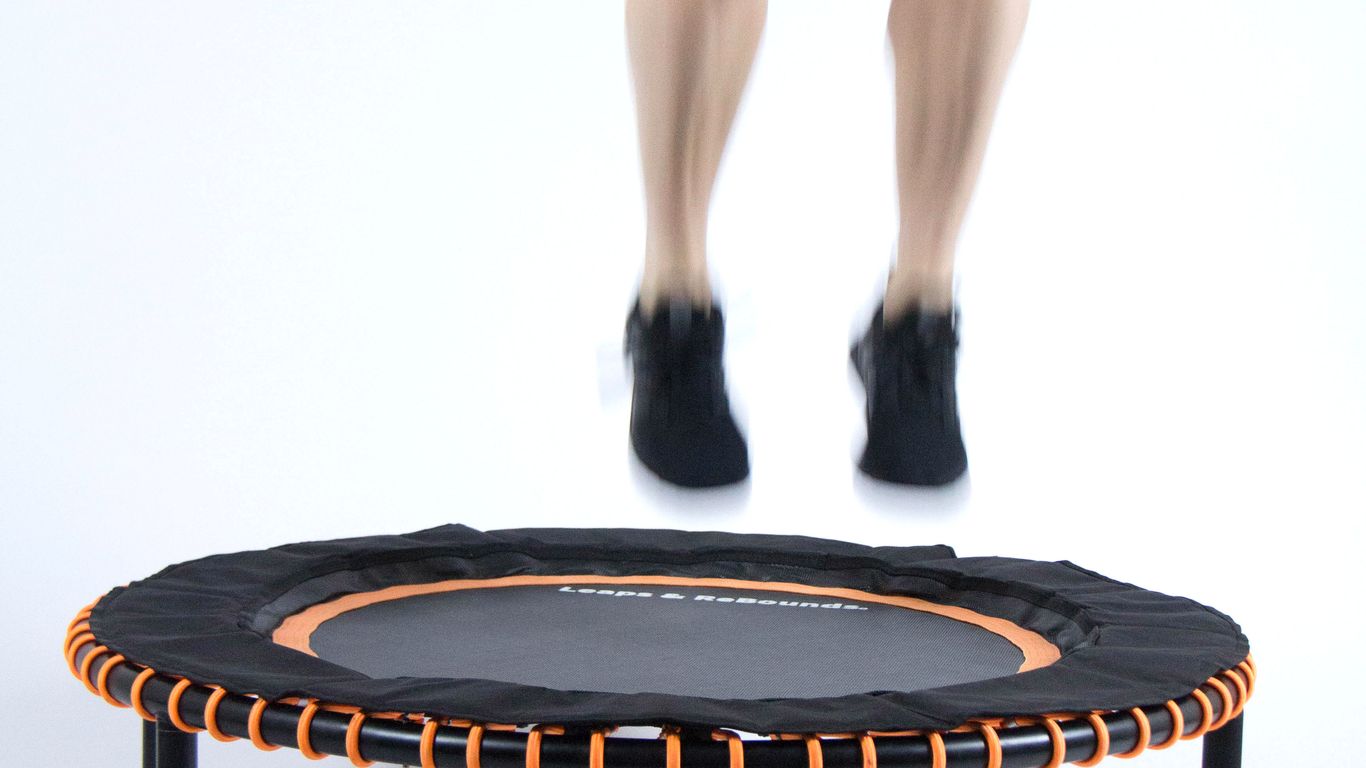
So, you're thinking about giving rebounding a try? That's great! It's a fun way to get moving, but like anything new, it's smart to start off right. We want to make sure you're getting all the good stuff without any of the oopsies.
Choosing The Right Mini-Trampoline
First things first, you need a rebounder. Not all mini-trampolines are created equal, so picking the right one is key. Look for something sturdy. A diameter between 32 and 48 inches is usually a good range. Also, check the weight capacity – aim for one that can handle at least 200 to 400 pounds. Some people like rebounders that fold up for easy storage, or ones with handlebars for extra stability, especially when you're just starting out. Don't forget to check out reviews to see how quiet the springs are; nobody wants a squeaky workout partner!
Essential Safety Tips For Seniors
Safety is the name of the game here. Even though rebounding is low-impact, it's not zero-impact. You still need to be mindful.
- Warm-up: Always start with a few minutes of gentle movement to get your blood flowing. Think light stretches or marching in place.
- Posture: Keep your back straight and your core engaged. Imagine a string pulling you up from the top of your head.
- Controlled Movements: Start with simple bounces. Avoid jerky or sudden movements, especially when you're new to it.
- Listen to Your Body: If something feels off, stop. Don't push through pain.
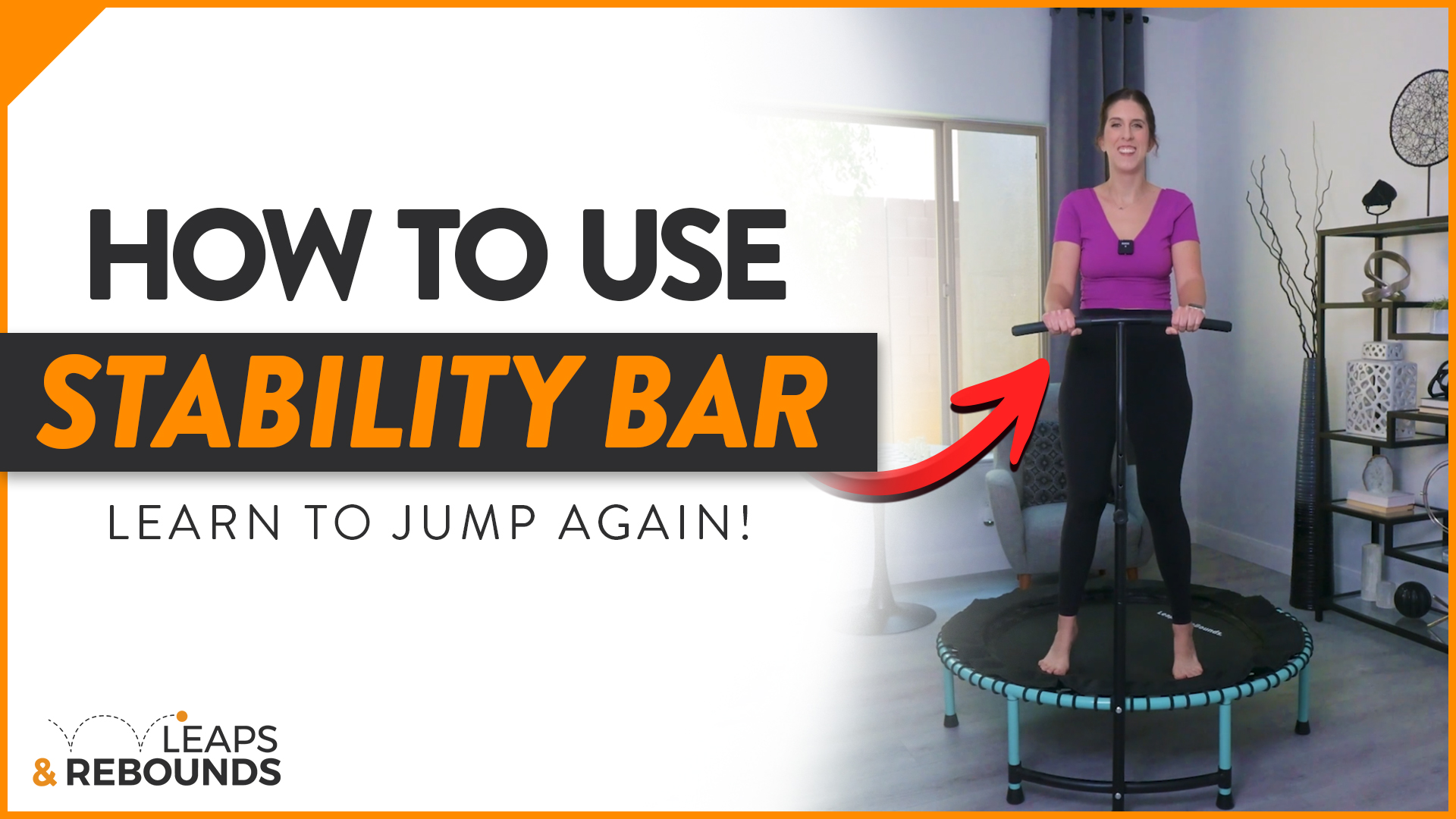
- Consider a Handlebar: For added security, especially if you have balance concerns, a rebounder with a handlebar can make a big difference.
It's really important to remember that while rebounders are often marketed as being super safe, they do carry risks. For instance, some individuals, particularly those with existing bone density issues, have experienced vertebral compression fractures. This is why starting slow and focusing on proper form is so important. If you have any concerns about your bone health, it's wise to discuss rebounding with your doctor first.
Gradual Progression And Proper Form
Don't try to do too much too soon. Start simple. Just walking on the rebounder is a fantastic way to begin. Once you feel steady, you can try gentle jogging in place or small jumps. Gradually increase the time you spend on the rebounder and the intensity of your movements. Watching instructional videos or even joining a beginner's class can help you learn the correct way to land and move, which is super important for preventing injuries. Building up your strength and balance slowly will help you get the most out of your rebounding workouts without putting yourself at risk.
Potential Risks And Considerations
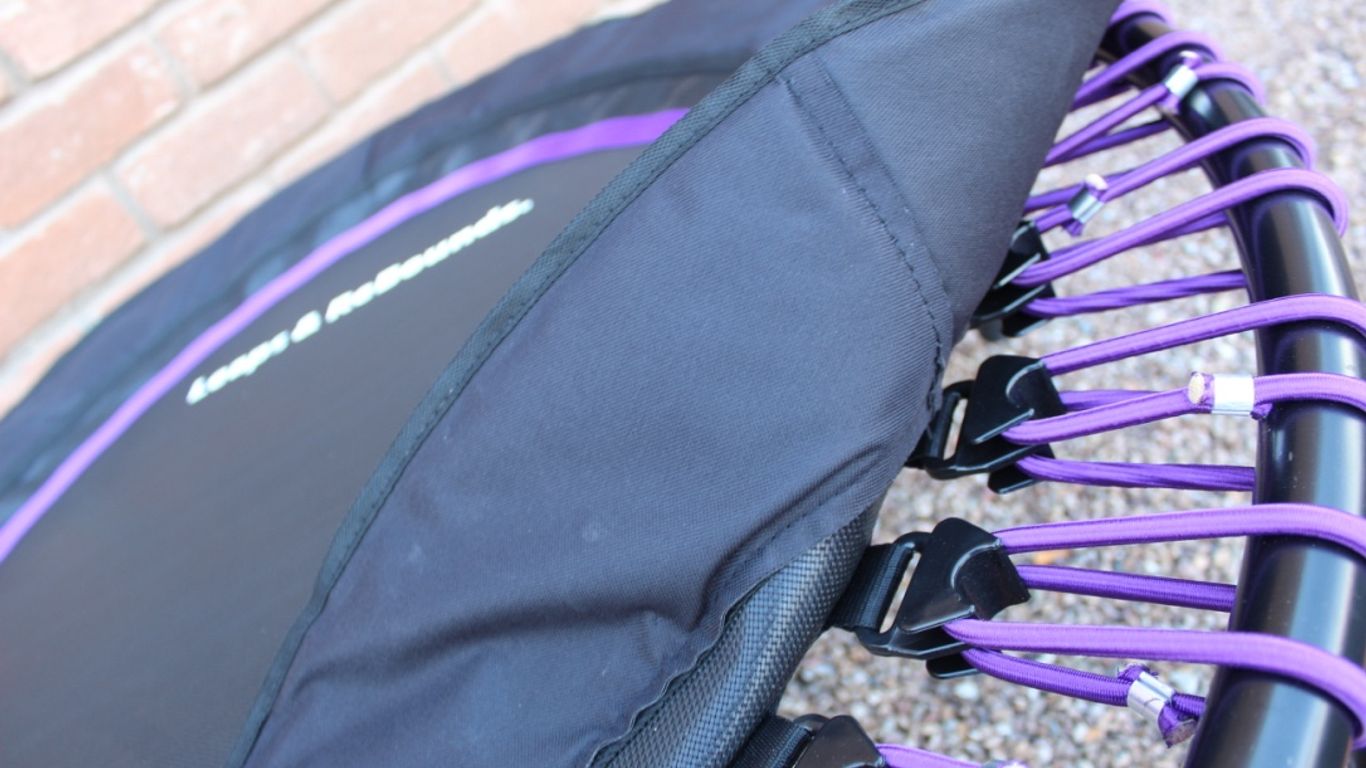
Although rebounding can be fun and gentle on the joints, it's not free from risks—especially for older folks. Before anyone grabs a mini-trampoline and jumps in, it's important to understand some of the potential challenges and how to tackle them safely.
Understanding Vertebral Compression Fractures
Most people think of rebounding as low-impact, but that doesn't mean zero risk. Some seniors have experienced vertebral compression fractures after regular trampoline workouts, even without osteoporosis. These injuries usually show up as back pain that gets worse over time, and they tend to affect the middle part of the spine. The issue isn’t always about weak bones, either; improper technique or overdoing it might be part of the problem.
Here's what to watch for:
- Persistent or worsening mid-back pain
- Sudden loss of height
- Difficulty bending or twisting
| Symptom | Typical Timeline | Risk Group |
|---|---|---|
| Upper/mid-back pain | 2-4 weeks | Over age 60 |
| Height loss | Gradual | Osteoporosis/Others |
| Reduced mobility | Gradual/severe | Anyone |
The lesson here is to always listen to your body. If pain crops up and doesn’t go away, stop and talk to your doctor.
Addressing Dizziness and Vestibular Challenges
It’s pretty common to feel a little dizzy at first, especially if you haven't tried bouncing exercises before. Balance can change as we age, and moving up and down quickly can throw off your sense of steady footing. If you sometimes get dizzy when standing up too fast or changing positions, rebounding might ramp that up. Here are some ways to work around that:
- Start with slow, gentle movements—maybe just marching in place first
- Use a mini-trampoline with a stability bar to hold on to
- Stop immediately if you feel off-balance or woozy
- Make sure the area around your trampoline is clear of furniture or objects
Consulting Healthcare Professionals
Before starting a rebounder routine, especially for seniors or anyone with chronic health issues, a check-in with your healthcare provider is a must. Even if you feel fine, certain underlying issues aren’t always obvious right away. Your doctor can:
- Screen for osteoporosis or other bone health problems
- Provide advice on safe workout intensity and session length
- Suggest modifications based on medications or other conditions
Trying something new can be exciting, but doing it safely makes all the difference in the long run.
While mini trampolines offer a fun way to exercise, it's smart to think about any possible downsides. Things like making sure you have enough space or choosing the right one for your needs are important. For more details on how to pick the best rebounder and avoid common issues, check out our guide on the website!
Conclusion
So, are rebounders good for seniors? After looking at the research and real-life stories, it seems like rebounding can be a solid choice for many older adults. The gentle bouncing is easy on the joints, which is a big plus if you deal with arthritis or sore knees. It can help with balance, muscle strength, and even boost your mood. Of course, like any exercise, it’s not for everyone. If you have certain health issues—especially with your bones or balance—it’s smart to talk to your doctor first. Start slow, use a handlebar if you need it, and make sure your trampoline is sturdy. In the end, rebounding is a fun way to stay active, and it might just help you feel a bit younger. Just remember to listen to your body and take it one bounce at a time.
Frequently Asked Questions
Is rebounding safe for older adults?
Rebounding can be a safe and effective exercise for seniors if done carefully. It's a low-impact activity that's easy on the joints. However, it's always a good idea to talk to your doctor before starting any new exercise plan. Using a stability bar can also help you feel more secure.
What are the main health benefits of rebounding for seniors?
Rebounding offers several great benefits! It can really help improve your balance and coordination, which is super important as we get older. It's also a fantastic low-impact way to strengthen your muscles and bones, and it's good for your heart health too.
How is rebounding different from walking?
While walking is great, rebounding can offer more benefits for seniors. Bouncing on a mini-trampoline puts much less pressure on your feet and legs compared to walking. This means it's gentler on your joints while still giving you a good workout.
How often should seniors rebound?
It's best to start slow. Try rebounding for about 5 to 10 minutes a few times a week. As you get used to it and feel stronger, you can gradually increase the time you spend bouncing.
What kind of mini-trampoline is best for seniors?
Look for a mini-trampoline that is sturdy and designed for stability. Some rebounders are quite stiff, which can be hard on the body. A good quality rebounder will offer a softer bounce. Many seniors also find it helpful to use a rebounder with a handle for extra support.
Are there any risks associated with rebounding for seniors?
Like any exercise, there can be risks. Some people might feel dizzy, especially if they have inner ear issues. There's also a small chance of injury, particularly if you have bone conditions like osteoporosis. It's crucial to listen to your body and stop if you feel unwell. Always consult with a healthcare professional.


0 comments